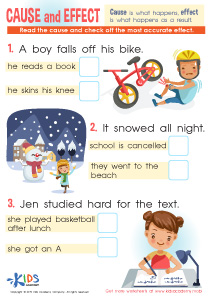
Normal Reading Non-Fiction Worksheets for Ages 3-8
69 filtered results
Difficulty Level
Grade
Age
-
From - To
Subject
Activity
Standards
Discover our collection of Normal Reading Non-Fiction Worksheets designed for ages 3-8, perfect for developing young learners' reading skills! These engaging resources provide age-appropriate, real-world content that stimulates curiosity and comprehension. Each worksheet features fun activities that encourage exploration and critical thinking, helping children connect with non-fiction texts. Tailored for early learners, these worksheets cover a range of topics to support their intellectual growth while making learning enjoyable. Foster a love for reading while enhancing literacy skills with our vibrant and interactive worksheets, ideal for classroom use or home education. Explore our printable options and inspire young readers today!
Favorites
With answer key
Interactive
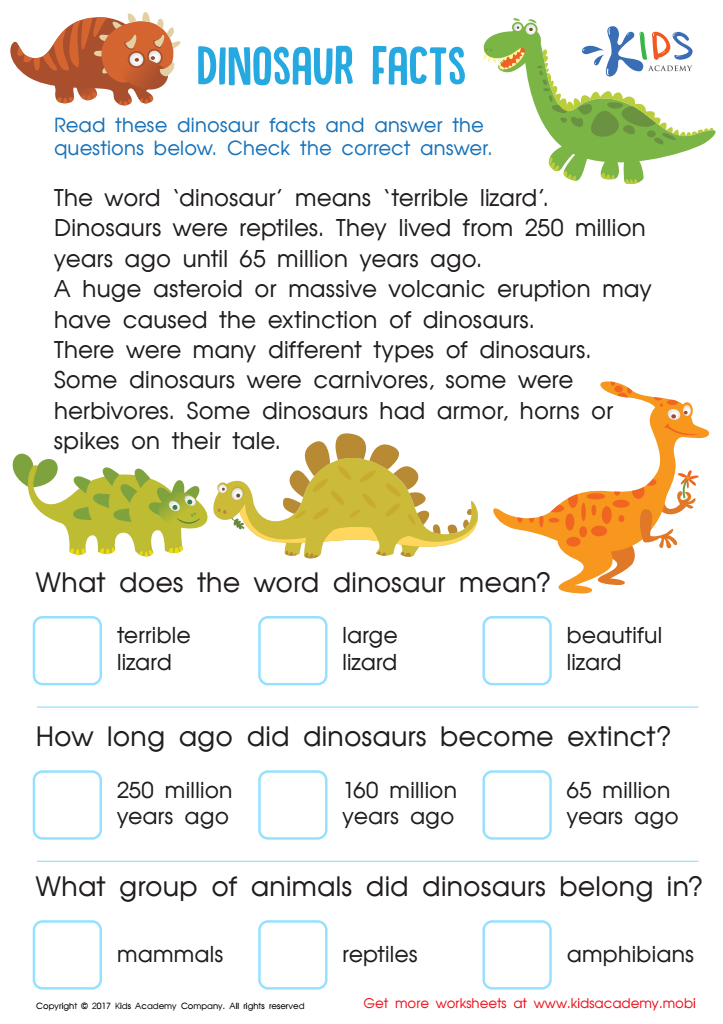
Dinosaur Facts Worksheet
Help your child improve reading skills with engaging nonfiction texts! This dinosaur facts worksheet will teach fun information and test kids on the key details. It'll keep them motivated and ready to learn!
 Assign to My Students
Dinosaur Facts Worksheet
Worksheet
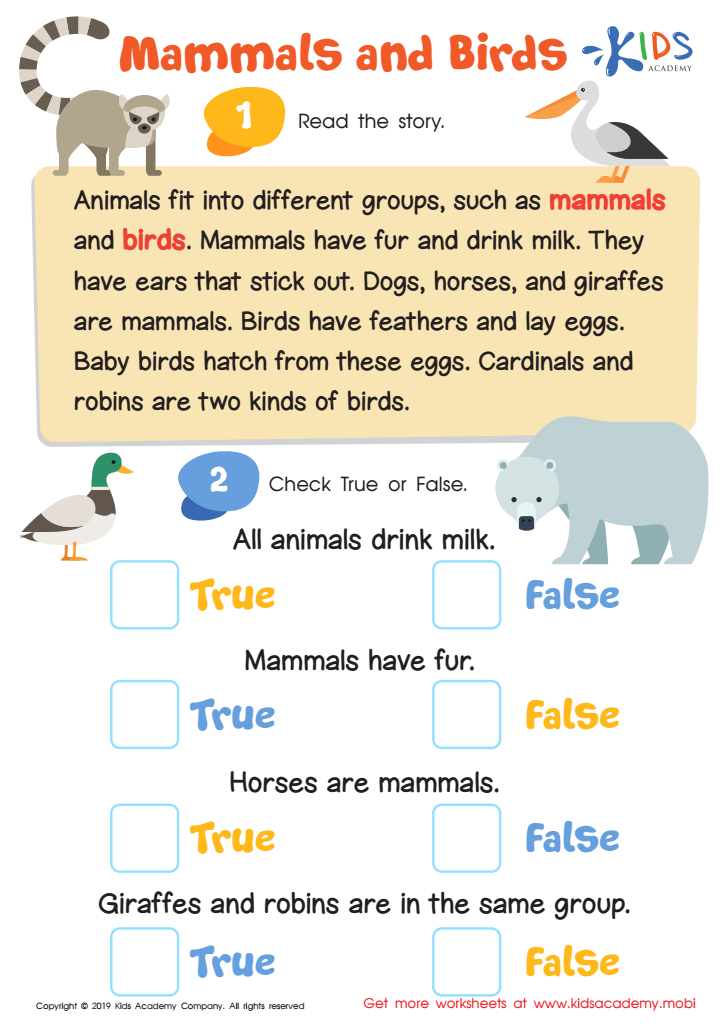
Mammals and Birds Worksheet
This worksheet challenges kids to read an informational text and review science facts about mammals and birds. Have them read the passage then mark statements true or false. Remind them to go back to the text if they get stuck! Get started now and help your child enhance multiple skills in one go!
Mammals and Birds Worksheet
Worksheet
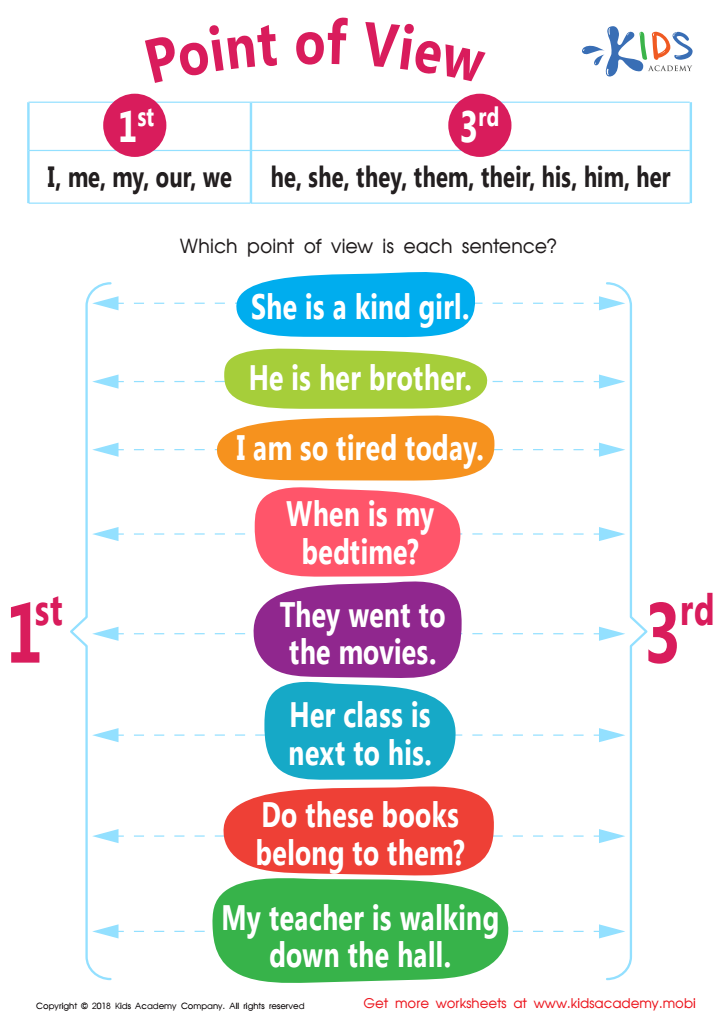
Point of View Worksheet
This printable worksheet helps kids understand Point of View by providing 1st and 3rd person choices. It's a fun way to practice differentiating between the two viewpoints and improve their reading comprehension. Match the sentences to 1st or 3rd person to strengthen understanding and enjoy the task!
Point of View Worksheet
Worksheet
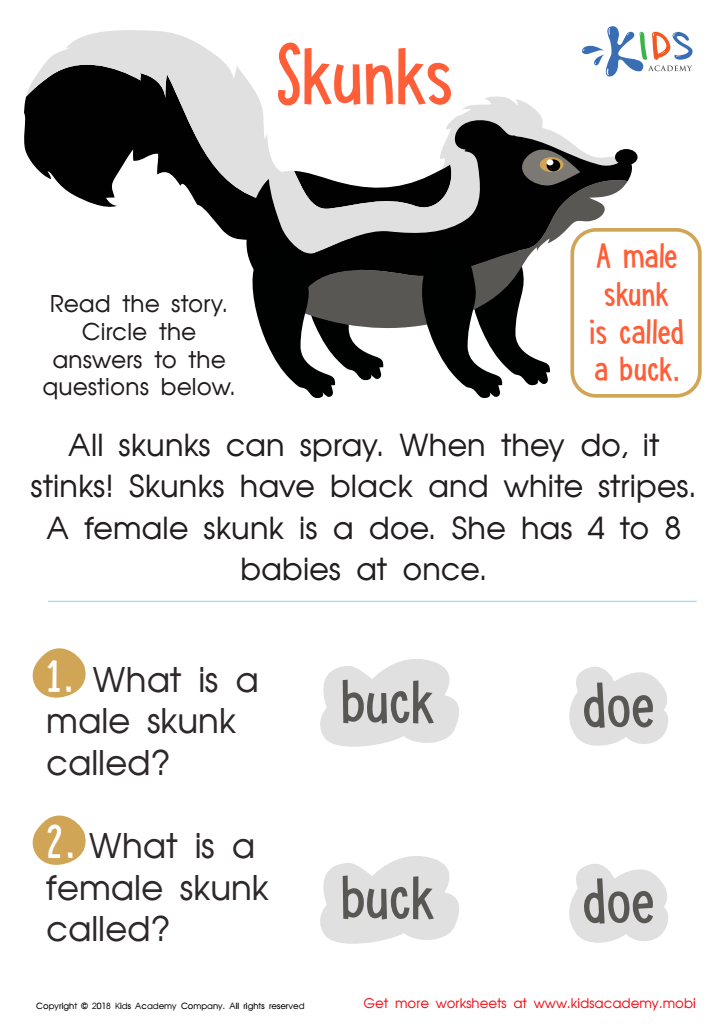
Skunks Worksheet
Kids can learn fascinating information about a beloved and smelly animal with this fun worksheet. They'll read articles, texts, and look at an accompanying picture while reading. Captions and sidebars can give extra details. Finally, answer the given questions by selecting the correct response. Reading is a fun and informative way to gain knowledge!
Skunks Worksheet
Worksheet
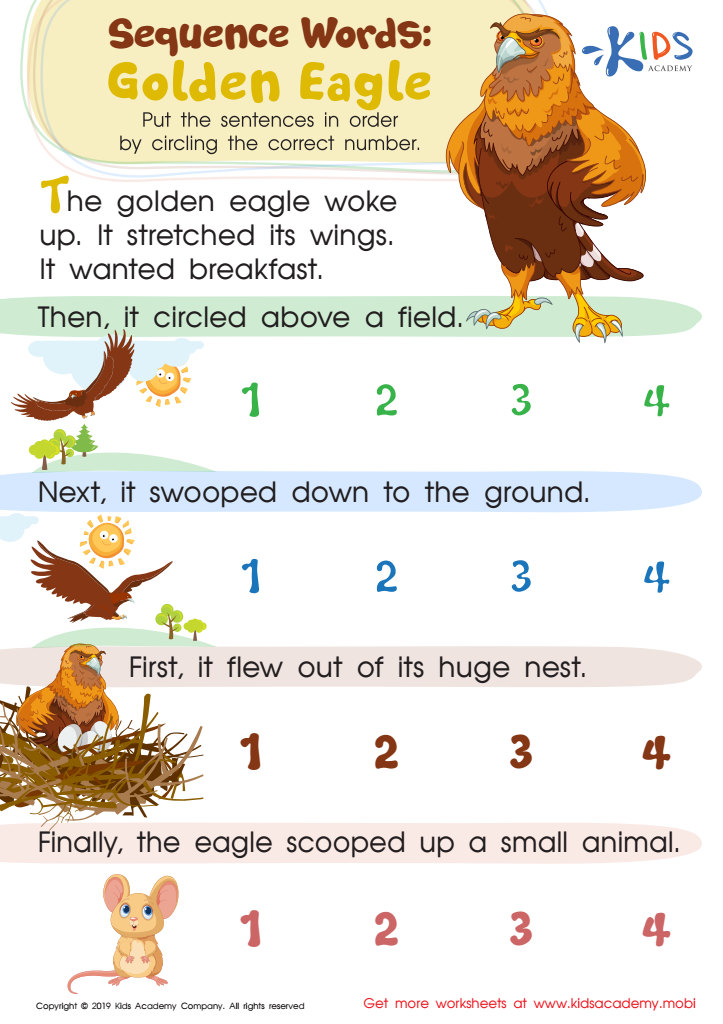
Sequence Word Eagle Worksheet
Help your child brush up on reading and writing with this fun worksheet. Read the story of the golden eagle's day, then have the child circle the numbers in the right order. Point out the sequence words that tell the order of events. This helps learners understand how to make their writing clear and understandable to others.
Sequence Word Eagle Worksheet
Worksheet
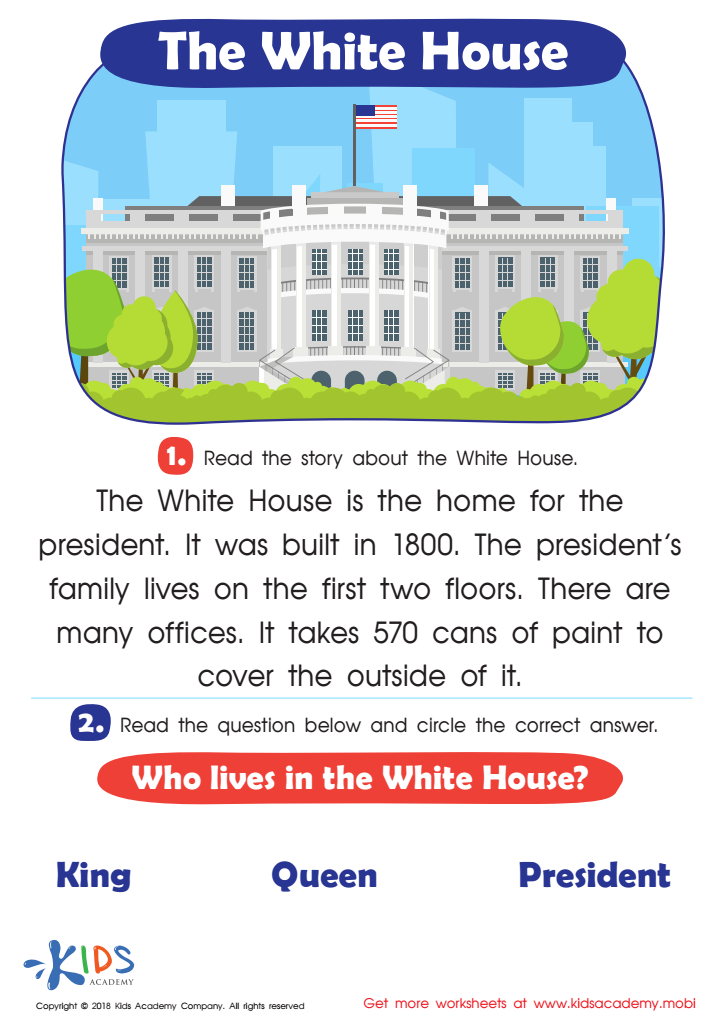
White House Worksheet
Read stories to your students to teach them new words, and about the White House. Before reading, ask your kindergartners what they already know. Then read short sentences for them to learn about the building the U.S President resides in.
White House Worksheet
Worksheet
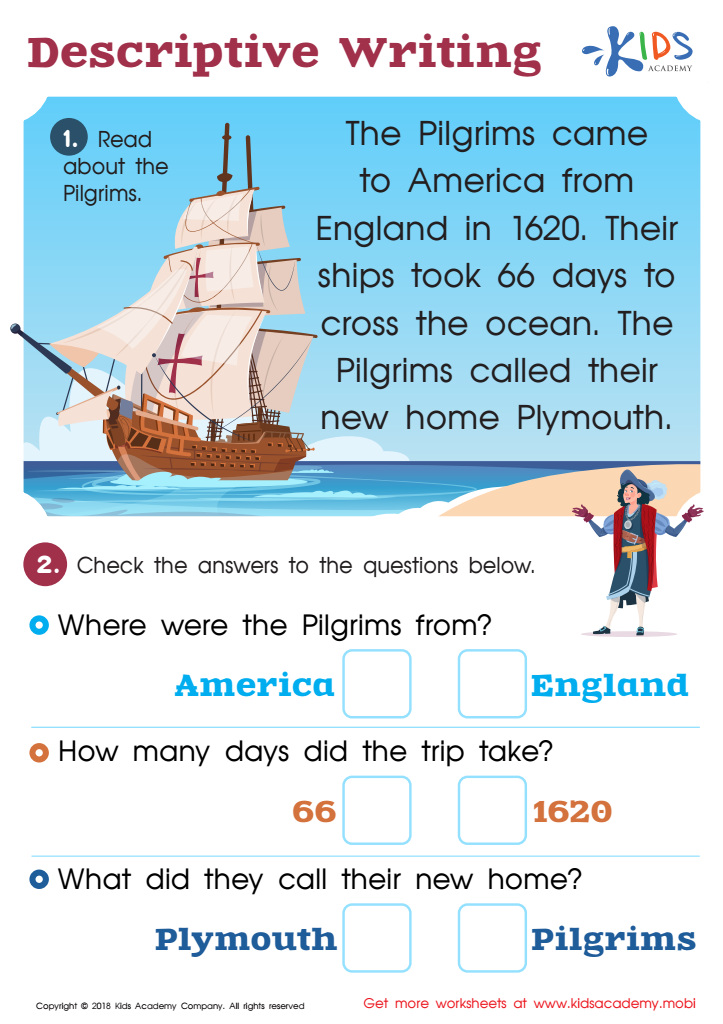
Descriptive Writing Worksheet: Part 1
Kids, let's learn about the Pilgrims! Read this short text about their voyage to America, then answer the questions at the bottom. Writing is an art: expressing emotions in artful words and sentences. Some writing informs, others describe. Here, discover the Pilgrims' journey!
Descriptive Writing Worksheet: Part 1
Worksheet
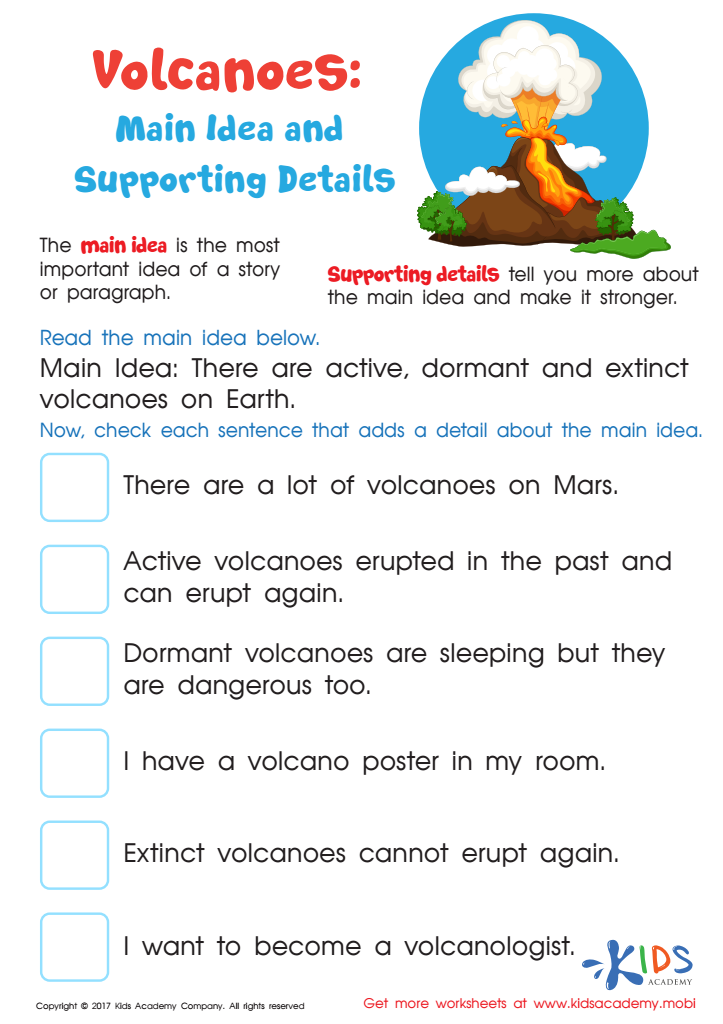
Volcano Facts Worksheet
This PDF worksheet helps 3rd graders improve their skills for reading both fiction and nonfiction. It also introduces them to finding the main idea of a text and locating supporting details. Download it now to help your child break down text for better comprehension.
Volcano Facts Worksheet
Worksheet
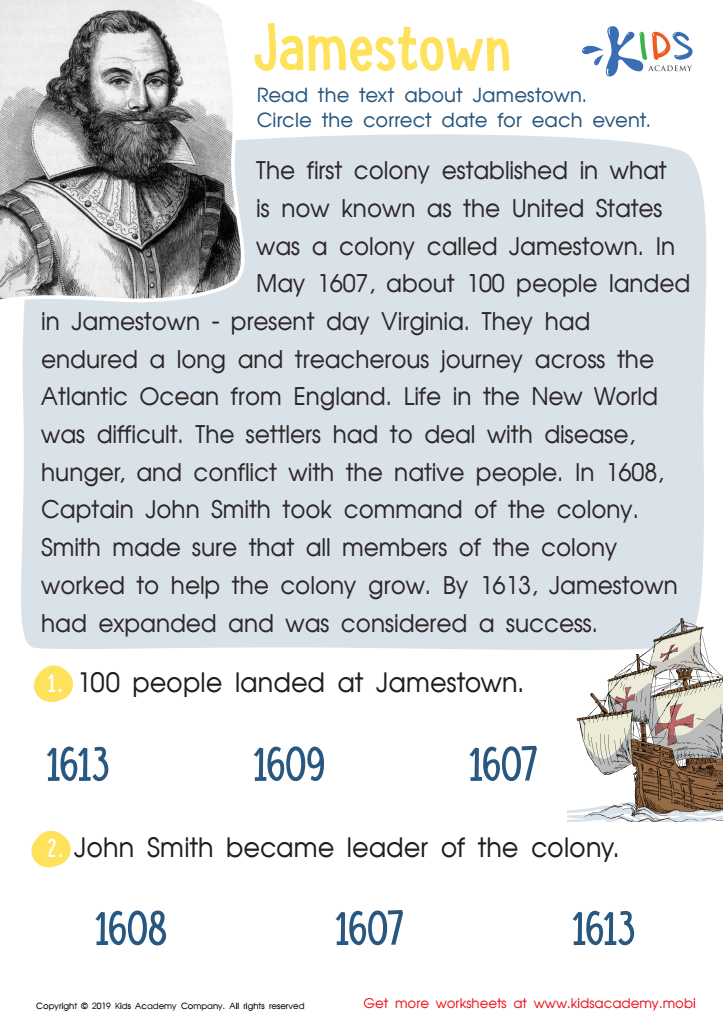
Jamestown Worksheet
Help your kids build vocabulary by reading simple texts and stories to them. This exercise helps them practice reading and grammar, and increases their knowledge of a topic. In this worksheet, kids learn about Jamestown: read text aloud and help them circle the correct date for each event.
Jamestown Worksheet
Worksheet
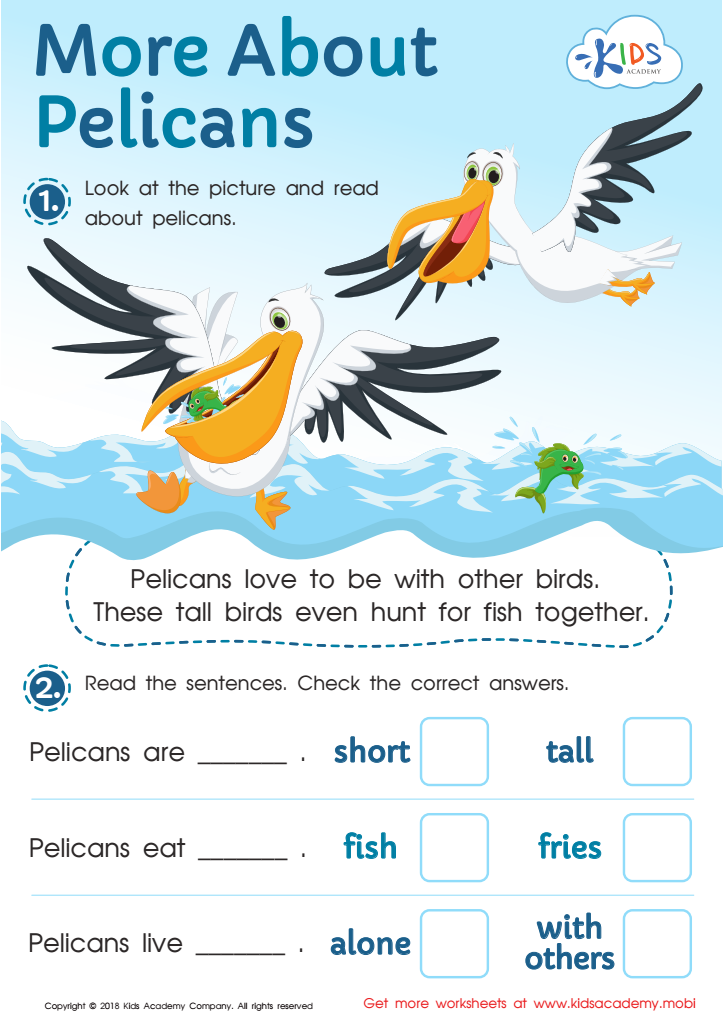
More About Pelicans Worksheet
Train your reader to look for clues in words with this fun worksheet about pelicans! As they read each sentence, they'll learn more about these majestic birds. Once they finish, answer the questions and explore even more!
More About Pelicans Worksheet
Worksheet
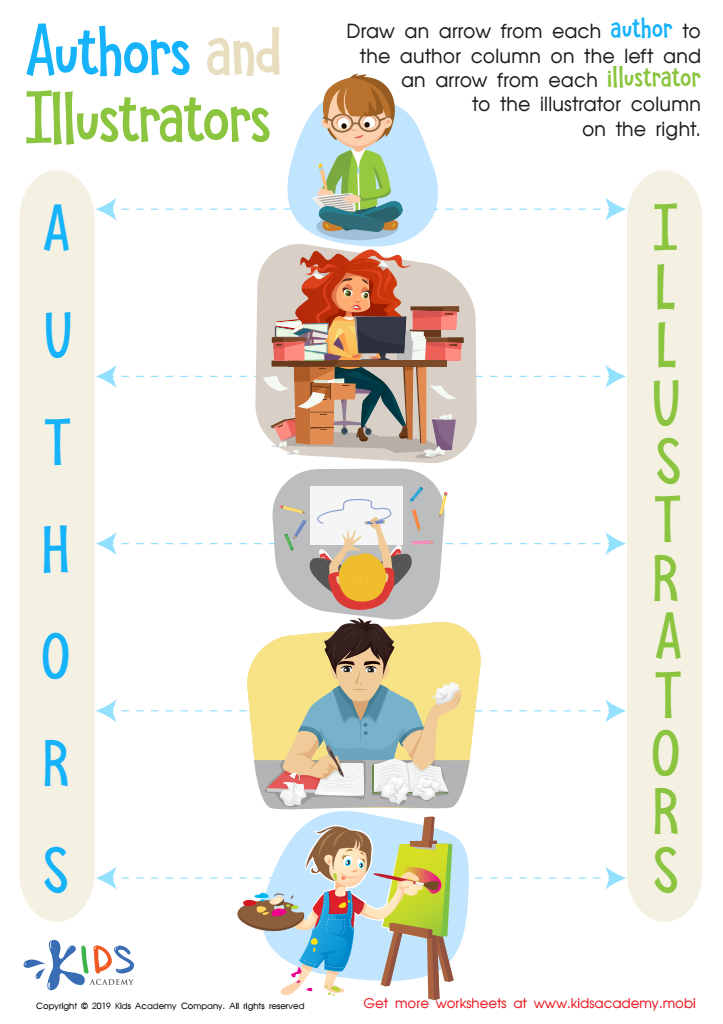
Authors and Illustrators Worksheet
This free PDF provides a simple and fun way to understand the roles of authors and illustrators for beginning readers. It offers concrete pictures of what each one does and traceable lines for children to decide whether they are an author or an illustrator. It will help build their critical thinking skills and foster a better understanding of the book-making process.
Authors and Illustrators Worksheet
Worksheet
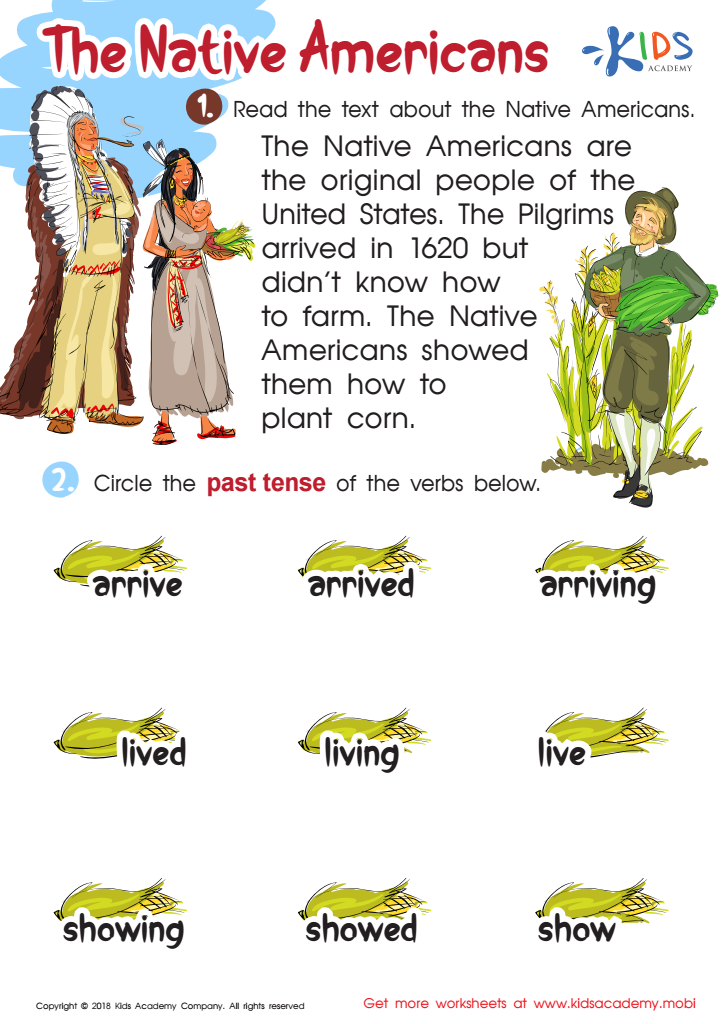
The Native Americans Worksheet
Ask your students who the Native Americans are and give them a history lesson if needed. Read the text about the Native Americans and circle the past tense verbs. The text describes events that occurred when the first Pilgrims arrived in America.
The Native Americans Worksheet
Worksheet
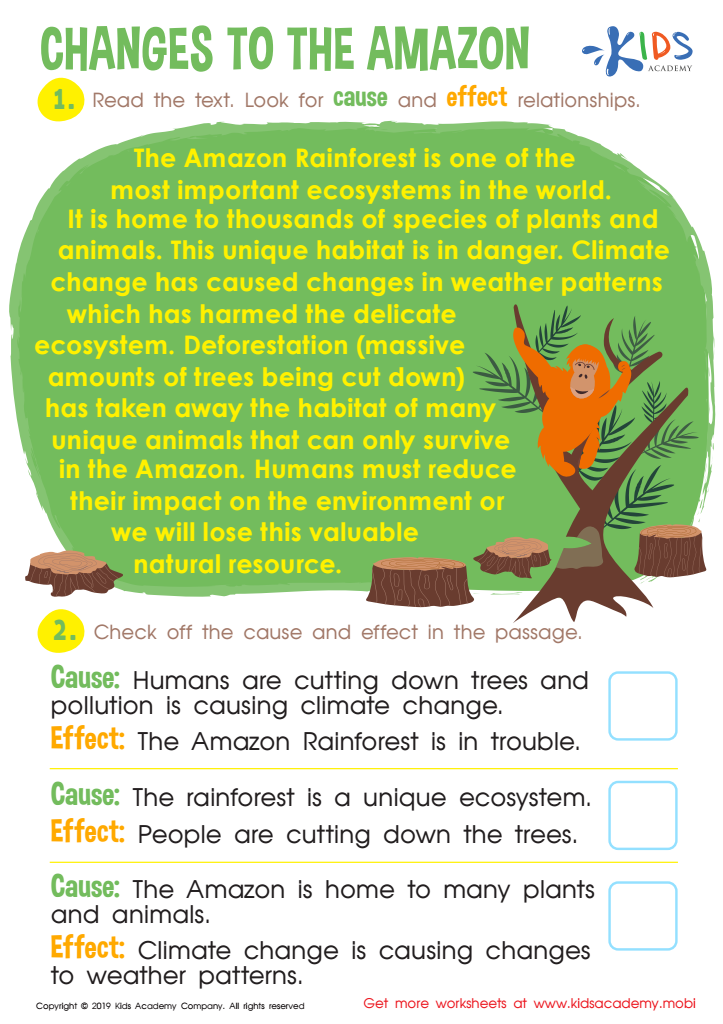
Changes to the Amazon Worksheet
If your kids are interested in protecting the planet, they should know about the Amazon. Use this worksheet to teach them about it. Read it with them and help them find the cause and effect relationships, then check them off. It explains the situation in the Amazon, why it's happening and the results.
Changes to the Amazon Worksheet
Worksheet
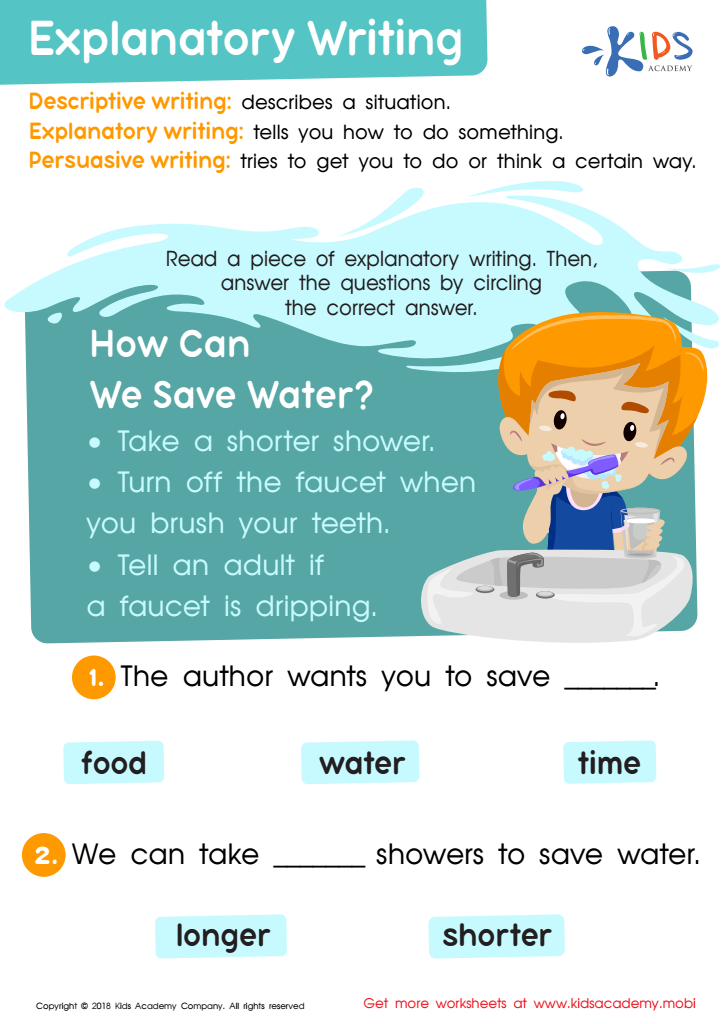
Explanatory Writing Worksheet
This worksheet teaches kids the three main types of writing. Descriptive writing describes a situation, explanatory writing explains how to do something, and persuasive writing is used to sway readers' opinions. Read the text and help your kids answer the questions by circling the right answer.
Explanatory Writing Worksheet
Worksheet
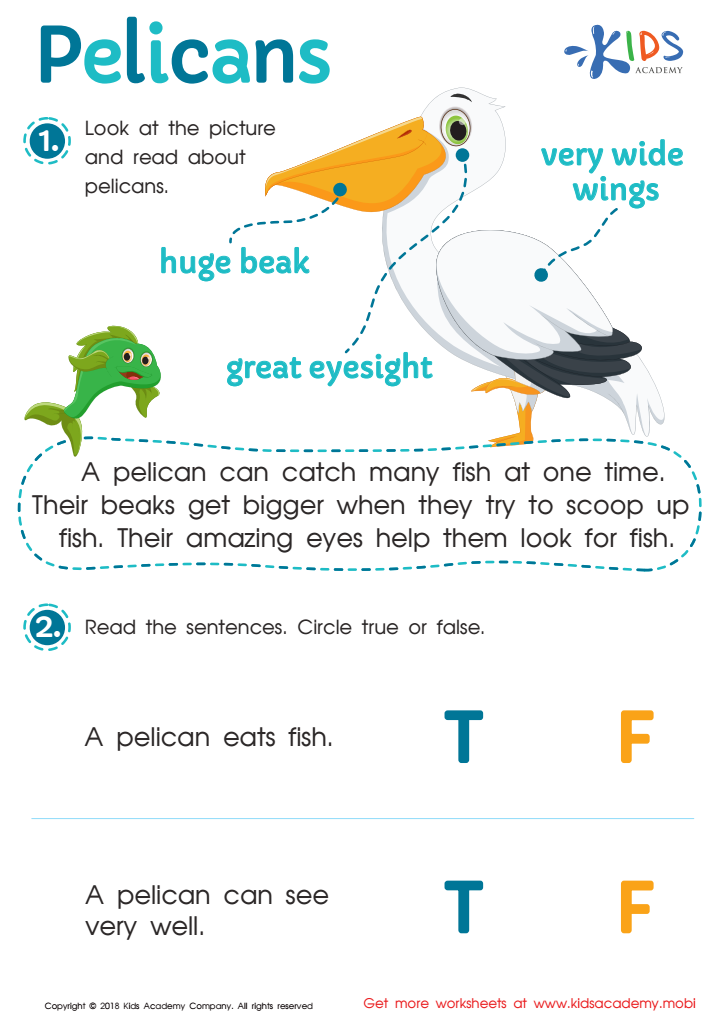
Pelicans Worksheet
This printable worksheet will help your child learn to read and analyze informational passages. It's fun and educational, featuring an animal science topic about pelicans. Read the passage and view the graph, then answer the questions by indicating if the statements are true or false.
Pelicans Worksheet
Worksheet
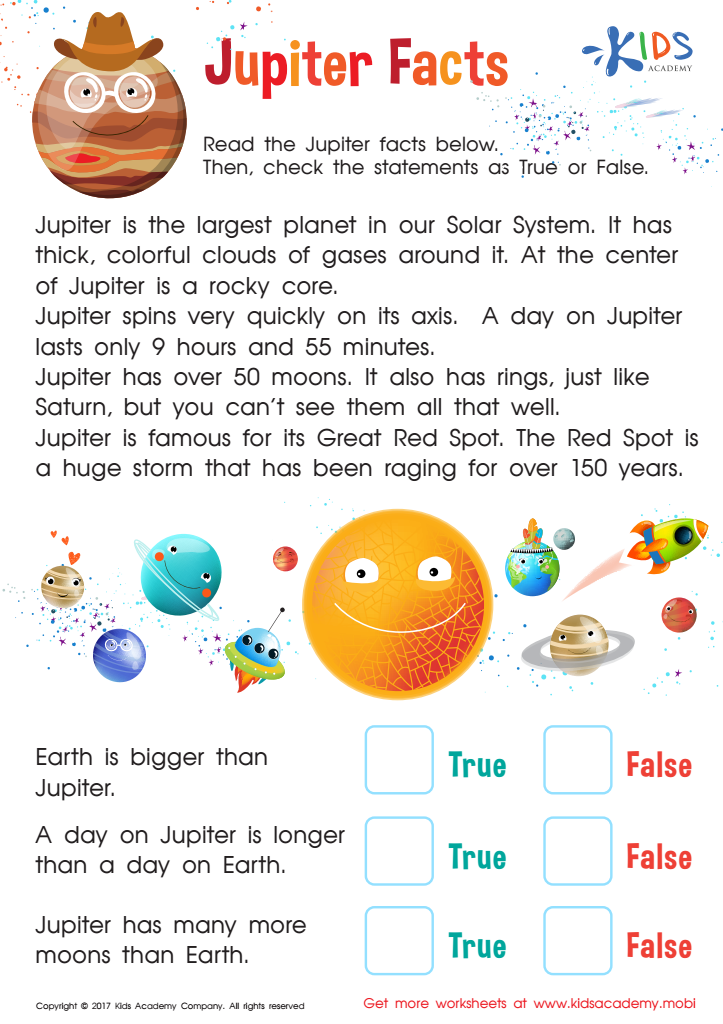
Jupiter Facts Worksheet
Kids can test their reading comprehension by using this Jupiter facts worksheet! It helps them practice remembering key details and strengthen their critical reading skills while learning an interesting nonfiction text.
Jupiter Facts Worksheet
Worksheet
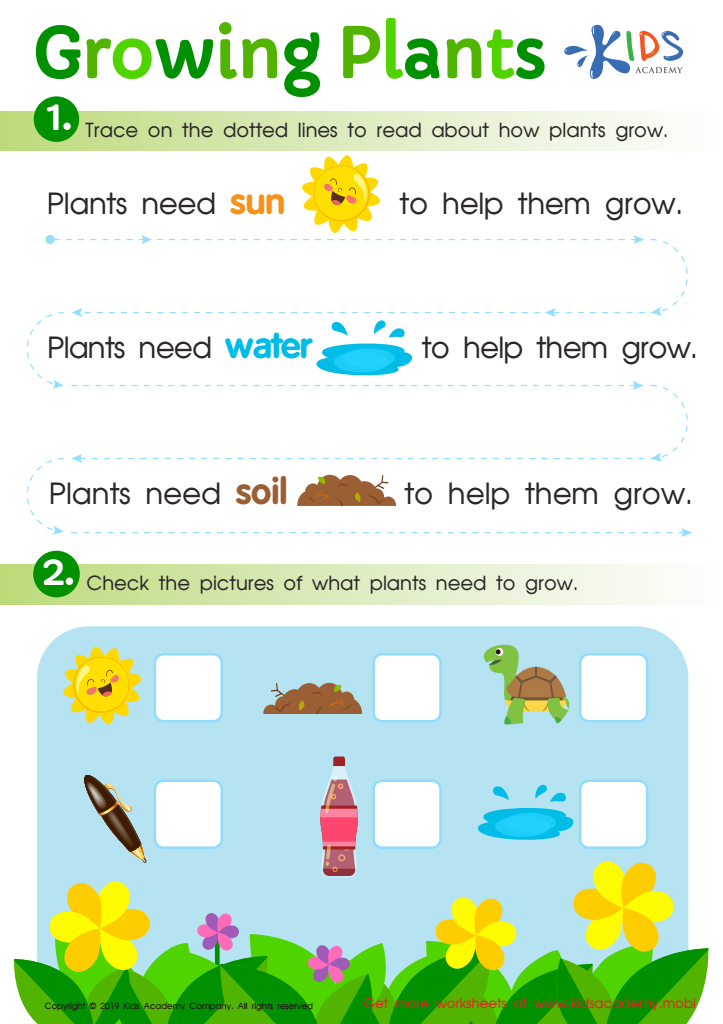
Growing Plants Worksheet
Young gardeners and scientists can learn about what helps plants grow with this fun PDF worksheet. Kids will trace lines to practice left-to-right patterning and use pictures from the rebus story to guide them. Learn that plants need sunshine, water and soil, then check off pictures of what each plant needs. It's an engaging and educational way to help their plants become big and strong.
Growing Plants Worksheet
Worksheet
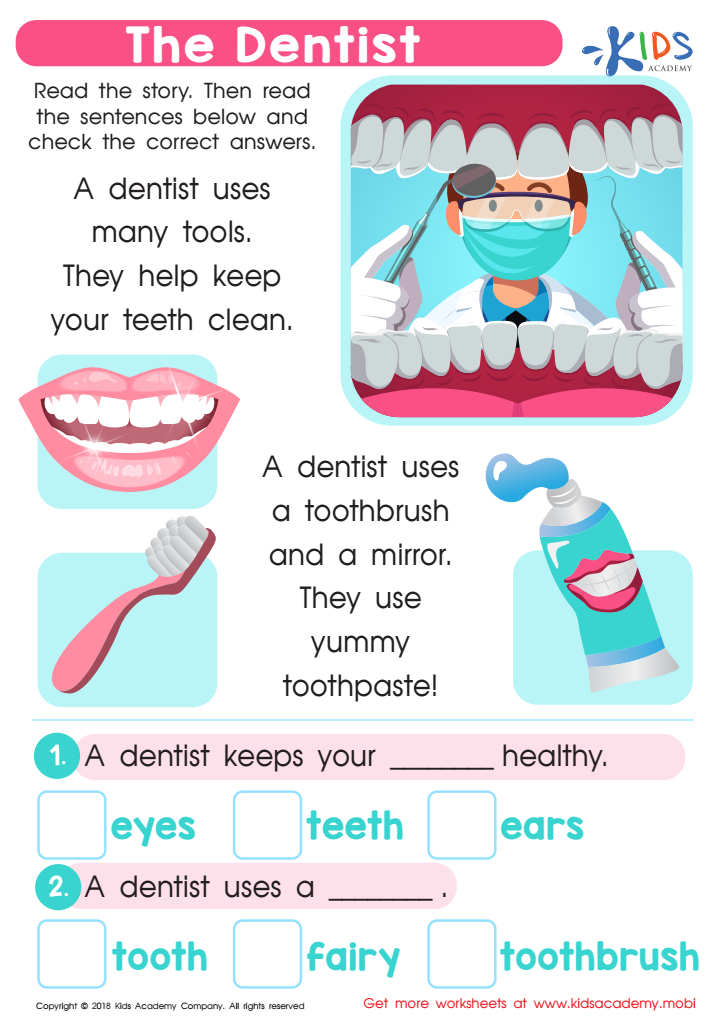
The Dentist Worksheet
Community helpers are essential for our wellbeing. This vibrant worksheet is a great way to introduce children to the dentist and their tools. They'll read the text, use the pictures and answer questions about what the dentist does and what they use. It's a great way to make the dentist more approachable, as well as help with comprehension.
The Dentist Worksheet
Worksheet
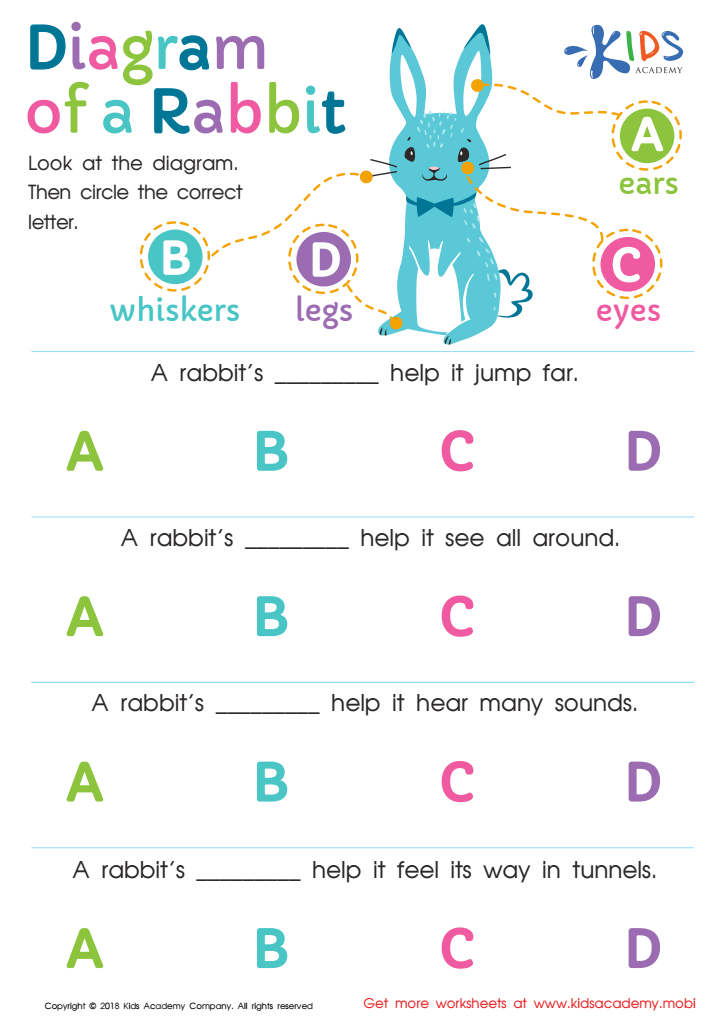
Diagram of a Rabbit Worksheet
Reading skills are essential for success in all subjects, from science and math to fiction. This worksheet helps kids learn to interpret diagrams by studying the rabbit illustration and then selecting the correct answer for each sentence. It's a fun way to build reading and comprehension skills!
Diagram of a Rabbit Worksheet
Worksheet
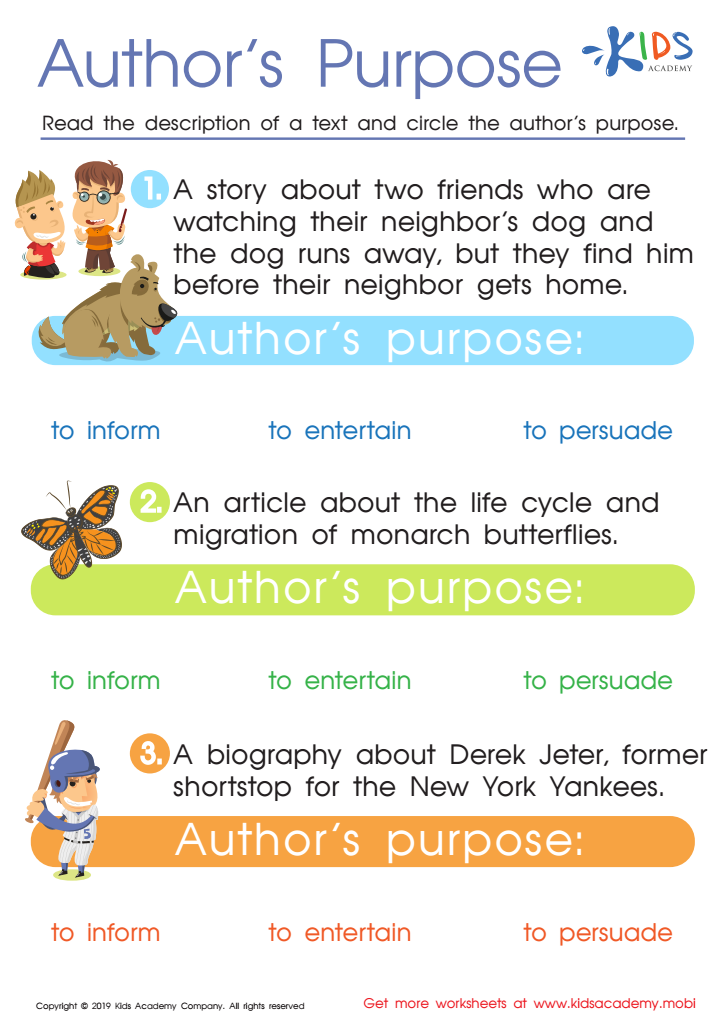
Author's Purpose Worksheet
Help your kids figure out the author's purpose when they read something. In this worksheet, there are three descriptions; they must identify the author's purpose and circle it from the options provided. Doing this will help them to get correct information from what they read.
Author's Purpose Worksheet
Worksheet
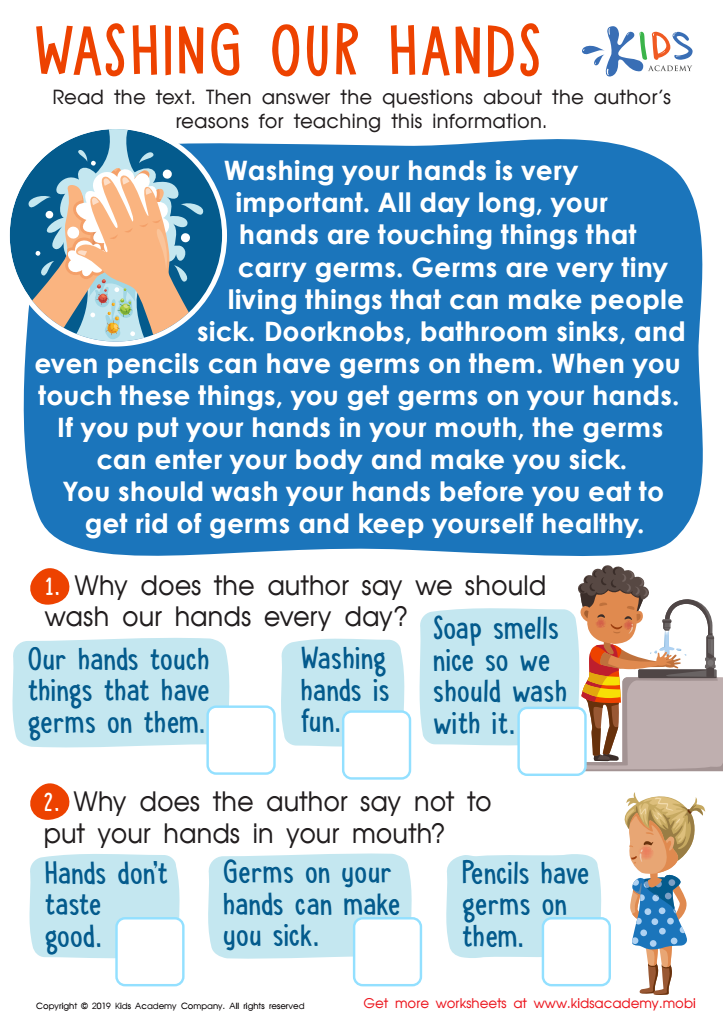
Washing Our Hands Worksheet
Reading allows us to gain knowledge. Informational texts provide essential facts which we need to be able to interpret and use. This PDF worksheet helps kids understand the importance of handwashing. It informs them of the germs they may come into contact with, before asking them to answer related comprehension questions.
Washing Our Hands Worksheet
Worksheet
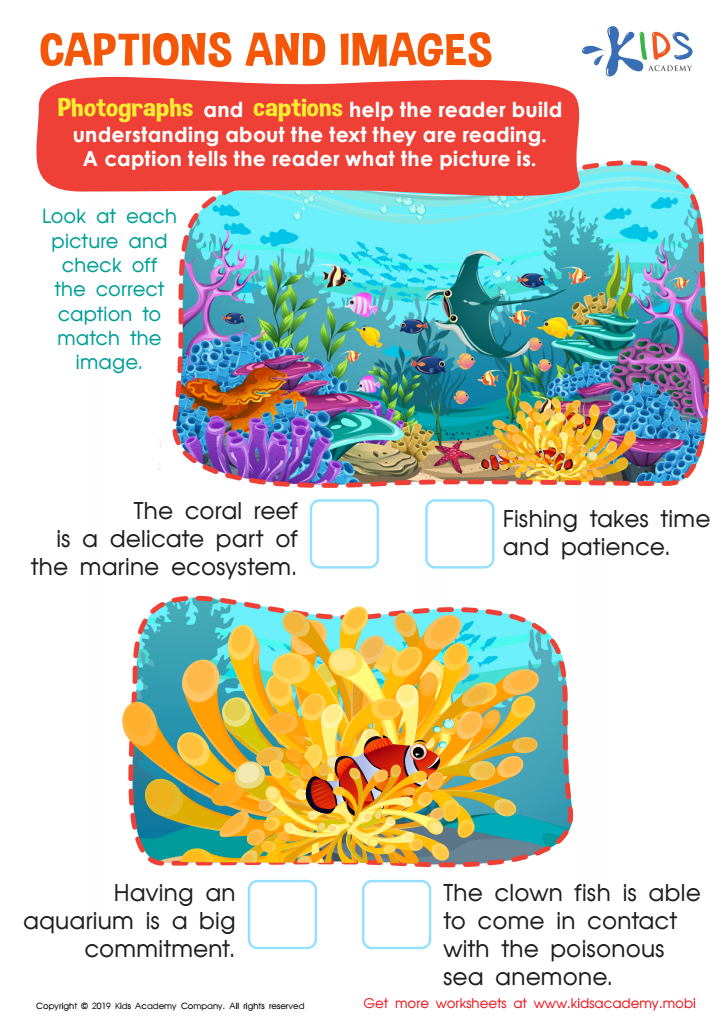
Captions and Images Worksheet
Pictures and captions can aid understanding. That's why many children's books have them. Have your kids look at the pictures in the worksheet, then help them match the right caption to each image. This will help them understand the story.
Captions and Images Worksheet
Worksheet
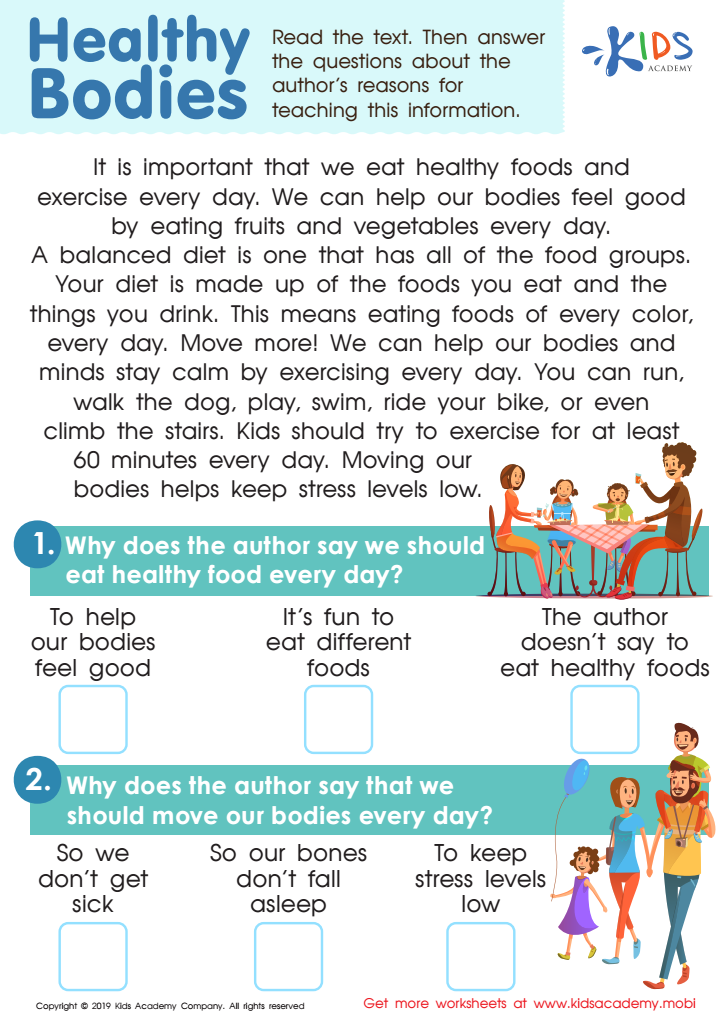
Healthy Bodies Worksheet
Taking care of our bodies is essential. To gain critical thinking skills, readers must understand an author's purpose. Our free worksheet is filled with facts about healthy bodies. After reading, your child can answer questions about the author's purpose.
Healthy Bodies Worksheet
Worksheet
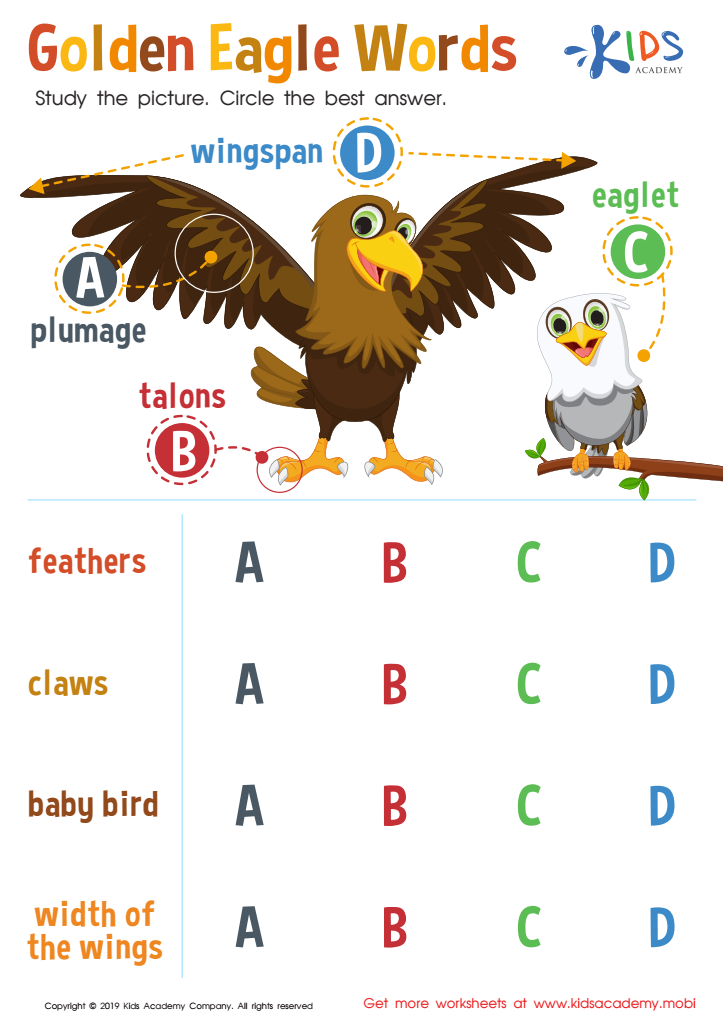
Golden Eagle Words Worksheet
Learning about animals is fun and this worksheet makes it more exciting! An adorable image of a golden eagle's wings is at the top, followed by new vocabulary words. Help your child match them by circling the correct answer. It's a great way to learn about the regal bird and its baby!
Golden Eagle Words Worksheet
Worksheet
Join Kids Academy for Free
Who is primarily going to use this learning content?








Parents and teachers should prioritize Normal Reading Non-Fiction for children ages 3-8 because it plays a crucial role in their cognitive and social development. First, non-fiction books expose young readers to a wealth of factual information about the world around them, nurturing their curiosity and encouraging exploration. These texts often cover topics like nature, science, and cultures, helping children make connections and understand context in an increasingly complex world.
Furthermore, non-fiction fosters essential literacy skills such as comprehension and vocabulary development. Children learn how to navigate different formats, understand layout features like tables and captions, and engage with visual information—skills that are valuable as they progress academically. Moreover, reading non-fiction strengthens critical thinking by encouraging children to question and seek out information, laying the groundwork for informed decision-making.
Finally, embracing diversity in reading materials, including non-fiction, models a balanced approach to literature. It helps children appreciate various forms of storytelling, broadening their understanding and empathy for others. By encouraging engagement with non-fiction, parents and teachers not only enhance literacy but also cultivate lifelong learners who are informed and engaged citizens.