Normal Science Worksheets for Ages 3-9 - Page 12
312 filtered results
-
From - To
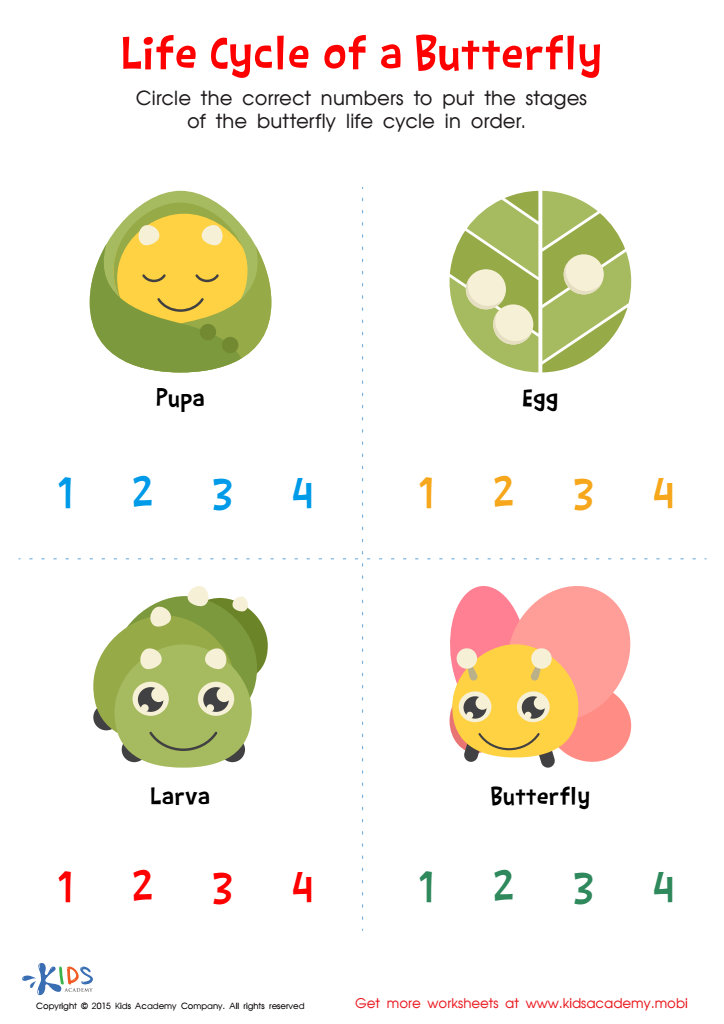
Life Cycle of Butterfly Printable
 Assign to My Students
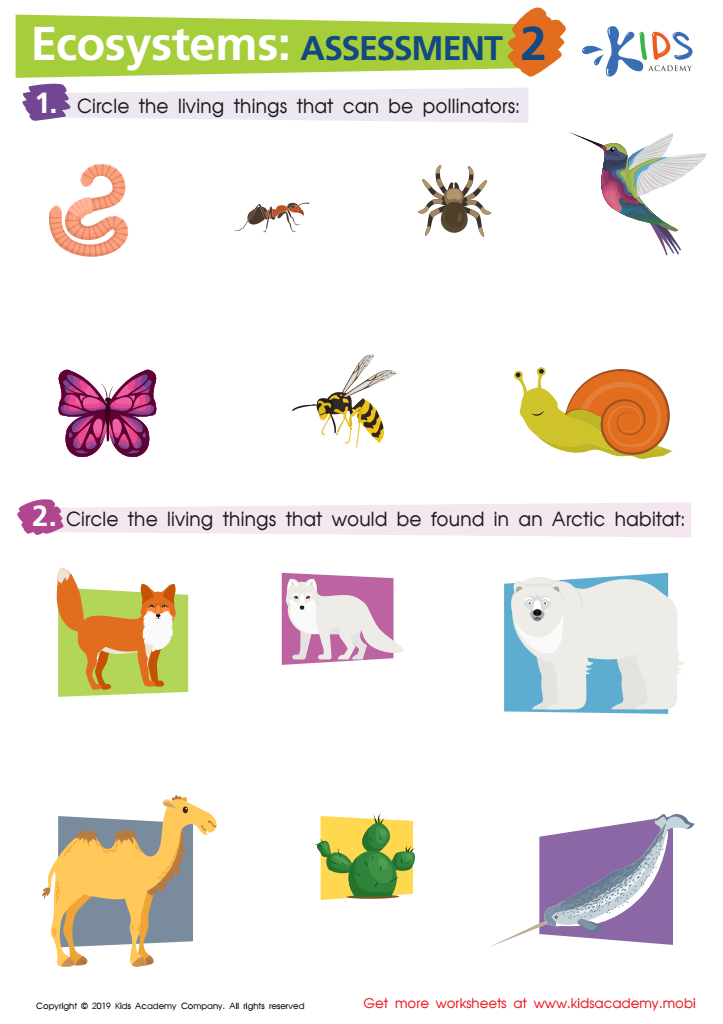
Ecosystems: Assessment 2 Worksheet
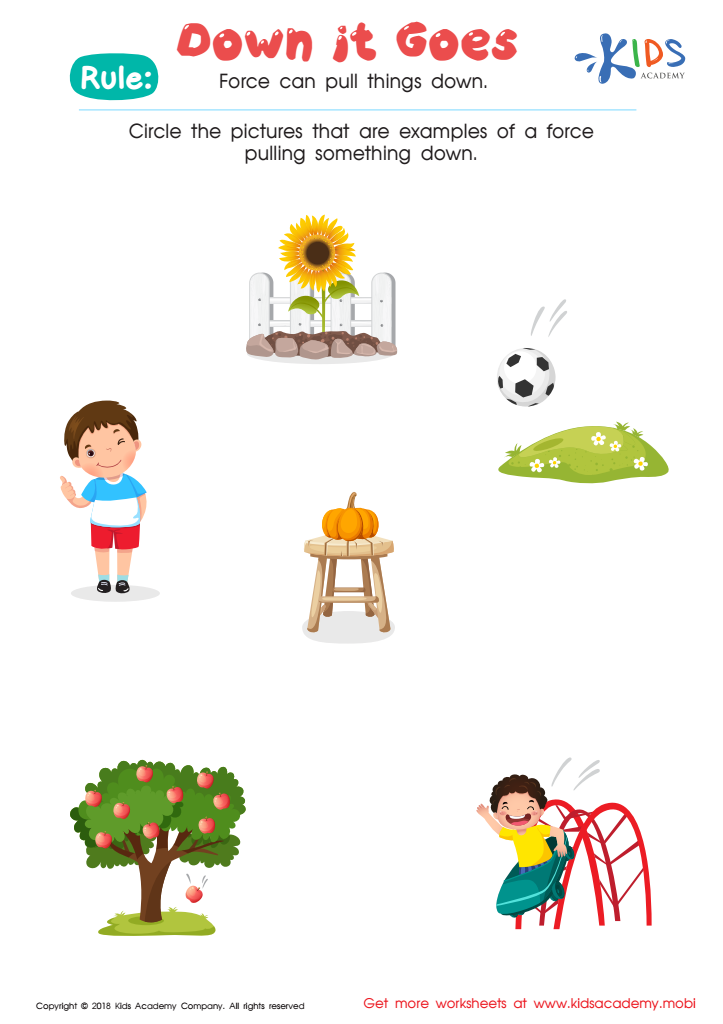
Down it Goes Worksheet
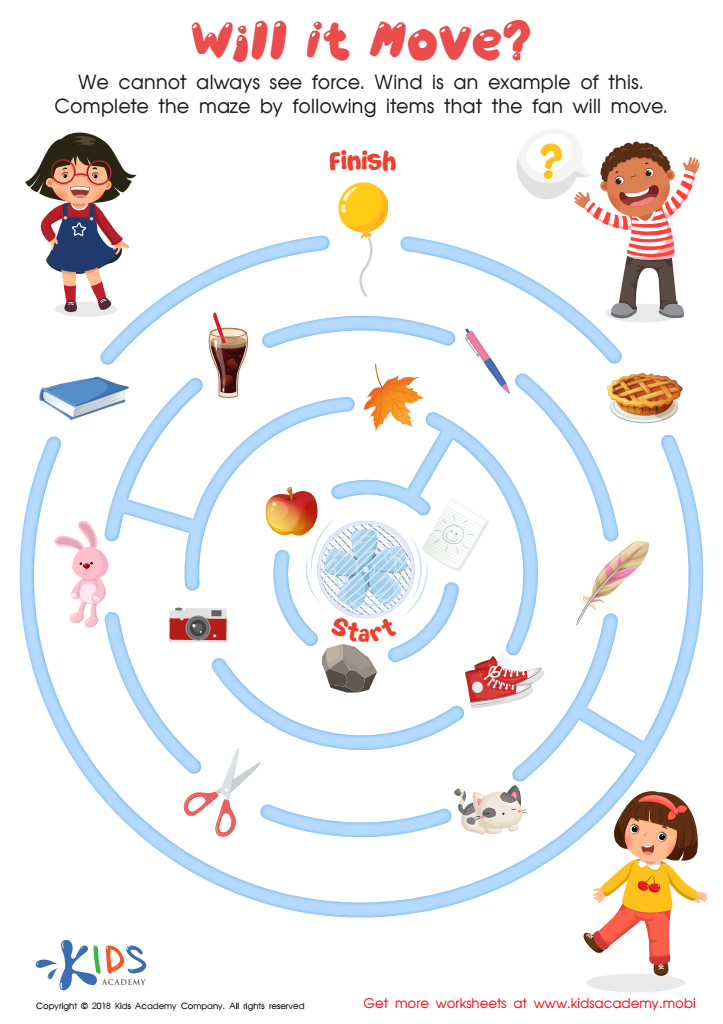
Will it Move? Worksheet
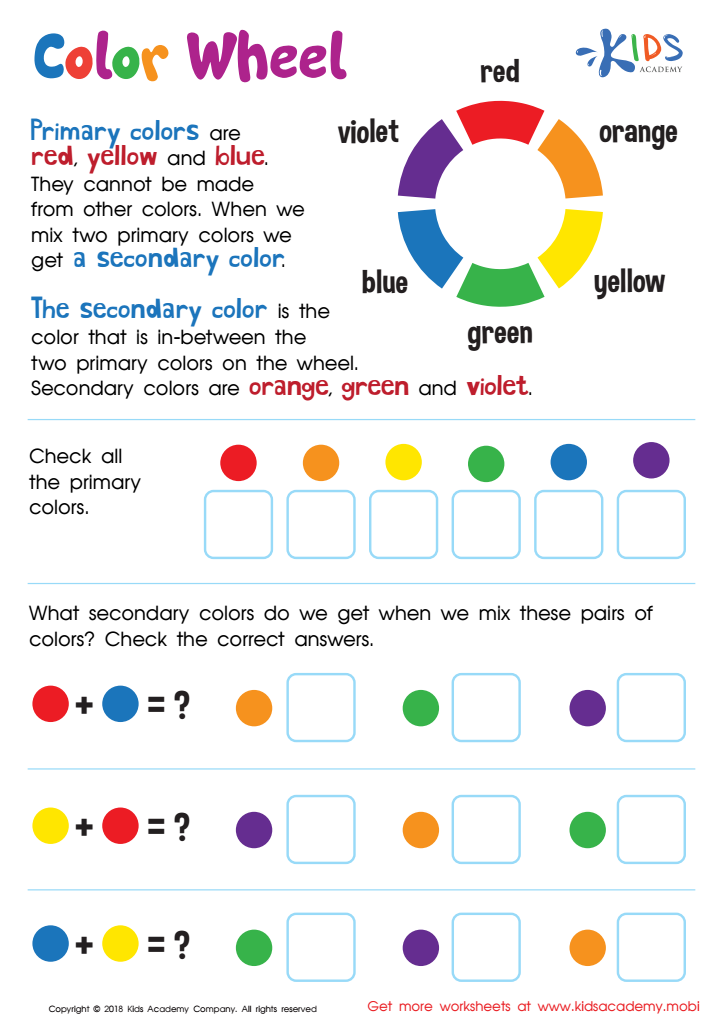
Primary and Secondary Colors Worksheet
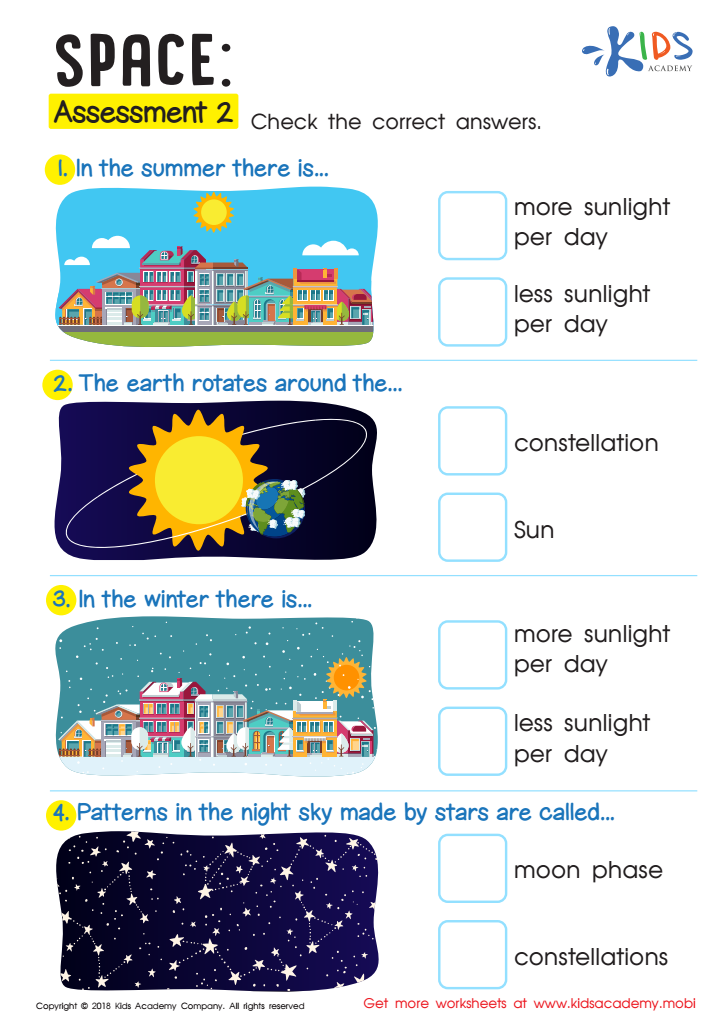
Space: Assessment 2 Worksheet
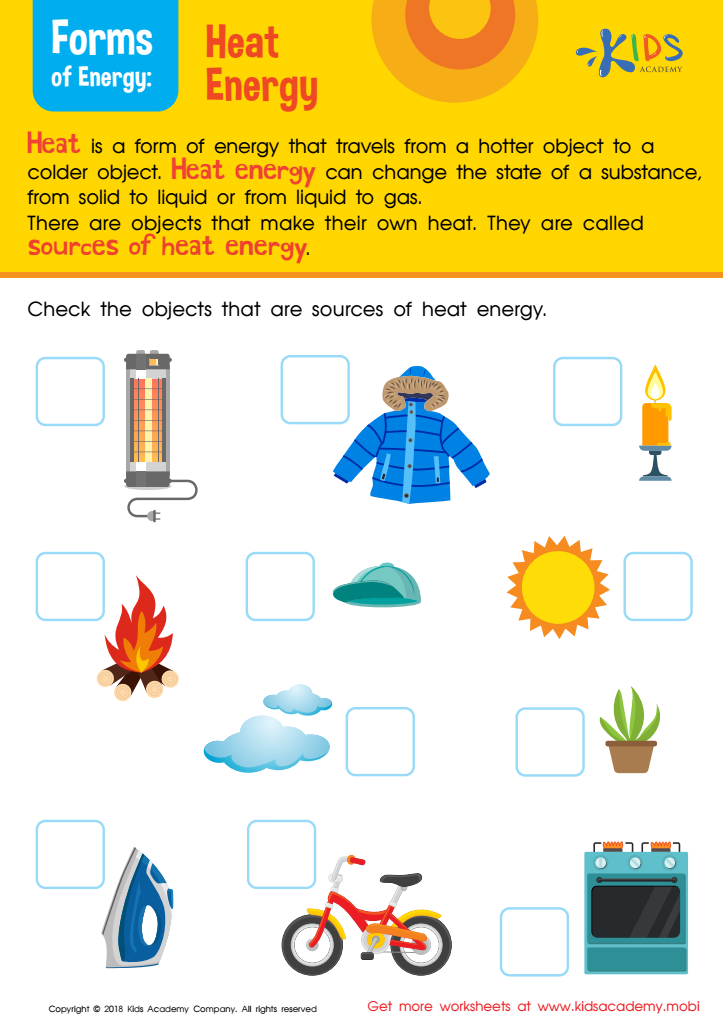
Sources of Heat Energy Worksheet
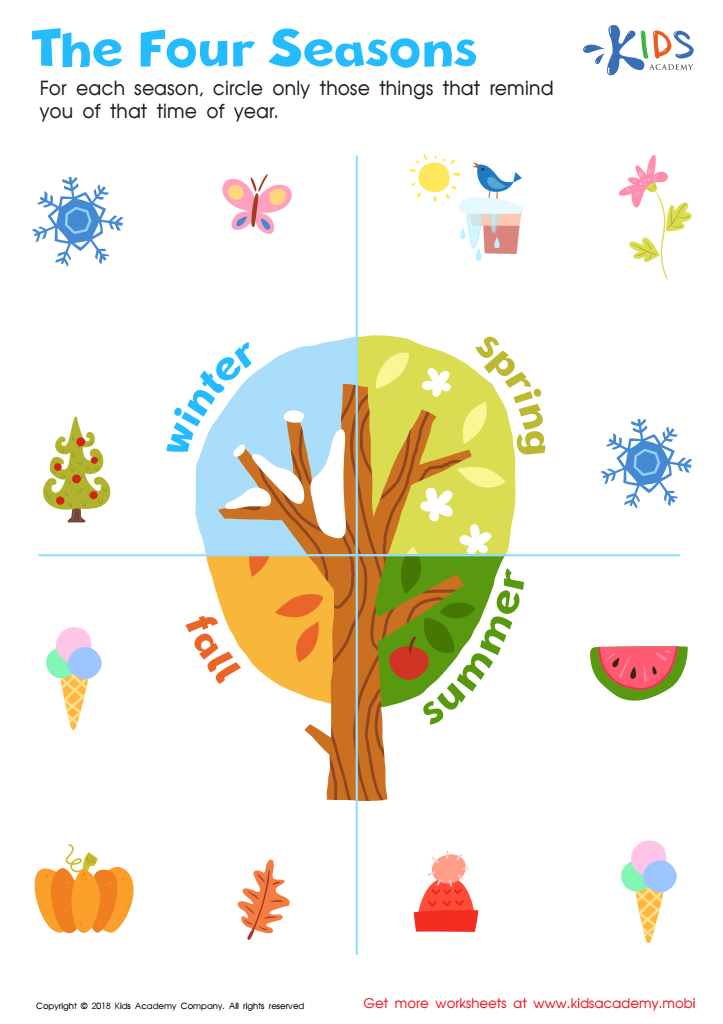
The Four Seasons Worksheet
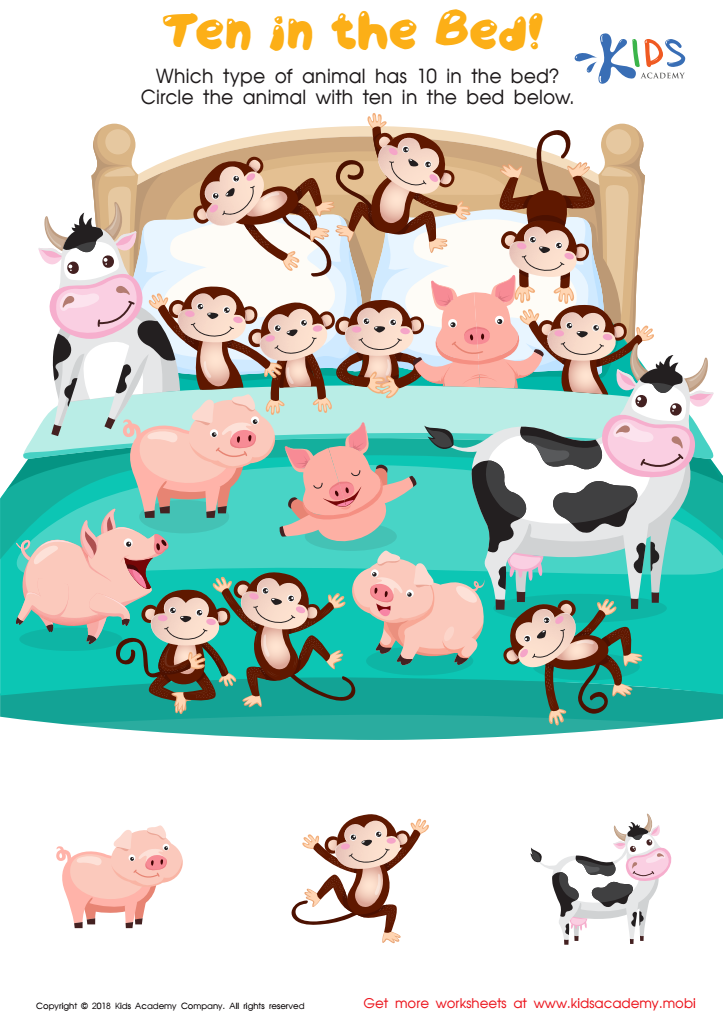
Ten in the Bed Worksheet
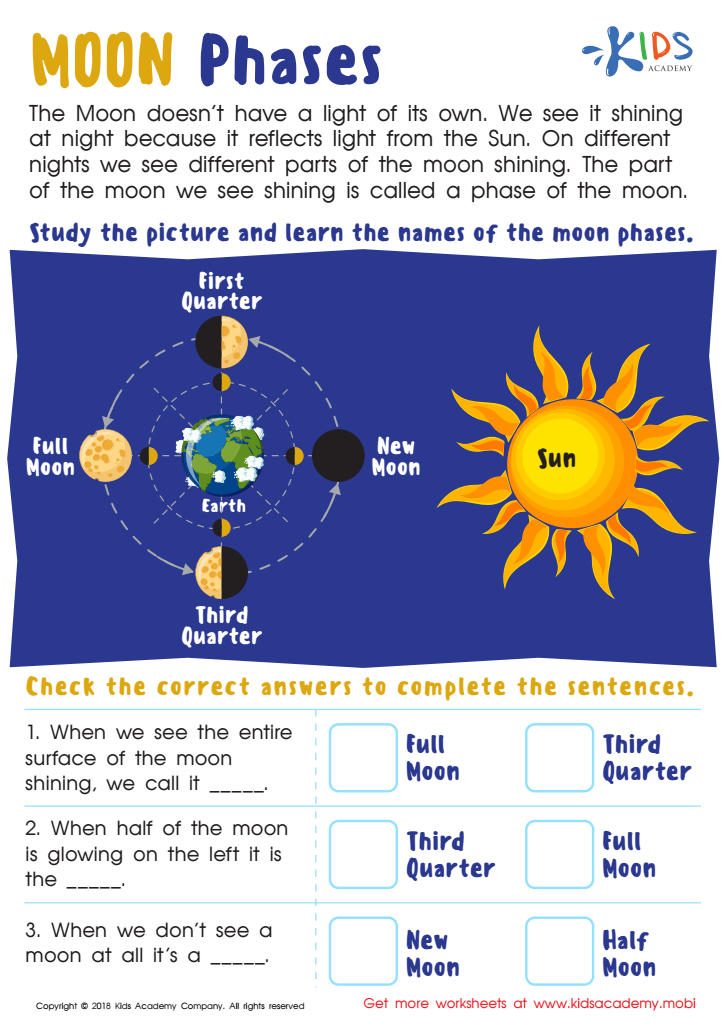
Moon Phases Worksheet
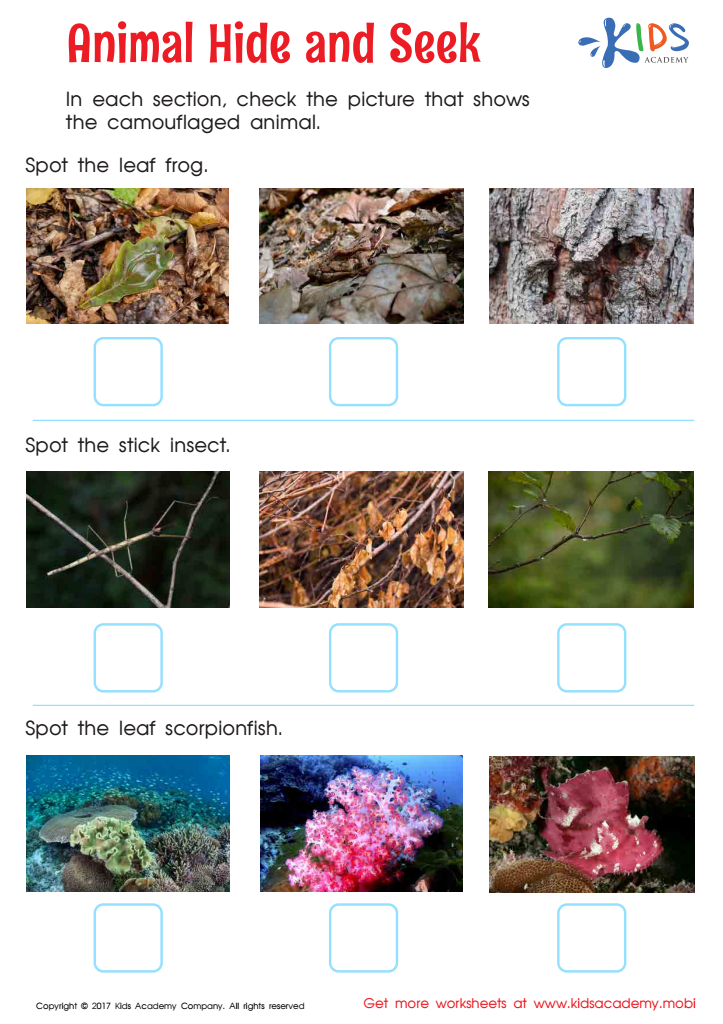
Animal Hide and Seek Worksheet
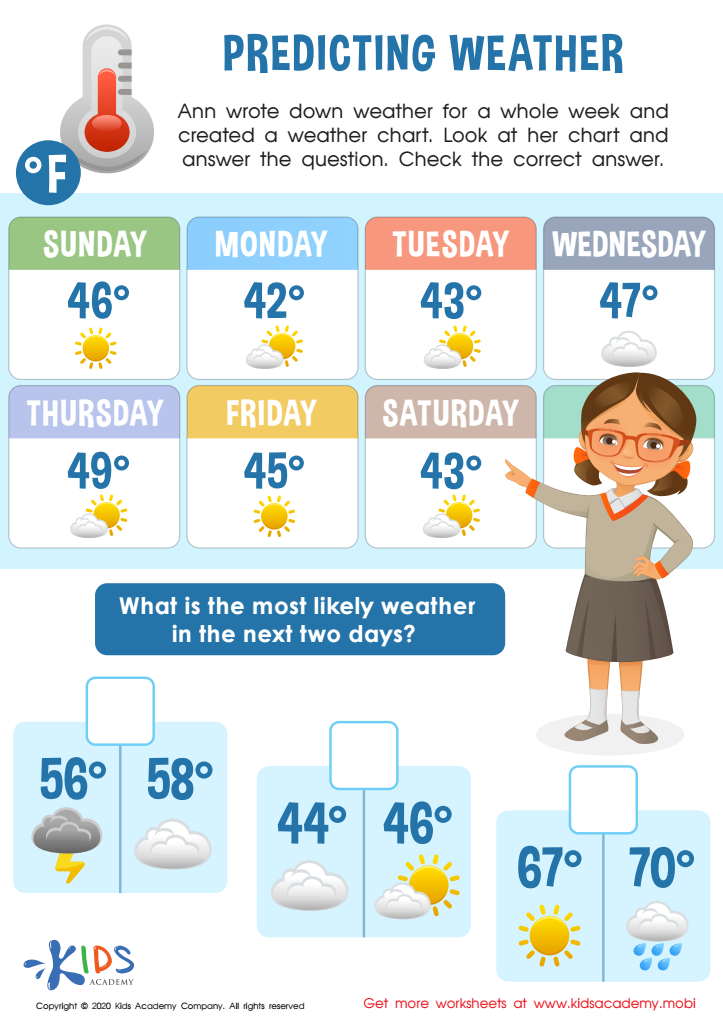
Predicting Weather Worksheet
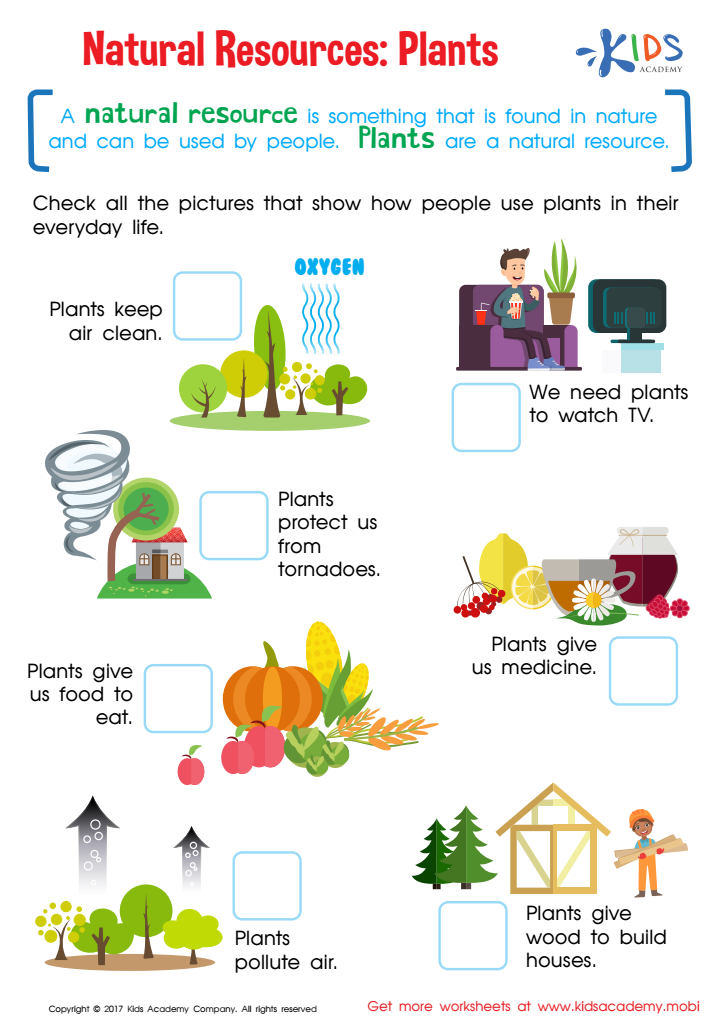
Natural Resources: Plants Worksheet
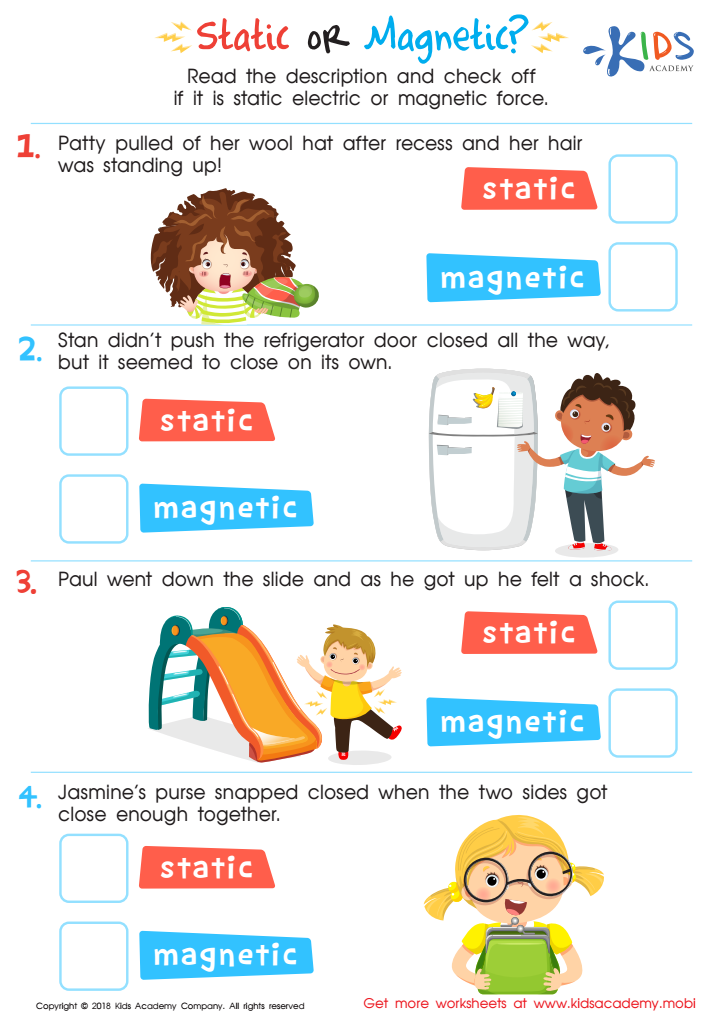
Static or Magnetic Printable Worksheet
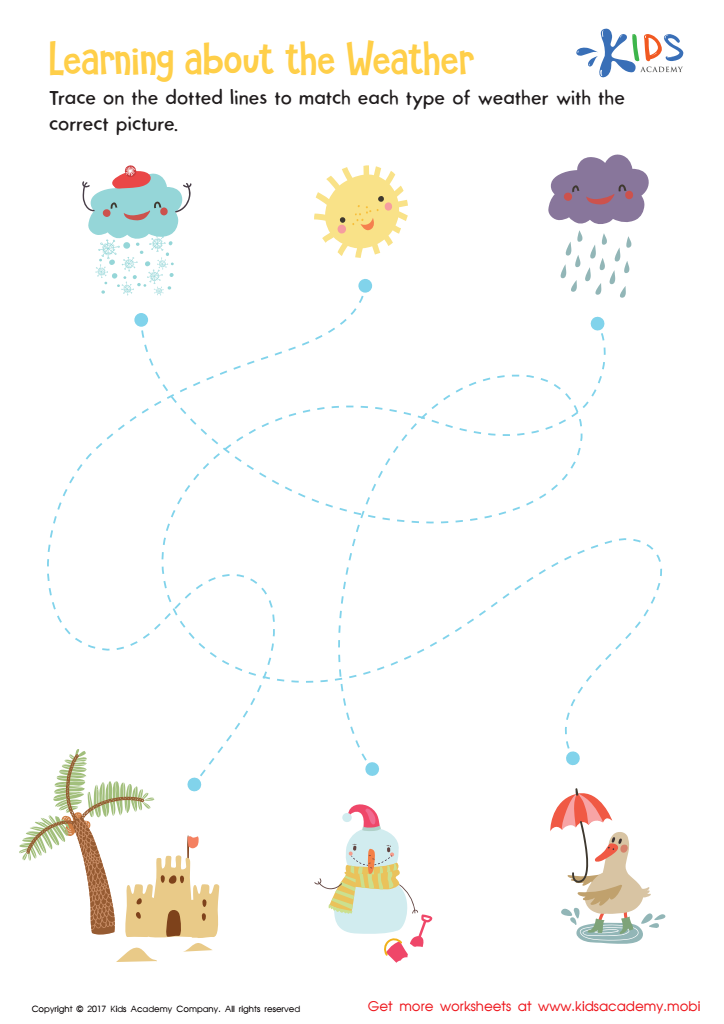
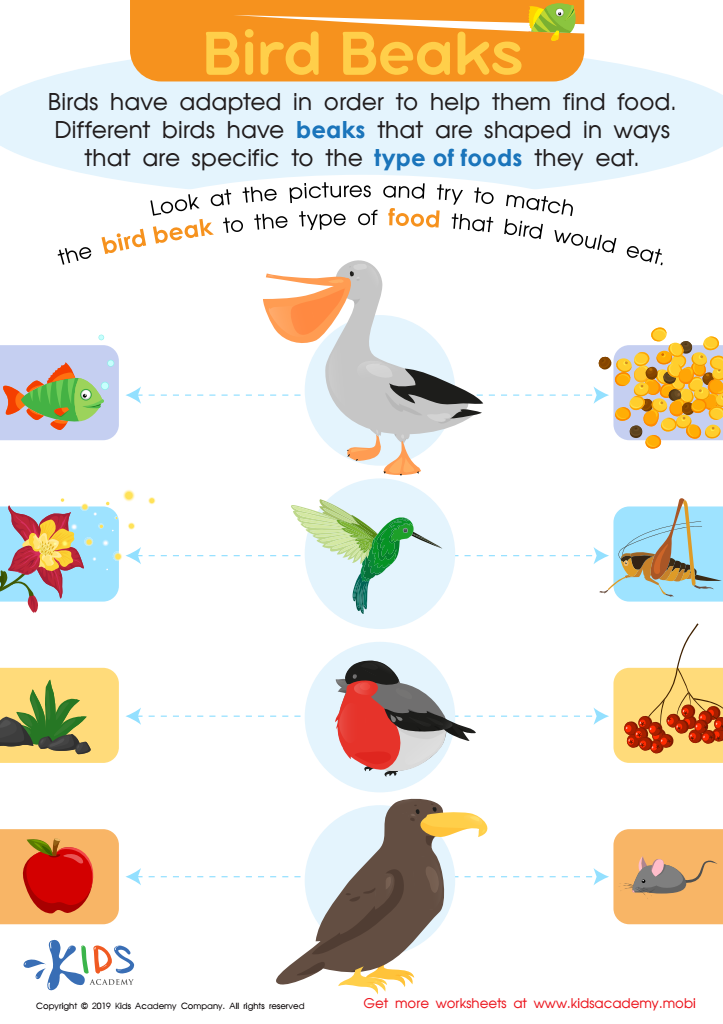
Bird Beaks Worksheet
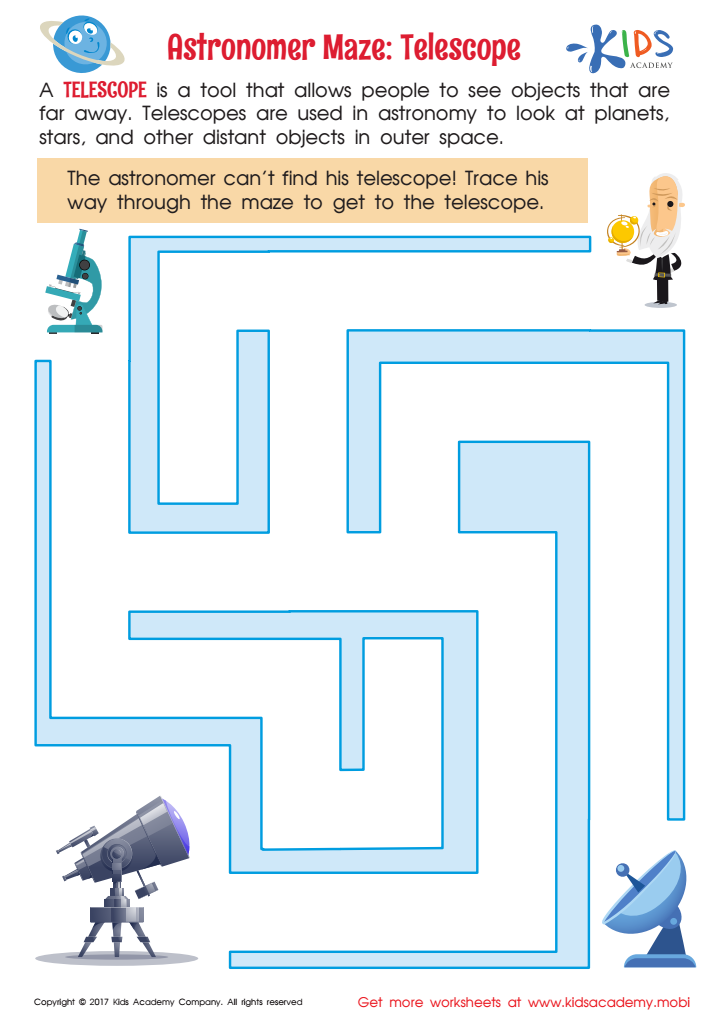
Astronomer Maze: Telescope Worksheet
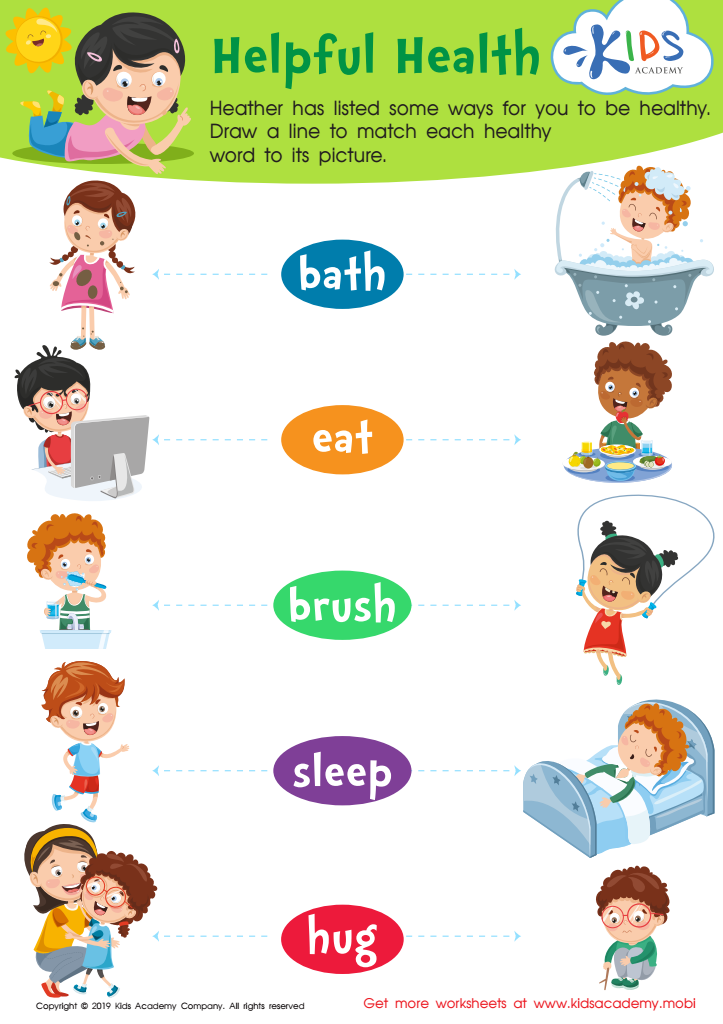
Helpful Health Worksheet
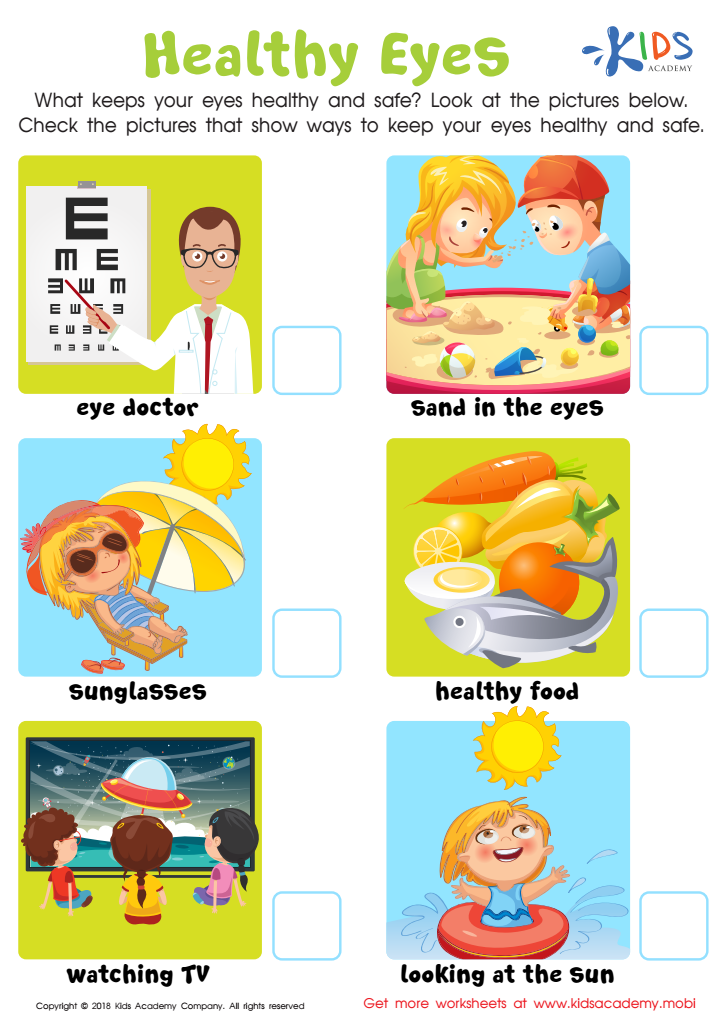
Healthy Eyes Worksheet
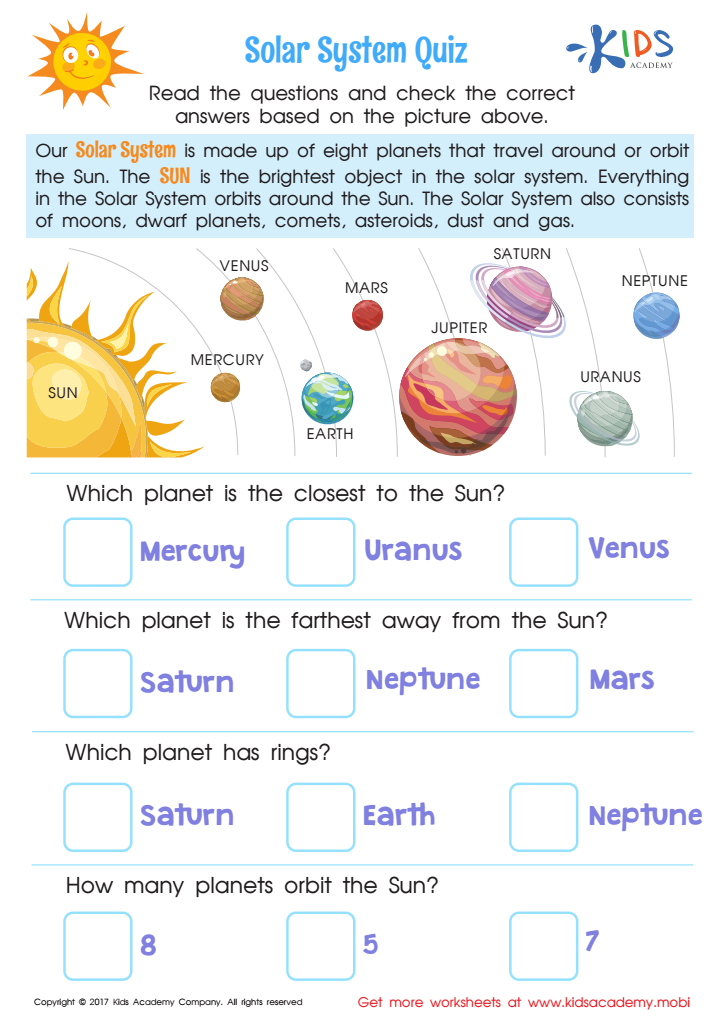
Solar System Quiz Printable
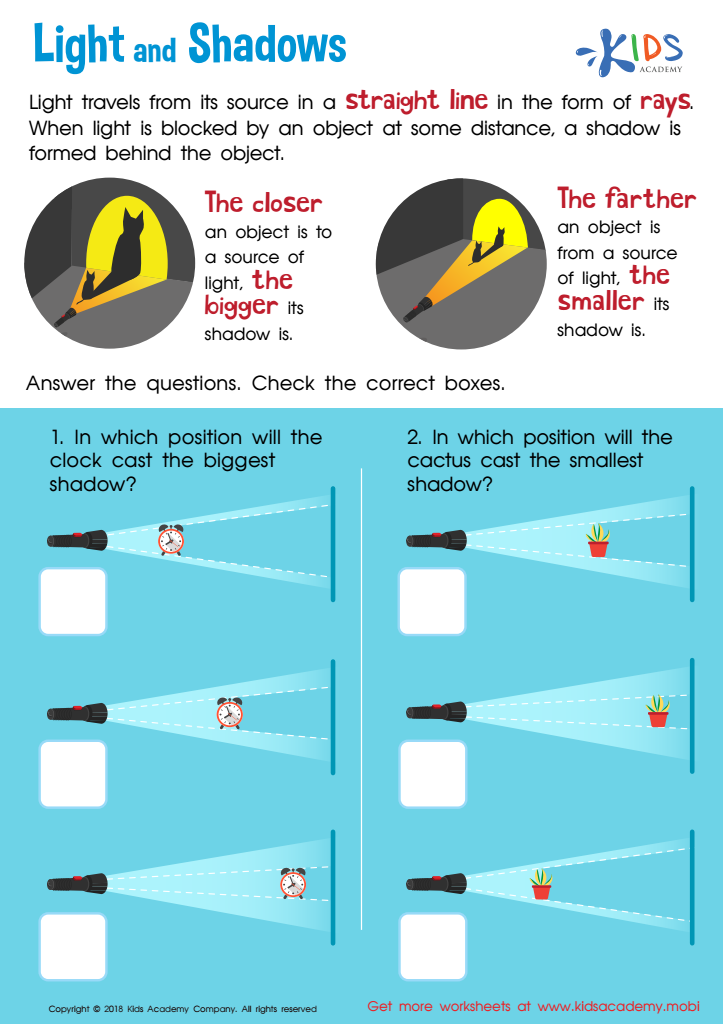
Light and Shadow Worksheet for Grade 3
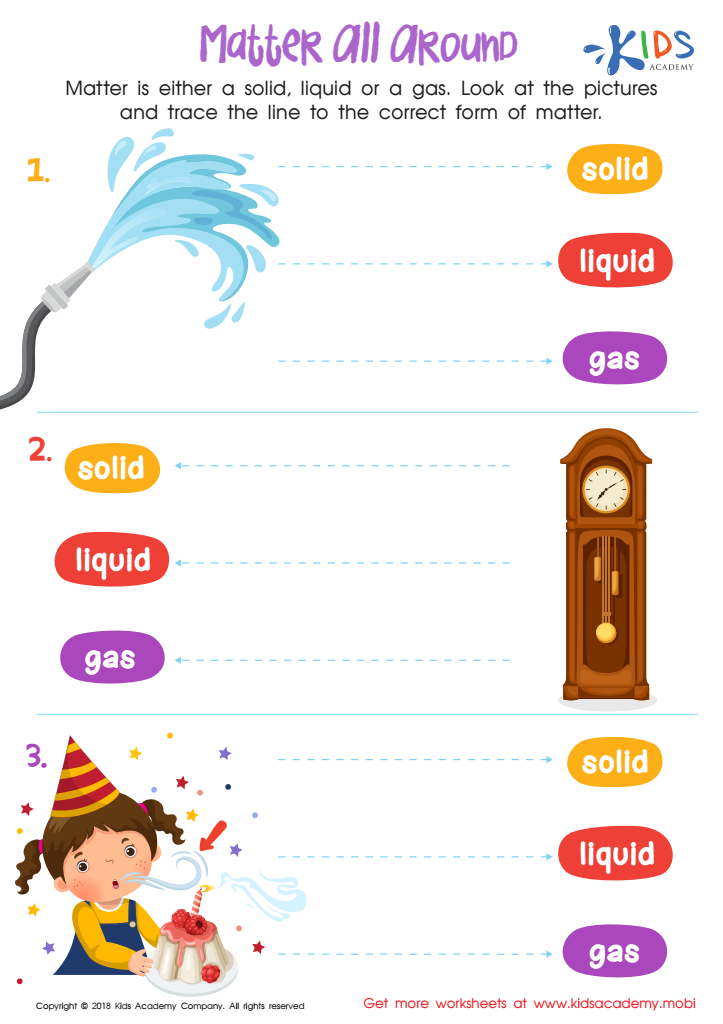
Matter all Around Worksheet
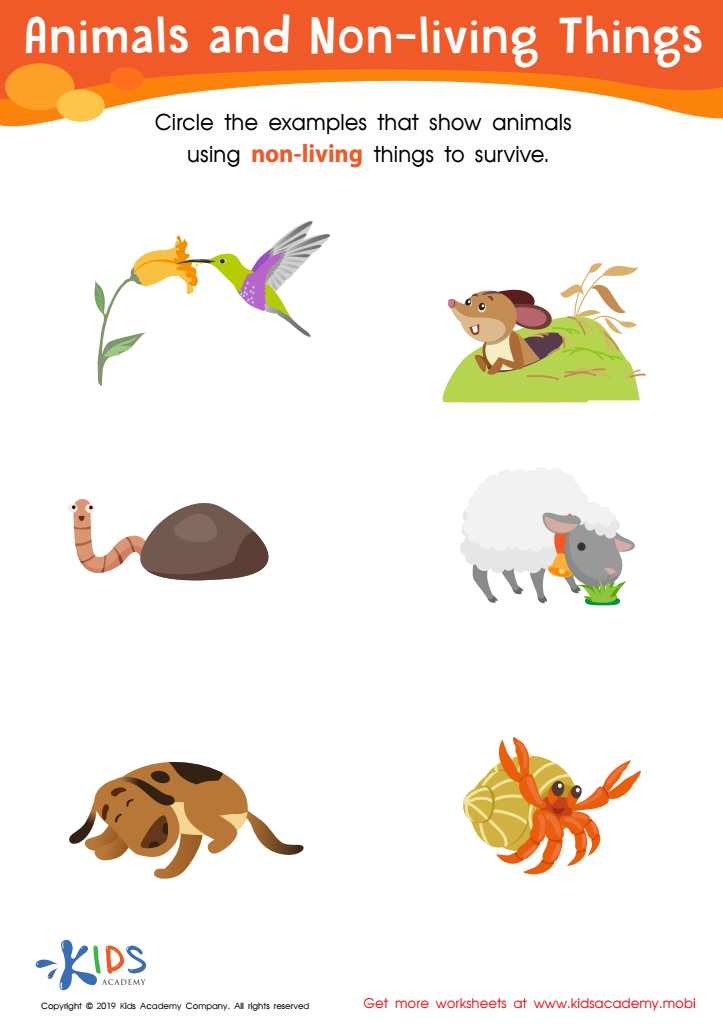
Animals and Non-Living Things Worksheet
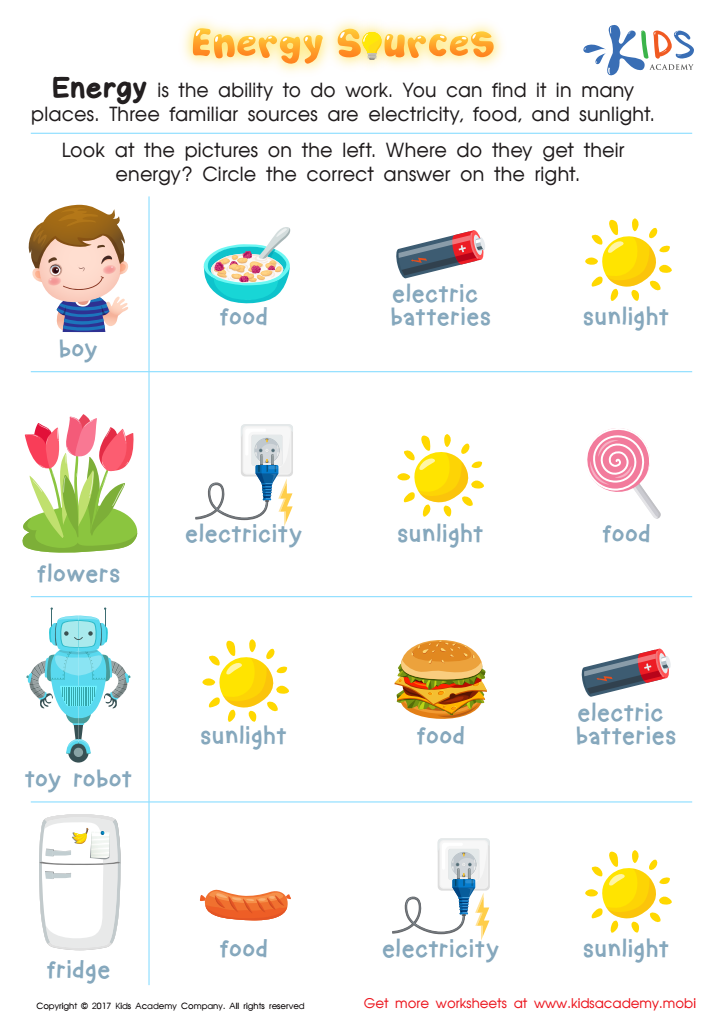
Energy Sources Printable





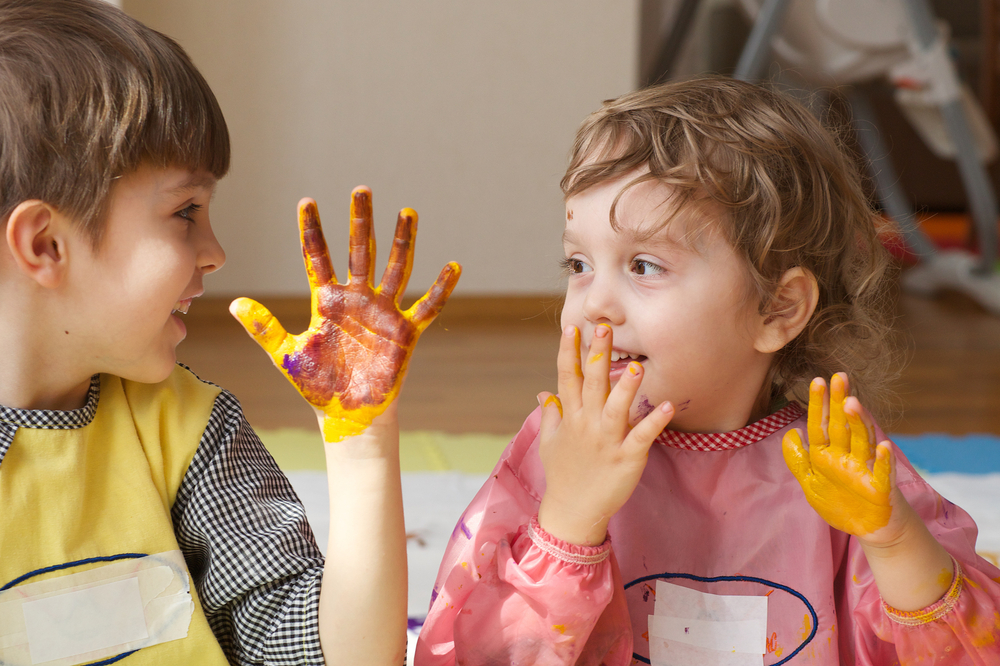

Normal Science for Ages 3-9, often seen as foundational science, forms a crucial part of early education. This is the time when children are most curious and observative. Encouraging their natural inquisitiveness through scientific exploration helps develop critical thinking, problem-solving skills, and a deep understanding of the world around them.
For parents and teachers, fostering an early interest in science is crucial because it moves beyond rote memorization to engaging activities that teach children how to ask questions, form hypotheses, and experiment responsibly. These processes help lay the groundwork for scientific literacy which is essential in a rapidly evolving world shaped significantly by technological and scientific advancements.
Furthermore, early exposure to science encourages lifelong learning and curiosity. Kids immersed in an environment where exploring and questioning are celebrated can carry these qualities into adulthood. In a time where STEM (Science, Technology, Engineering, and Math) fields are becoming increasingly vital, a strong scientific foundation ensures that children are better prepared for future educational pursuits and career opportunities.
Finally, learning normal science at a young age promotes environmental stewardship. Understanding basic concepts from water cycles to recycling instills a sense of responsibility towards nature, nurturing eco-conscious individuals from an early age. Teachers and parents who prioritize early science education cultivate smarter, more curious, and responsible future citizens.







