Normal Physical Science Worksheets for Ages 3-9 - Page 2
71 filtered results
-
From - To
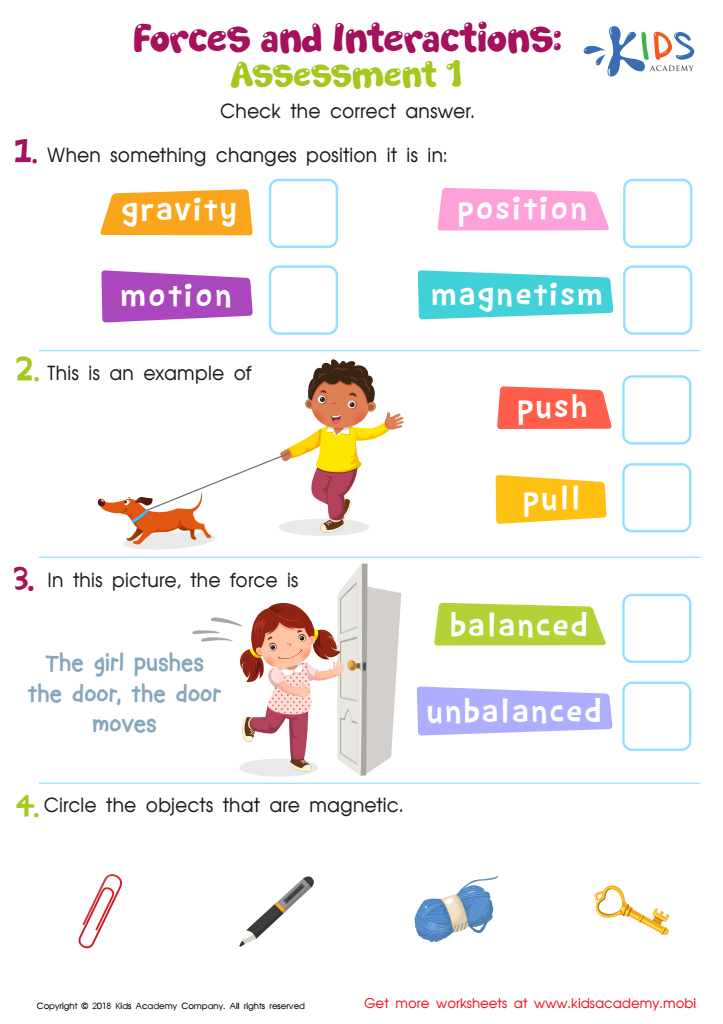
Forces and Interactions Printable
 Assign to My Students
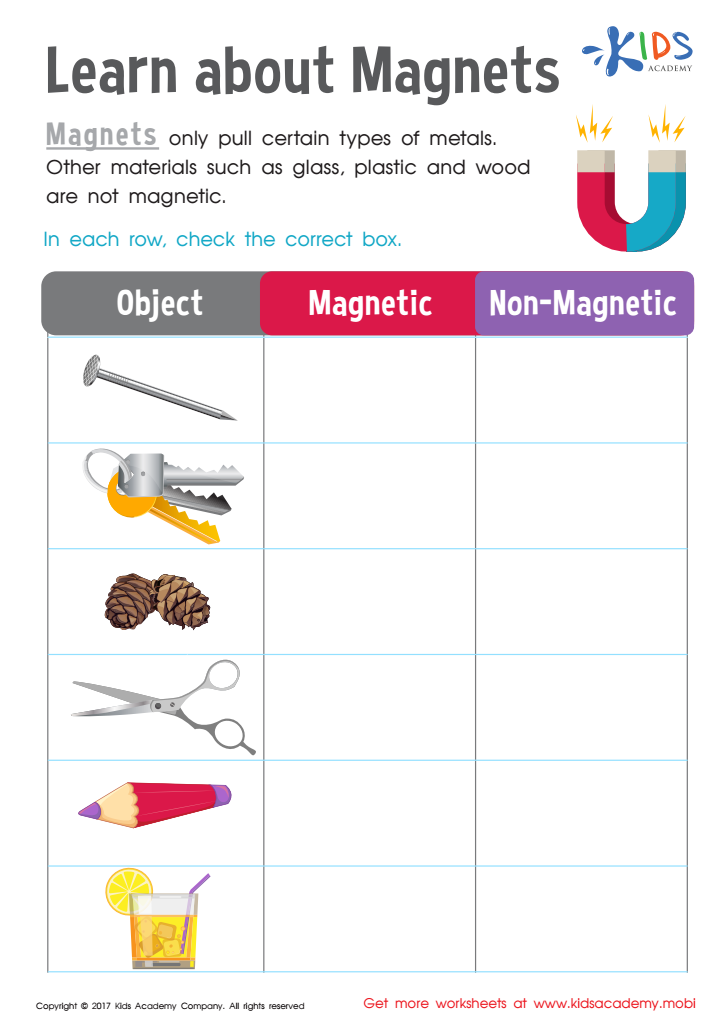
Magnetic Or Not Worksheet
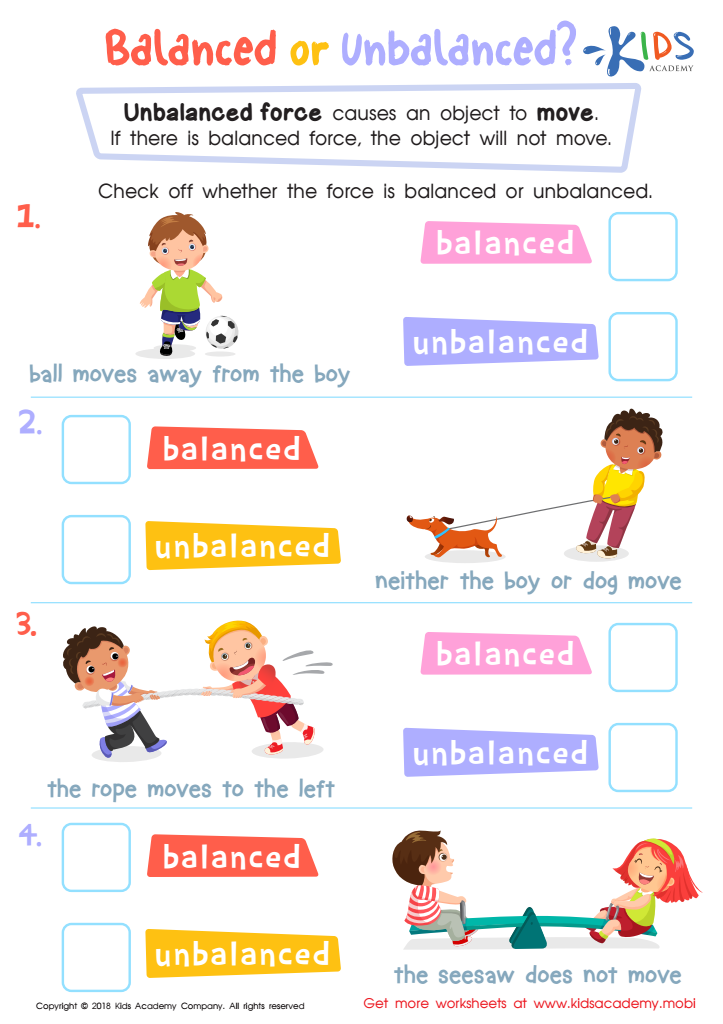
Balanced or Unbalanced Science Worksheet
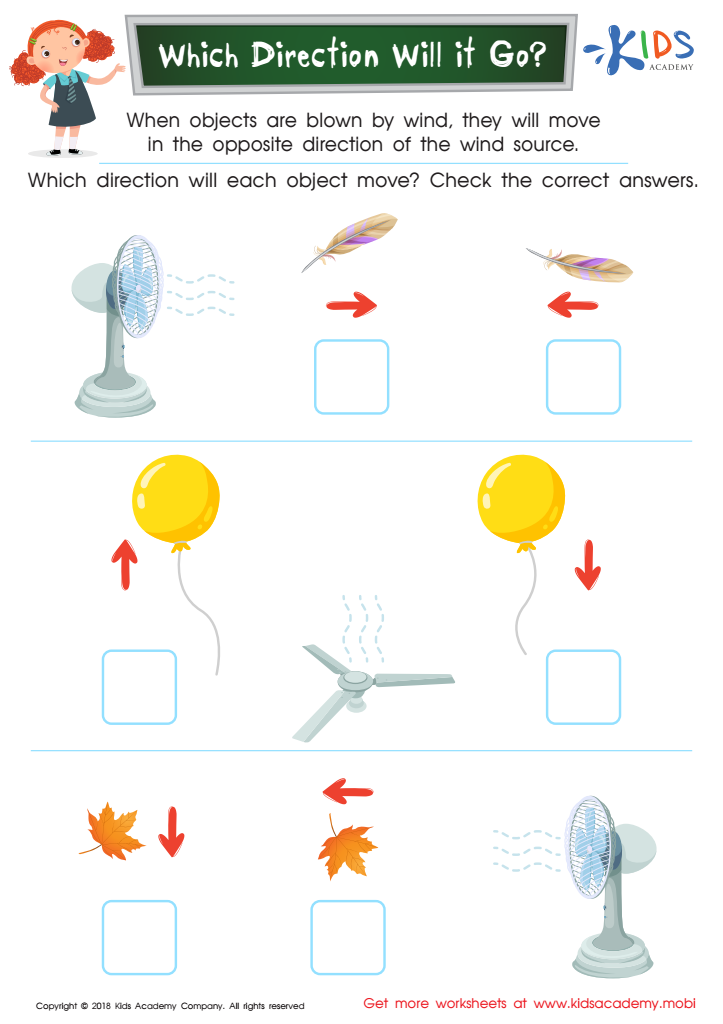
Which Direction Will it Go? Worksheet
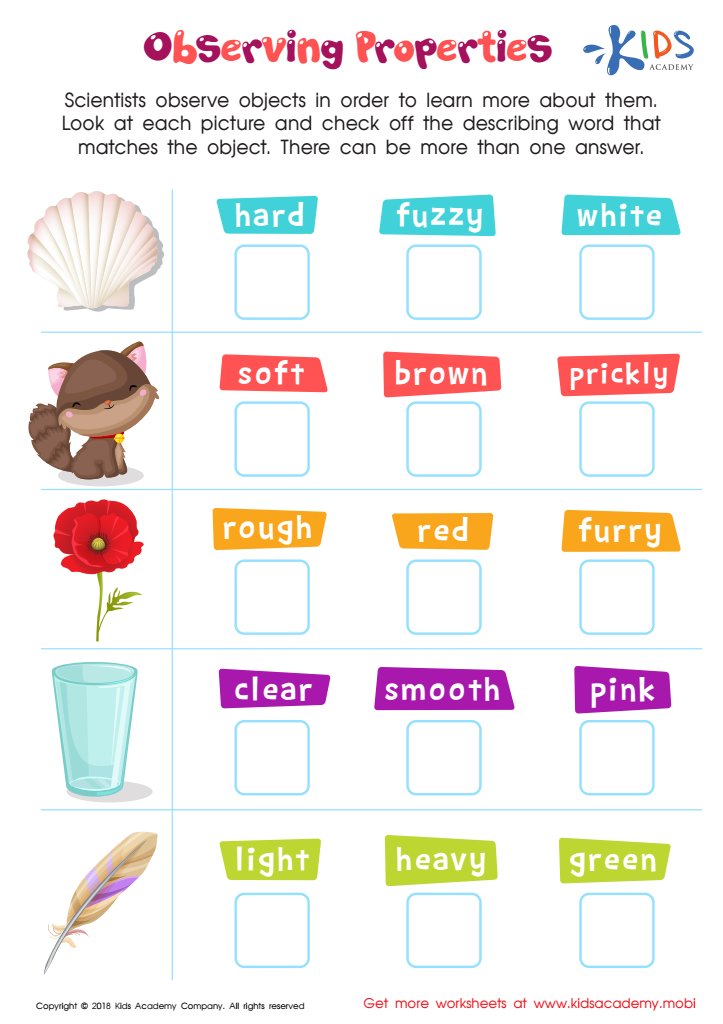
Observing Properties Worksheet
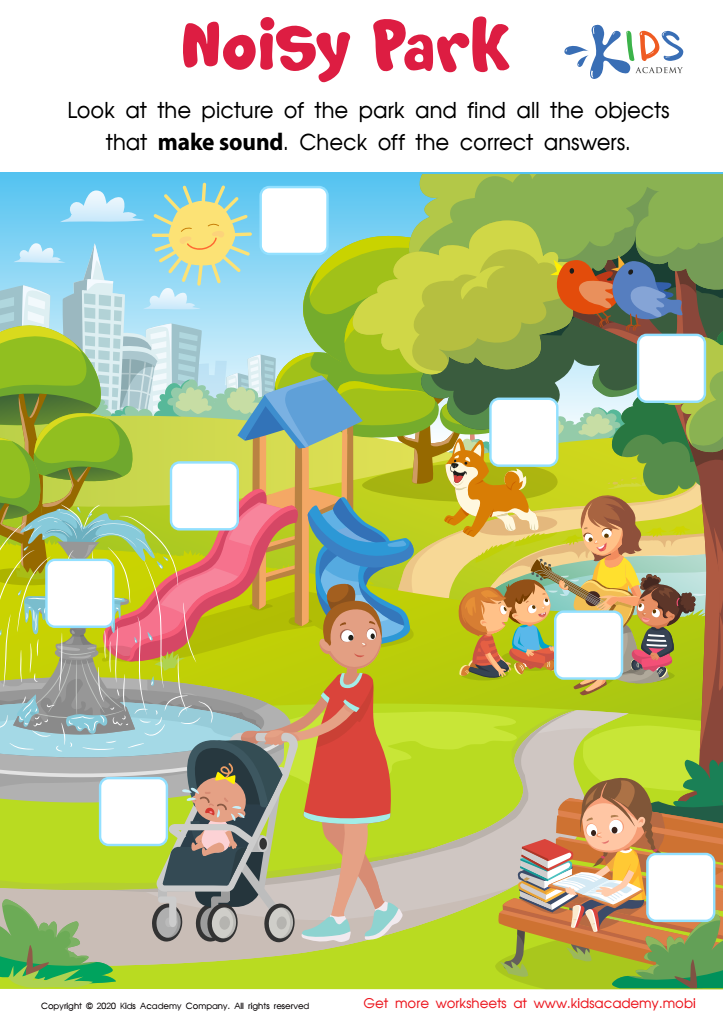
Noisy Park Worksheet
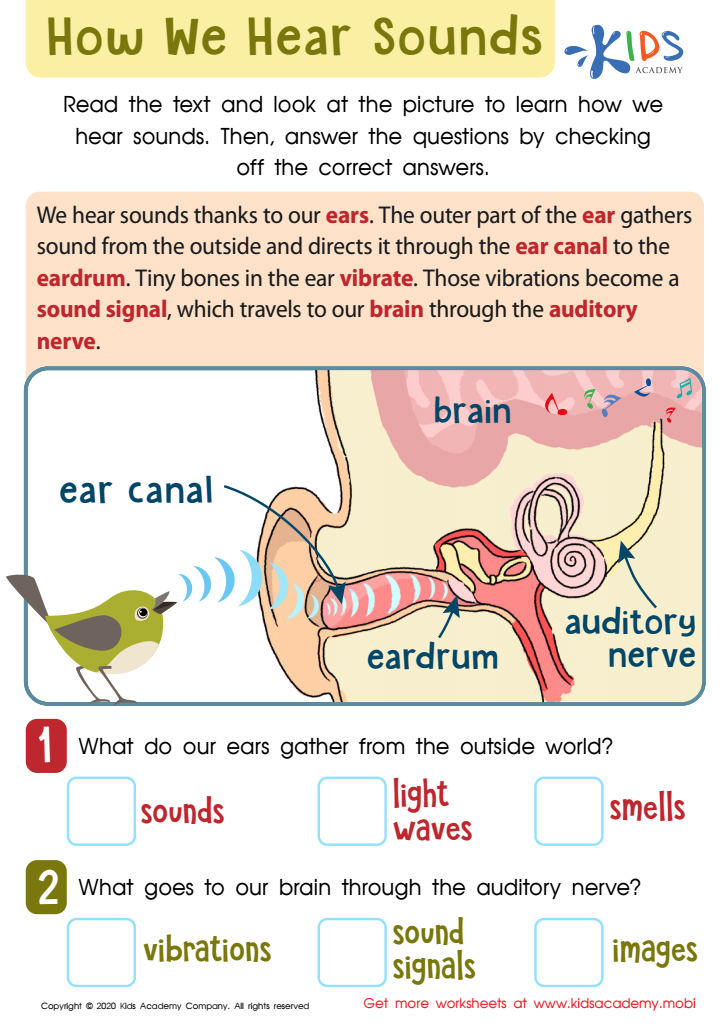
How We Hear Sounds Worksheet
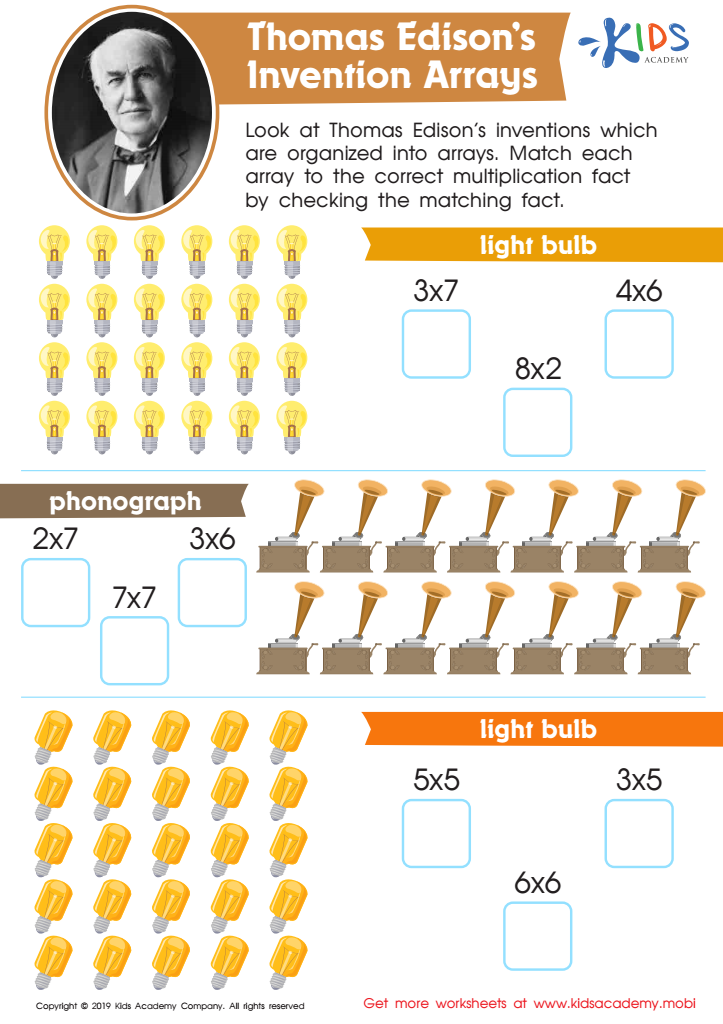
Thomas Edison’s Invention Arrays Worksheet
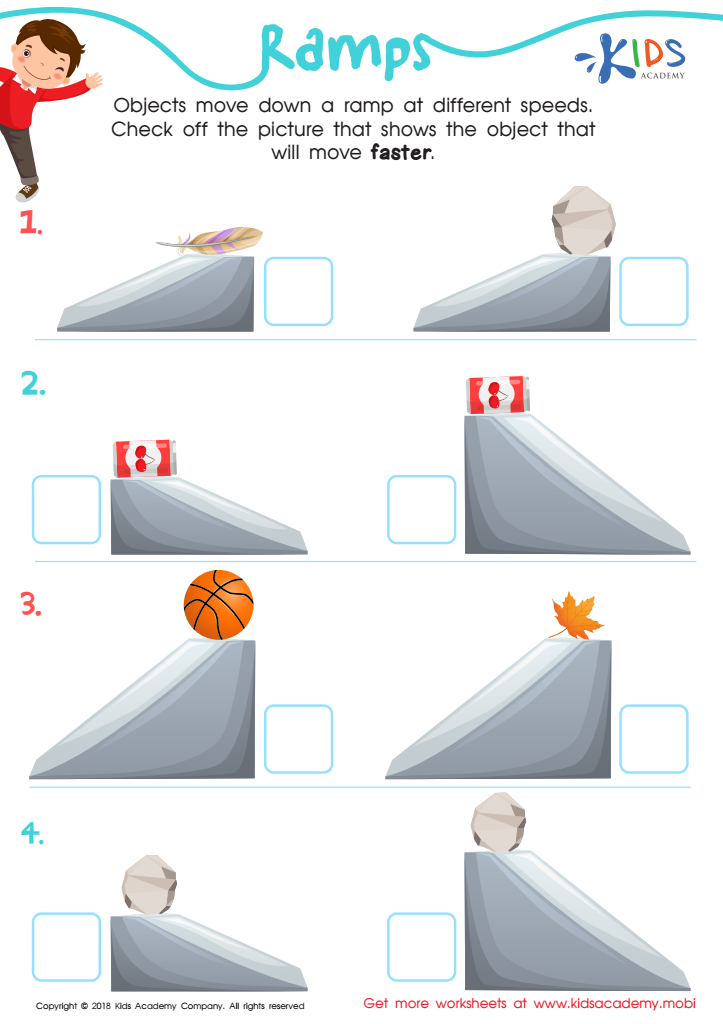
Ramps Worksheet
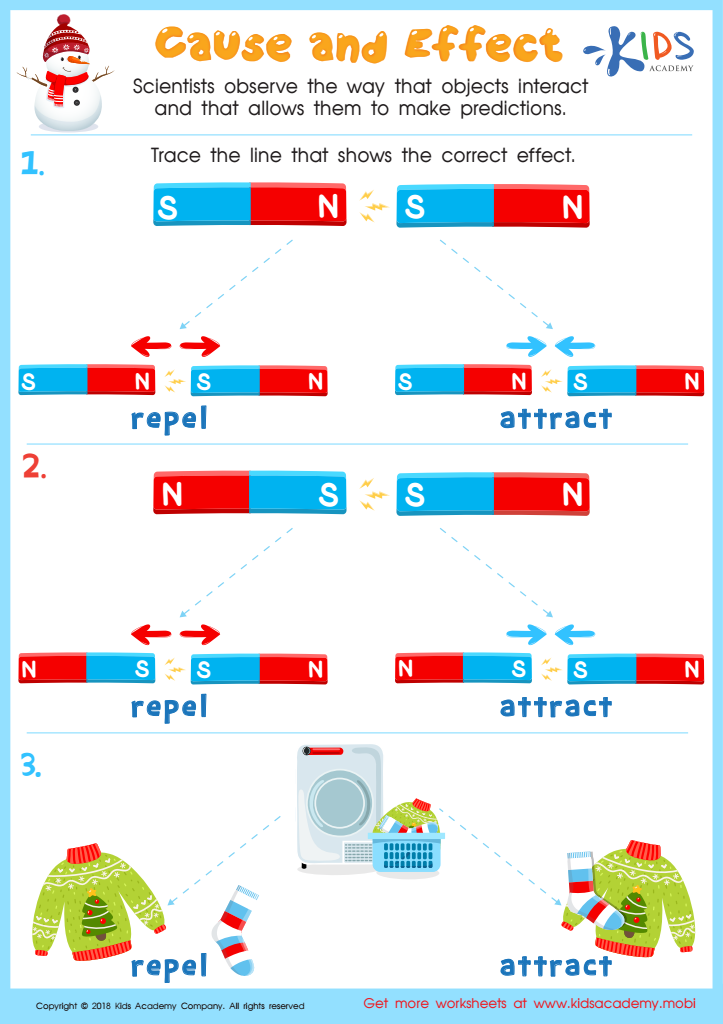
Repel and Attract Magnet Worksheet
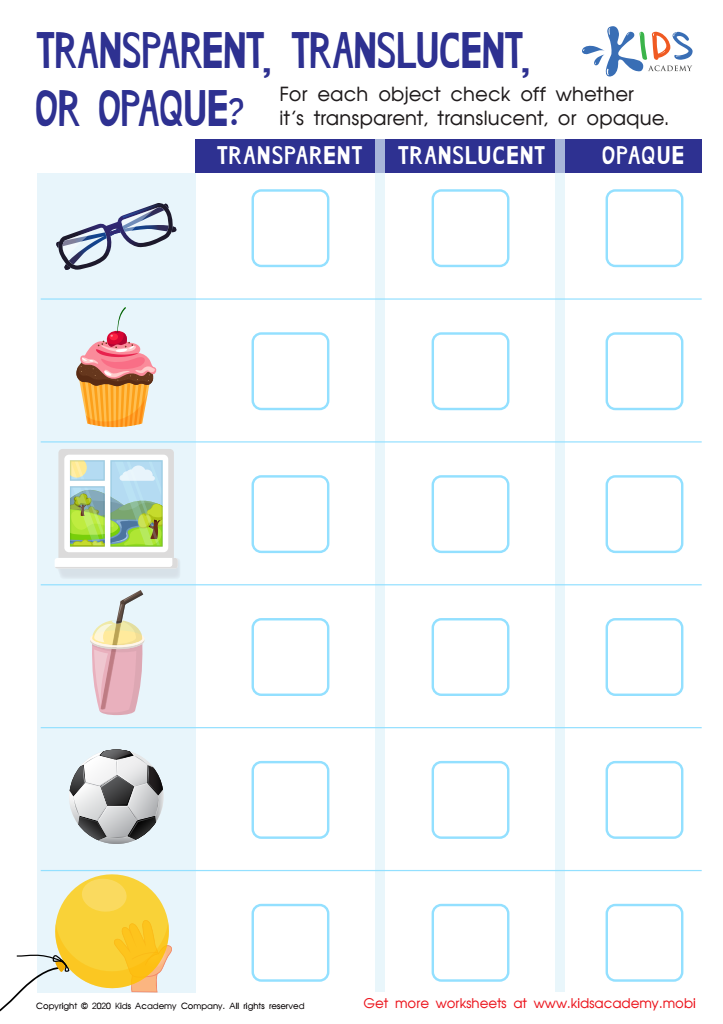
Transparent, Translucent, or Opaque Worksheet
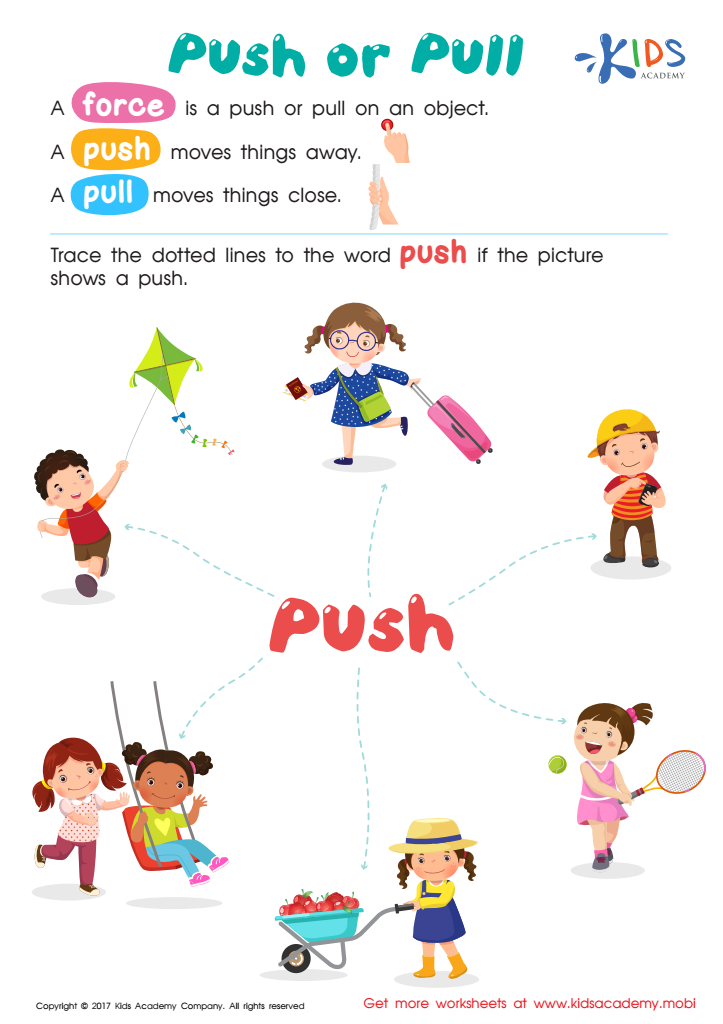
Push or Pull Worksheet
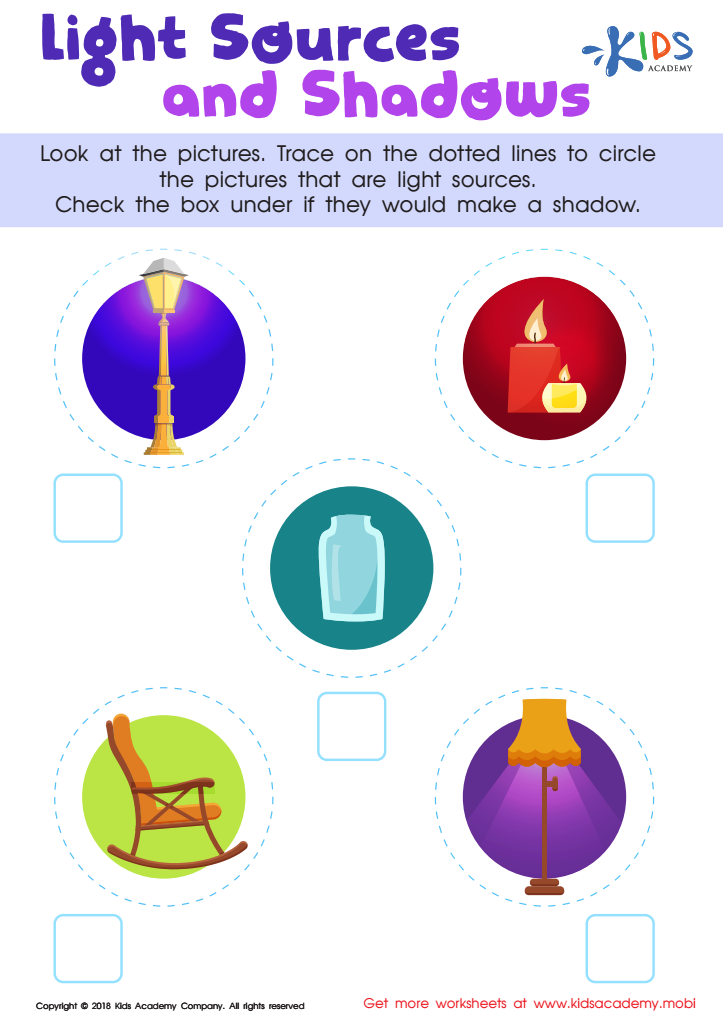
Light Sources and Shadows Worksheet
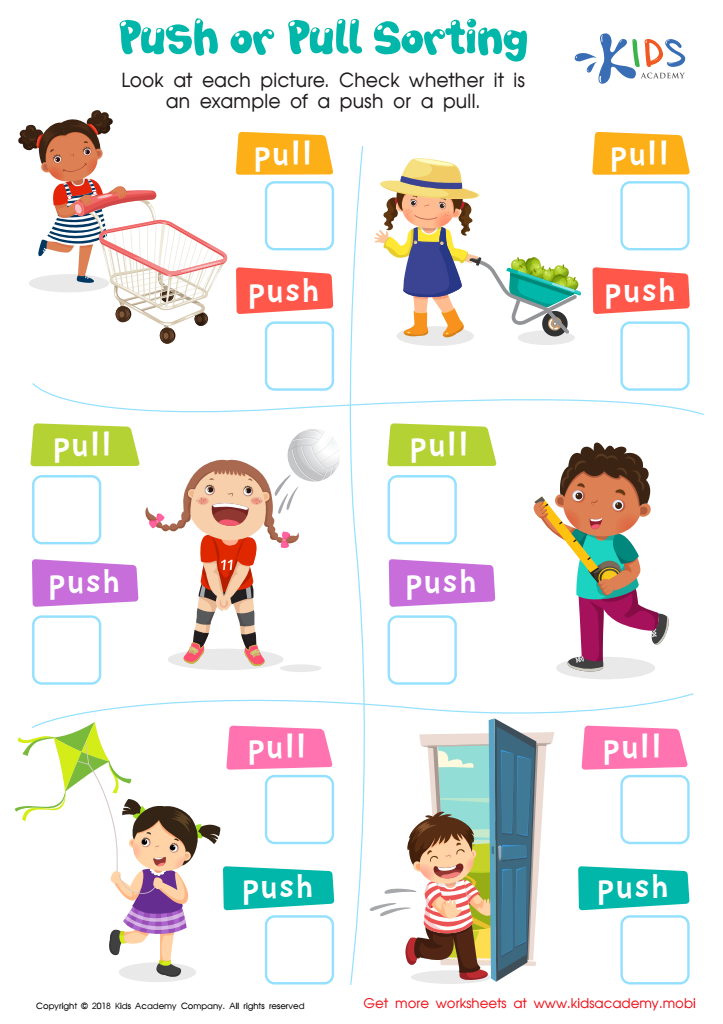
Push or Pull Sorting Worksheet
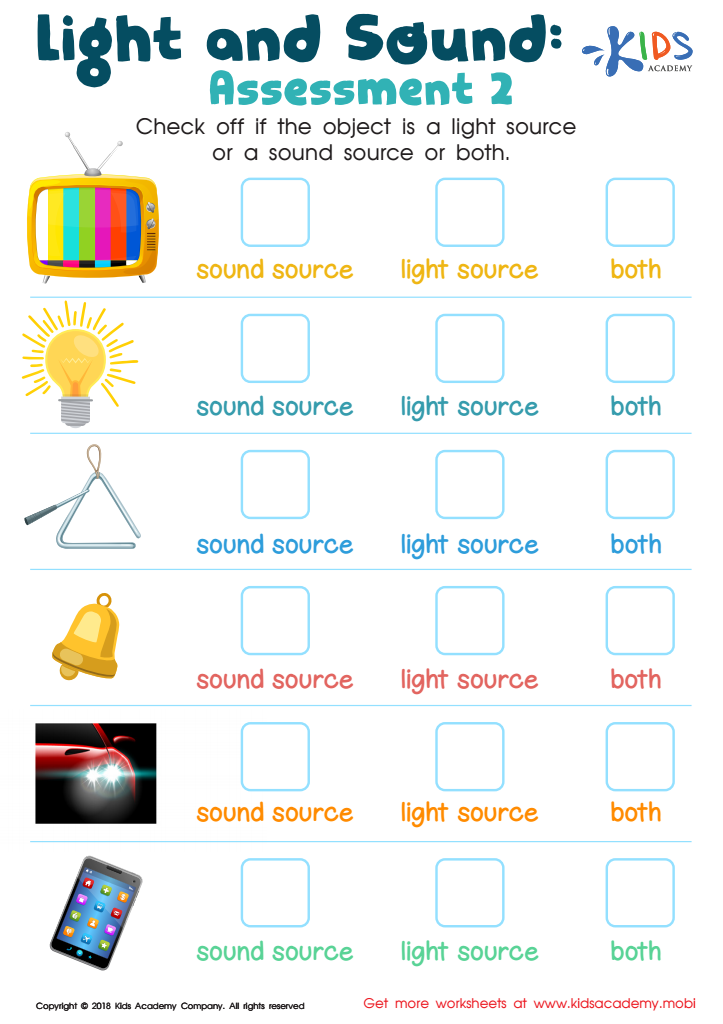
Light and Sound: Assessment 2 Worksheet
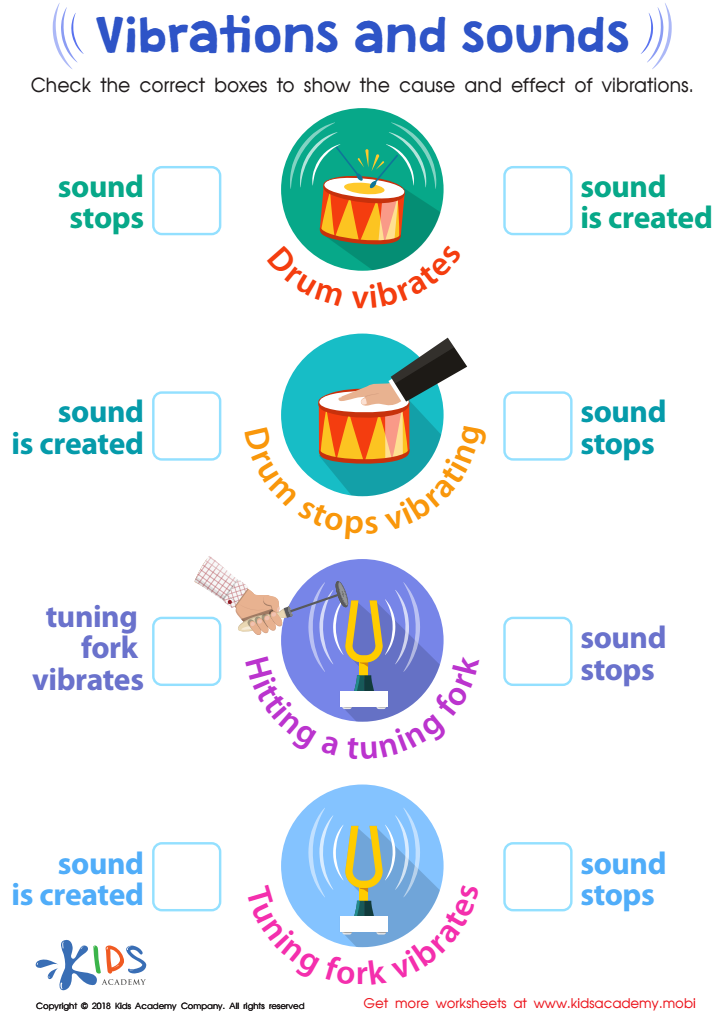
Vibrations and Sounds Worksheet
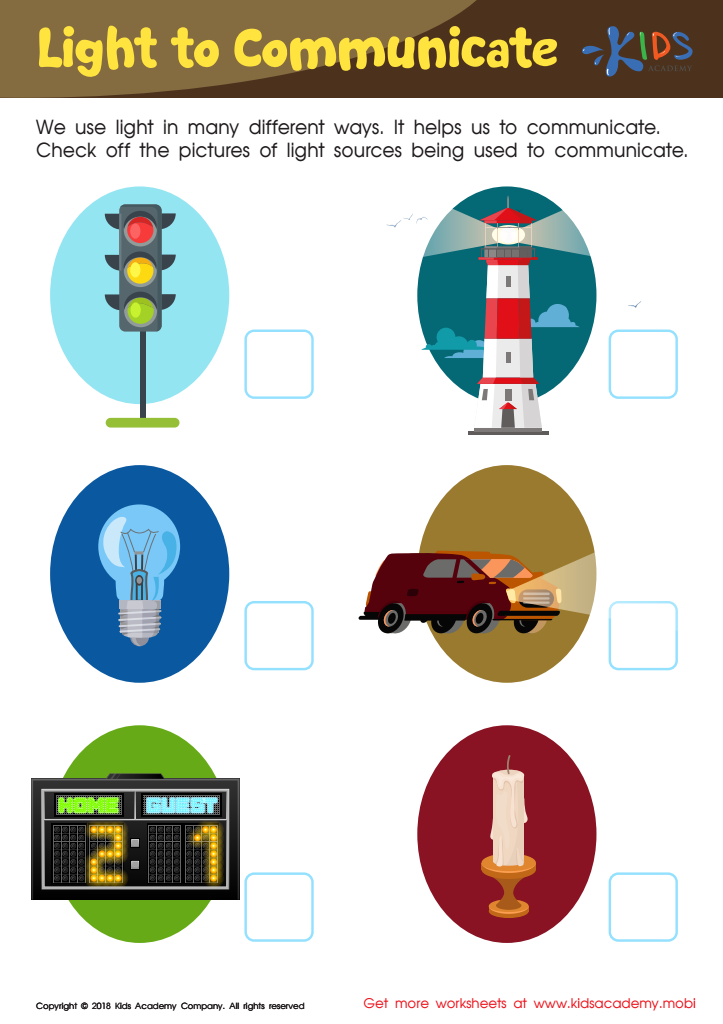
Light to Communicate Worksheet
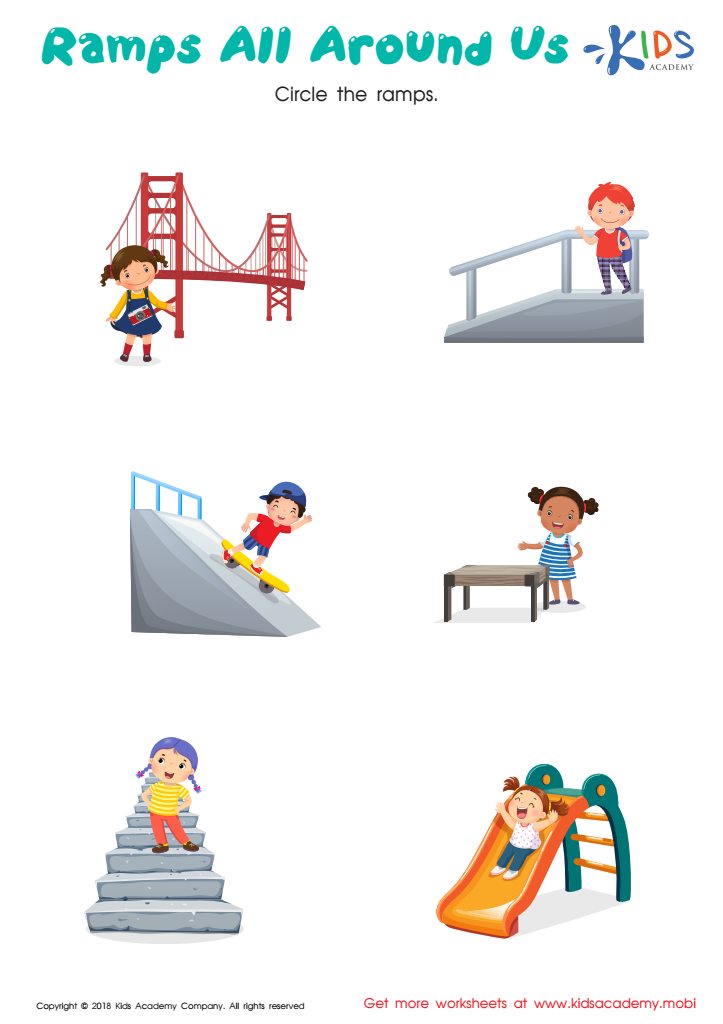
Ramps All Around us Worksheet
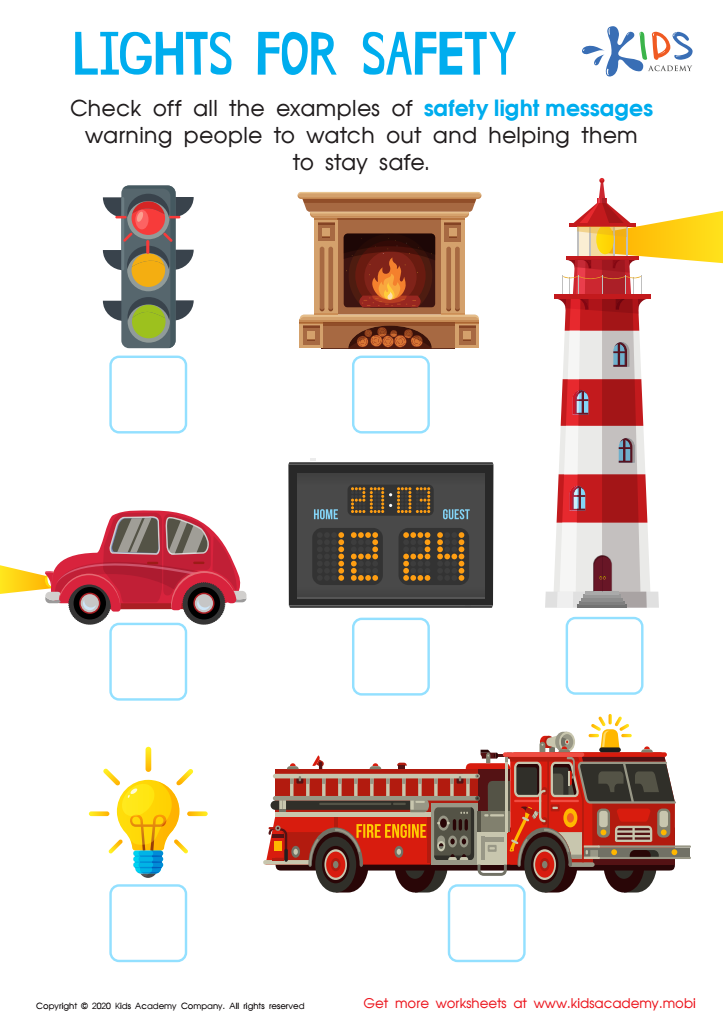
Lights for Safety Worksheet
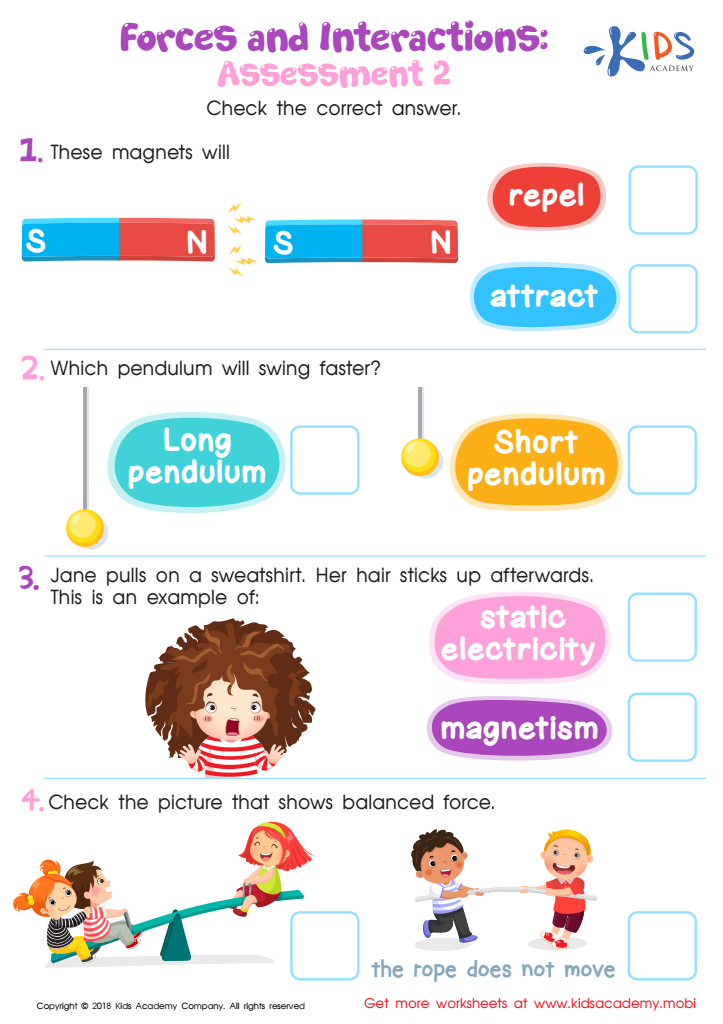
Forces and Interactions Worksheet For 3rd Grade
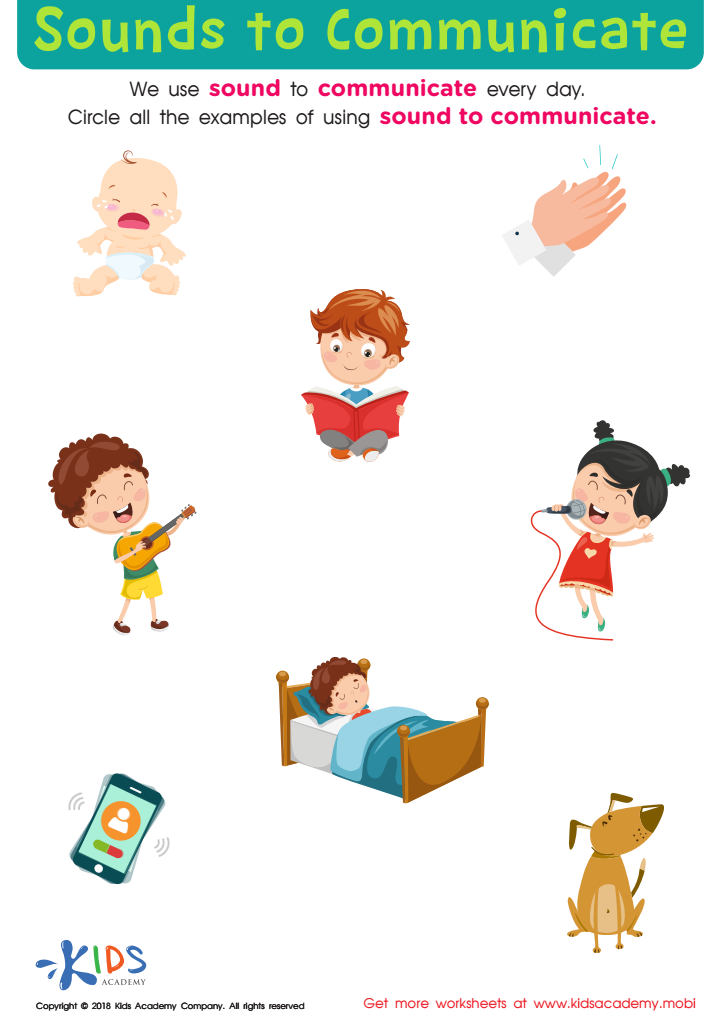
Sounds to Communicate Worksheet
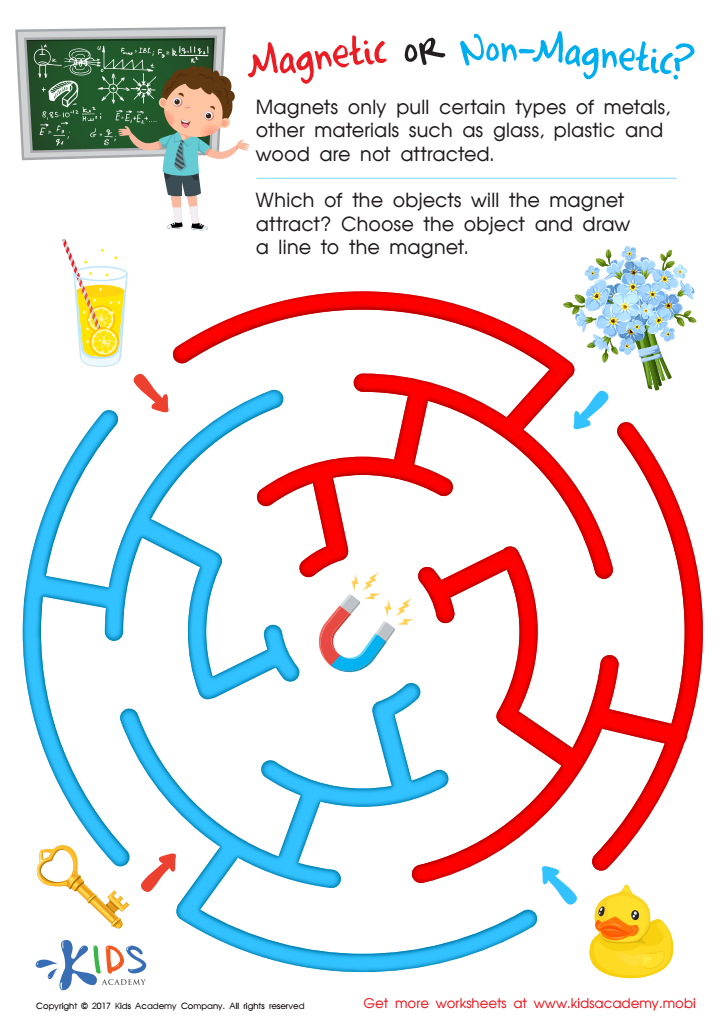
Magnetic or Non–Magnetic Worksheet
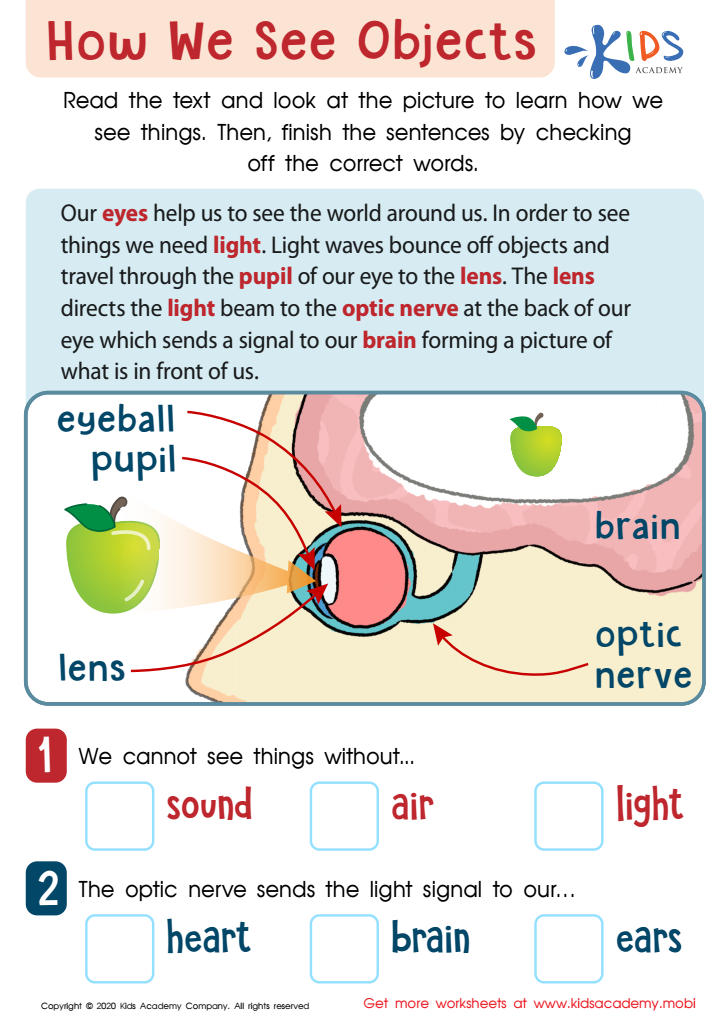
How We See Objects Worksheet
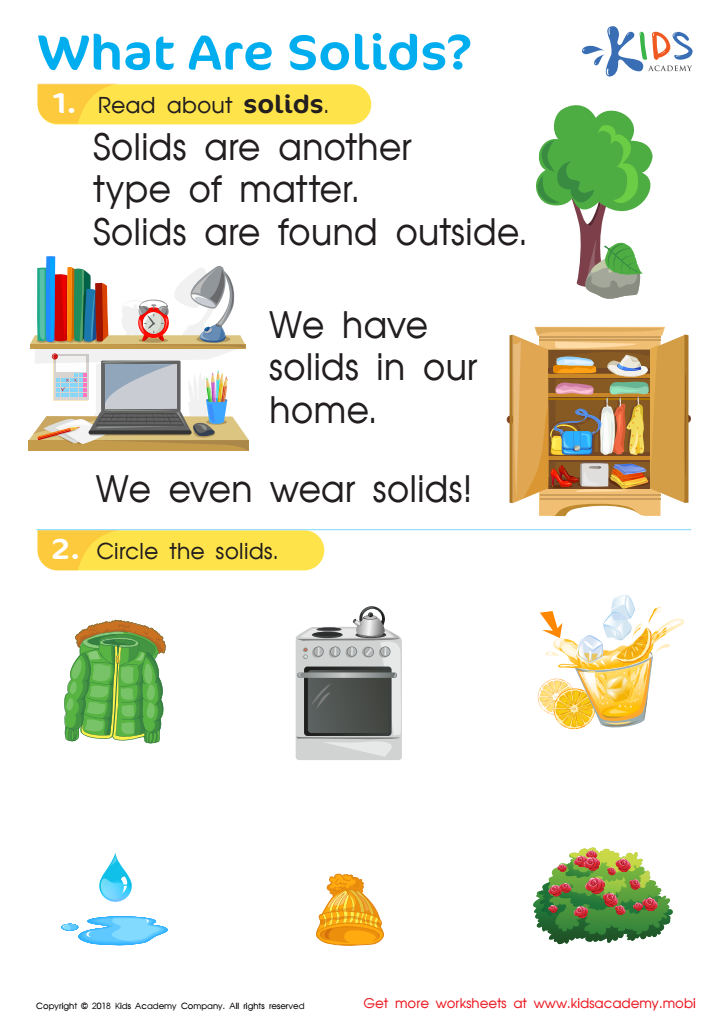
What Are Solids? Worksheet




.jpg)

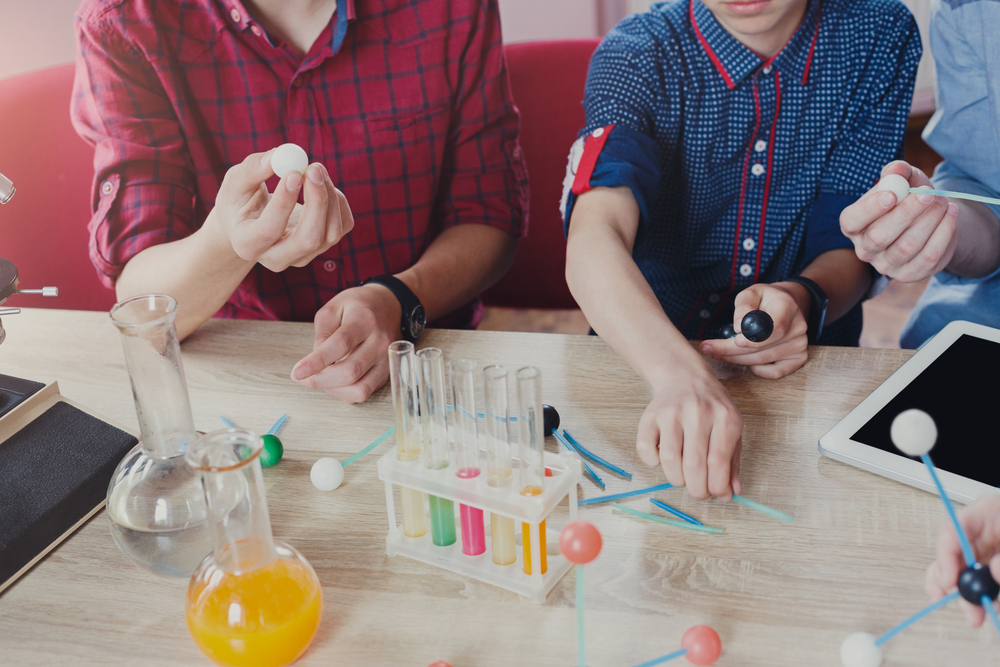
Normal Physical Science for Ages 3-9 is essential for fostering a child's natural curiosity about the world around them. At this stage, children are inherently inquisitive, constantly exploring their environment through observation and experimentation. Introducing them to fundamental concepts of physical science helps harness this curiosity into structured learning, promoting critical thinking and problem-solving skills.
Understanding basic principles such as gravity, motion, and simple machines empowers children to make sense of their surroundings. This foundational knowledge not only enhances their cognitive development but also ignites a passion for science that can lead to lifelong learning. Moreover, engaging with physical science at a young age makes abstract concepts more tangible and relatable, ensuring that learning is both enjoyable and meaningful.
Additionally, early exposure to physical science supports the development of important skills such as observation, testing hypotheses, and drawing conclusions. These skills are transferable and beneficial across various disciplines, fostering a holistic educational experience. Involving parents and teachers in this learning process creates a supportive environment that nurtures curiosity and creativity.
Ultimately, prioritizing normal physical science education for young children equips them with the tools they need to understand and engage with the world, preparing them for future educational endeavors.







