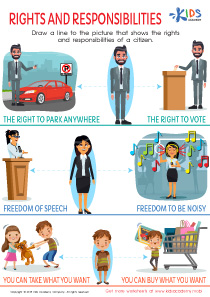
Normal History Worksheets for Ages 3-9 - Page 3
59 filtered results
-
From - To
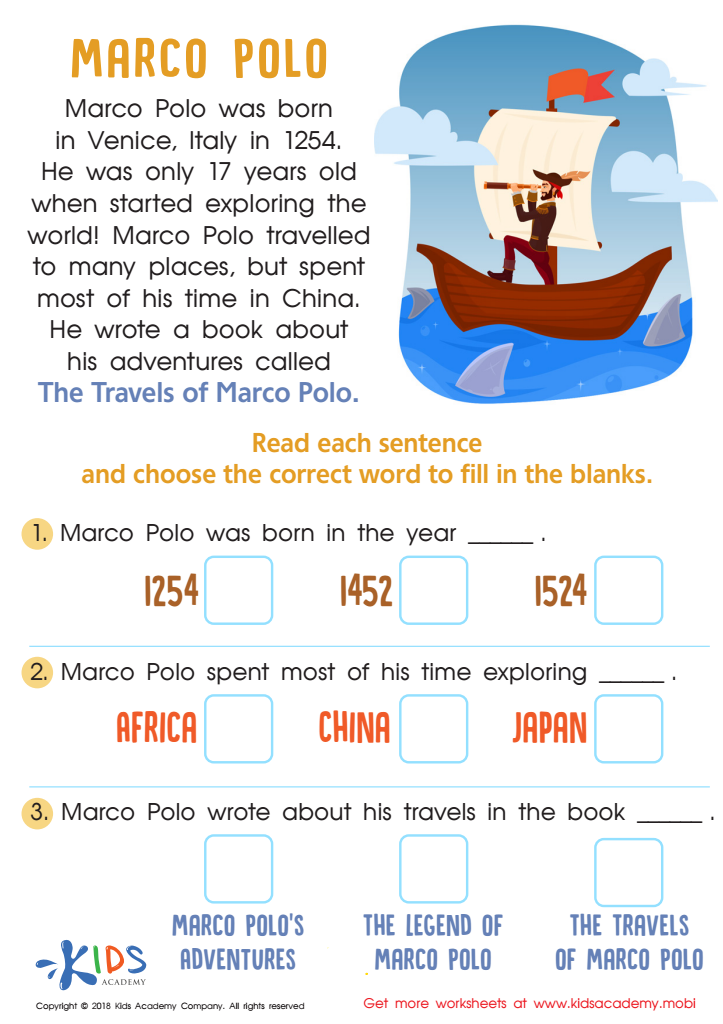
Marco Polo Worksheet
 Assign to My Students
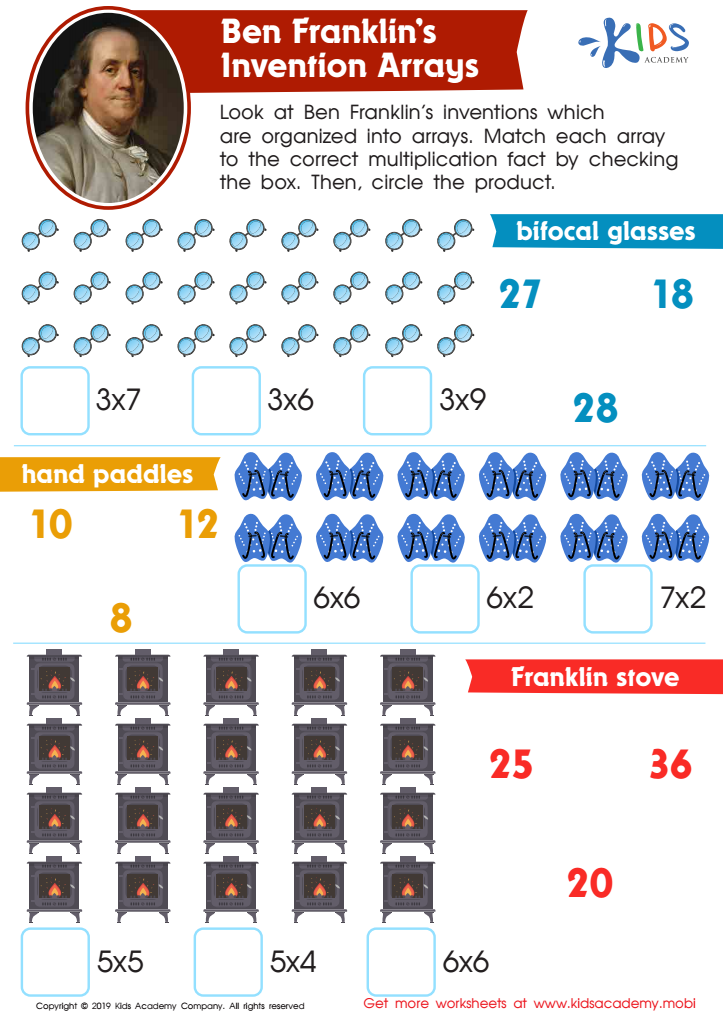
Ben Franklin’s Invention Arrays Worksheet
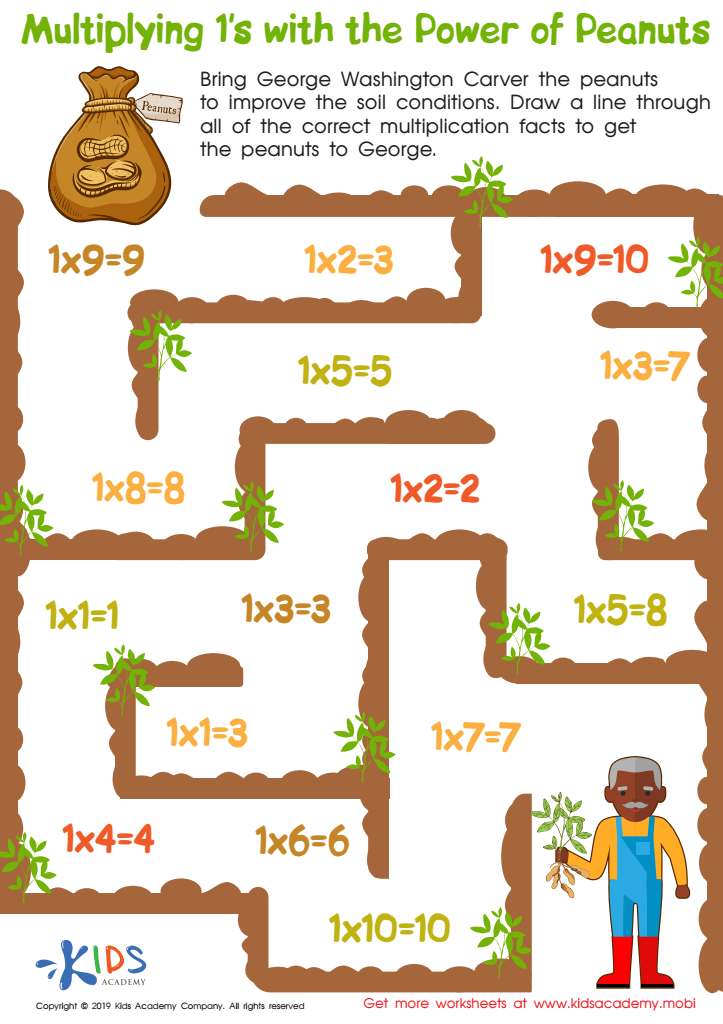
Multiplying 1’s With the Power of Peanuts Worksheet
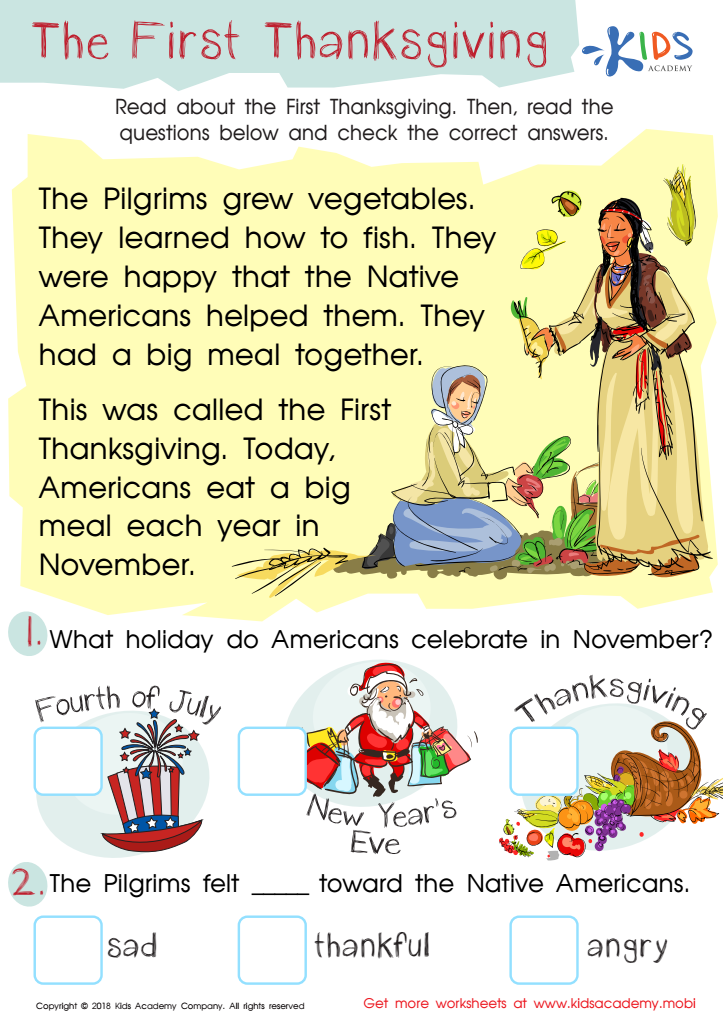
Assessment: First Thanksgiving Worksheet
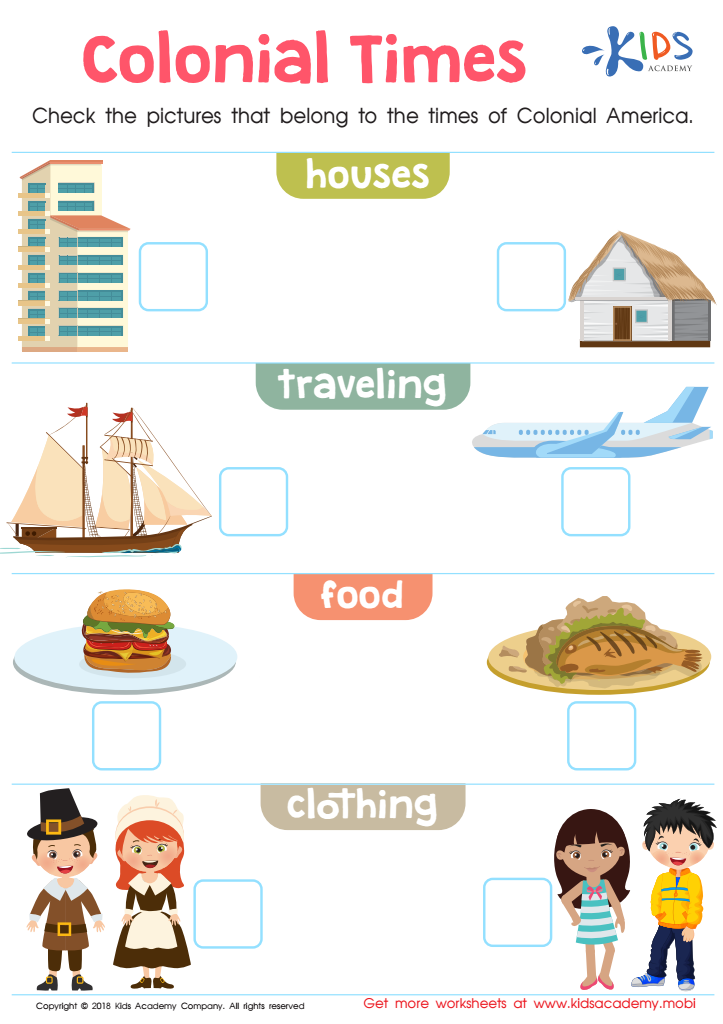
Colonial Times Worksheet
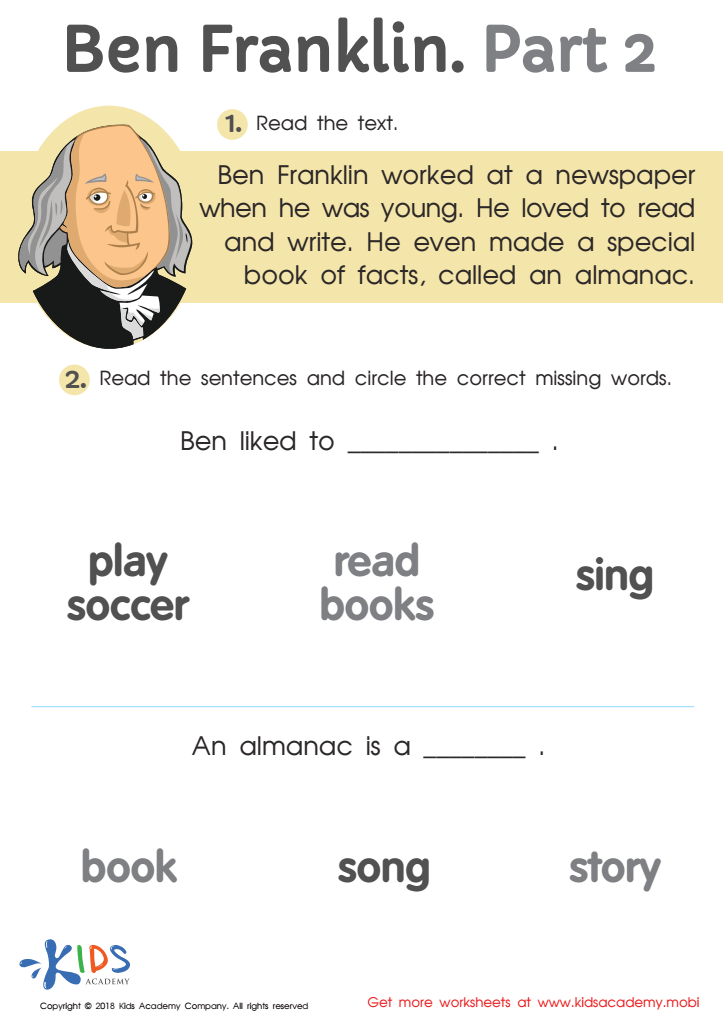
Ben Franklin Part 2 Worksheet
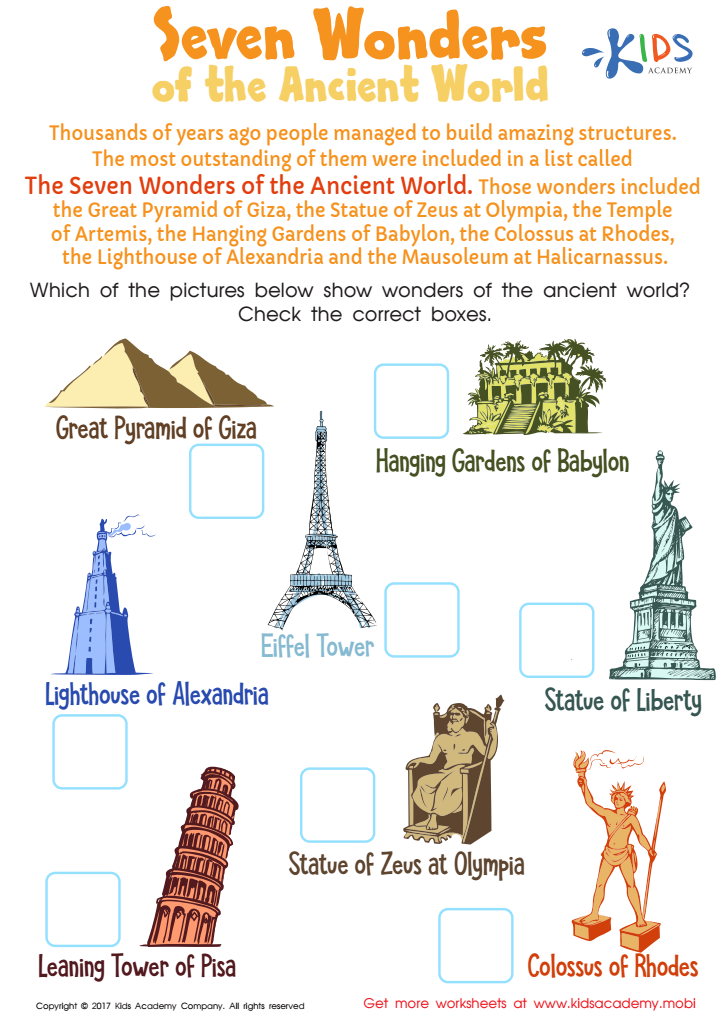
Seven Wonders of the Ancient World Worksheet
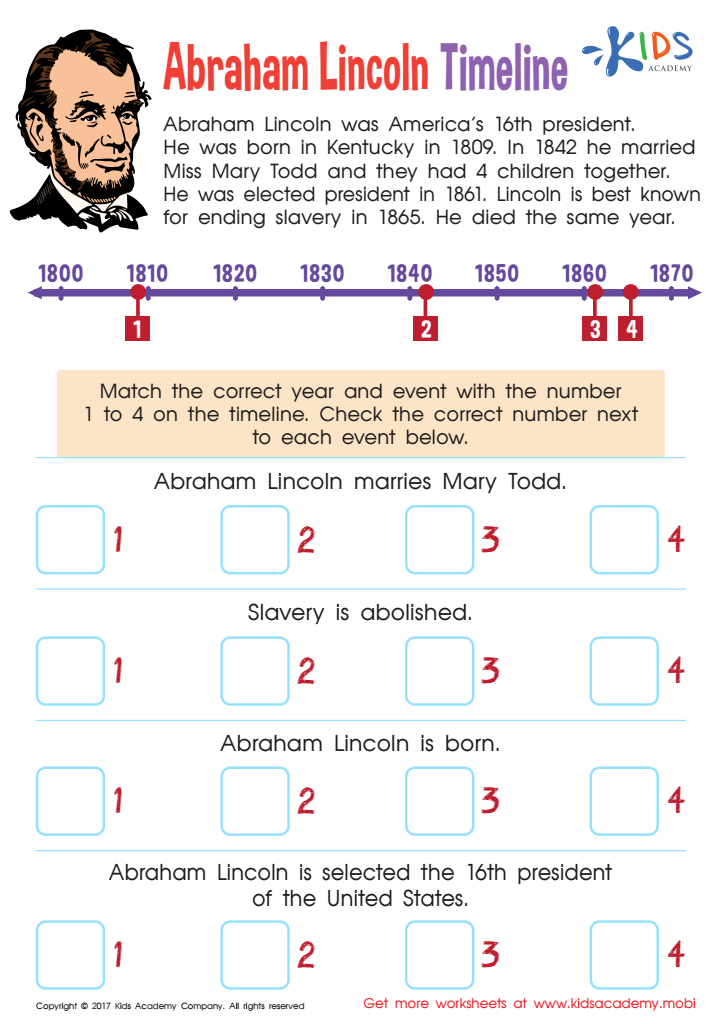
Abraham Lincoln Timeline Worksheet
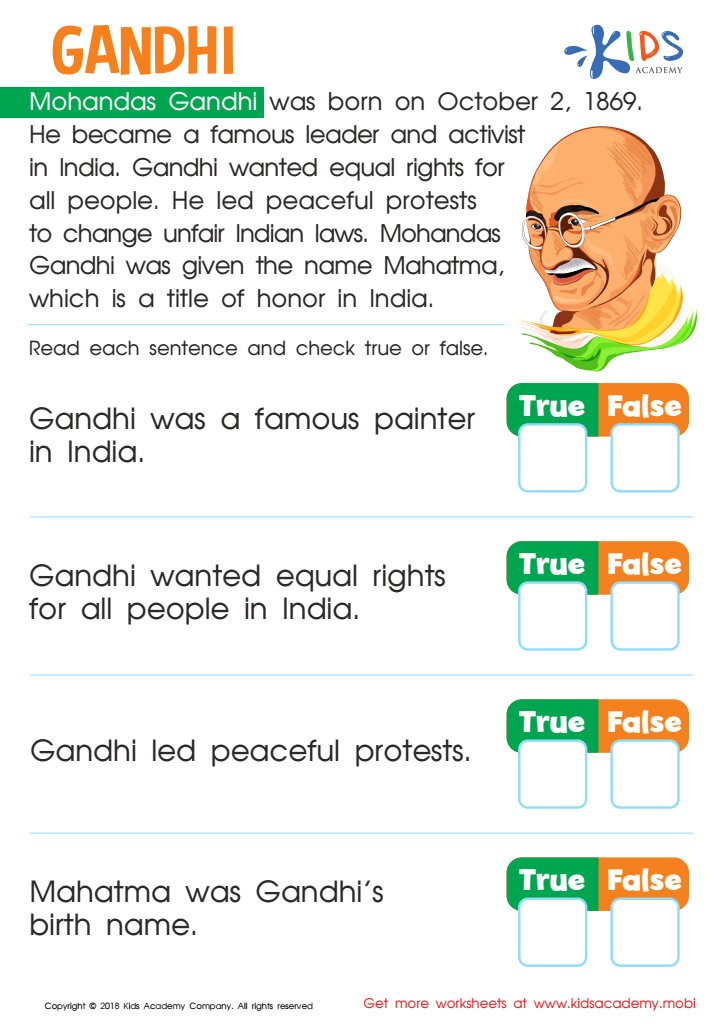
Gandhi Worksheet
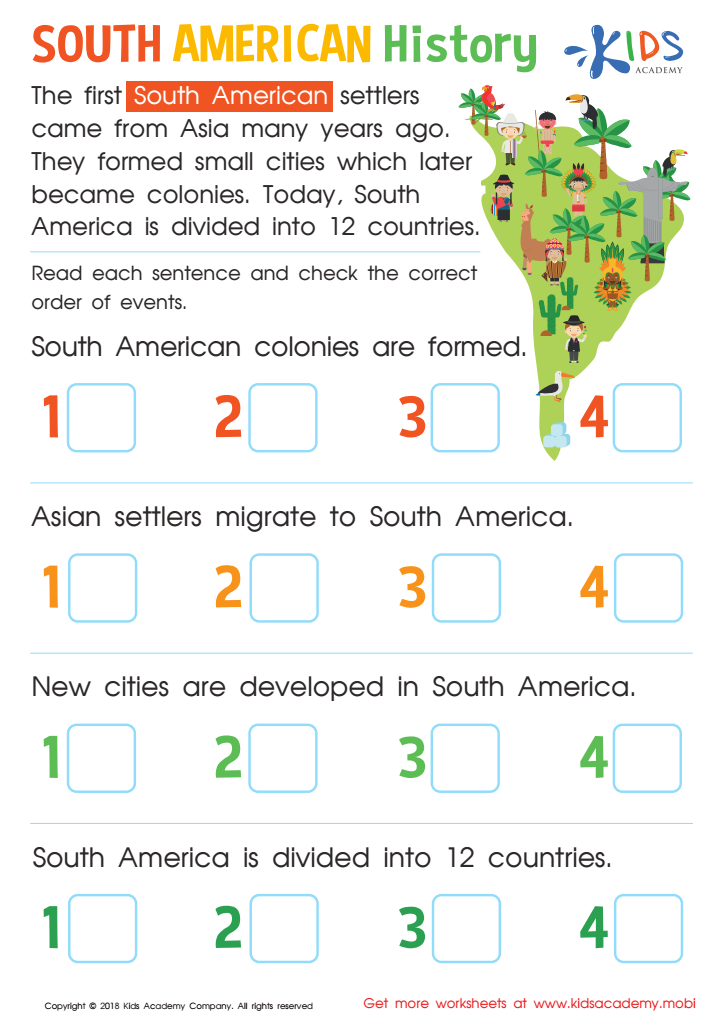
South American History Worksheet
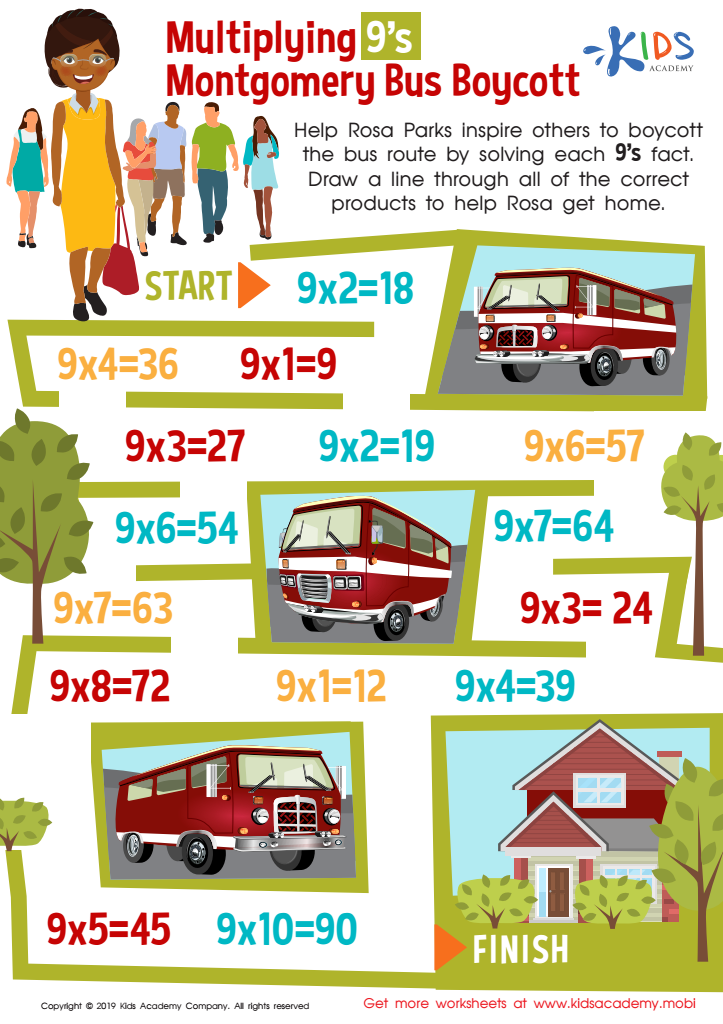
Multiplying 9’s Montgomery Bus Boycott Worksheet


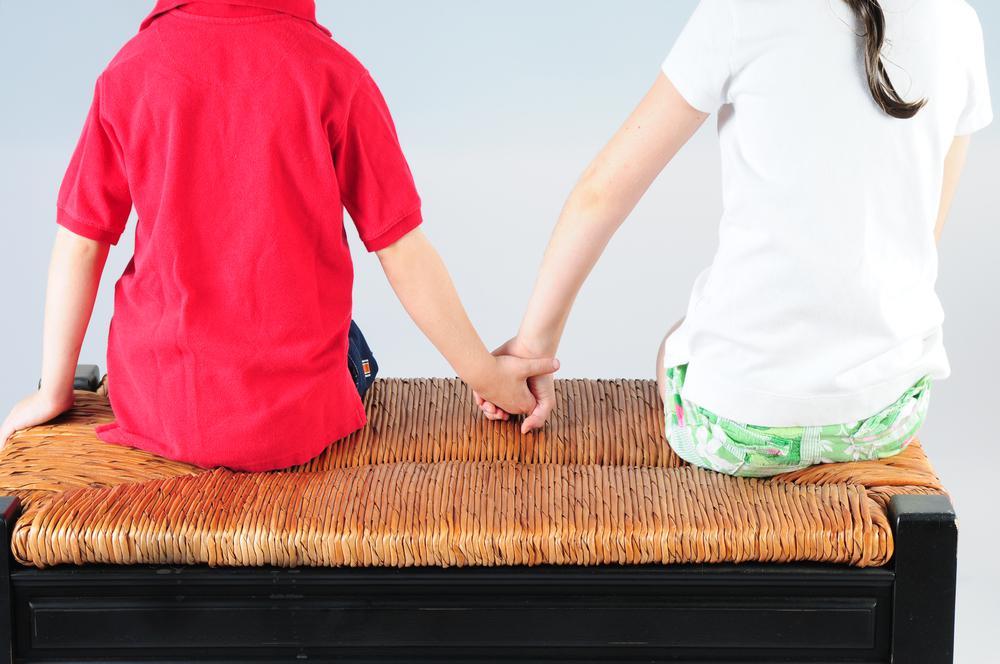





Parents and teachers should care about introducing normal history to children aged 3-9, as it largely influences their development and understanding of the world. During these formative years, kids are exceptionally curious and impressionable. Learning about normal history can provide them with a sense of identity, cultural awareness, and real-world context.
Firstly, it fosters empathy and respect for different cultures and perspectives. As children learn about diverse historical events and figures, they develop a better understanding of inclusivity and social harmony. Secondly, understanding history enhances cognitive development. Processes involving critical thinking, cause-and-effect reasoning, and analytical skills are stimulated as kids explore past events and their repercussions.
Moreover, early grasps of history help in grounding ethical values and morals. Through historical stories, children can differentiate right from wrong, fostering a strong sense of justice and personal integrity. Additionally, it connects children to their immediate environment. Learning about local history and traditions can evoke a sense of belonging and community pride.
Parents and teachers shape a more rounded worldview in children by integrating history lessons through storytelling, play, and discussion. This early exposure makes history feel less like a dry subject confined to textbooks and more like an ongoing narrative they are a part of, making education engaging and meaningful.