Normal Comparing Numbers Worksheets for Ages 4-7 - Page 2
25 filtered results
-
From - To
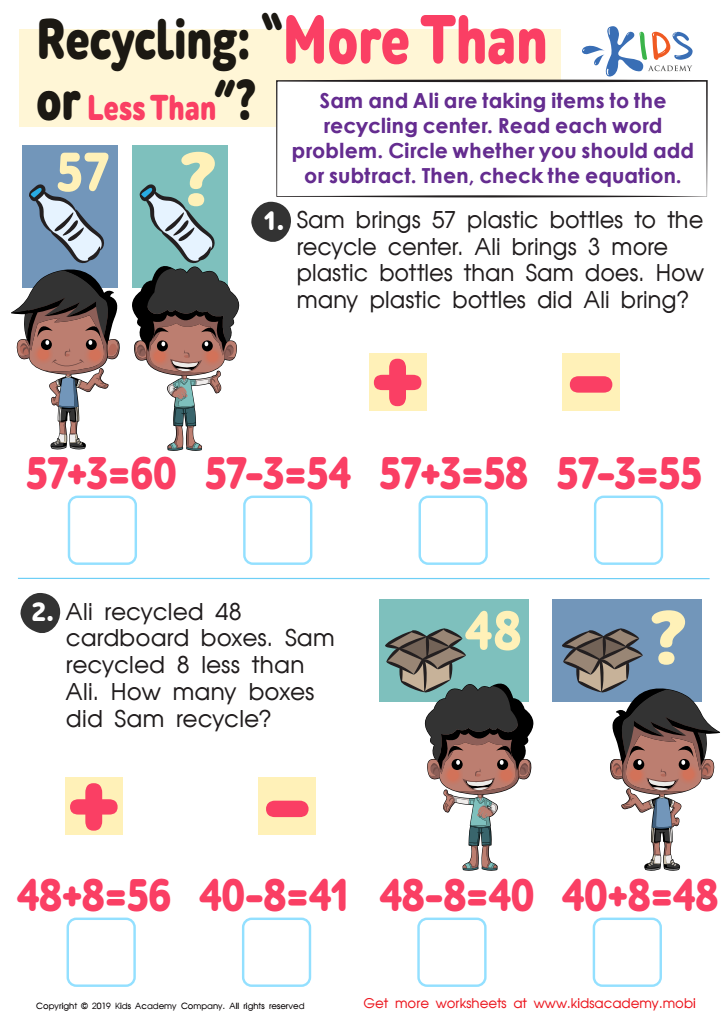
Recycling - More or Less Worksheet
 Assign to My Students
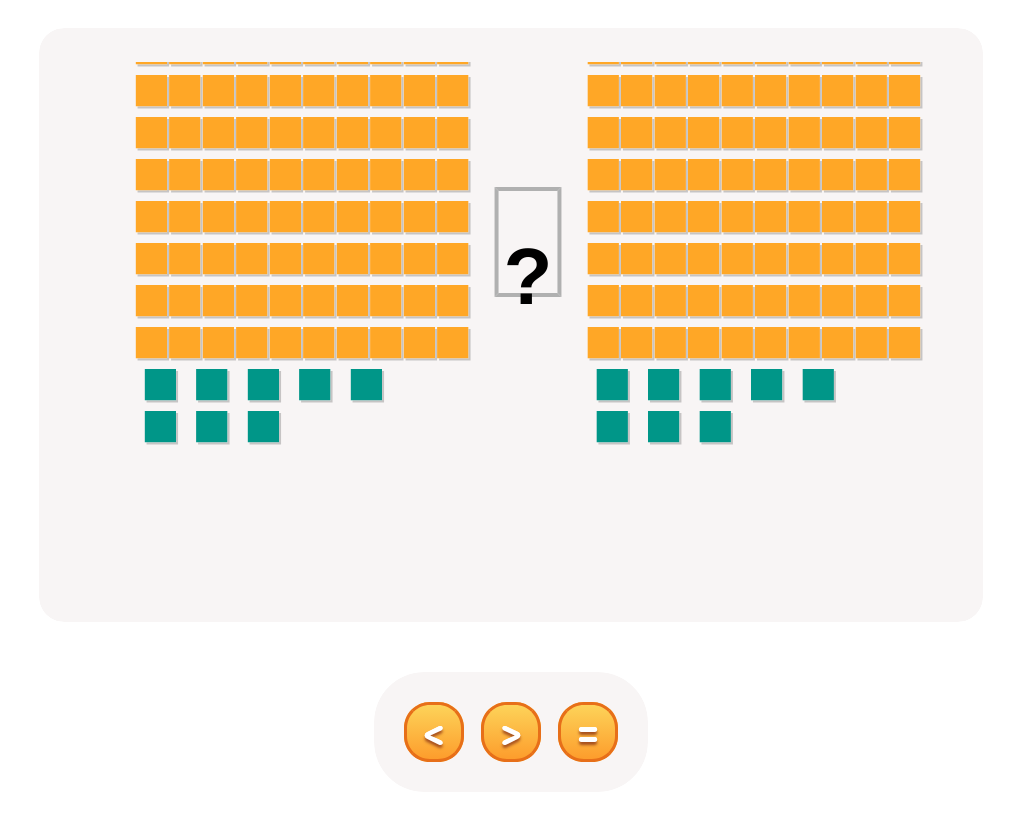

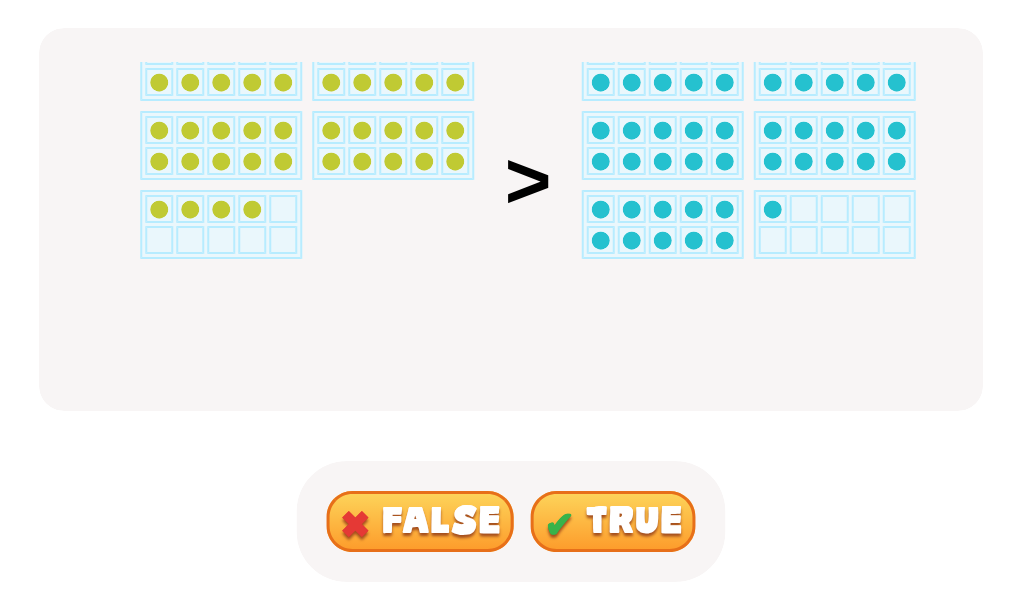
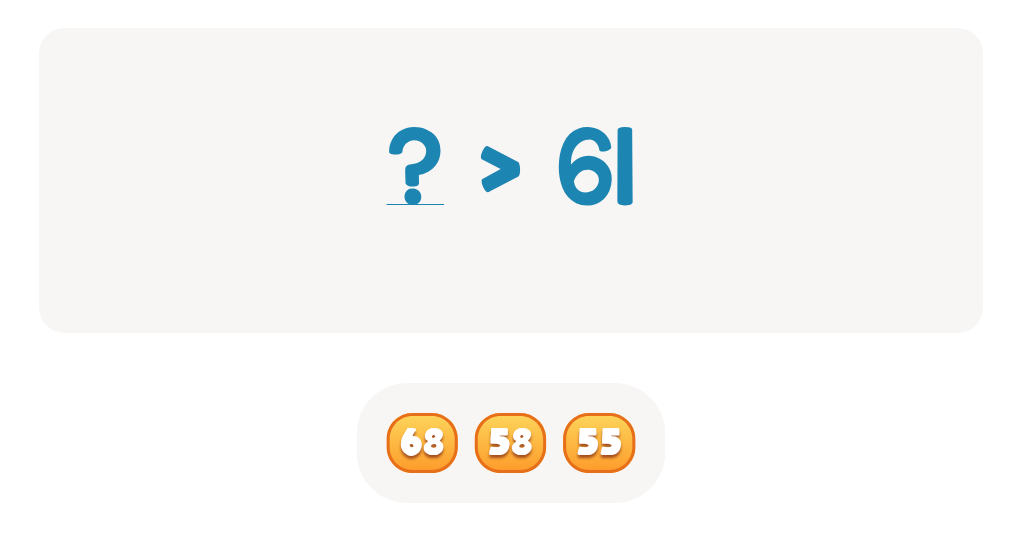
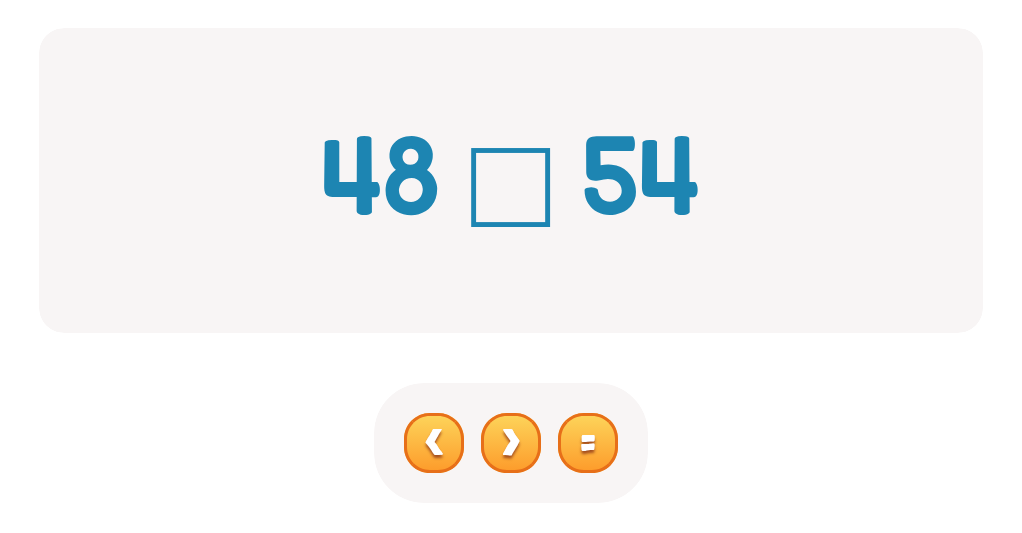
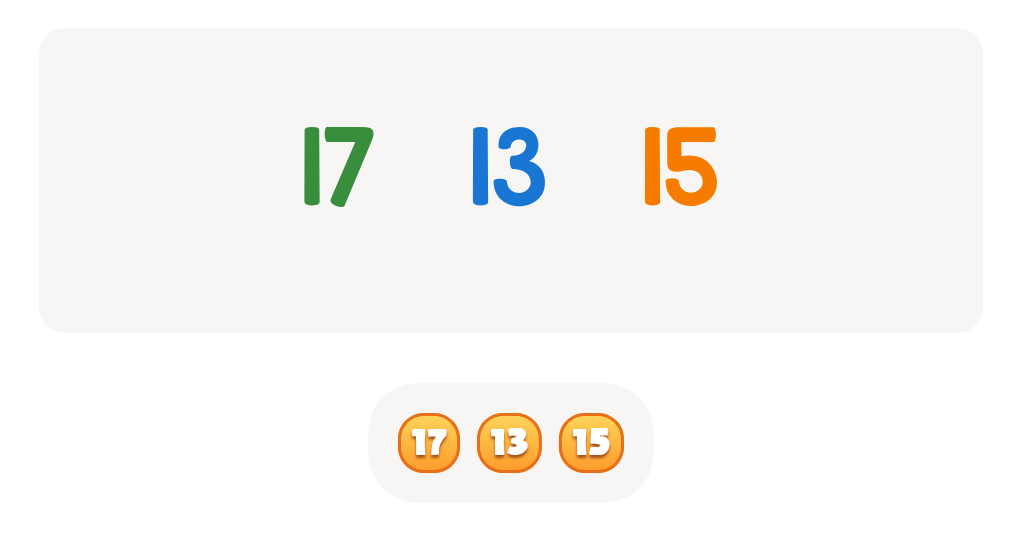
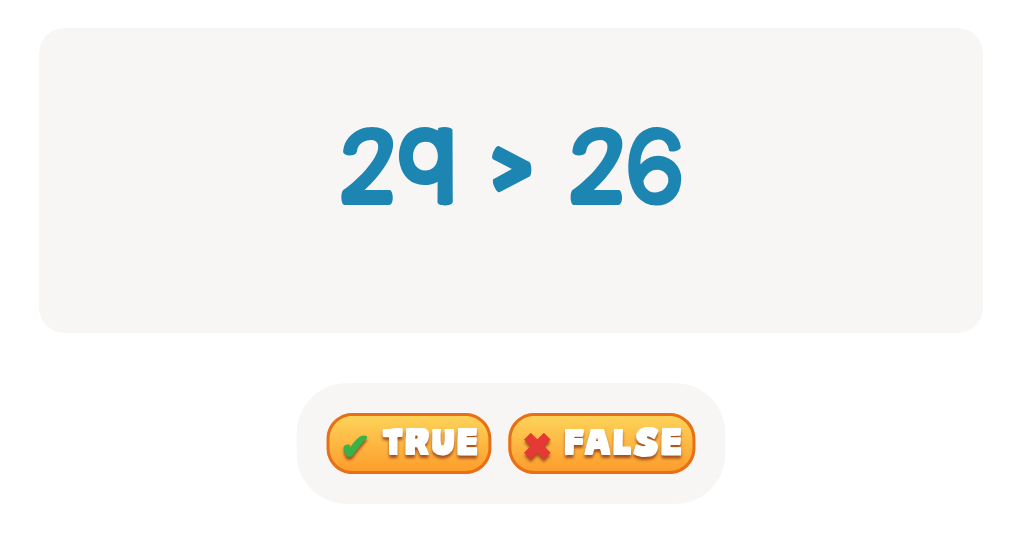
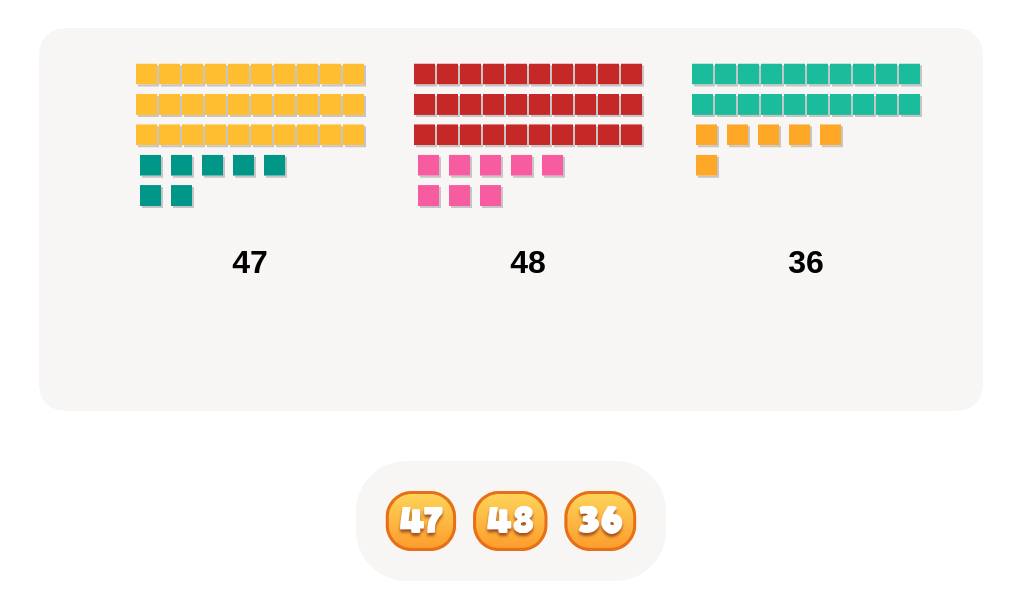
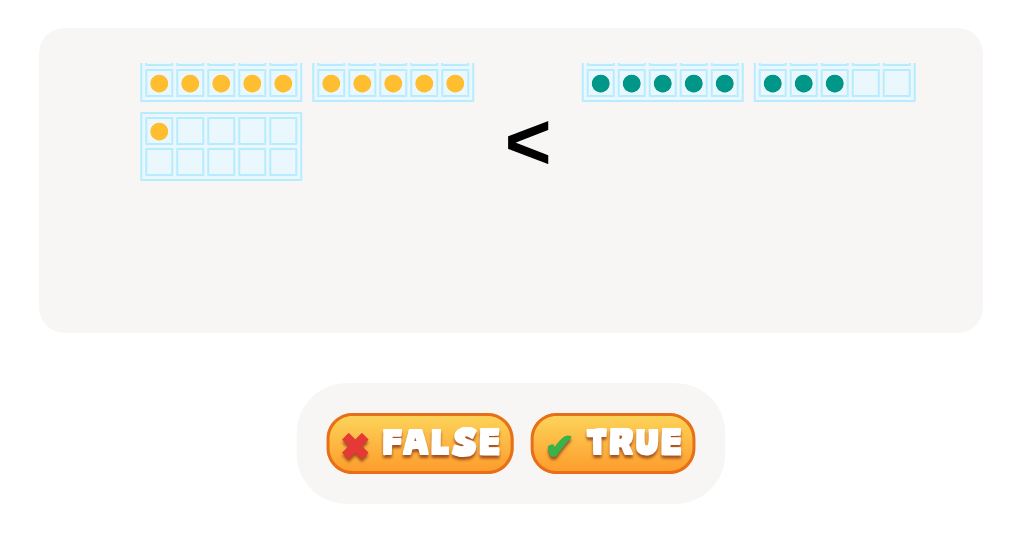







Normal Comparing Numbers is a fundamental skill that plays a crucial role in early mathematics education for children ages 4-7. At this stage of development, children are naturally curious about quantifiable differences in their surroundings, and teaching them to compare numbers helps nurture that curiosity. By understanding concepts like "more," "less," and "equal," children can develop foundational problem-solving skills that will support their future learning in mathematics.
Parents and teachers should care about this skill because it enhances critical thinking and reasoning abilities. Encouraging children to compare numbers fosters their ability to make decisions based on quantity, essential for everyday situations, whether it’s sharing snacks, dividing toys, or understanding time and money. Additionally, mastering number comparison promotes confidence in young learners, as success in this area can serve as a stepping stone to more complex arithmetic concepts.
Furthermore, establishing a strong number sense supports broader cognitive skills and lays the groundwork for future math experiences. As learners build these skills, they cultivate a more optimistic attitude toward math and learning in general. By prioritizing Normal Comparing Numbers, adults can empower children to become proactive, confident learners prepared for continued academic success.