Normal Tracing Words Worksheets for Ages 4-7 - Page 2
34 filtered results
-
From - To
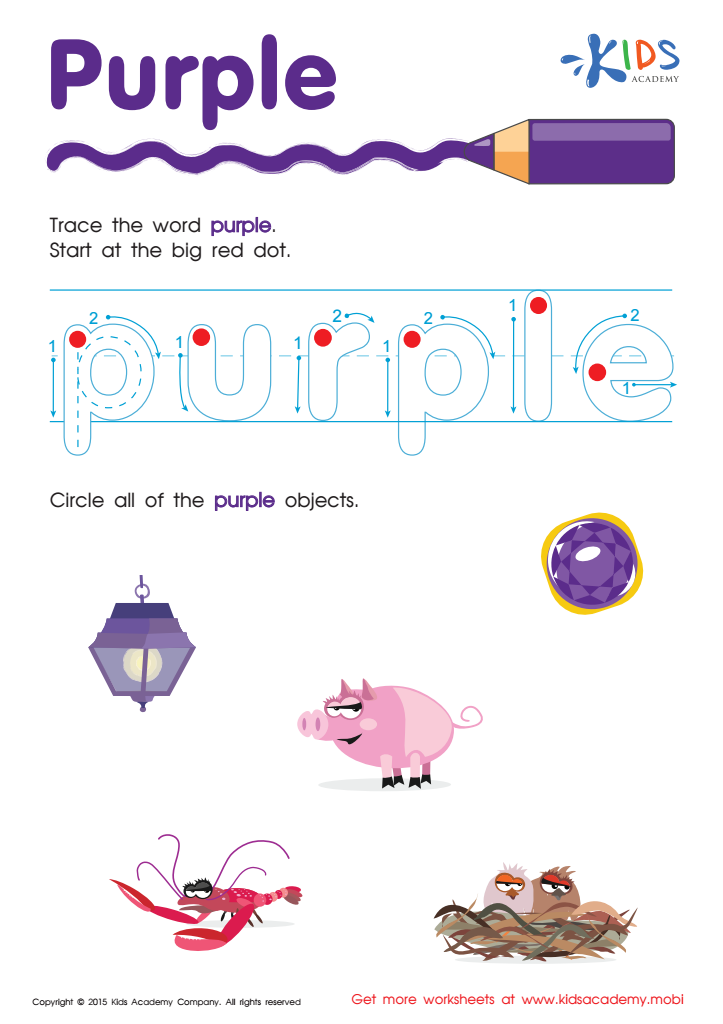
Purple Tracing Color Words Worksheet
 Assign to My Students
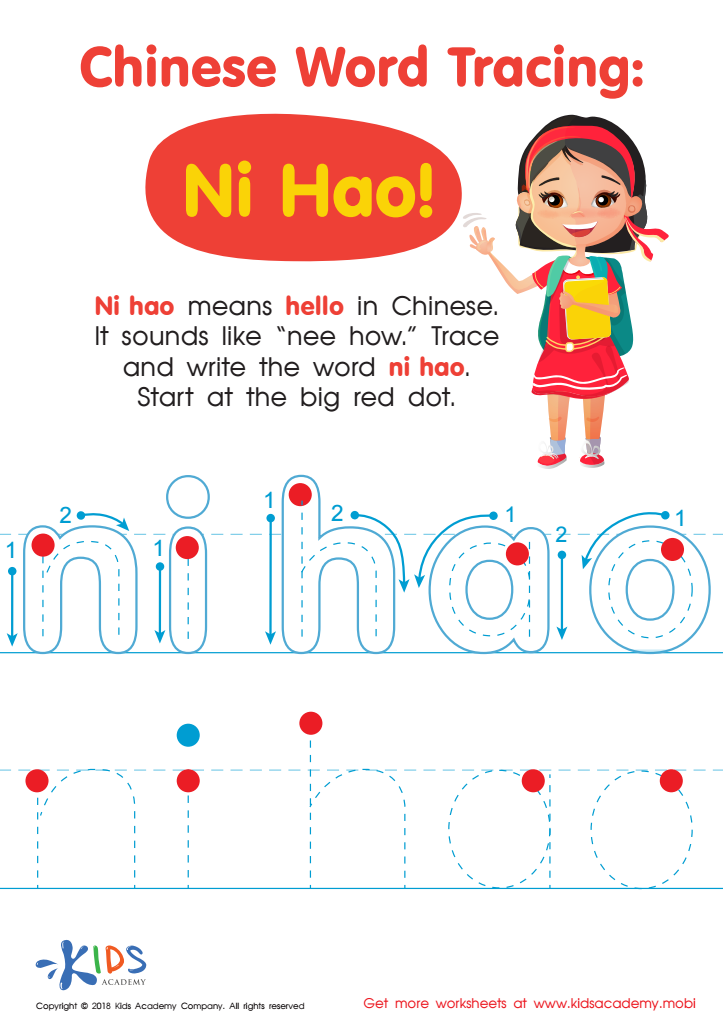
Chinese Word Tracing: Ni Hao Worksheet
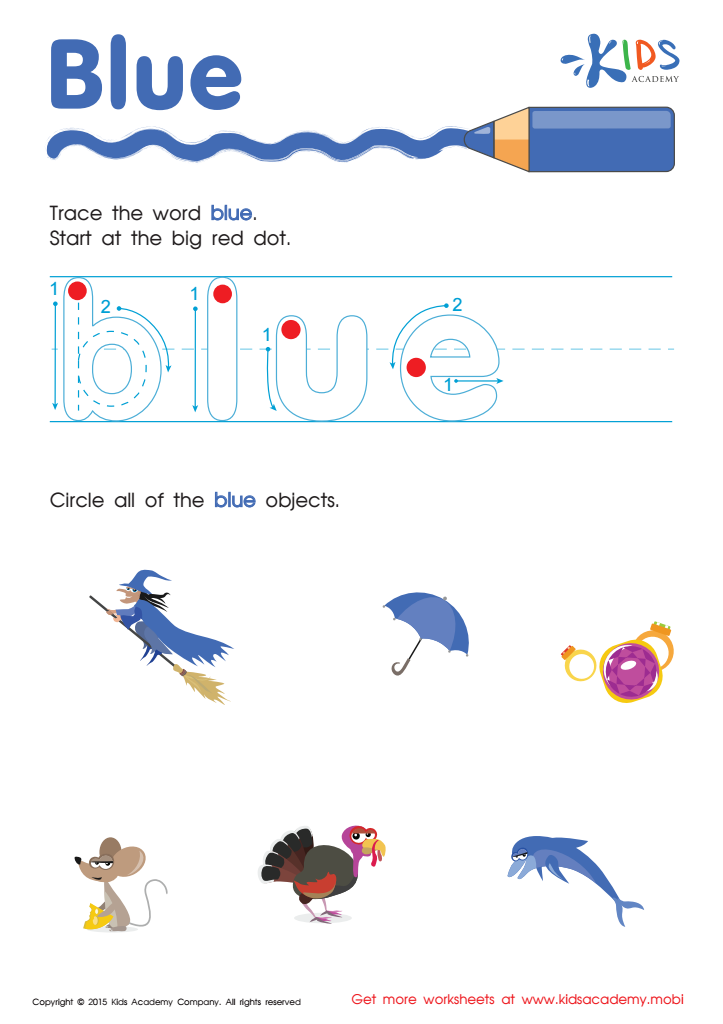
Blue Tracing Color Words Printable
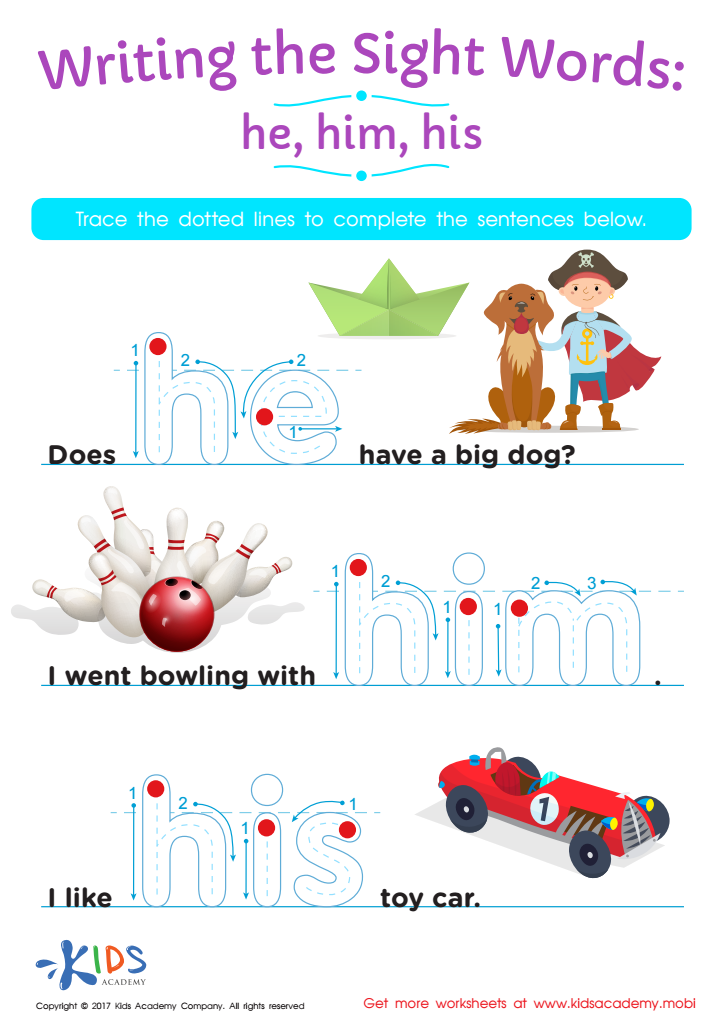
He, Him, His Printable Sight Words Worksheet
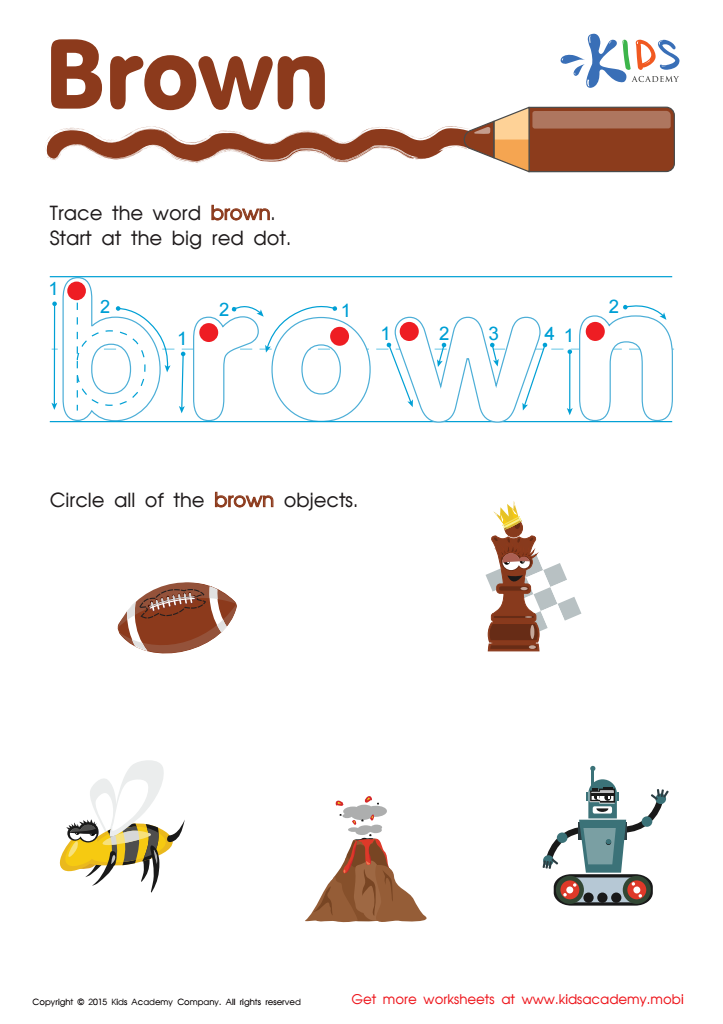
Brown Tracing Color Words Worksheet
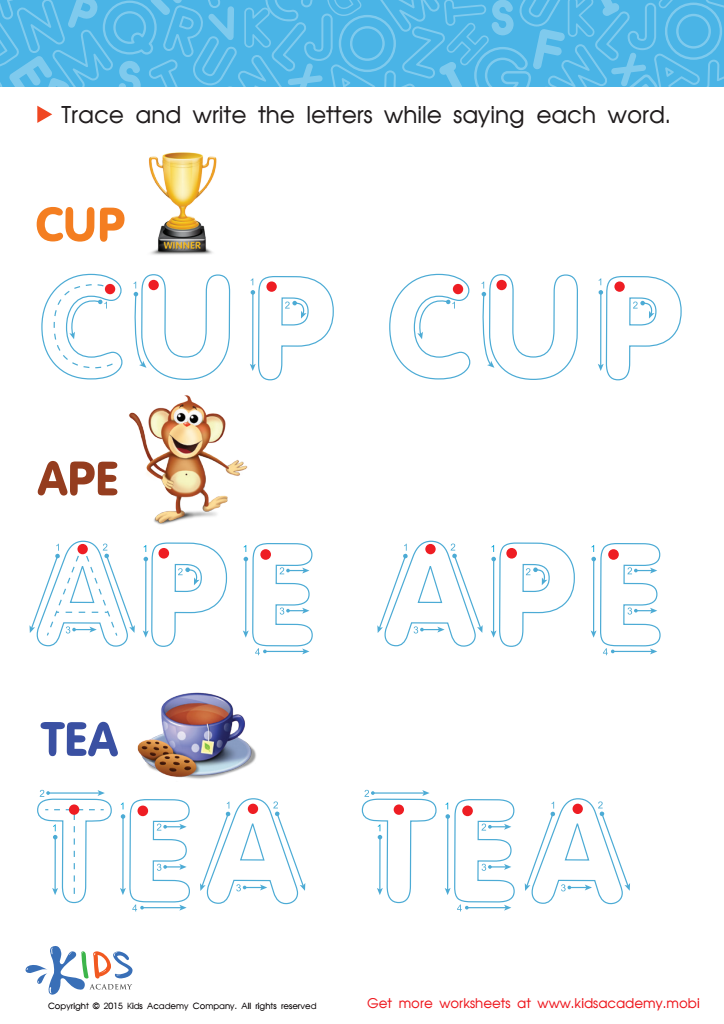
A Cup, an Ape and Tea Spelling Worksheet
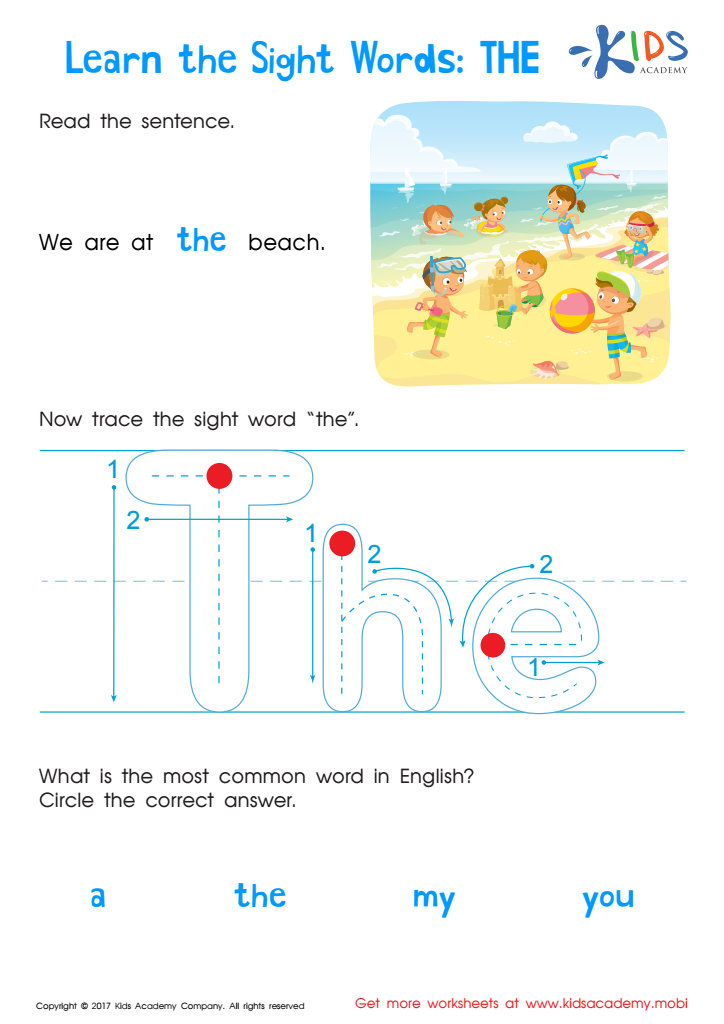
Sight Words: The Worksheet
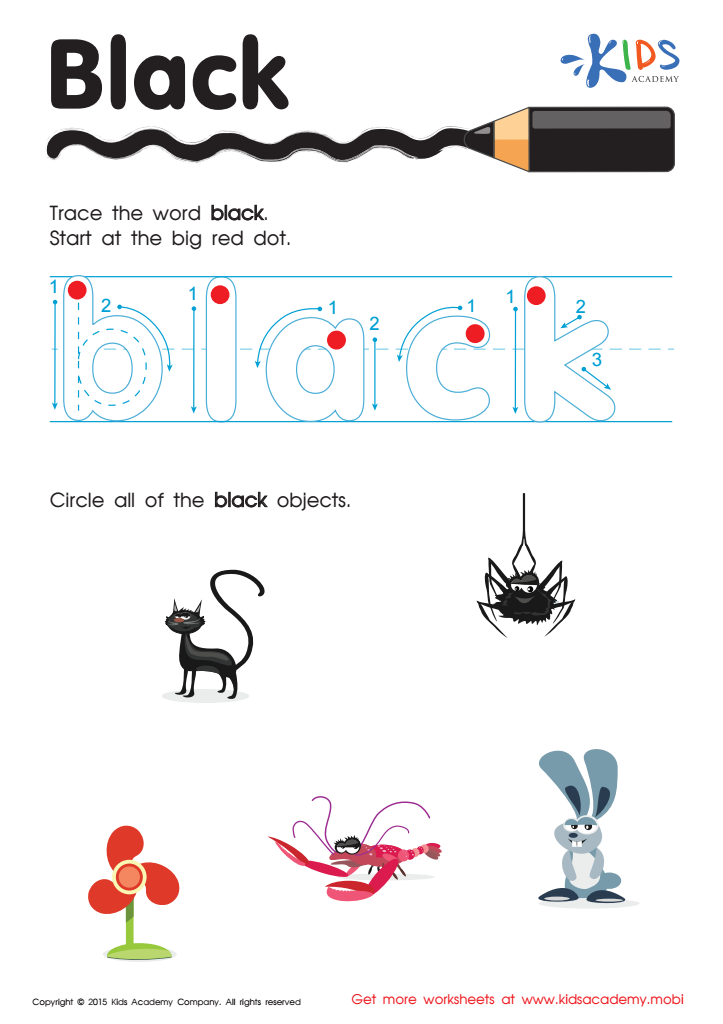
Black Tracing Color Words Printable
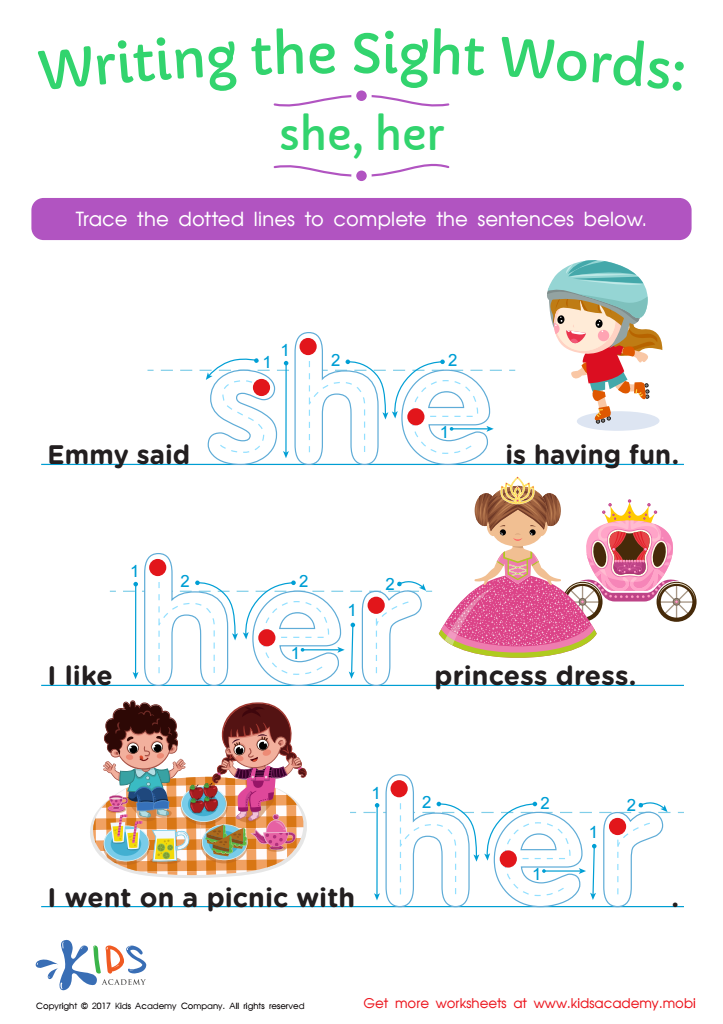
She, Her Printable Sight Words Worksheet
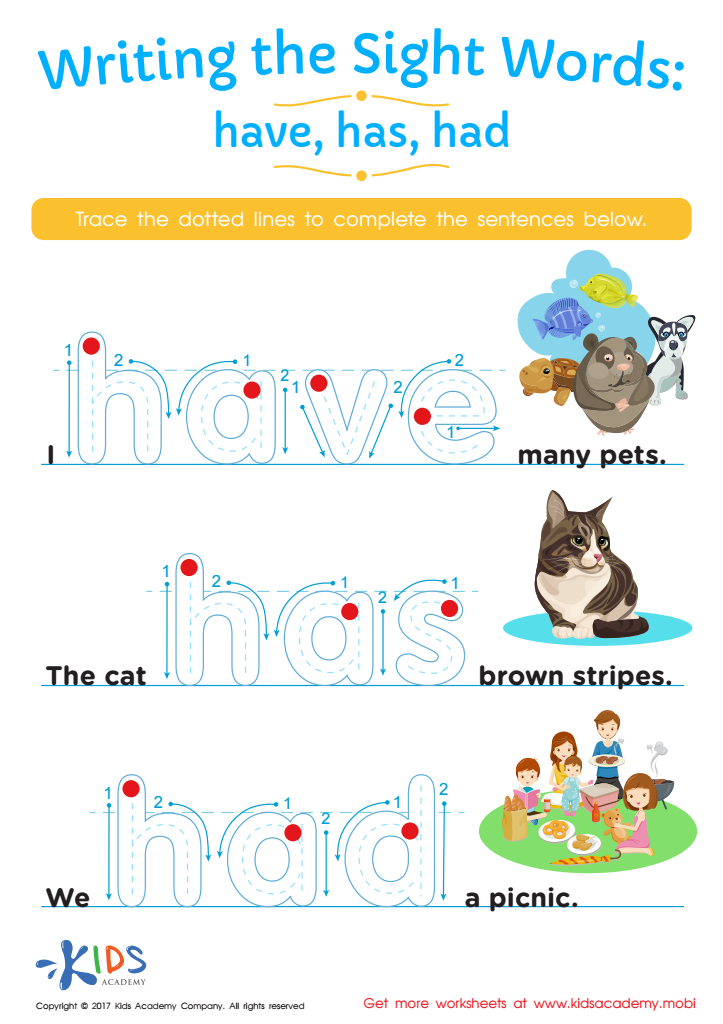
Have, Has, Had Worksheet Sight Words Worksheet







Normal tracing words is an essential skill for children aged 4-7, as it fosters crucial developmental areas that support their early literacy and fine motor skills. Firstly, tracing helps children understand letter formation, promoting strong handwriting habits. As they trace, they learn how to navigate the contours of letters, which builds the muscle memory needed for writing independently.
Additionally, tracing words introduces new vocabulary in a fun, engaging way. Children frequently see the word and understand its shape, reinforcing pronunciation and correct spelling. This interactive approach aids in comprehension and retention, making it an effective strategy for early language acquisition.
Moreover, tracing encourages concentration and focus. As children engage in this activity, they develop patience and perseverance, key attributes for their academic journey. Tracing can also be a calming exercise, allowing children to express themselves creatively, which supports emotional well-being.
Finally, involving parents or teachers in this practice strengthens the learning bond. Working alongside children during tracing exercises provides a wonderful opportunity for guided learning and positive reinforcement, encouraging children to pursue language and writing pursuits with confidence and enthusiasm. Making tracing words a priority in education can greatly enhance literacy outcomes for young learners.