Normal Letter Recognition Worksheets for Ages 4-8 - Page 2
67 filtered results
-
From - To
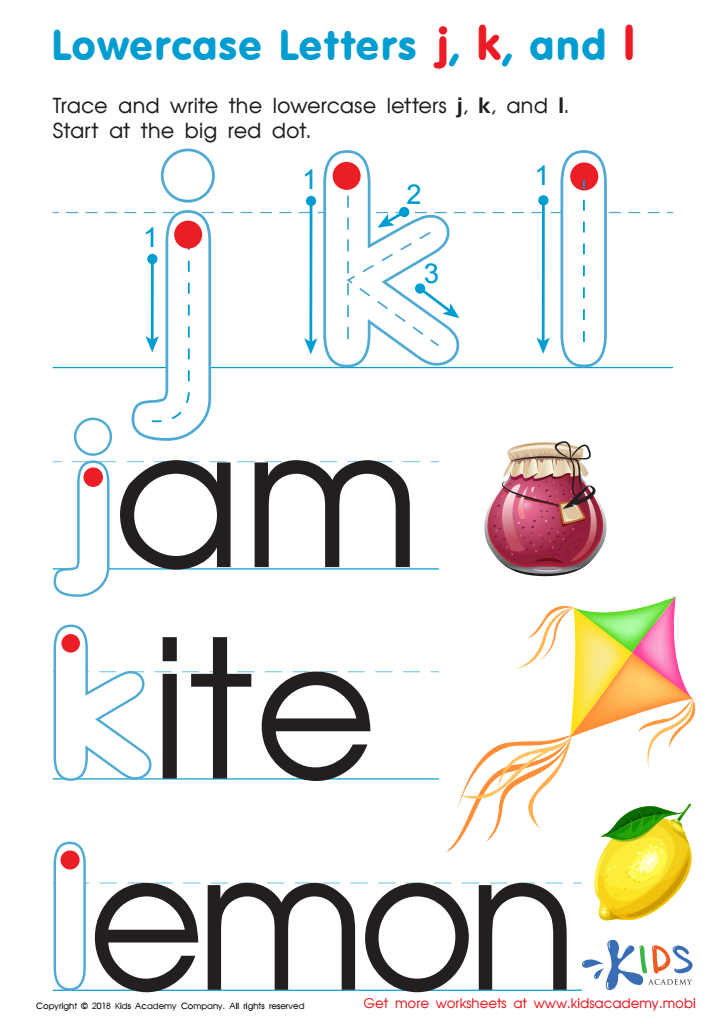
Lowercase Letters j k l Worksheet
 Assign to My Students
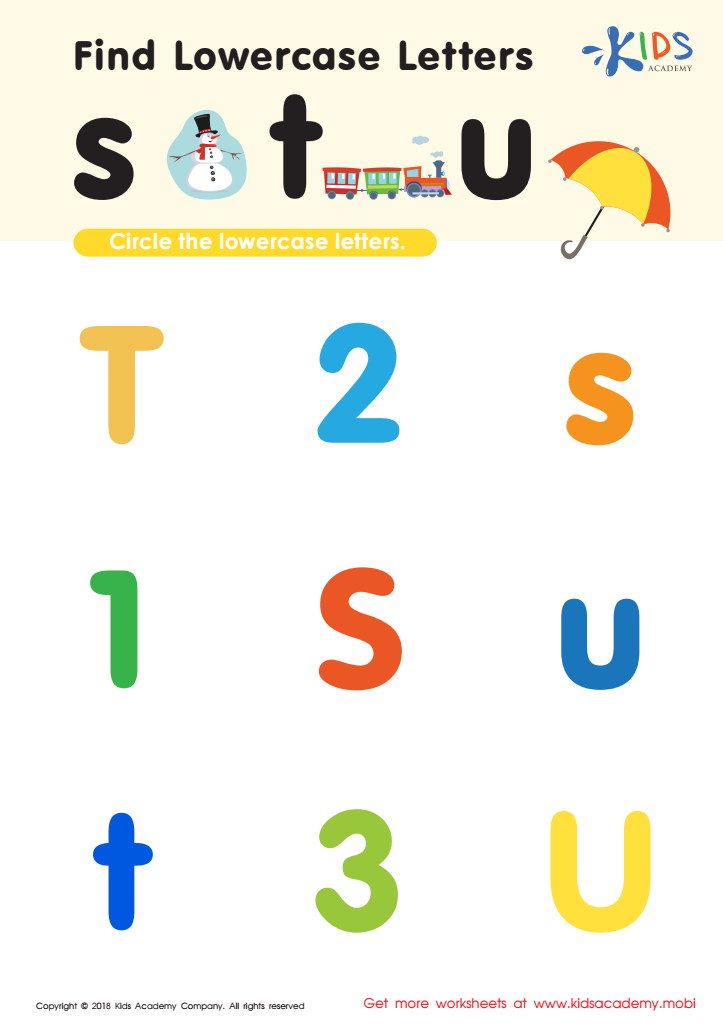
Find lowercase Letters s t u Worksheet
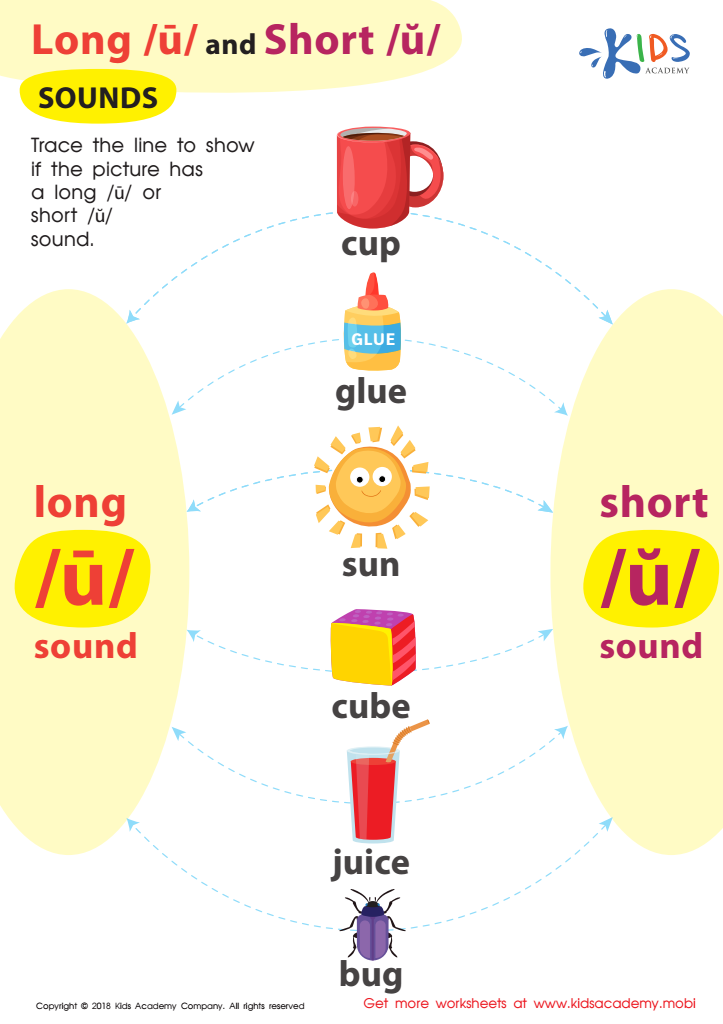
Reading: Long U and Short U Sounds Worksheet
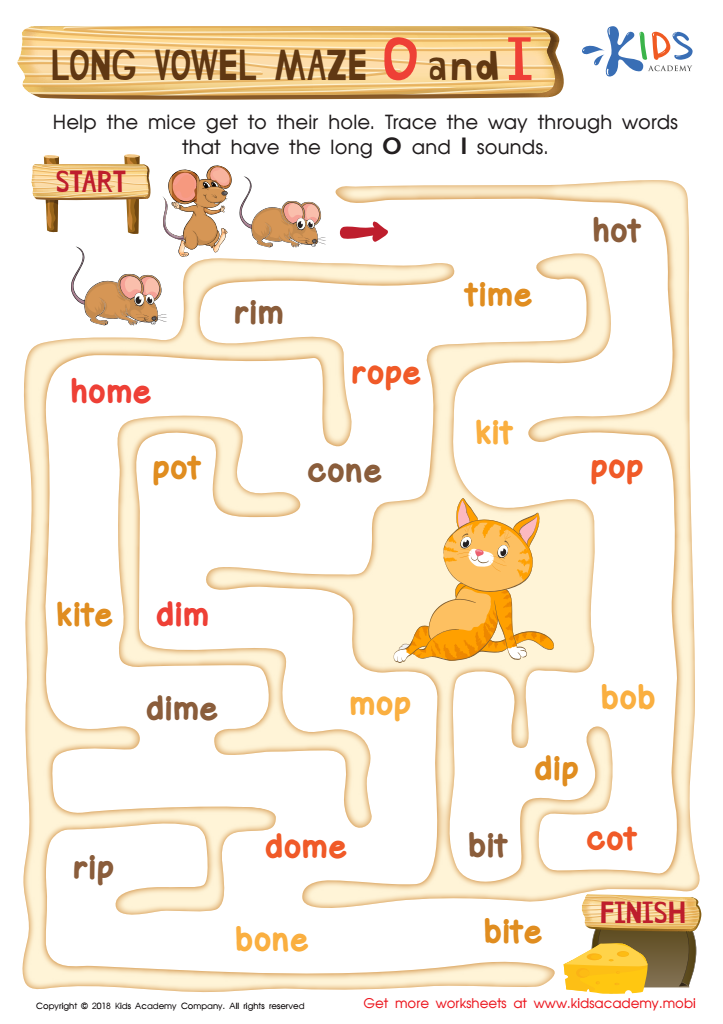
Long Vowel Maze /o/ and /i/ Worksheet
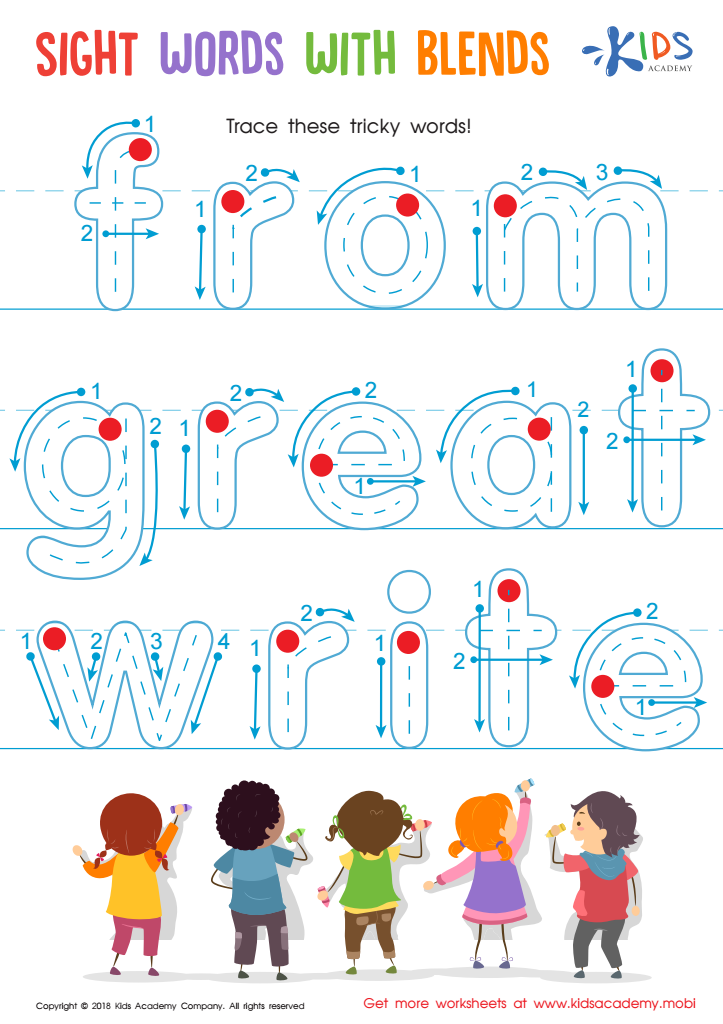
Sight Words with Blends Worksheet

Letter G Tracing Page
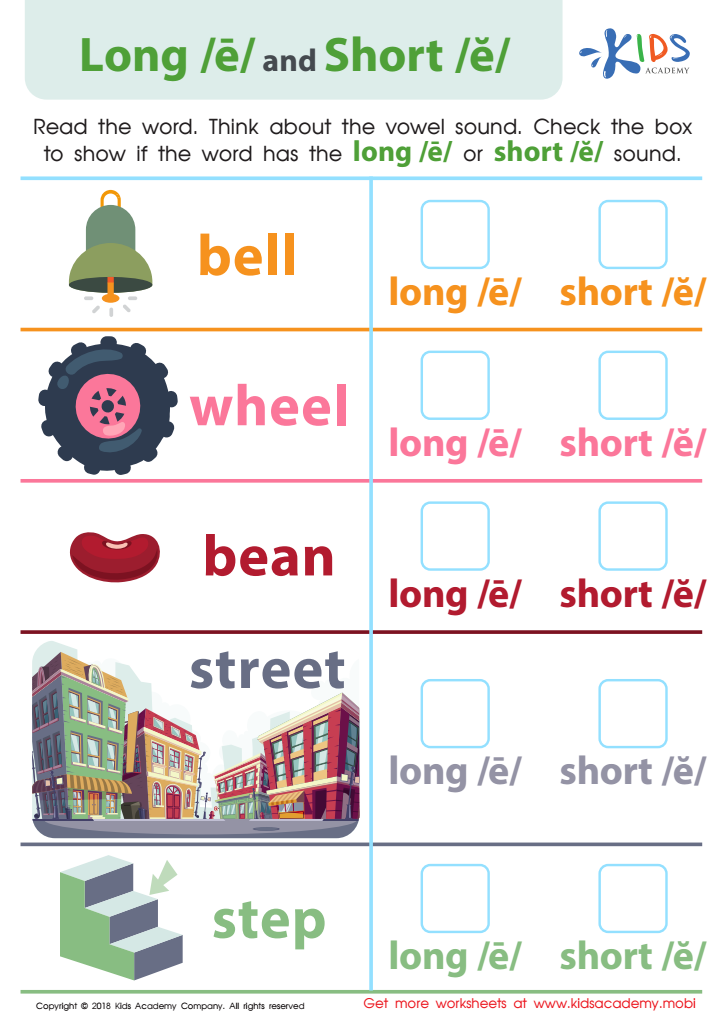
Reading: Long E and Short E Worksheet
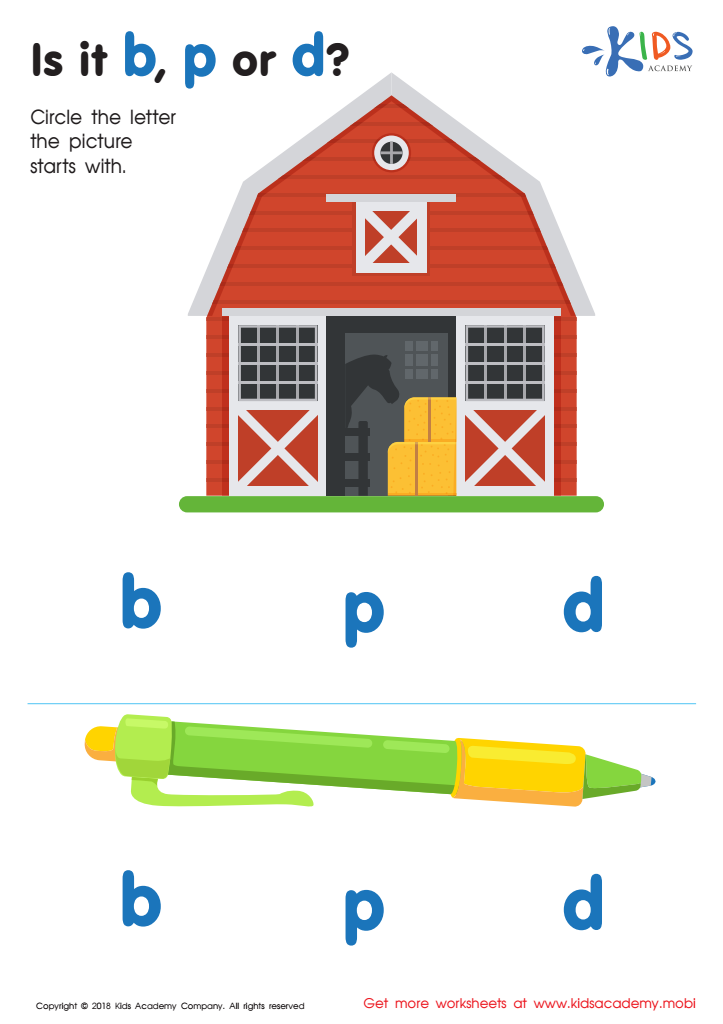
Is it b, p or d? Worksheet
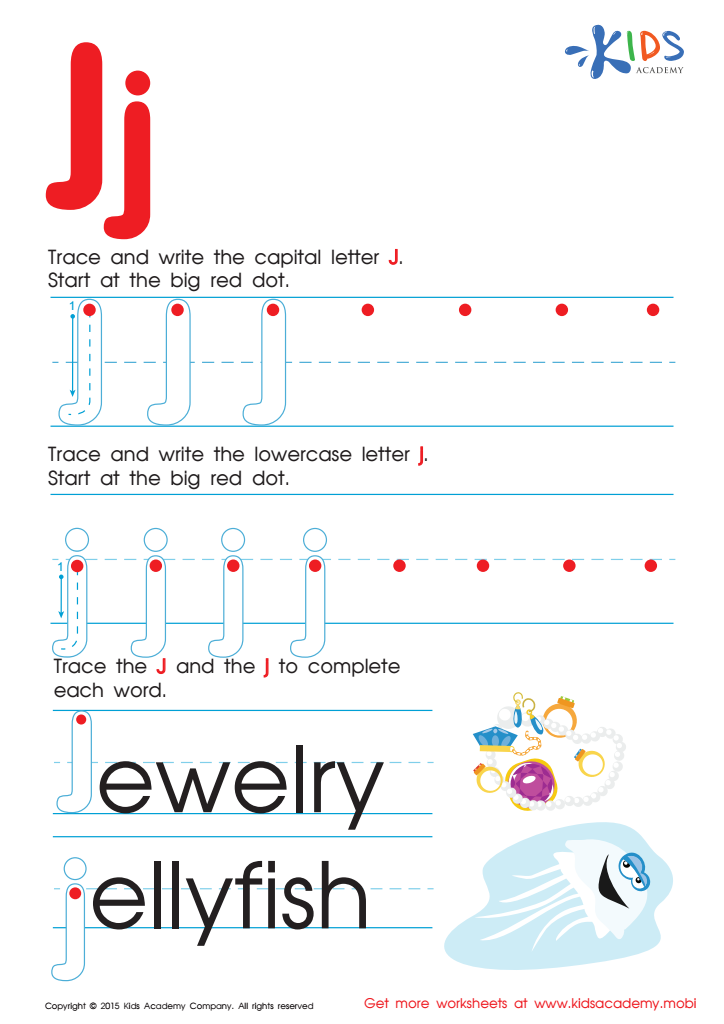
Letter J Tracing Page
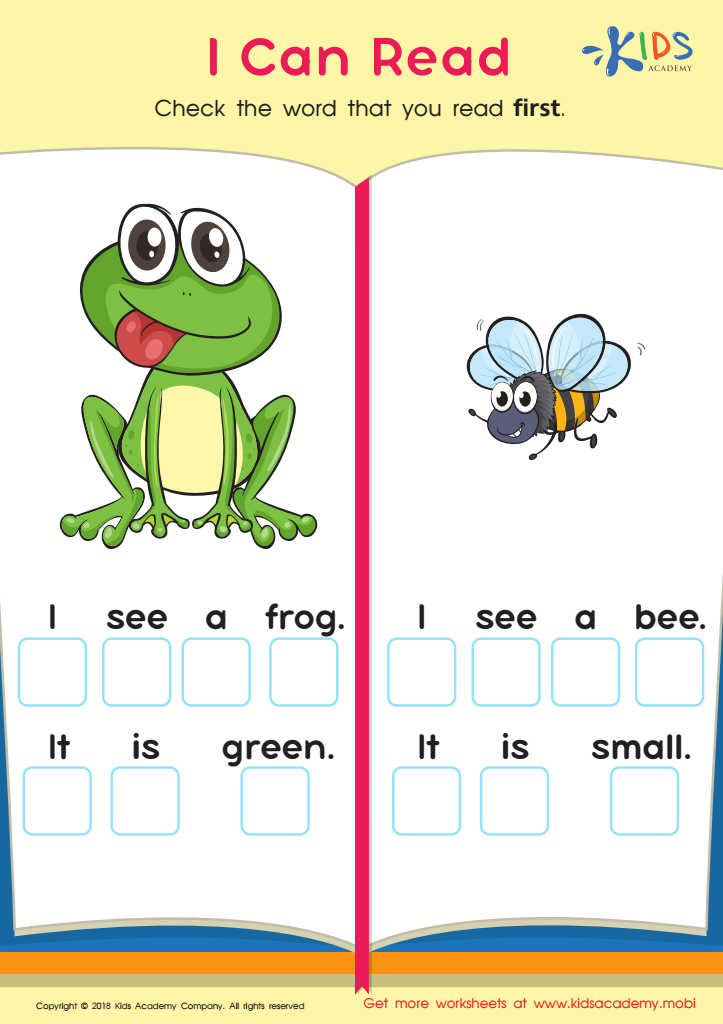
I Can Read Worksheet
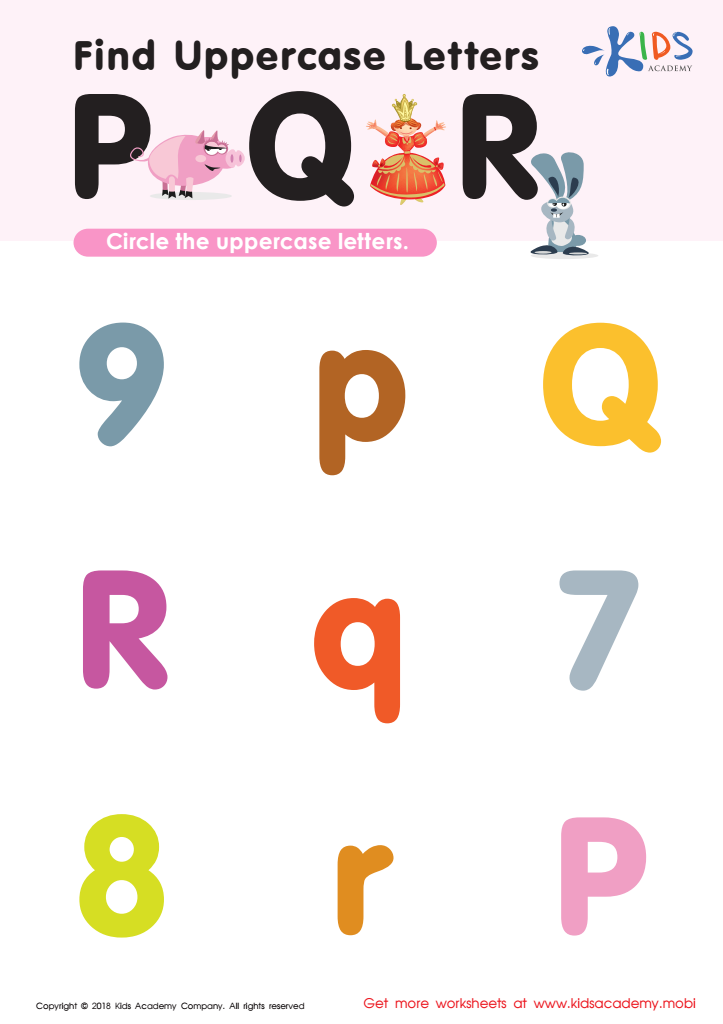
Find Uppercase Letters P, Q, and R Worksheet
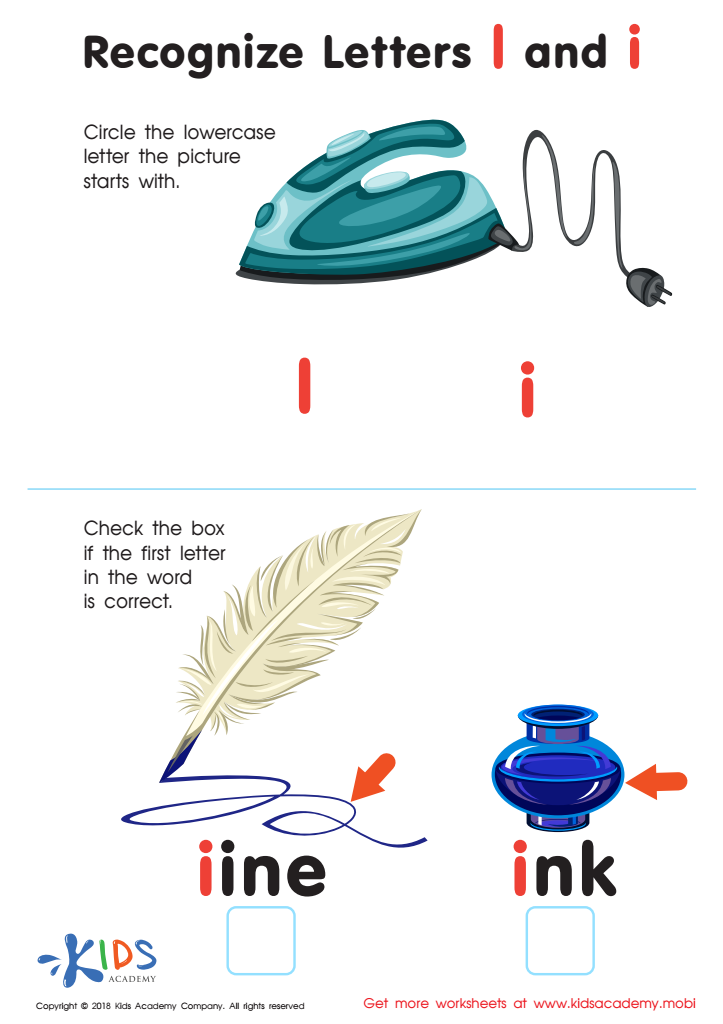
Recognize Letters l and i Worksheet
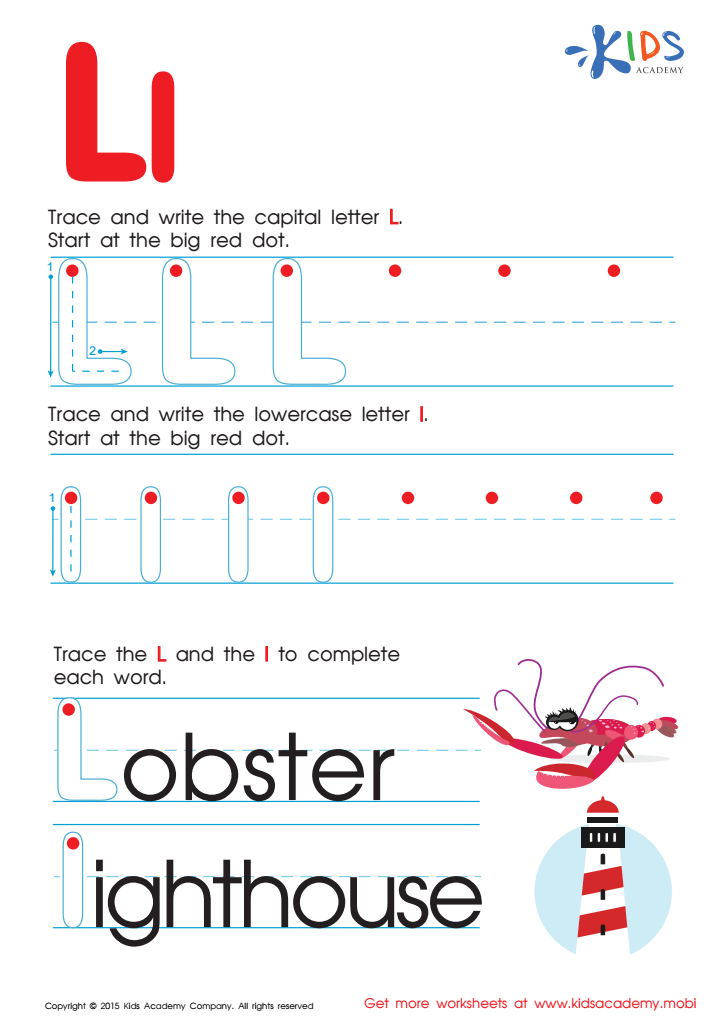
Letter L Tracing Page
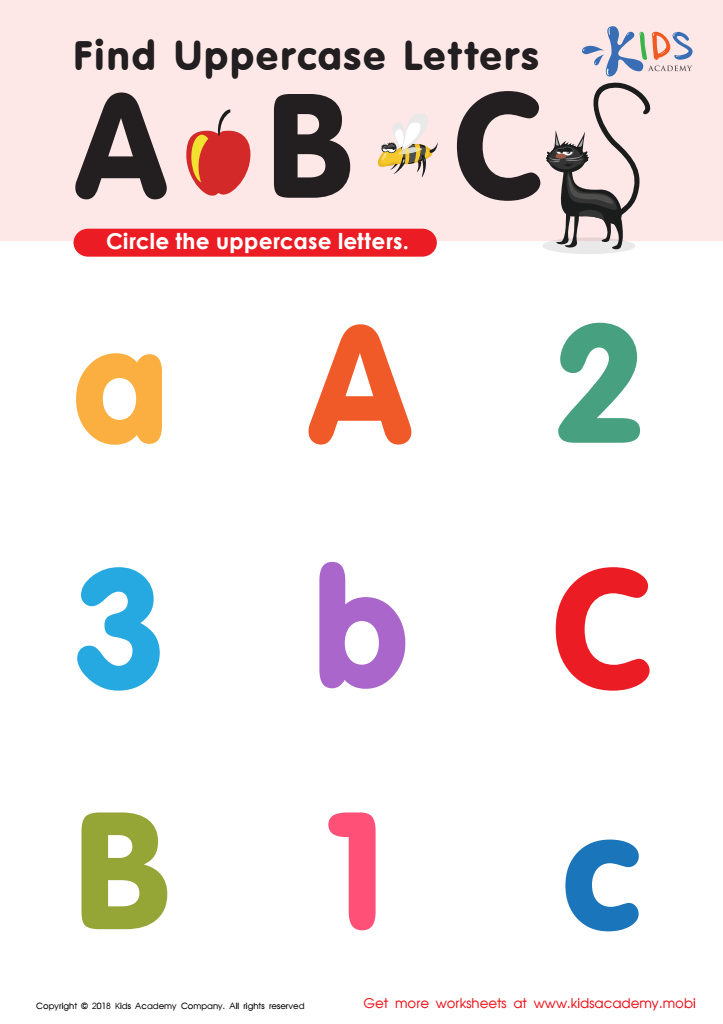
Find Uppercase Letters A, B, and C Worksheet
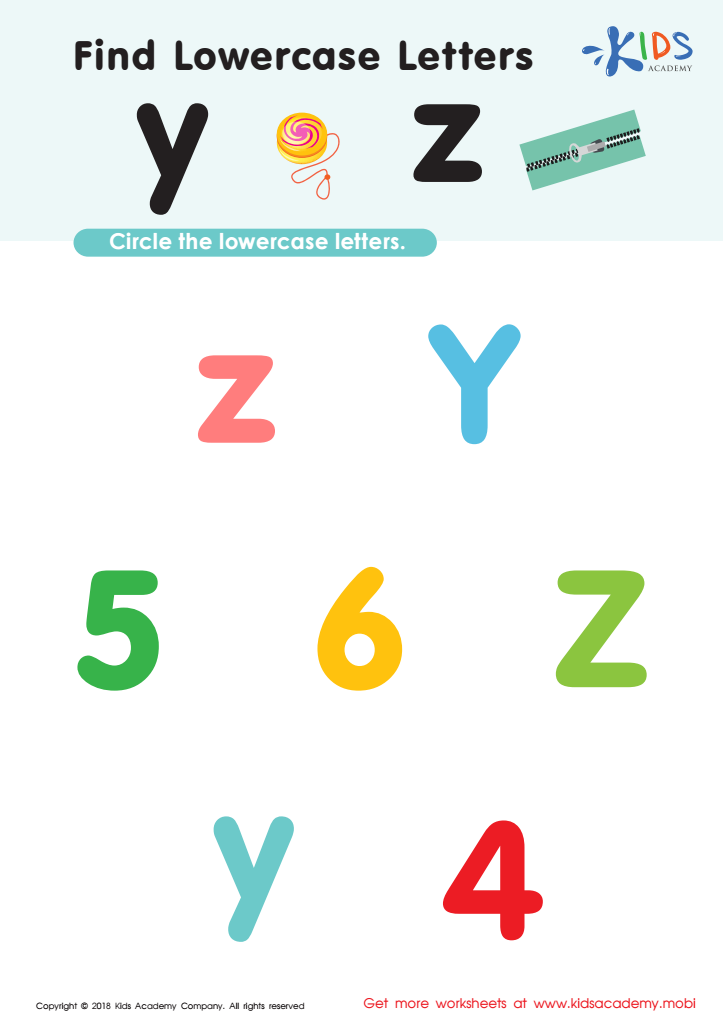
Find Lowercase Letters y z Worksheet
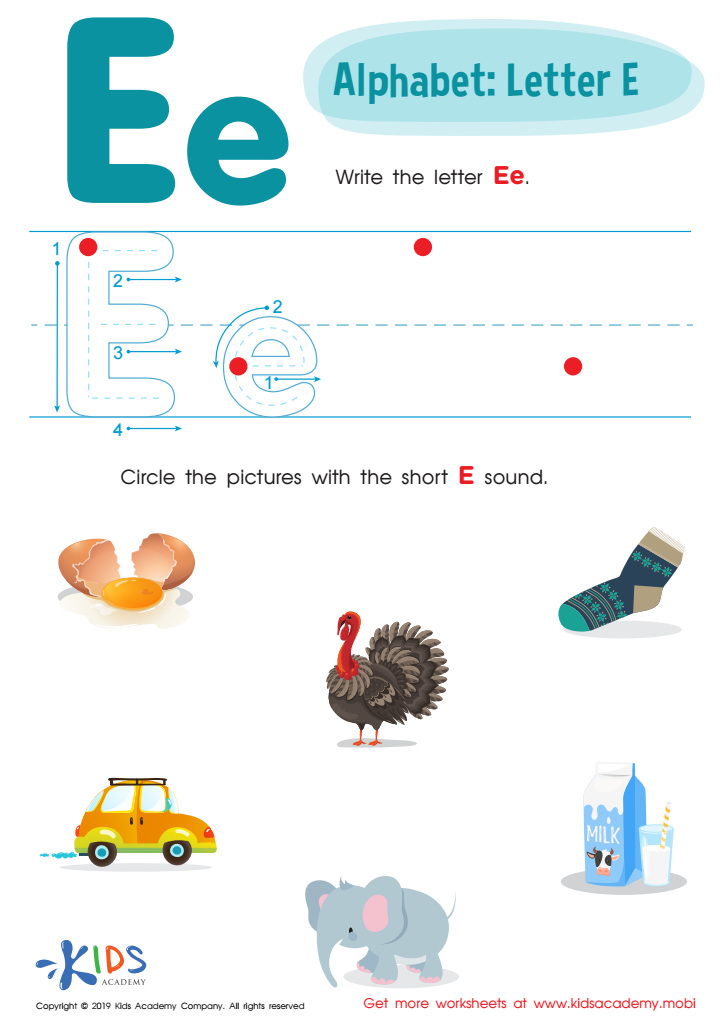
Letter E Tracing Worksheet
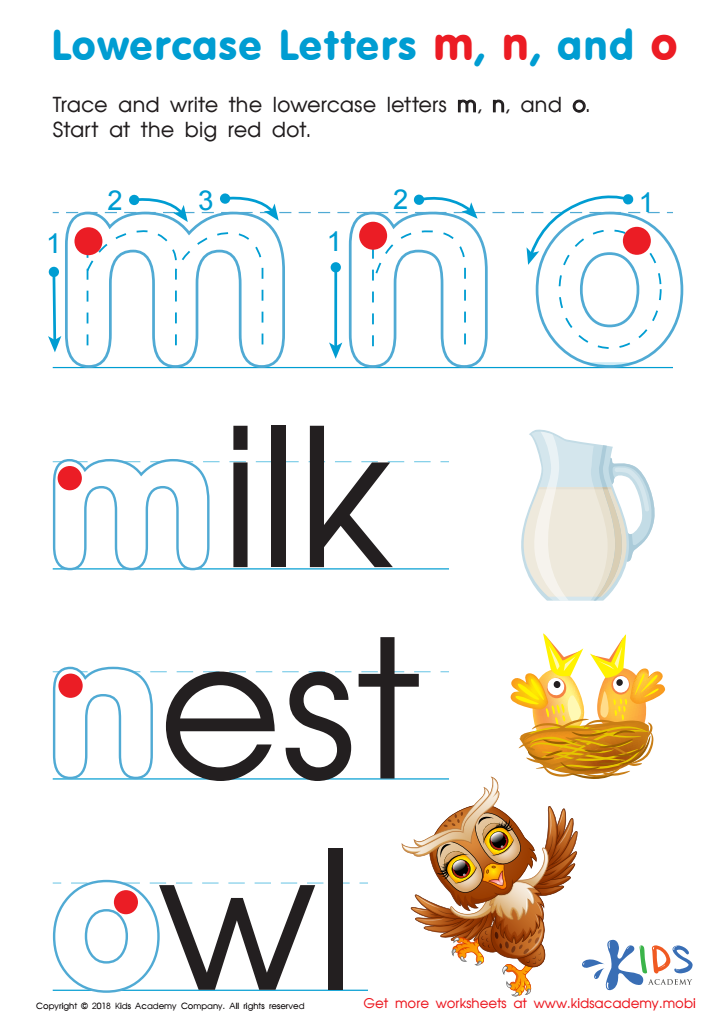
Lowercase Letters m n o Worksheet
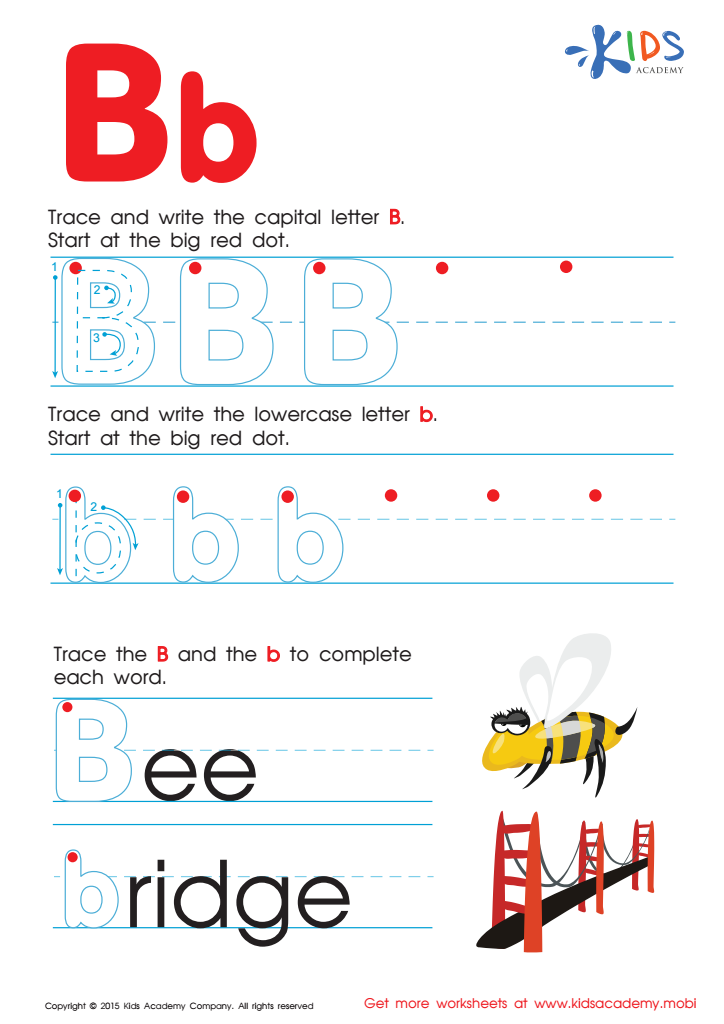
Letter B Tracing Page
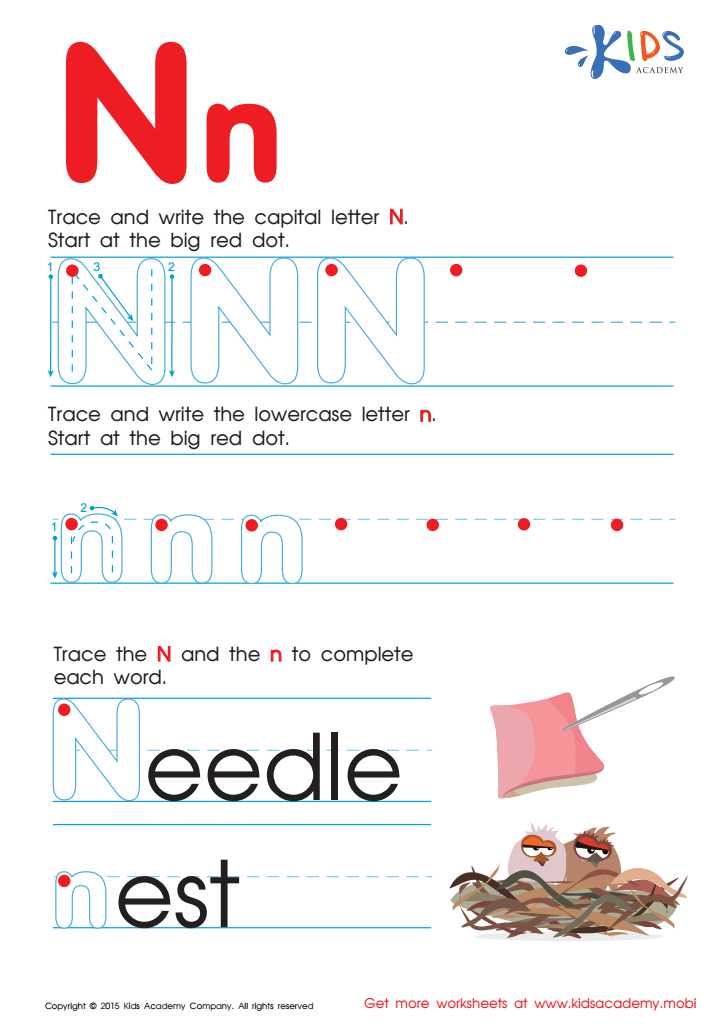
Letter N Tracing Page
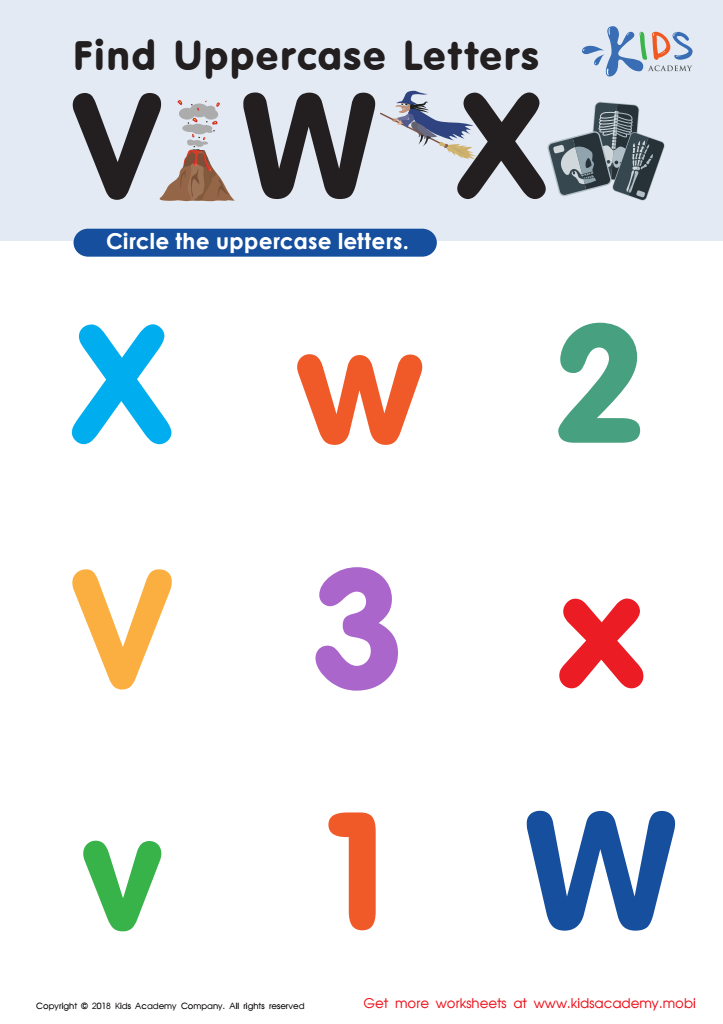
Find Uppercase Letters V, W, X Worksheet
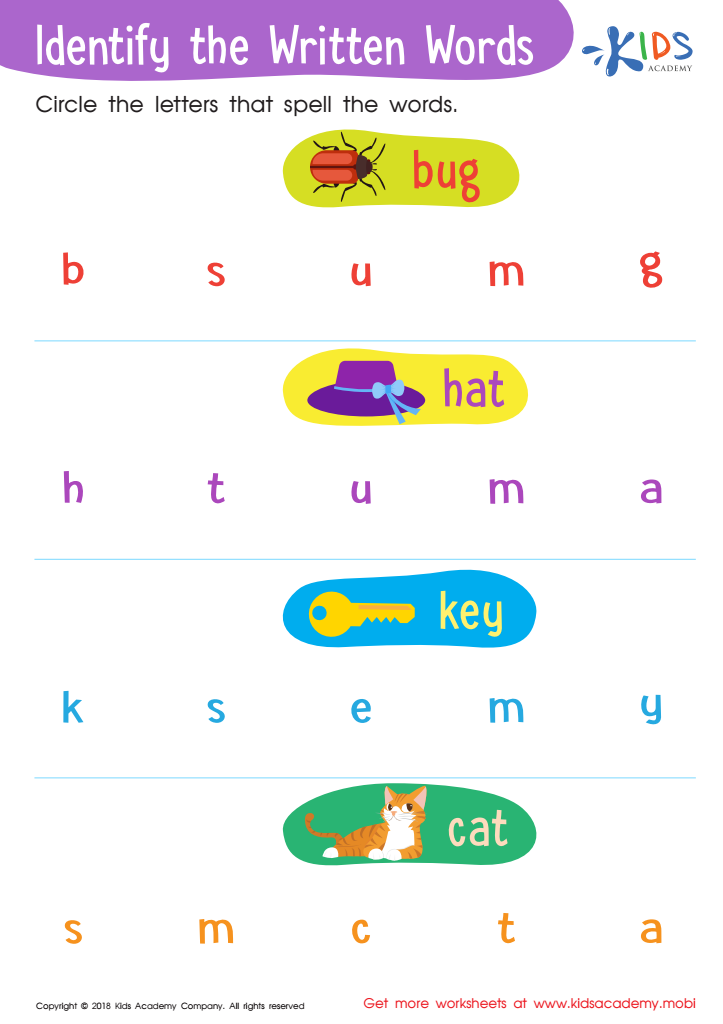
Identify the Written Words Worksheet
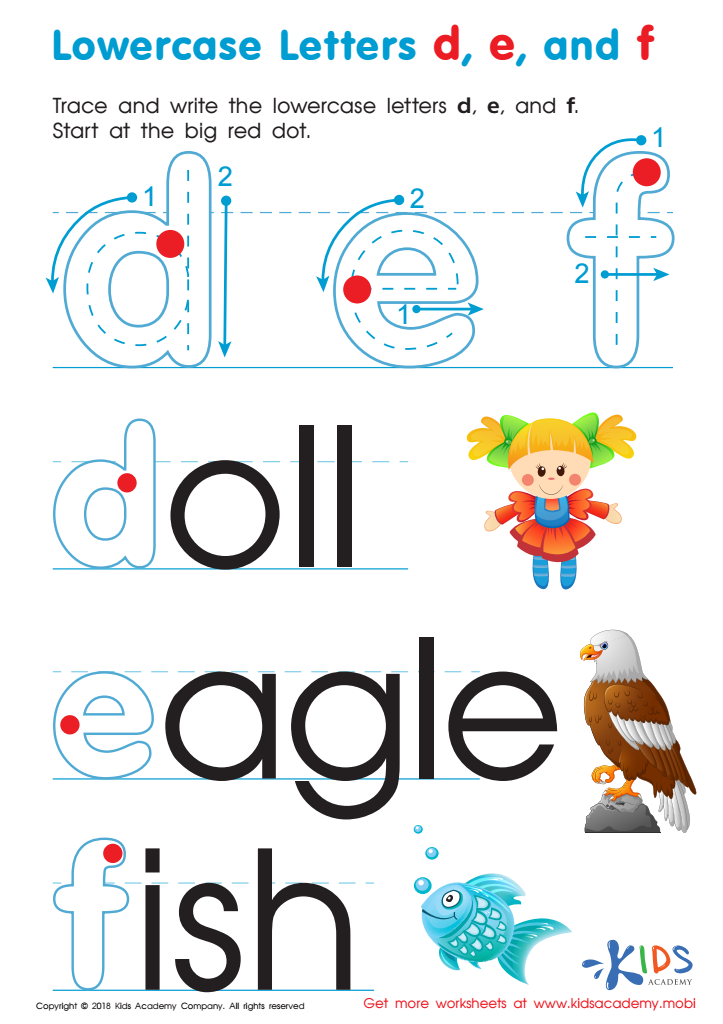
Lowercase Letters d e f Worksheet
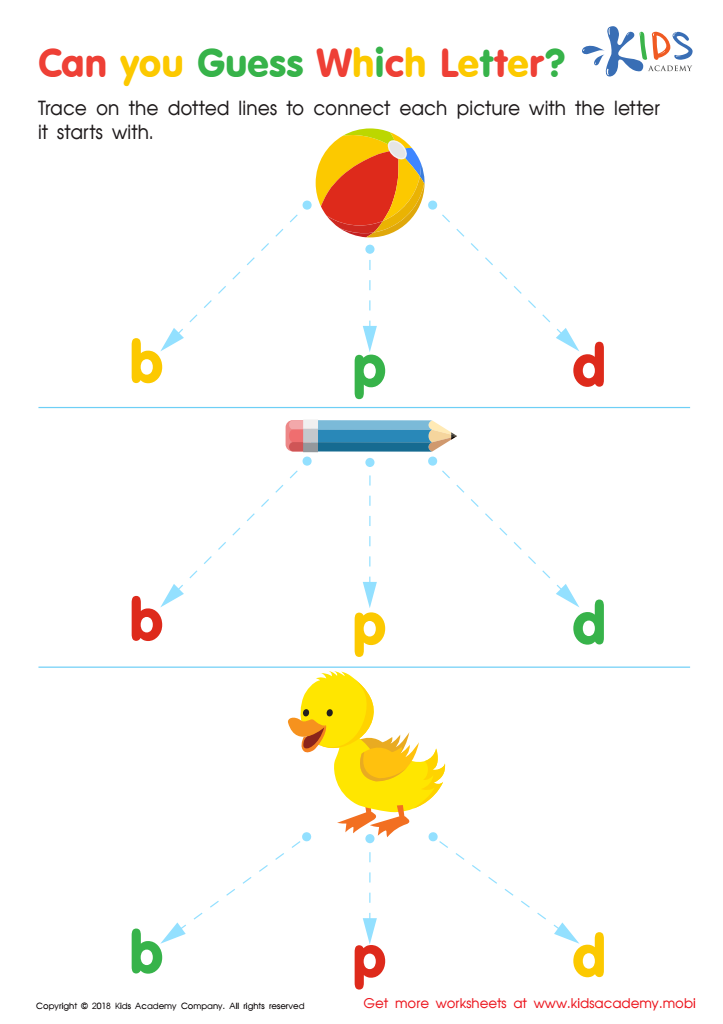
Can you Guess Which Letter? Worksheet
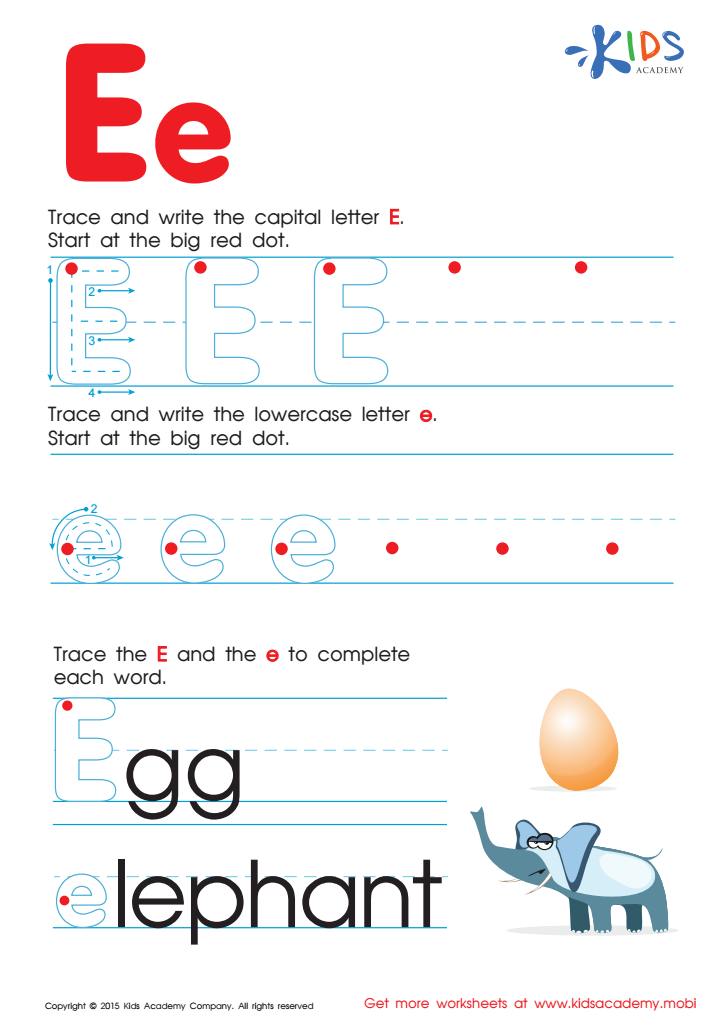
Letter E Tracing Page








Normal letter recognition in children aged 4 to 8 is foundational for their literacy development and future academic success. During these formative years, children rapidly learn and absorb new information, making it crucial for them to grasp the basics of letter recognition which is an integral part of reading readiness. Understanding and identifying letters is the first step toward decoding words, which leads to reading fluency and comprehension.
At this age, if parents or teachers ensure children are proficient in letter recognition, they set the stage for a lifelong love of reading. Reading exposes children to broadened vocabulary and improved cognitive abilities. Moreover, it supports their ability to follow instructions, understand complex concepts, and engage in effective communication.
Early literacy skills also impact self-esteem and confidence. A child who struggles with letter recognition may feel frustration or a lack of confidence as they proceed through school, hampering their overall development and interest in academic pursuits.
Intervention during this critical period can address potential gaps or delays early, enabling children to keep pace with their peers. Ensuring robust letter recognition by utilizing engaging activities, games, and reading sessions helps form the essential building blocks for a continuum of learning and academic excellence.
Therefore, normal letter recognition deserves attention and support to cultivate skilled, confident, and enthusiastic learners.








