Normal Numbers Worksheets for Ages 4-8 - Page 10
237 filtered results
-
From - To
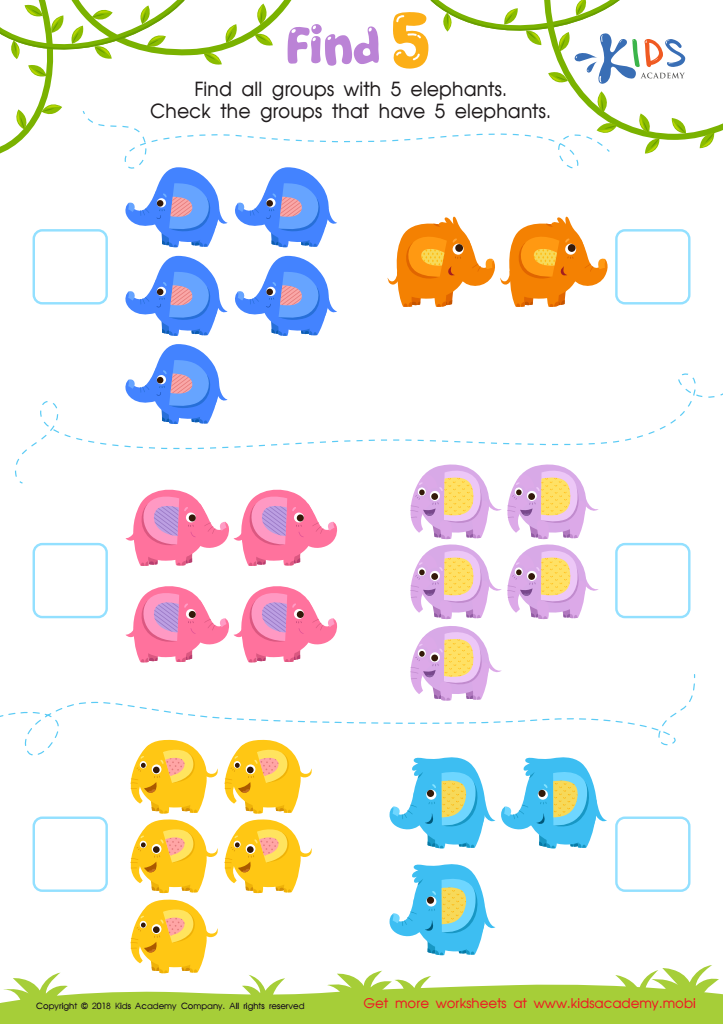
Find 5 Worksheet
 Assign to My Students
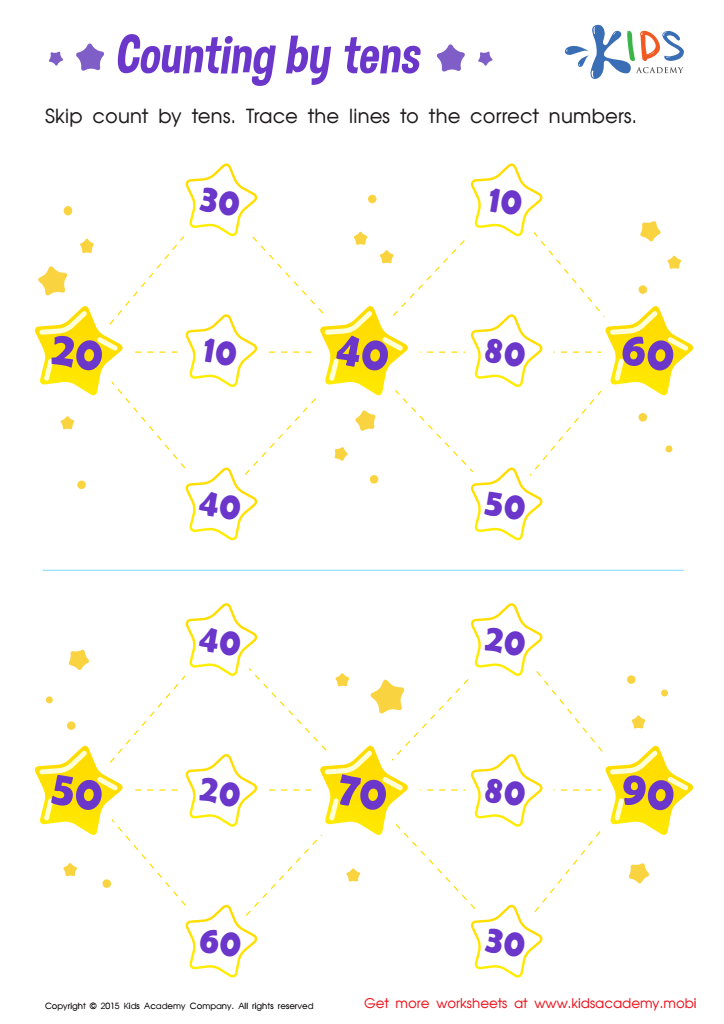
Learn Dozens: Counting by Tens Printable
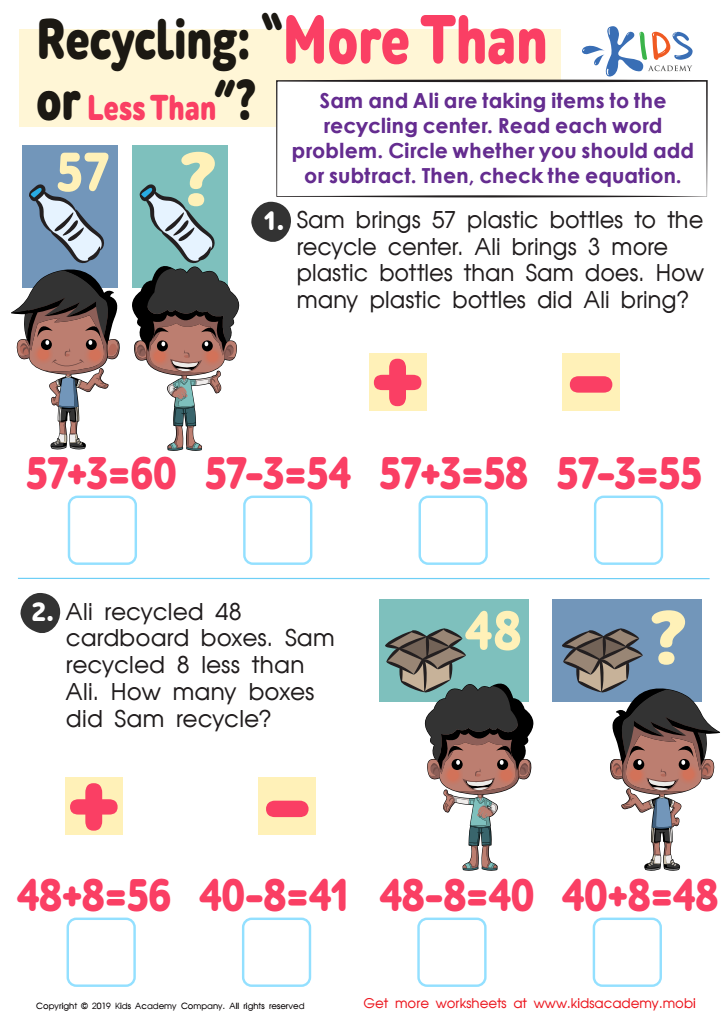
Recycling - More or Less Worksheet
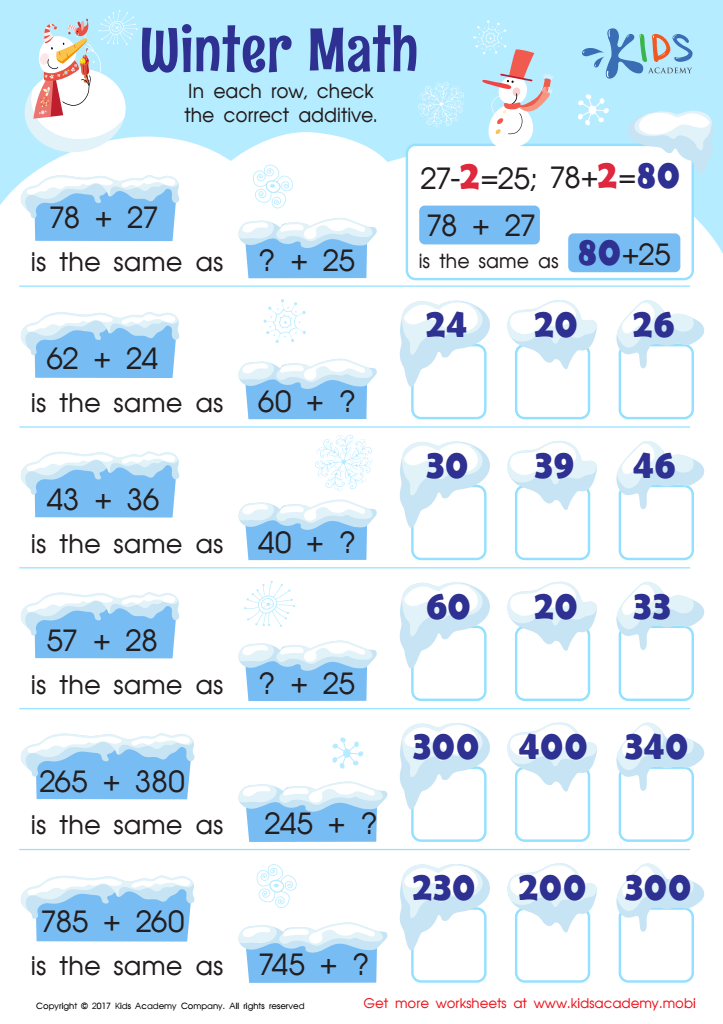
Free Addition Worksheet
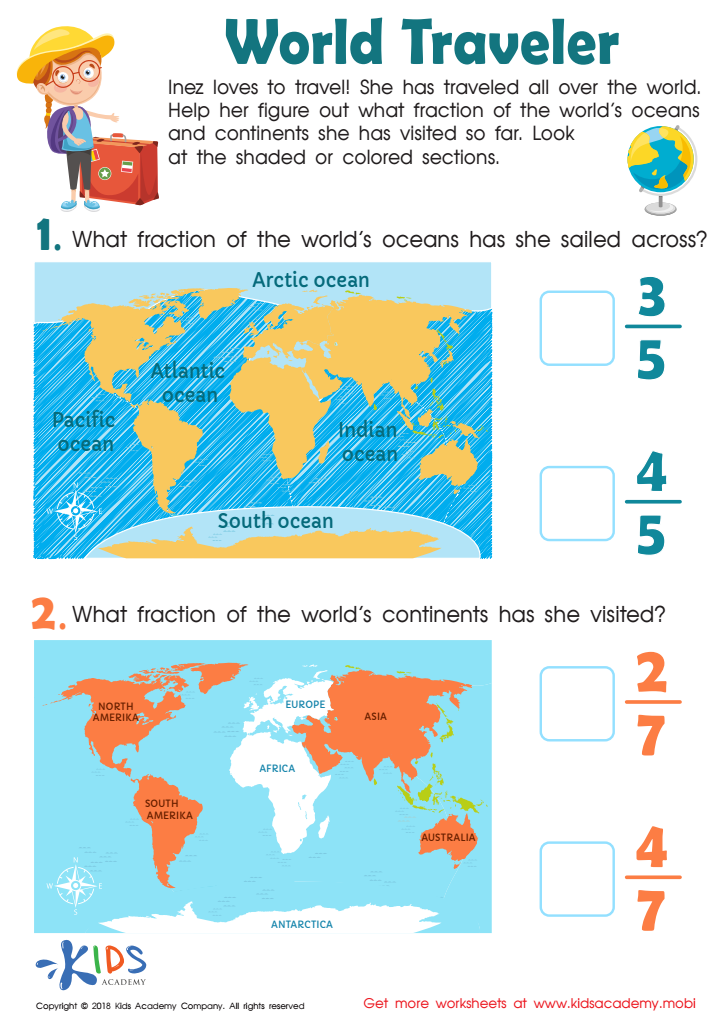
World Traveler Worksheet
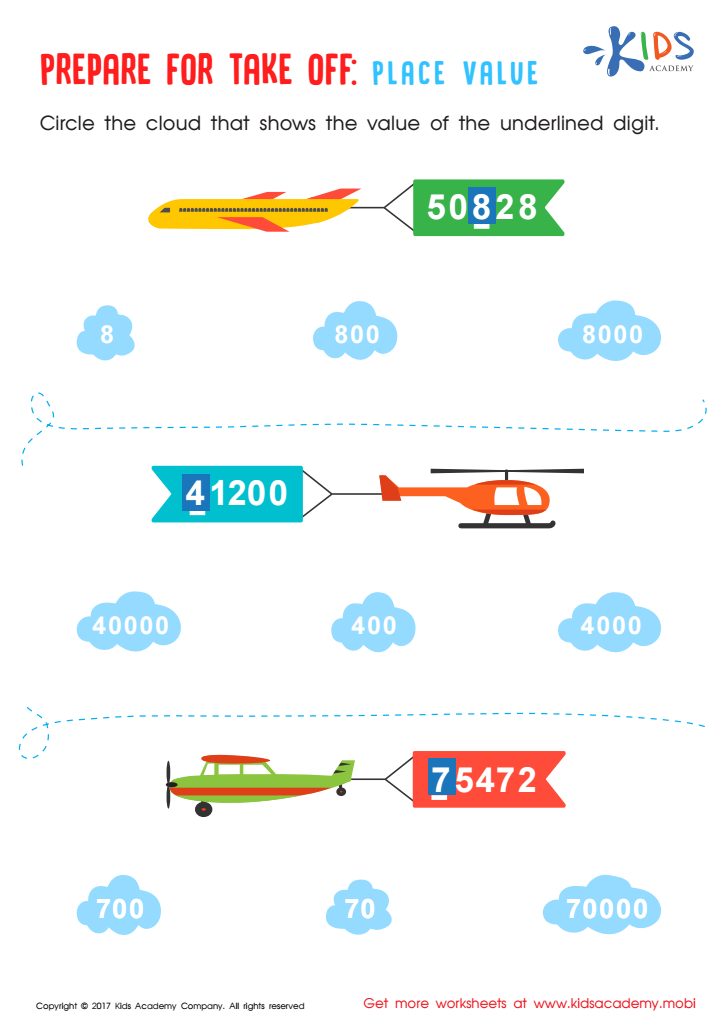
Free Place Value Worksheet for 3rd Grade
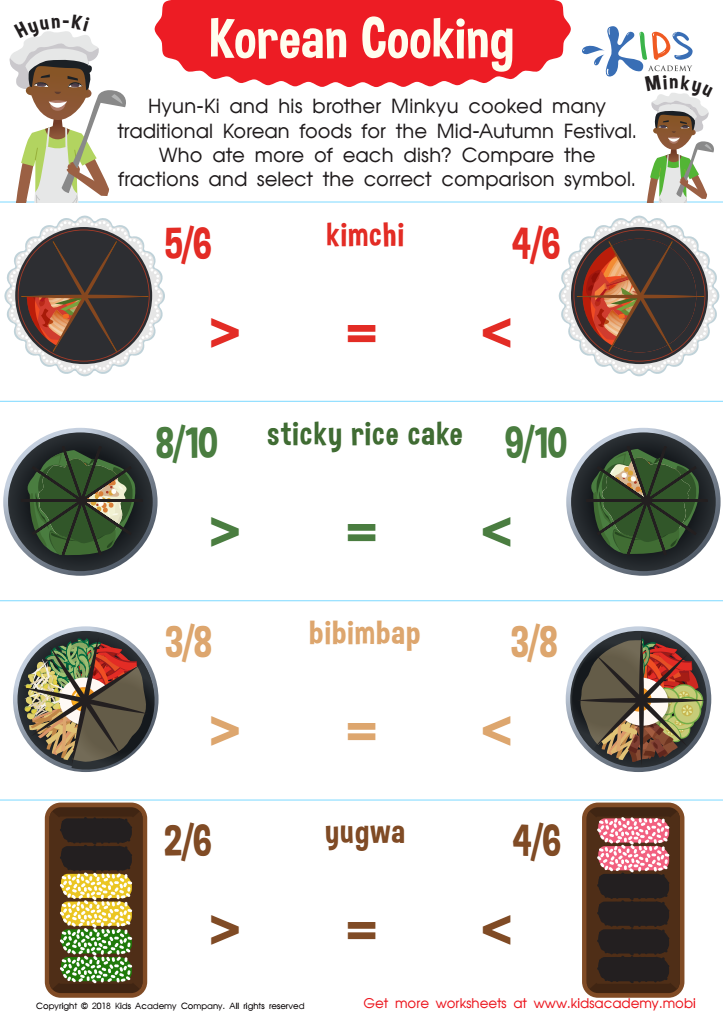
Korean Cooking Worksheet
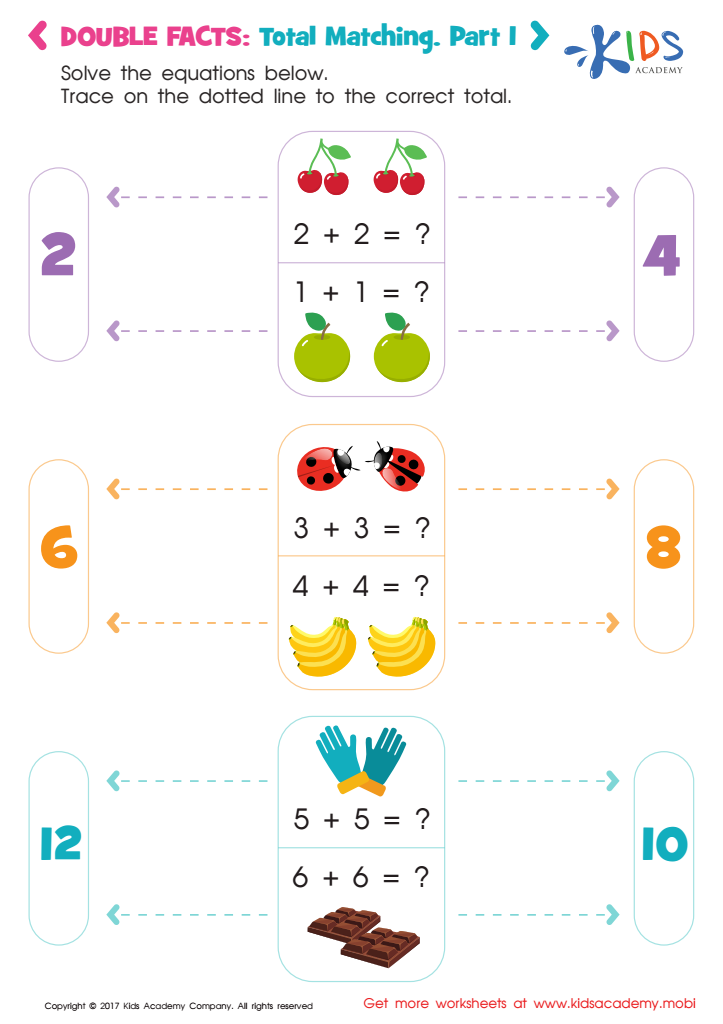
Double Facts: Total Matching Worksheet: Part 1
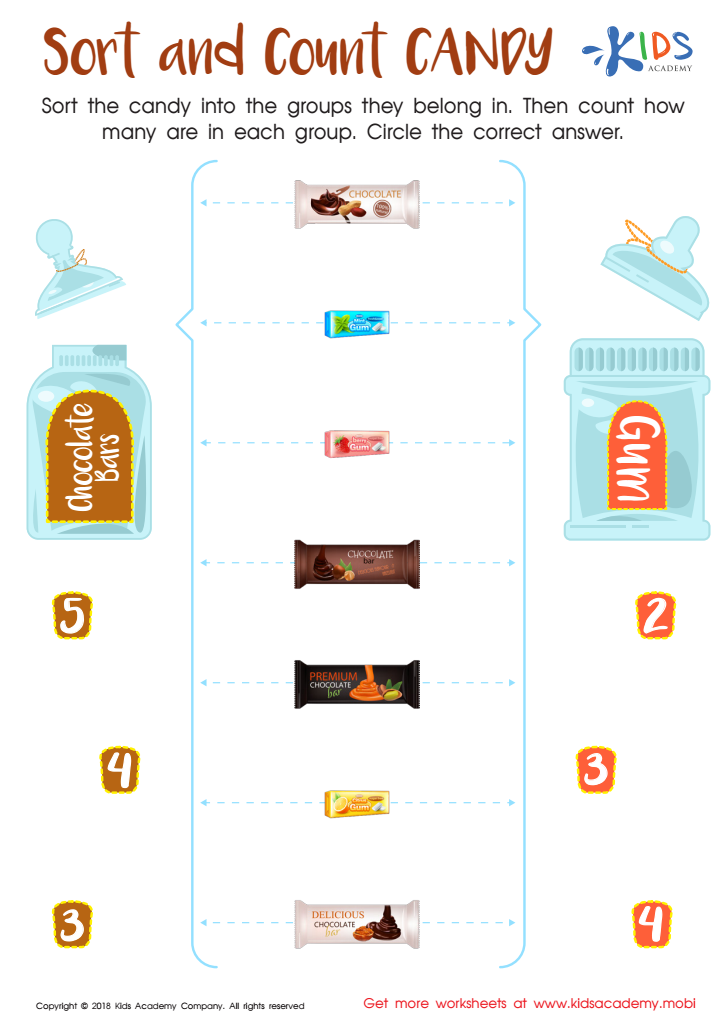
Sort and Count Candy Worksheet
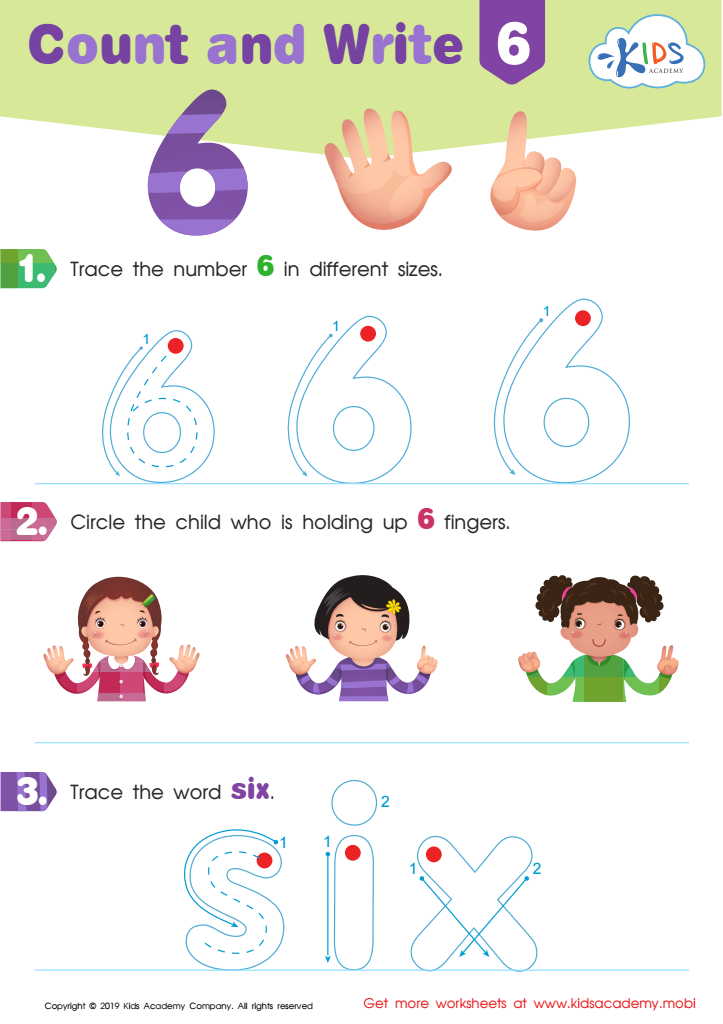
Count and Write 6 Worksheet
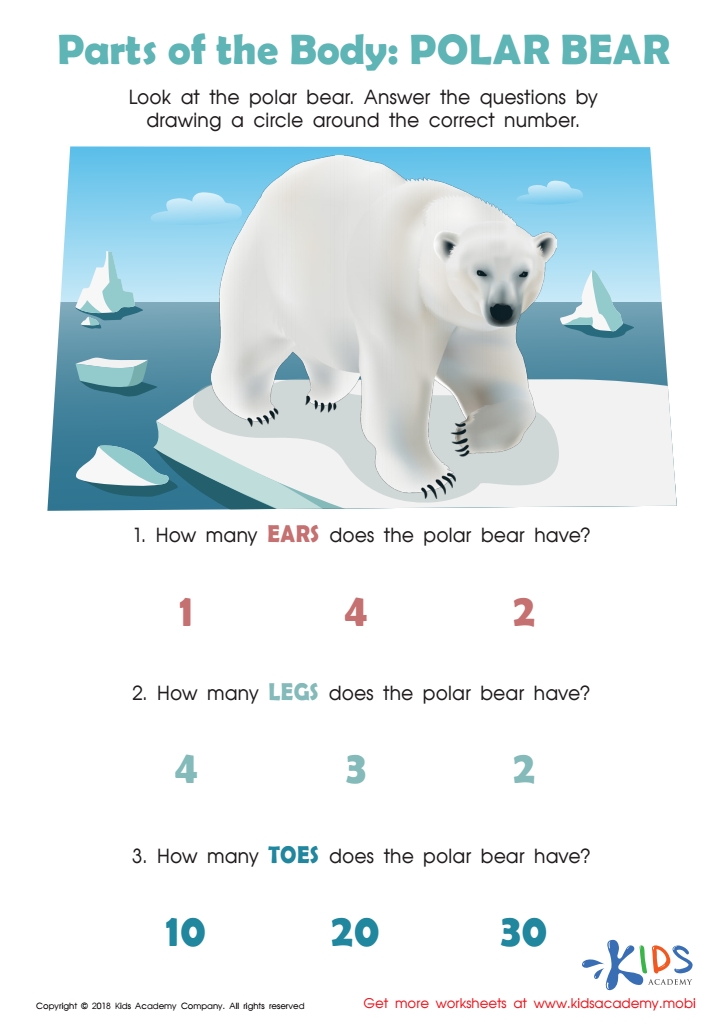
Parts of the Body: Polar Body Worksheet
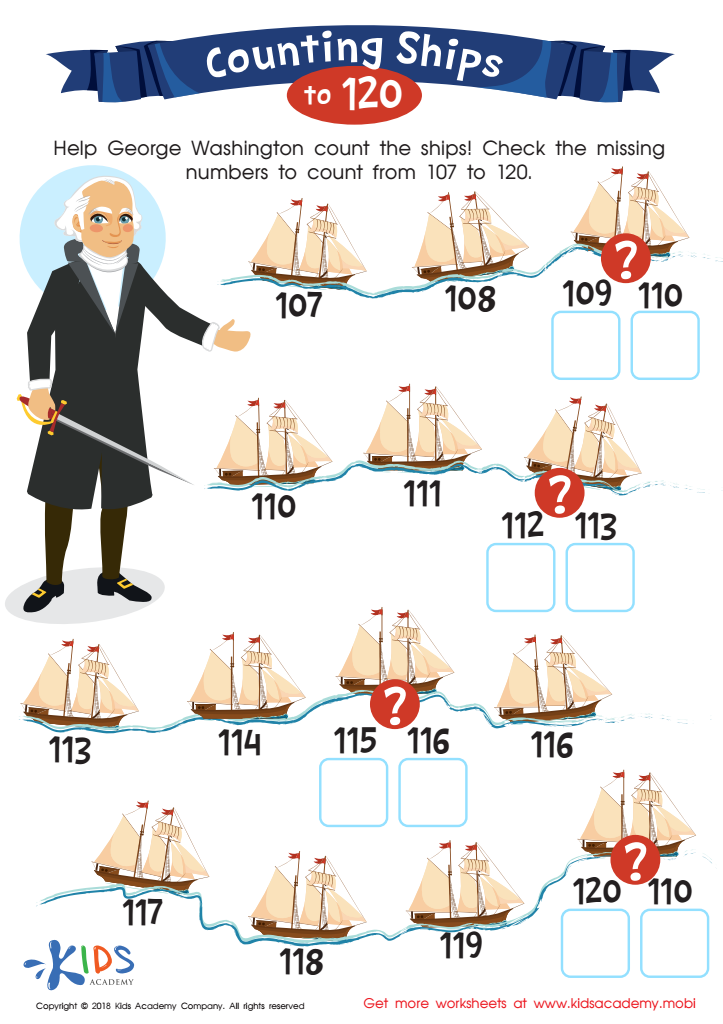
Counting Ships to 120 Worksheet
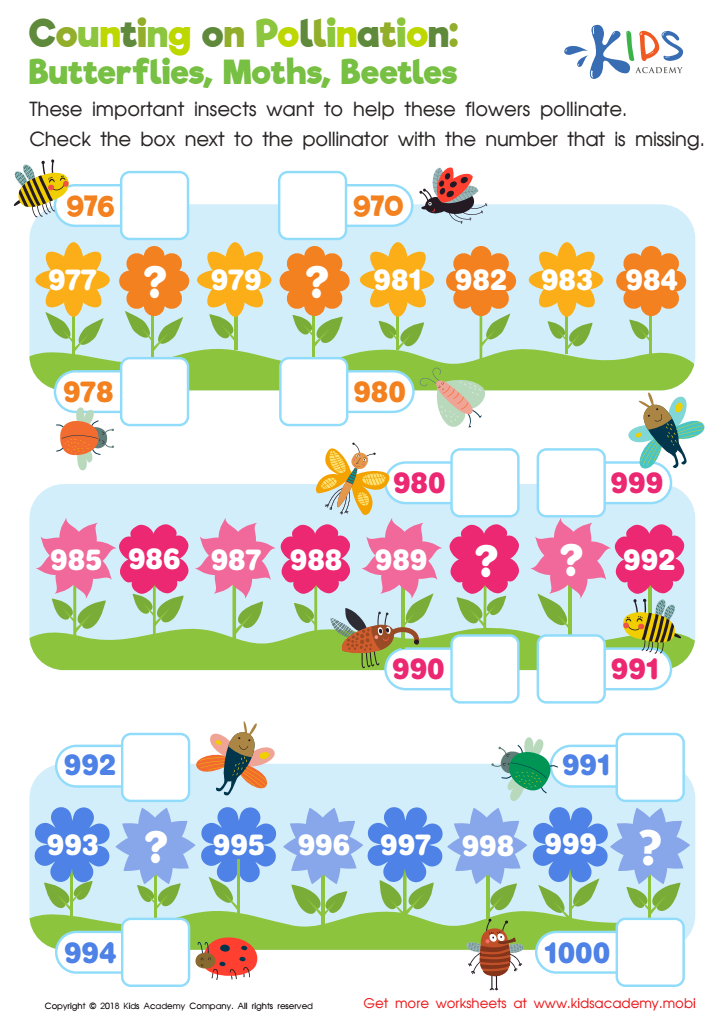
Counting on Pollination: Butterflies, Moths, Beetles Worksheet
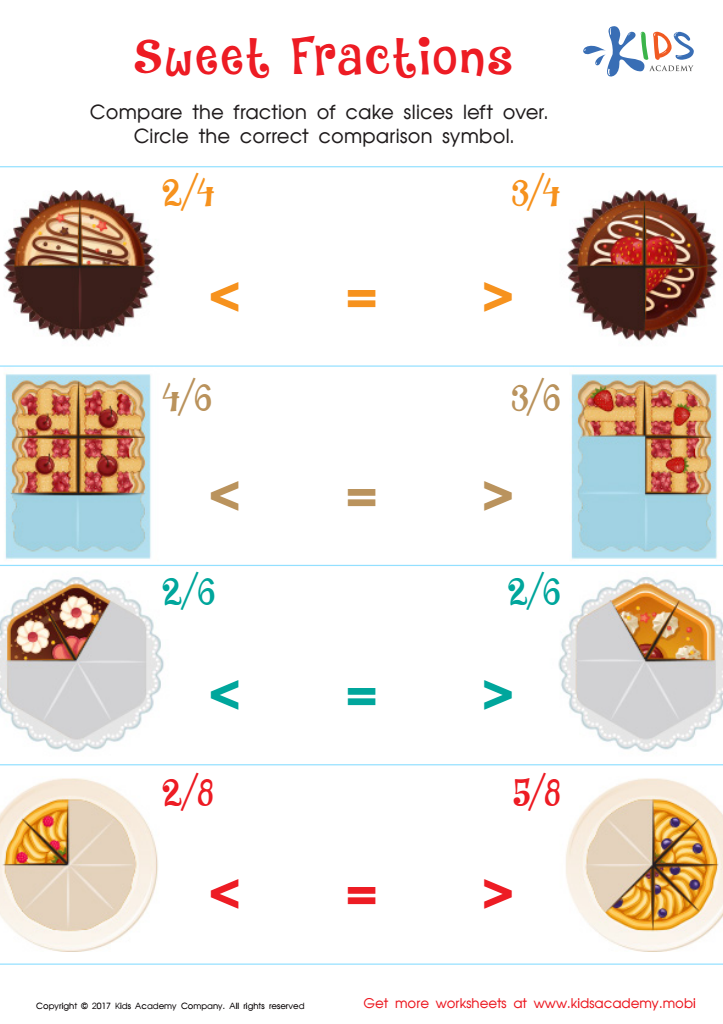
Compare Fractions Worksheet
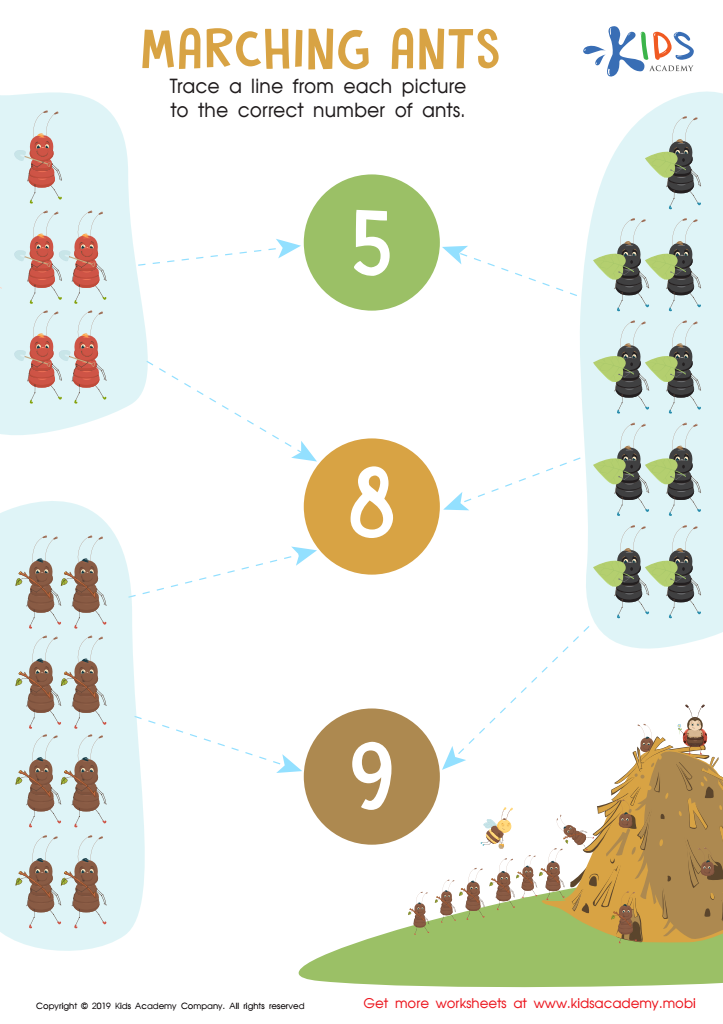
Marching Ants Worksheet
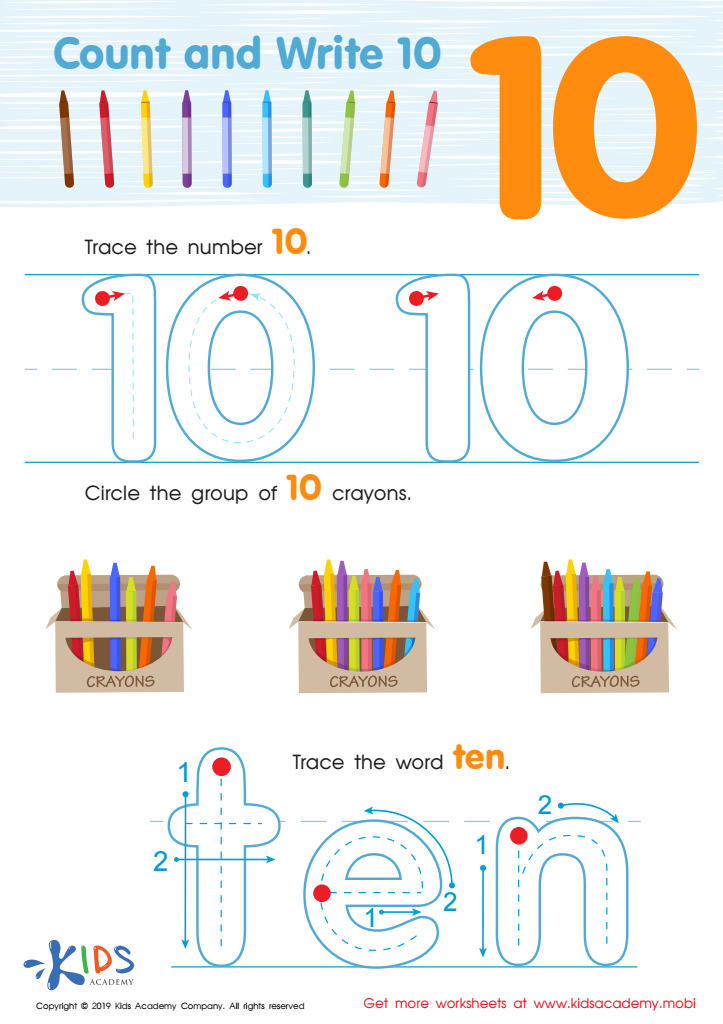
Count and Write 10 Worksheet
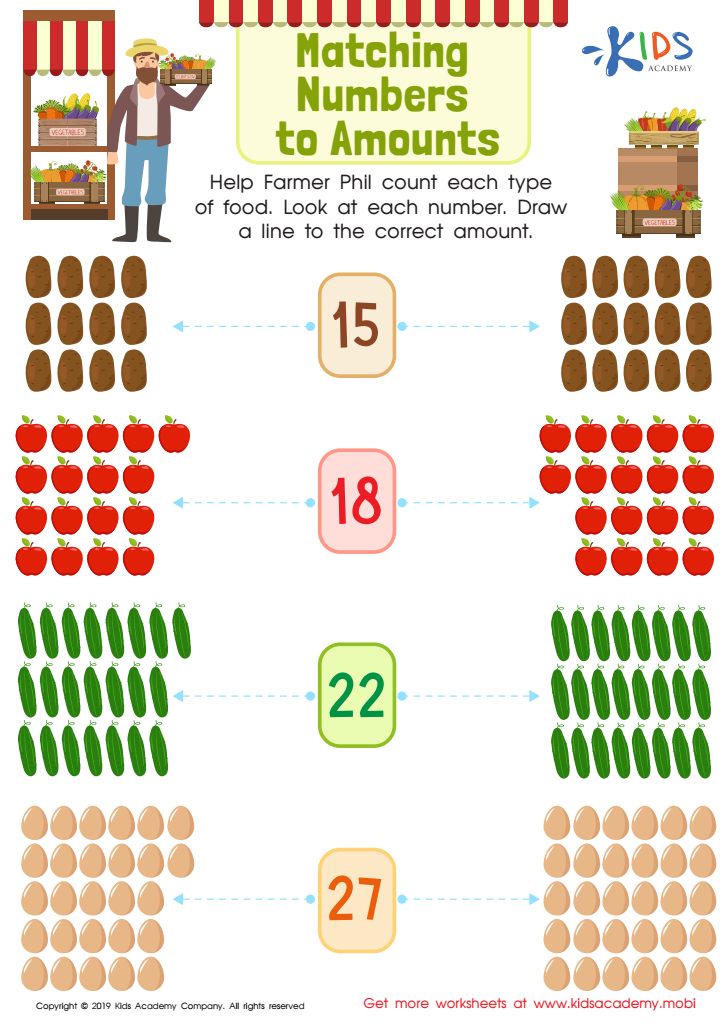
Matching Numbers to Amounts Worksheet
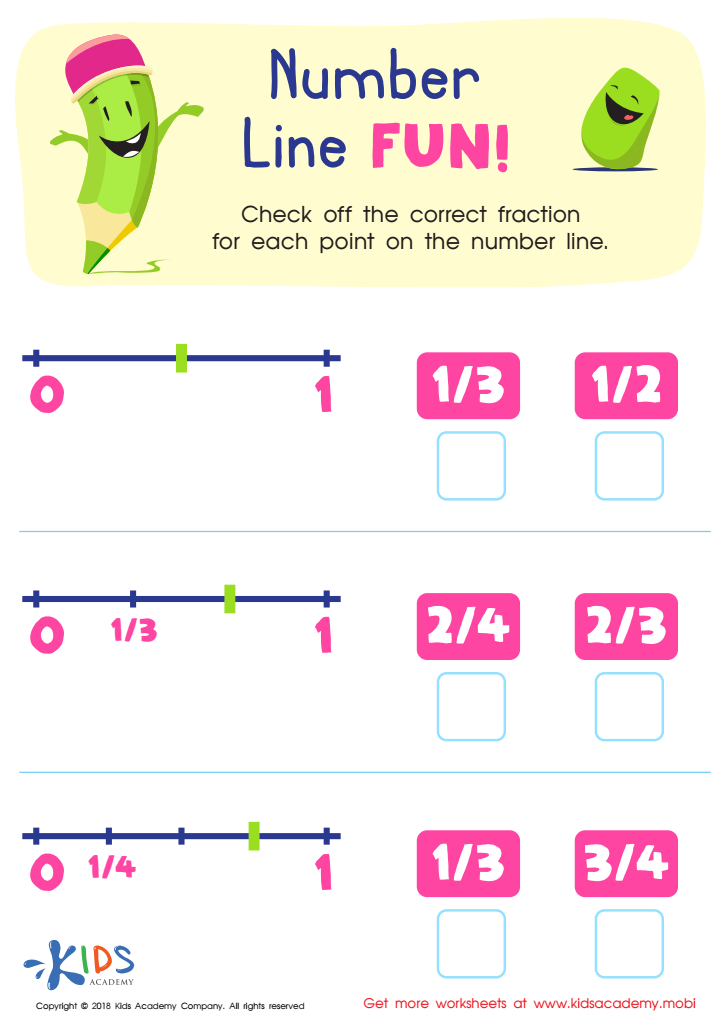
Number Line Fun Worksheet
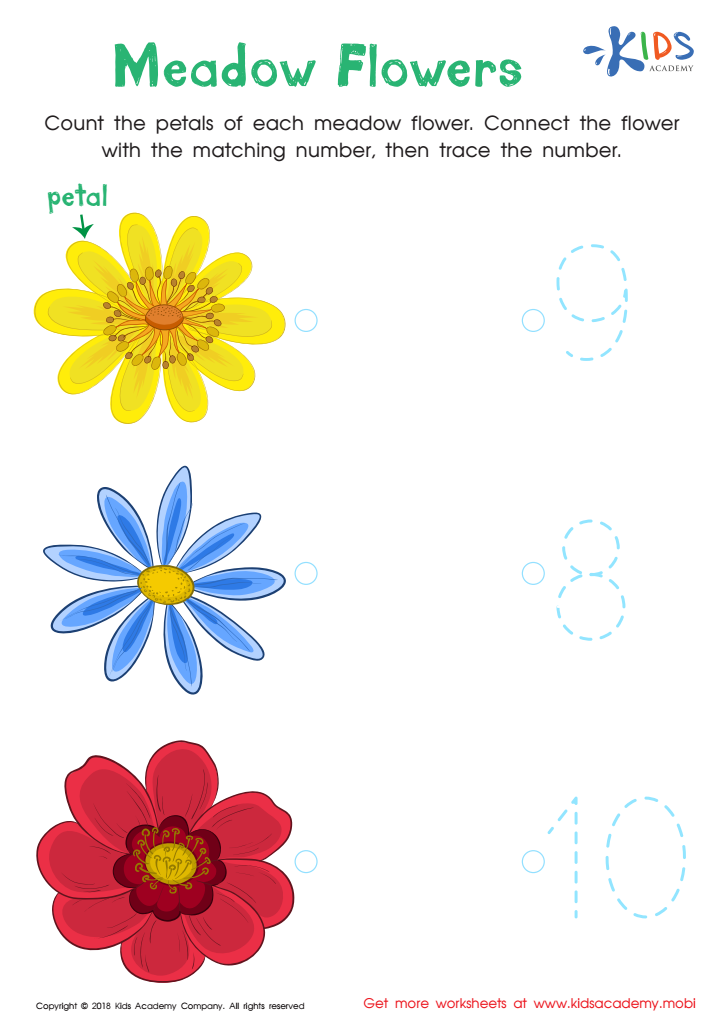
Kindergarten Number Tracing: Medow Flowers Worksheet
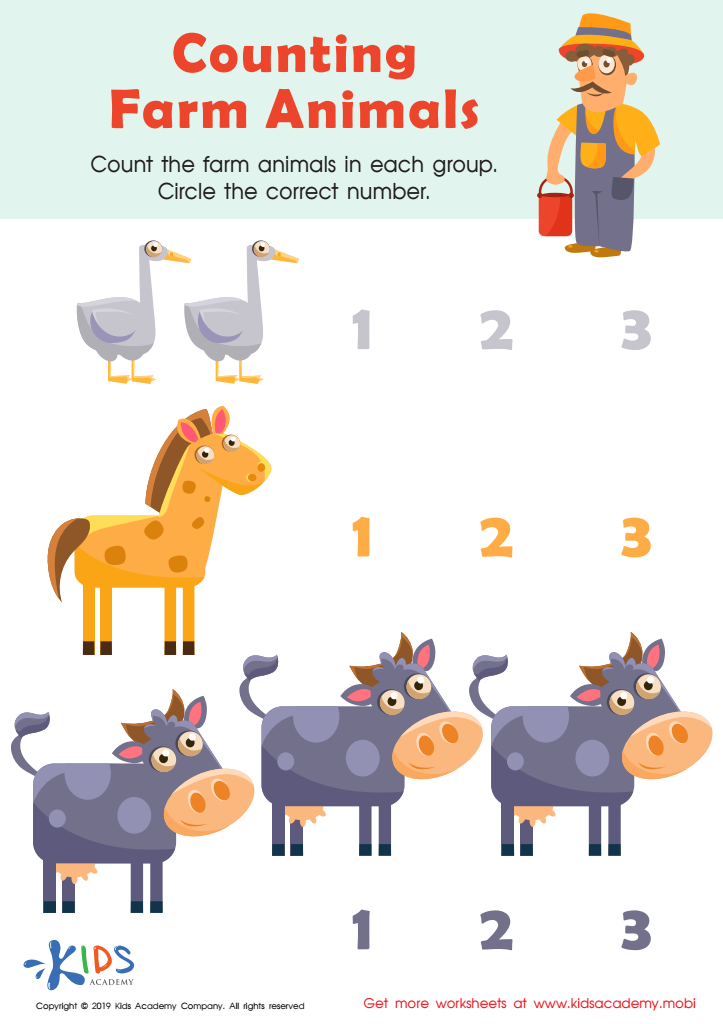
Counting Farm Animals Worksheet
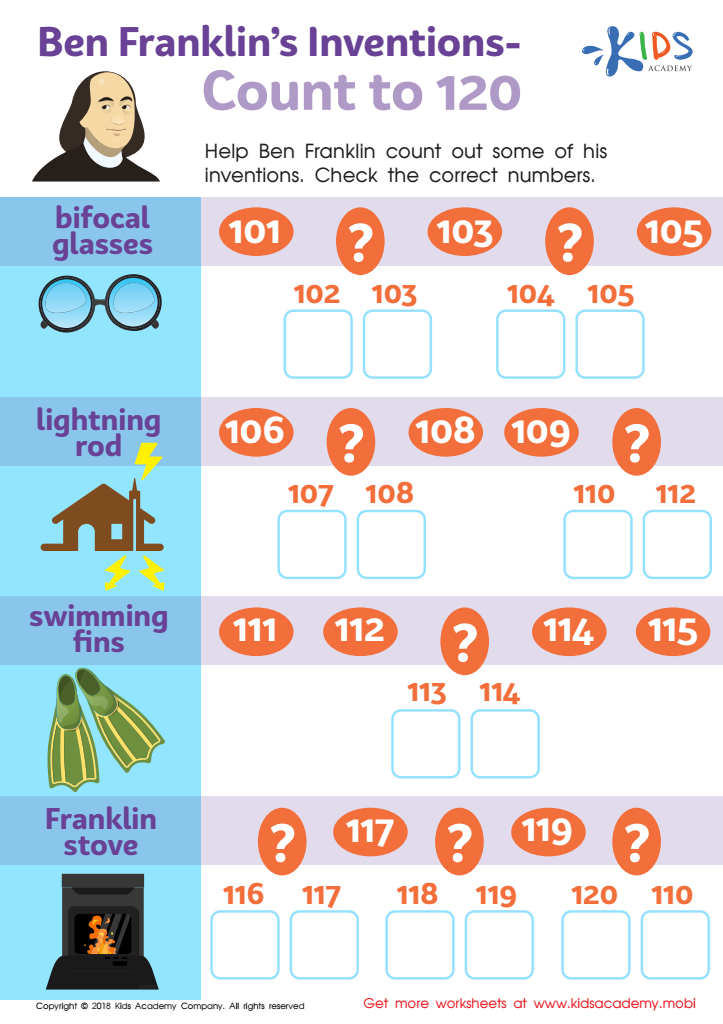
Ben Franklin’s Inventions – Count to 120 Worksheet




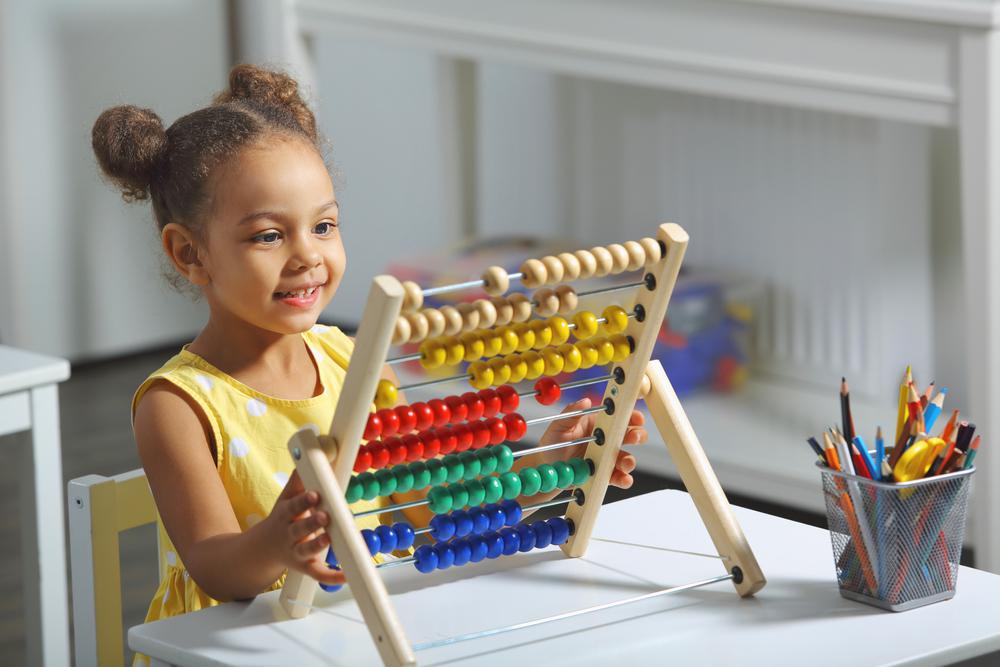



Parents and teachers should care about teaching normal numbers, or as more commonly referred to, "regular" counting, to children aged 4-8 because it lays the foundational block for their mathematical understanding and thinking. At this developmental stage, children are naturally curious and eager to learn basic concepts which will precede more complex mathematical operations.
Teaching normal numbers involves helping children grasp concepts such as counting sequentially, recognizing number names, understanding numerical relationships, and beginning simple arithmetic. This crucial stage of numeracy helps kids develop logical thinking, problem-solving skills, and cognitive abilities — all of which are vital skills in everyday life and future learning.
Moreover, a strong grasp of normal numbers assists children in acquiring a positive attitude towards mathematics. It can shape their confidence in handling more advanced mathematical challenges as they progress through their education. It's also tied to achieving significant milestones in early childhood education, such as number sense, patterns, and spatial awareness. Educators and parents play pivotal roles in creating engaging, playful, and supportive environments for children to explore numbers, paving the way for academic success and a genuine interest in mathematics. Thus, investment in early number learning is invaluable and crucial for holistic child development.