Normal Multiplication Worksheets for Ages 4-8 - Page 2
34 filtered results
-
From - To
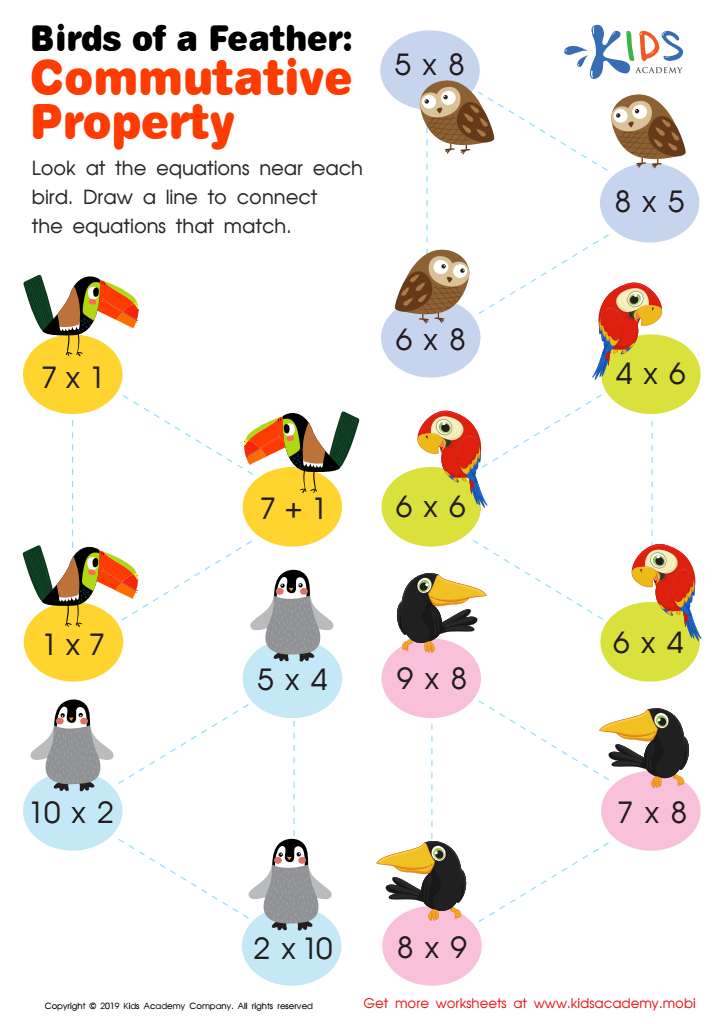
Birds of a Feather: Commutative Property Worksheet
 Assign to My Students
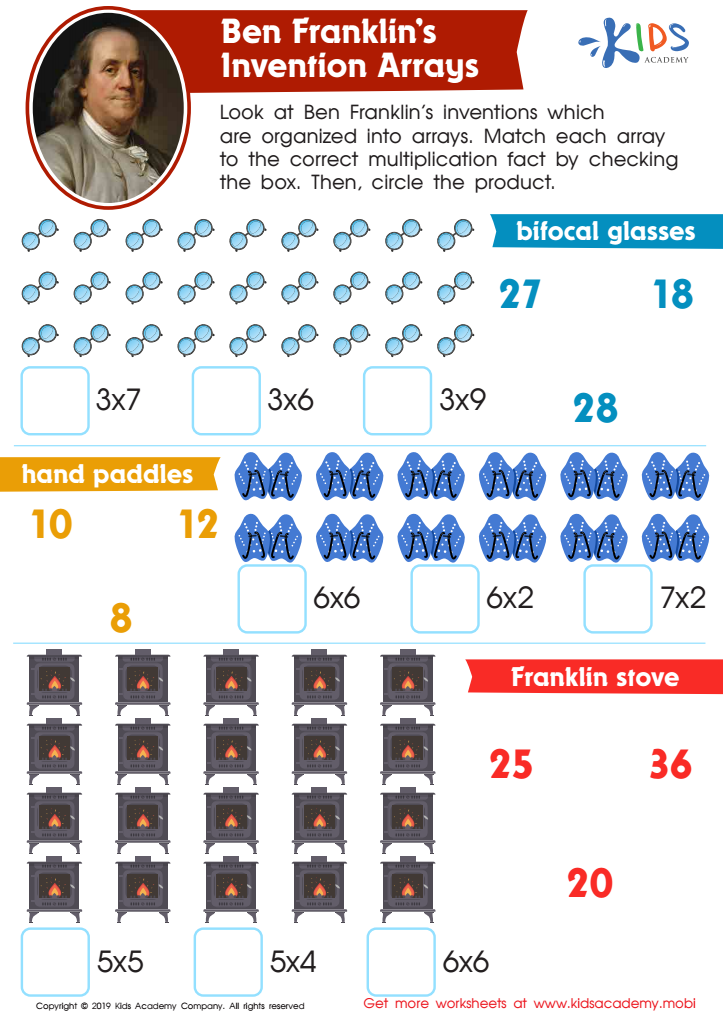
Ben Franklin’s Invention Arrays Worksheet
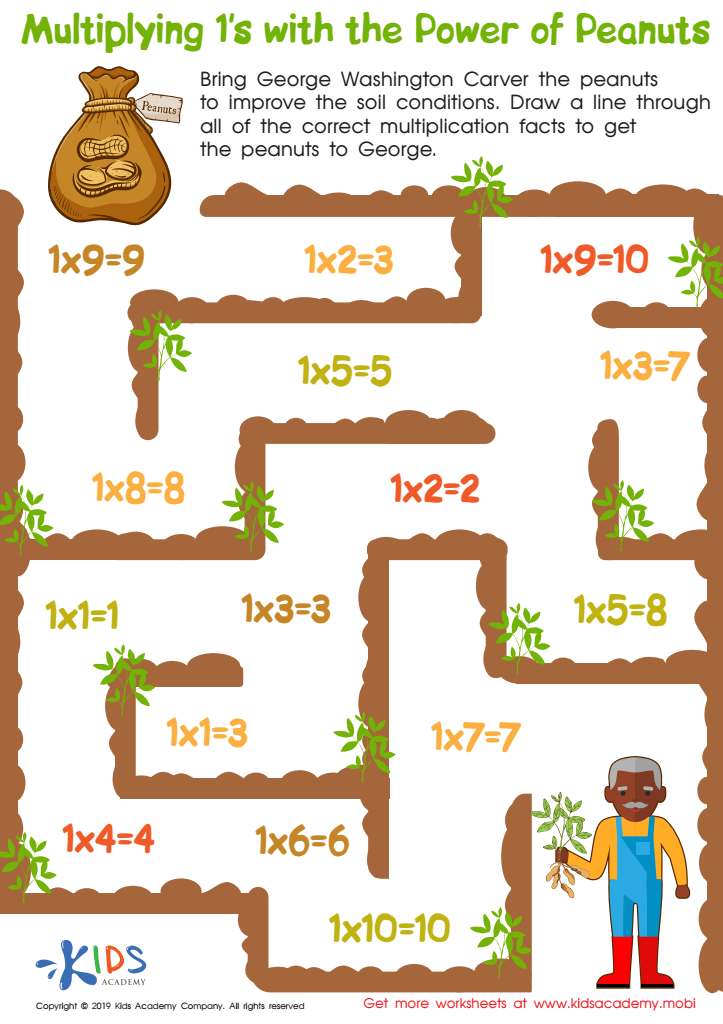
Multiplying 1’s With the Power of Peanuts Worksheet
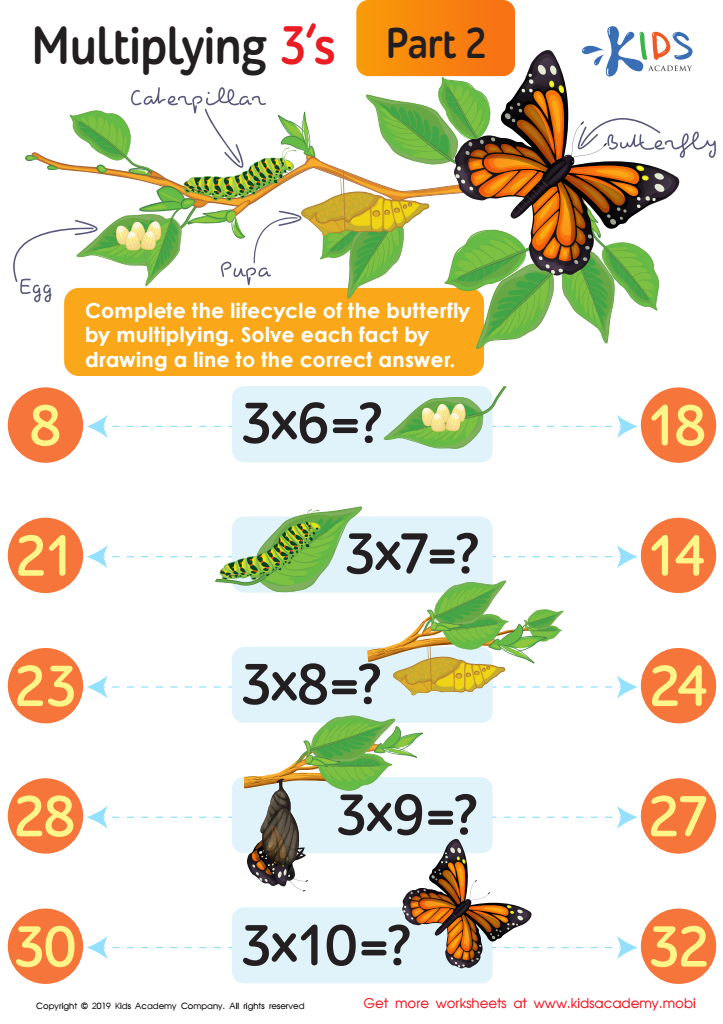
Multiplying 3s Part 2 Worksheet
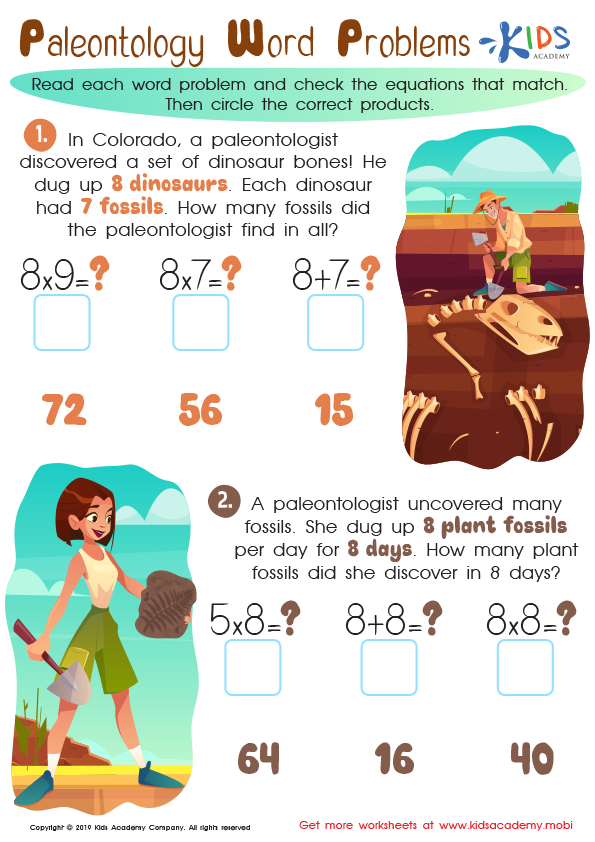
Archeology Word Problems Worksheet
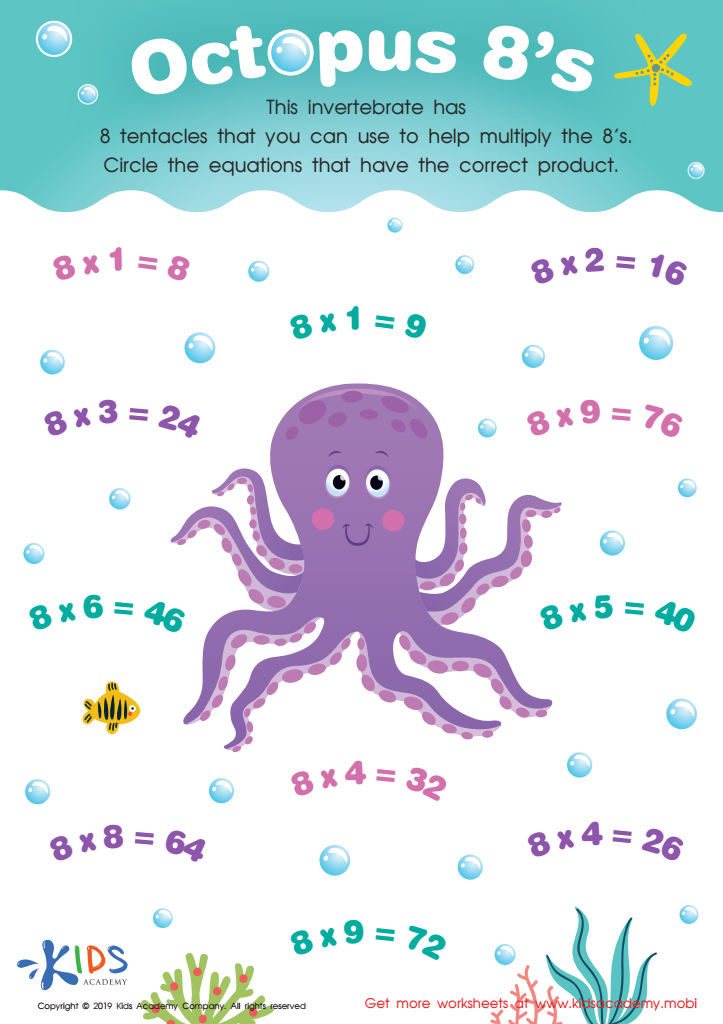
Octopus 8’s Worksheet
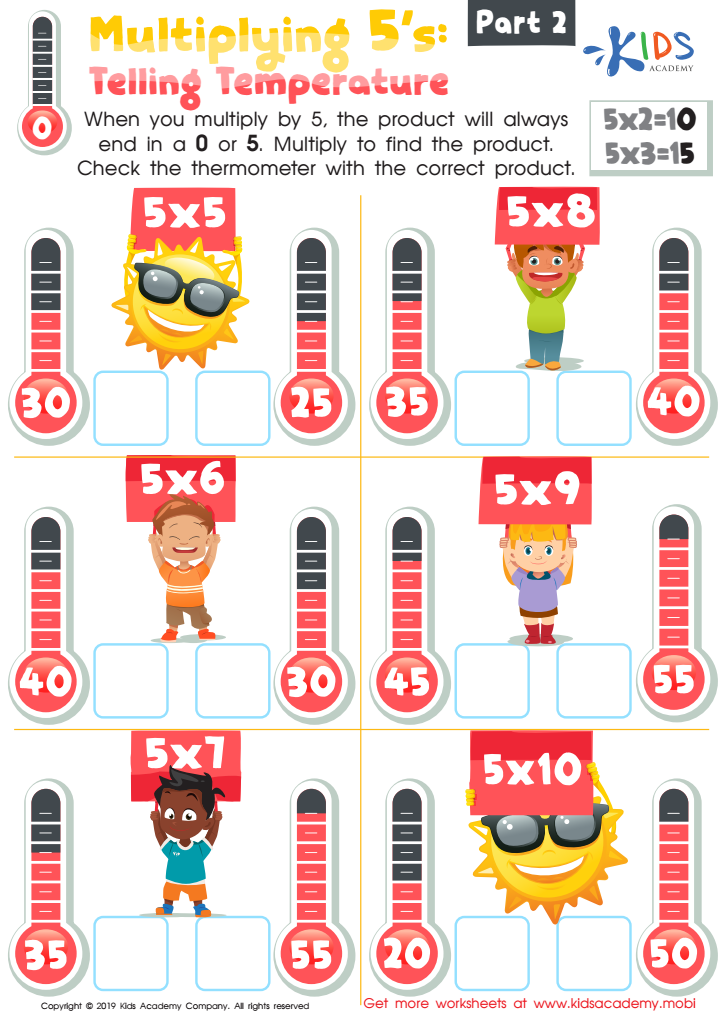
Multiplying 5’s: Telling Temperature Part 2 Worksheet
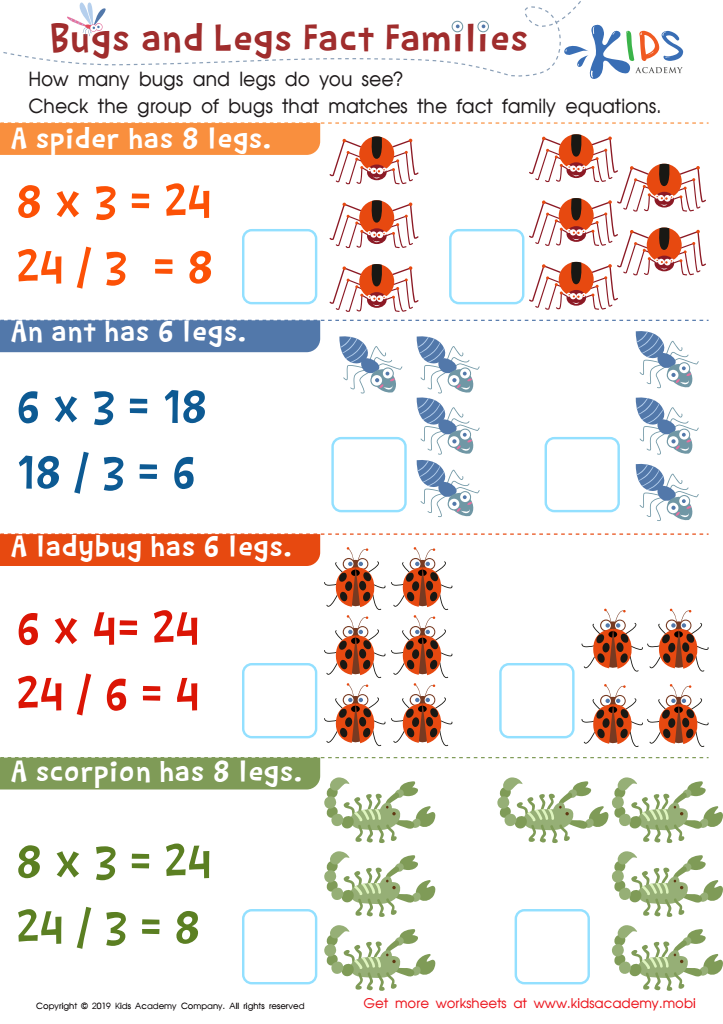
Bugs and Legs Fact Families Worksheet
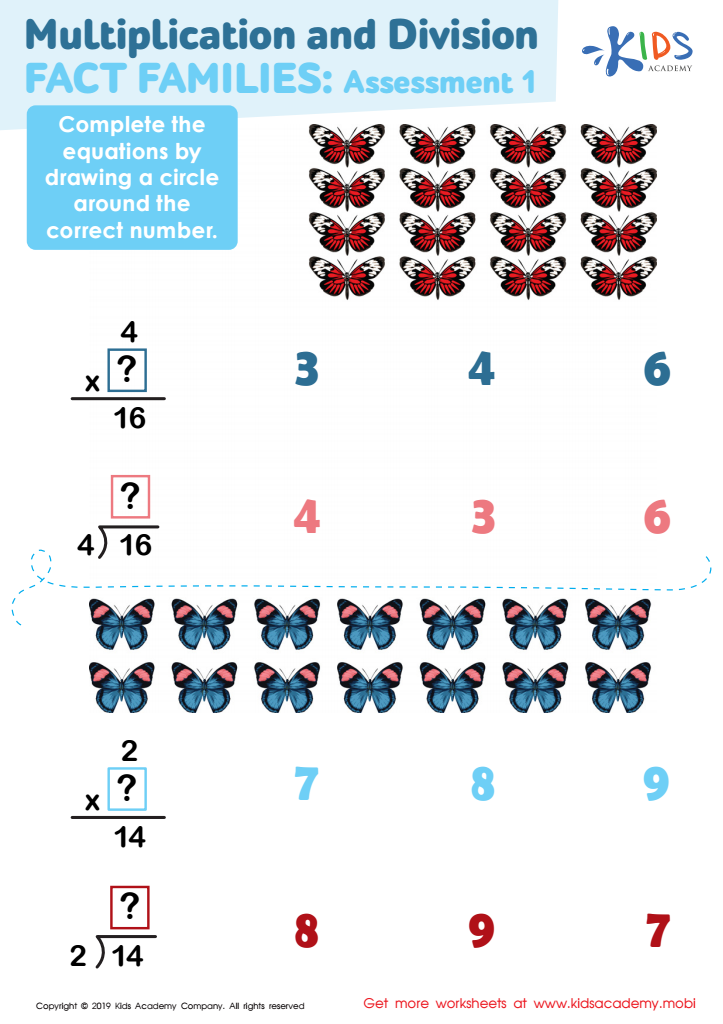
Multiplication and Division Fact Families Assessment 1 Worksheet
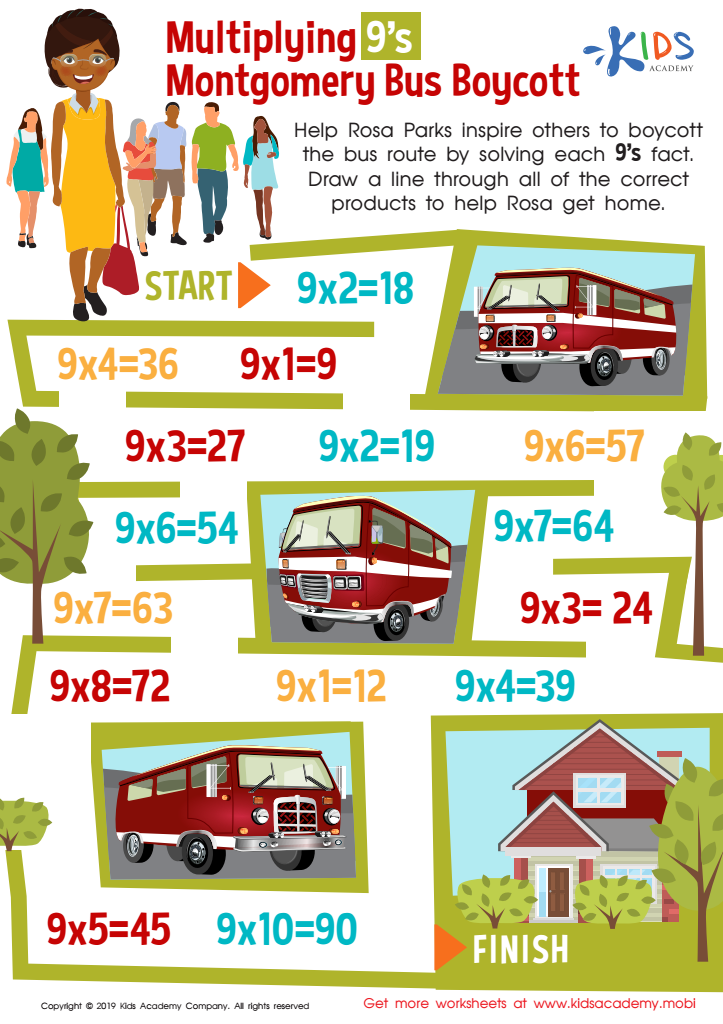
Multiplying 9’s Montgomery Bus Boycott Worksheet








Parents and teachers should prioritize normal multiplication for children aged 4-8 because it lays the foundation for future mathematical understanding and problem-solving skills. At this age, children are naturally curious and ready to engage with numbers, making it an ideal time to introduce basic multiplication concepts in an accessible way.
Understanding normal multiplication helps children grasp concepts like grouping and equal sets, promoting a deeper comprehension of divided and shared objects. By learning multiplication through hands-on activities, games, and visual aids, young learners can connect math to everyday situations, making it relevant and enjoyable.
Moreover, early mastery of multiplication can boost a child's confidence and willingness to tackle more complex math tasks later on. With a solid grasp of multiplication, they can better comprehend other mathematical operations, such as division, fractions, and ultimately algebra. Encouraging a positive attitude towards math at this stage can reduce anxiety and promote persistence when faced with challenges in higher grades.
Moreover, reinforcing these skills not only enhances academic readiness but also strengthens critical thinking and cognitive abilities. In essence, teaching normal multiplication is not just about numbers; it’s about equipping children with essential life skills that will benefit them academically and beyond.








