Normal Worksheets for Ages 4-9 - Page 69
1637 filtered results
-
From - To
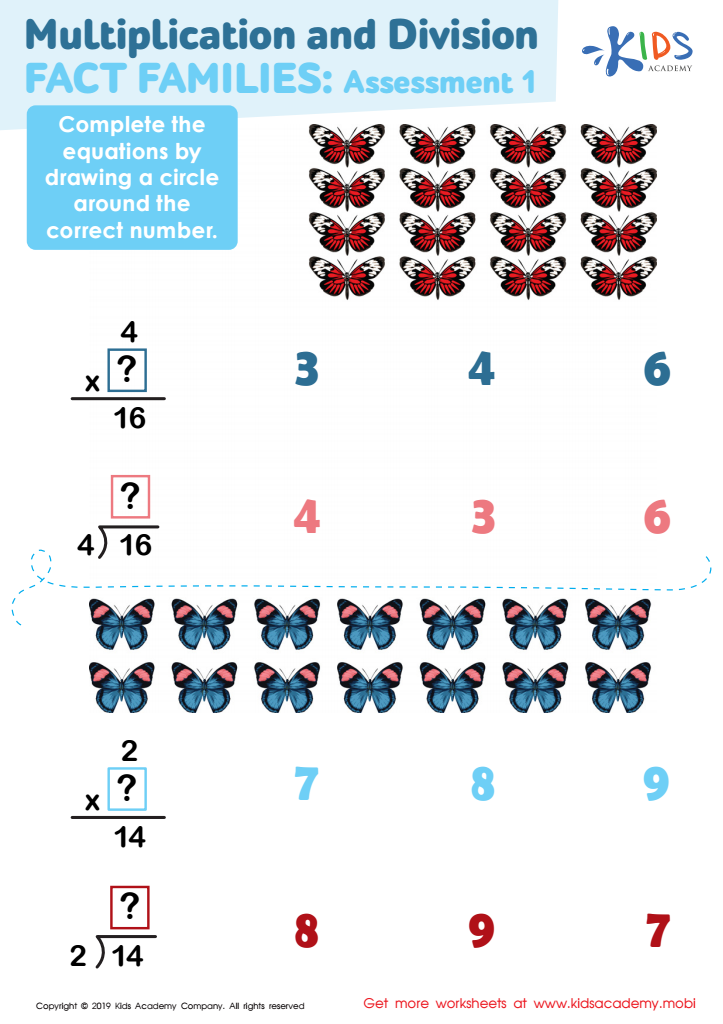
Multiplication and Division Fact Families Assessment 1 Worksheet
 Assign to My Students
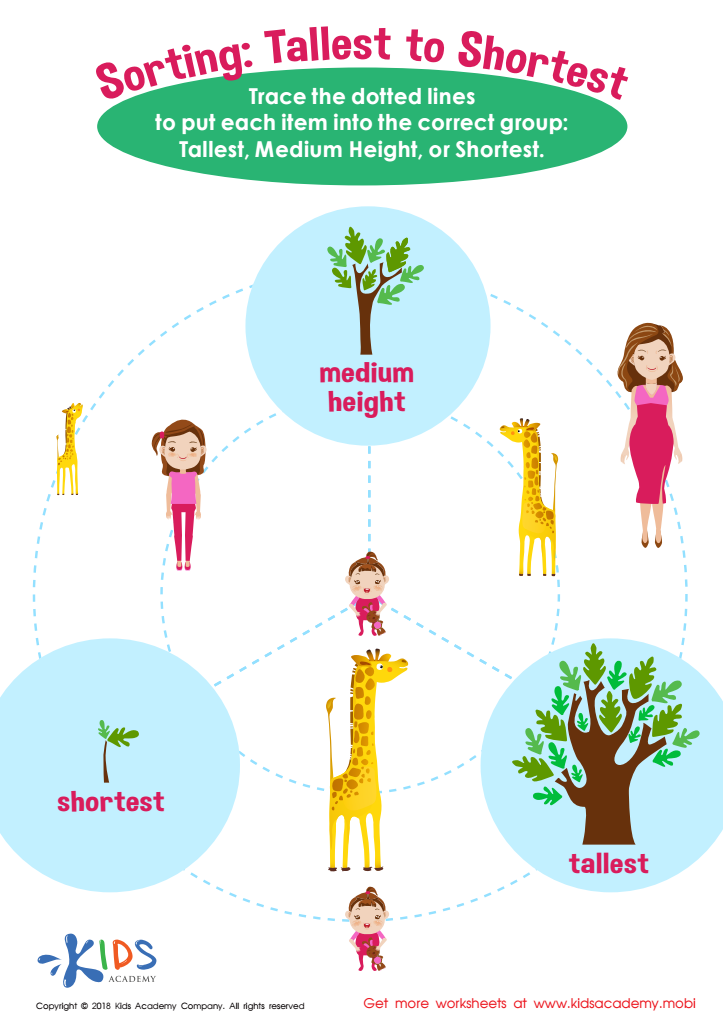
Sorting: Tallest to Shortest Worksheet
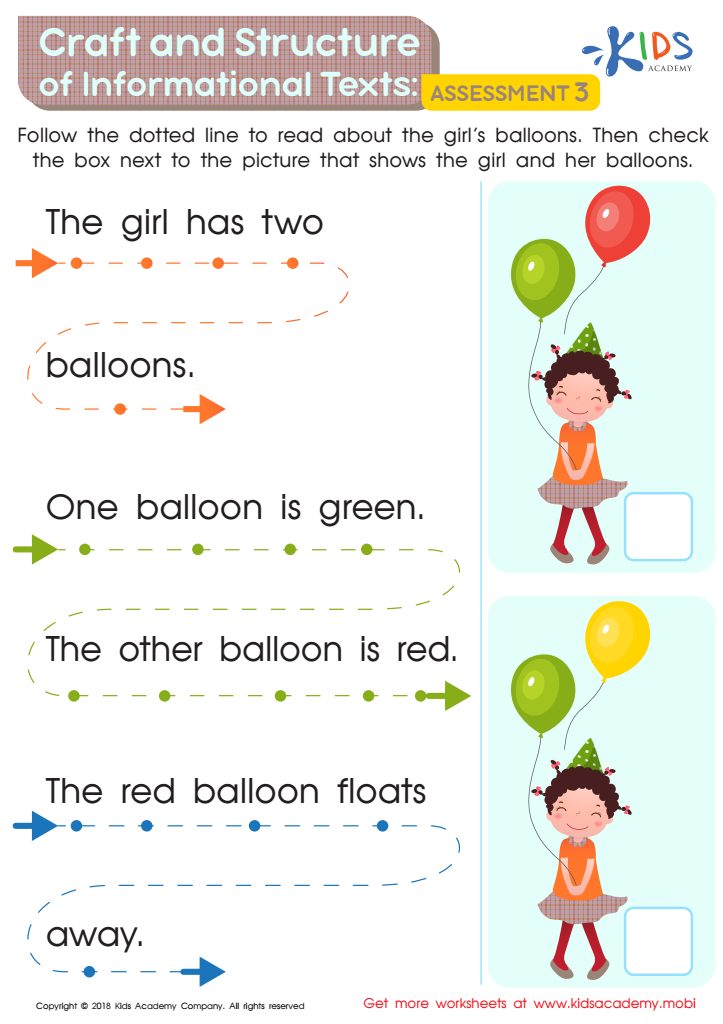
Craft and Structure of Informational Texts: Assessment 3 Worksheet
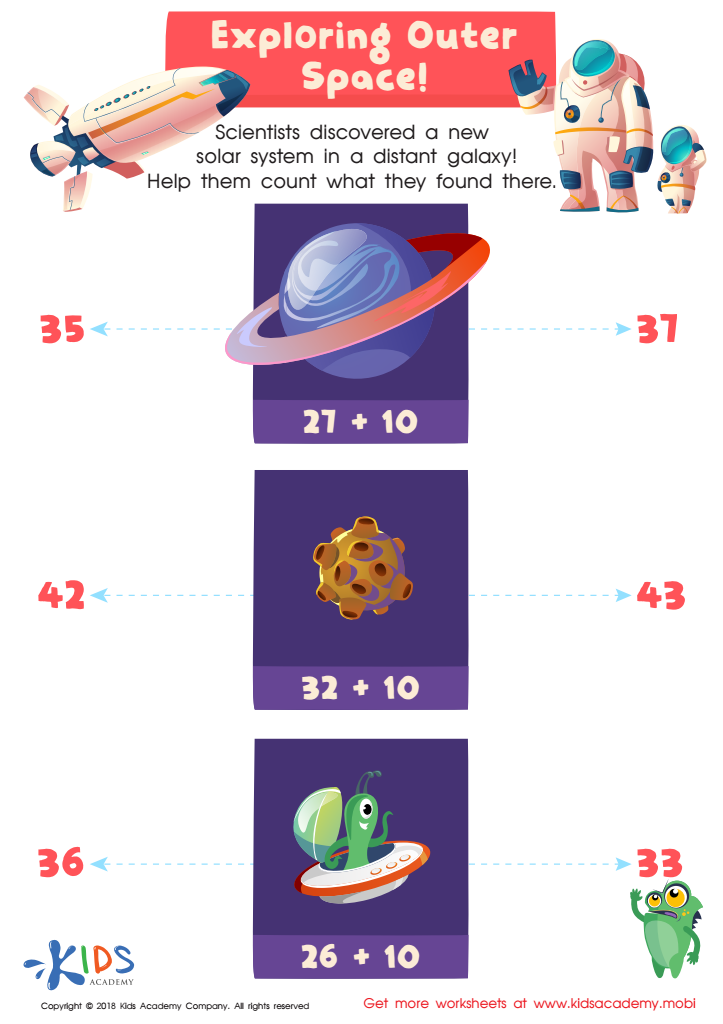
Exploring Outer Space Worksheet
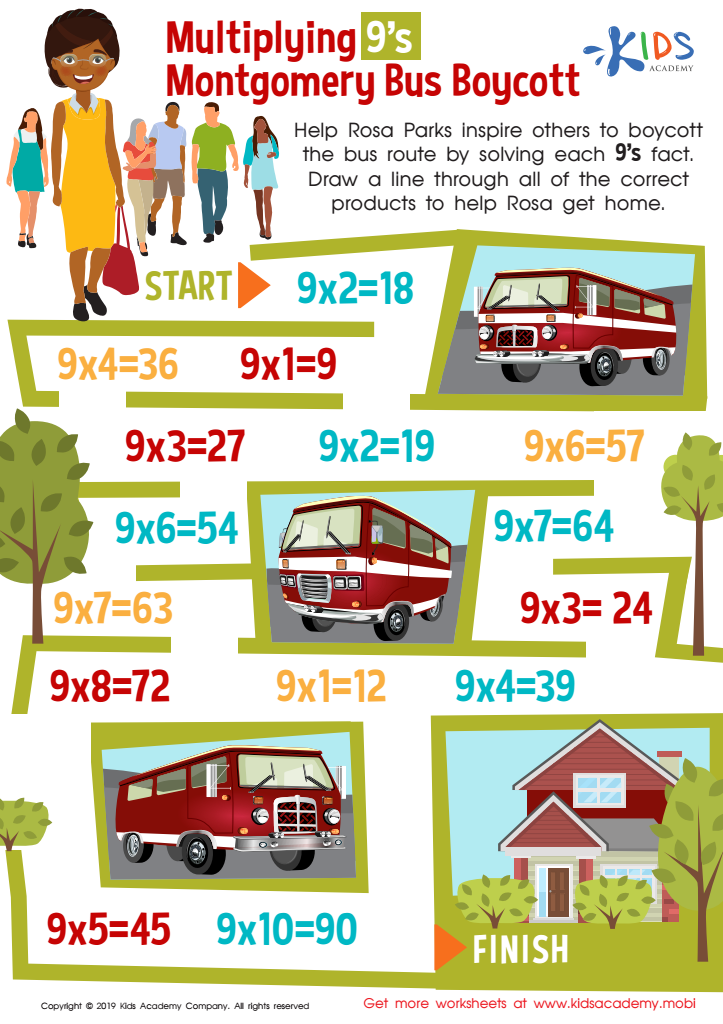
Multiplying 9’s Montgomery Bus Boycott Worksheet



.jpg)




Parents and teachers should care about the concept of "normal" for children aged 4-9 because this developmental stage is crucial for shaping social, emotional, and cognitive skills. During these early years, children are learning to interpret the world around them, including their understanding of social norms and what is considered acceptable behavior. Recognizing what is typical developmentally can help caregivers and educators identify when a child may need extra support or encouragement.
Moreover, understanding "normal" helps in promoting inclusive environments where every child feels accepted. With the increasing diversity in approaches to learning and personal experiences, it is essential for adults to maintain a flexible view of what constitutes normal behavior, recognizing that variations exist.
By supporting children in becoming aware of themselves and the feelings of others, parents and educators foster empathy, resilience, and communication skills. This not only aids in academic success but also in building healthy relationships. In the end, caring about normalcy in these formative years enables adults to nurture well-rounded, confident individuals prepared for the complexities of school and life. Ultimately, fostering a broad and compassionate understanding of normal enhances children's emotional intelligence and helps them thrive both inside and outside the classroom.








