Normal Consonants Worksheets for Ages 4-9 - Page 2
26 filtered results
-
From - To
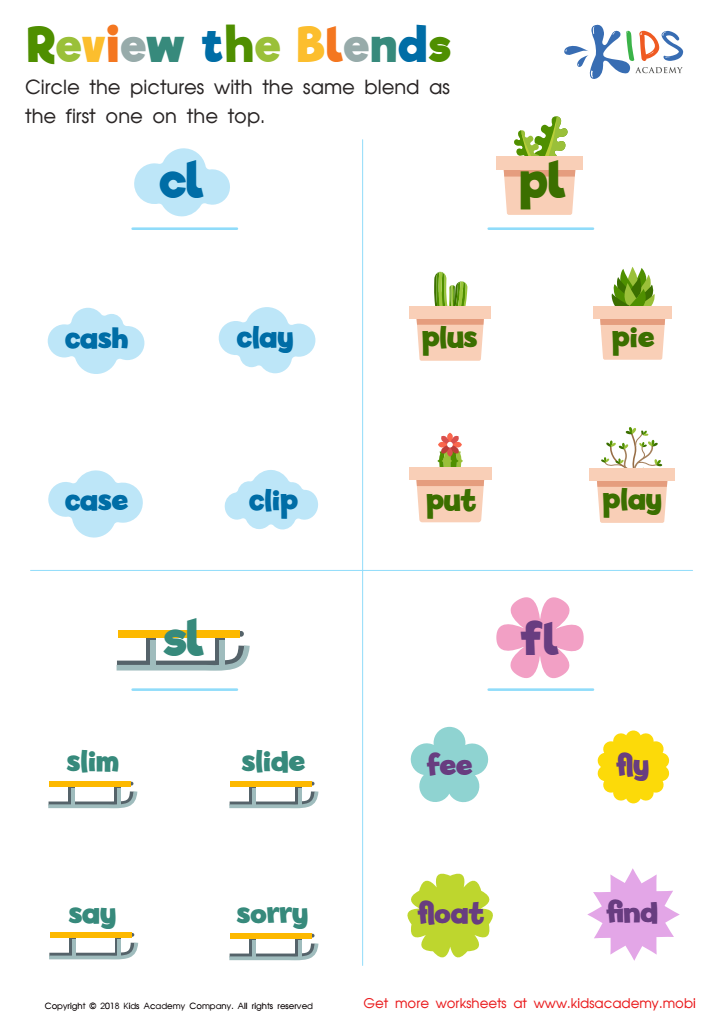
Review the Blends Worksheet
 Assign to My Students
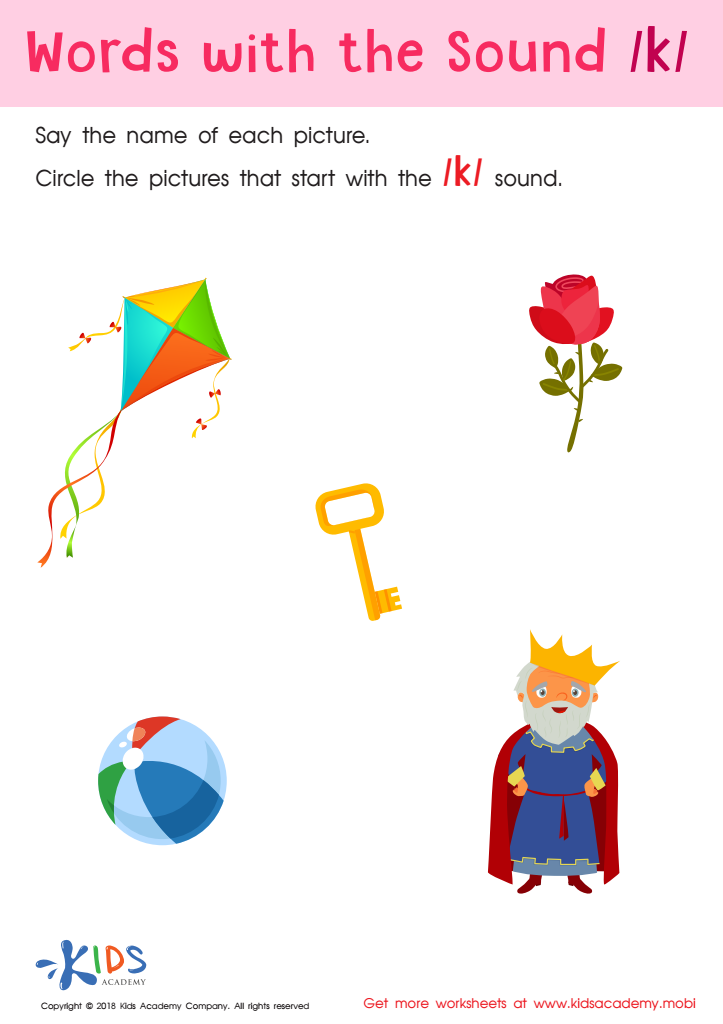
Words with sound k Reading Worksheet



Normal consonants are fundamental components of early language development, and their significance for children aged 4-9 cannot be overstated. At this stage, youngsters are typically learning to read and write, making their understanding of consonants essential for literacy. Normal consonants are the building blocks of words; they help children improve their phonemic awareness, which is crucial for decoding written language.
When parents and teachers prioritize consonant recognition, they foster children's overall communication skills. This foundational knowledge allows kids to engage more confidently in conversations and express themselves clearly. Additionally, mastering normal consonants promotes better spelling skills and reading fluency, which are vital for academic success.
Beyond academic benefits, understanding normal consonants also supports children's social development. It enables them to interact with peers effectively, as they can articulate their thoughts and feelings. Furthermore, confidence in language skills contributes to a child's overall self-esteem and willingness to participate in classroom discussions.
By emphasizing the importance of normal consonants, parents and teachers can create a rich language environment that nurtures children's development, affording them better opportunities for success in school and life. Investing in this critical aspect of early education pays dividends as children progress through their learning journeys.