Normal The 5 Senses Worksheets for Ages 4-9
12 filtered results
-
From - To
Explore our engaging “Normal The 5 Senses Worksheets” designed for children ages 4-9! These fun and interactive printables help young learners discover the five senses—sight, hearing, smell, taste, and touch—through a variety of activities that stimulate curiosity and promote learning. Each worksheet encourages creativity and critical thinking, featuring colorful illustrations and appealing tasks to enhance understanding. Perfect for classroom or home use, our worksheets align with early education standards, making learning enjoyable and effective. Help your child develop essential observational skills while fostering a love for science with our comprehensive resources! Dive into the world of senses and ignite their curiosity today!
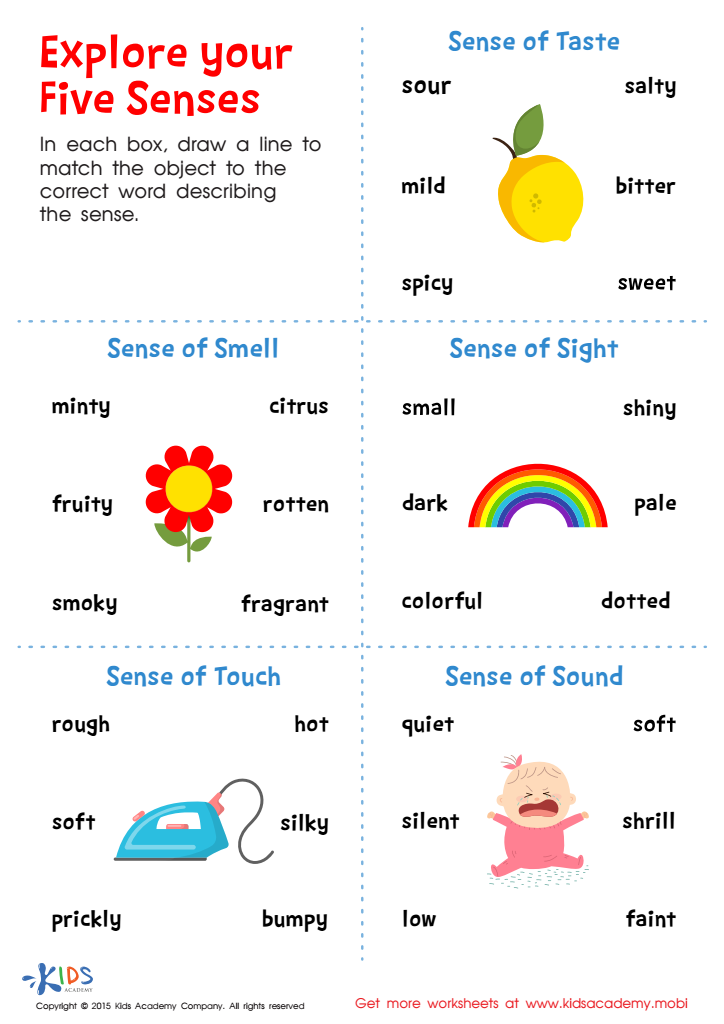
Explore Your Five Senses Printable
 Assign to My Students
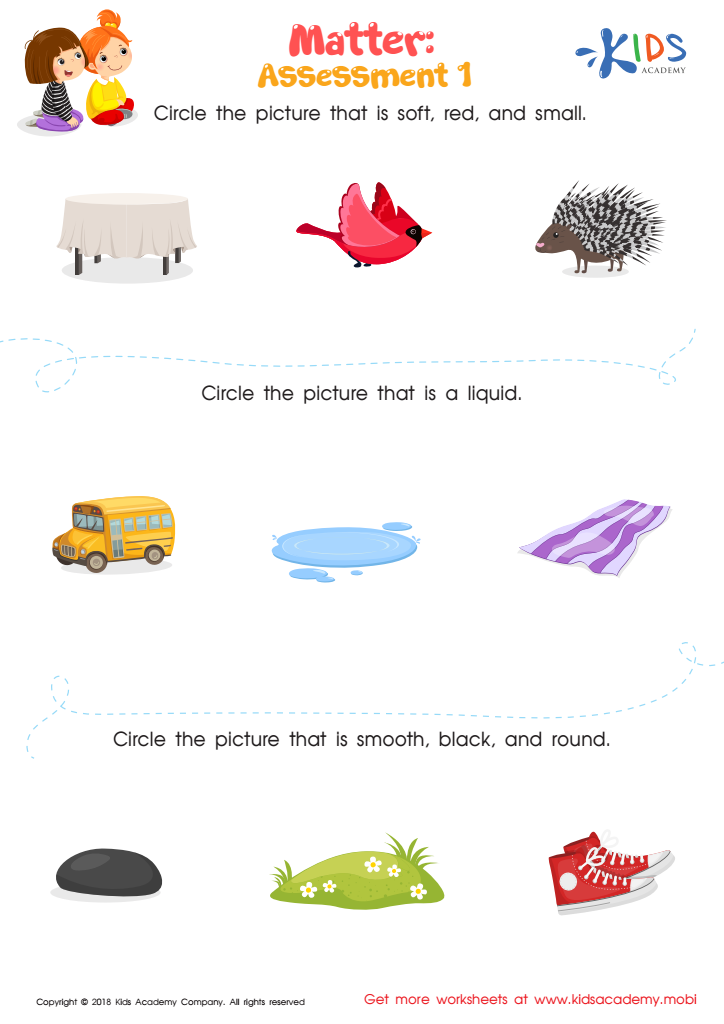
Matter: Assessment 1 Worksheet
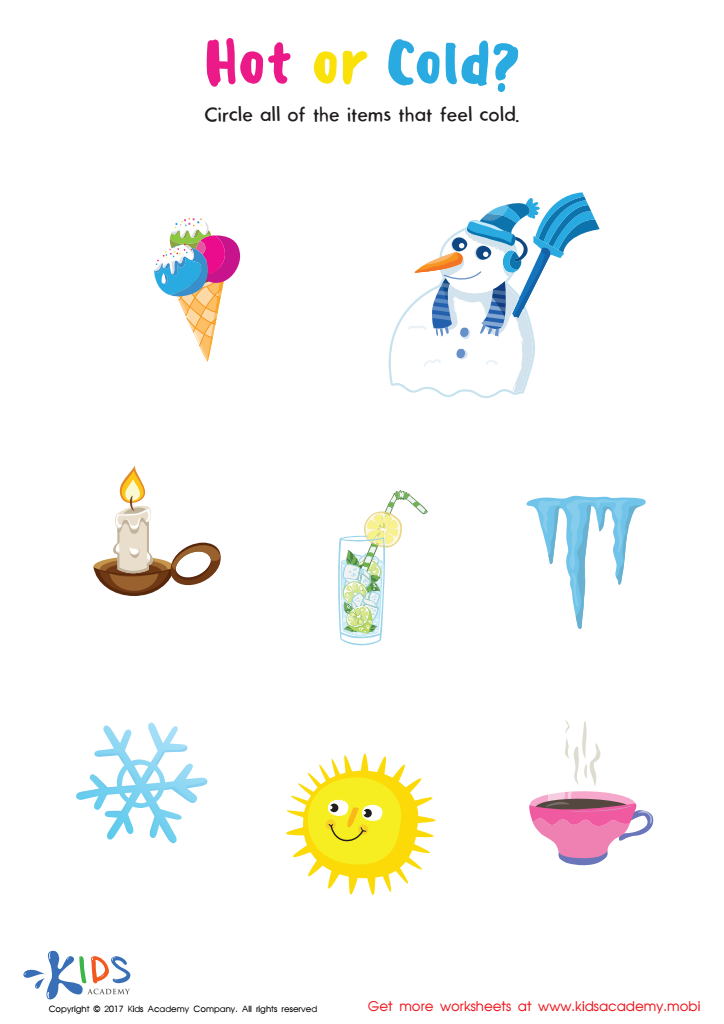
Hot or Cold Printable
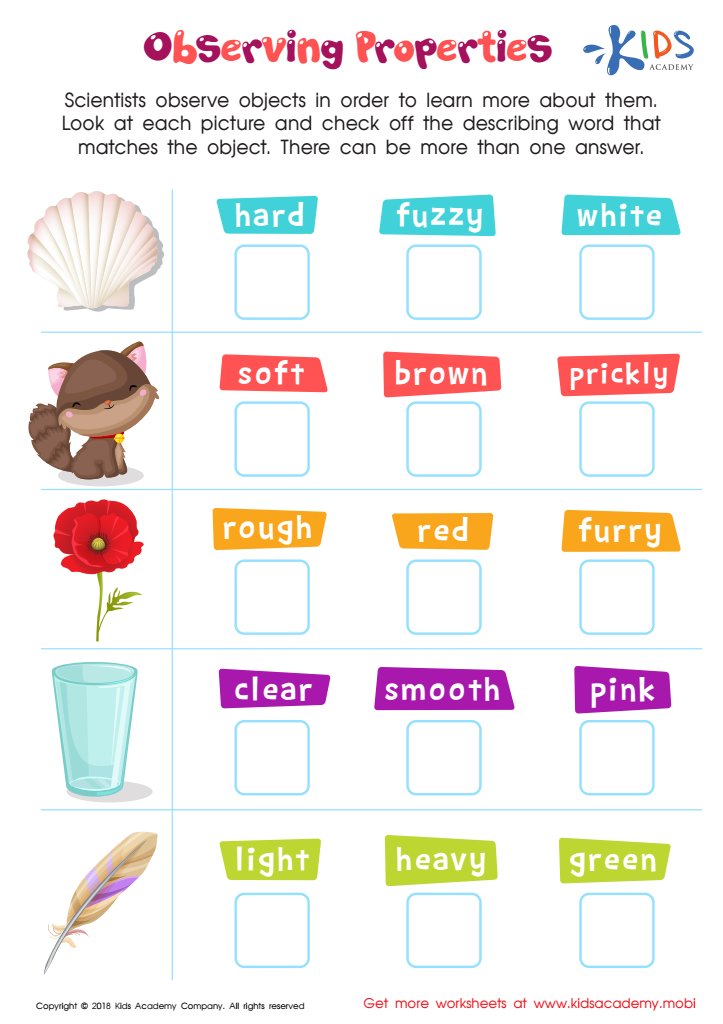
Observing Properties Worksheet
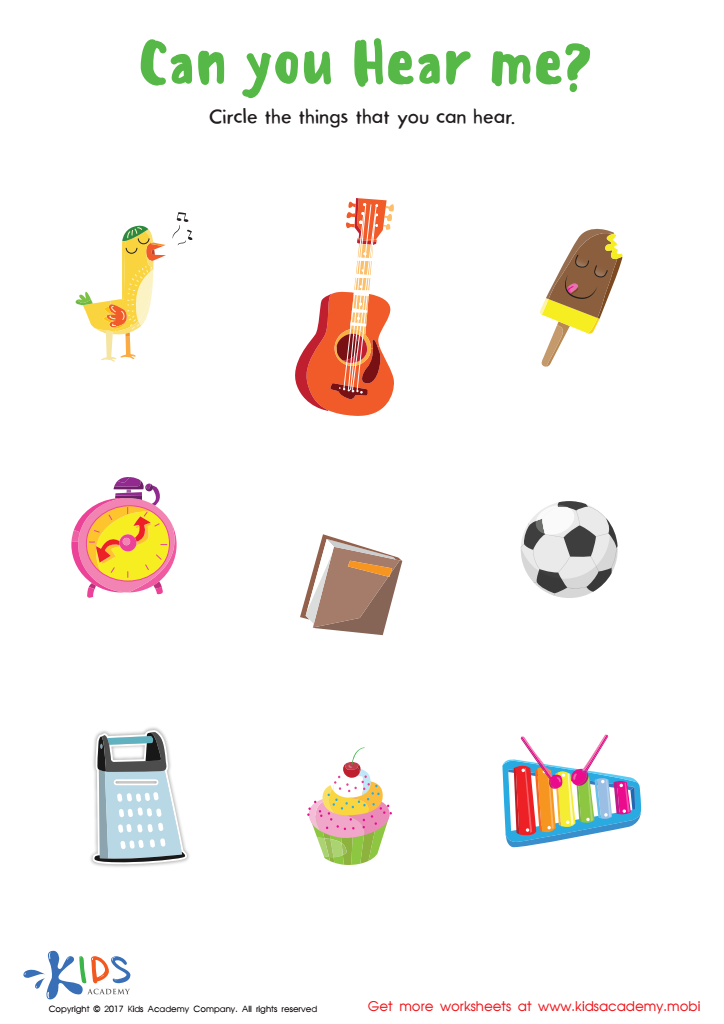
Can You Hear Me Worksheet
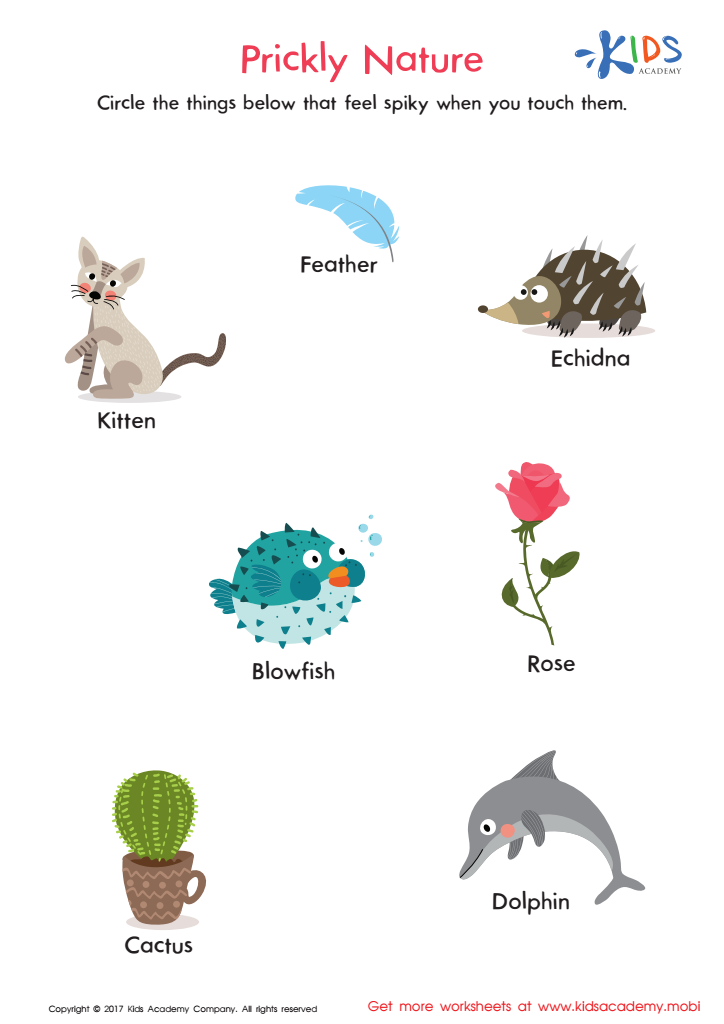
Prickly Nature Worksheet
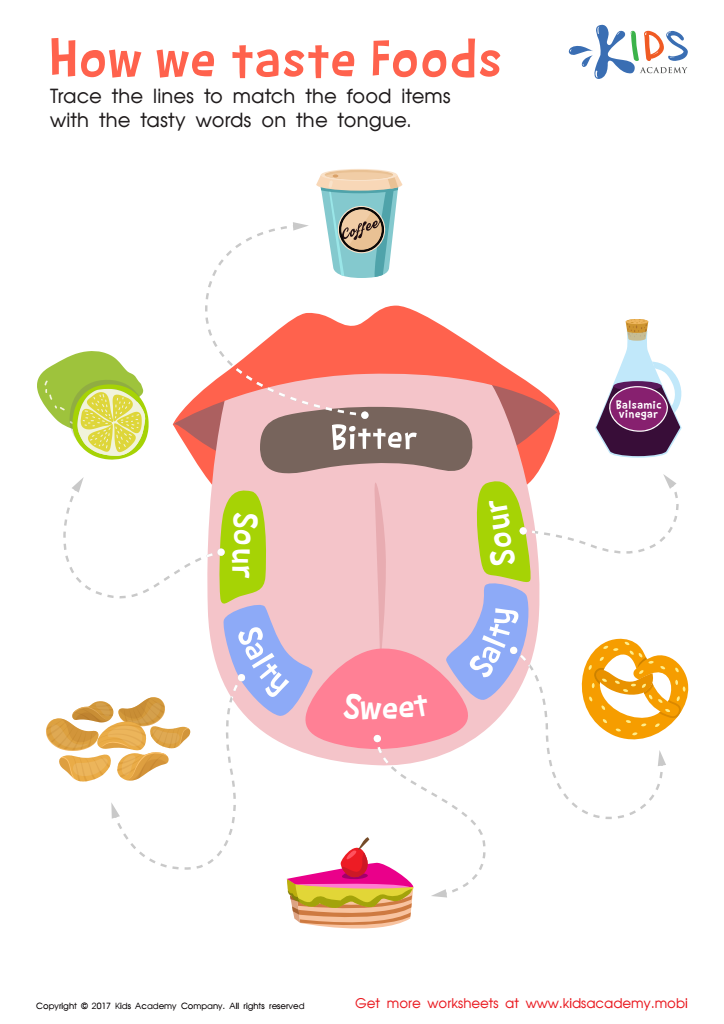
How We Taste Foods Worksheet
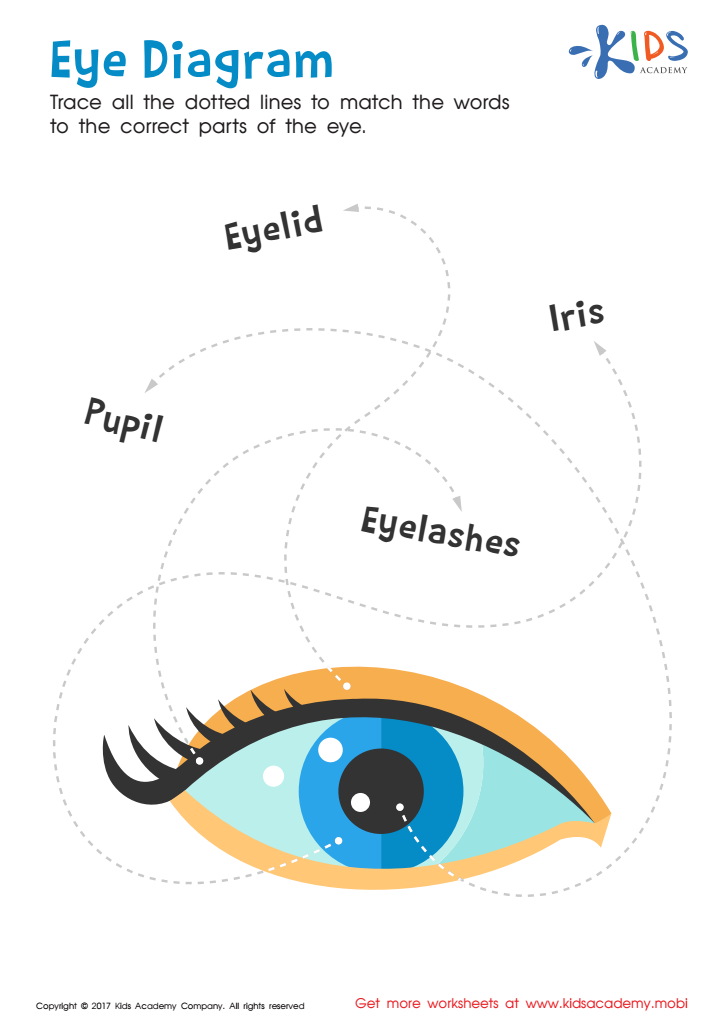
Eye Diagram Printable
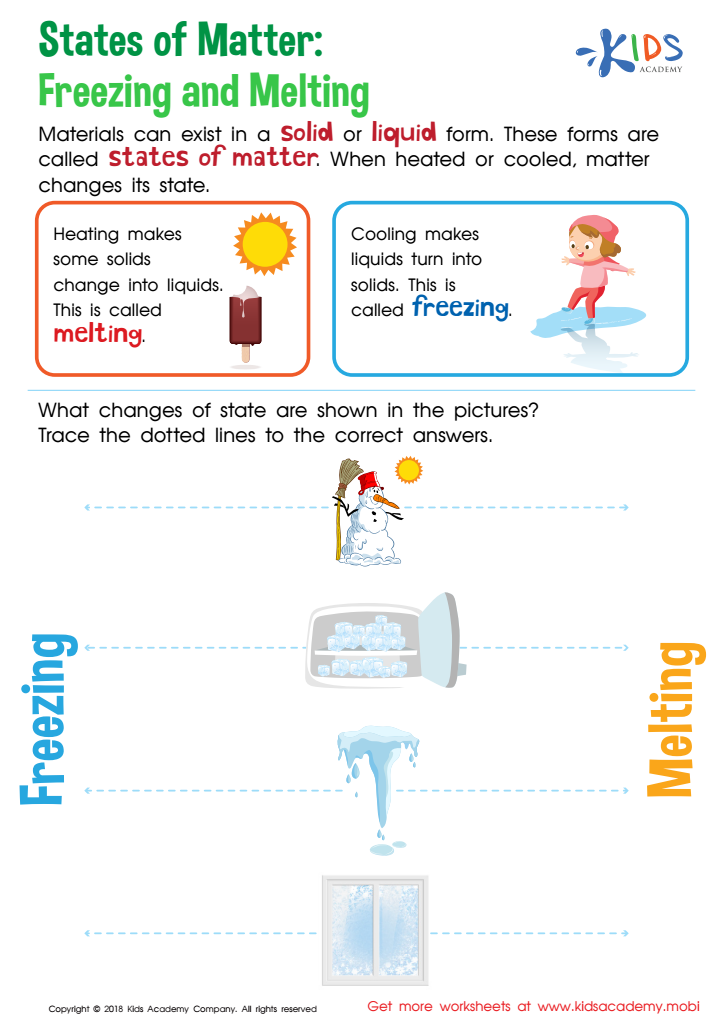
States of Matter: Freezing and Melting Worksheet
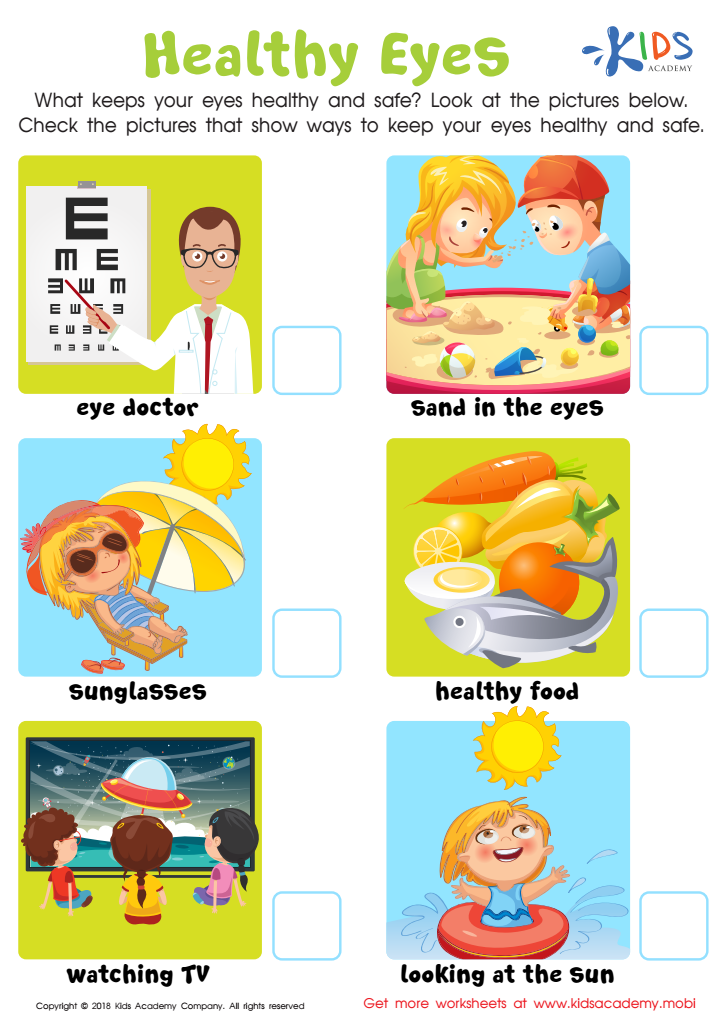
Healthy Eyes Worksheet
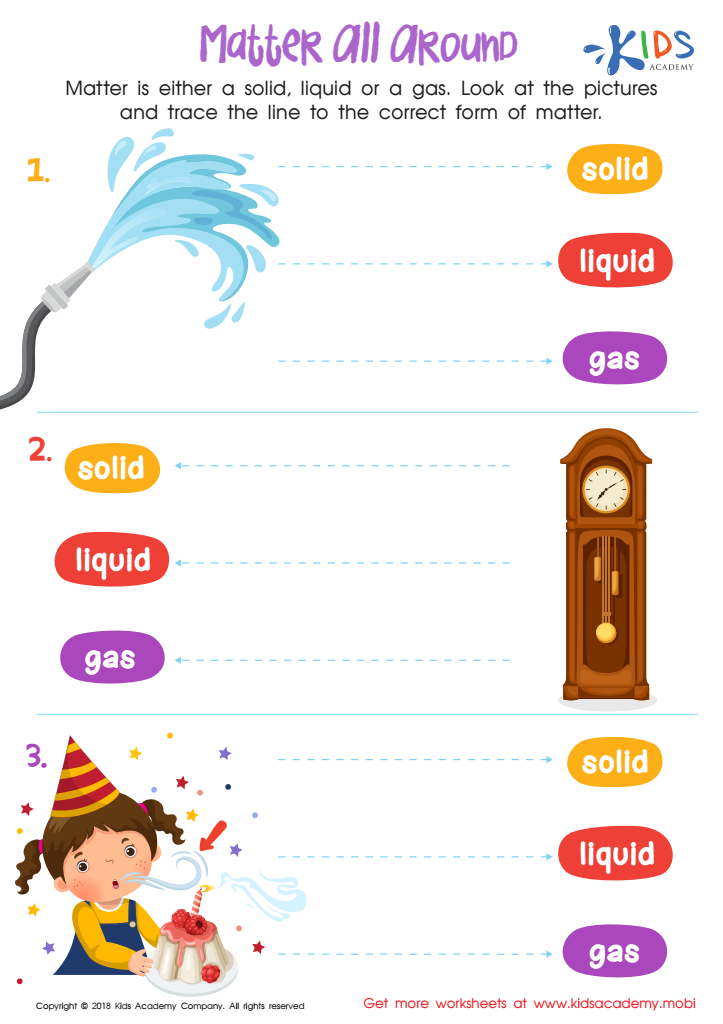
Matter all Around Worksheet
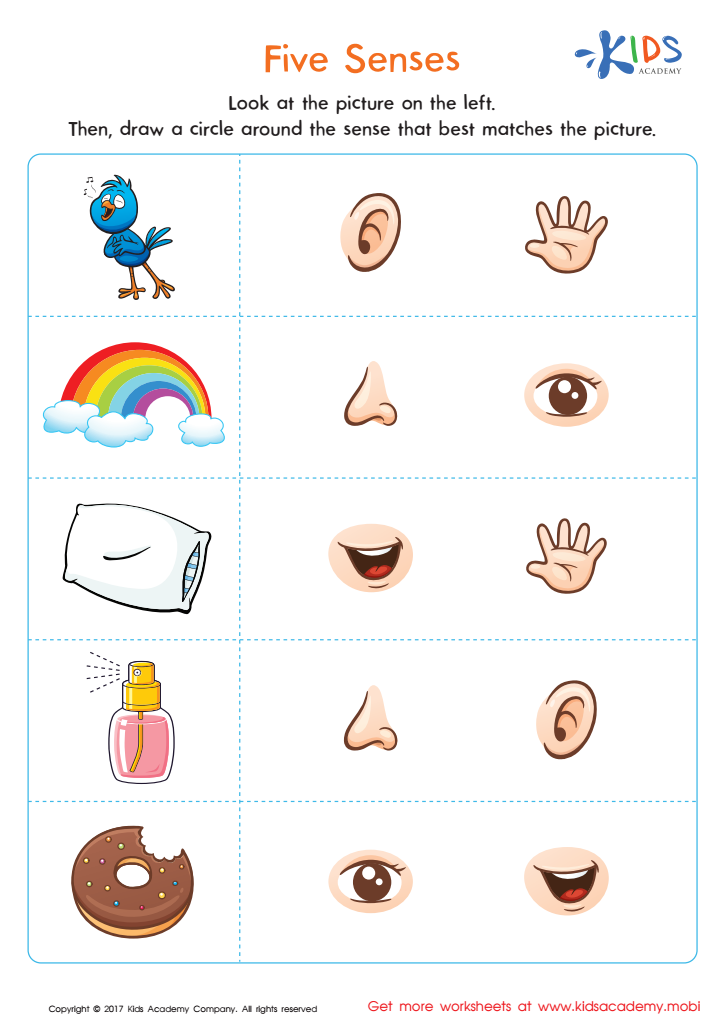
Five Senses Printable



"Normal: The 5 Senses" is an essential resource for parents and teachers of children aged 4-9 as it emphasizes the fundamental role of sensory experiences in child development. During these formative years, children explore the world primarily through their senses—sight, sound, touch, taste, and smell. Understanding how to nurture these senses can enhance cognitive functioning, emotional regulation, and social skills.
Parents and teachers who engage with this concept help children make connections between sensory experiences and learning. For example, vibrant stories and hands-on activities can stimulate curiosity, fostering critical thinking and creativity. Exposure to diverse sensory experiences aids in language development, as children learn to describe what they perceive, enhancing their communication skills.
Additionally, understanding sensory processing can inform parents and educators about the individual needs of children, including those with sensory sensitivities or delays. By recognizing and supporting varied sensory preferences, adults create inclusive and responsive learning environments.
In summary, "Normal: The 5 Senses" equips parents and educators with the tools to facilitate essential learning through sensory exploration, which not only aids in academic development but also supports overall well-being in young children. Investing in this area ensures a robust foundation for lifelong learning and personal growth.