Normal Social Studies Worksheets for Ages 4-9 - Page 5
223 filtered results
-
From - To
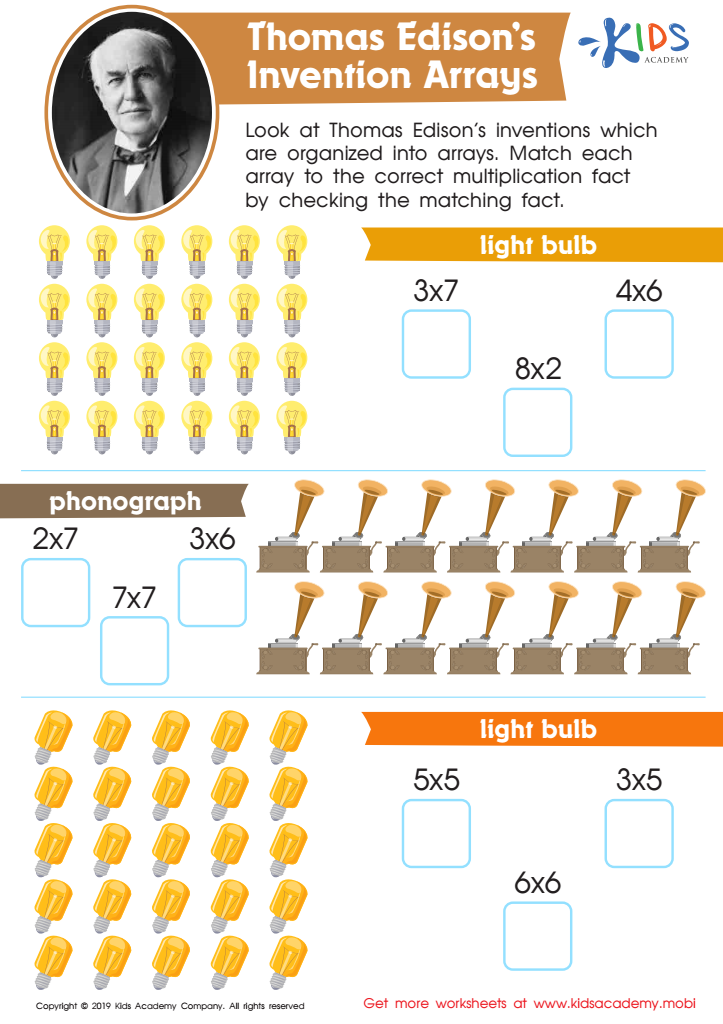
Thomas Edison’s Invention Arrays Worksheet
 Assign to My Students
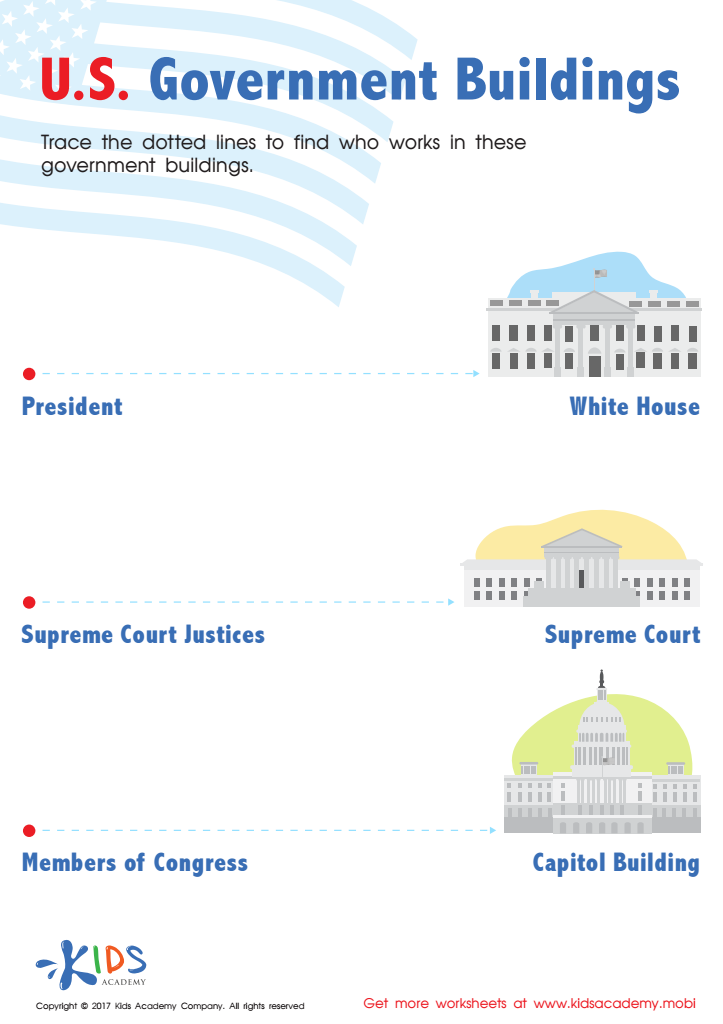
US Government Buildings Printable
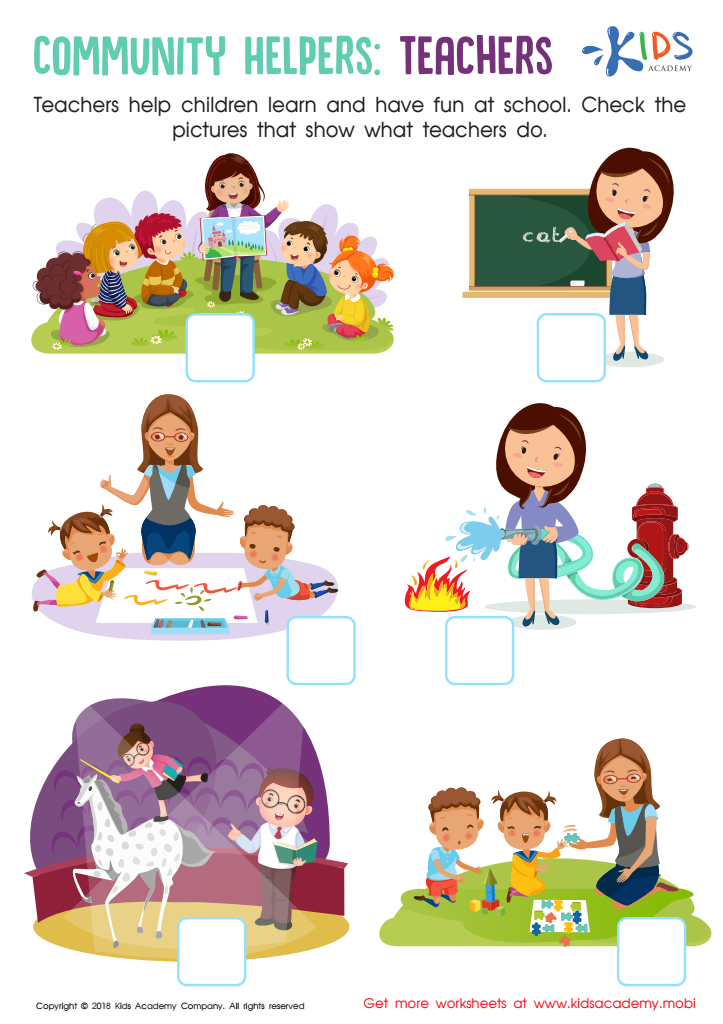
Teachers Community Helpers Worksheet
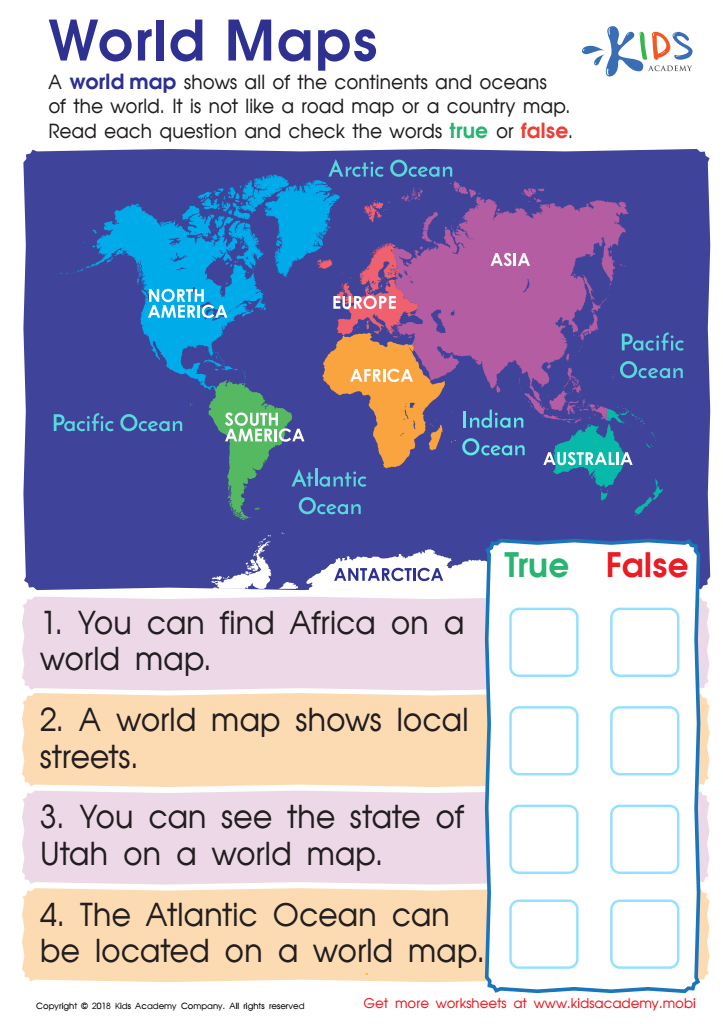
World Maps Worksheet
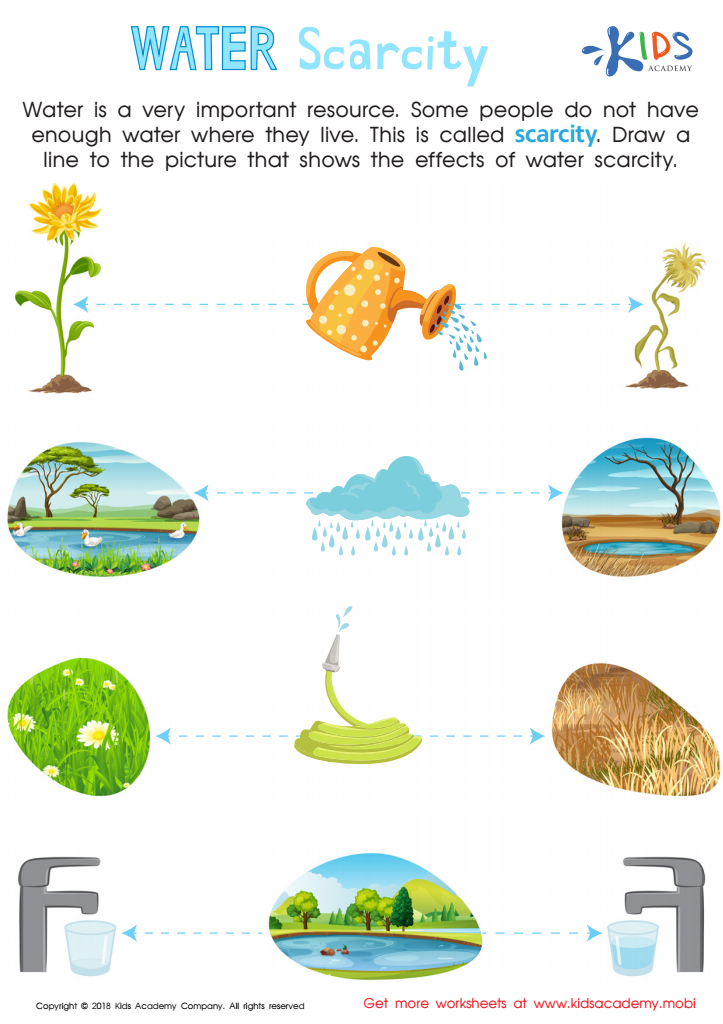
Water Scarcity Worksheet
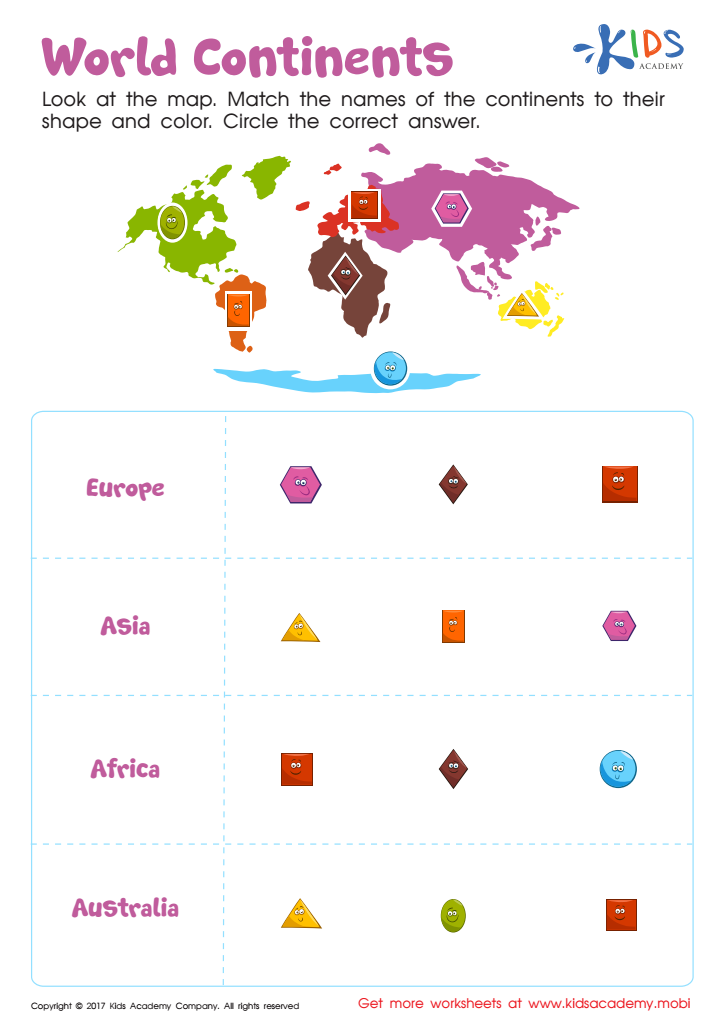
World Continents Worksheet
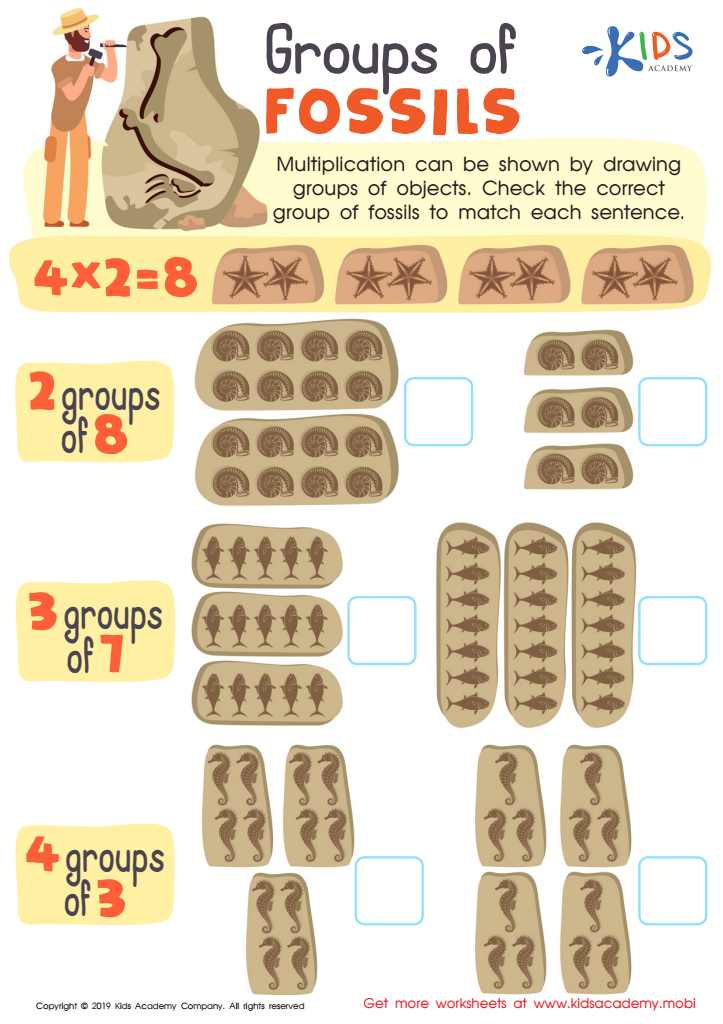
Groups of Fossils Worksheet
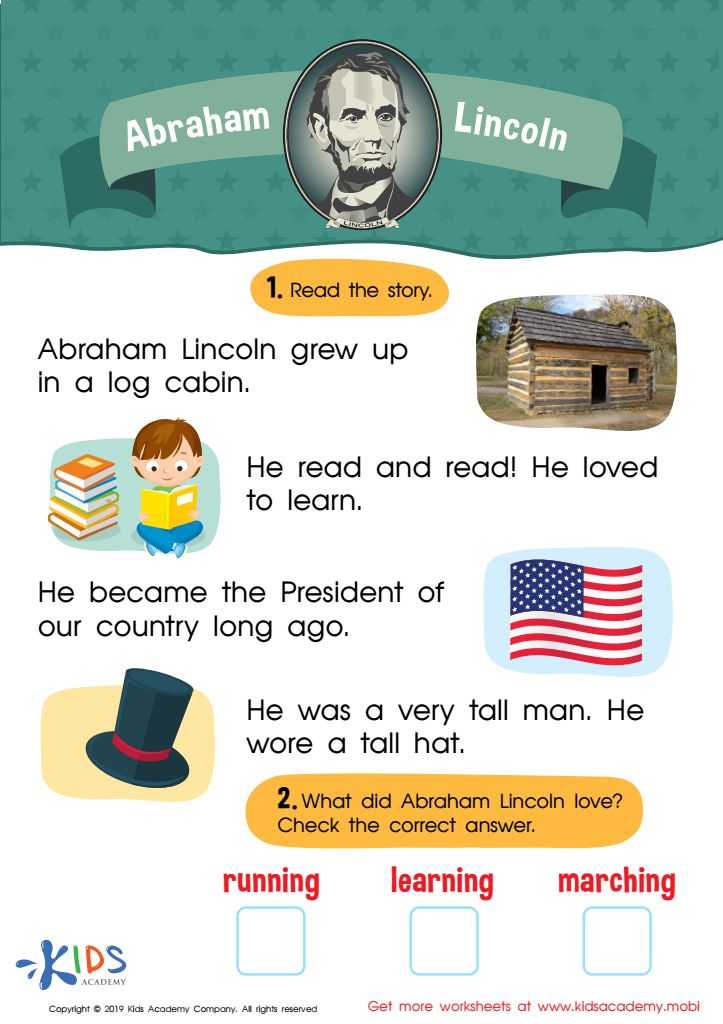
Abraham Lincoln Worksheet
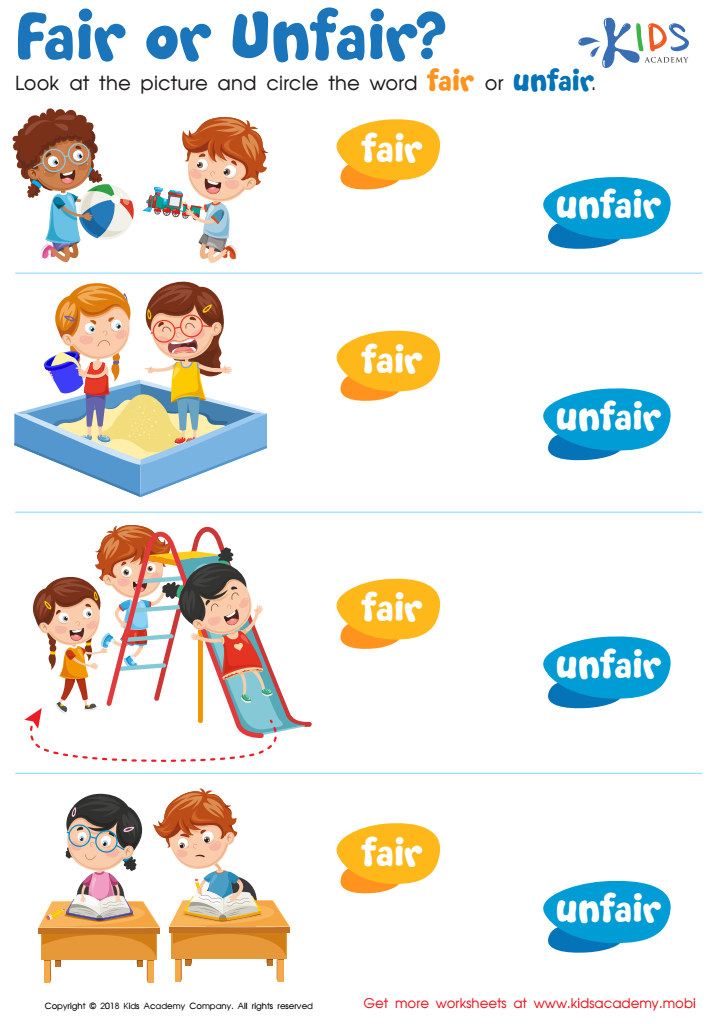
Fair or Unfair Worksheet
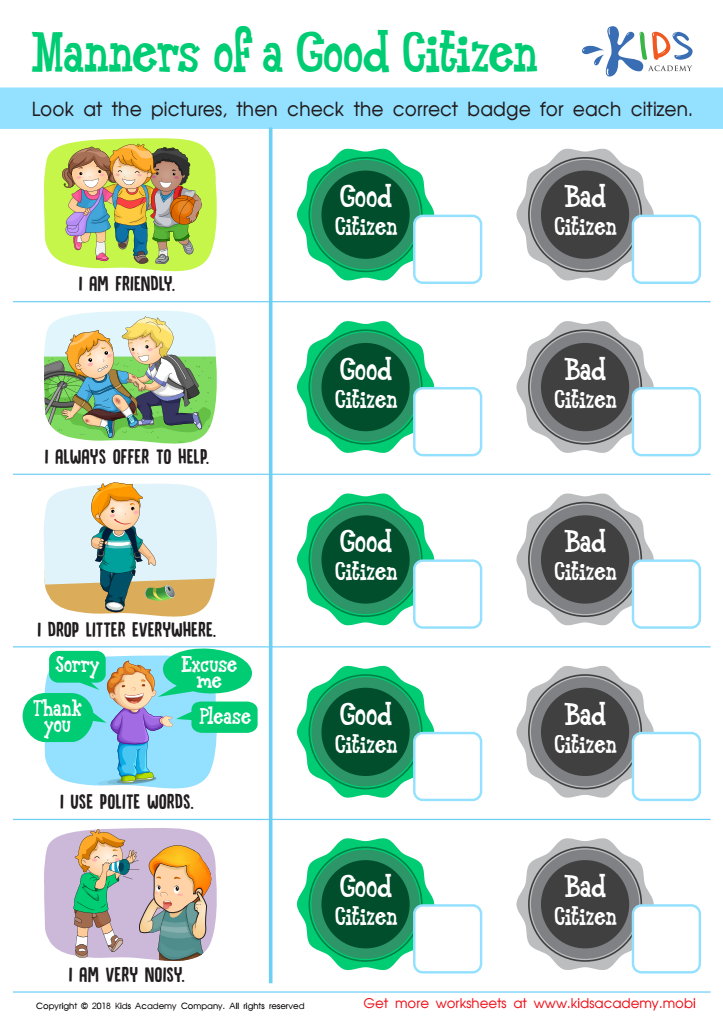
Manners of a Good Citizen Worksheet
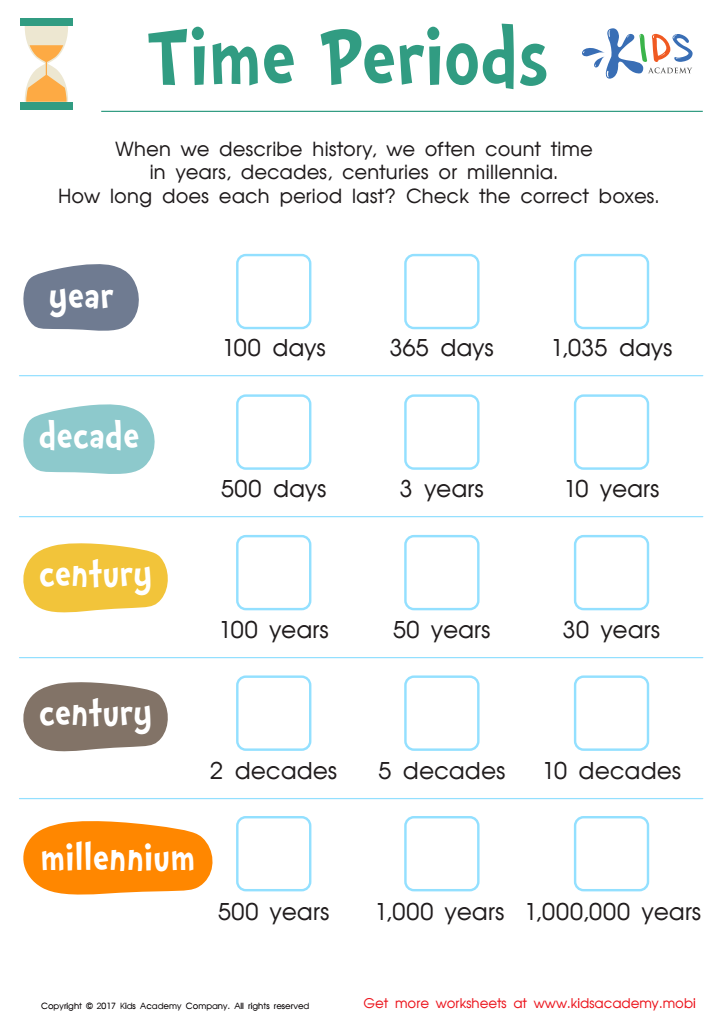
Time Periods Worksheet
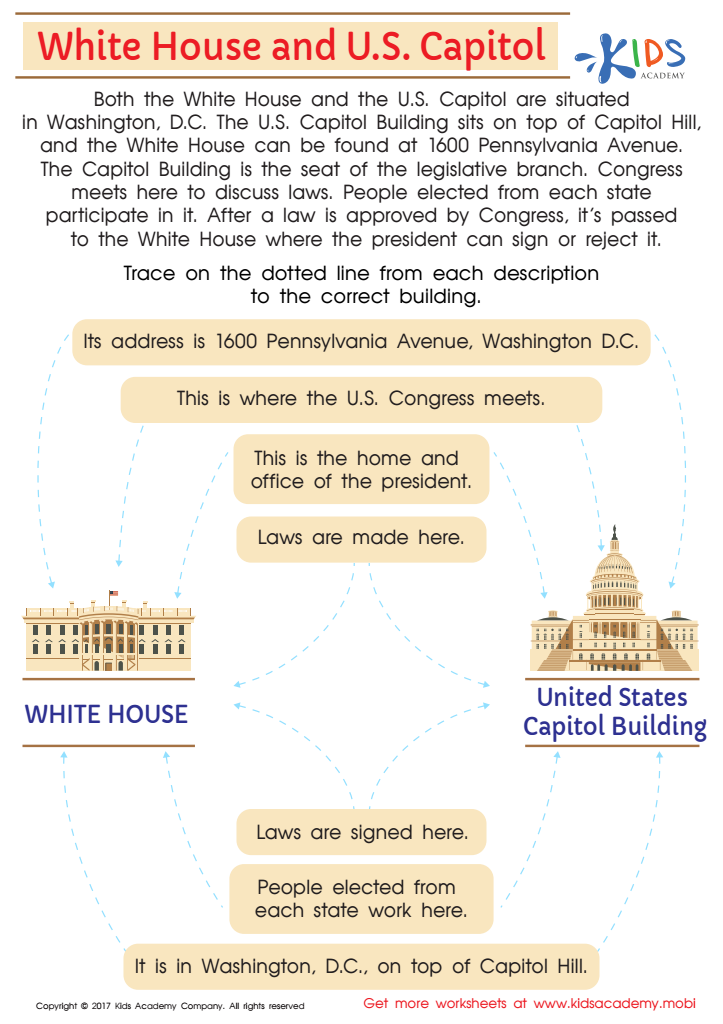
White House and US Capitol Worksheet

National Symbol Matching Worksheet
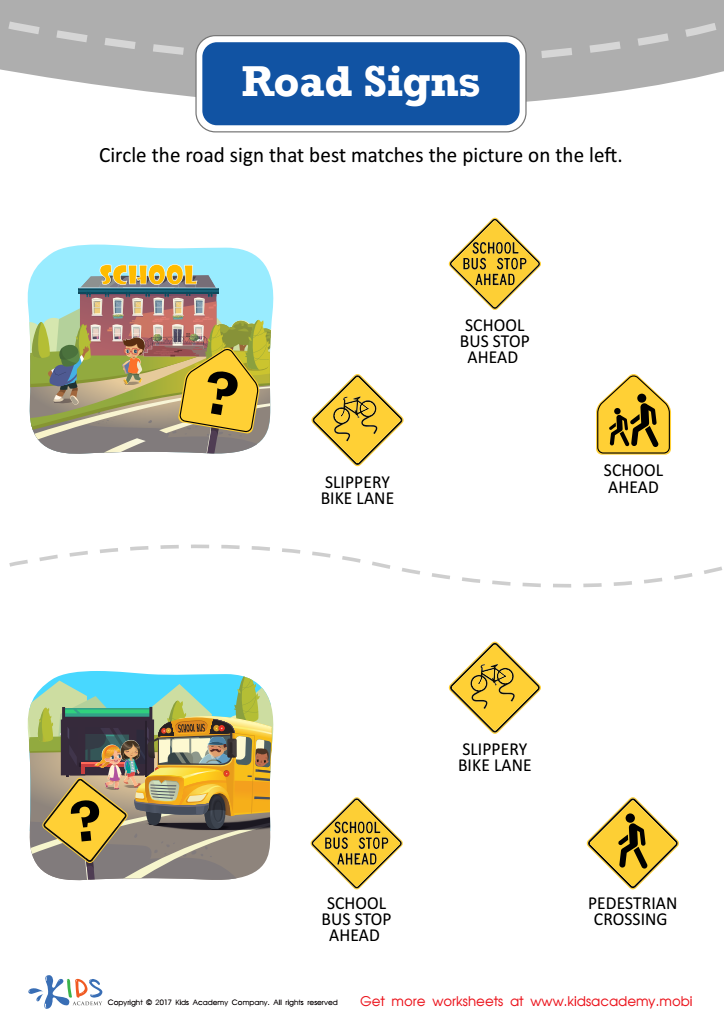
Road Signs (Part 1) Worksheet
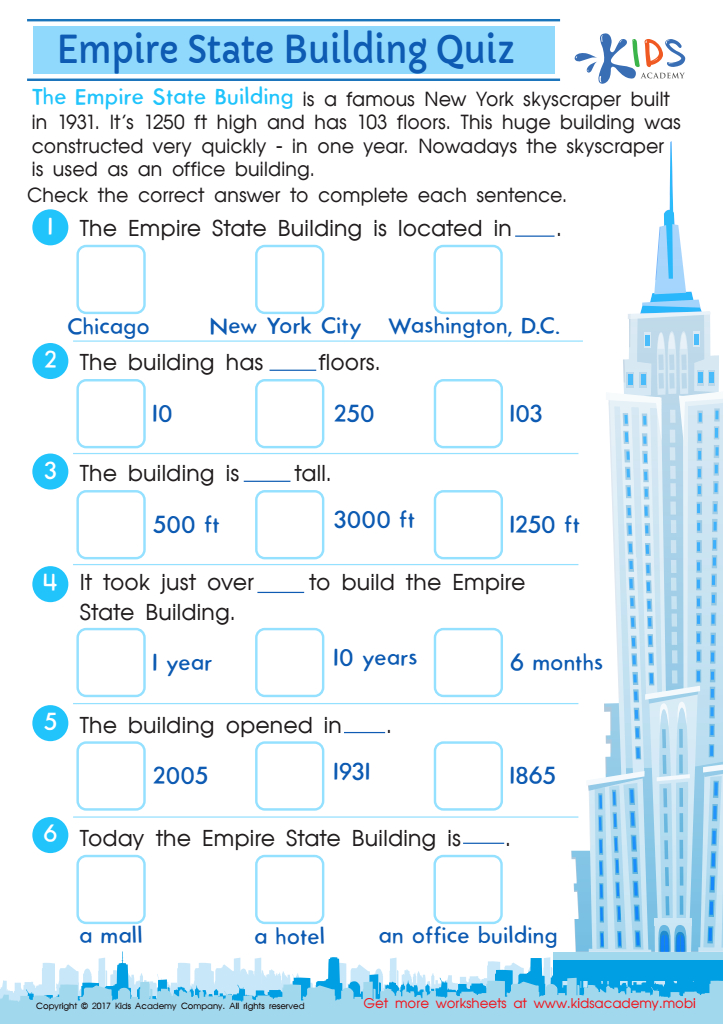
Empire State Building Printable Worksheet

Repel and Attract Magnet Worksheet
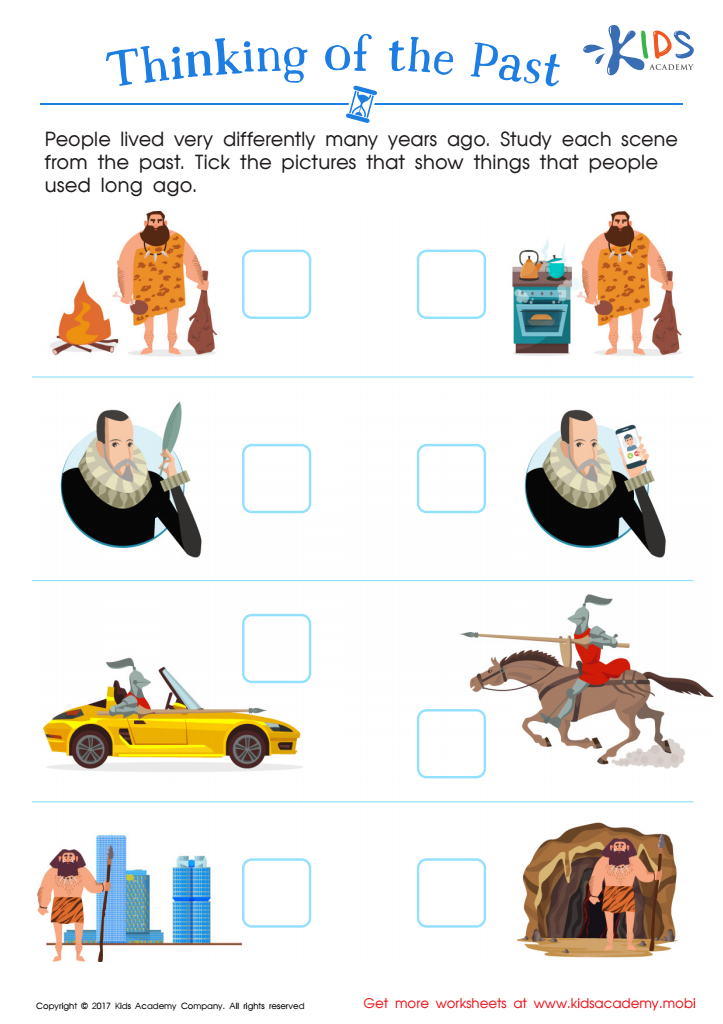
Thinking Past Printable

Thanksgiving Holiday Printable

National Parks Printable
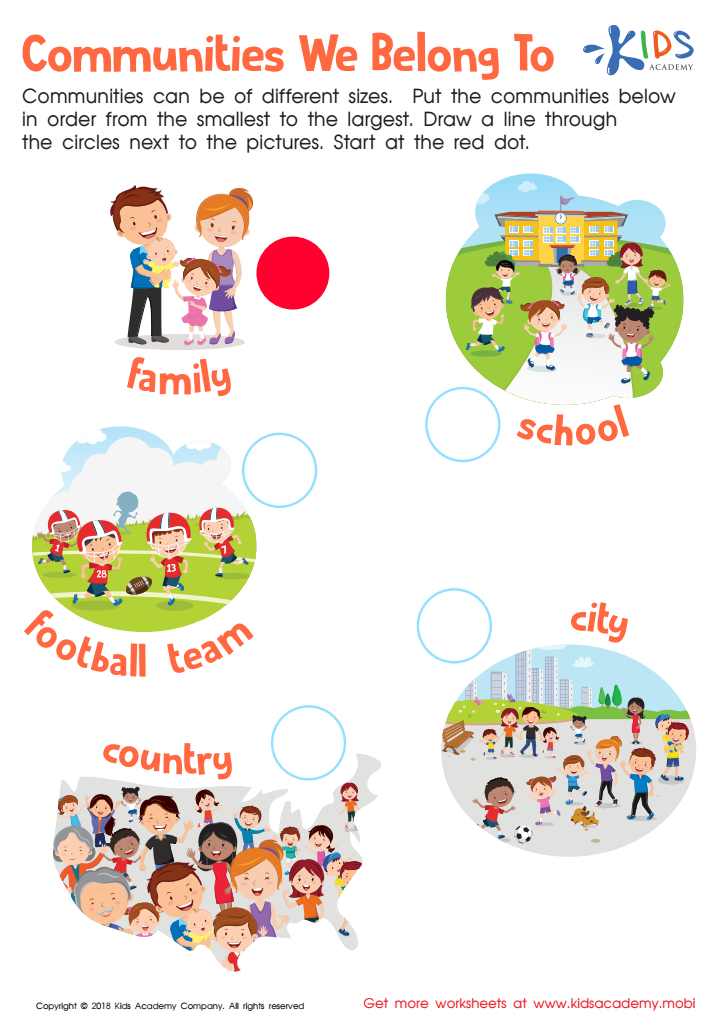
Communities We Belong to Worksheet
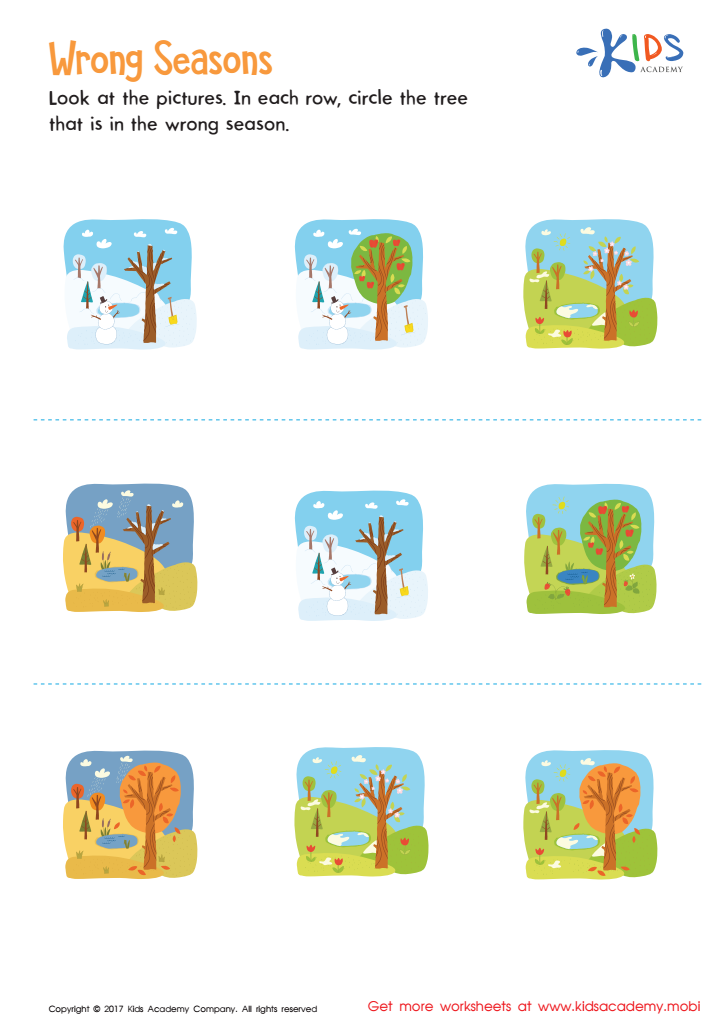
Wrong Seasons Worksheet
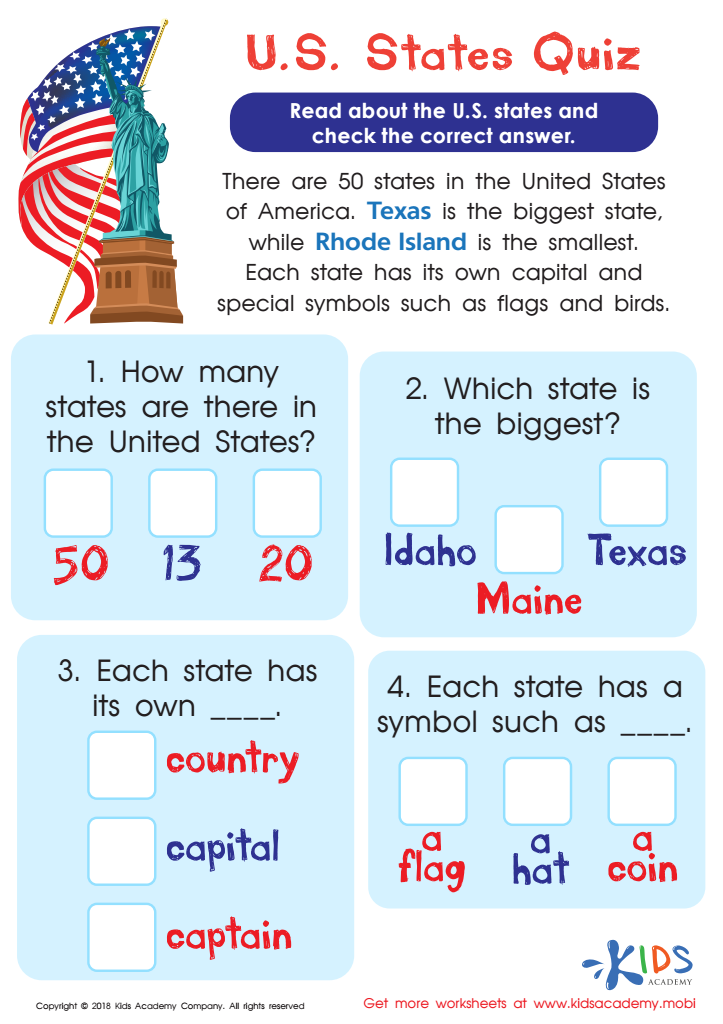
U.S. States Quiz Worksheet

Journey to Jamestown Worksheet
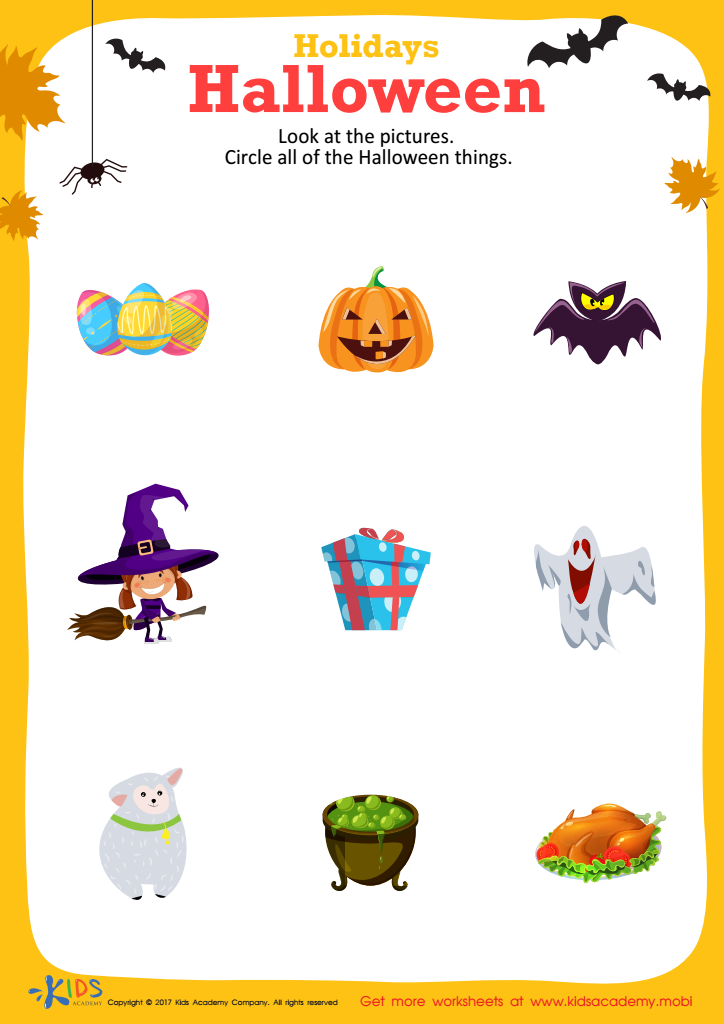
Halloween Holiday Worksheet








Parents and teachers should care about normal social studies for ages 4-9 because it lays the foundational understanding of the world and fosters essential social skills in young children. At this critical developmental stage, children are not only curious but also learning to form relationships and understand societal roles. By introducing concepts of community, citizenship, geography, and history through age-appropriate activities, we can cultivate empathy, respect, and cultural awareness in the child's formative years, essential for becoming responsible, well-rounded adults.
Social studies help children understand the diverse world they live in, appreciate different cultures, and recognize the importance of cooperation and collaboration. These subjects improve their ability to think critically about societal issues and solve problems effectively. Children also learn about rules and laws, which can positively influence their behavior both in and out of school.
Moreover, incorporating social studies into early education supports cognitive development. Topics like geography and history enhance memory and sequencing skills, while discussions on community and decision making boost language development and critical thinking skills. Overall, dedicated attention to social studies builds a comprehensive educational foundation that encourages lifelong learning and good citizenship, aligning with academic goals and personal growth.








