Normal Comparing Numbers Worksheets for Ages 5-7 - Page 2
25 filtered results
-
From - To
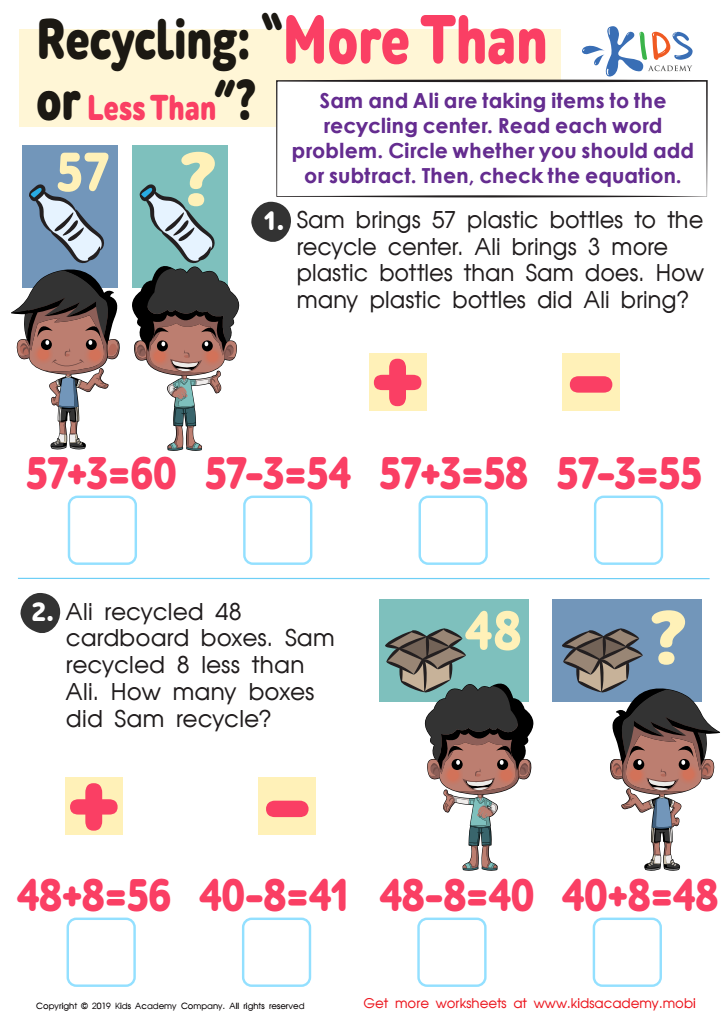
Recycling - More or Less Worksheet
 Assign to My Students
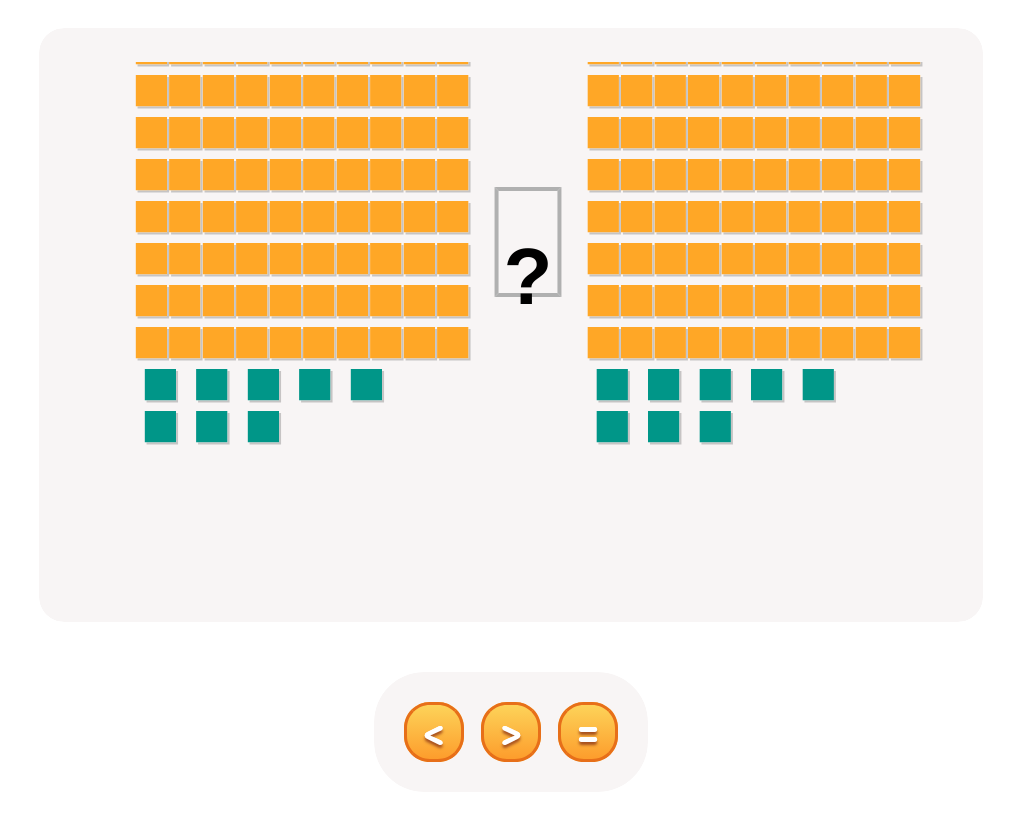

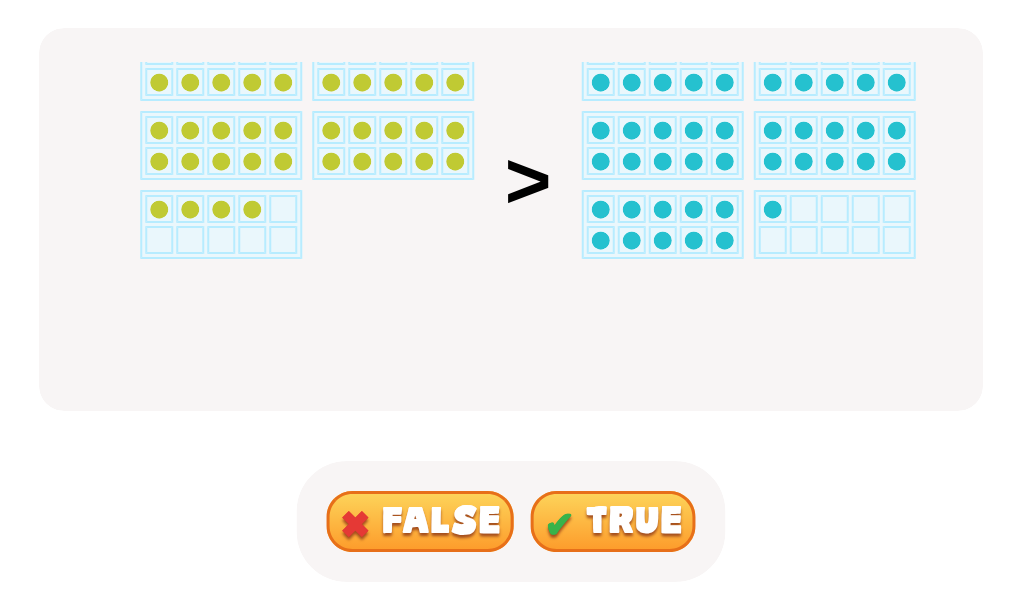
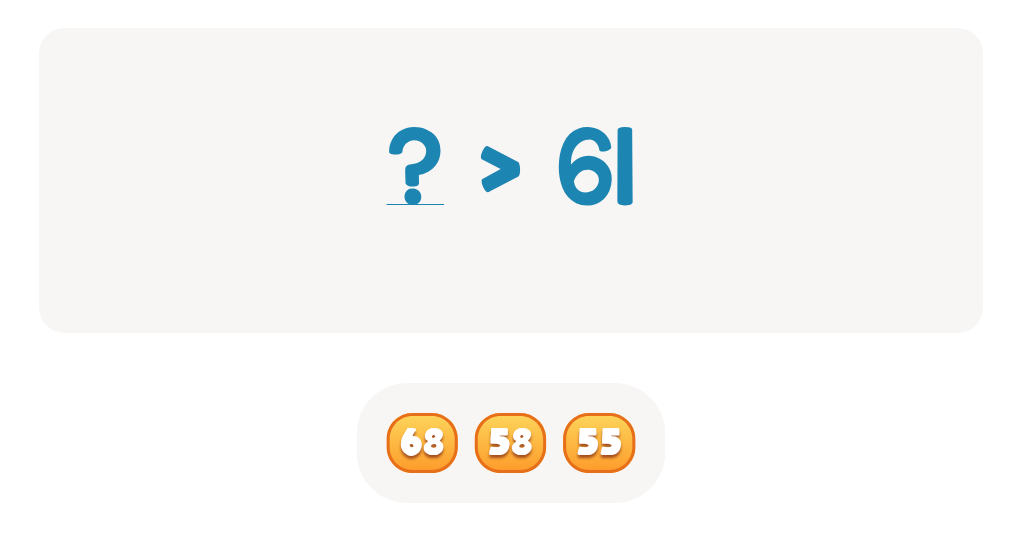
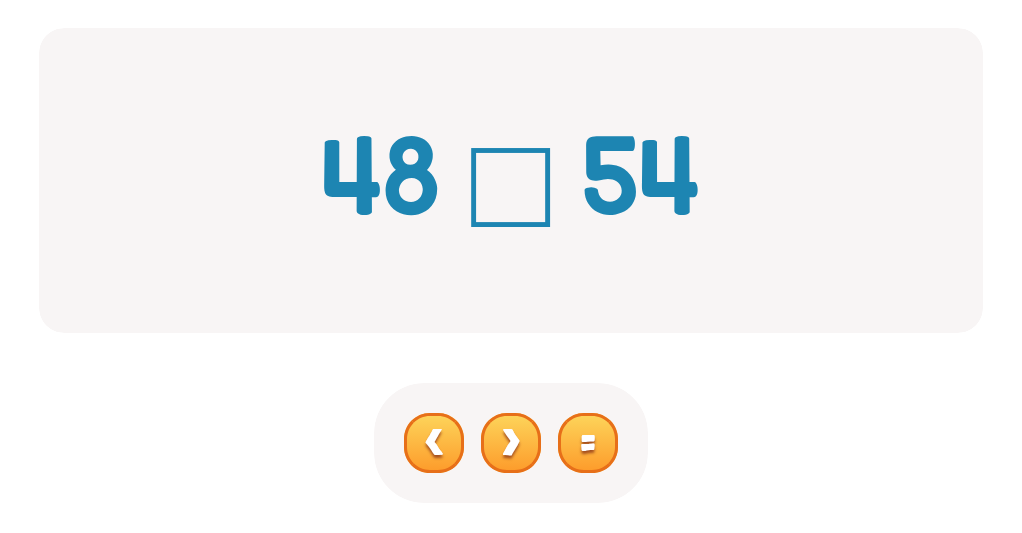
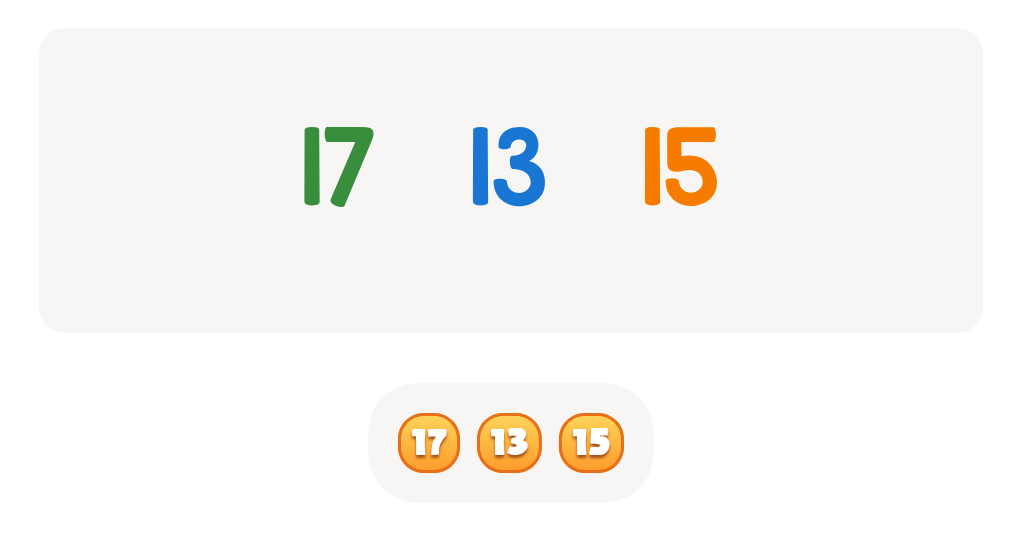
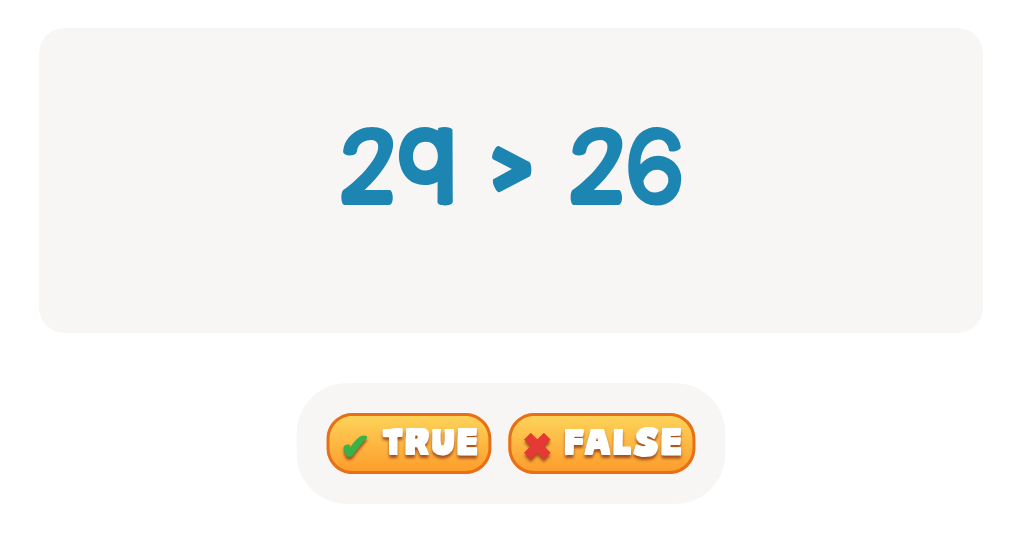
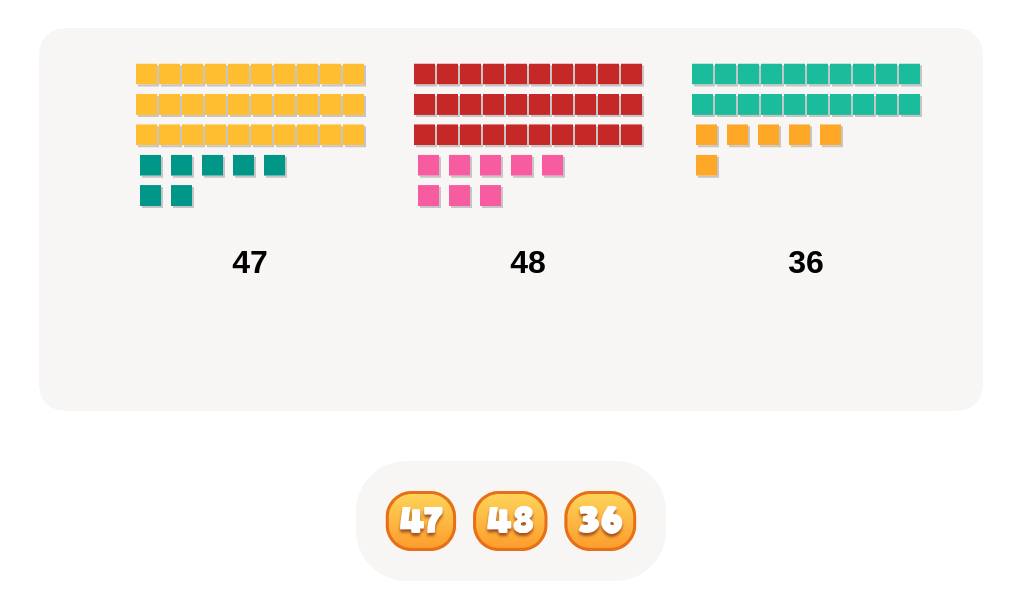
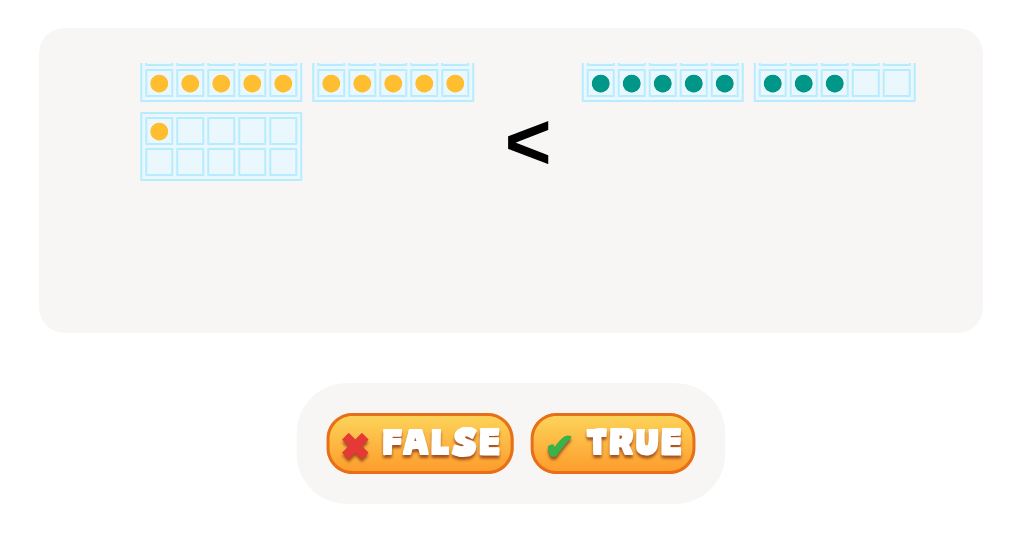
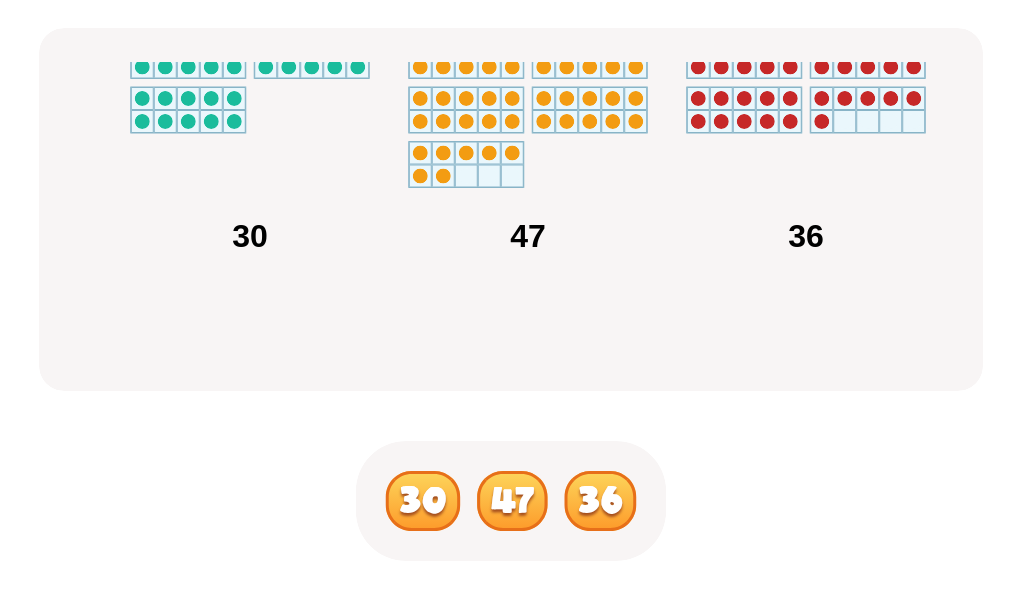








Parents and teachers should care about fostering the ability of young children aged 5-7 to compare numbers because it lays a foundational skill for future mathematical understanding. At this crucial developmental stage, children are forming core cognitive skills related to numeracy. Comparing numbers helps children understand the concepts of "greater than," "less than," and "equal to," which are not only essential for arithmetic but also for understanding data, order, and value distinctions in everyday contexts.
Engaging in activities that involve comparing numbers can strengthen children's number sense, which is their intuitive understanding of numbers and their relationships. This helps build confidence and reduces math anxiety early on. It also facilitates reasoning and problem-solving skills — children learn to make decisions, justify their thinking, and understand patterns.
Moreover, normalizing number comparisons in early learning environments helps close gaps in mathematical achievement by ensuring that all children receive foundational numeracy skills before encountering more complex mathematical concepts. Such early interventions are particularly beneficial as part of a proactive approach to identifying and supporting children with learning difficulties.
Ultimately, caring about and nurturing the ability to compare numbers in early education settings creates a strong, positive attitude toward mathematics and builds a foundation for academic success in later years.