Normal Reading Non-Fiction Worksheets for Ages 5-7 - Page 2
48 filtered results
-
From - To
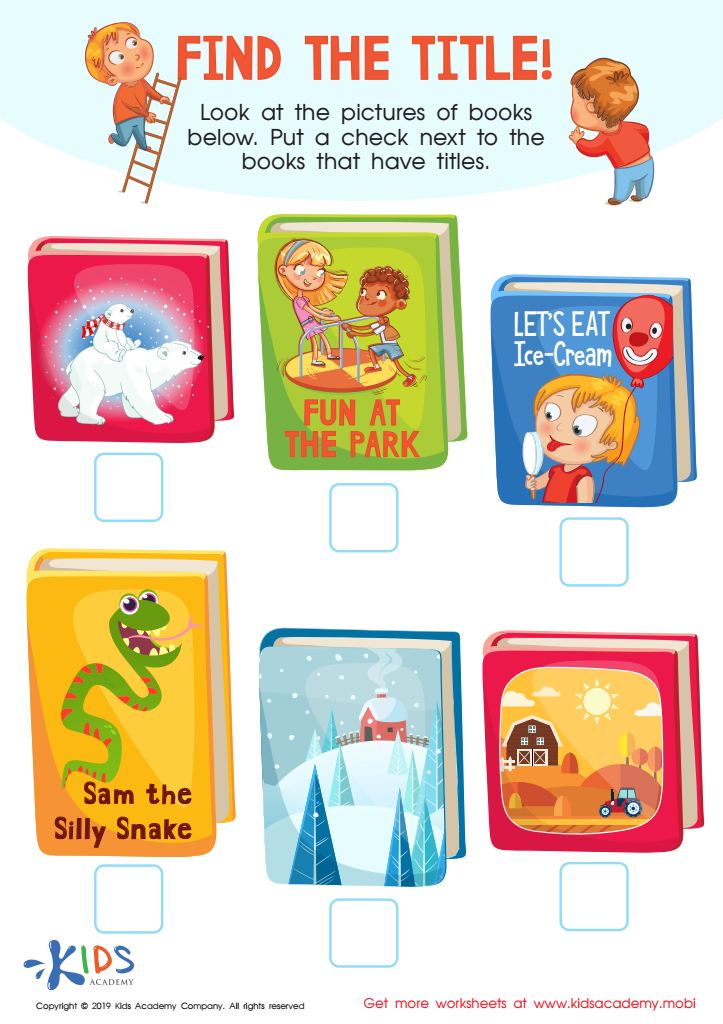
Find the Title Worksheet
 Assign to My Students
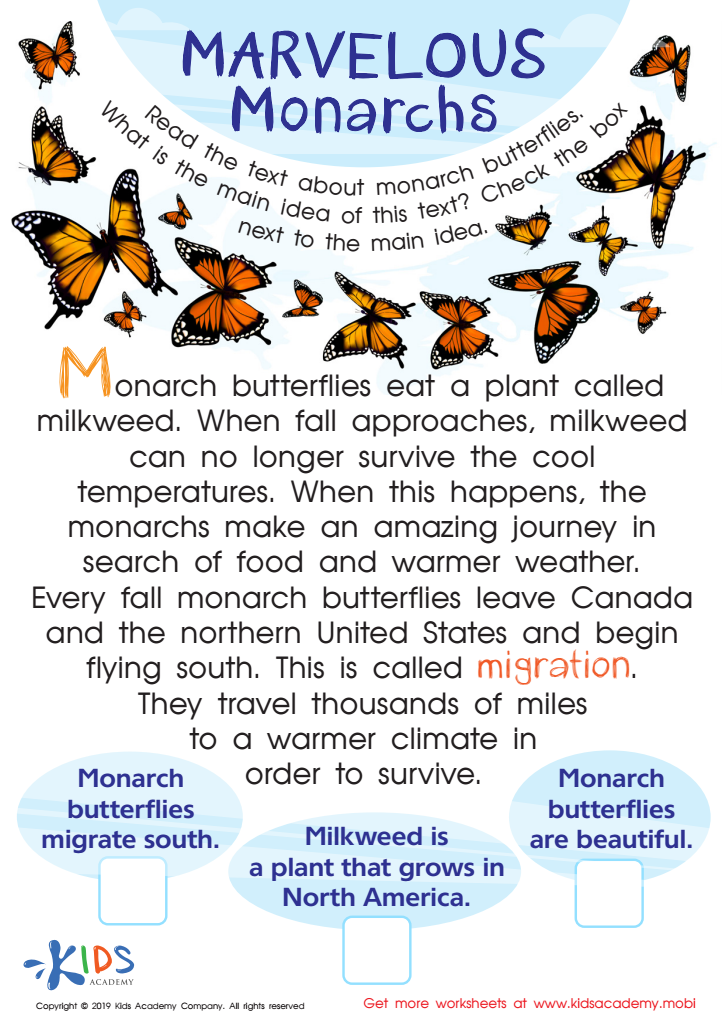
Marvelous Monarchs Worksheet
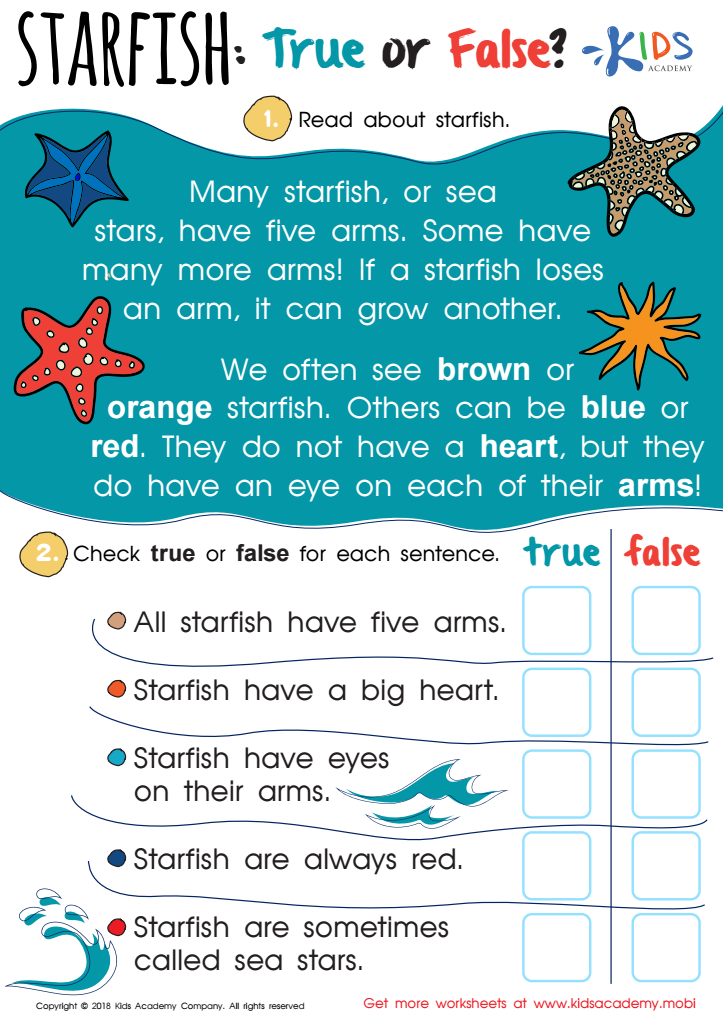
Starfish: True or False Worksheet
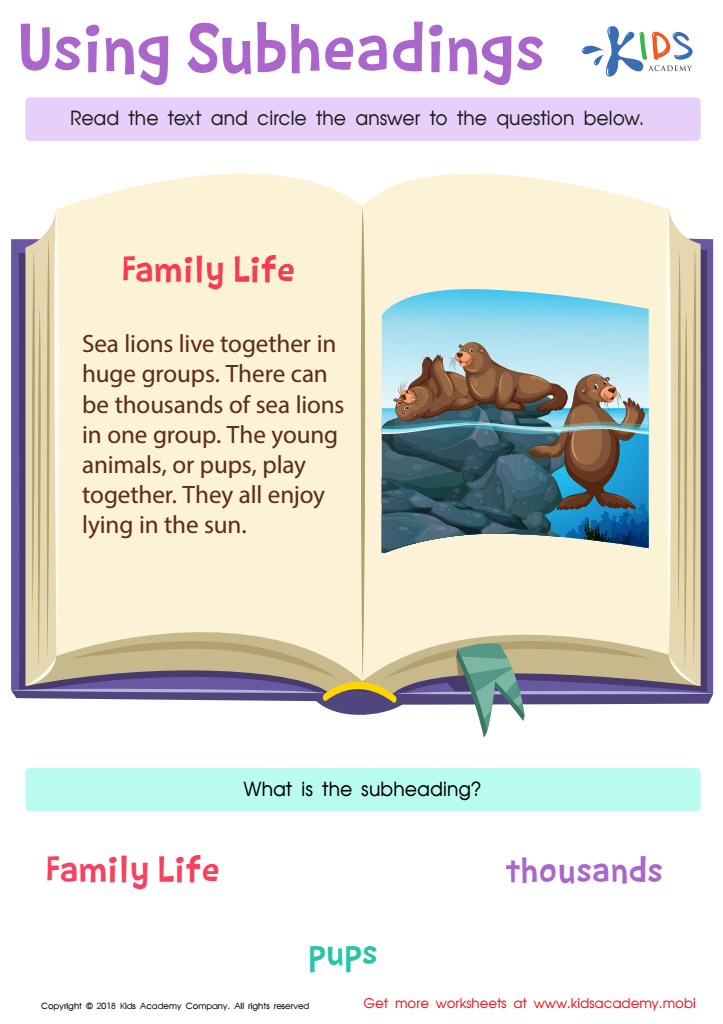
Using Subheadings Worksheet
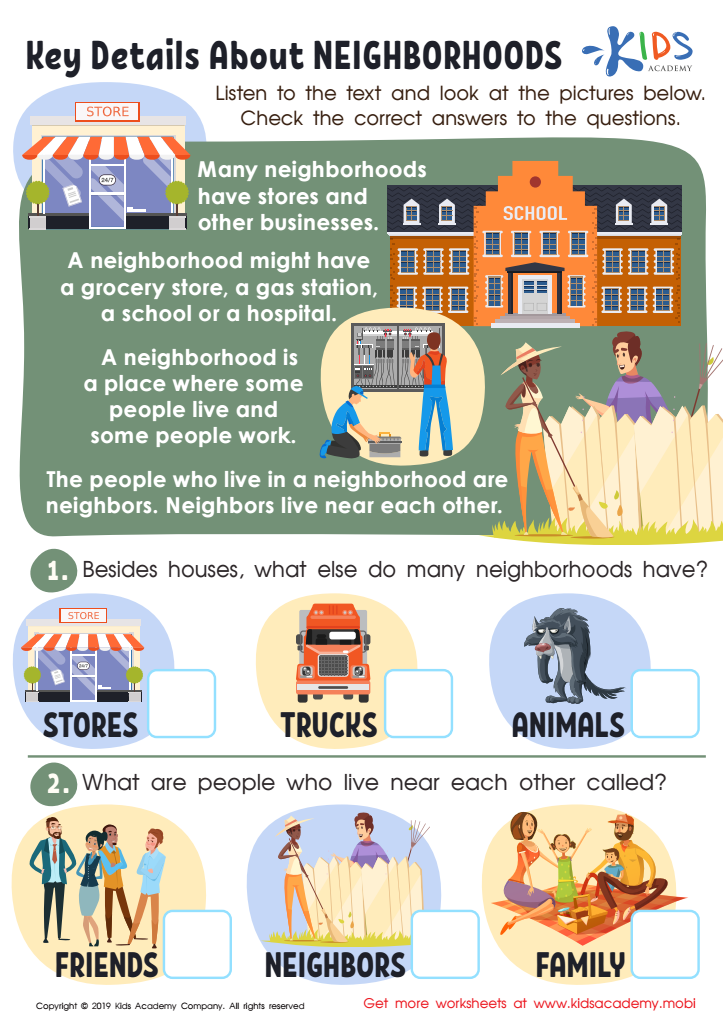
Key Details Neighborhoods Worksheet
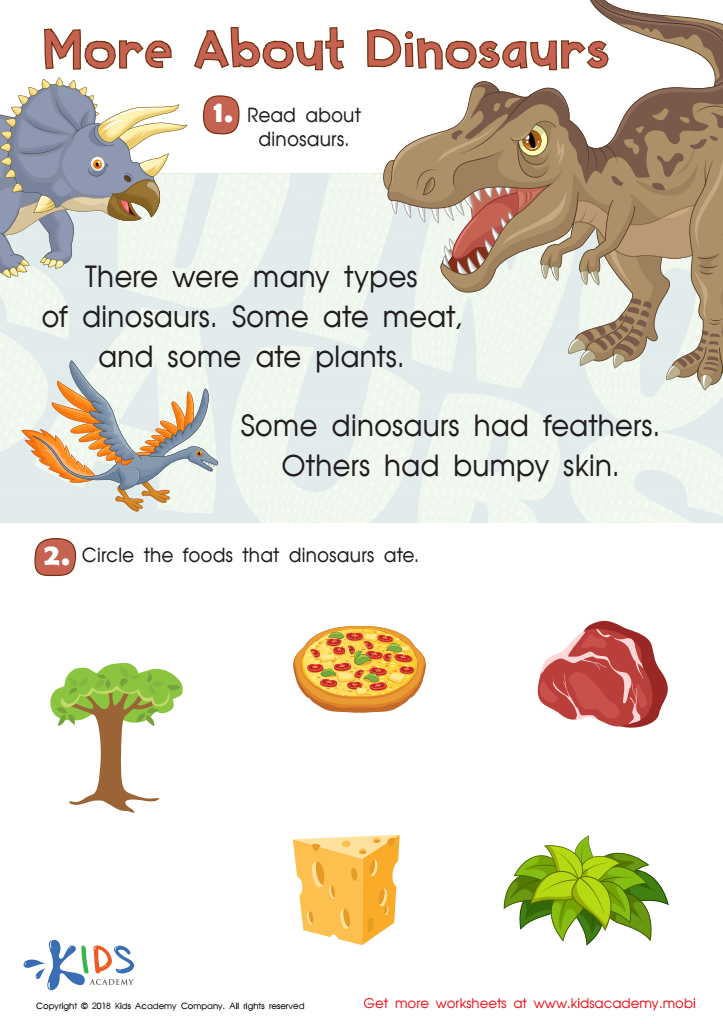
More About Dinosaurs Worksheet
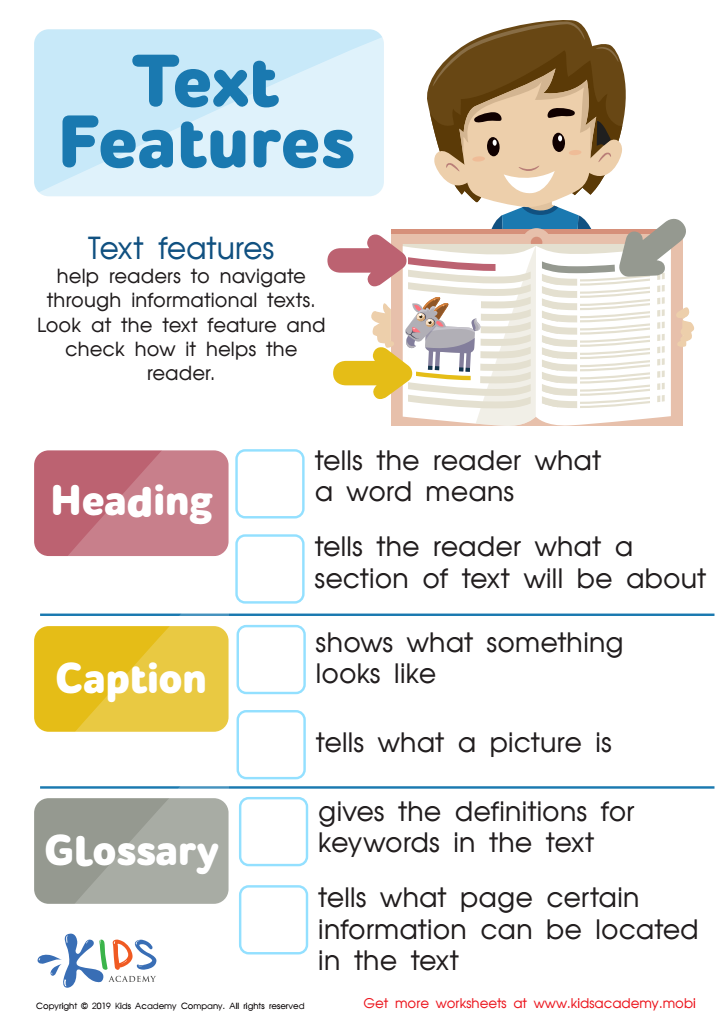
Text Features Worksheet
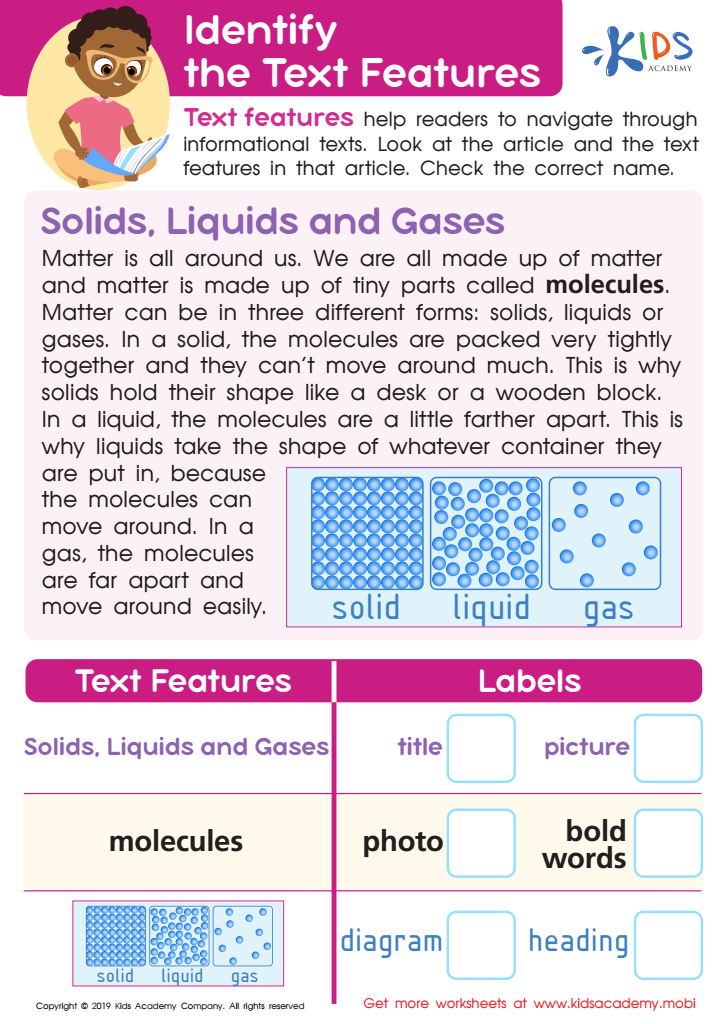
Identify the Text Features Worksheet
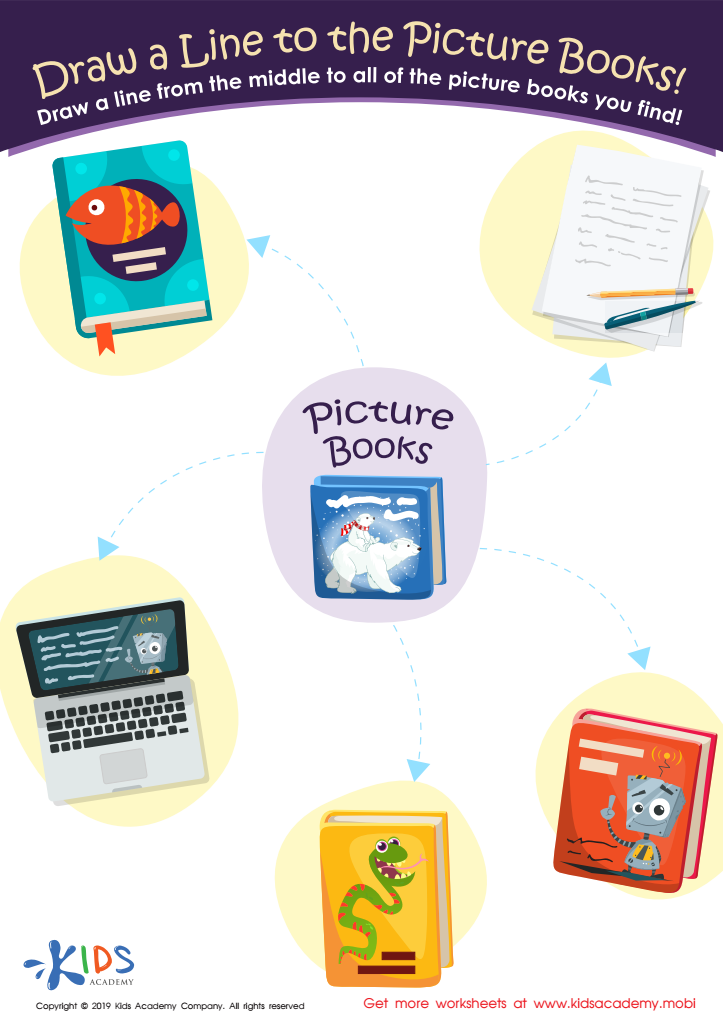
Draw a Line to the Picture Books Worksheet
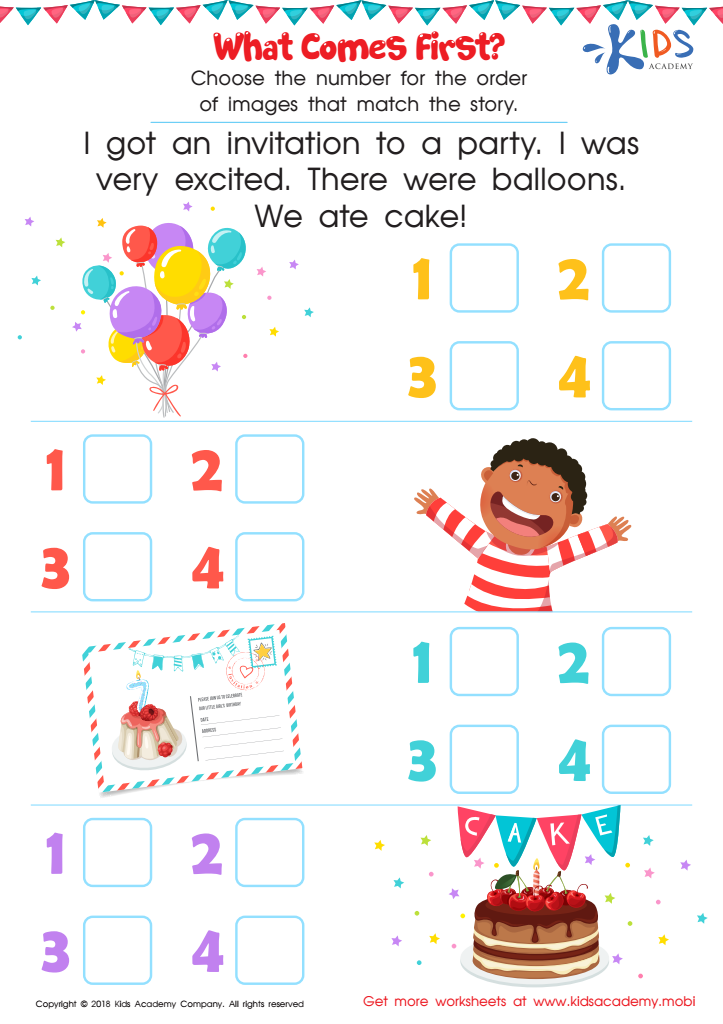
What Comes First Worksheet
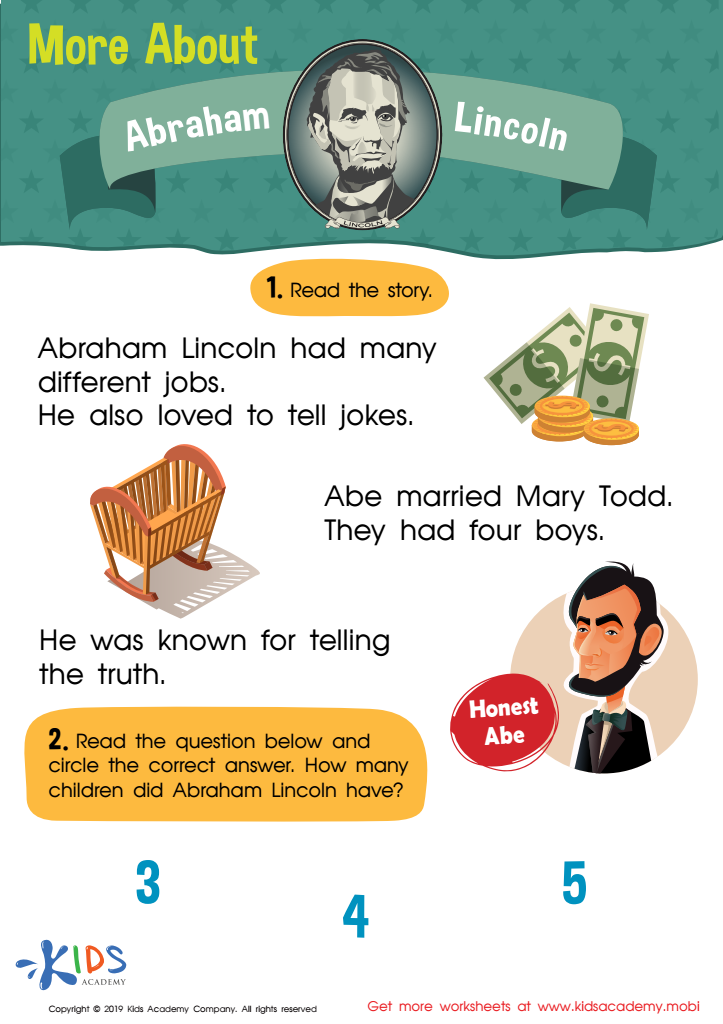
More About Abraham Lincoln Worksheet
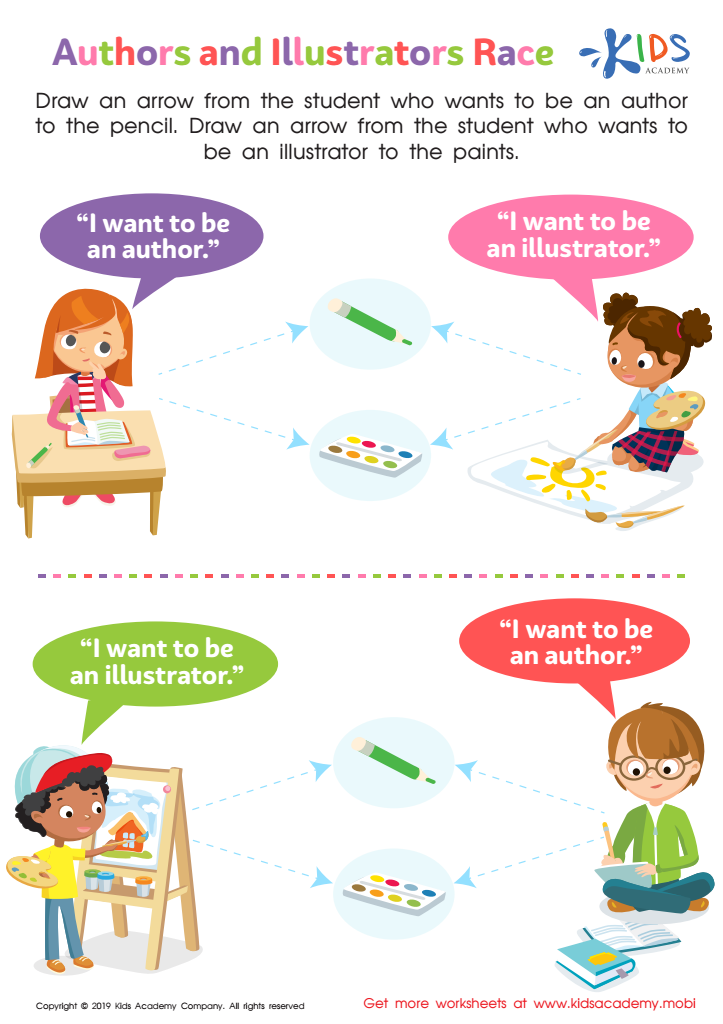
Authors and Illustrators Race Worksheet
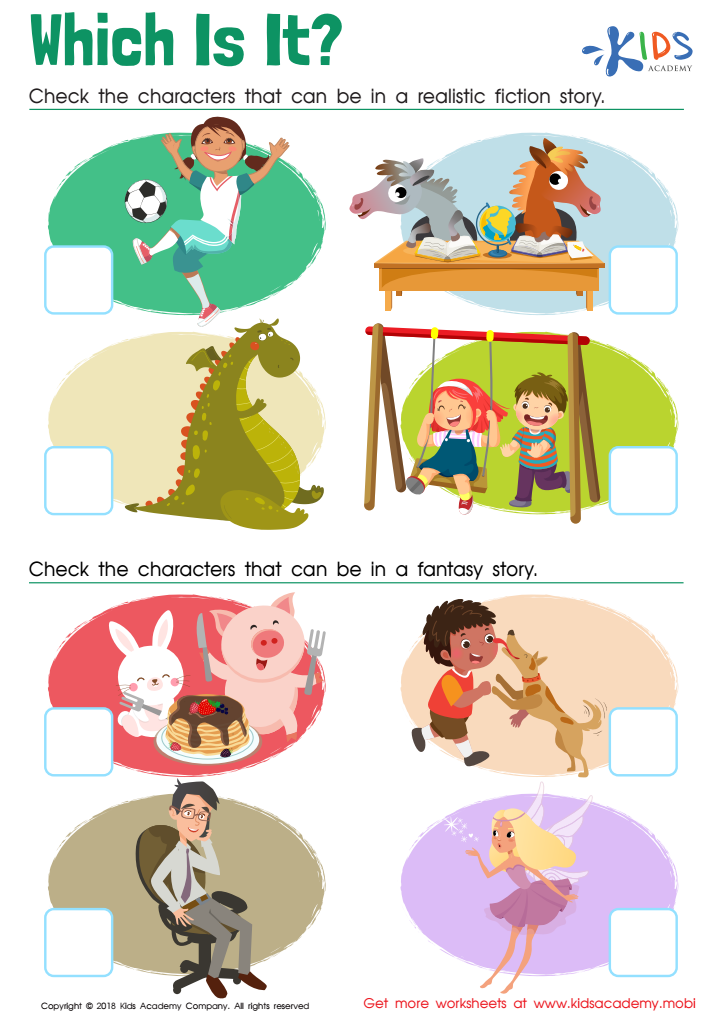
Which Is It? Worksheet
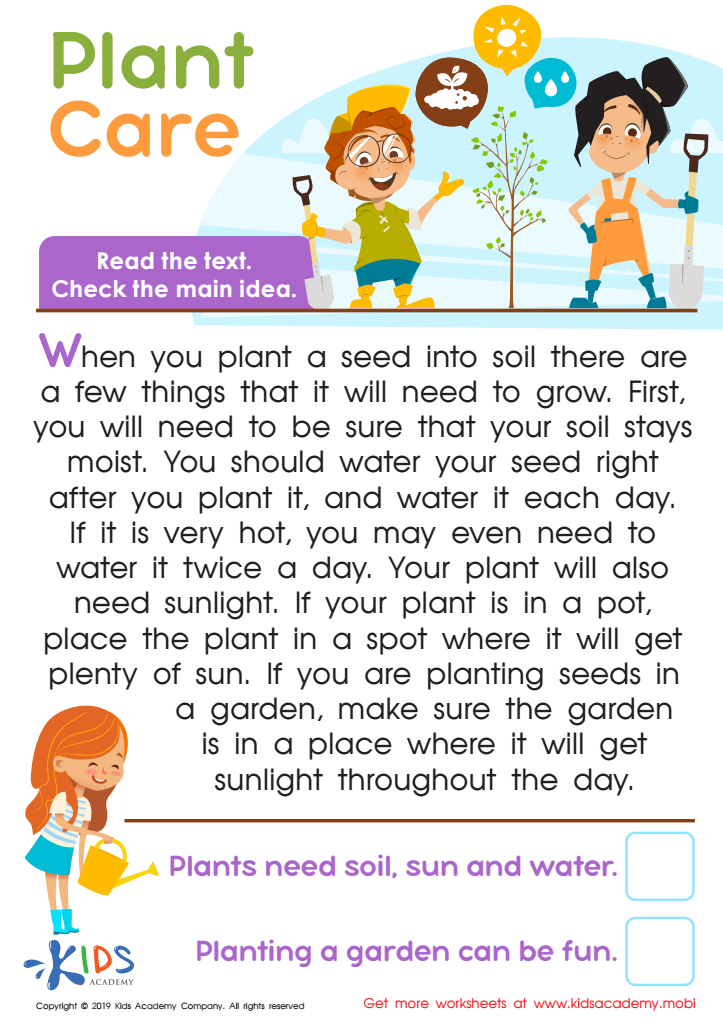
Plant Care Worksheet
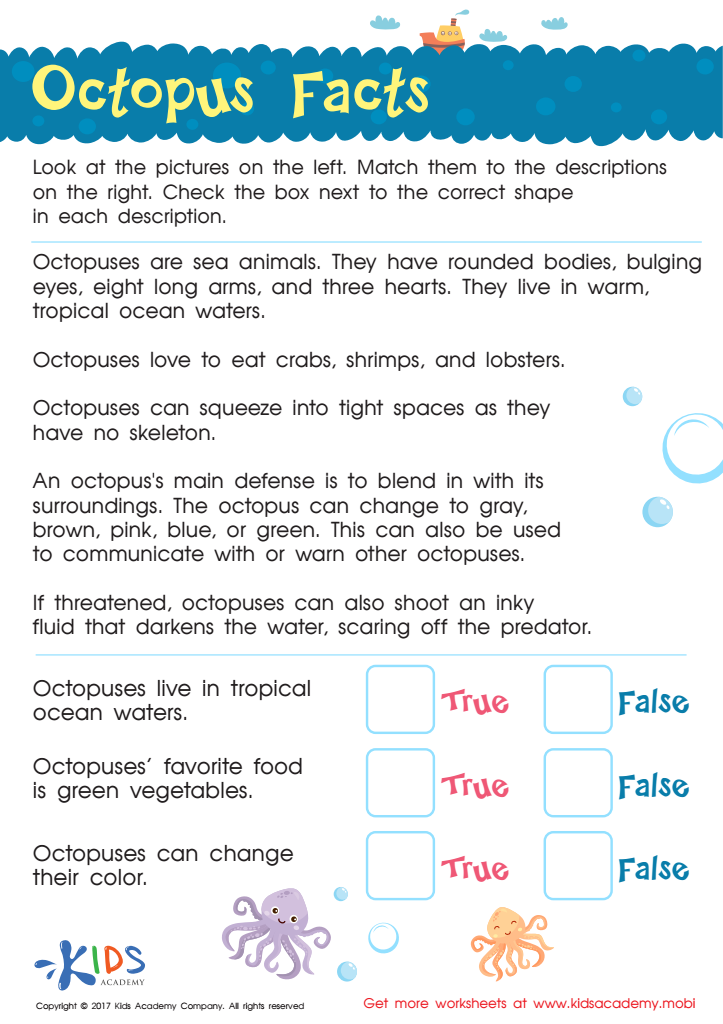
Octopus Facts Worksheet For Kids
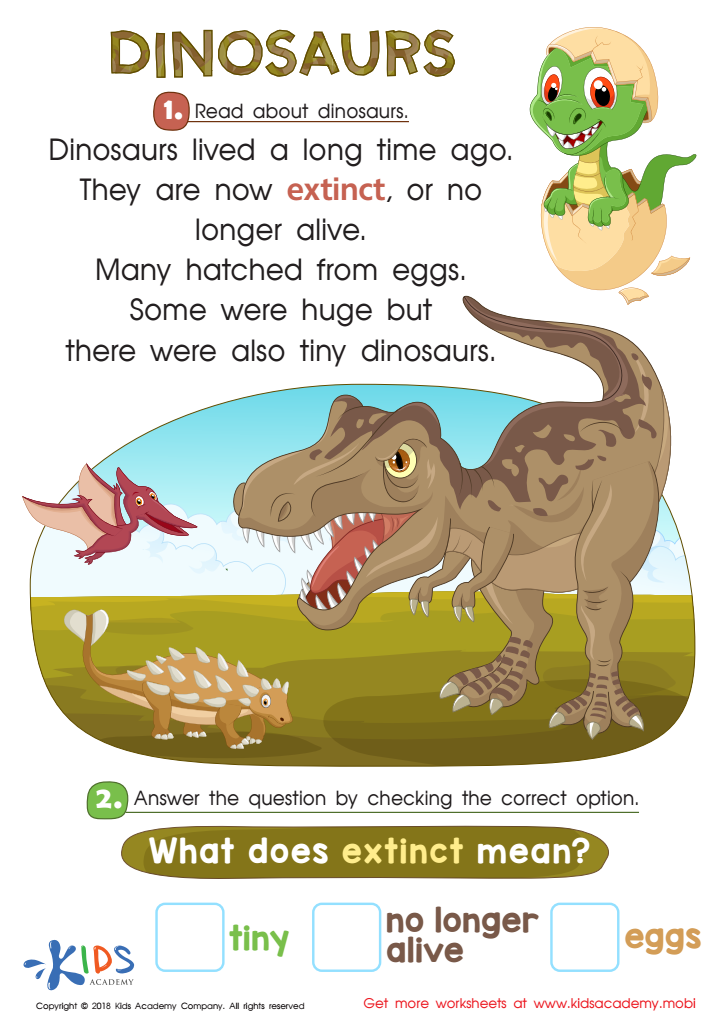
Dinosaurs Worksheet

Towns Worksheet
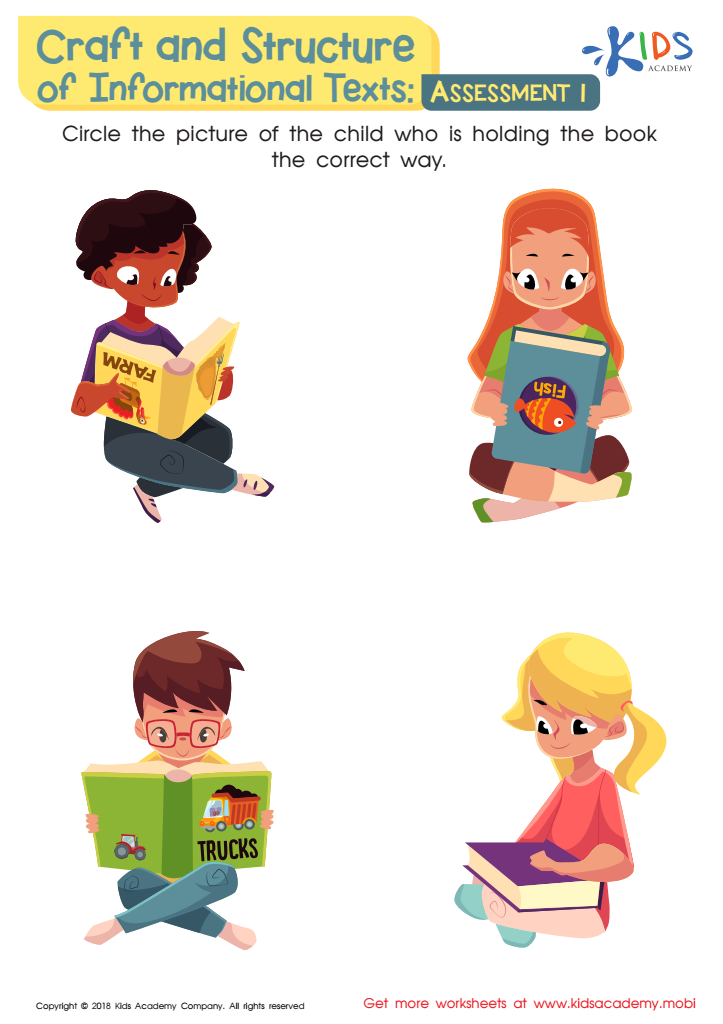
Craft and Structure of Informational Texts: Assessment 1 Worksheet
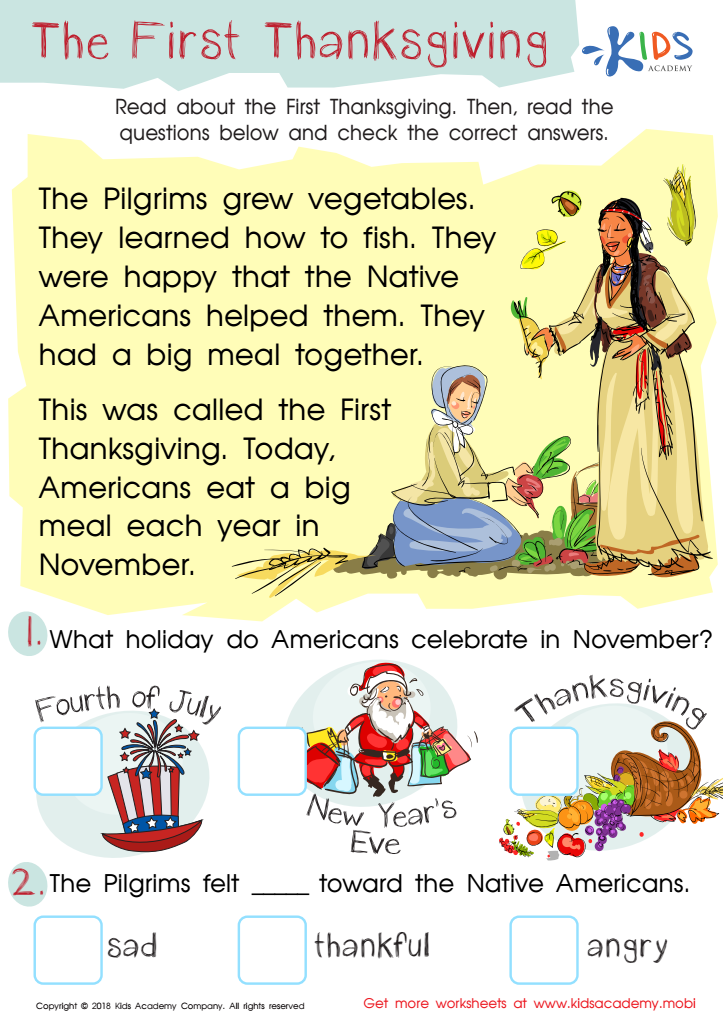
Assessment: First Thanksgiving Worksheet
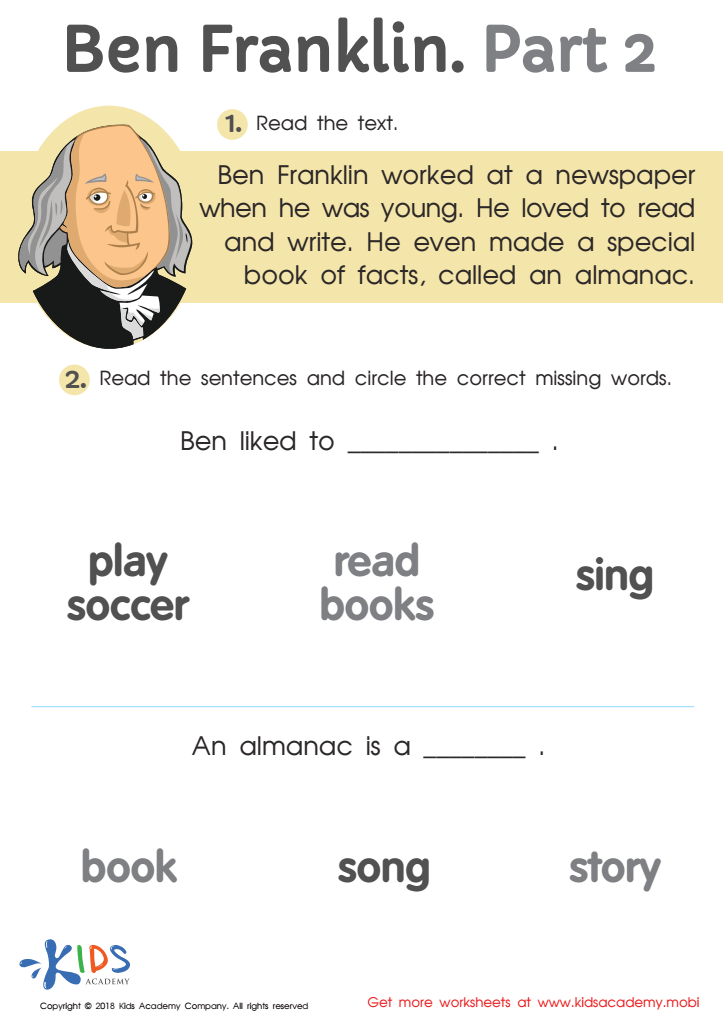
Ben Franklin Part 2 Worksheet
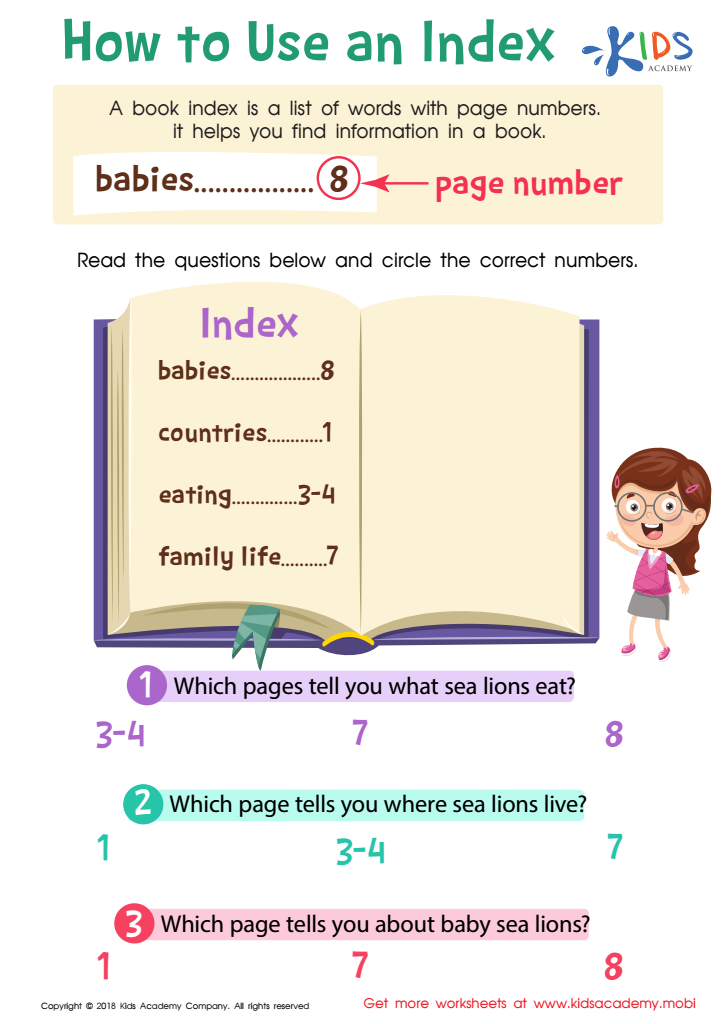
How Use Index Worksheet
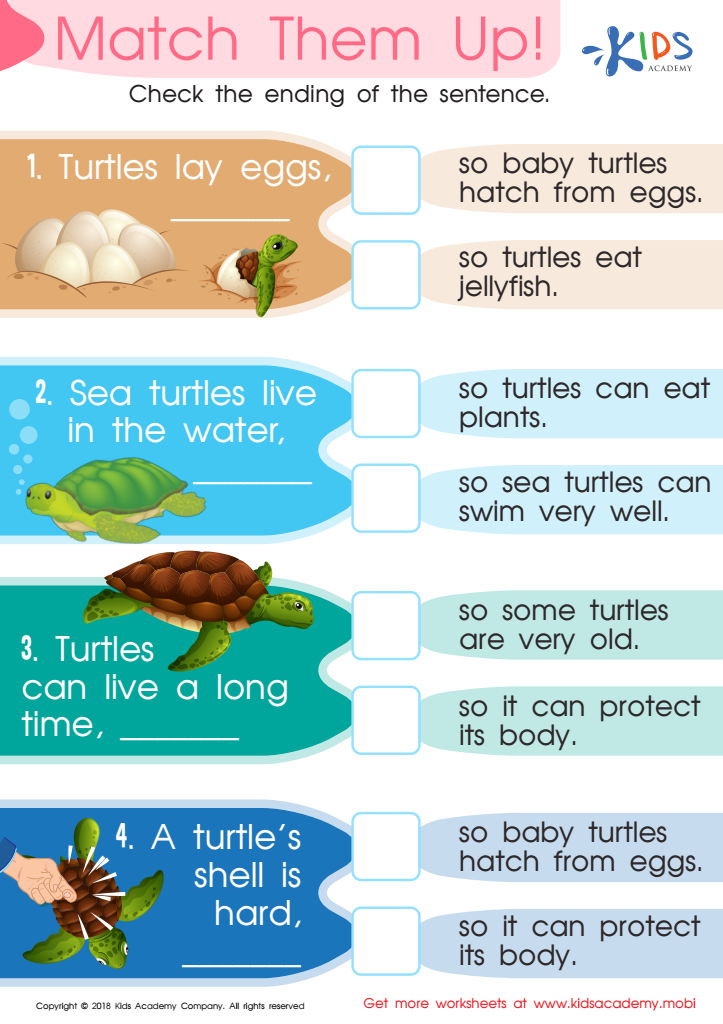
Match Them Up Worksheet
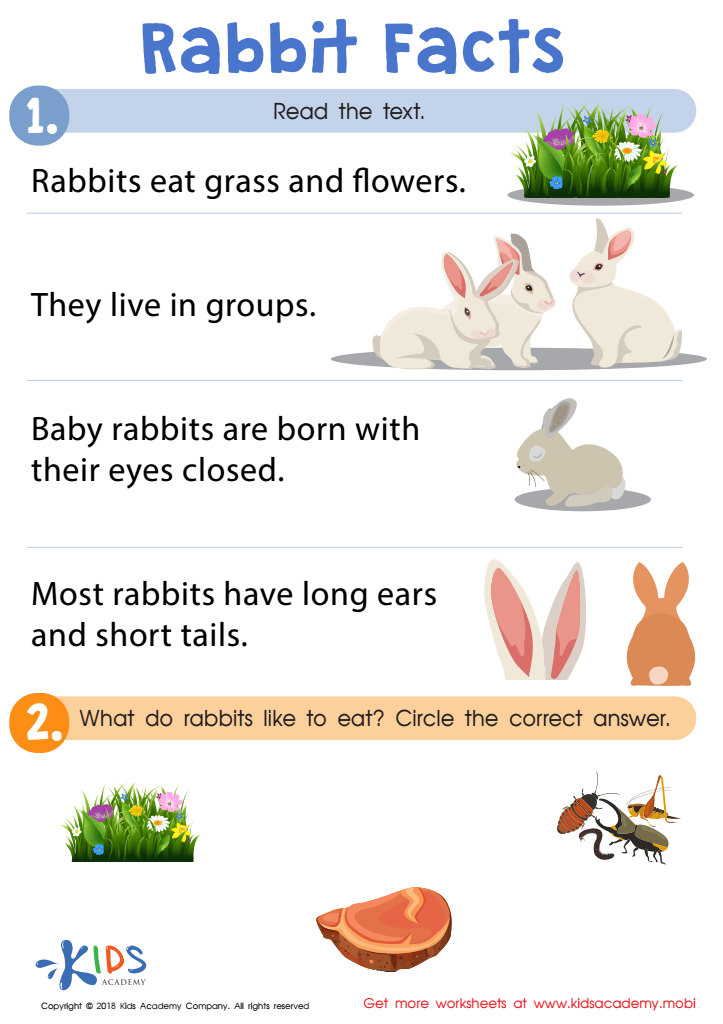
Rabbit Facts Worksheet
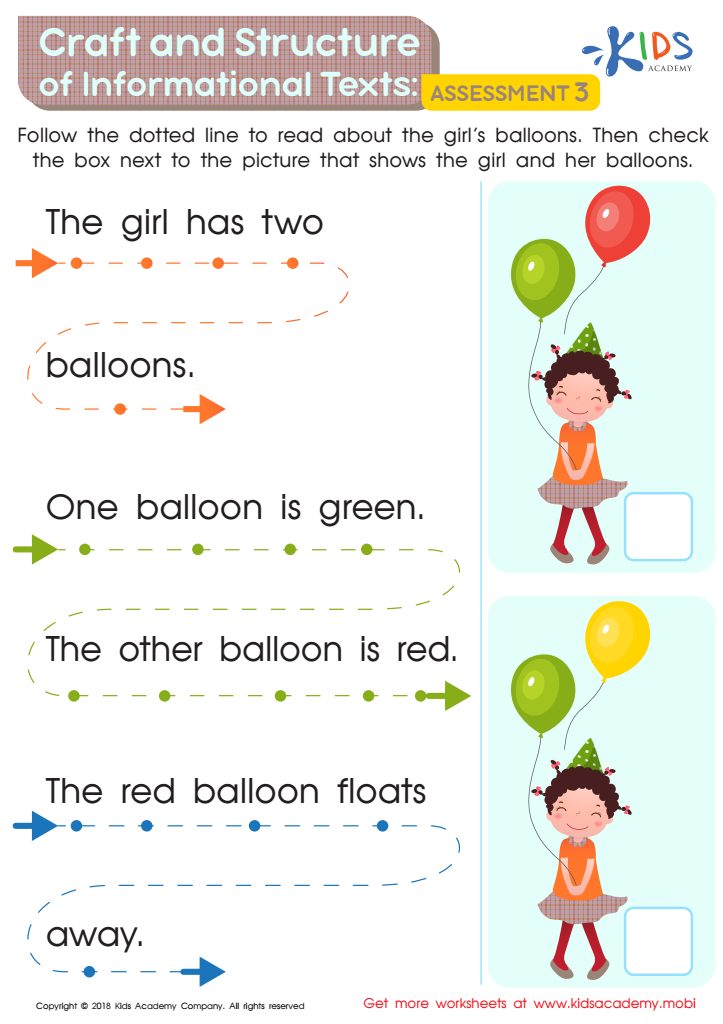
Craft and Structure of Informational Texts: Assessment 3 Worksheet







Parents and teachers should prioritize normal reading non-fiction for children ages 5-7 because it plays a crucial role in early childhood education. At this developmental stage, children's curiosity about the world around them is at its peak. Non-fiction books expose them to real-life concepts, facts, and ideas, helping to foster a love for learning. Reading about various subjects, such as animals, science, history, and culture, encourages critical thinking and enhances their cognitive development.
Furthermore, non-fiction provides opportunities to build vocabulary and develop reading comprehension skills. Children learn to identify key details, understand the main idea, and make connections between various pieces of information. This genre promotes literacy skills essential for future academic success.
In addition, non-fiction can inspire discussions between children and adults, allowing parents and teachers to engage with children in meaningful conversations. It also reinforces the importance of facts, encouraging healthy skepticism and critical inquiry.
Ultimately, providing access to quality non-fiction reading material helps nurture informed and curious learners who can better navigate and contribute to the world around them, while laying the foundation for lifelong learning habits. Parents and teachers should recognize non-fiction literature as an invaluable resource for fostering children’s development.