Normal Physical Science Worksheets for Ages 5-7 - Page 3
56 filtered results
-
From - To
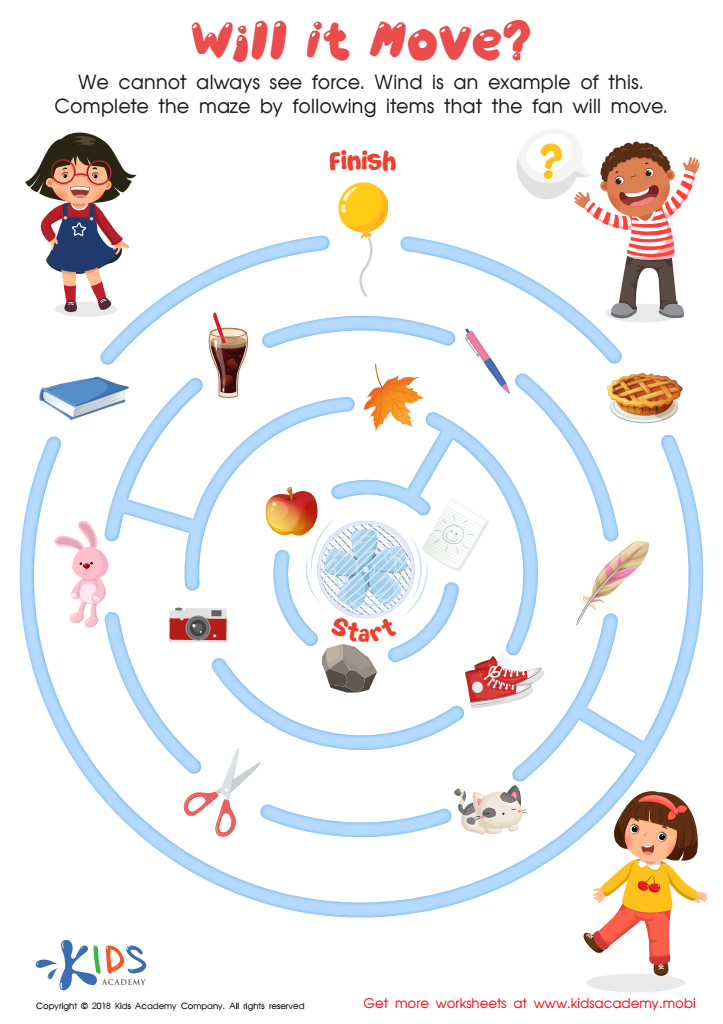
Will it Move? Worksheet
 Assign to My Students
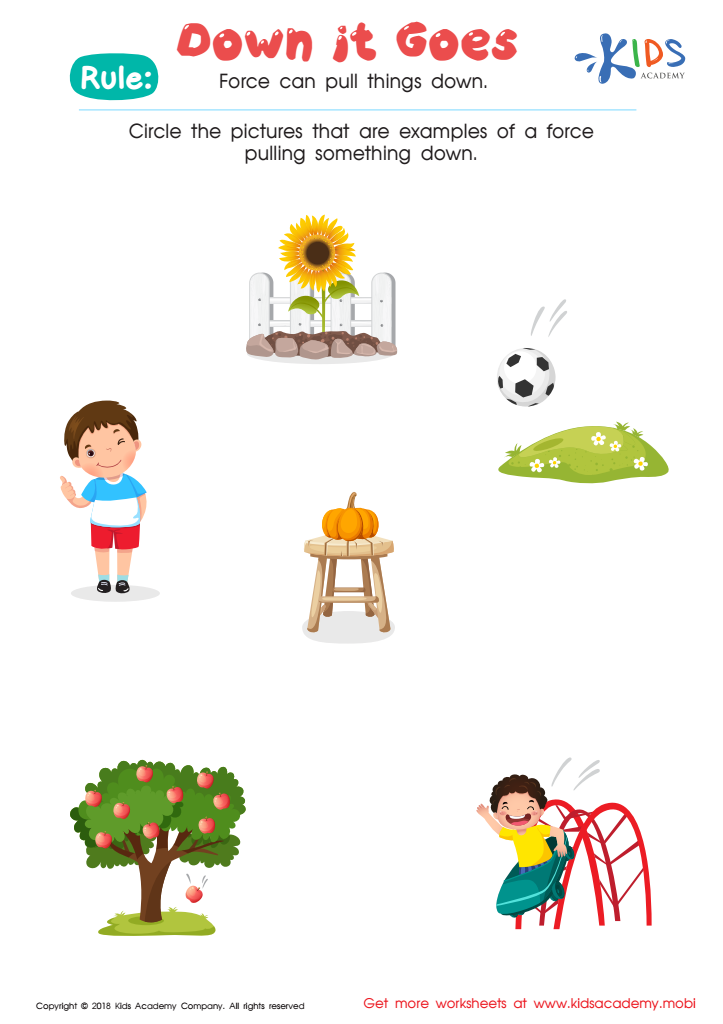
Down it Goes Worksheet
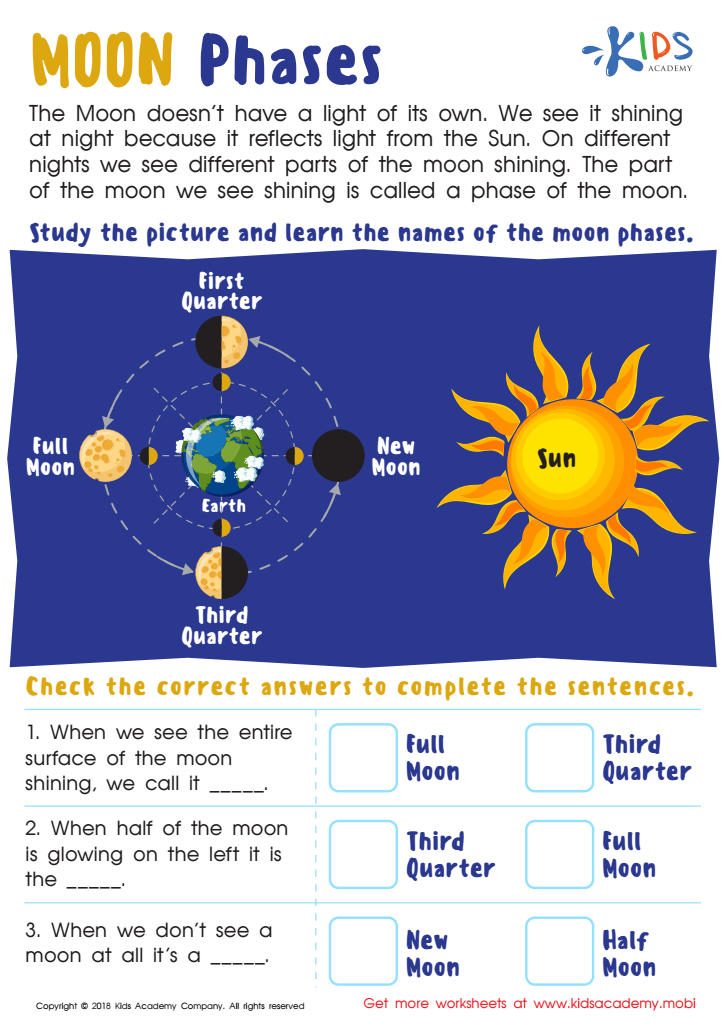
Moon Phases Worksheet
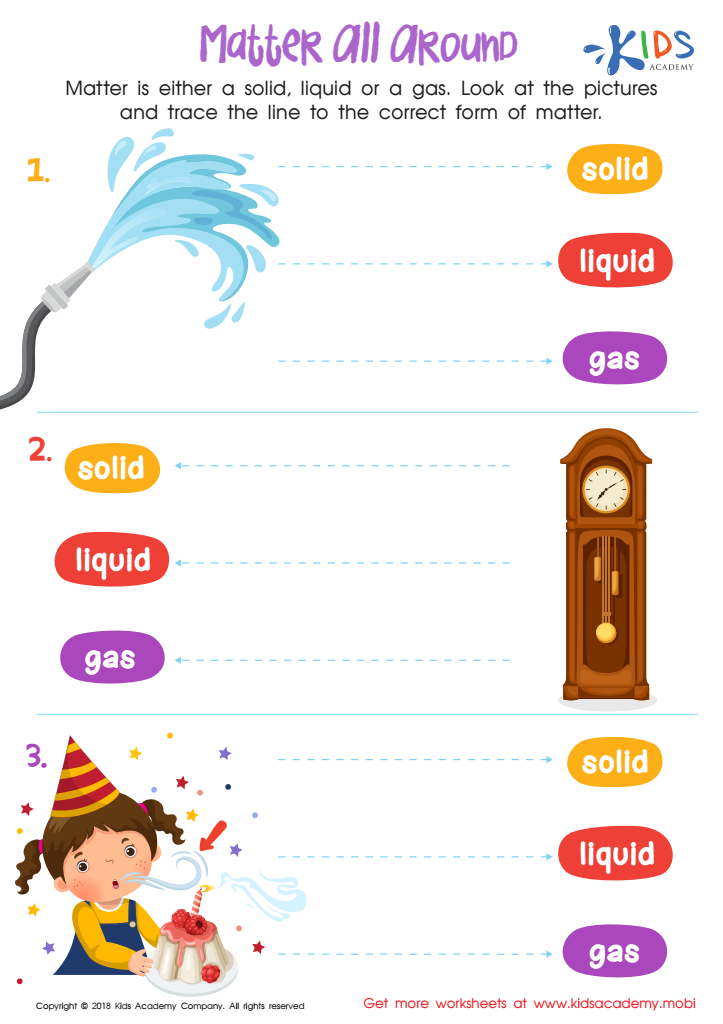
Matter all Around Worksheet
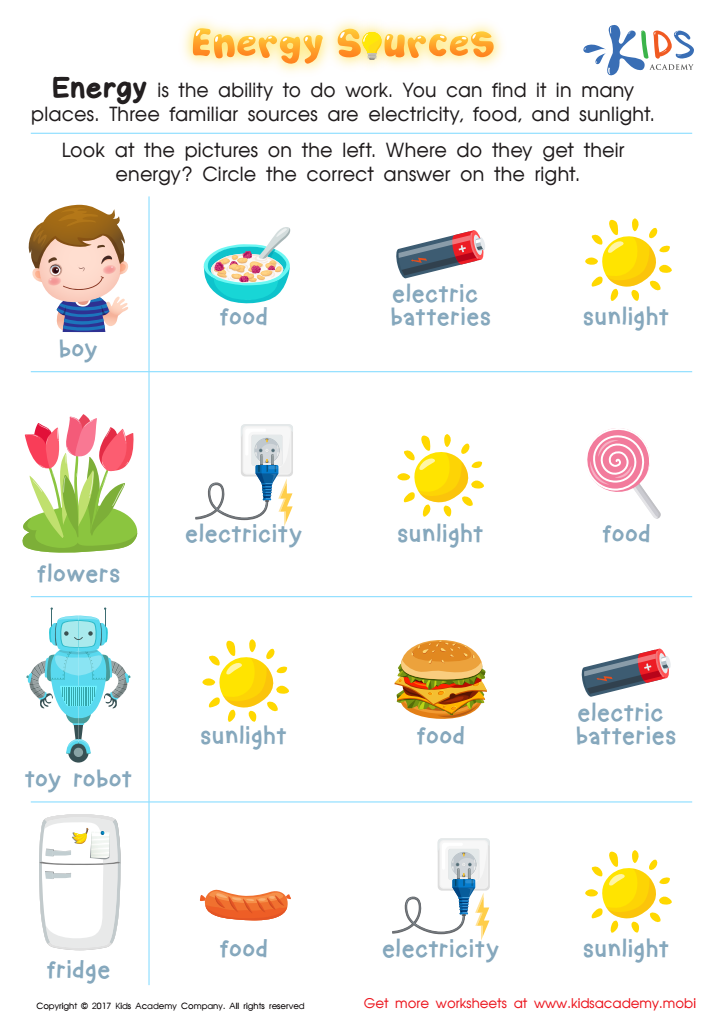
Energy Sources Printable
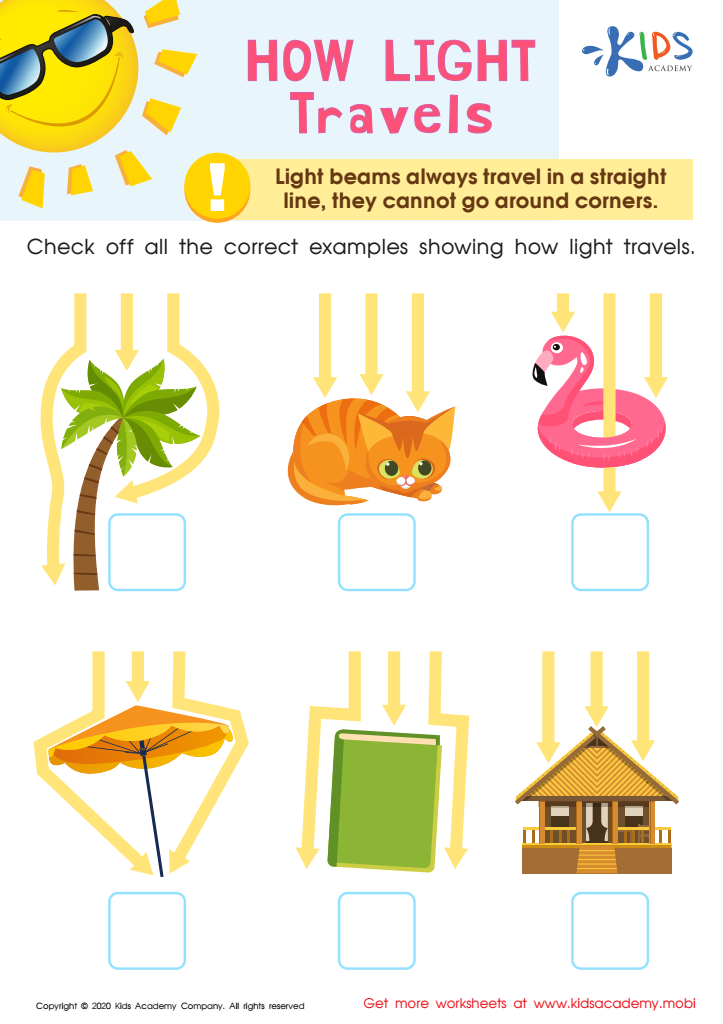
How Light Travels Worksheet
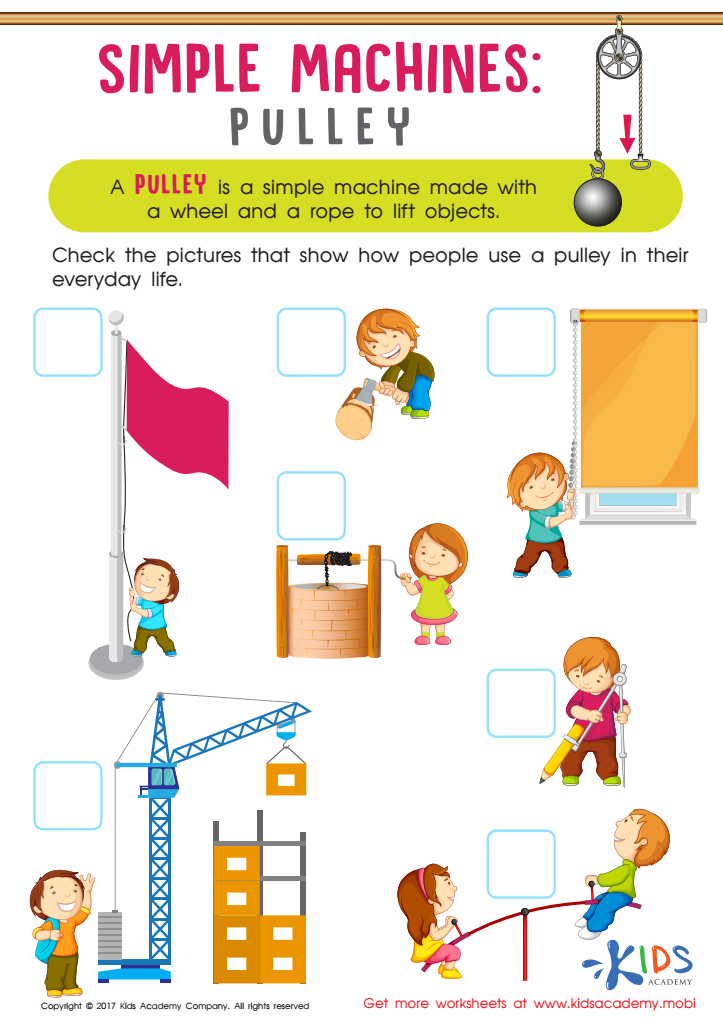
Simple Machines Pulley Worksheet
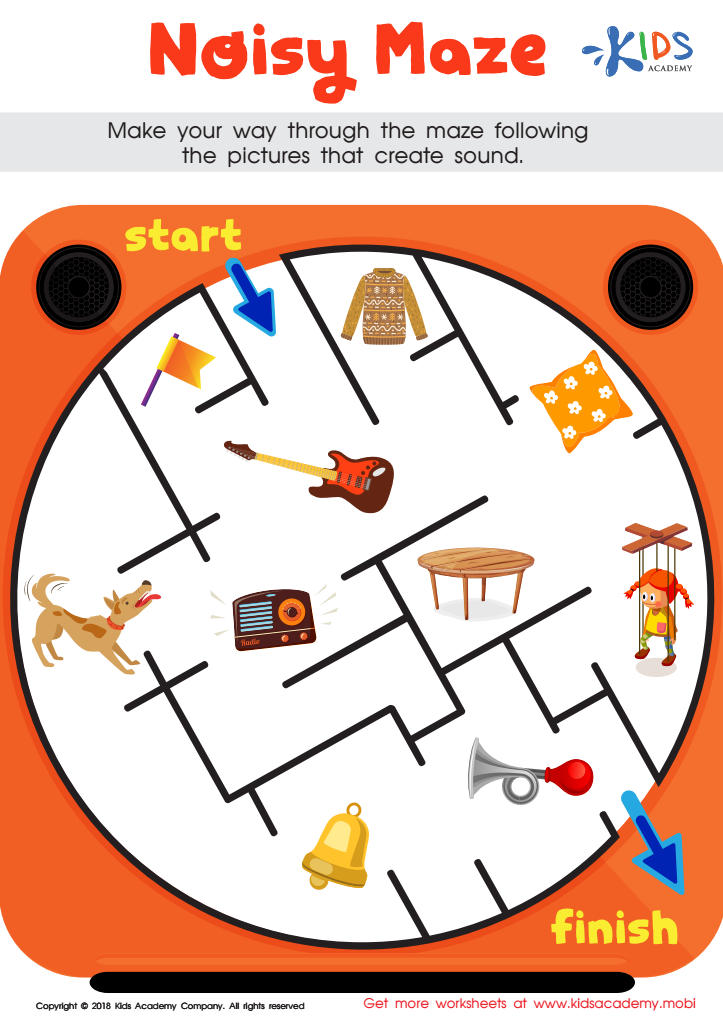
Noisy Maze Worksheet








Parents and teachers should prioritize Normal Physical Science for Ages 5-7 because it lays a crucial foundation for young learners' understanding of the world around them. At this age, children are naturally curious, constantly asking “why” and “how.” Engaging with physical science concepts helps nurture that curiosity, encouraging them to ask questions and explore their environment.
Introducing basic physics and chemistry concepts—such as gravity, motion, materials, and simple chemical reactions—through hands-on activities creates memorable learning experiences. These foundational lessons promote critical thinking, problem-solving skills, and scientific literacy. When children grasp these basic principles early on, they are better equipped to understand more complex scientific ideas later in their education.
Moreover, this early exposure fosters a love for science, potentially inspiring future study and careers in STEM (Science, Technology, Engineering, and Mathematics). In addition, incorporating science into everyday life can spark parental involvement and enhance teacher-student interactions, making learning a collaborative effort. Overall, supporting Normal Physical Science education ensures that children develop essential skills, encouraging lifelong curiosity and appreciation for the wonders of the physical world.







