Normal Consonants Worksheets for Ages 5-8 - Page 2
26 filtered results
-
From - To
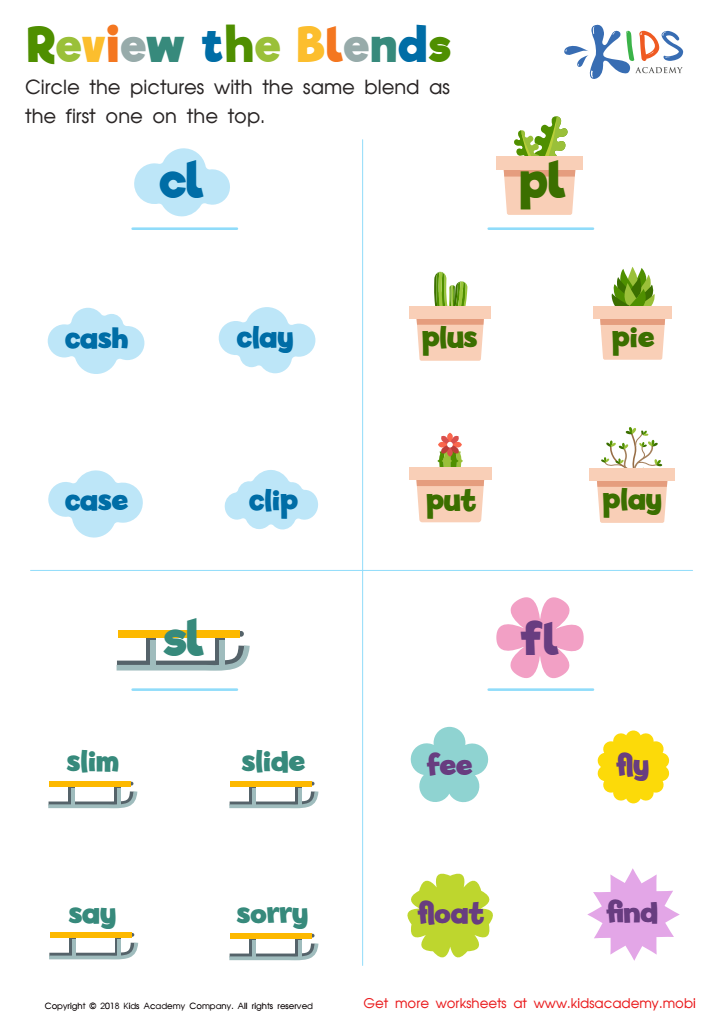
Review the Blends Worksheet
 Assign to My Students
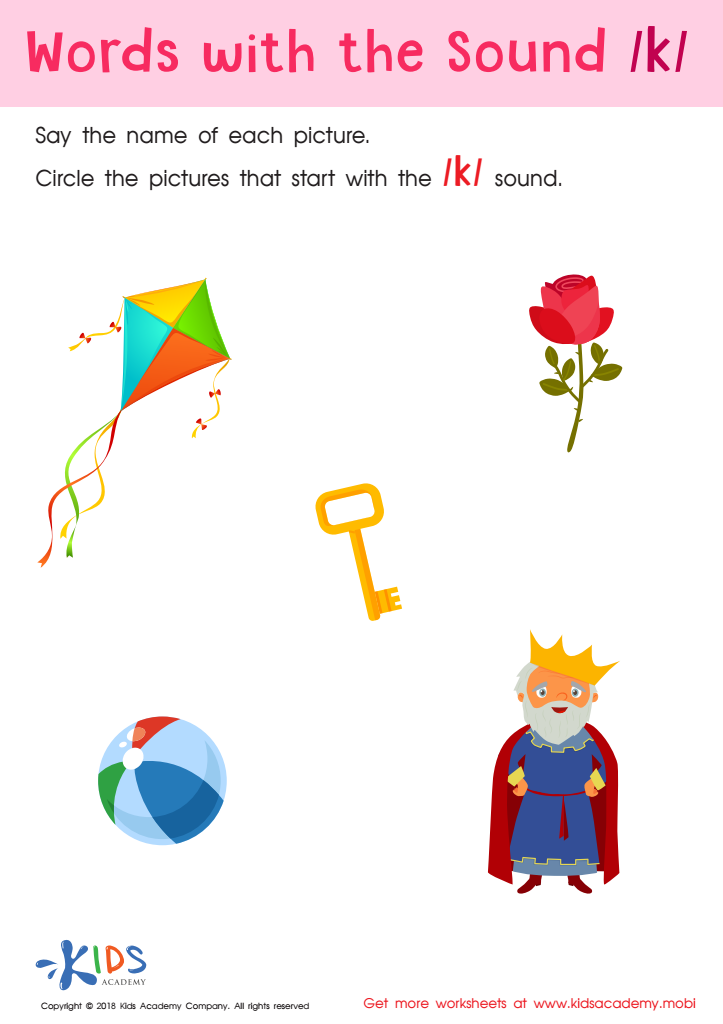
Words with sound k Reading Worksheet



Parents and teachers play a crucial role in a child's early literacy development, and understanding the role of normal consonant sounds is essential for children aged 5-8. This period is critical for language acquisition and phonemic awareness, which are foundational for reading and writing skills. Consonants are the building blocks of English words. Proper articulation and recognition of consonant sounds aid children in decoding words, enhancing their ability to read fluently and accurately.
When kids master normal consonant sounds, they can better understand word patterns and phonetics, which boosts their spelling and vocabulary skills. This forms a strong basis for academic success and can also foster a child’s confidence and love of learning. Early detection of any difficulties with consonant sounds enables timely interventions. This can prevent potential reading difficulties or speech issues before they impact academic achievement.
Furthermore, parental and teacher involvement, such as engaging in phonics games, reading aloud, or practicing consonant-based activities, creates a supportive and enriched learning environment. These activities help strengthen phonemic awareness, ensuring that children become proficient readers. Therefore, prioritizing normal consonant recognition and articulation skills sets a beneficial precedent for a child's long-term educational journey.