Normal Multiplication Worksheets for Ages 5-9 - Page 2
34 filtered results
-
From - To
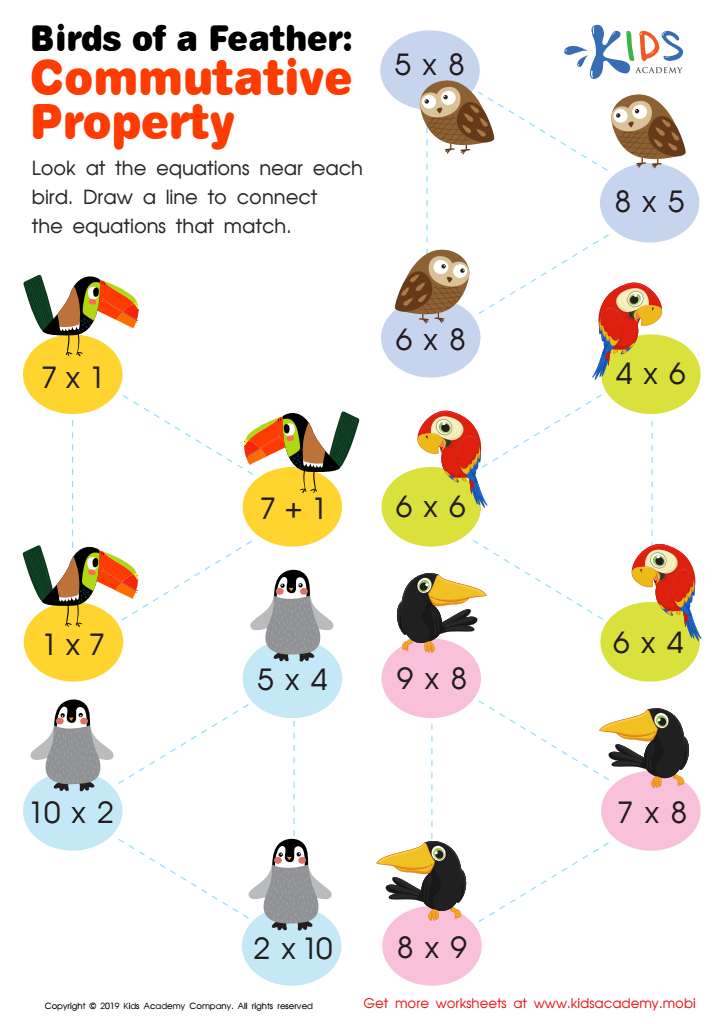
Birds of a Feather: Commutative Property Worksheet
 Assign to My Students
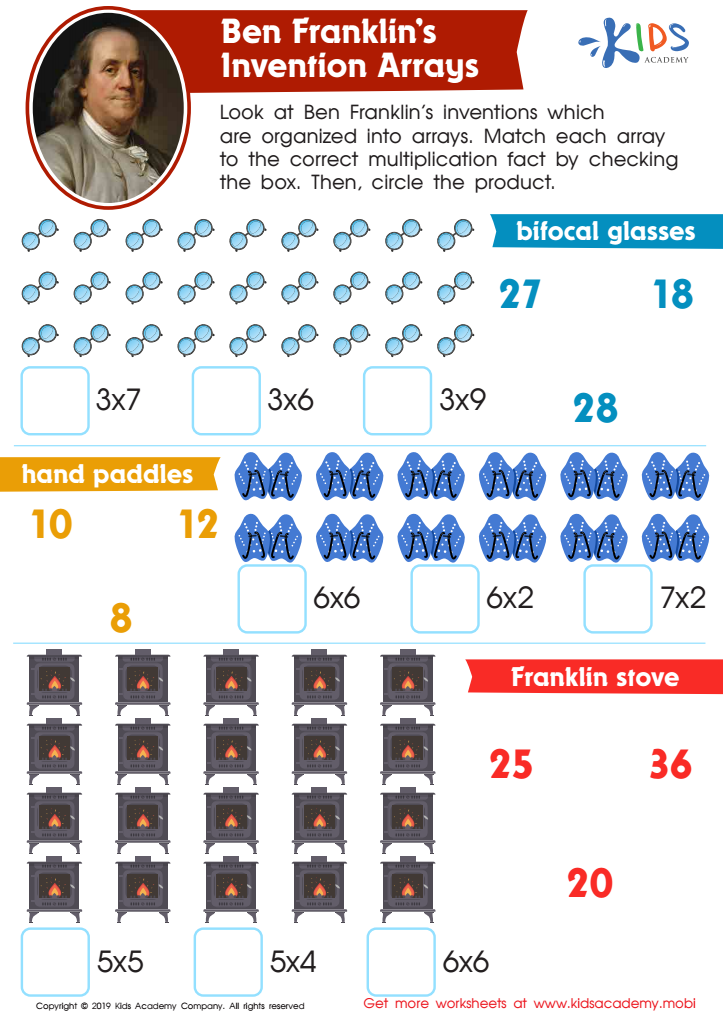
Ben Franklin’s Invention Arrays Worksheet
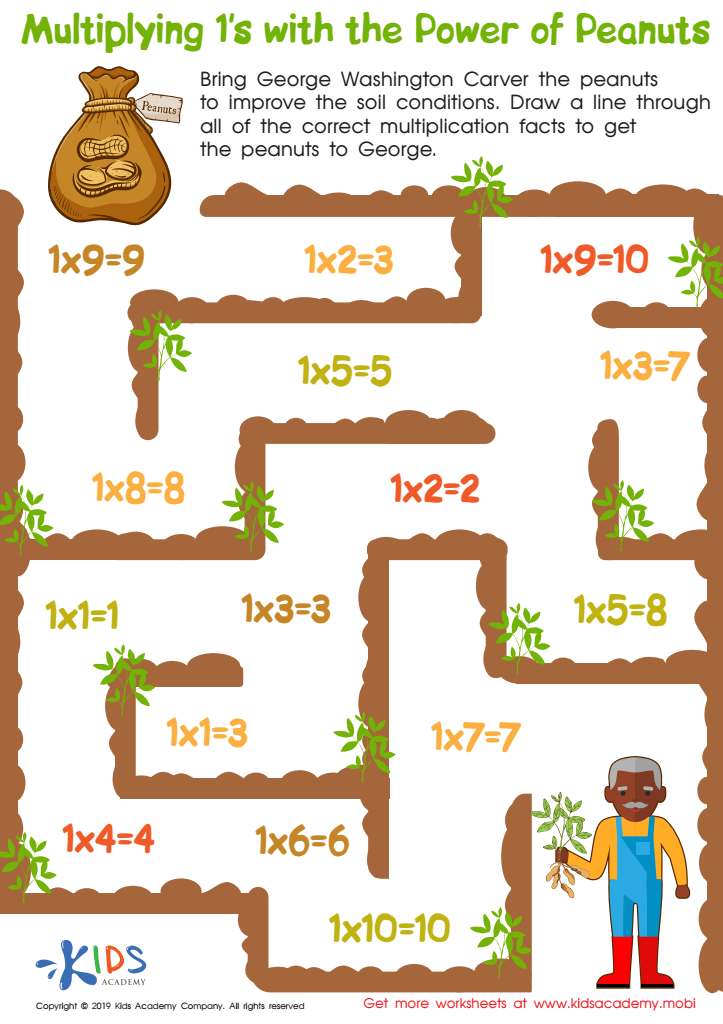
Multiplying 1’s With the Power of Peanuts Worksheet
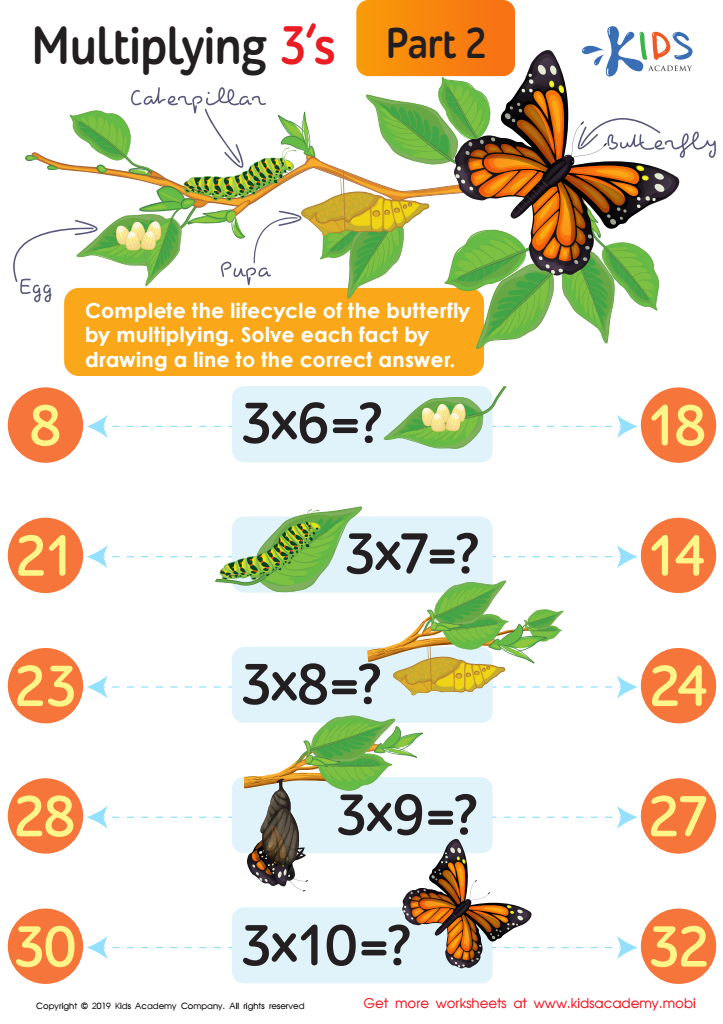
Multiplying 3s Part 2 Worksheet
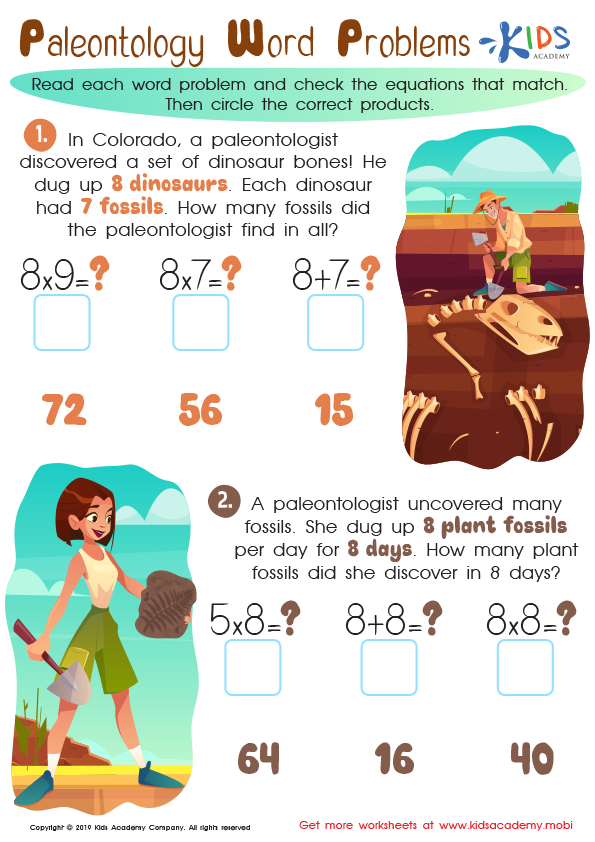
Archeology Word Problems Worksheet
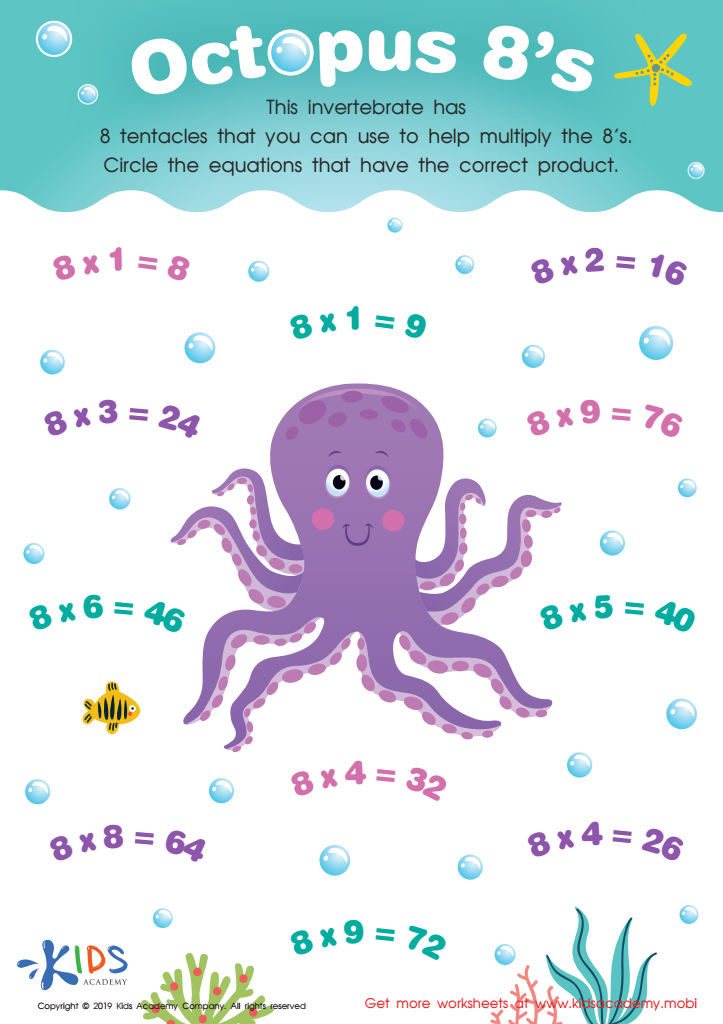
Octopus 8’s Worksheet
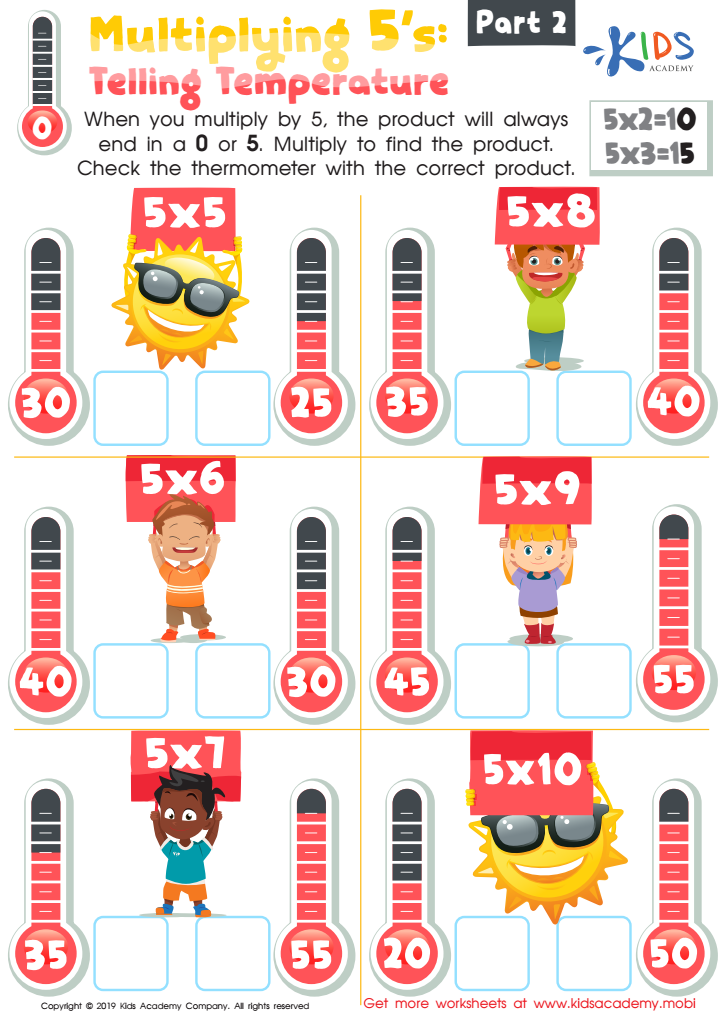
Multiplying 5’s: Telling Temperature Part 2 Worksheet
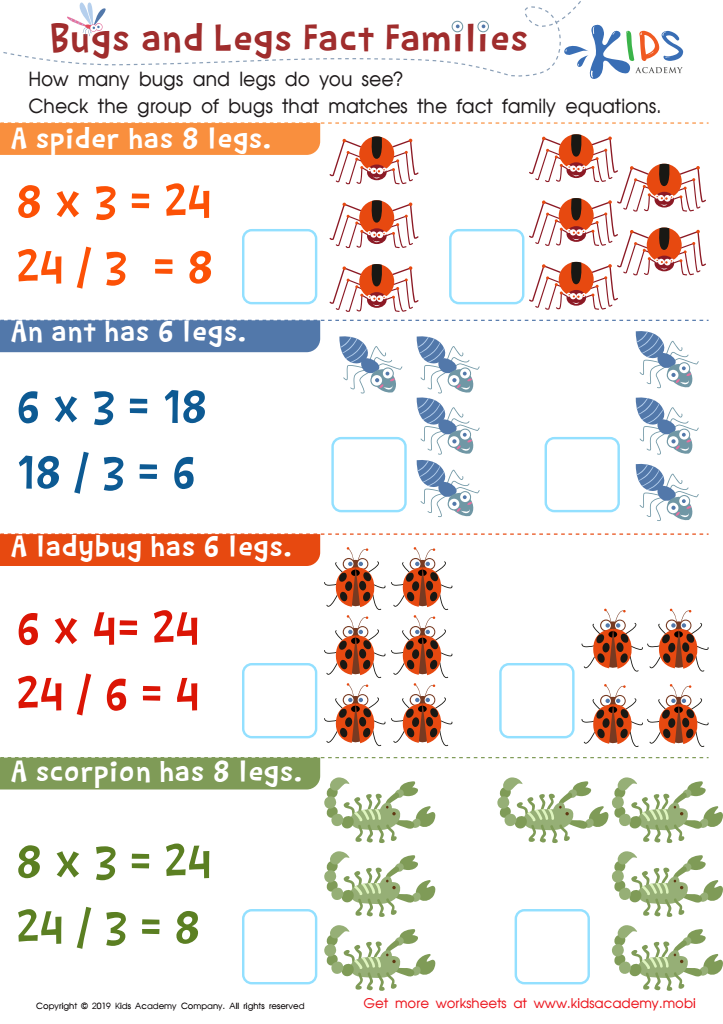
Bugs and Legs Fact Families Worksheet
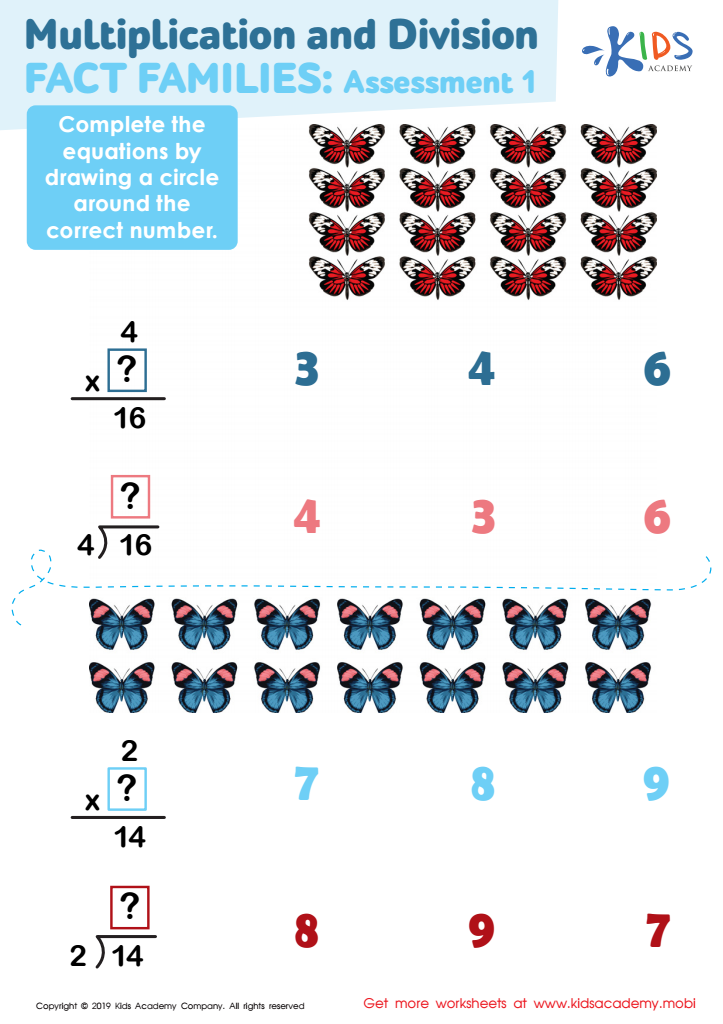
Multiplication and Division Fact Families Assessment 1 Worksheet
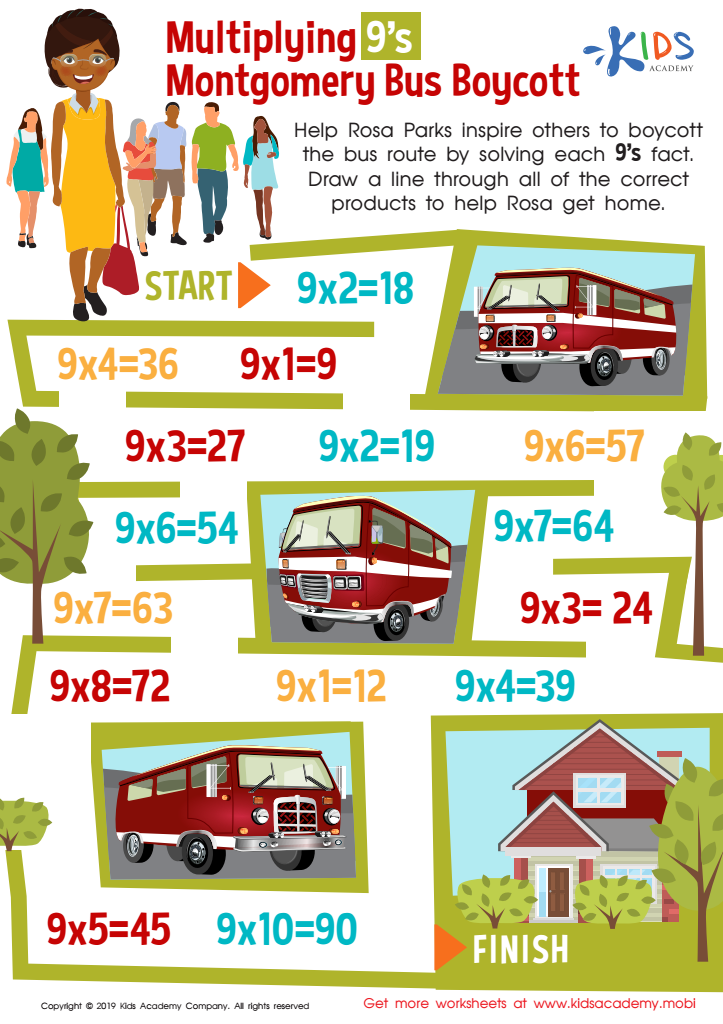
Multiplying 9’s Montgomery Bus Boycott Worksheet








Normal multiplication is a fundamental mathematical skill crucial for children aged 5-9, laying a foundation for future learning. At this stage, students begin to grasp essential concepts of grouping and repeated addition, which are integral to multiplication. Understanding multiplication helps them develop number sense, enhance problem-solving skills, and build confidence in handling more complex arithmetic in later years.
Engaging children in multiplication activities boosts their cognitive development and fosters critical thinking. As they become proficient in this skill, they also improve their ability to recognize patterns, an essential component of mathematics. By introducing concepts at a young age, teachers and parents can create a smoother transition to more advanced mathematical topics, such as division, fractions, and algebra.
Moreover, mastering multiplication can significantly reduce math-related anxiety. Students who understand the basics often feel more comfortable participating in class and tackling challenging problems. Beyond academics, multiplication skills are applicable in everyday life, helping children make sense of their environment—whether counting objects, shopping, or measuring ingredients in cooking.
In summary, fostering an early understanding of normal multiplication equips children with vital life skills and sets the stage for lifelong learning and confidence in mathematics.








