Normal Reading Fiction Worksheets for Ages 5-9 - Page 4
110 filtered results
-
From - To
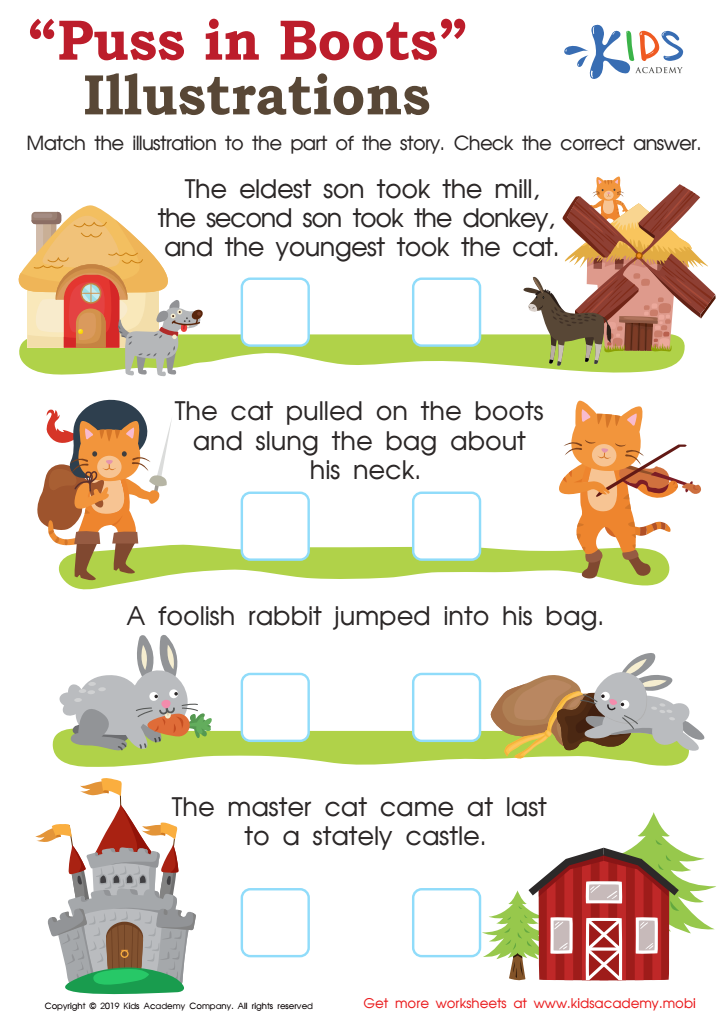
Puss in Boots Illustrations Worksheet
 Assign to My Students
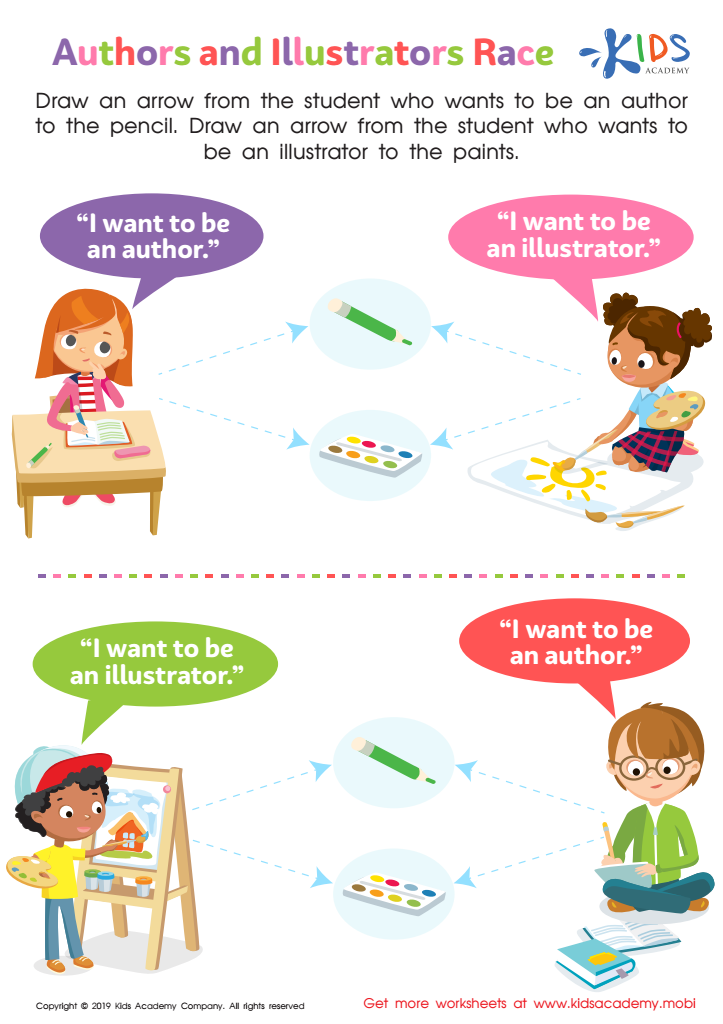
Authors and Illustrators Race Worksheet
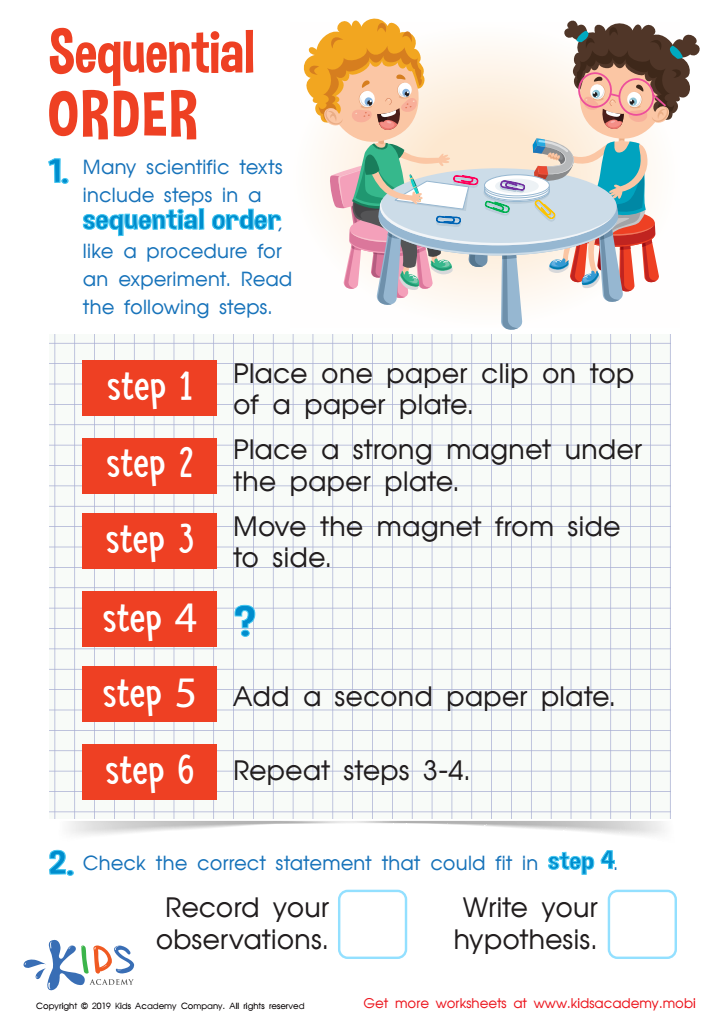
Sequencential Order Worksheet
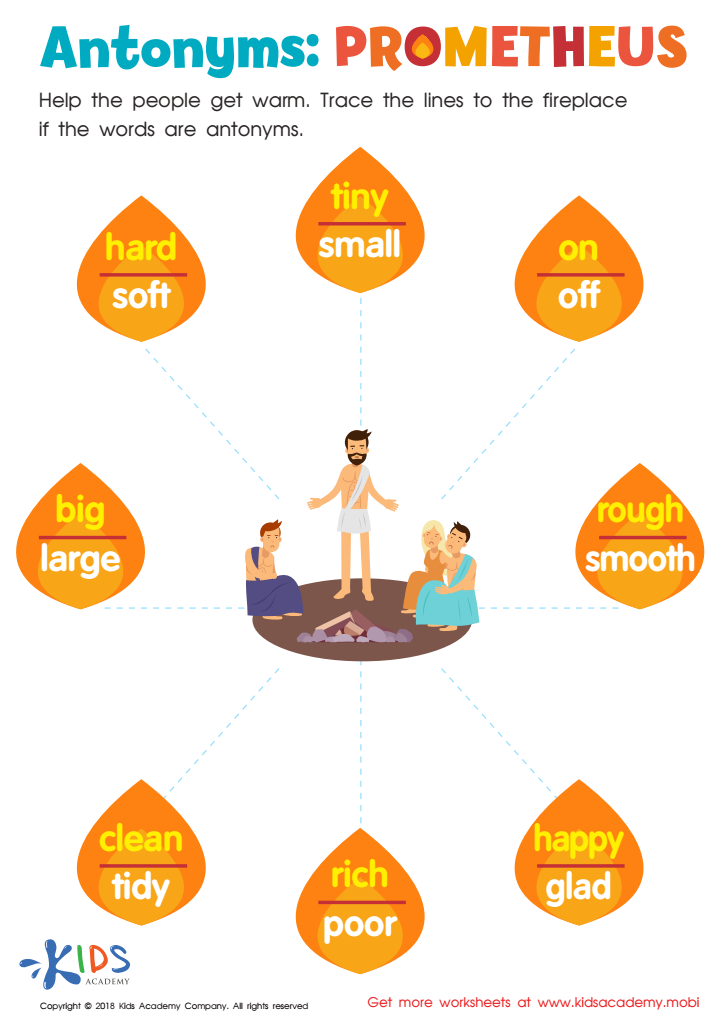
Antonyms: Prometheus Worksheet
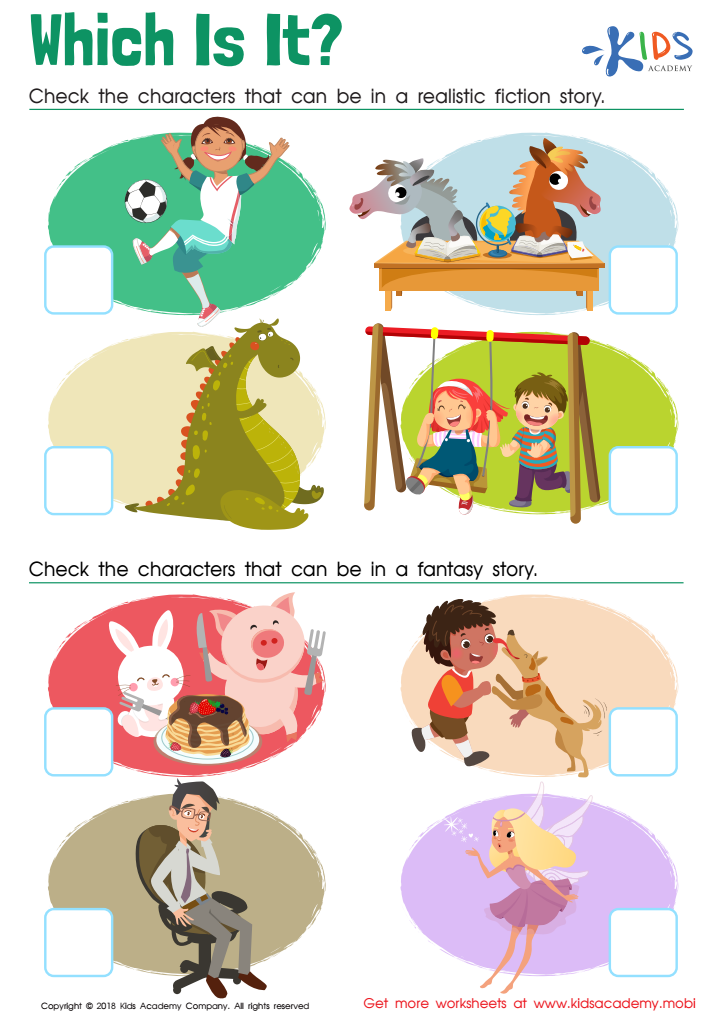
Which Is It? Worksheet
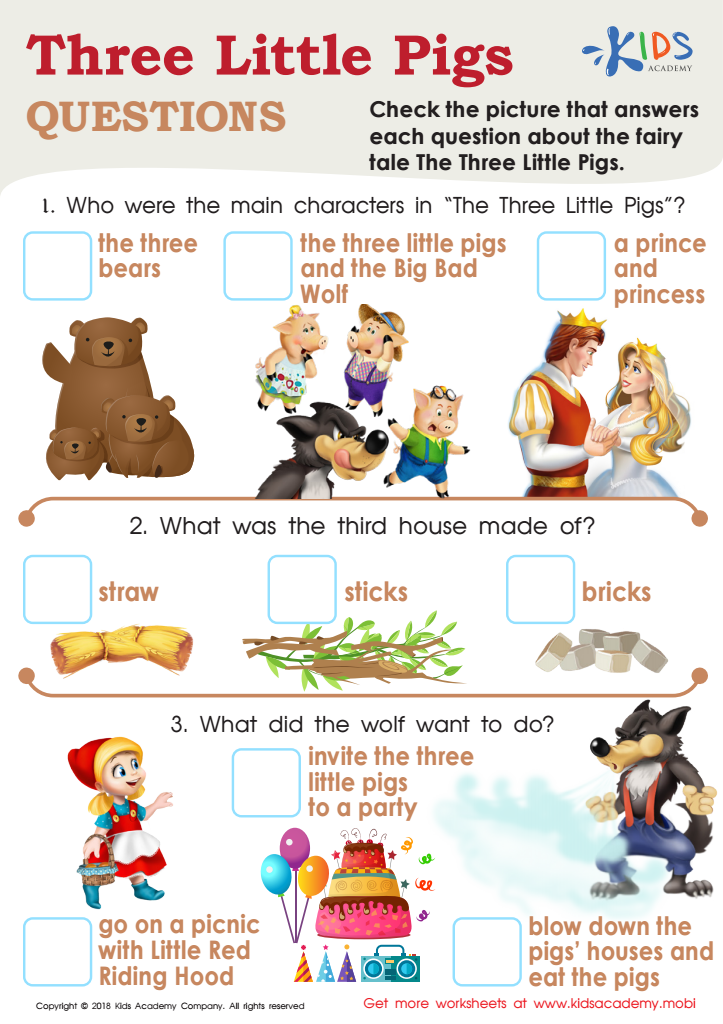
Three Little Pigs Questions Worksheet
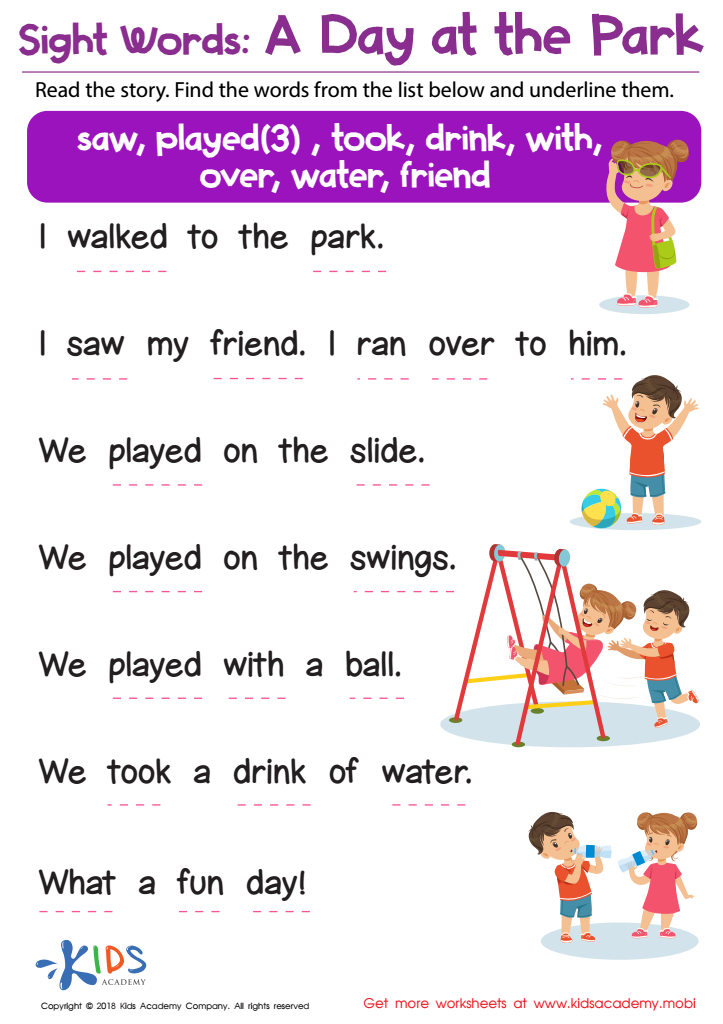
Sight Words: A Day at the Park Worksheet
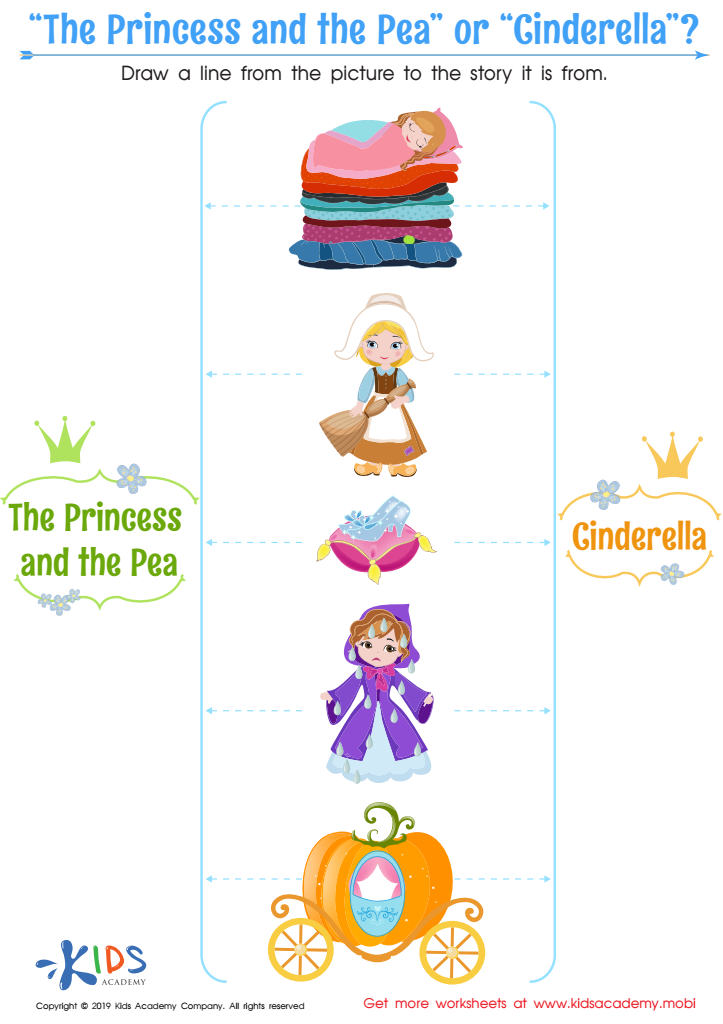
“The Princess and the Pea” or “Cinderella” Worksheet
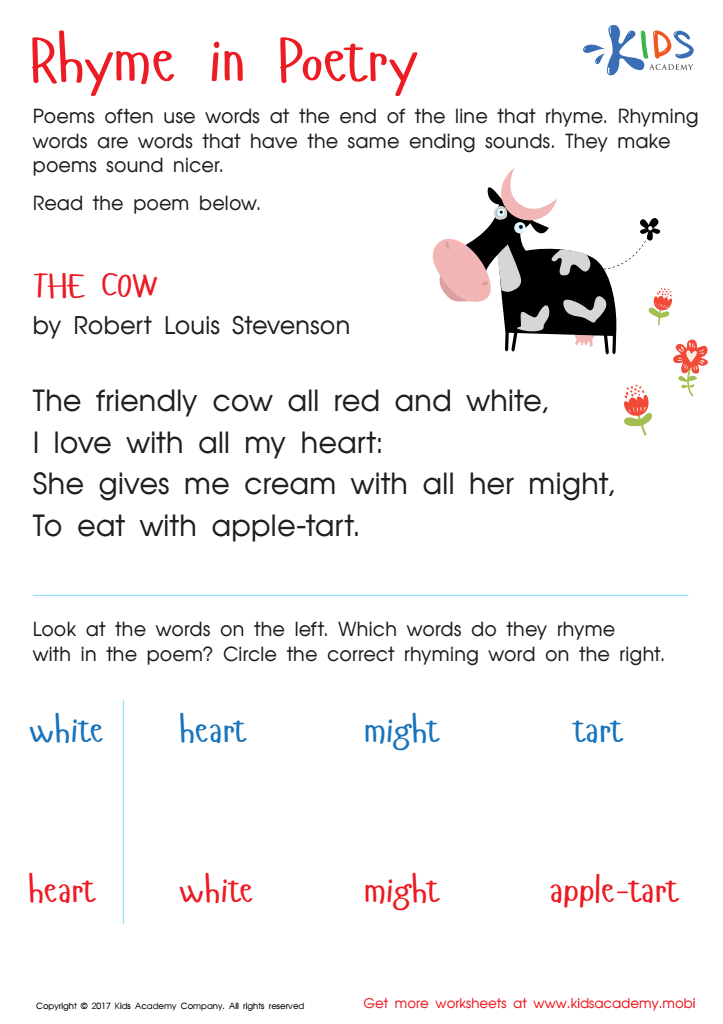
Rhyme In Poetry Worksheet
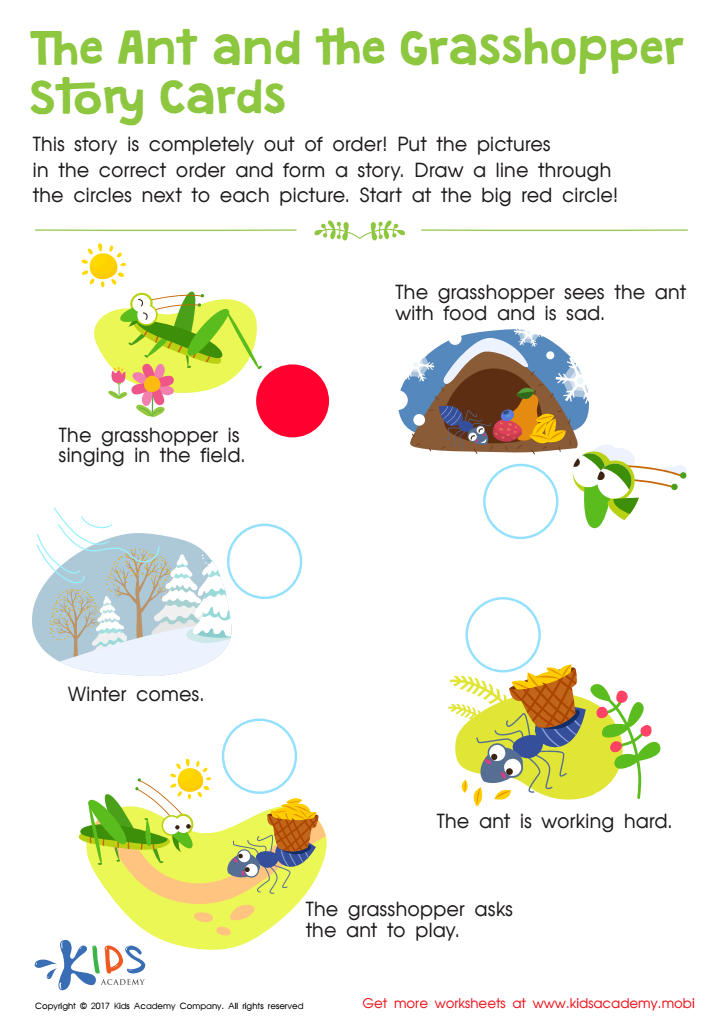
The Ant and The Grasshopper Worksheet
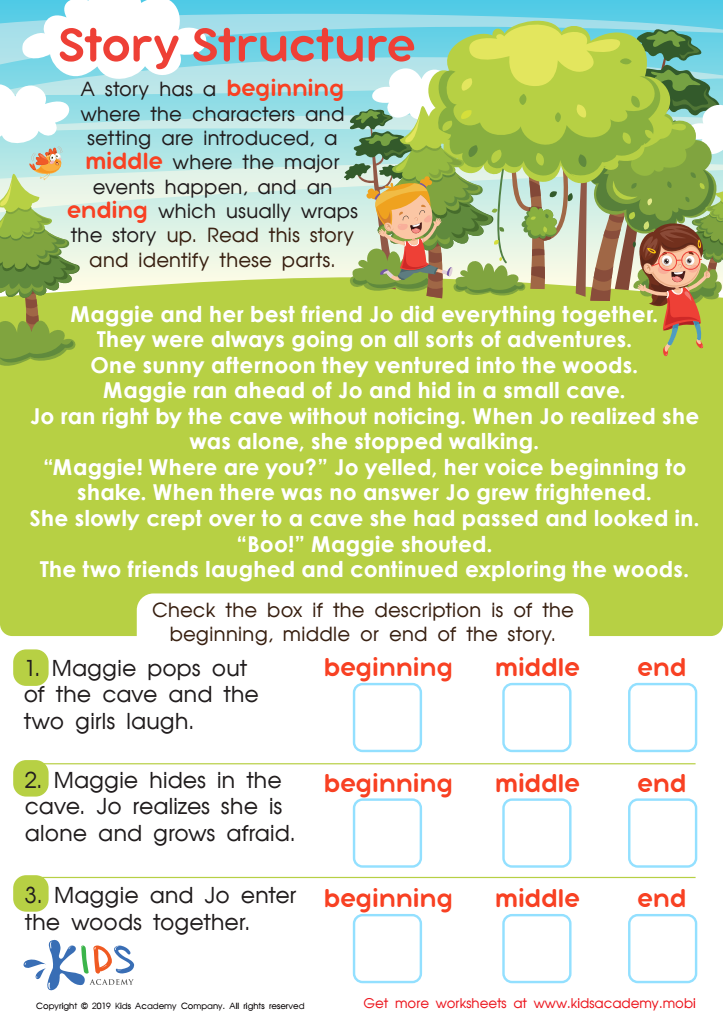
Story Structure Worksheet
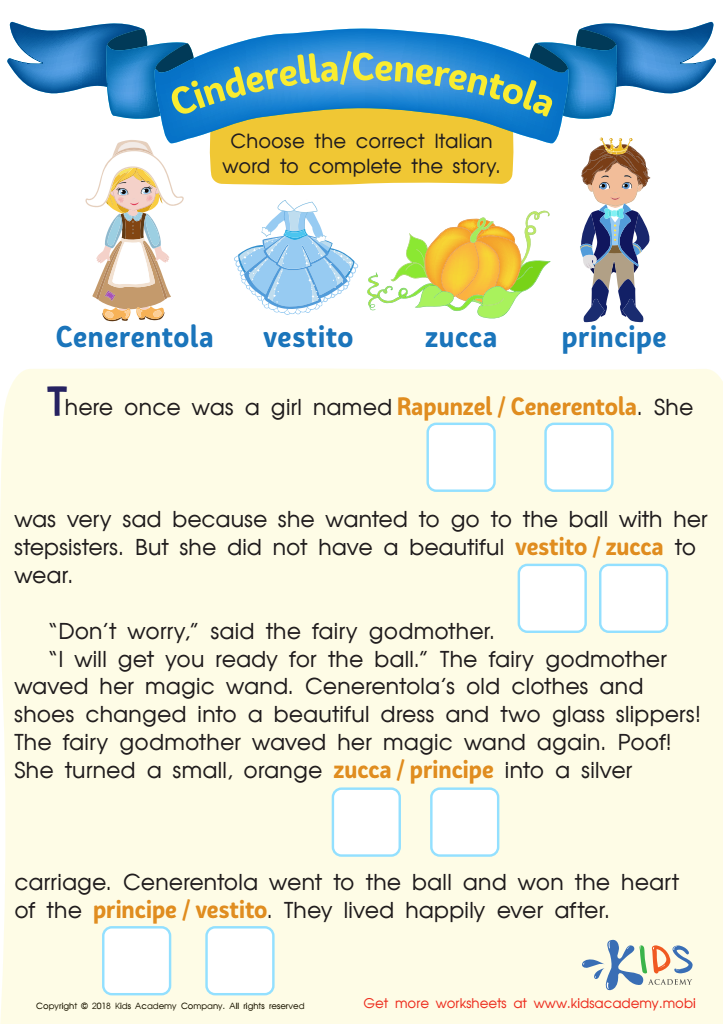
Cinderella / Cenerentola Worksheet
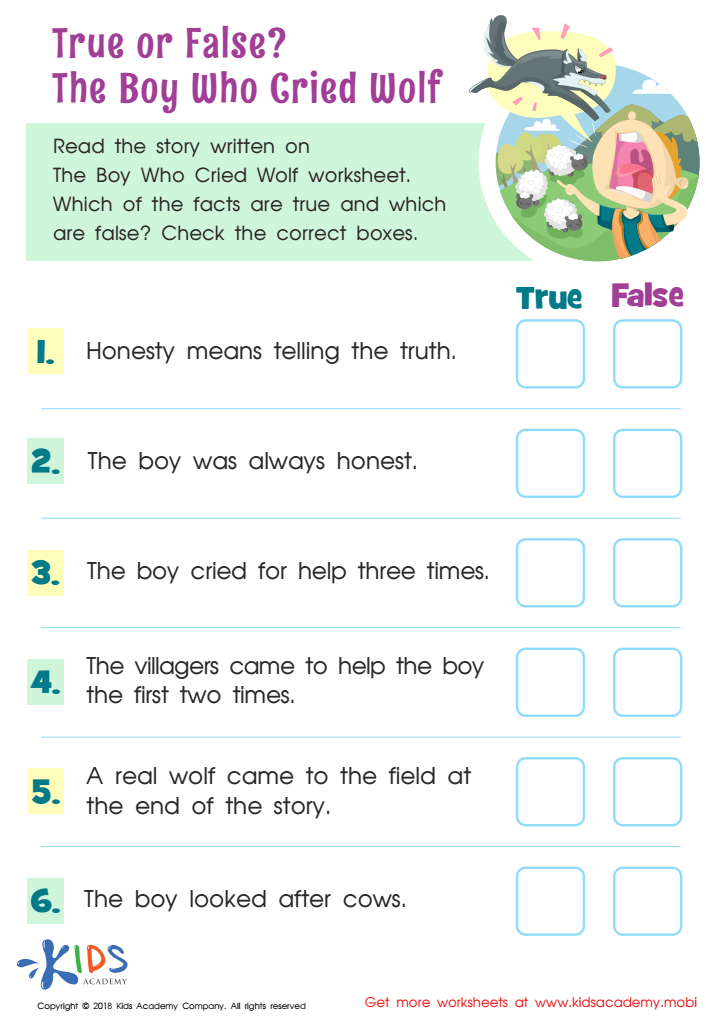
True or False? The Boy Who Cried Wolf Worksheet
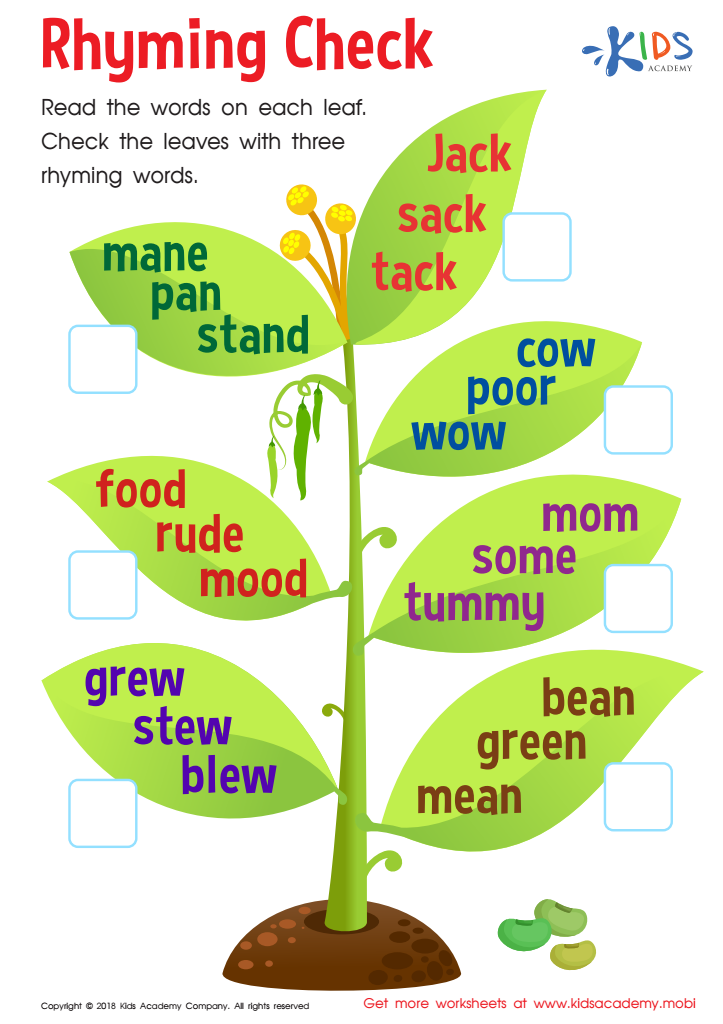
Rhyming Check Worksheet
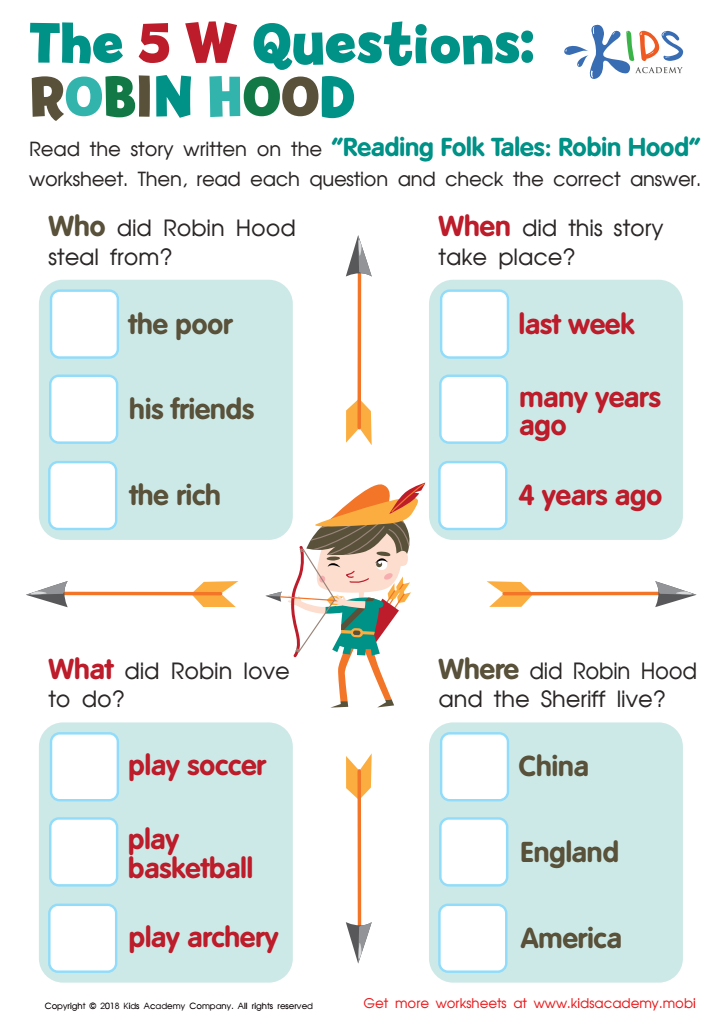
The 5 W Questions: Robin Hood Worksheet
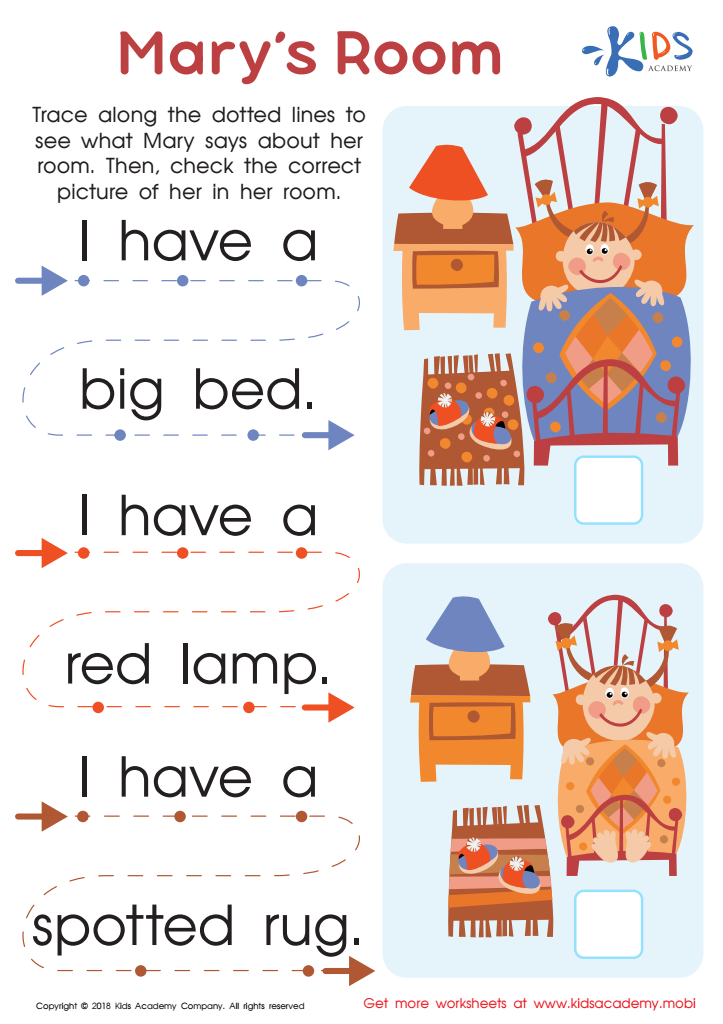
Mary's Room Worksheet
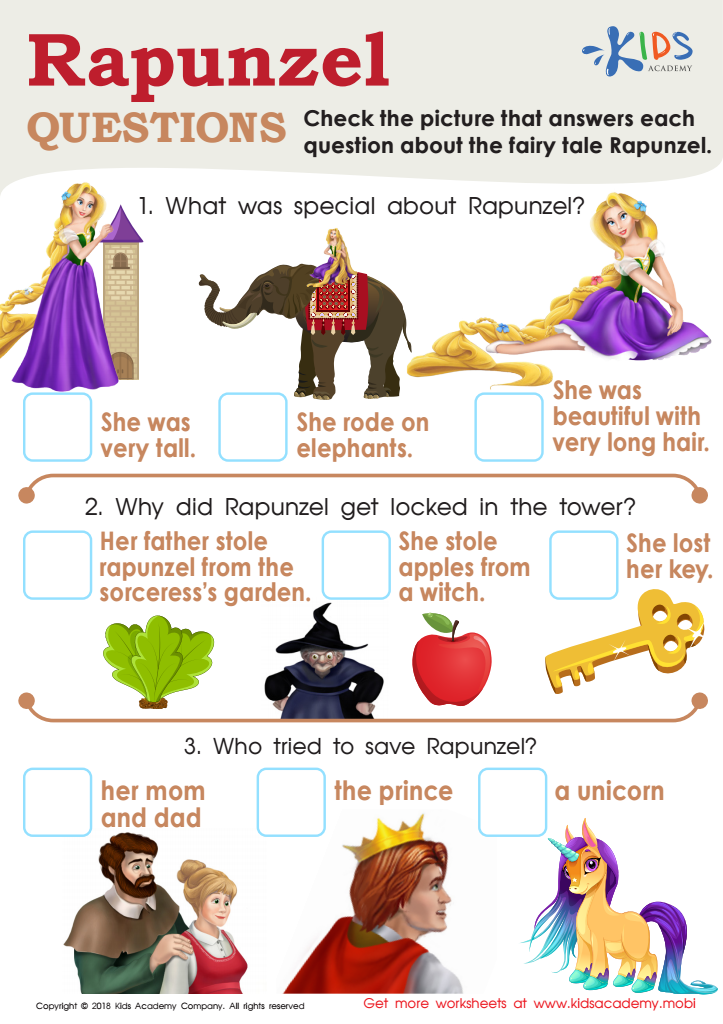
Rapunzel Questions Worksheet
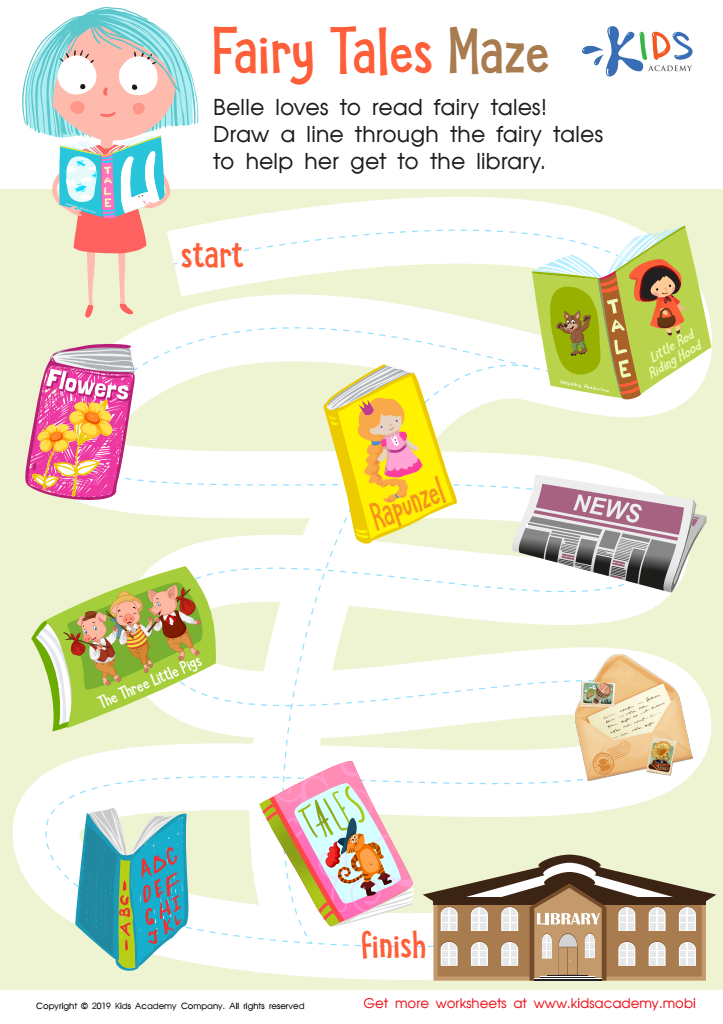
Fairy Tales Maze Worksheet
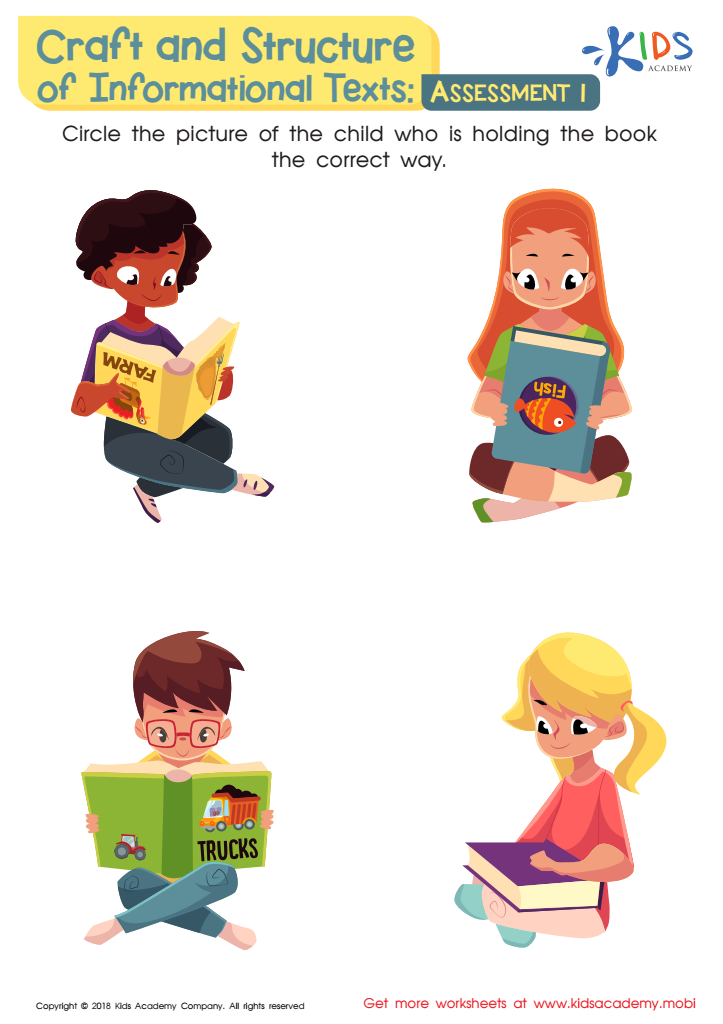
Craft and Structure of Informational Texts: Assessment 1 Worksheet
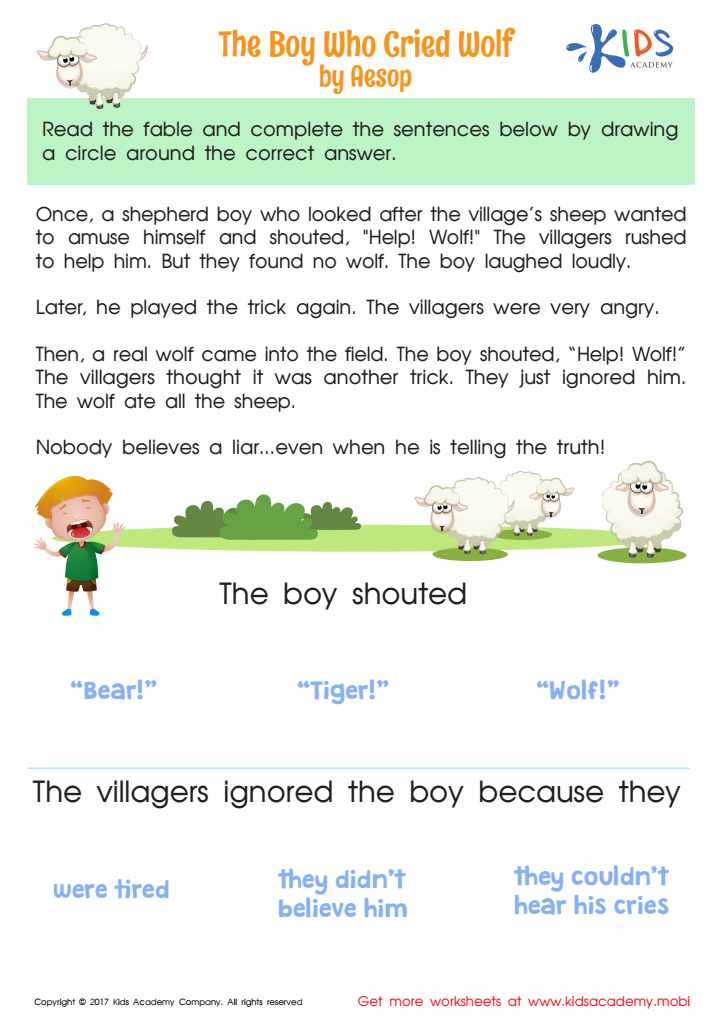
The Boy Who Cried Wolf Worksheet
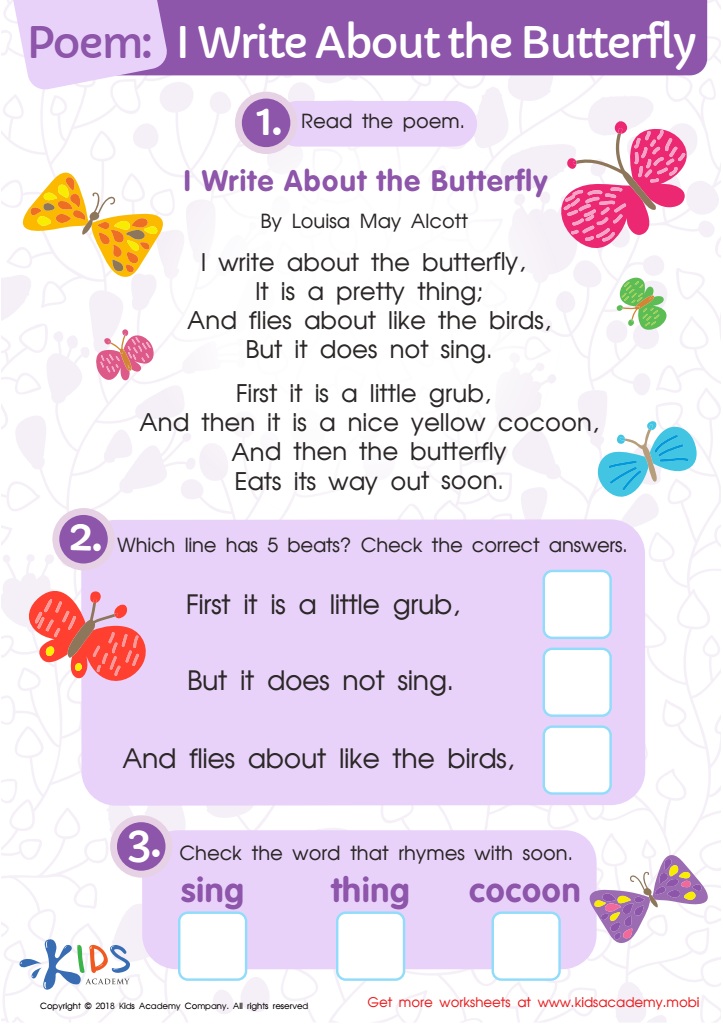
Poem: I Write About The Butterfly Worksheet
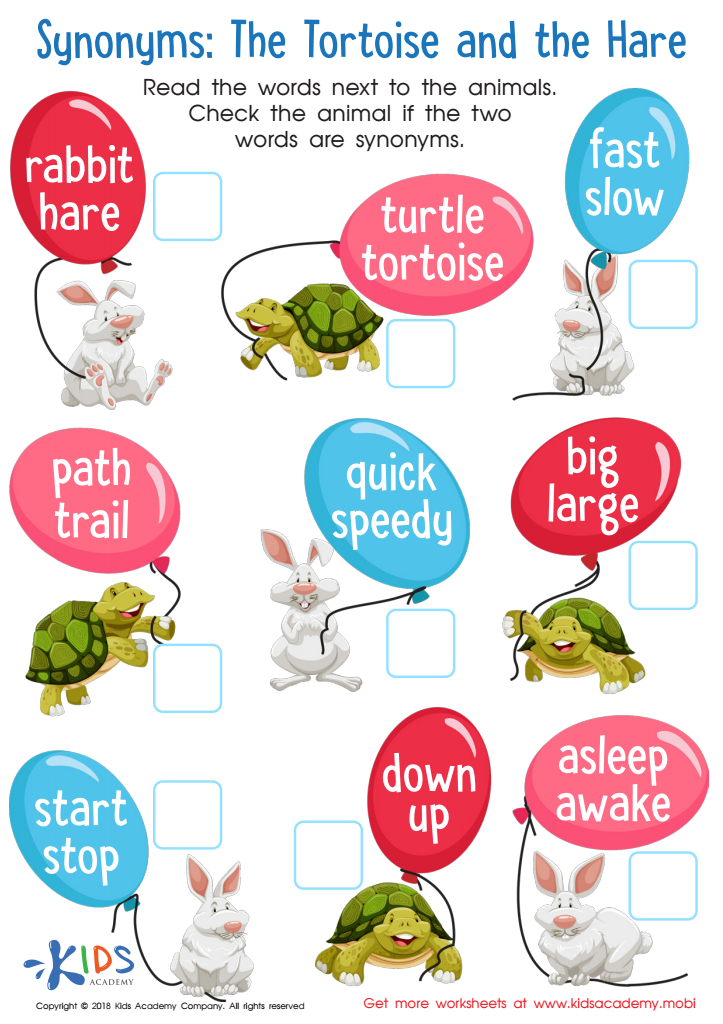
Synonyms: The Tortoise and Hare Worksheet
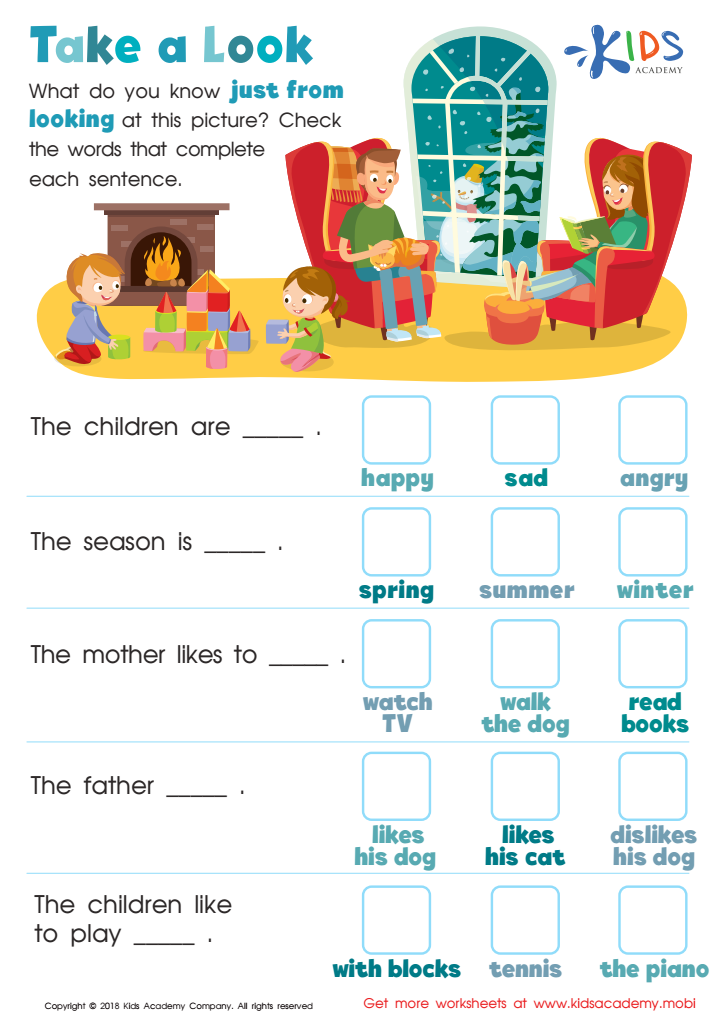
Take a Look - Part 1 Worksheet
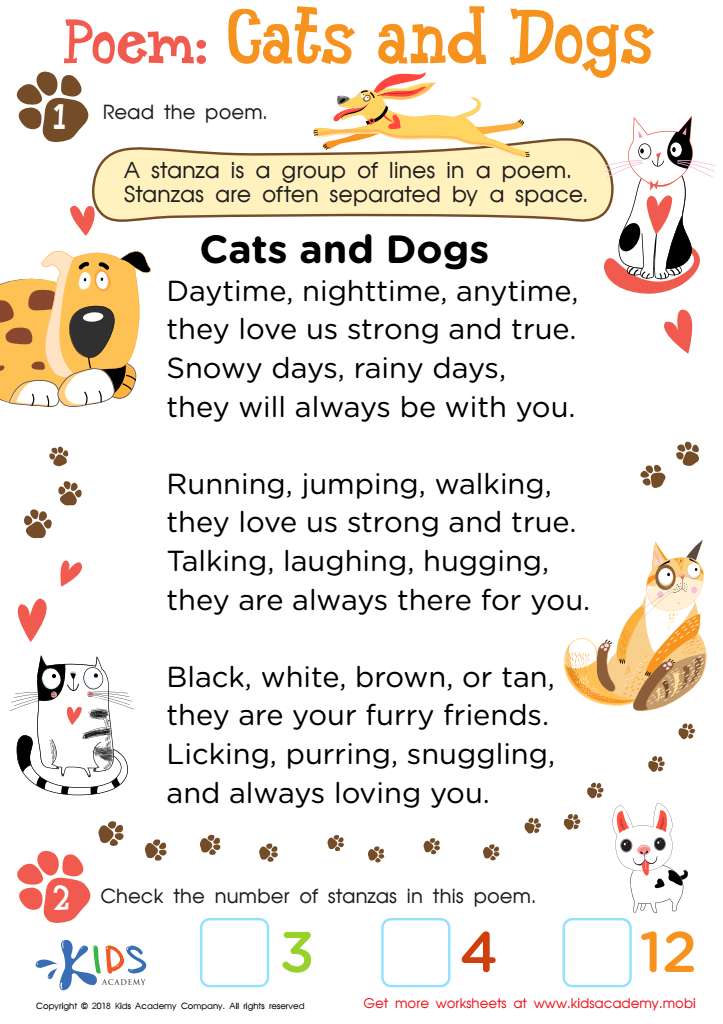
Poem: Cats and Dogs Worksheet



.jpg)


.jpg)

Parents and teachers should care about normal reading fiction for ages 5-9 because it plays a crucial role in the developmental milestones of young children. For starters, reading fiction builds foundational literacy skills essential for academic success. As children engage with stories, they learn word recognition, sentence structure, and the rhythm of language, enhancing their reading fluency and comprehension.
Fiction also stimulates imagination and creativity, allowing children to envision and explore worlds far beyond their own reality. This creative thinking fosters problem-solving skills and cognitive development, critical for overall intellectual growth.
Moreover, engaging with diverse characters and narratives teaches empathy and emotional intelligence. Children start to understand different perspectives and emotions, which cultivates compassion and social skills. The moral lessons often embedded in fiction help inculcate values like kindness, honesty, and resilience.
Reading fiction together further strengthens the parent-child or teacher-student bond. It establishes routine and rituals that are comforting and provide emotional security. Listening to a parent or teacher read aloud models expressive reading and encourages attentive listening.
In sum, reading fiction facilitates literacy, stimulates creativity, nurtures empathy, and strengthens bonds, making it an indispensable part of a child's early education and emotional development.







