Shape Recognition Normal Worksheets for Ages 6-7 - Page 2
34 filtered results
Difficulty Level
Grade
Age
-
From - To
Subject
Activity
Standards
Favorites
With answer key
Interactive
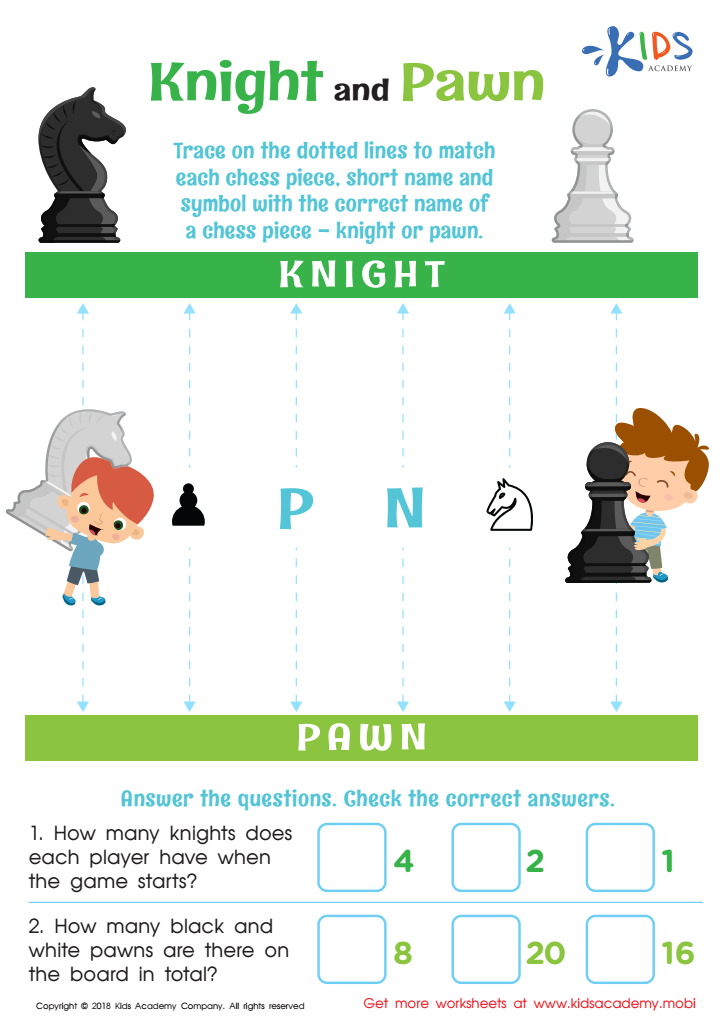
Knight and Pawn Worksheet
This tracing worksheet teaches kids about chess. They trace the dotted lines to match pieces, names and symbols to the correct chess piece. Questions at the bottom test their understanding. It's a simple exercise for a fun way to learn.
 Assign to My Students
Knight and Pawn Worksheet
Worksheet
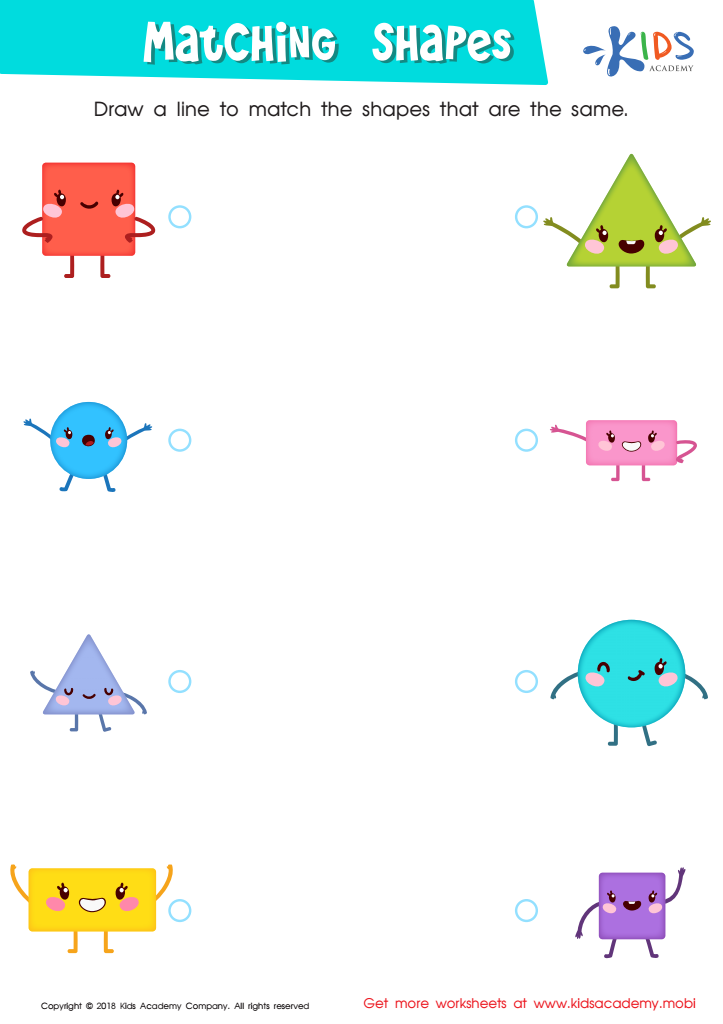
Matching Shapes Worksheet
Introduce your students to the 4 most common shapes: squares, triangles, rectangles and circles. When they progress, show them other shapes like rhombuses and parallelograms. Use this matching shapes worksheet to help them match two identical shapes. Print out the worksheet and instruct them to draw lines connecting them.
Matching Shapes Worksheet
Worksheet
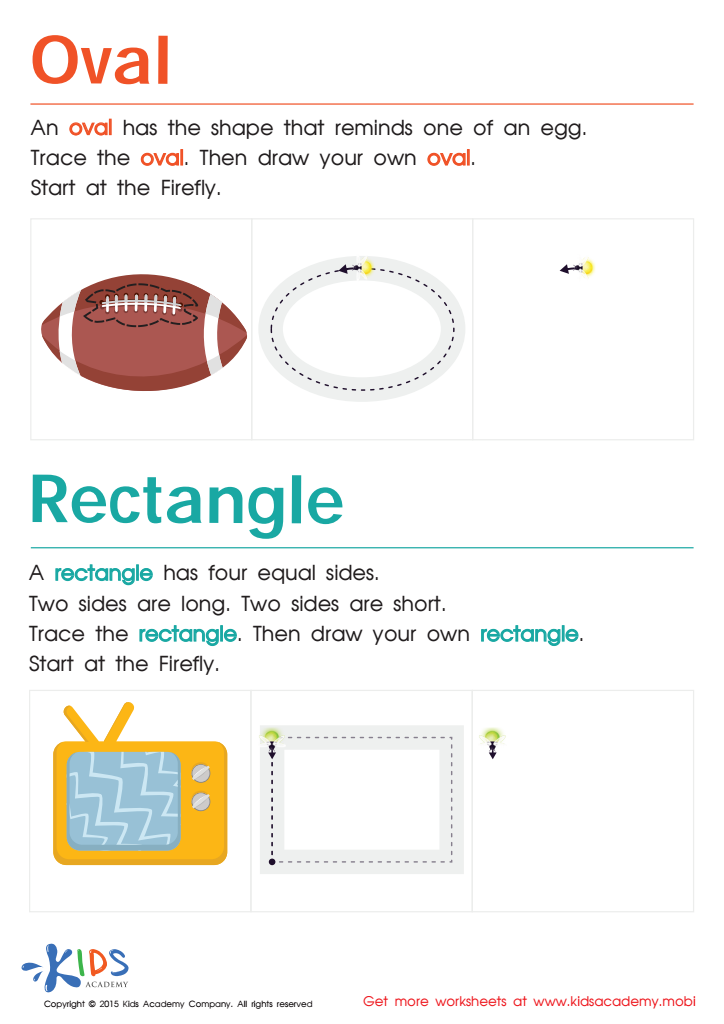
Easy Drawing of Ovals And Rectangles Worksheet
Kids Academy offers free geometry worksheets to make learning more fun and interesting. Trace an oval, rectangle, and many other shapes!
Easy Drawing of Ovals And Rectangles Worksheet
Worksheet
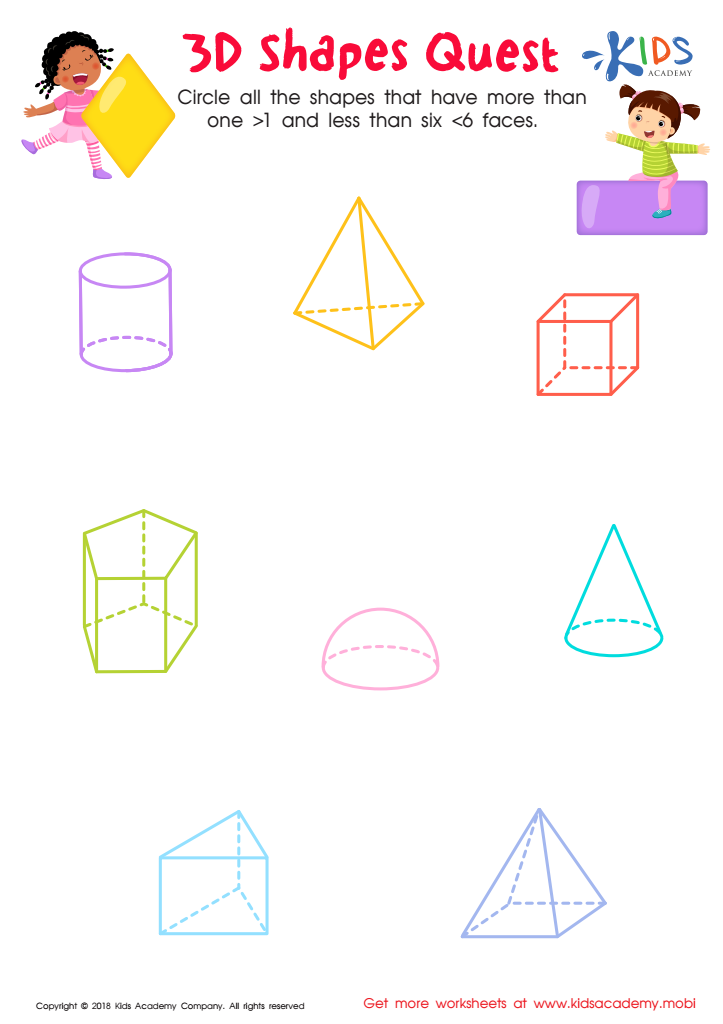
3D Shapes Quest Worksheet
Ask your child if they know what faces of shapes are. If not, explain that faces are flat surfaces on shapes. Ask what a square and rectangle have in common - both have four faces. Your child's task is to circle shapes with more than 1 and less than 6 faces in this exercise.
3D Shapes Quest Worksheet
Worksheet
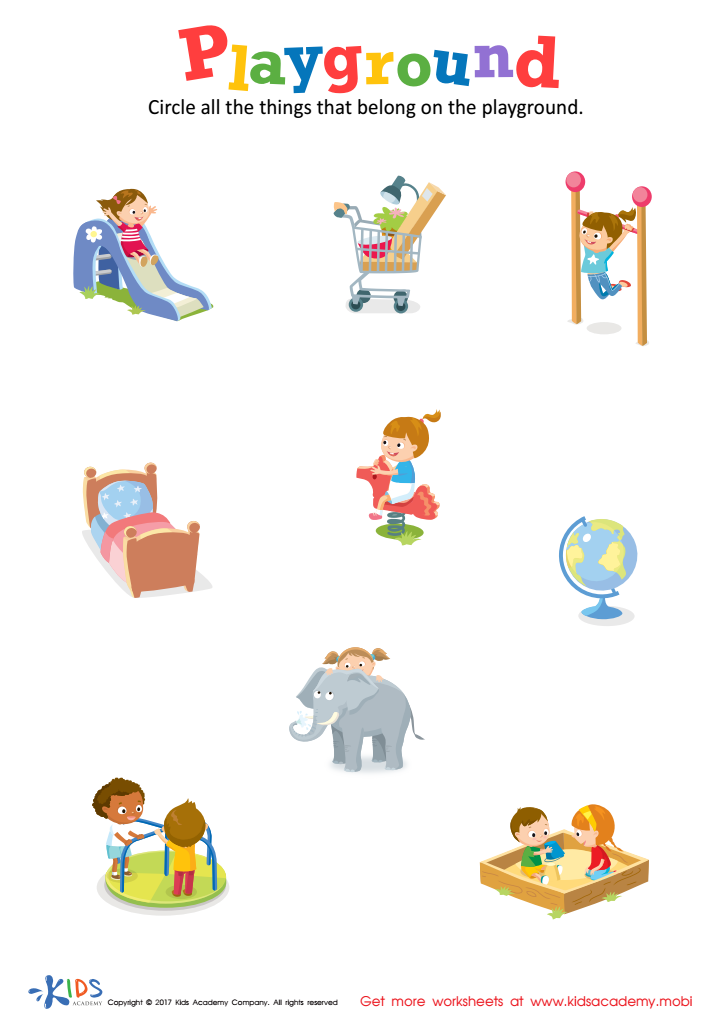
Playground Worksheet
Head to the park with this playground worksheet! It strengthens sorting and cognitive skills while encouraging problem solving. Plus, it's fun-filled and engaging! When finished, head out to the park to see what items your child finds in the playground!
Playground Worksheet
Worksheet
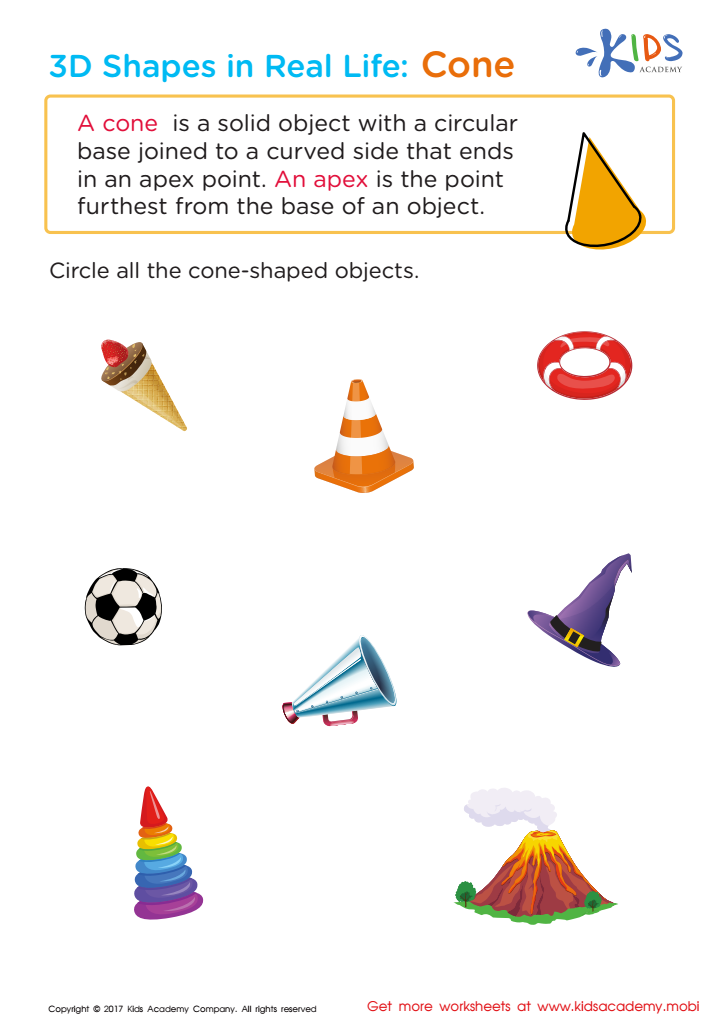
Shapes in Real Life: Cone Worksheet
Help your child get ahead in math by learning about geometry, including 3D objects, with this 3D shapes in real life cone worksheet.
Shapes in Real Life: Cone Worksheet
Worksheet
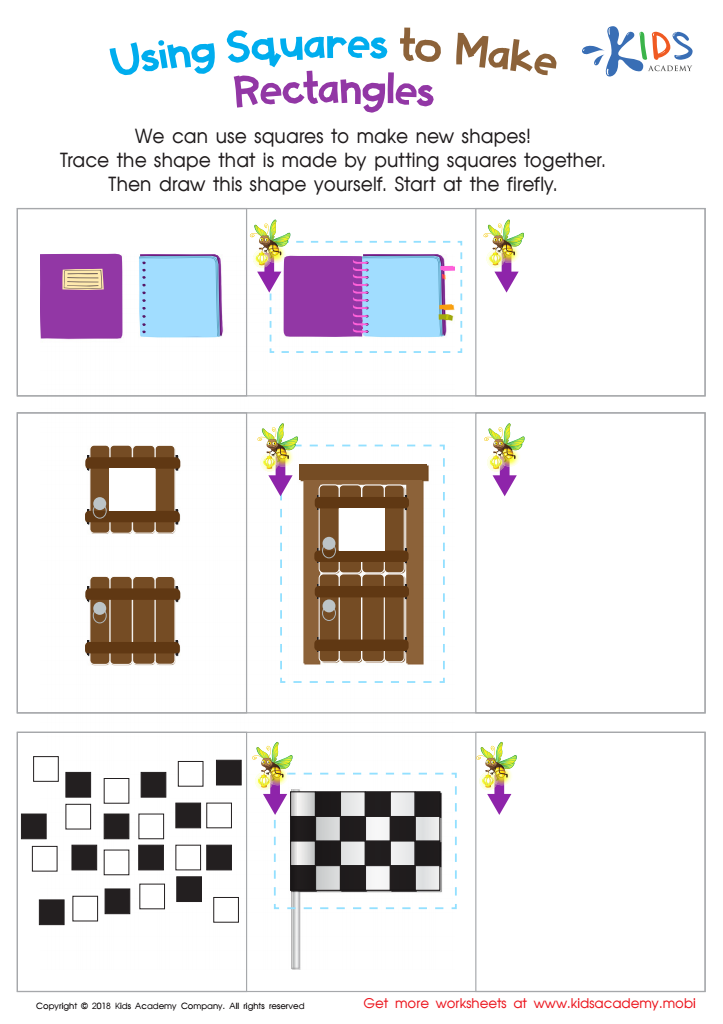
Using Squares to Make Rectangles Worksheet
Creating shapes from other shapes (composing shapes) develops spatial skills, an essential geometry standard for young students. This worksheet introduces familiar square objects, then demonstrates how they create rectangles. Students practice tracing and then drawing the shape independently. Download this free math resource for the classroom today! (80 words)
Using Squares to Make Rectangles Worksheet
Worksheet
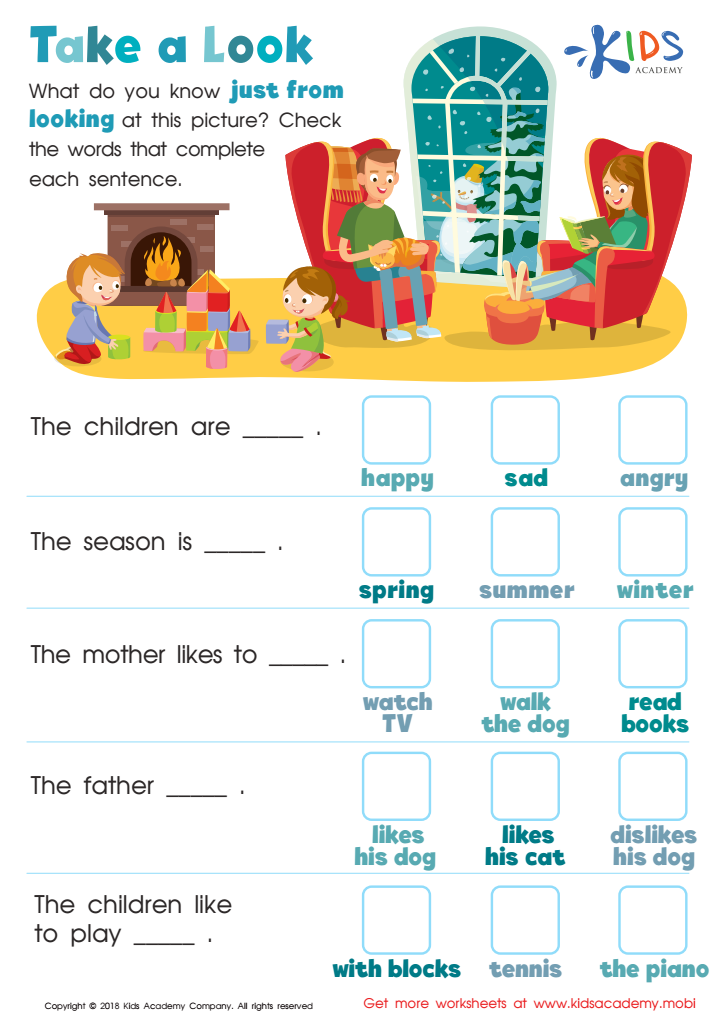
Take a Look - Part 1 Worksheet
Young learners gain understanding when using picture clues when reading. Looking at illustrations can help students learn the meaning of key vocabulary when reading fiction or informational text. Ask your students to look at the worksheet and observe what they can learn from the picture. It's a great comprehension strategy for early readers.
Take a Look - Part 1 Worksheet
Worksheet
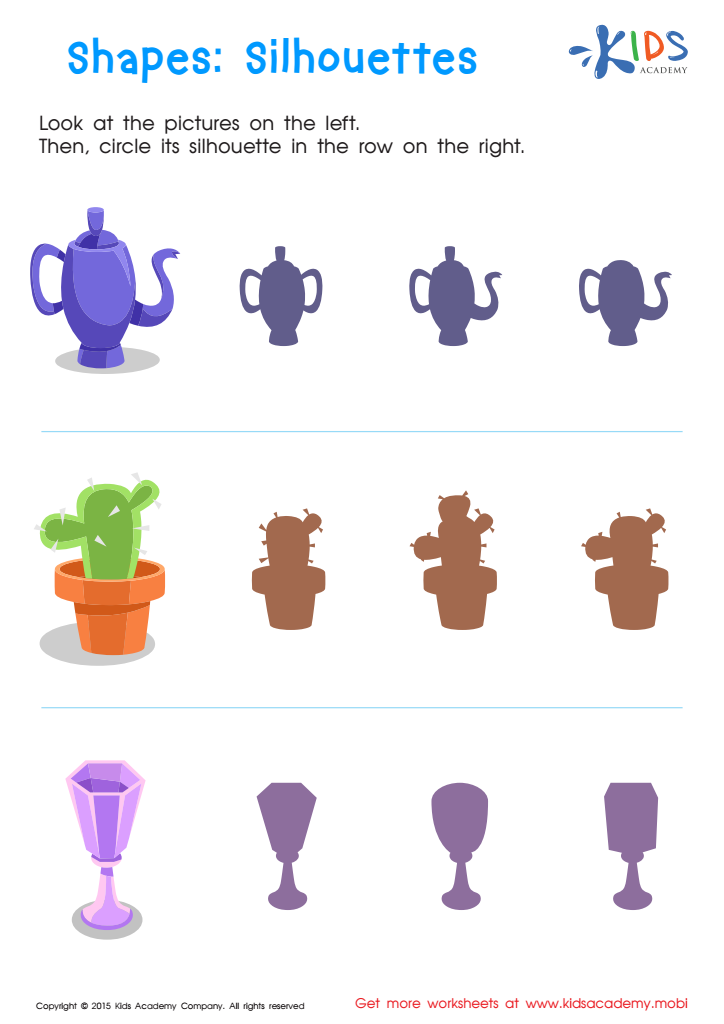
Silhouettes – Shapes Worksheet
Kids can have fun while learning to compare sizes with this silhouettes shapes worksheet! Matching pictures to silhouettes helps them build early math skills, while enjoying the activity!
Silhouettes – Shapes Worksheet
Worksheet
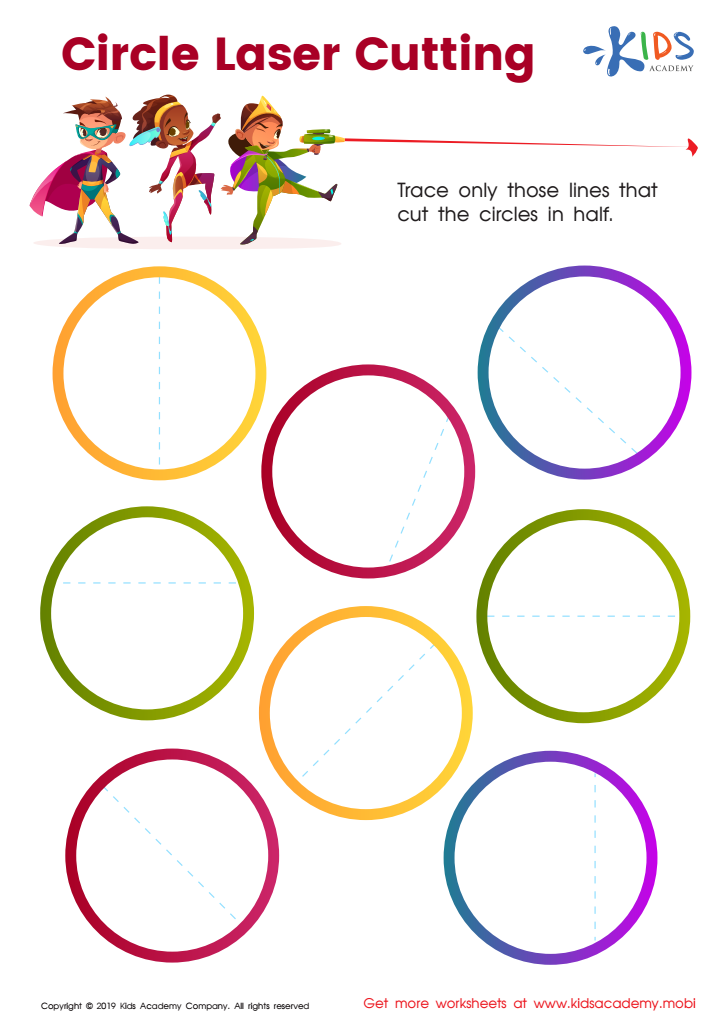
Circle Laser Cutting Worksheet
Encourage your kids to learn geometry! Remind them that when shapes are cut into two equal parts, they are called halves. Have them look at the circles in the worksheet, and trace the lines that cut the circles in half. Geometry is an essential part of education, and although it may not be exciting, it's a valuable skill to have.
Circle Laser Cutting Worksheet
Worksheet
Join Kids Academy for Free
Who is primarily going to use this learning content?