Normal Phonics Worksheets for Ages 6-8 - Page 7
156 filtered results
-
From - To
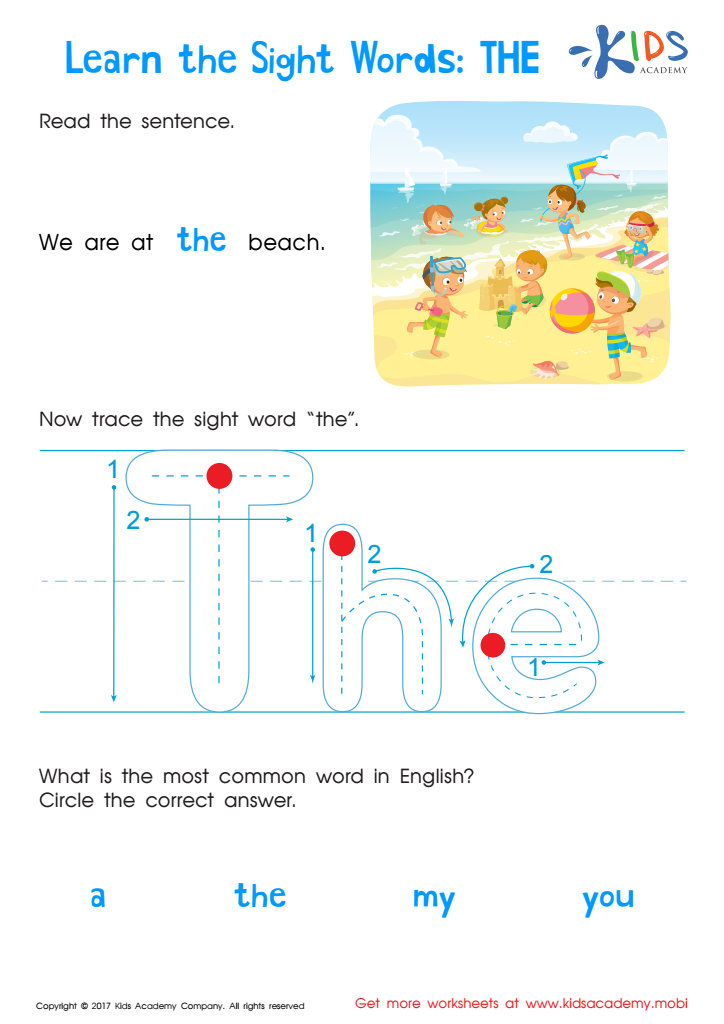
Sight Words: The Worksheet
 Assign to My Students
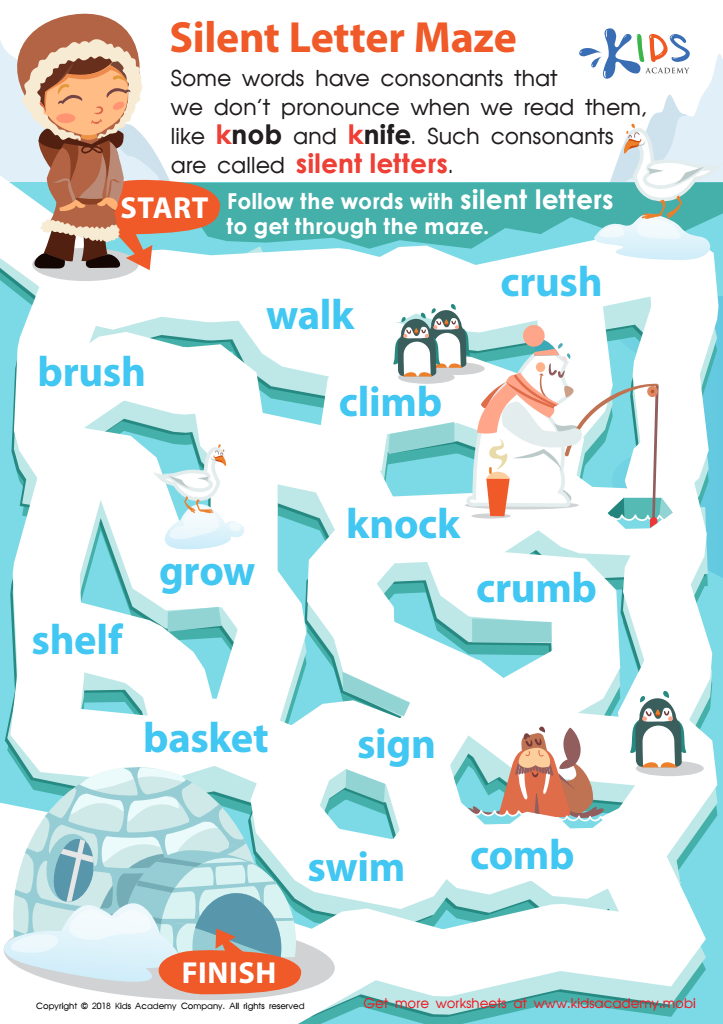
Silent Letter Maze Worksheet
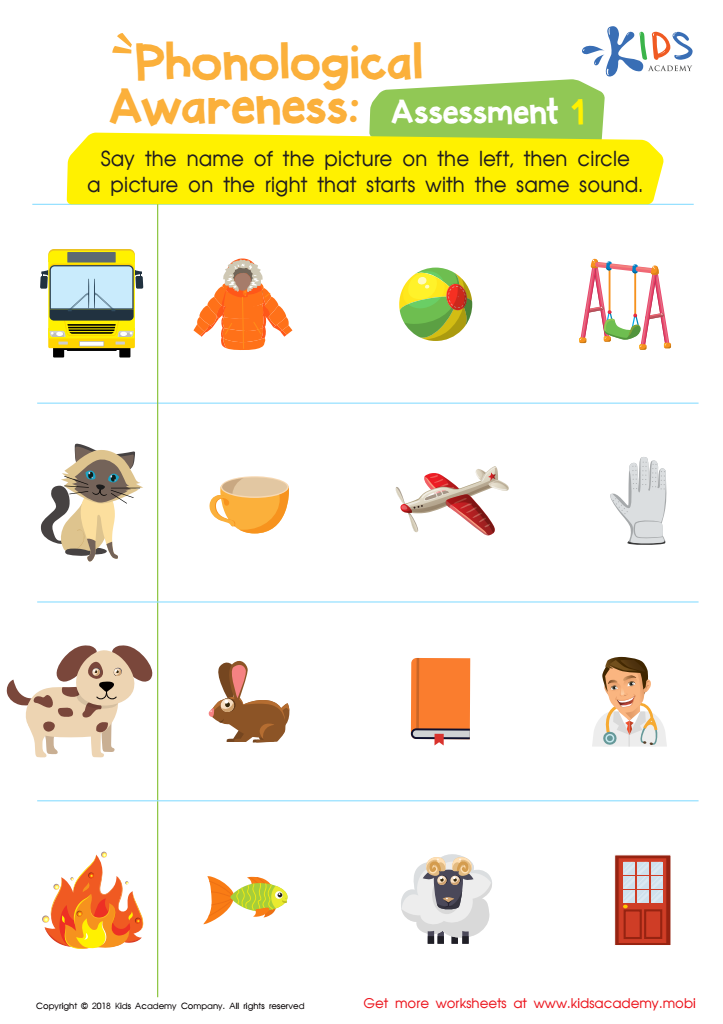
Phonological Awareness: Assessment 1 Worksheet
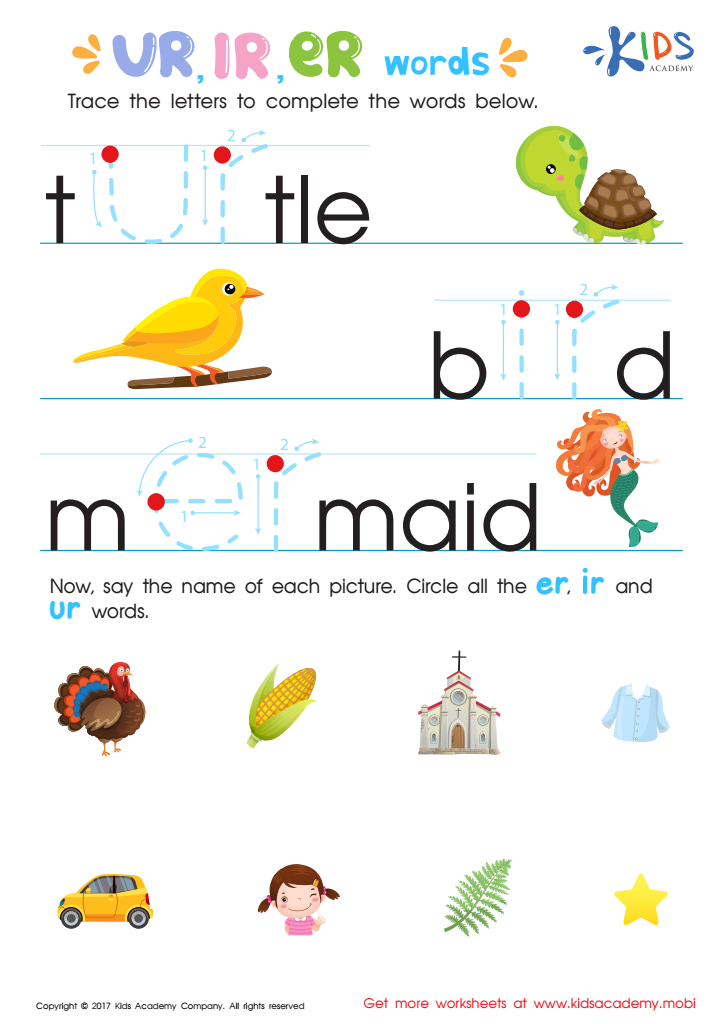
IR UR ER Words Worksheet
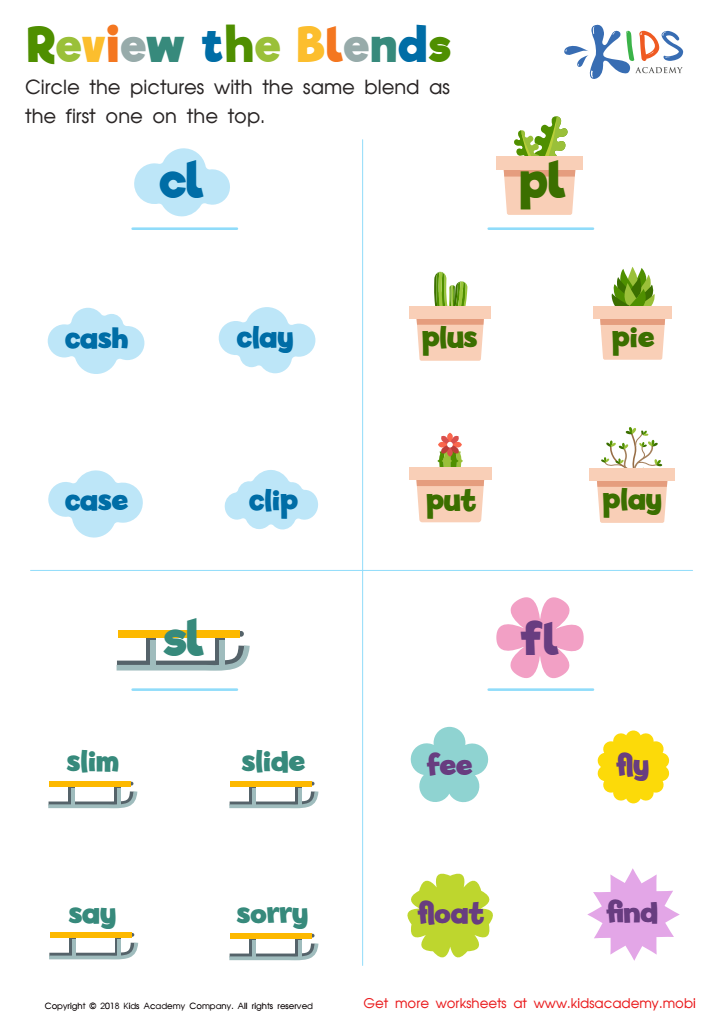
Review the Blends Worksheet
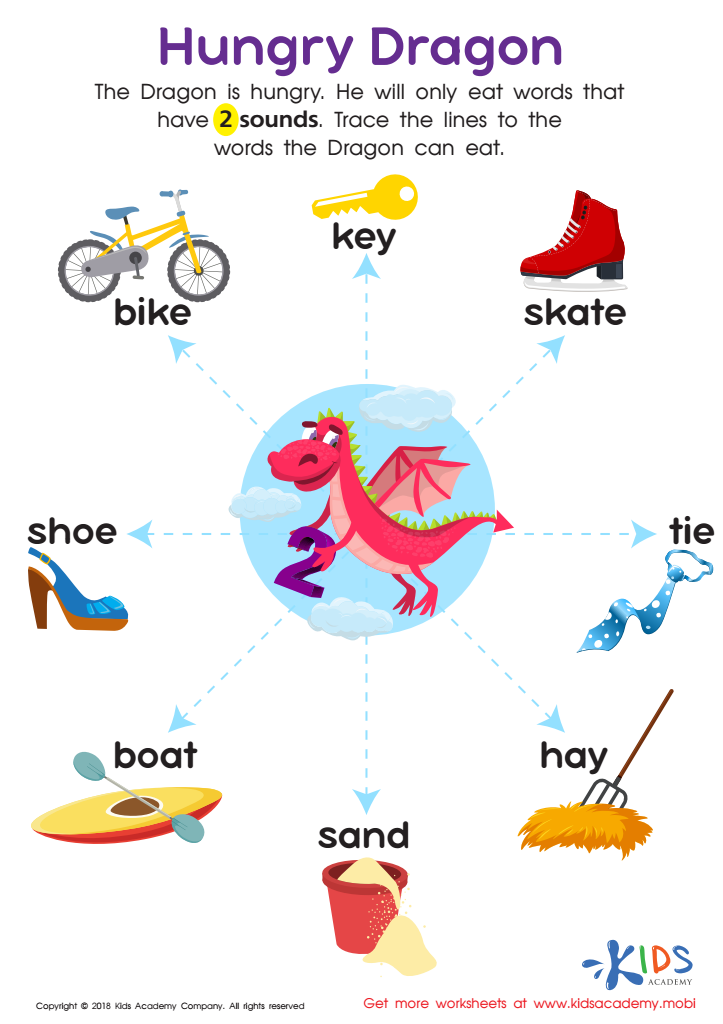
Hungry Dragon Worksheet
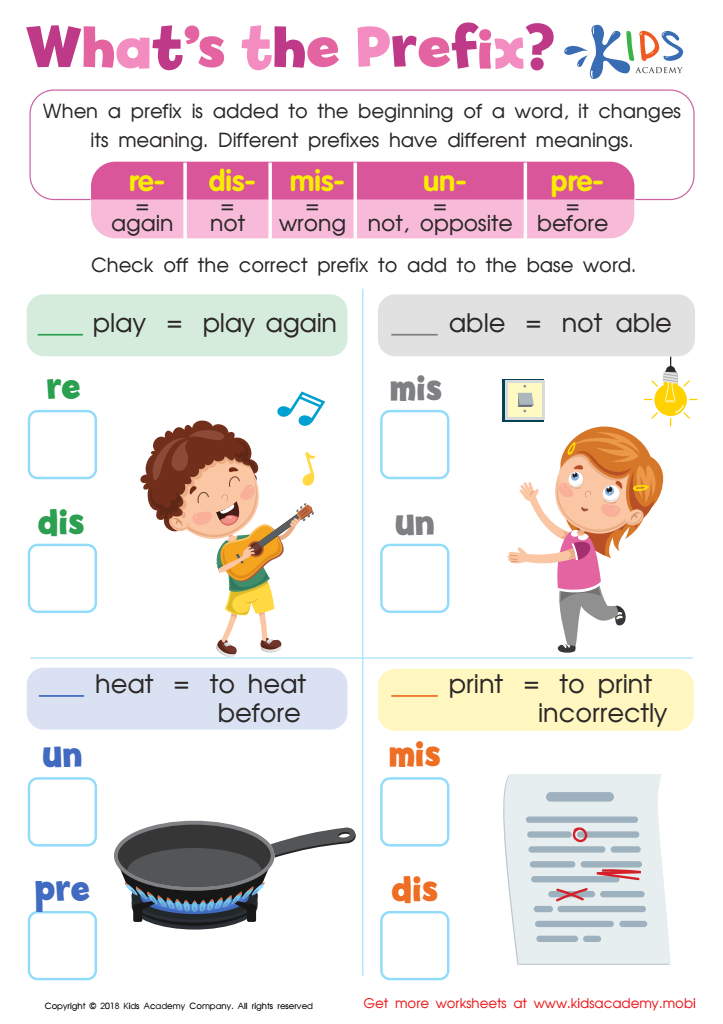
Reading: What Is the Prefix Worksheet
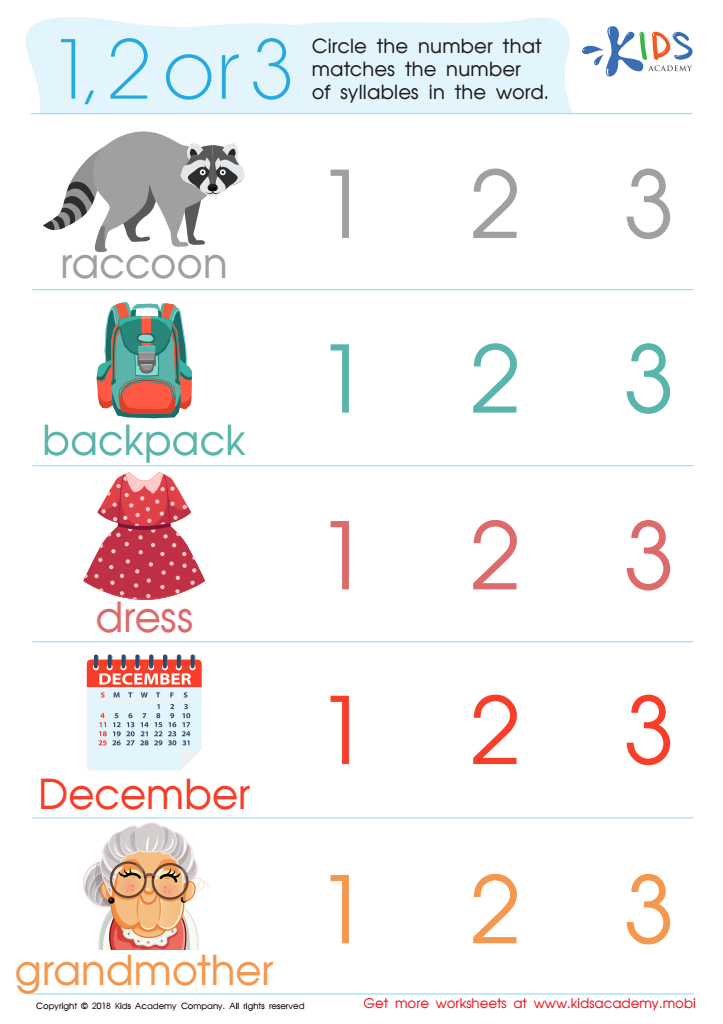
1, 2 or 3? Worksheet
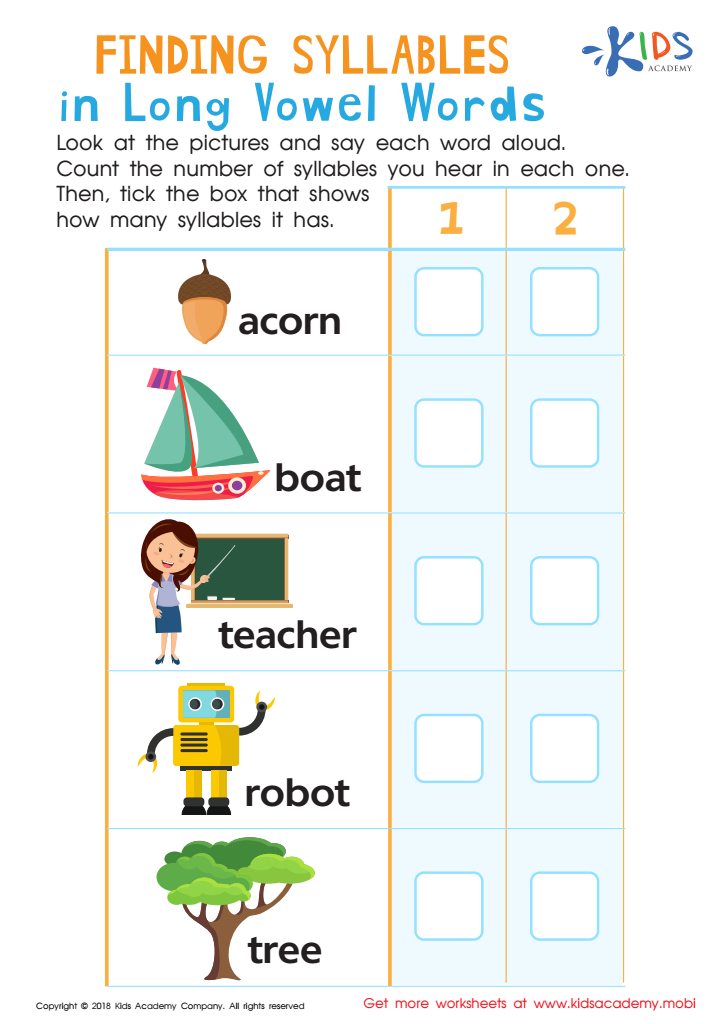
Finding Syllables in Long Vowel Words Worksheet
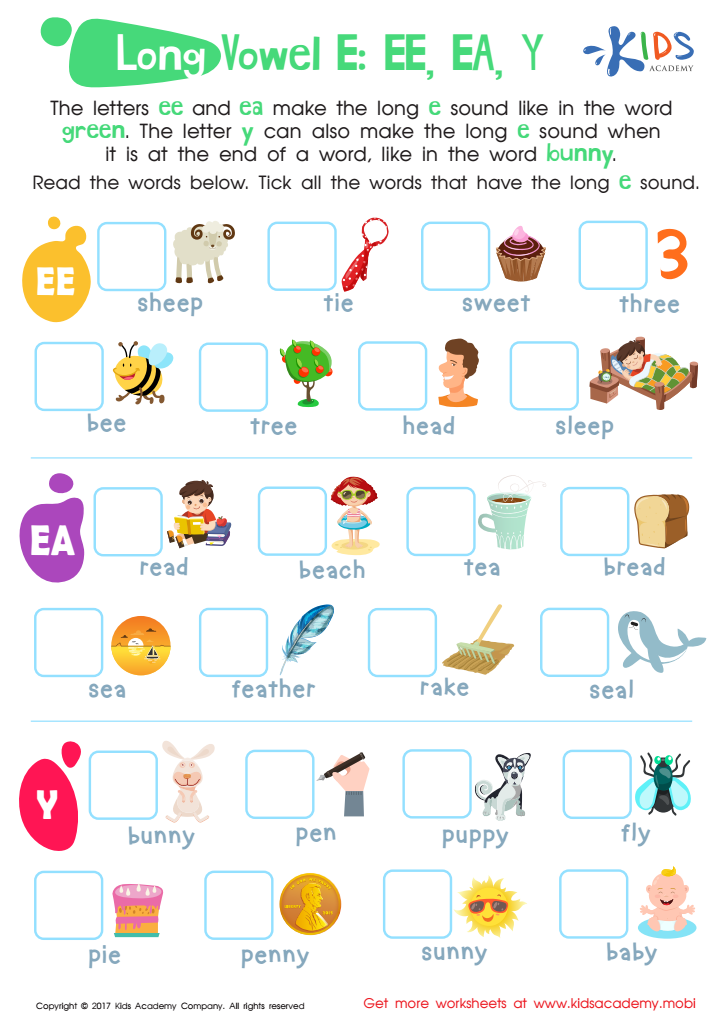
Long Vowel E Printable
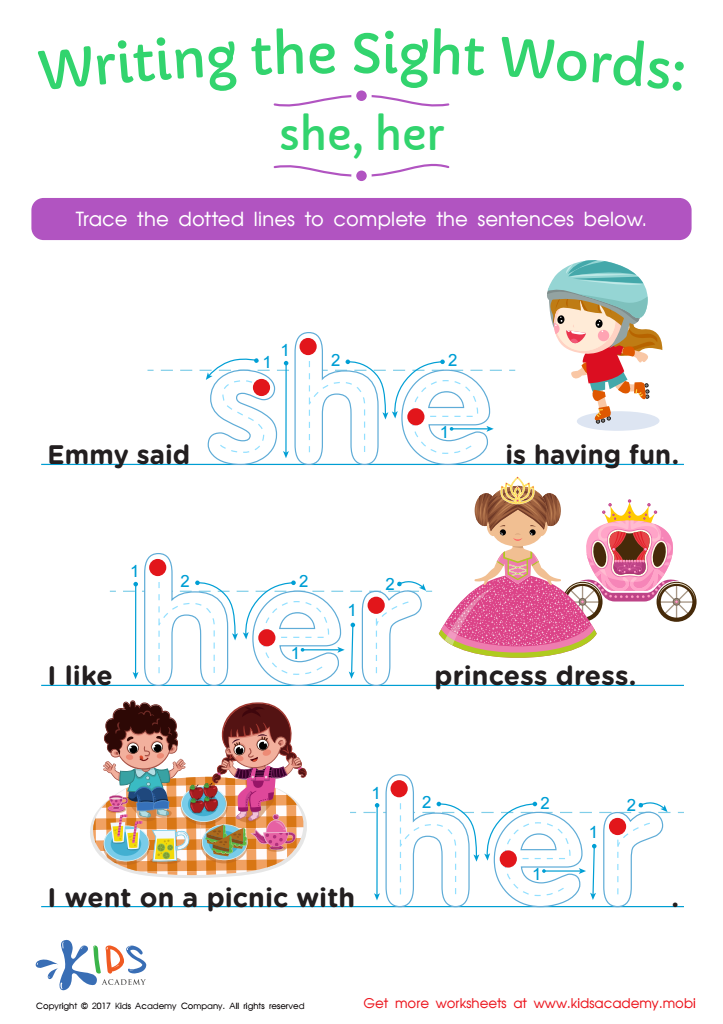
She, Her Printable Sight Words Worksheet
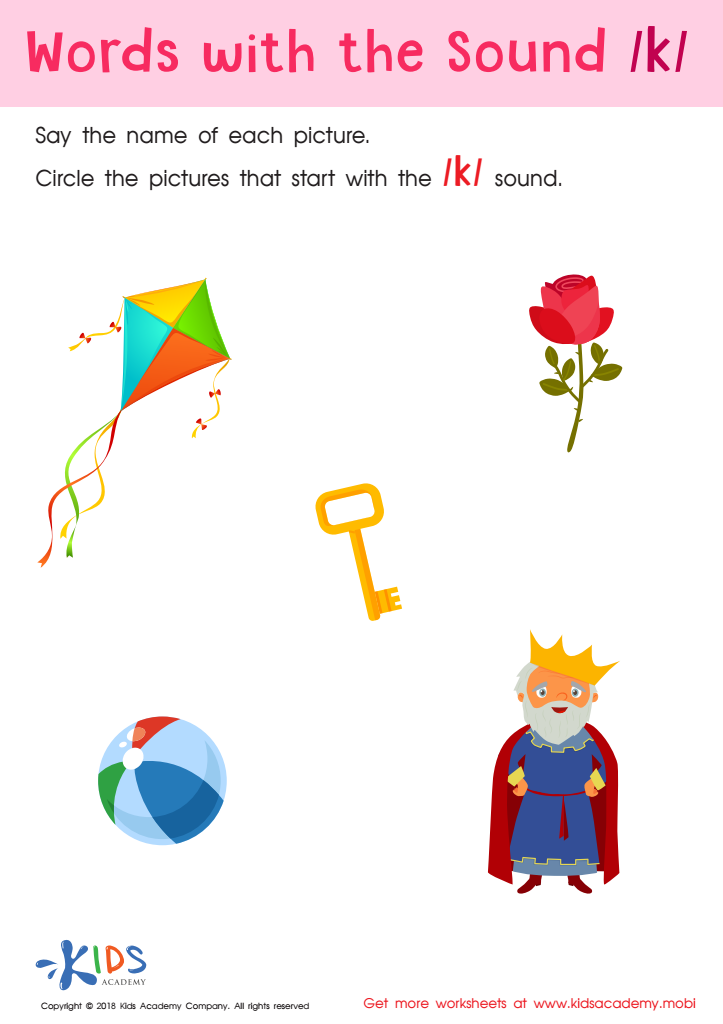
Words with sound k Reading Worksheet








Normal phonics instruction plays a foundational role in literacy development for children aged 6-8. This period is critical for young learners as they transition from recognizing letters to comprehending and forming words. Phonemic awareness—the ability to hear and manipulate sounds in words—is key to unlocking reading fluency. When parents and teachers focus on normal phonics, they help children connect letters with their corresponding sounds (phonemes), aiding them in decoding new words independently. This skill not only boosts reading confidence but also enhances spelling and comprehension abilities.
By fostering strong phonics skills, children are better equipped to tackle more complex linguistic tasks as they progress in school. A secure grasp of phonics lays a robust groundwork for lifelong reading and learning, significantly affecting overall academic achievement. Teachers or parents using effective phonics programs can recognize and address early reading difficulties, providing support before these challenges become entrenched. Additionally, reinforcing phonics at home allows for consistent practice, melding classroom learning with real-world application. Ultimately, by prioritizing phonics education around ages 6-8, parents and teachers enable children to become proficient readers, set them on a path for academic success, and instill a love for reading that can last a lifetime.







