Normal Fractions Worksheets for Ages 6-8
16 filtered results
-
From - To
Explore our engaging Normal Fractions Worksheets, tailored for children aged 6-8! These carefully crafted worksheets help young learners grasp the concept of fractions in a fun and interactive way. With colorful illustrations and relatable examples, students will find it easier to understand fundamentals such as identifying, comparing, and simplifying fractions. Ideal for classroom use or homework, these resources encourage essential problem-solving skills and foster a love for math. Each worksheet is designed to promote critical thinking while aligning with educational standards. Enhance your child's learning experience and help them master fractions with our user-friendly materials today!
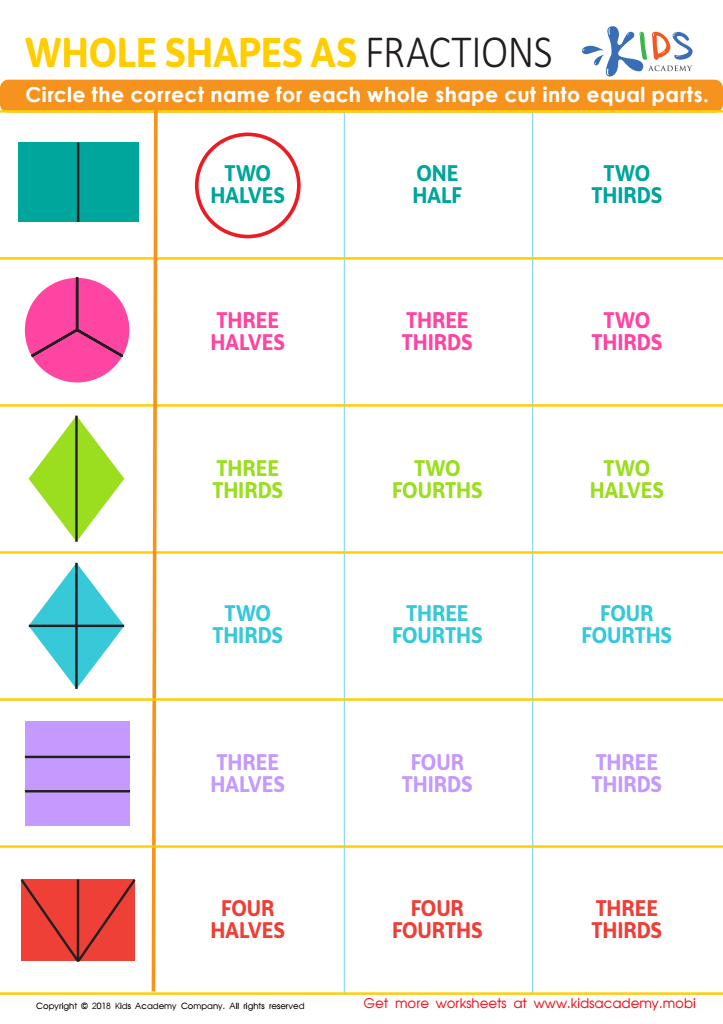
Whole Shapes as Fractions Worksheet
 Assign to My Students
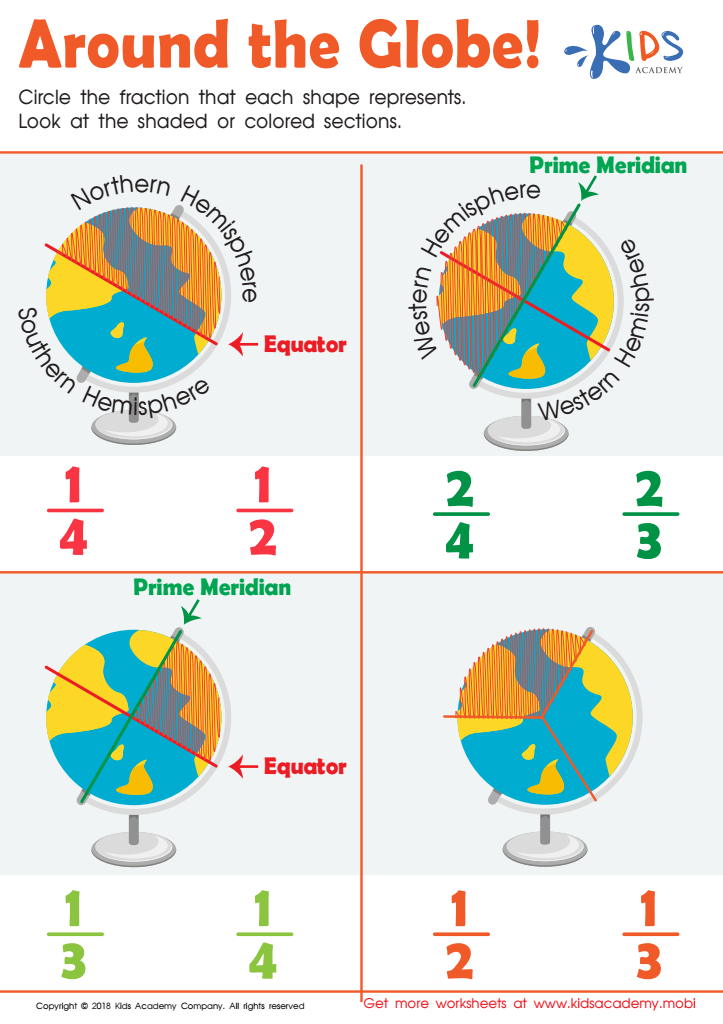
Around the Globe Worksheet
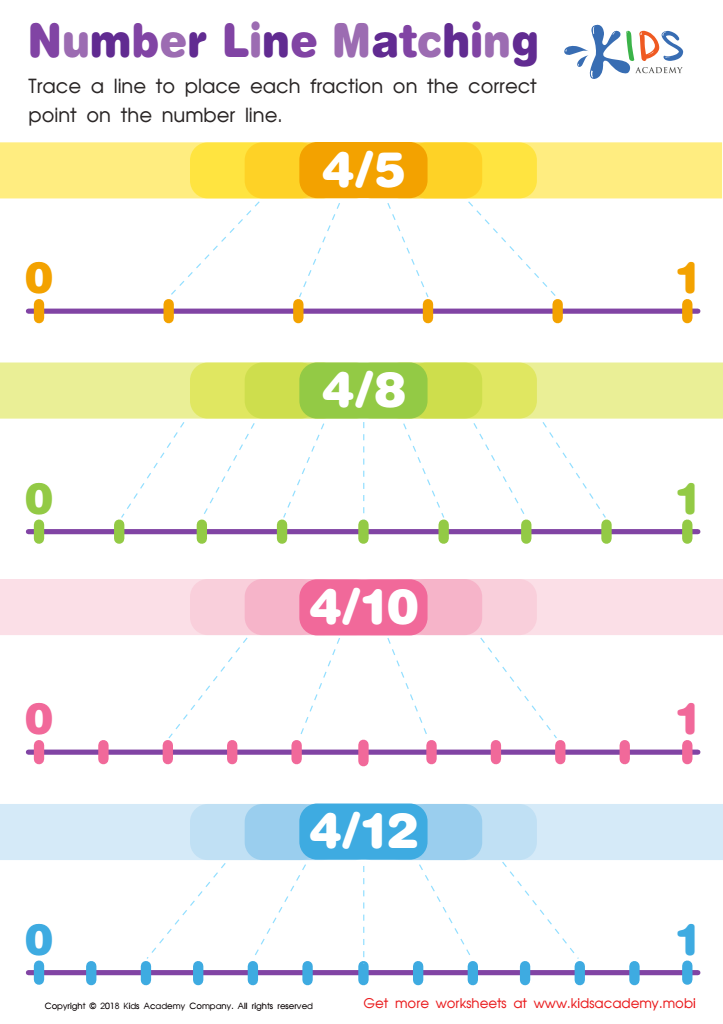
Number Line Matching Worksheet
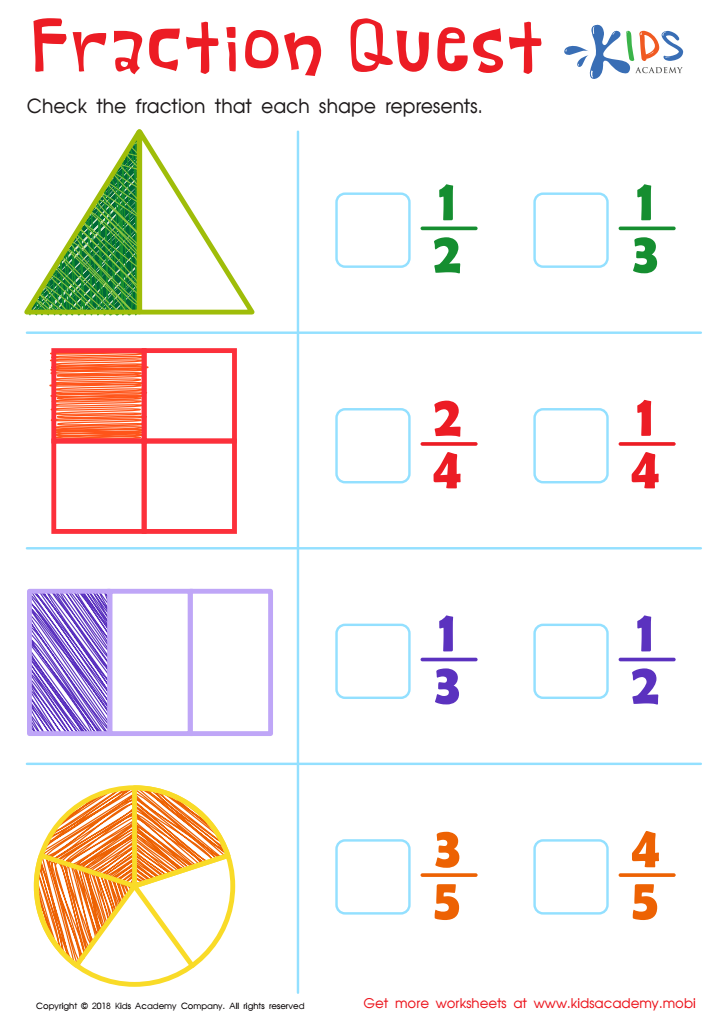
Fraction Quest Worksheet
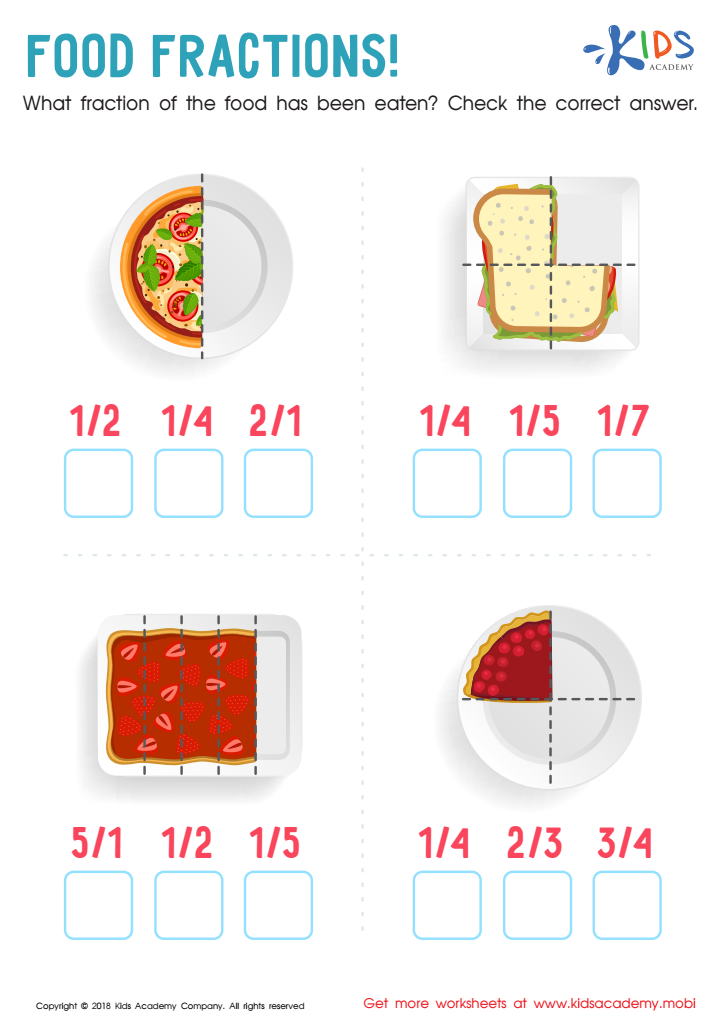
Food Fractions Worksheet
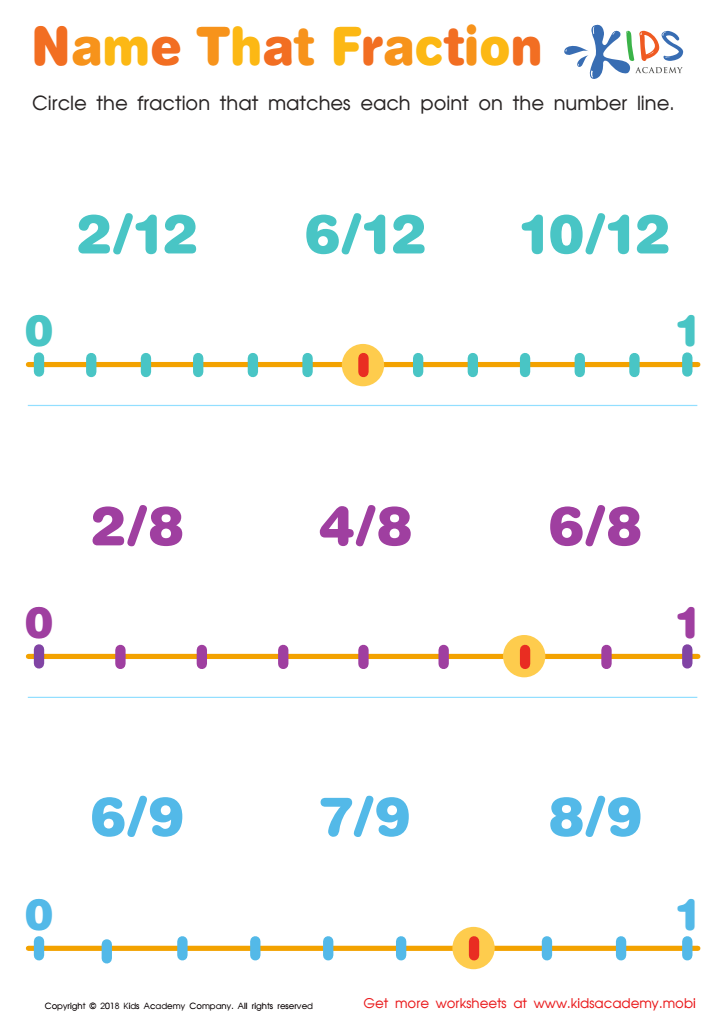
Name That Fraction Worksheet
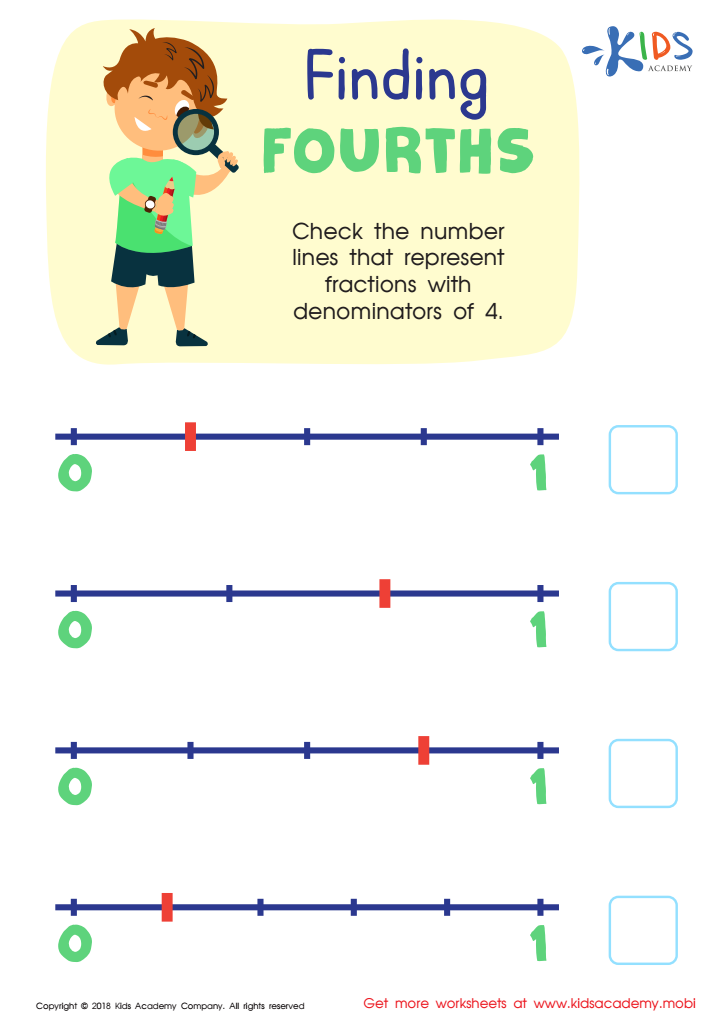
Finding Fourths Worksheet
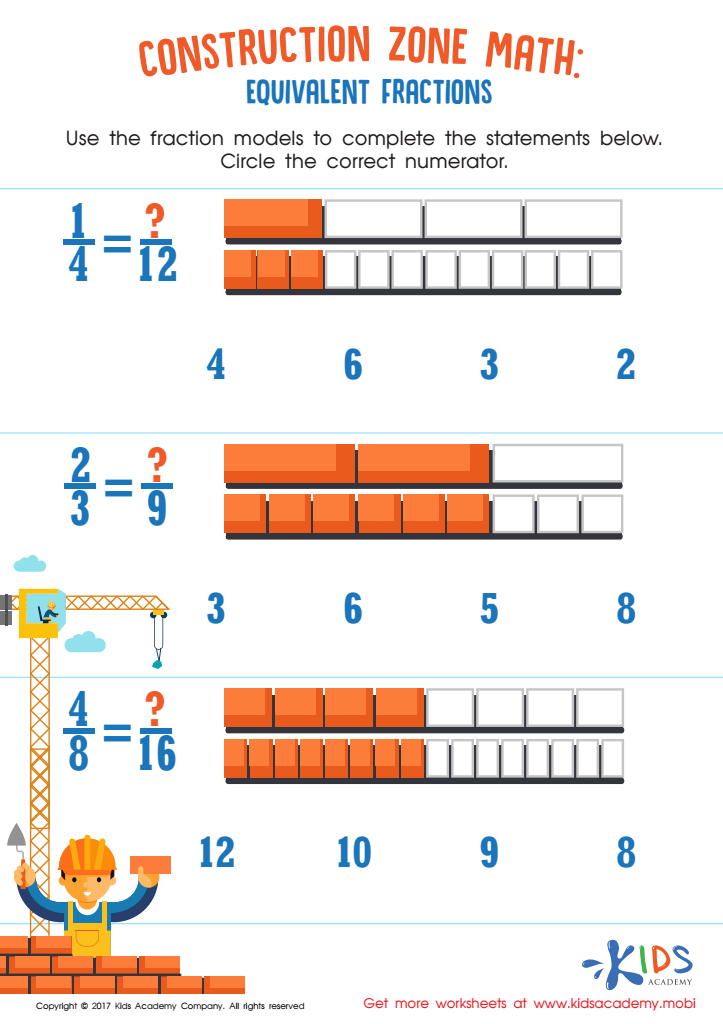
Equivalent Fractions Worksheet
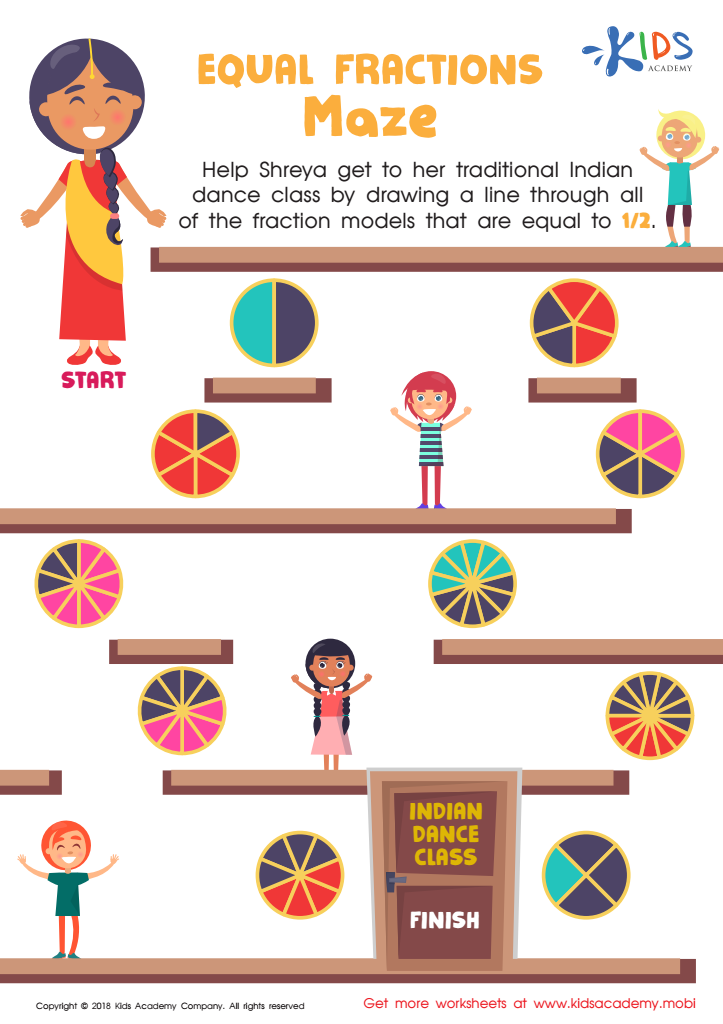
Equal Fractions Maze Worksheet
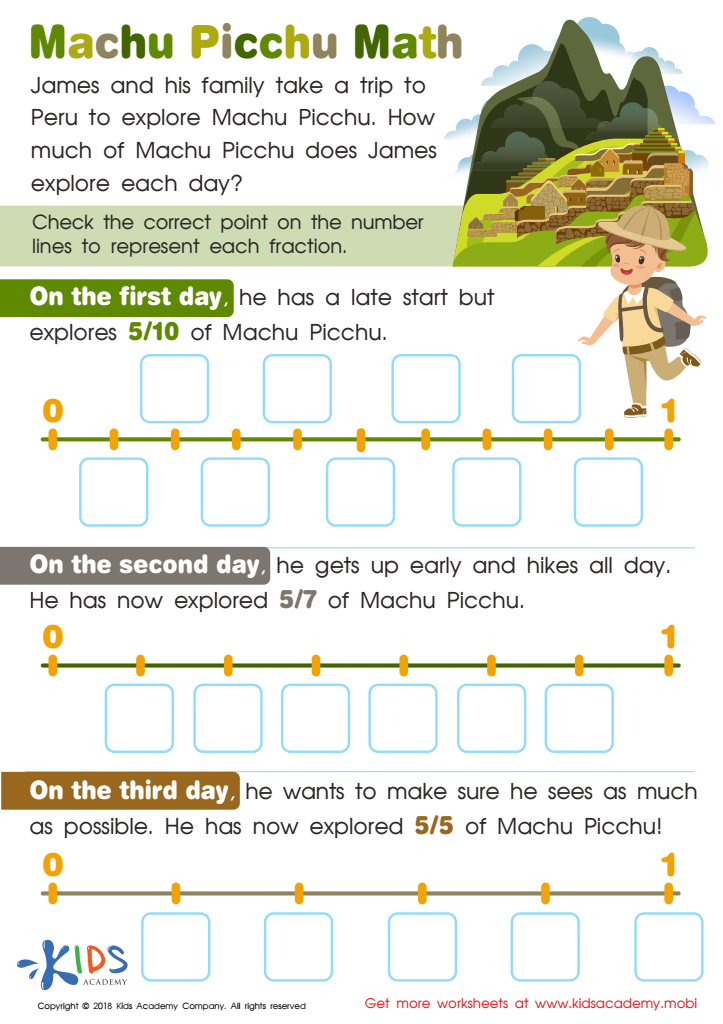
Machu Picchu Math Worksheet
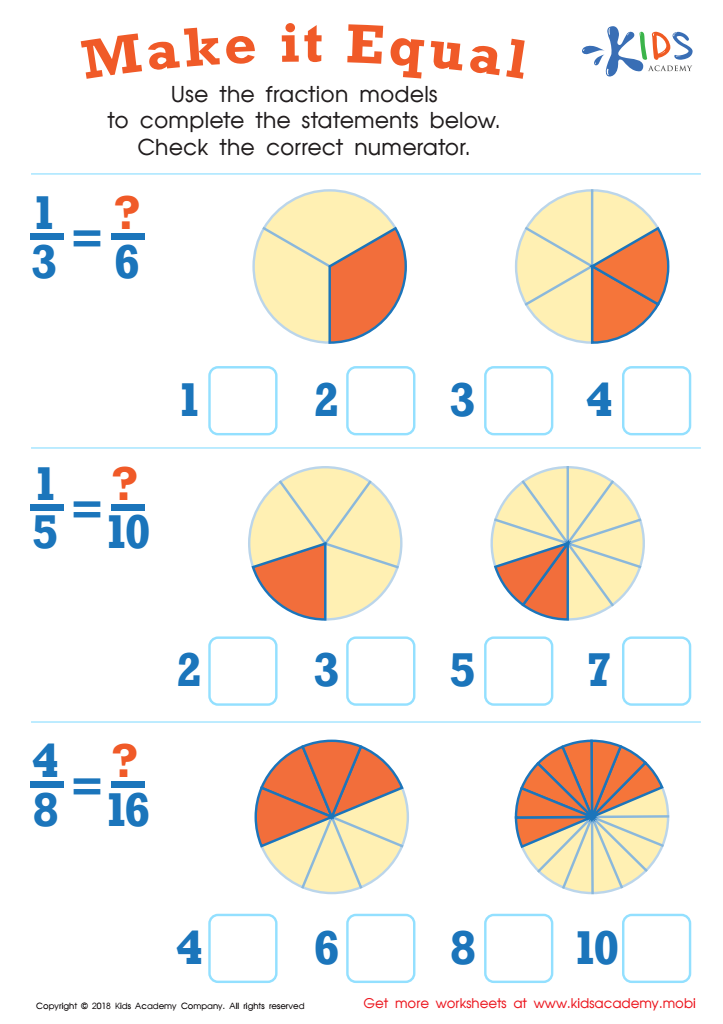
Make It Equal Worksheet
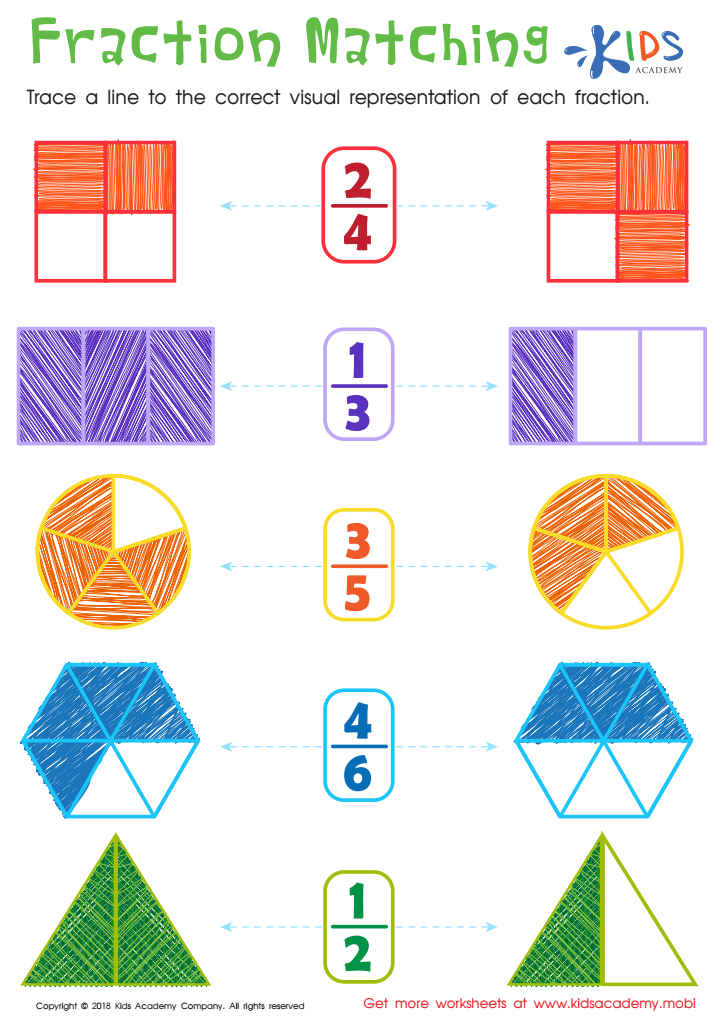
Fraction Matching Worksheet
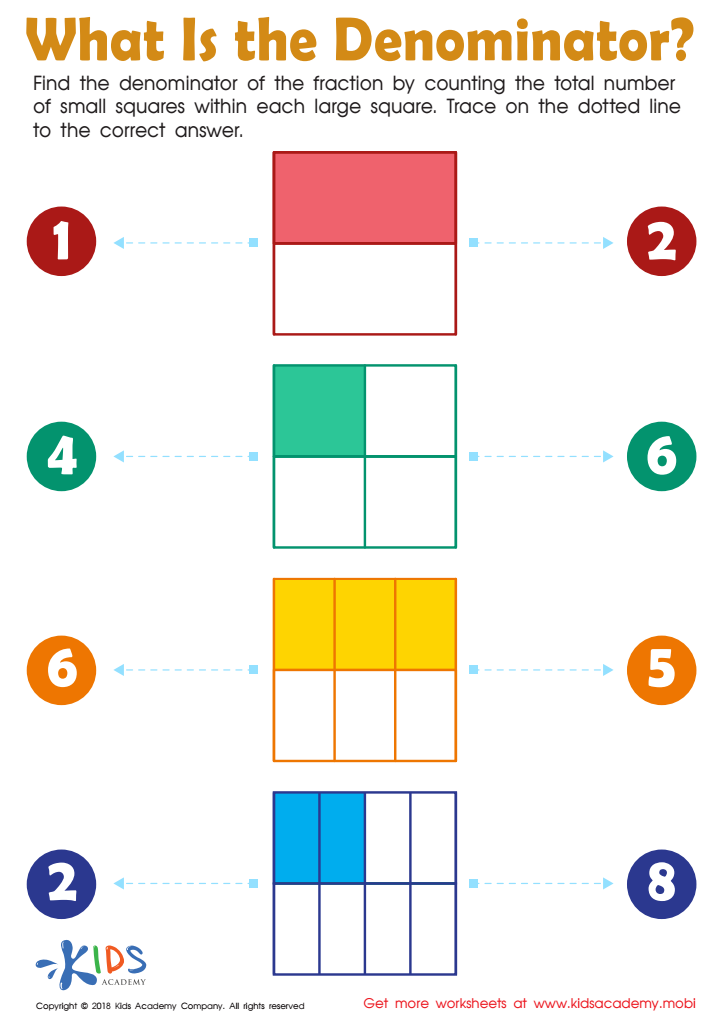
What Is the Denominator? Worksheet
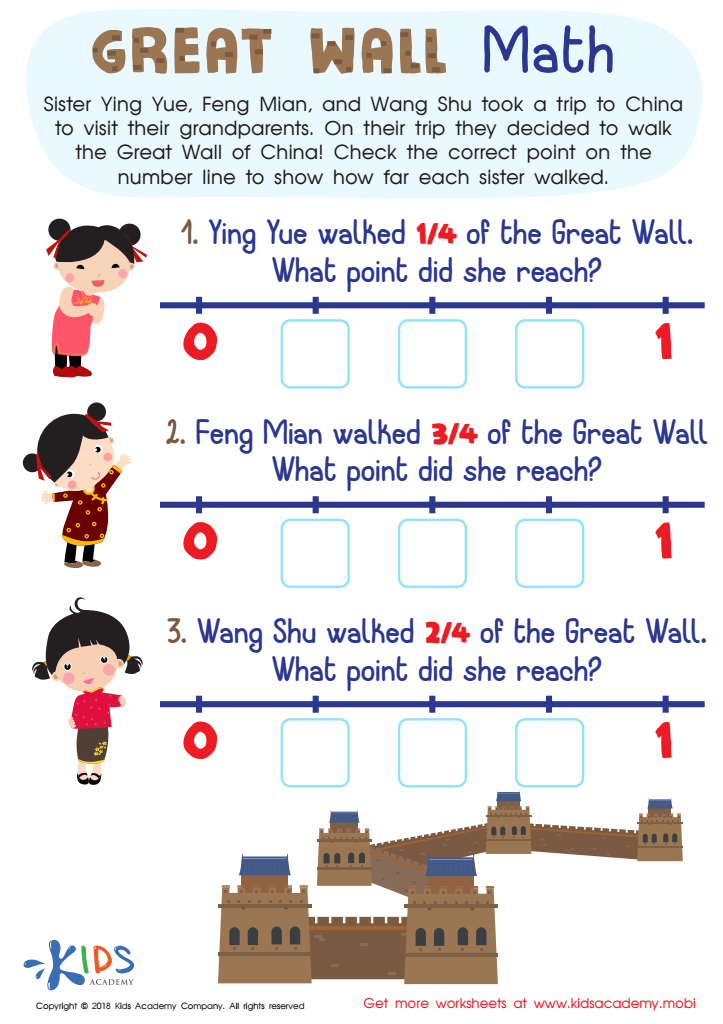
Great Wall Math Worksheet
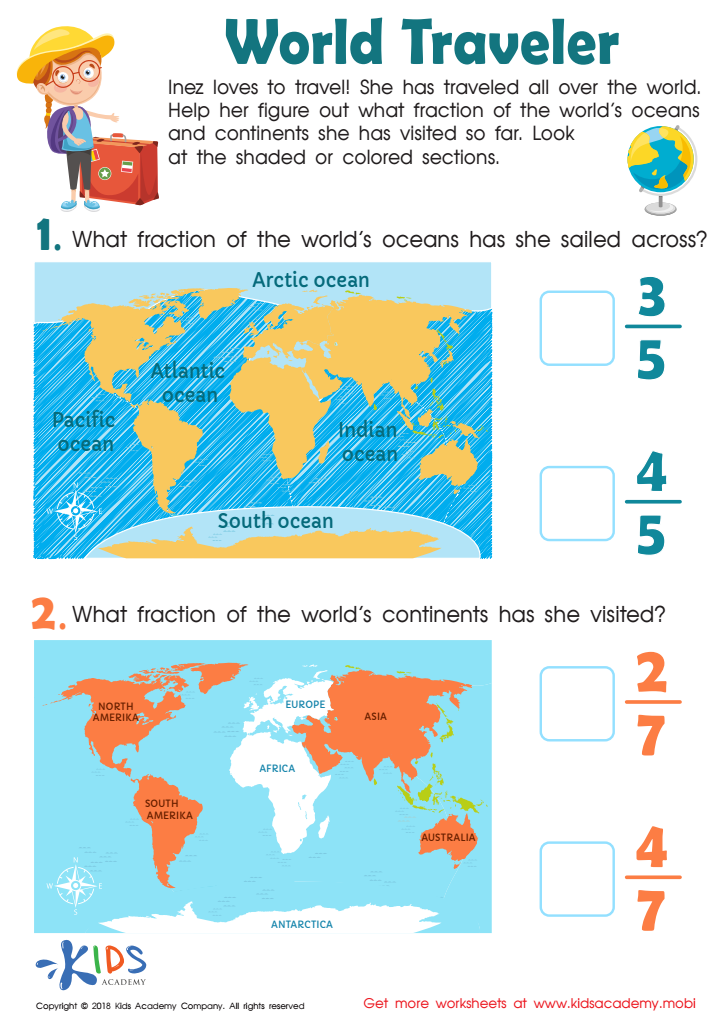
World Traveler Worksheet
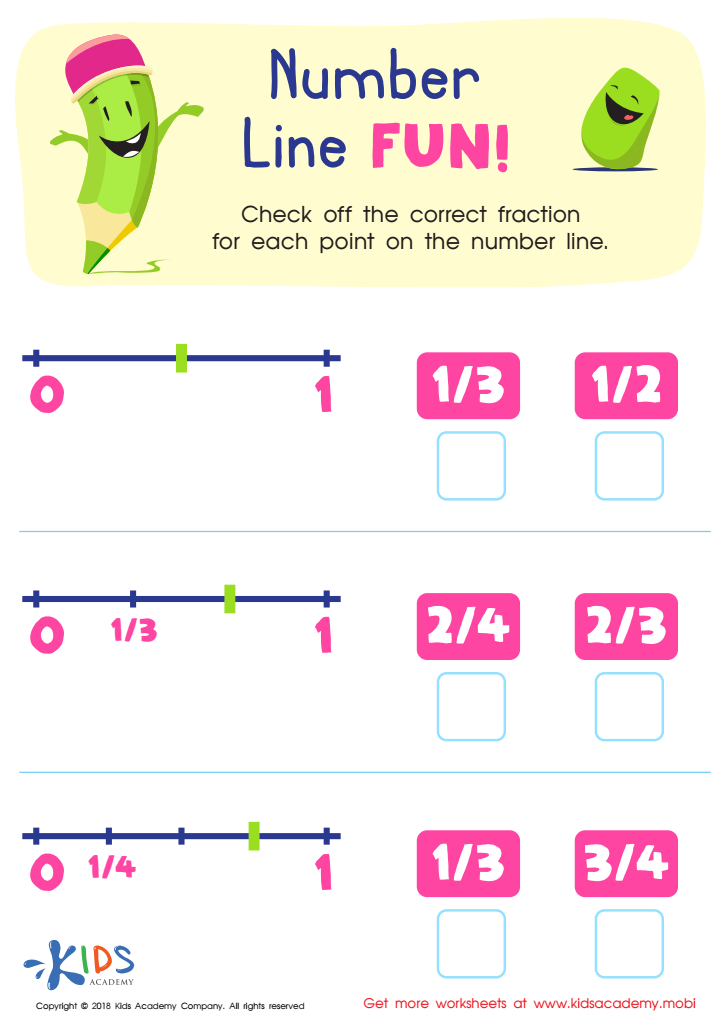
Number Line Fun Worksheet








Understanding normal fractions is essential for children aged 6-8 as it lays the groundwork for critical math skills and logical reasoning. At this developmental stage, kids are beginning to grasp abstract concepts, and fractions help cultivate this skill by introducing them to parts of a whole, relationships, and proportionality.
Fostering an understanding of fractions enhances a child’s problem-solving capabilities and prepares them for more complex mathematical concepts in later grades, such as decimals and percentages. Engaging with fractions also supports key cognitive abilities like pattern recognition and analytical thinking, crucial for overall academic success.
Moreover, learning fractions is not just a math skill; it has real-world applications. Whether slicing a pizza, sharing candies, or measuring ingredients in cooking, fractions permeate daily life. Parents and teachers can utilize these everyday experiences to make math relatable and fun, boosting kids' confidence and interest in the subject.
Encouraging children to explore normal fractions through hands-on activities and estimation exercises not only reinforces these concepts but also fosters a curious mindset. Overall, instilling a solid understanding of fractions equips children with vital tools for future learning and everyday decision-making. Hence, parents and educators should prioritize this area in their teaching efforts.








