Normal Multiplication Worksheets for Ages 6-8 - Page 2
34 filtered results
-
From - To
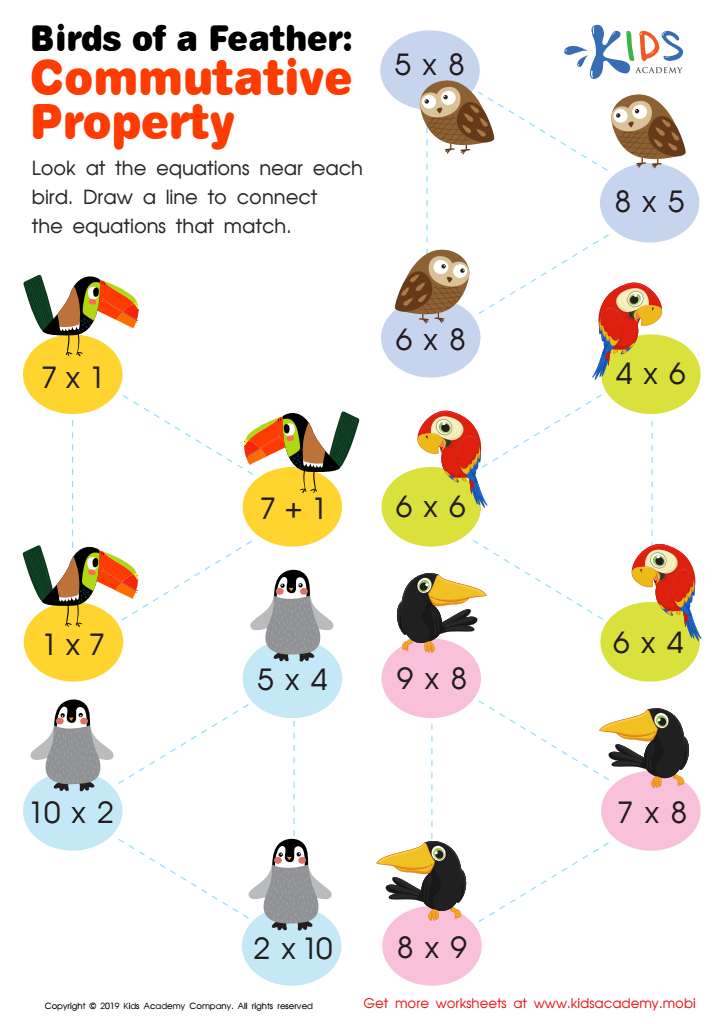
Birds of a Feather: Commutative Property Worksheet
 Assign to My Students
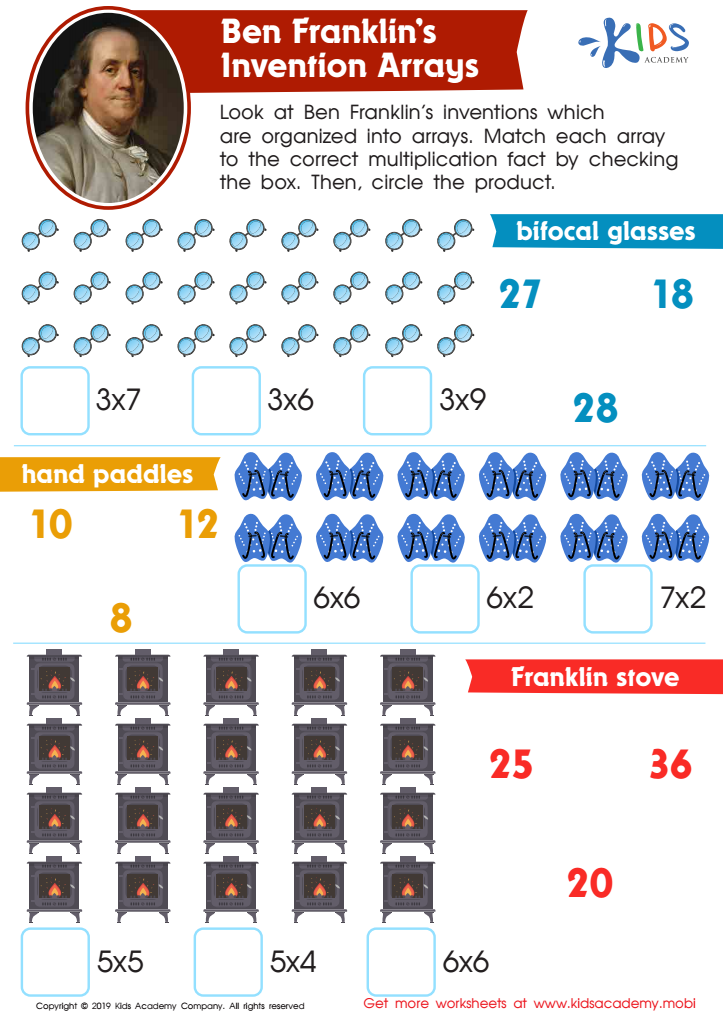
Ben Franklin’s Invention Arrays Worksheet
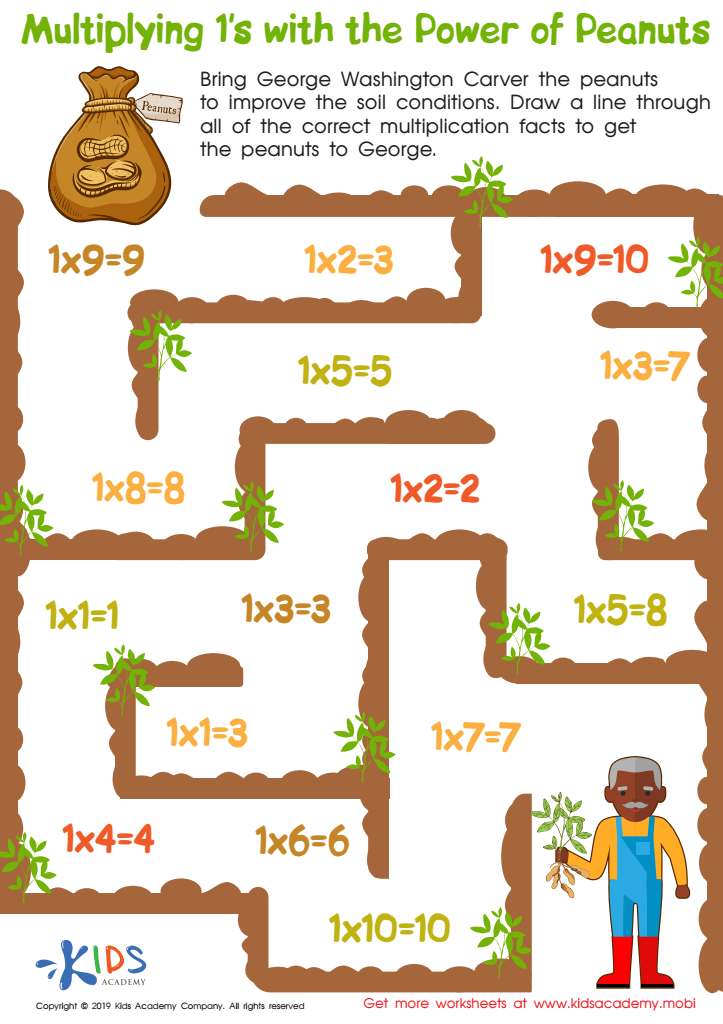
Multiplying 1’s With the Power of Peanuts Worksheet
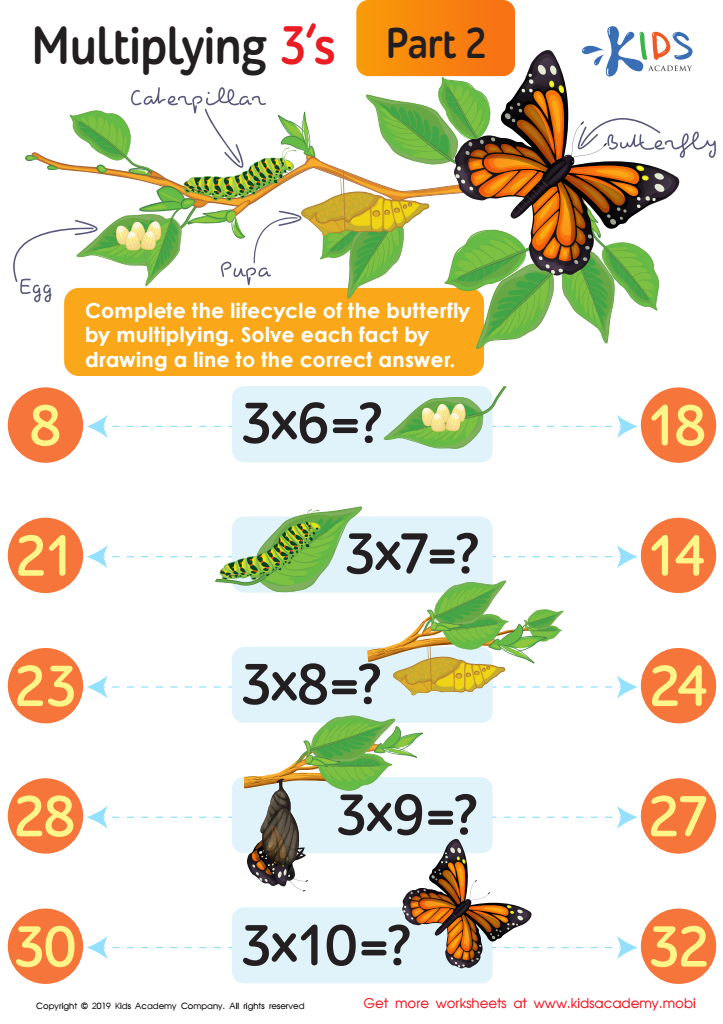
Multiplying 3s Part 2 Worksheet
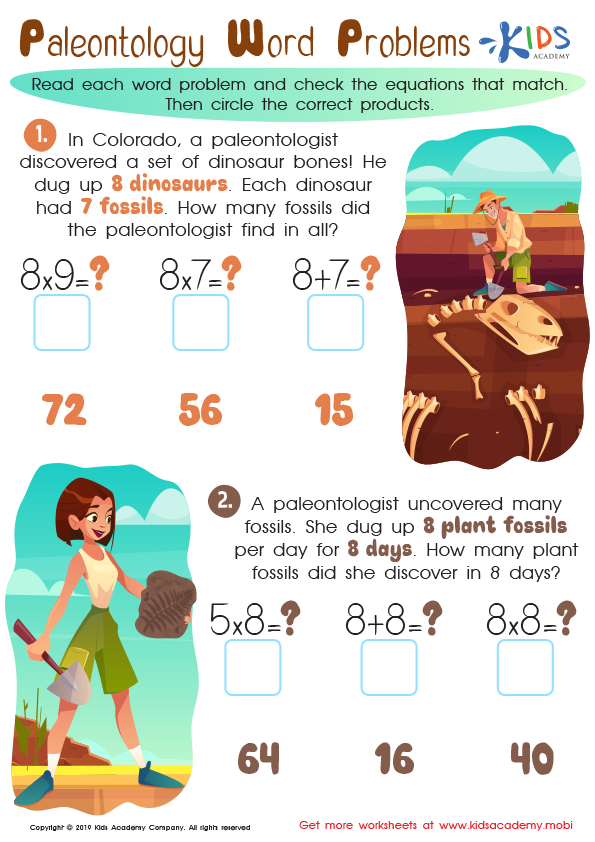
Archeology Word Problems Worksheet
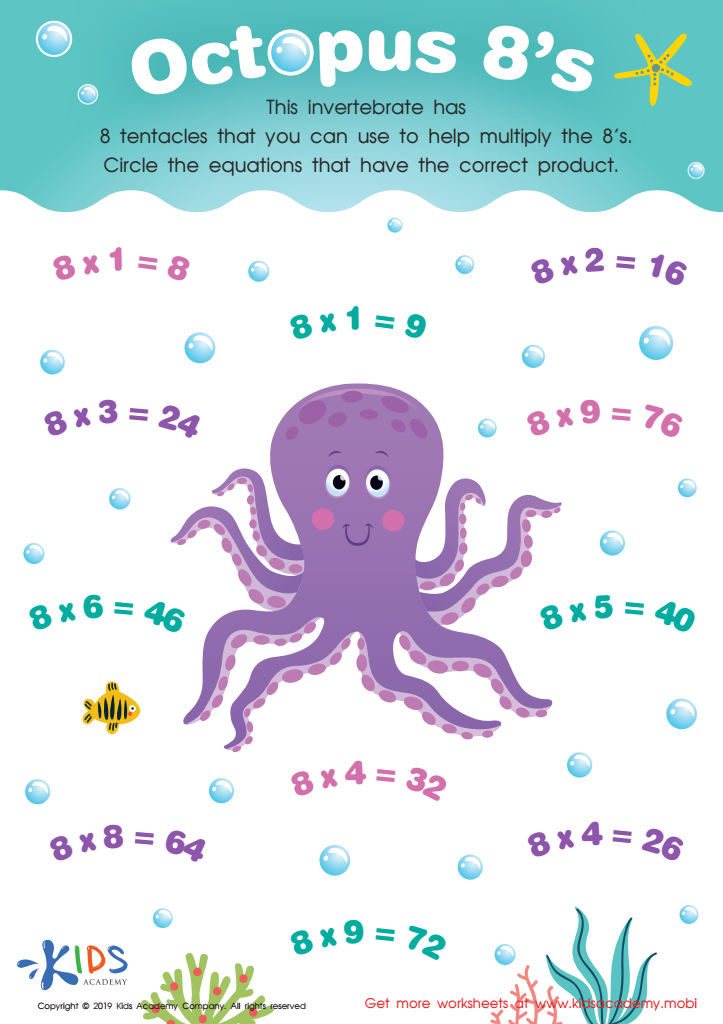
Octopus 8’s Worksheet
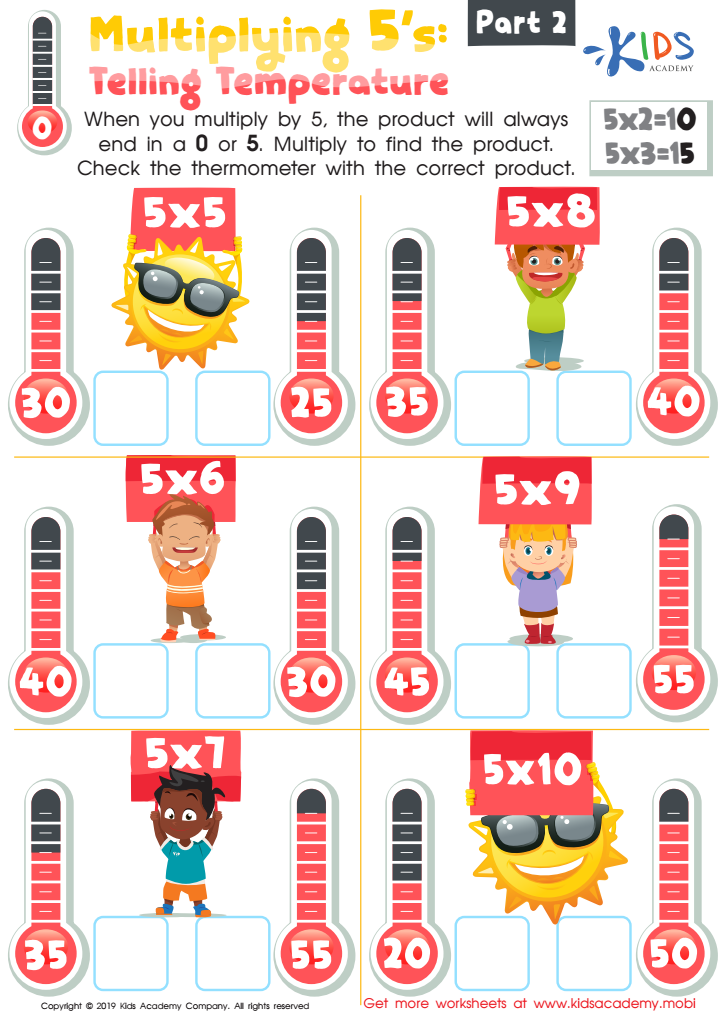
Multiplying 5’s: Telling Temperature Part 2 Worksheet
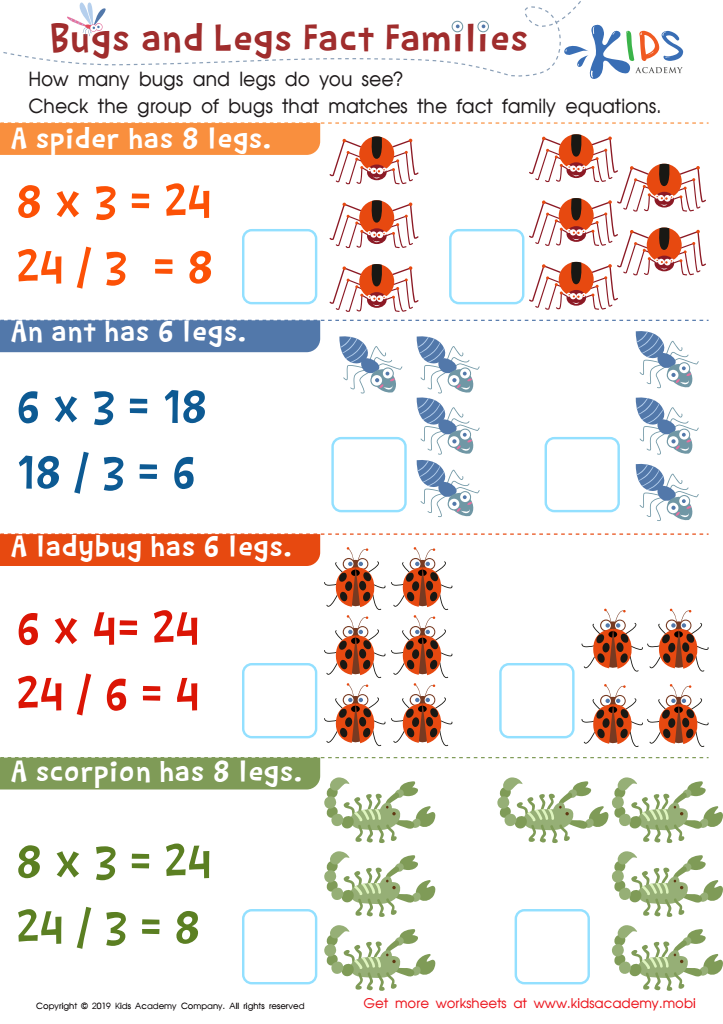
Bugs and Legs Fact Families Worksheet
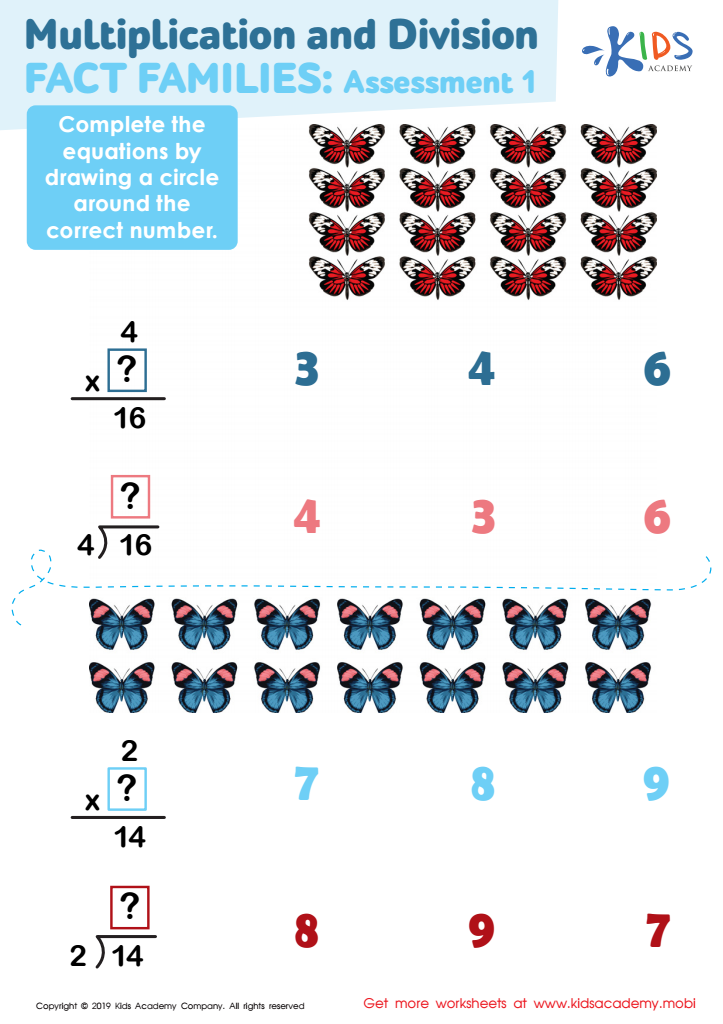
Multiplication and Division Fact Families Assessment 1 Worksheet
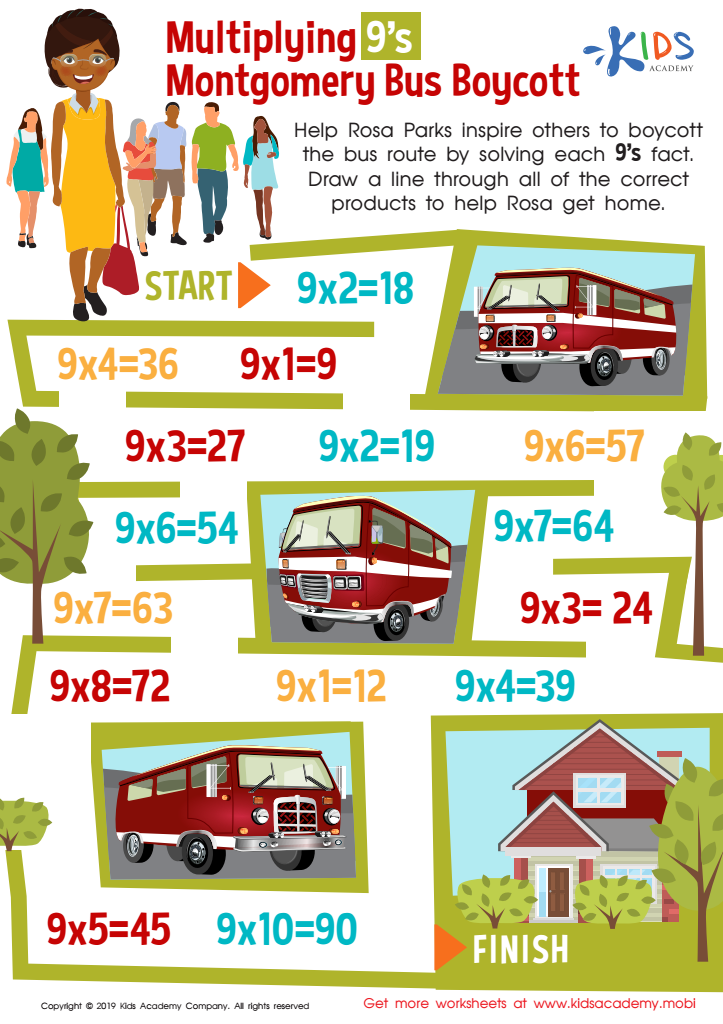
Multiplying 9’s Montgomery Bus Boycott Worksheet







Normal multiplication, typically introduced to children ages 6-8, plays a crucial role in their mathematical development and overall cognitive skills. First and foremost, mastering multiplication forms a foundation for more advanced mathematics, enhancing problem-solving abilities and logical reasoning. It fosters numeracy competence, allowing children to comprehend broader mathematical concepts, including division, fractions, and even calculus in later years.
For parents and teachers, understanding normal multiplication is essential because it encourages engagement and support. By reinforcing multiplication through engaging activities and real-life examples, adults can create a more enjoyable learning environment. This cooperation not only solidifies the child's understanding but also strengthens their confidence in tackling future mathematical challenges.
Additionally, normal multiplication aids in the development of critical life skills such as perseverance, patience, and attention to detail. Children learn to approach problems systematically, which is invaluable across subjects and in everyday situations. Encouraging practice with multiplication through games or challenges makes learning fun and relatable.
In summary, grasping normal multiplication is pivotal for children ages 6-8. It not only lays the groundwork for higher-level math but also nurtures essential learning habits that benefit multiple aspects of their education and personal growth.








