Normal Math Worksheets for Ages 6-9 - Page 2
510 filtered results
-
From - To
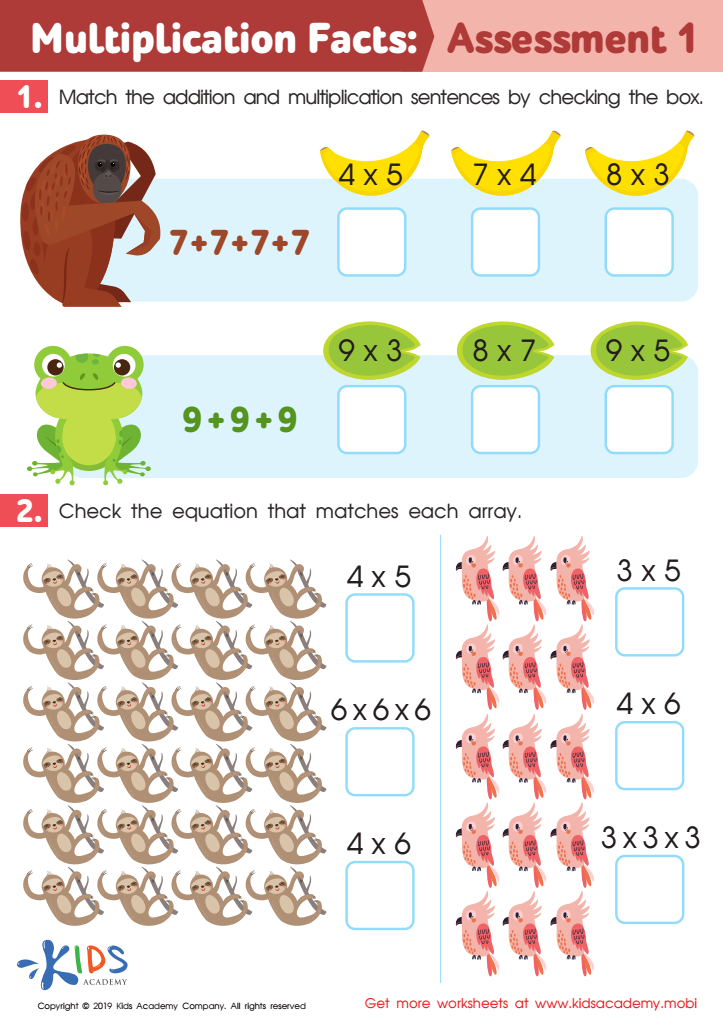
Multiplication Facts: Assessment 1 Worksheet
 Assign to My Students
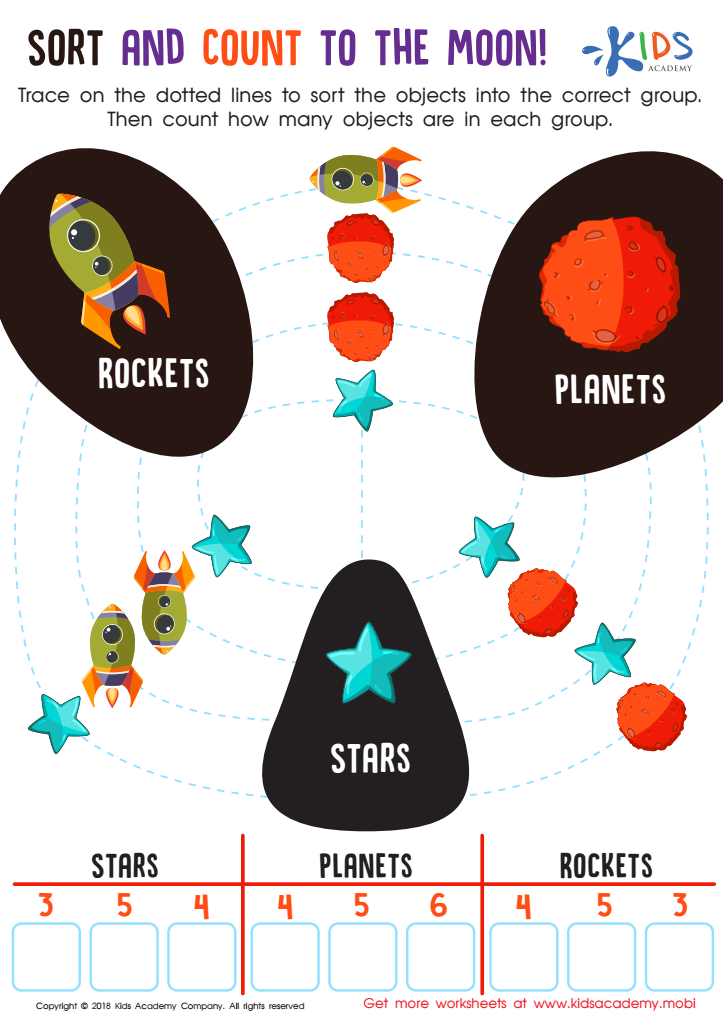
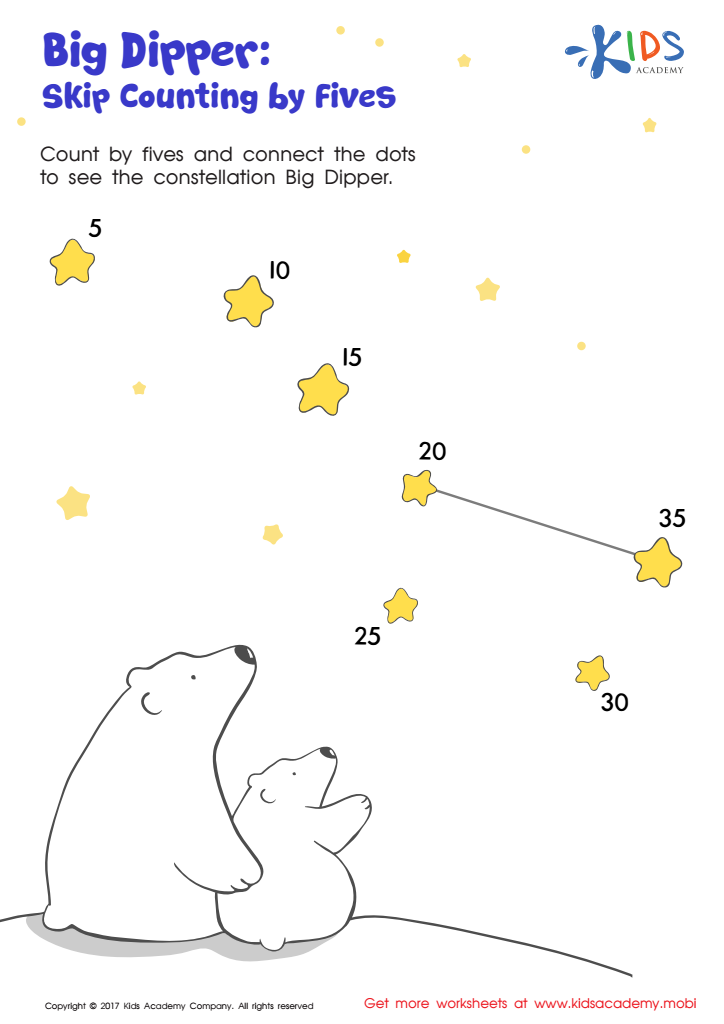
Sort and Count to the Moon Worksheet
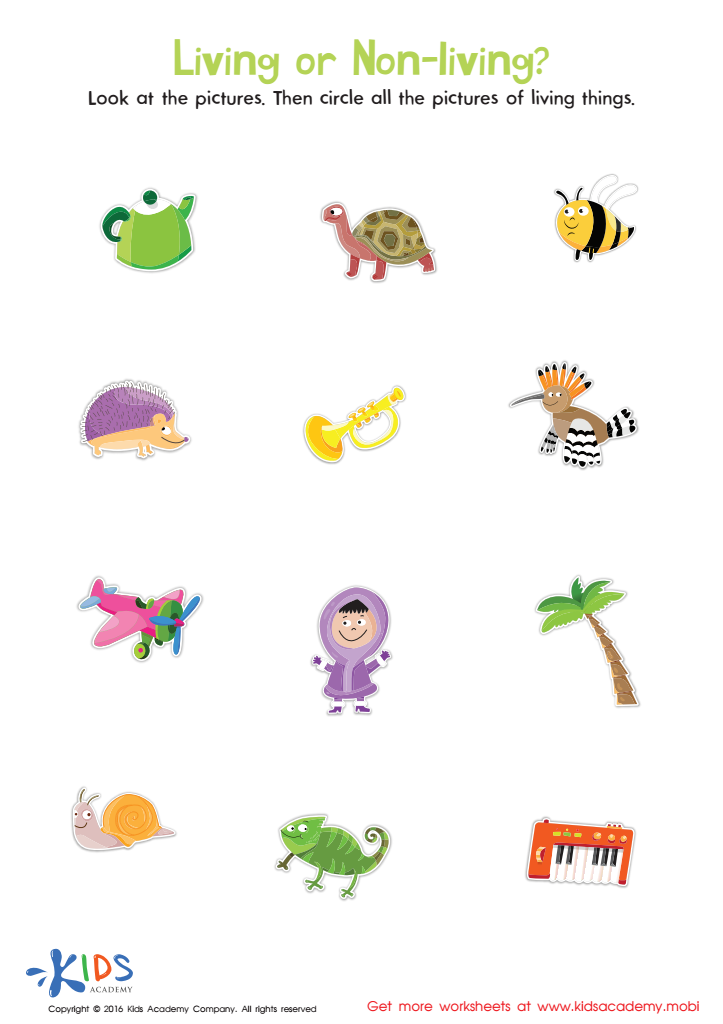
Identifying Living and Non–living Things Sorting Worksheet
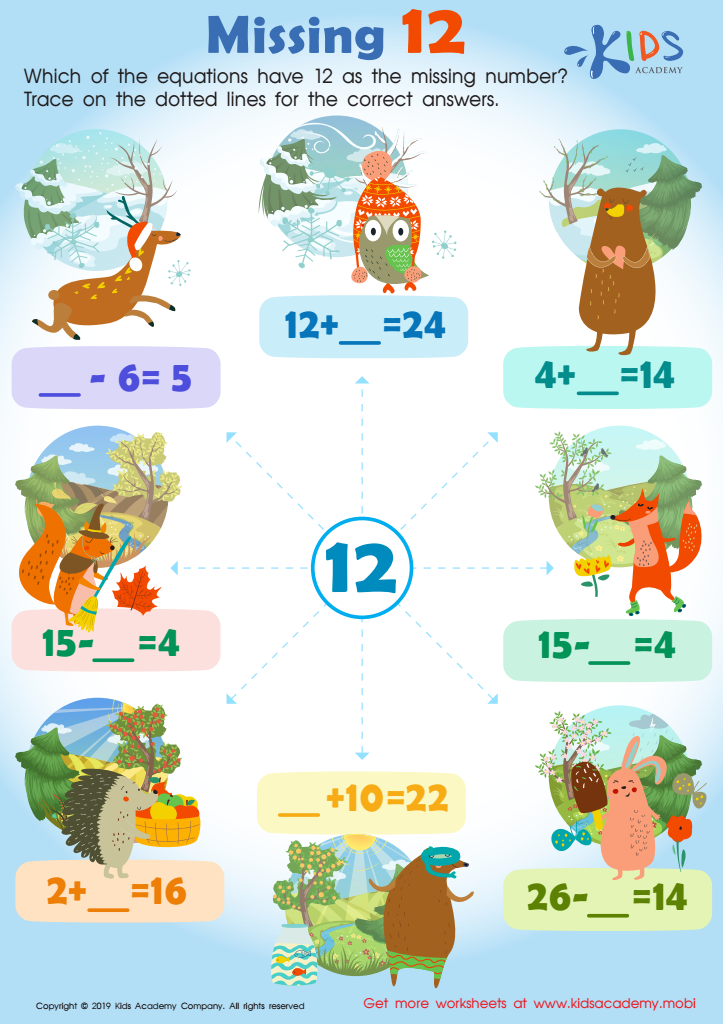
Missing 12 Worksheet
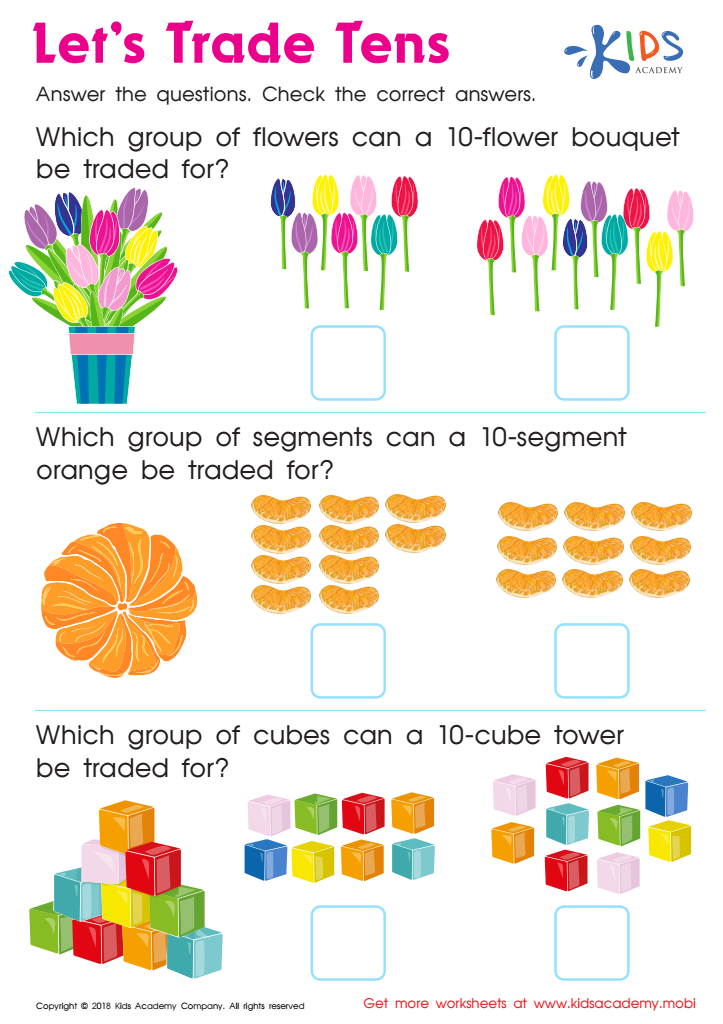
Lets Trade Tens Worksheet
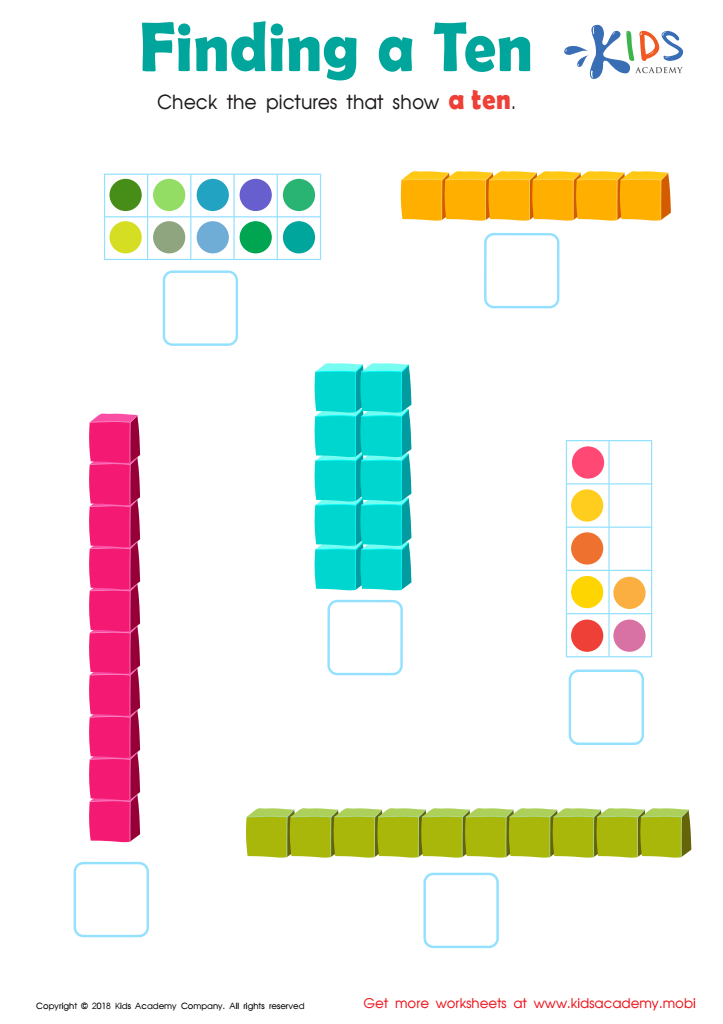
Finding a Ten Worksheet
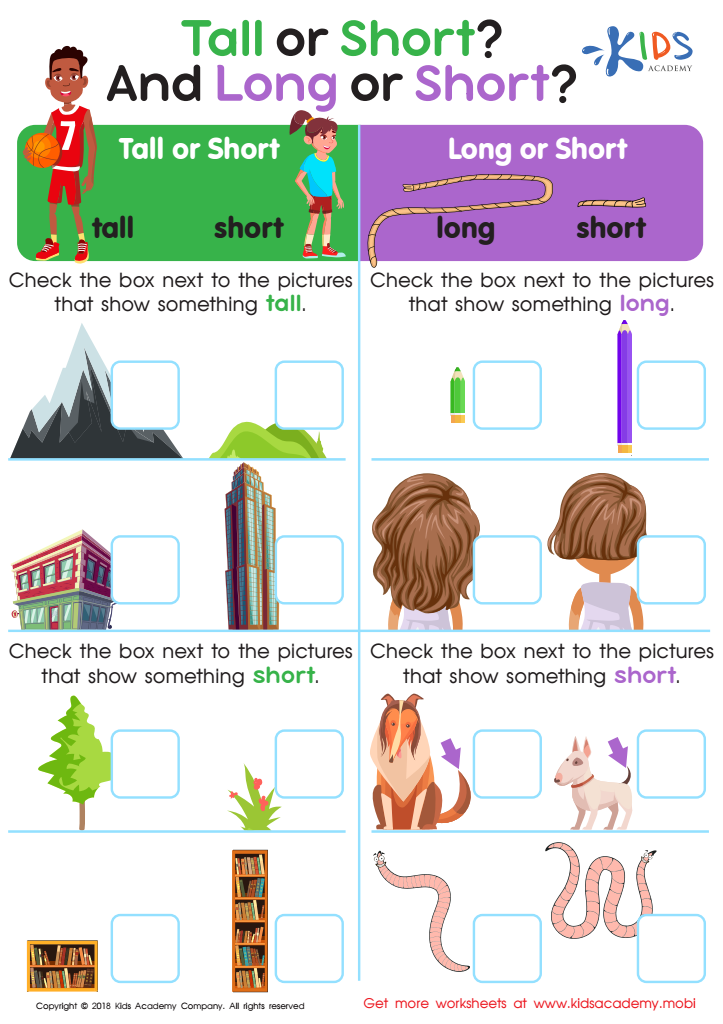
Tall or Short and Long or Short? Worksheet

8 Petals Worksheet
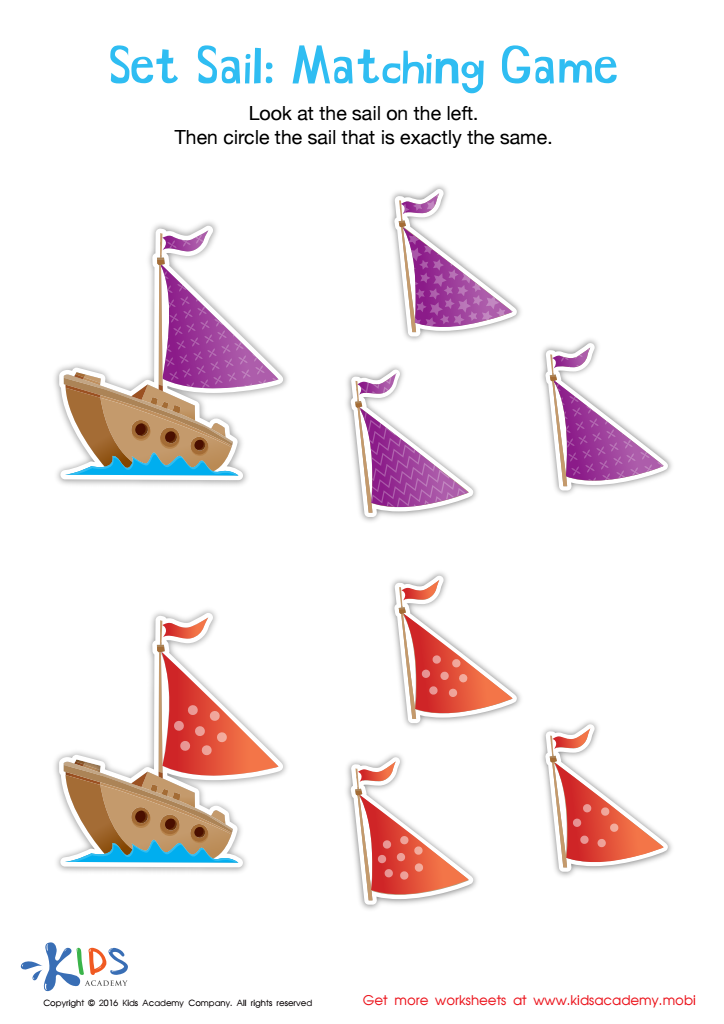
Set Sail Worksheet
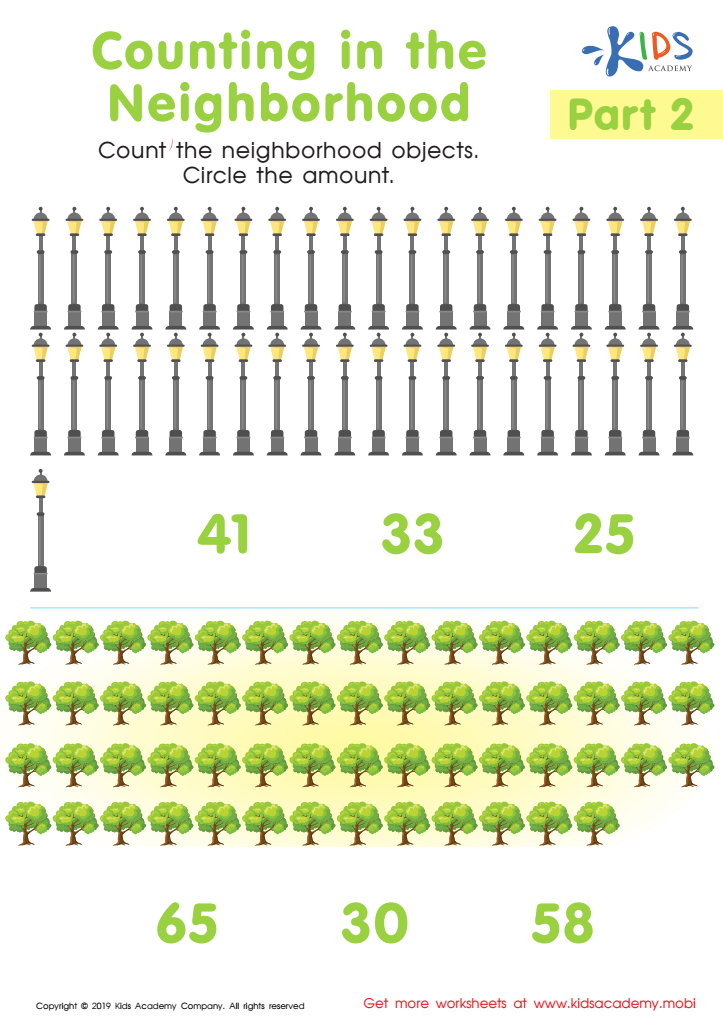
Counting In The Neighborhood Part 2 Worksheet
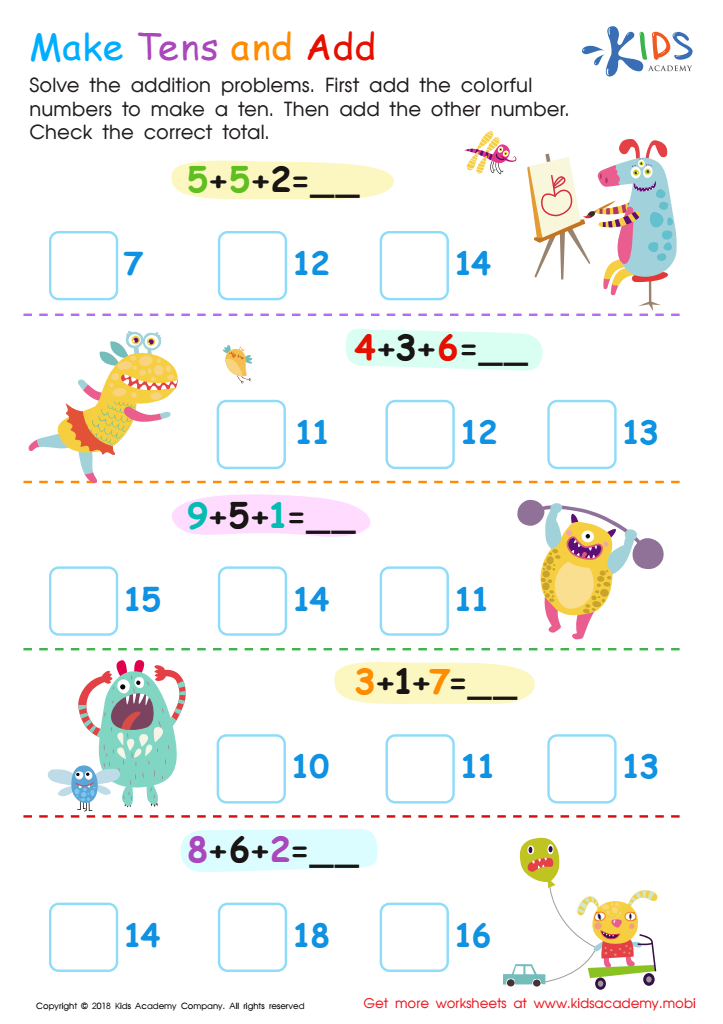
Make Tens and Add Worksheet
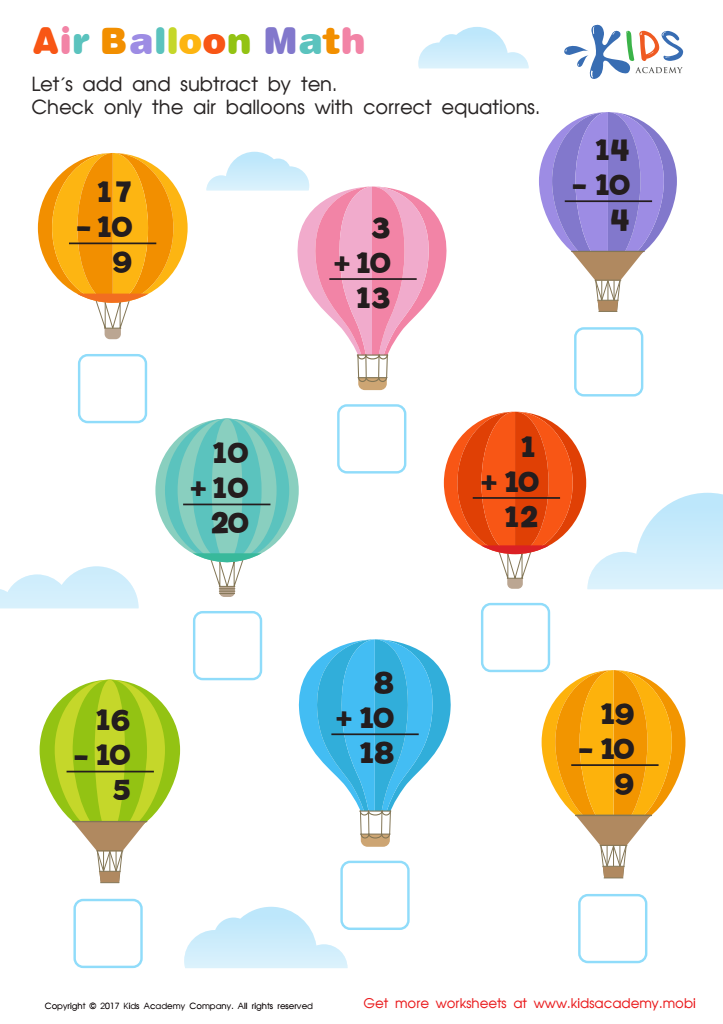
Air Balloon Math Worksheet
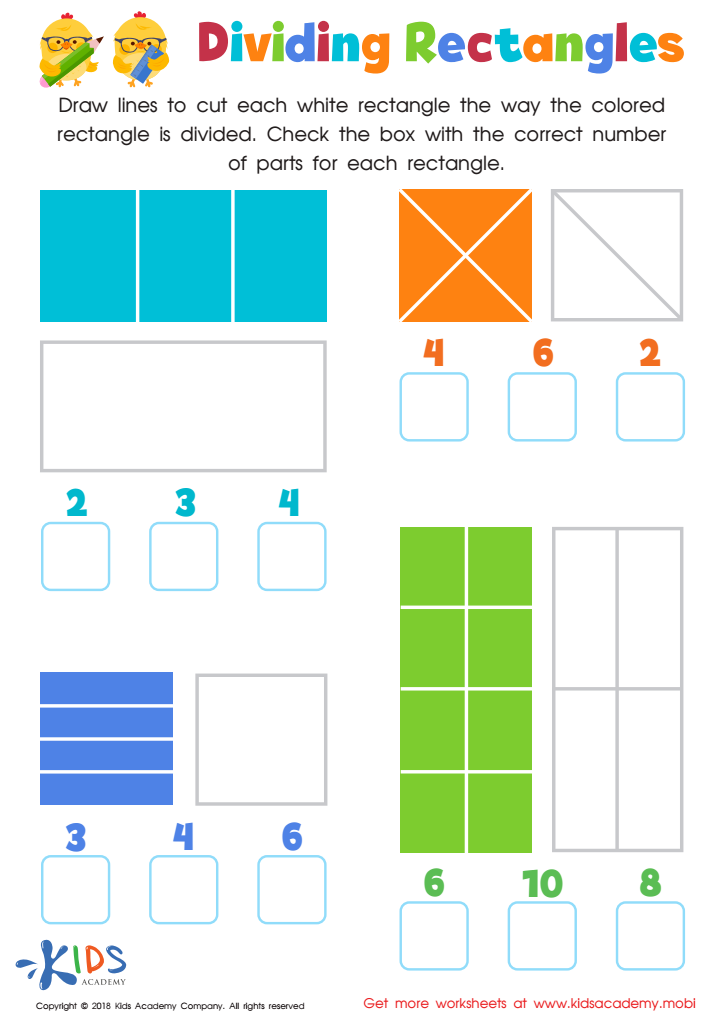
Dividing Rectangles Worksheet
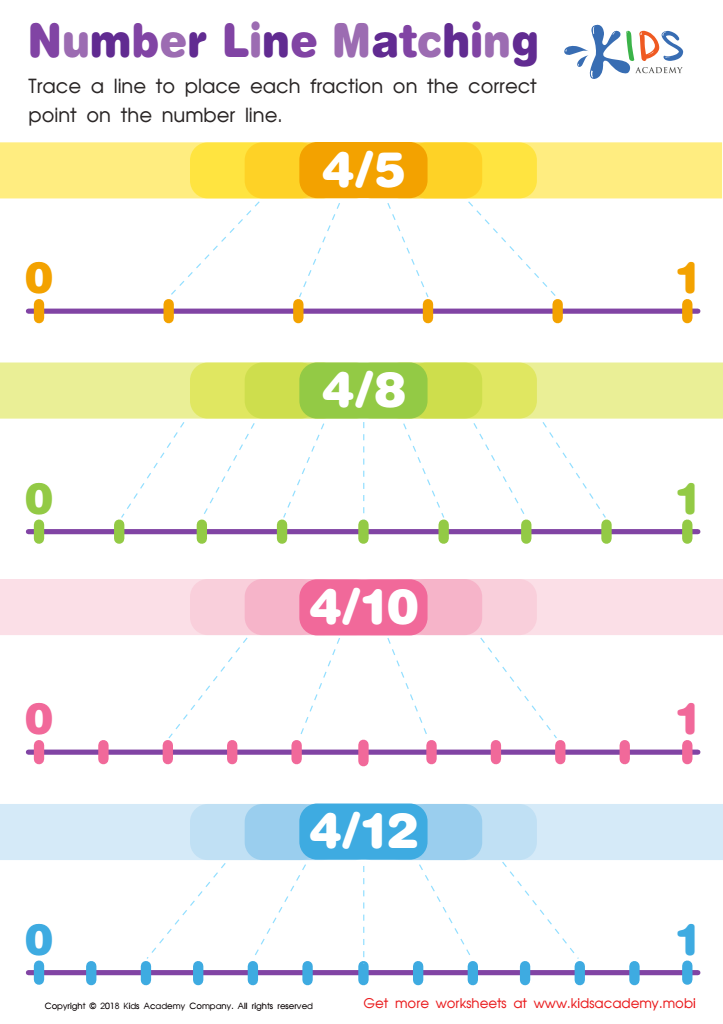
Number Line Matching Worksheet
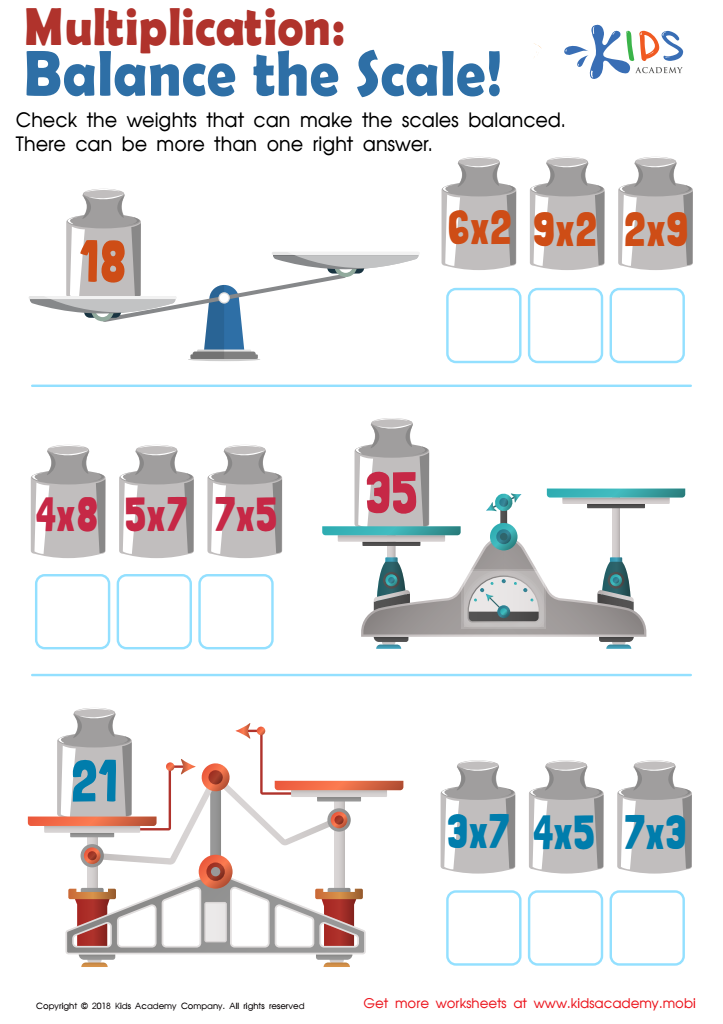
Balance the Scales Multiplication Worksheet
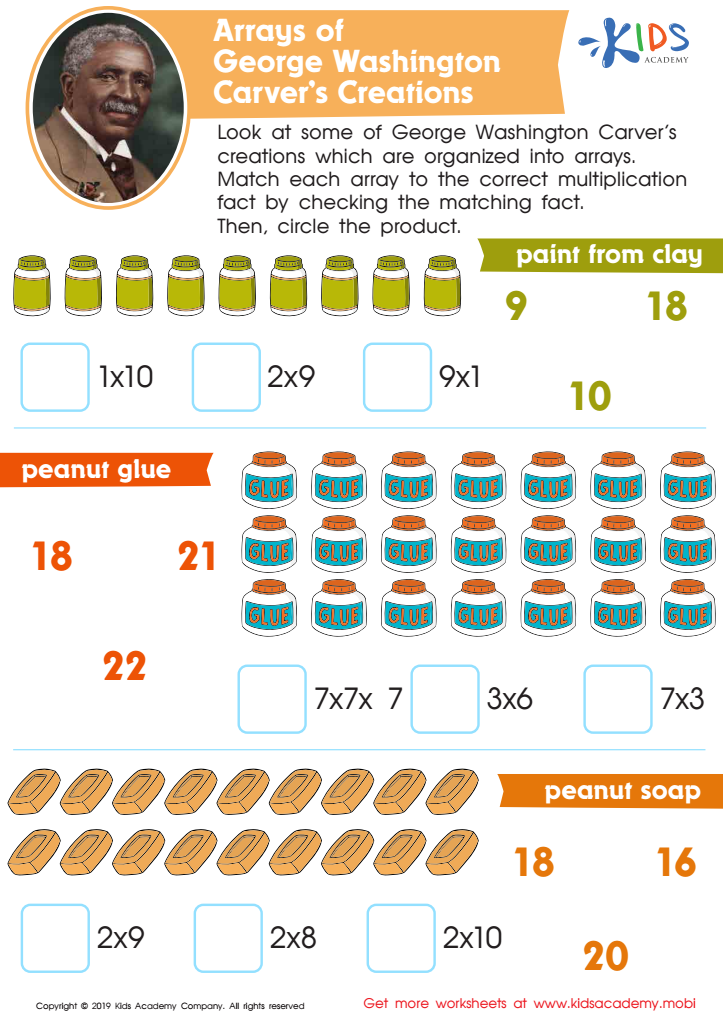
Arrays of George Washington Carver’s Creations Worksheet
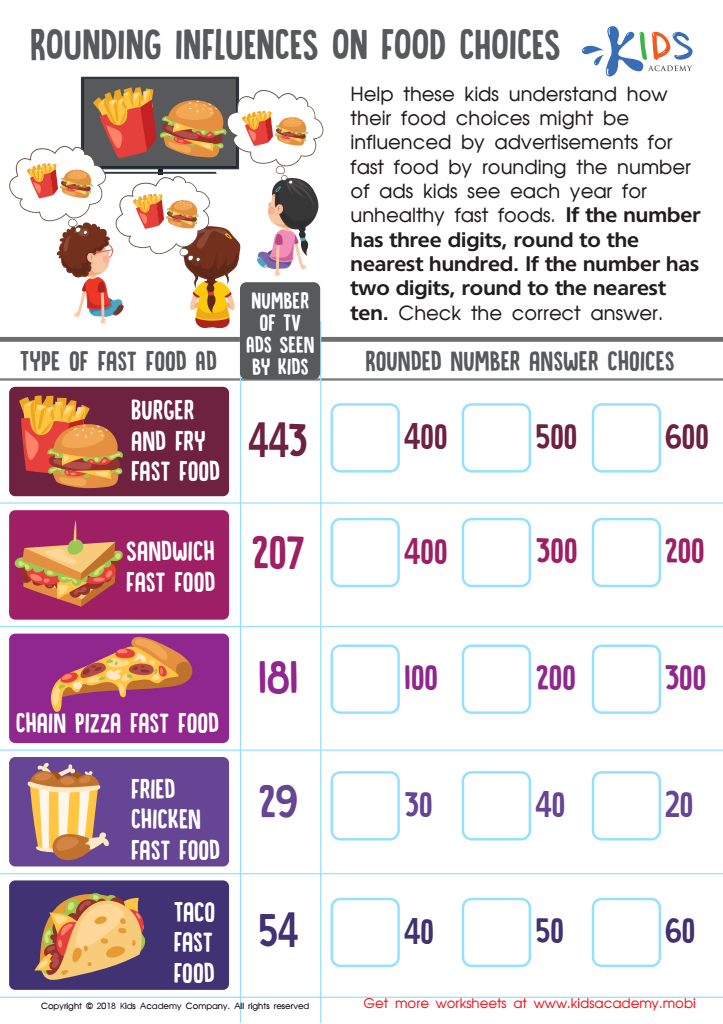
Rounding Influences Food Choices Worksheet
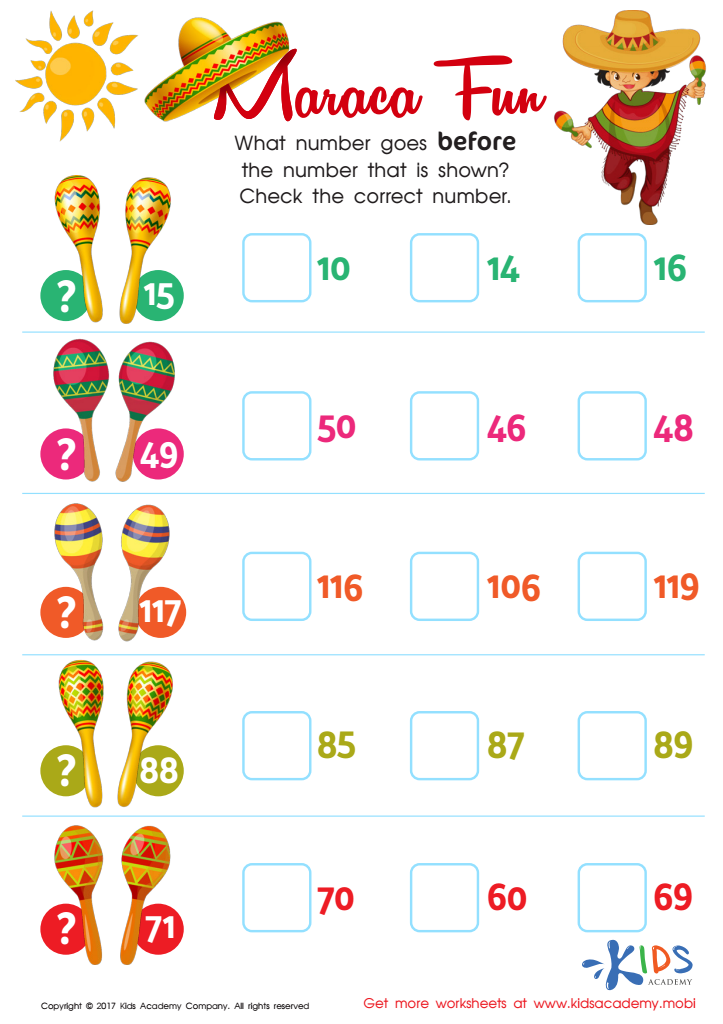
Counting: Maraca Fun Worksheet
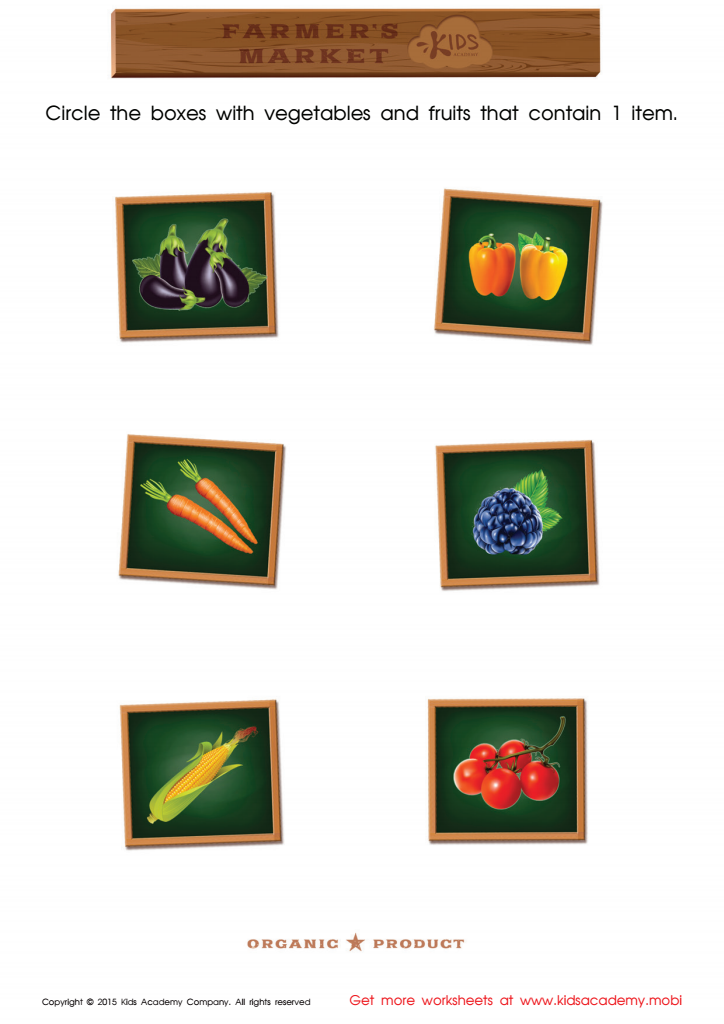
Count and Match Boxes with Vegetables
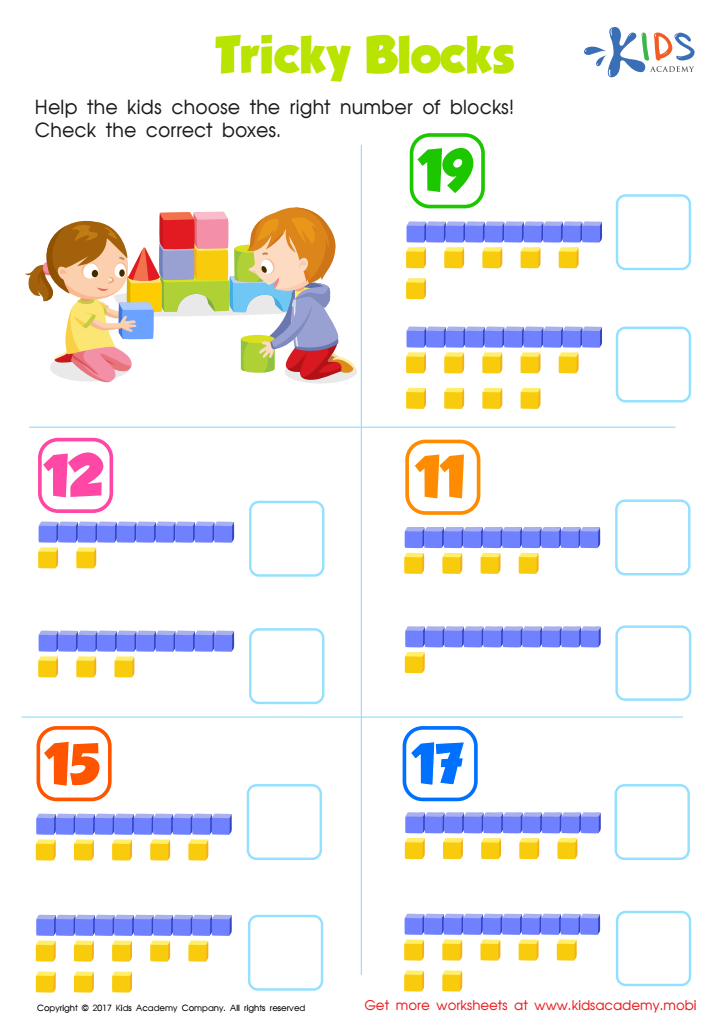
Tricky Blocks Worksheet
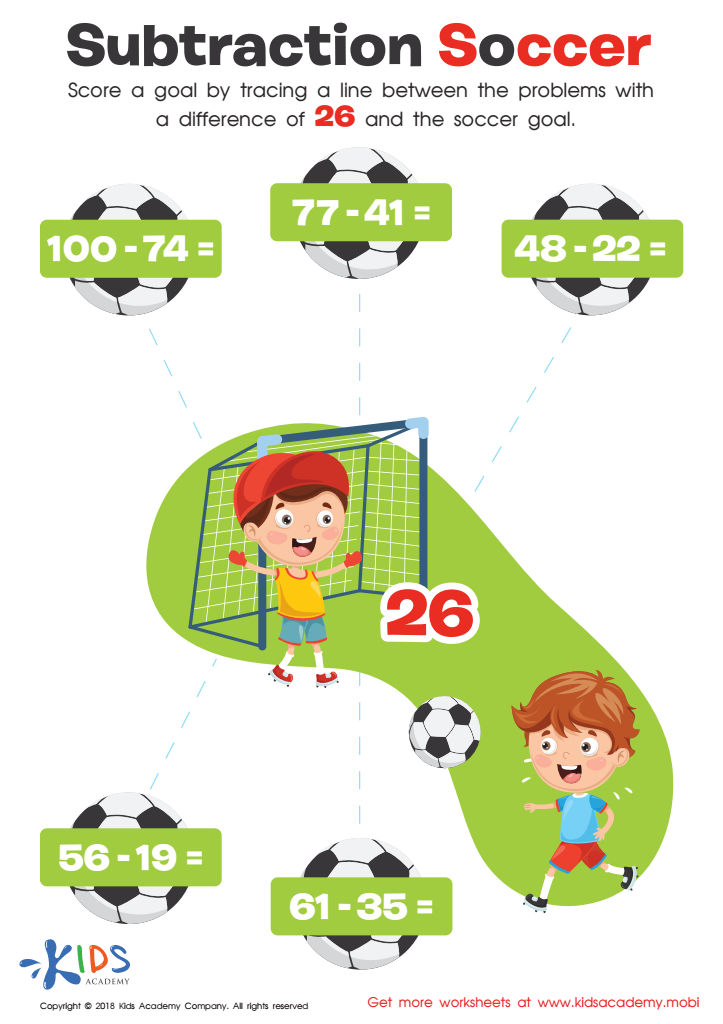
Subtraction Soccer Worksheet
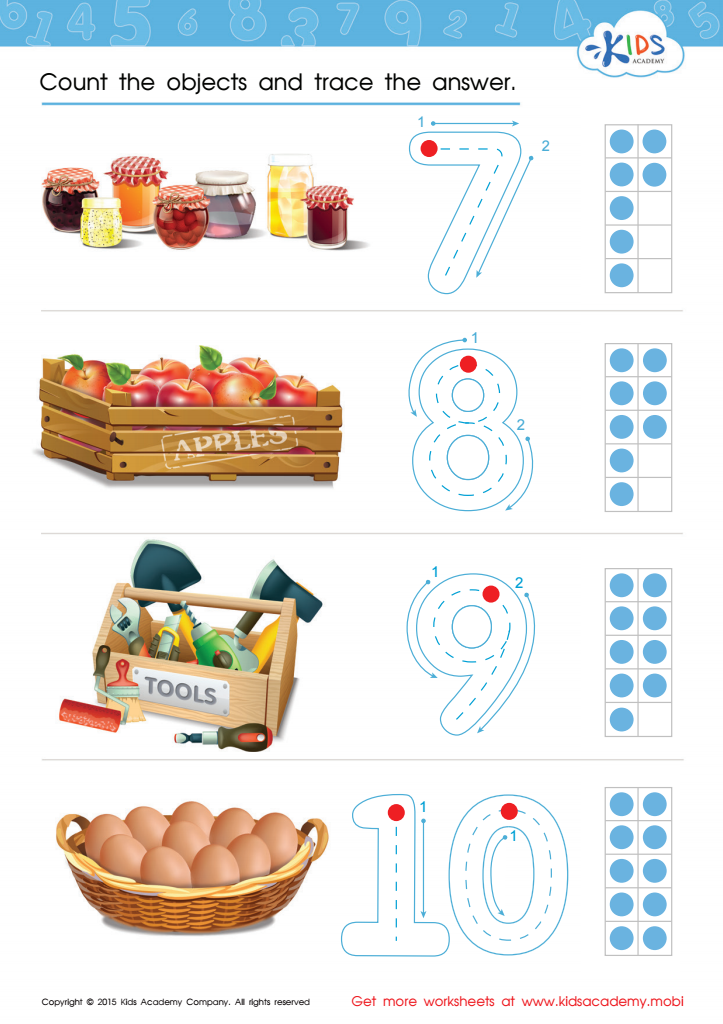
Count and Trace 7 – 10 Worksheet
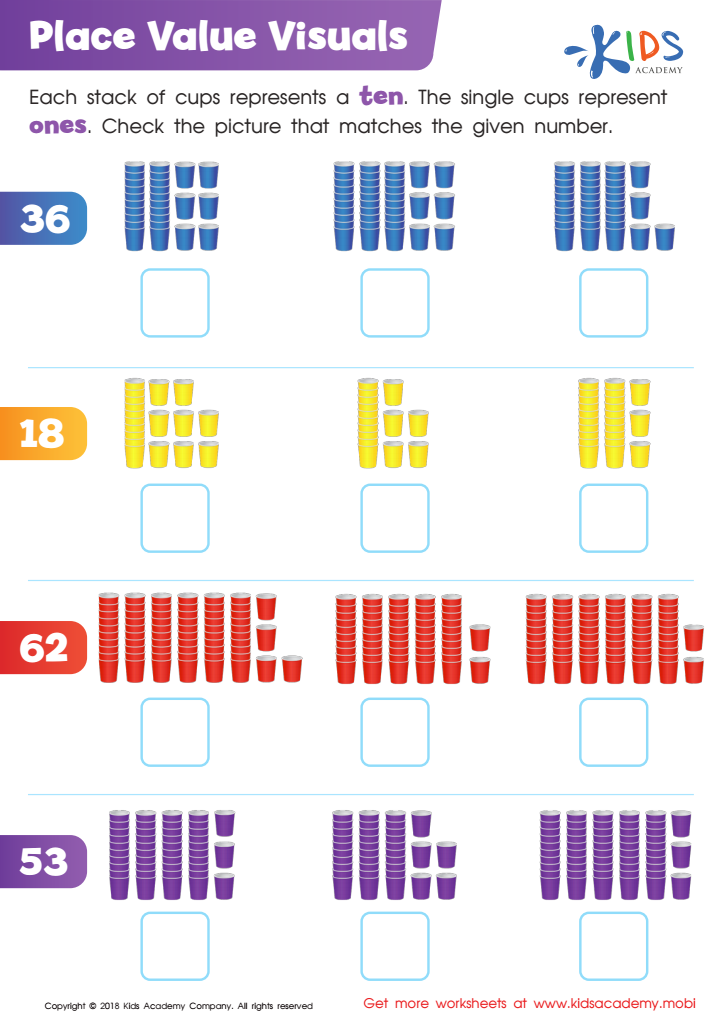
Place Value Visuals Worksheet



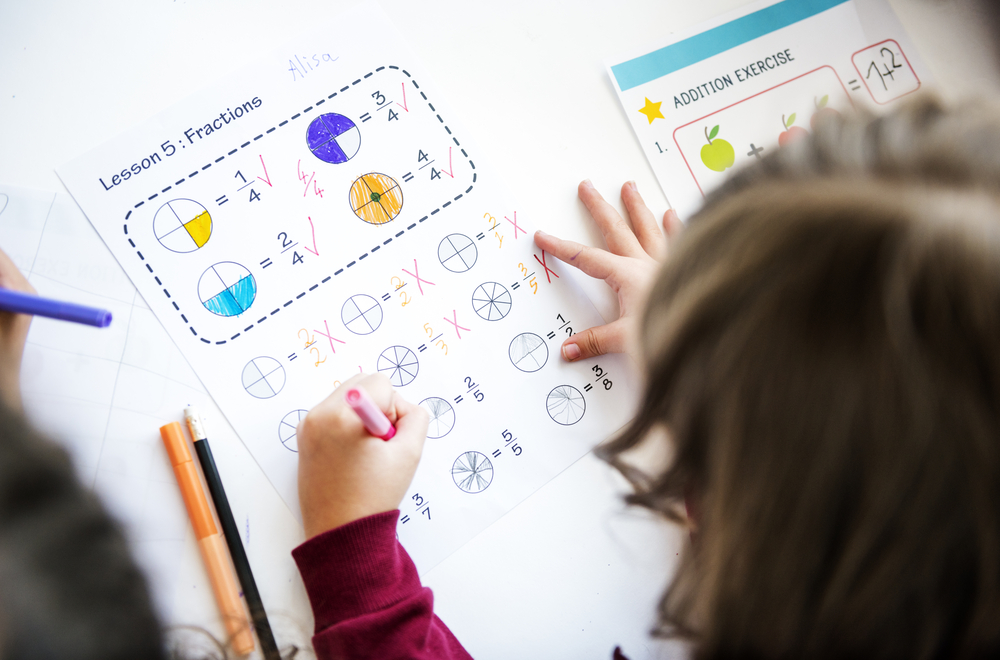




Normal Math is crucial for children between ages 6-9 as it lays the foundation for their future learning in mathematics and problem-solving. During this developmental stage, children are highly receptive to new concepts, making it an optimal time to cultivate their mathematical abilities. Normal Math emphasizes understanding fundamental principles like addition, subtraction, multiplication, and division while integrating real-life applications that help children comprehend the relevance of math in everyday situations.
Moreover, engaging in structured math activities fosters critical thinking and analytical skills, promoting cognitive development. As children learn to navigate challenges and solve problems, they build resilience and confidence in their abilities, which extend beyond the classroom. Teachers and parents play a vital role in nurturing a positive attitude toward math, as children tend to mirror the sentiments of adults around them. Implementing supportive, interactive, and varied approaches in teaching Normal Math can ignite a child's curiosity and enthusiasm for the subject.
Additionally, achieving proficiency in math during these years can significantly influence a child’s academic performance in later grades. Neglecting this essential learning phase may result in difficulties that could hinder their progression. Therefore, prioritizing Normal Math is crucial for fostering a lifelong appreciation and understanding of mathematics.








