Normal Rounding Worksheets for Ages 6-9
16 filtered results
-
From - To
Explore our engaging Normal Rounding Worksheets designed for children aged 6-9, perfect for developing essential math skills. These worksheets introduce foundational rounding concepts, helping young learners grasp how to round numbers to the nearest ten or hundred. Each worksheet offers a variety of fun exercises, from visual aids to interactive problems, ensuring children stay motivated while practicing. Whether used in the classroom or at home, our worksheets provide clear instructions and answer keys for effective learning. Equip your child with the confidence to tackle rounding challenges and lay the groundwork for more advanced math concepts in the future!
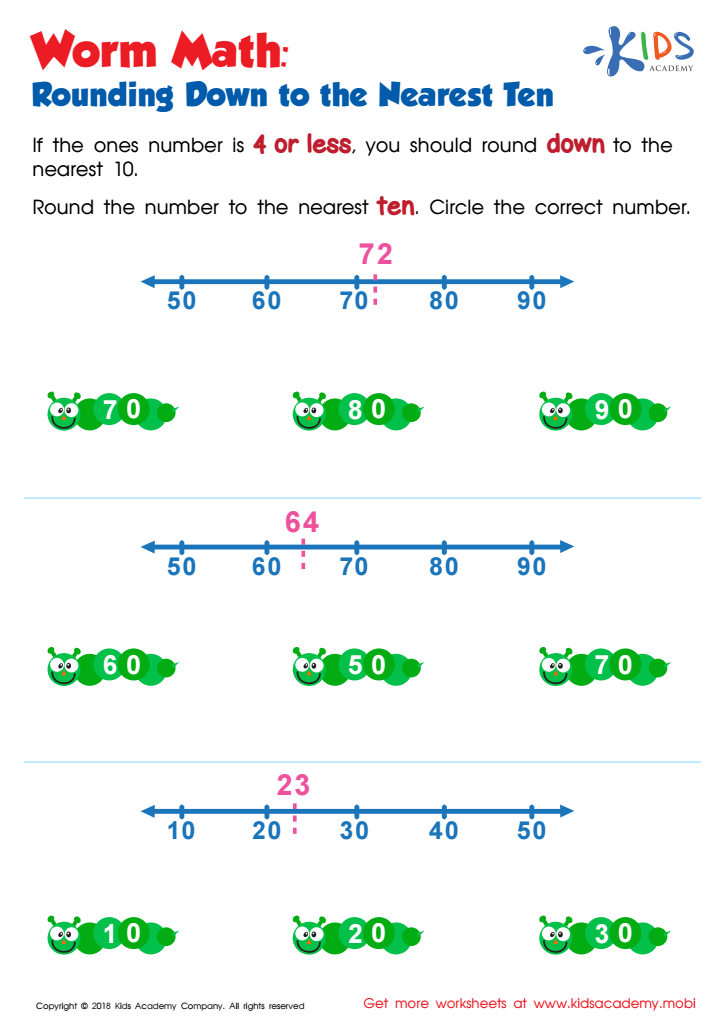
Worm Math Rounding Down to the Nearest Ten Worksheet
 Assign to My Students
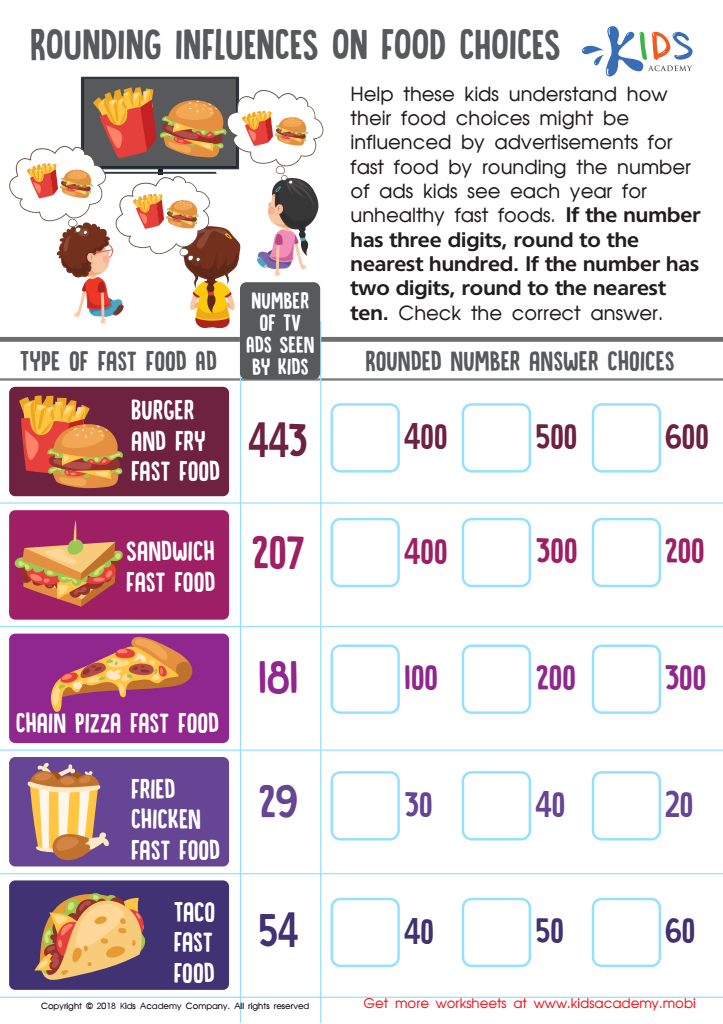
Rounding Influences Food Choices Worksheet
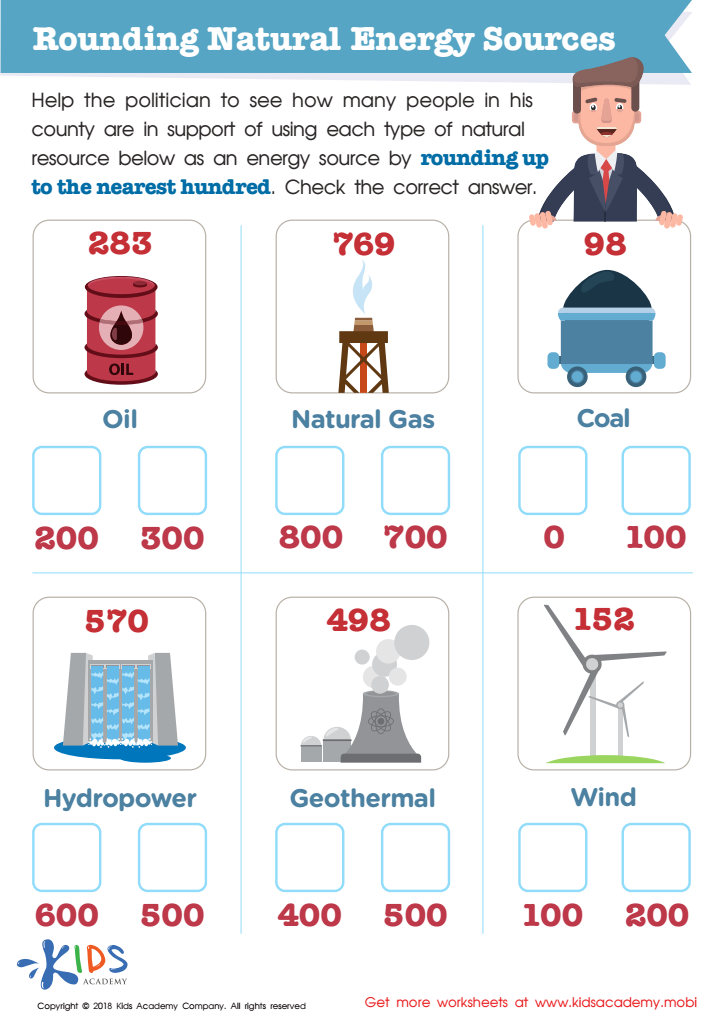
Rounding Natural Energy Sources Worksheet
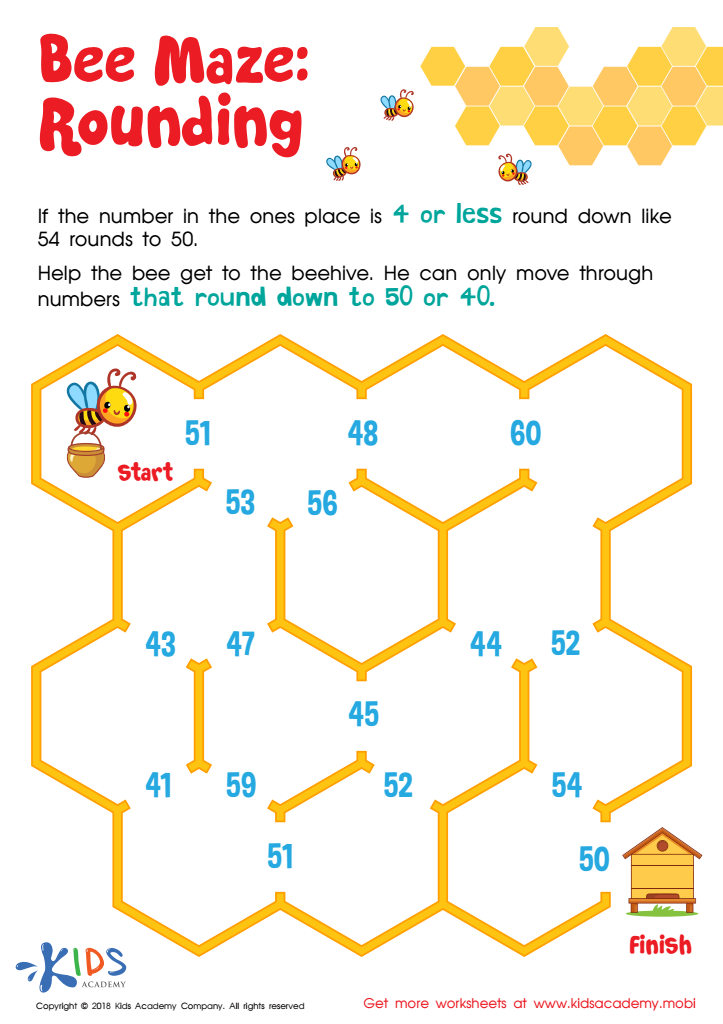
Rounding Down Printable Worksheet
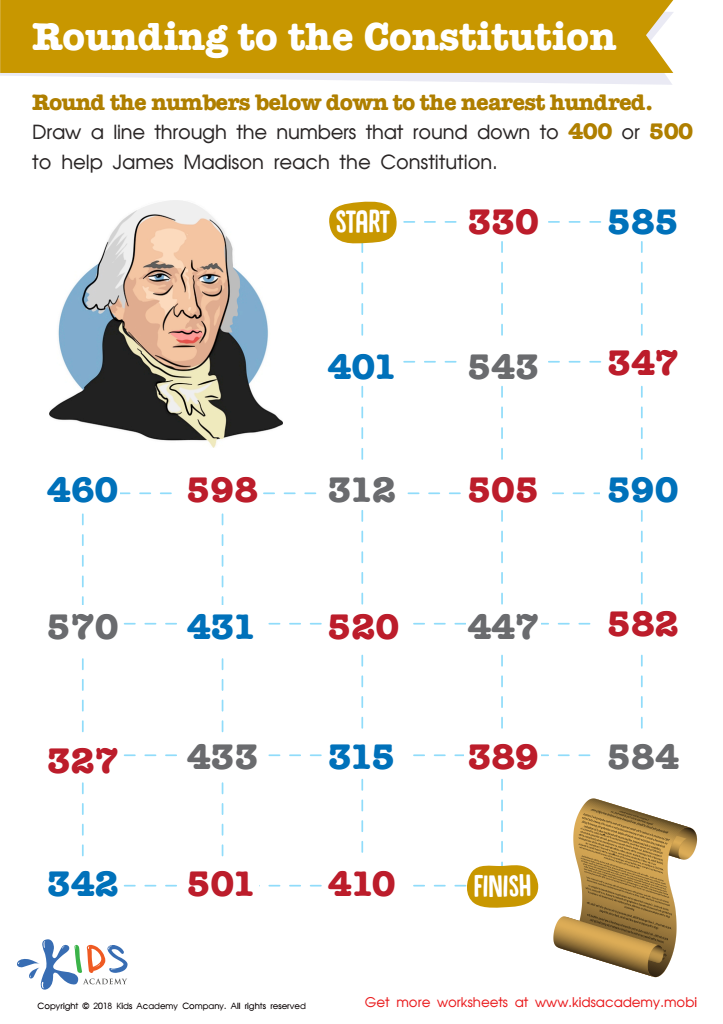
Rounding to the Constitution Worksheet
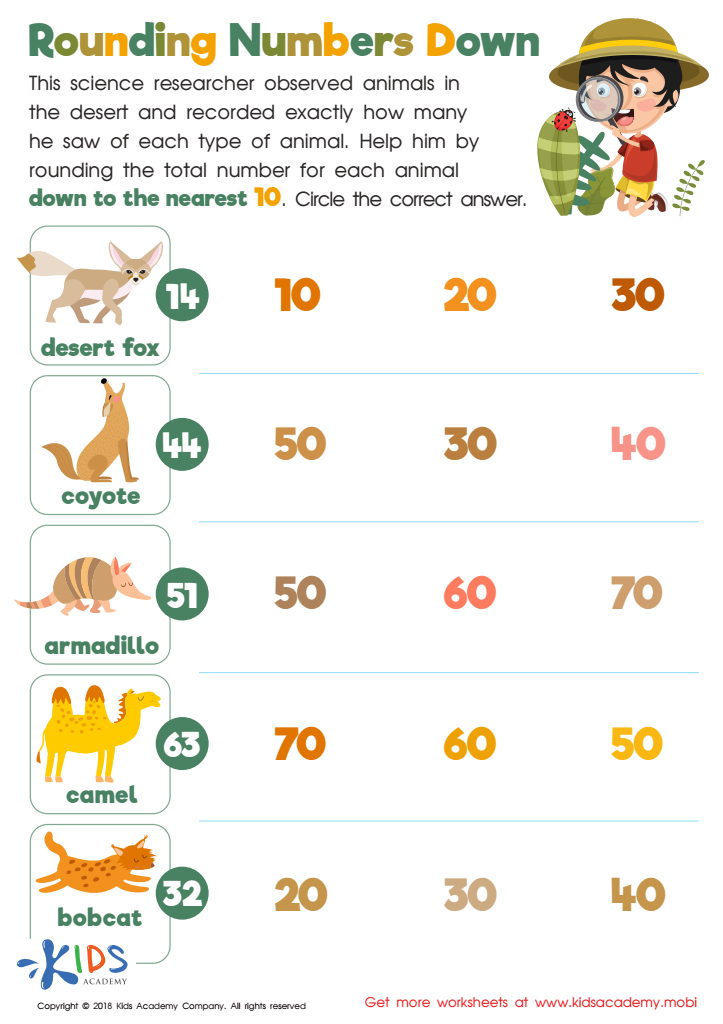
Rounding Numbers Down Worksheet
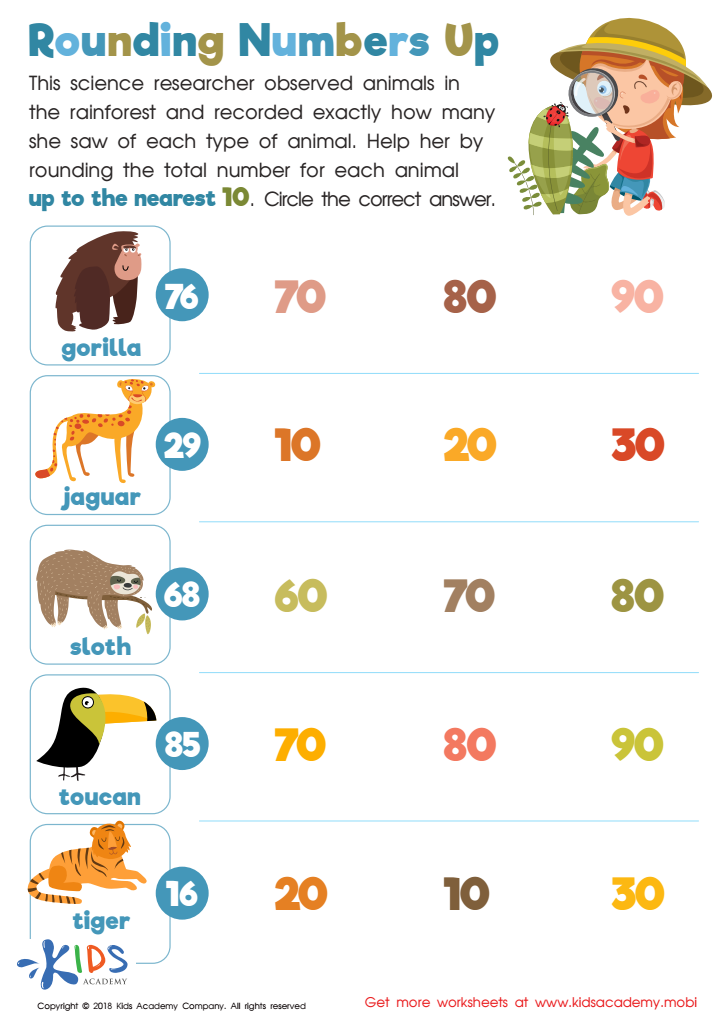
Rounding Numbers Up Worksheet
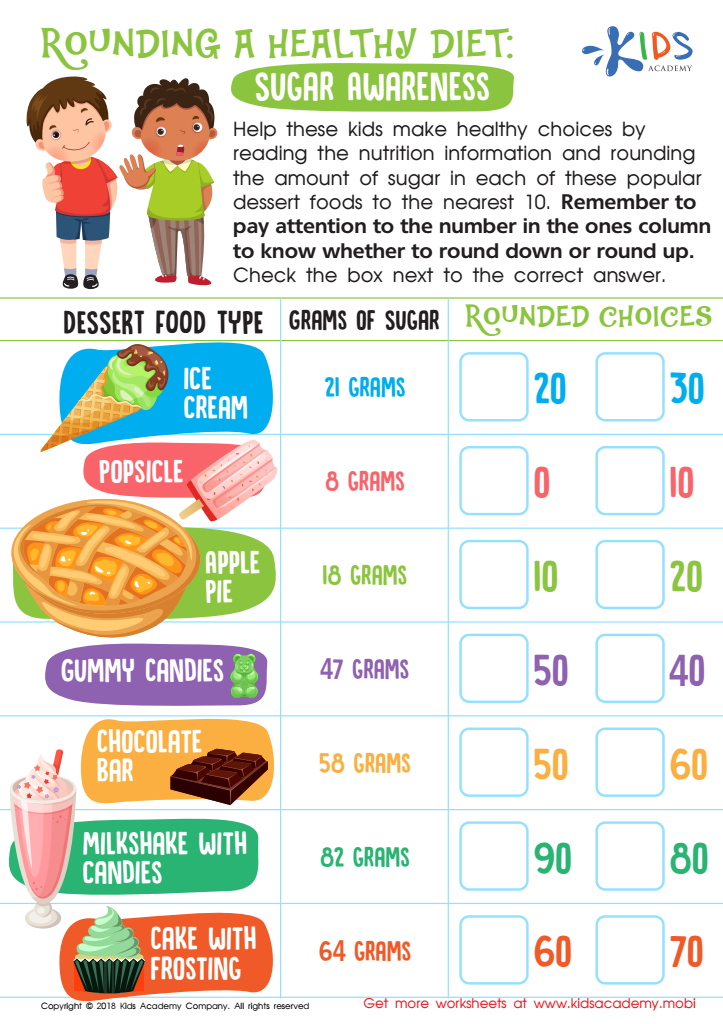
Rounding Healthy Diet Worksheet
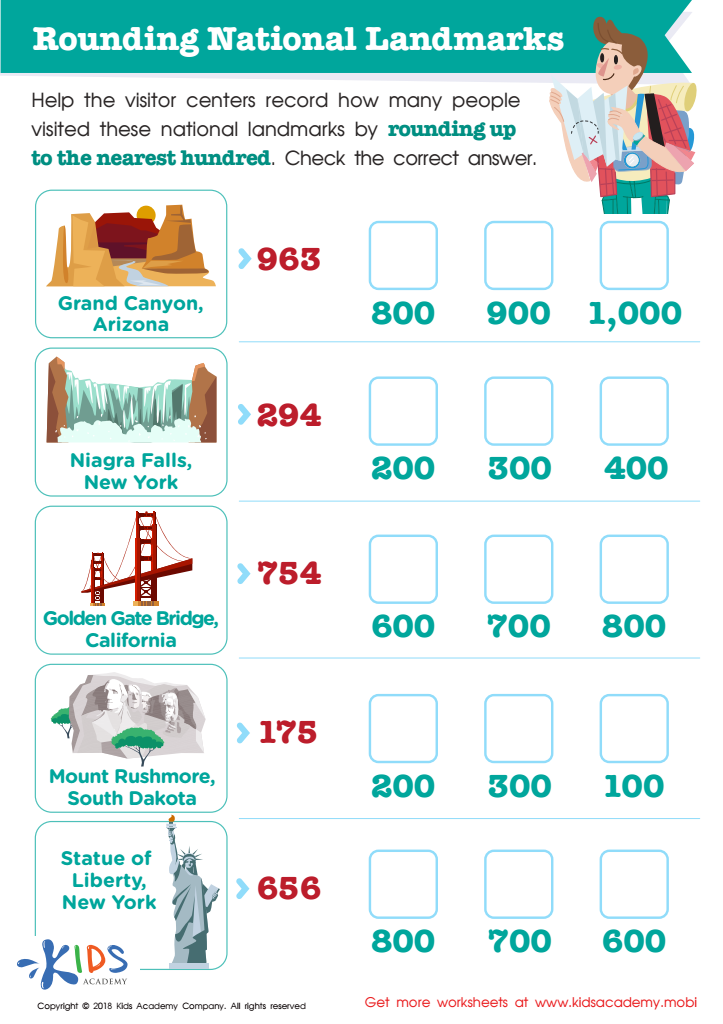
Rounding National Landmarks Worksheet
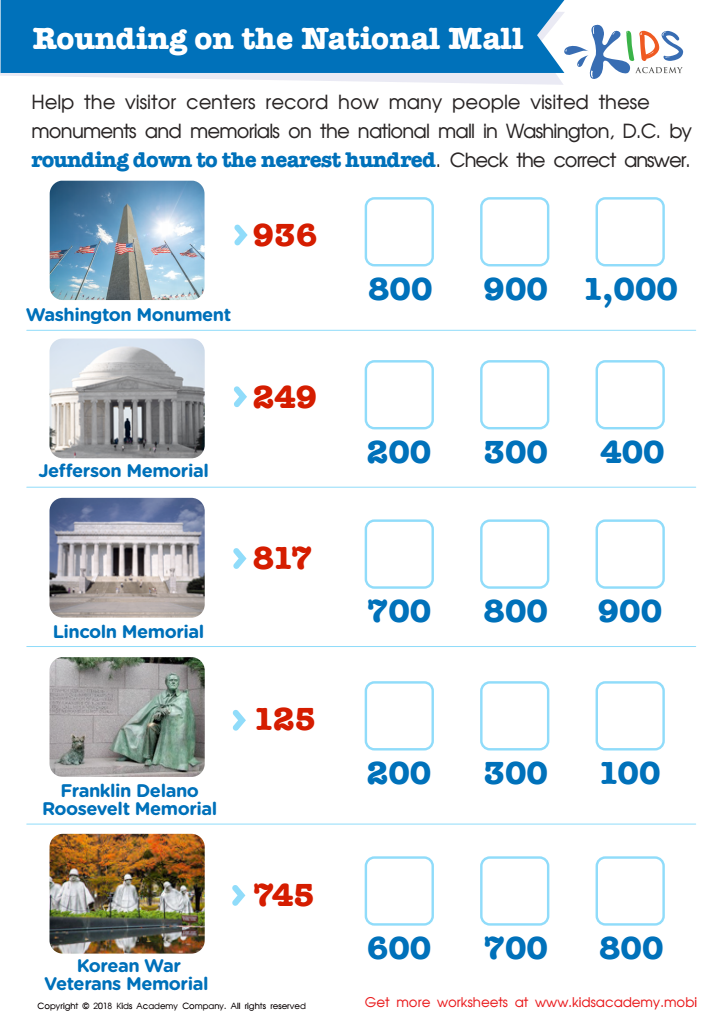
Rounding on the National Mall Worksheet
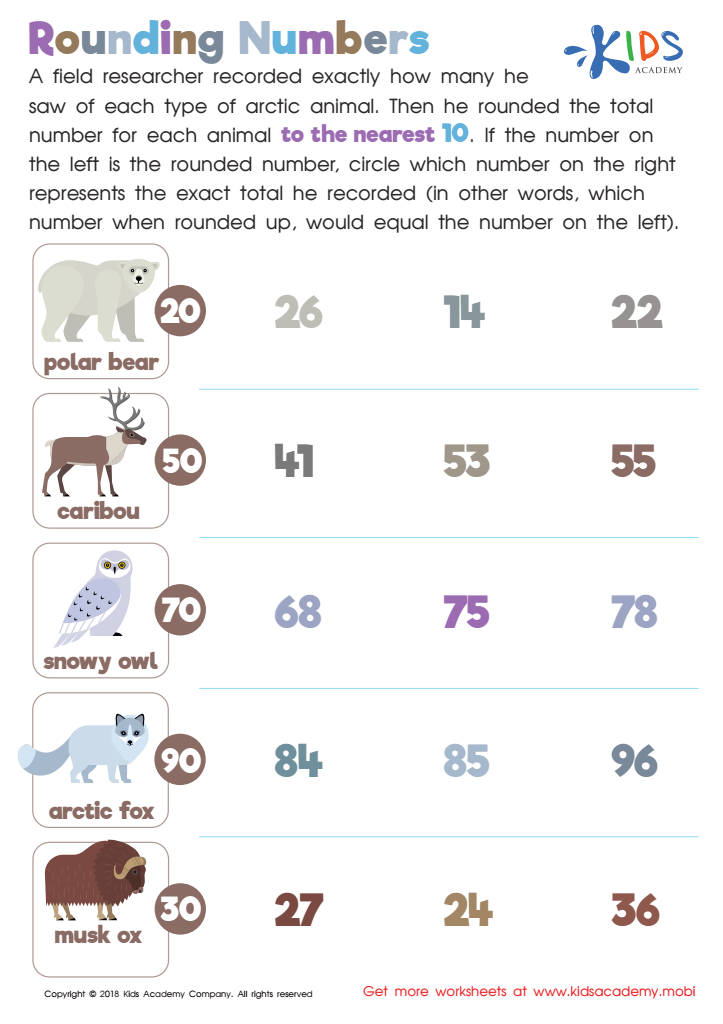
Rounding Numbers Worksheet
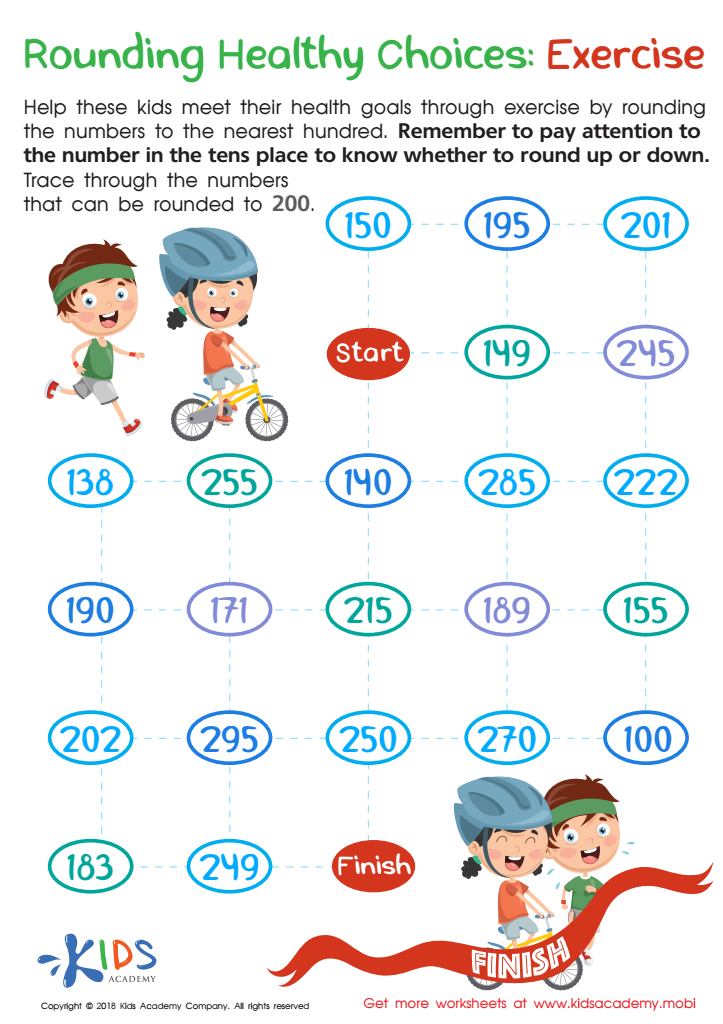
Rounding Healthy Choices Exercise Worksheet
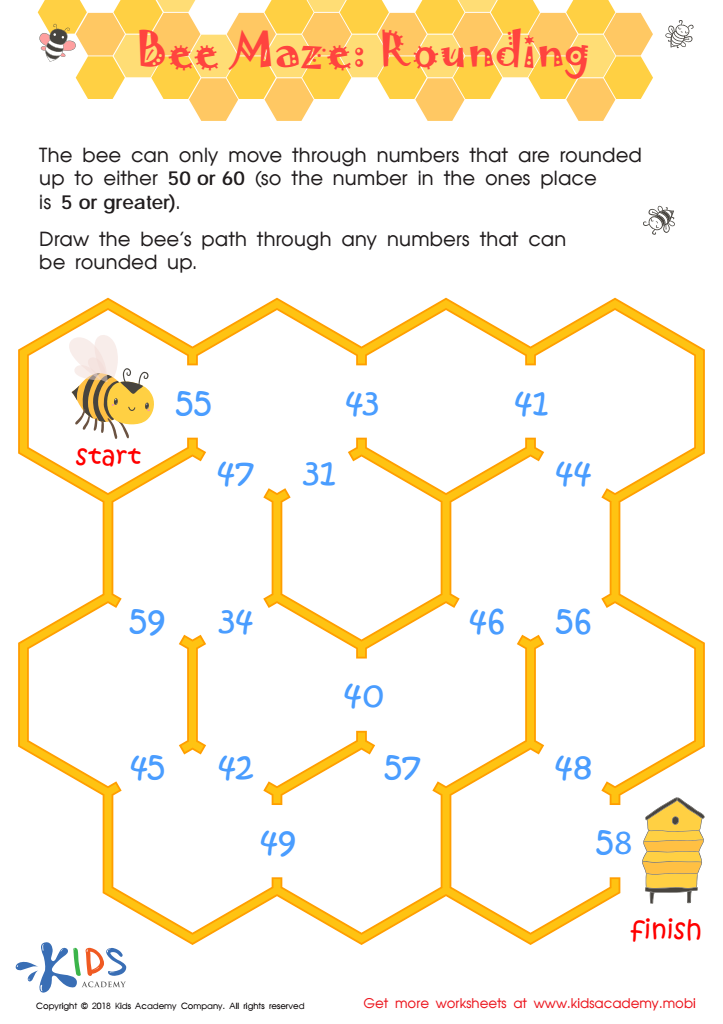
Bee Maze Rounding Worksheet
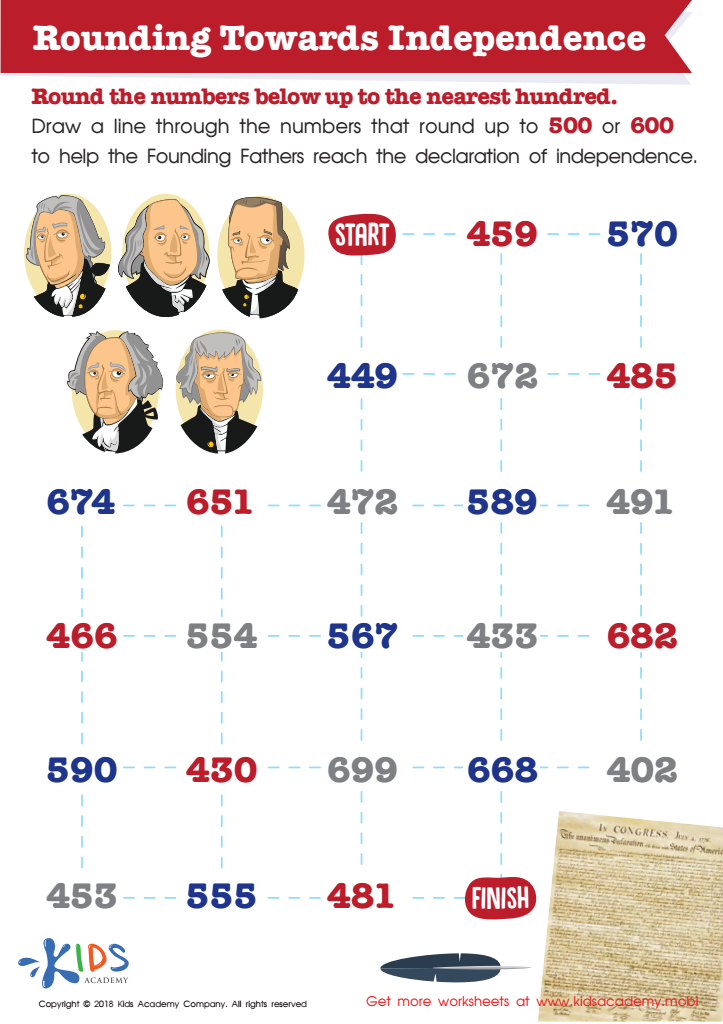
Rounding Towards Independence Worksheet
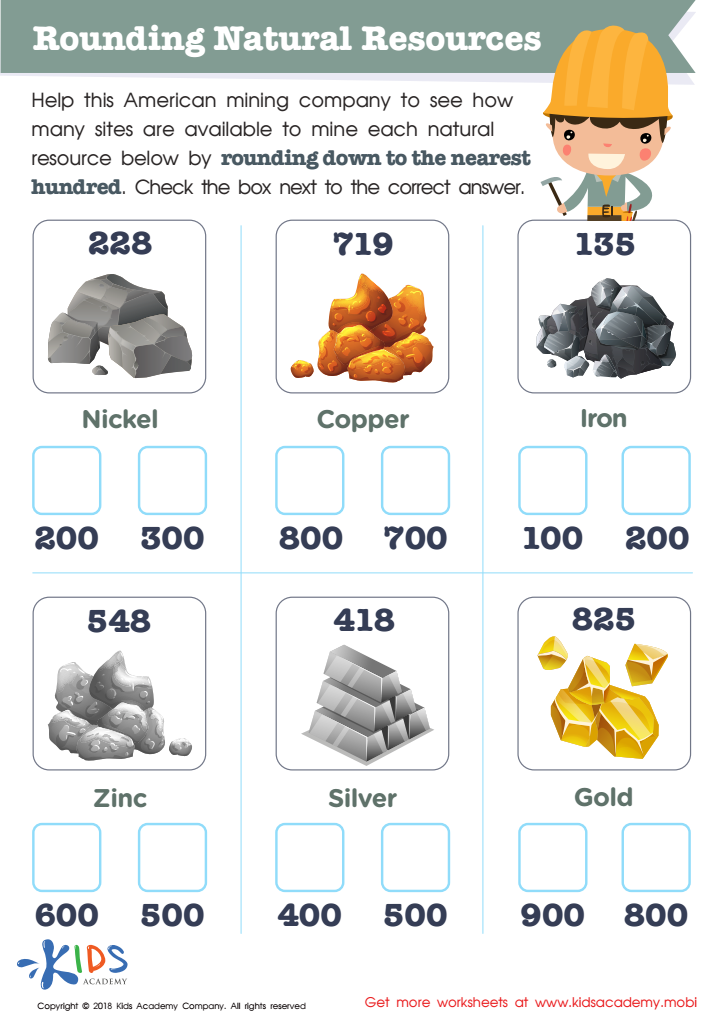
Rounding Natural Resources Worksheet
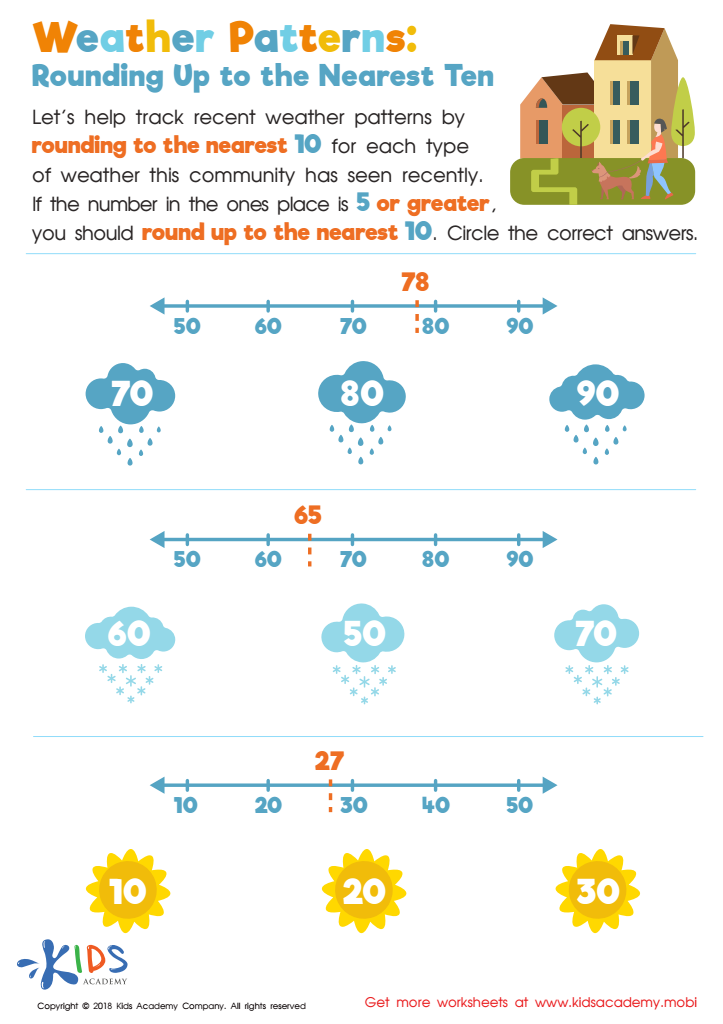
Weather Patterns Worksheet






Normal rounding is a fundamental mathematical concept that is crucial for children ages 6-9 to master, as it lays the groundwork for further mathematical understanding and problem-solving skills. At this age, children are developing their number sense and mathematical fluency, and learning to round numbers enhances their ability to estimate, simplify calculations, and make sense of larger numbers.
Parents and teachers should care about normal rounding because it fosters critical thinking. When children understand rounding, they can more easily grasp more complex concepts, such as addition and subtraction with larger numbers. Moreover, rounding aids in real-life applications, enabling children to make quick estimations when shopping, measuring, or planning activities.
Additionally, mastering rounding increases confidence in mathematics, which can enhance children's overall engagement with the subject. A solid foundation in rounding also assists in standardized testing—an essential skill in a school environment that increasingly emphasizes quantitative reasoning.
Integrating activities that encourage rounding, such as number games, practical exercises, and collaborative tasks, can enrich learning experiences. By prioritizing normal rounding, parents and teachers contribute to children's mathematical proficiency, ensuring they develop essential skills for future academic success and everyday situations.