Normal Chess Worksheets for Ages 7-8 - Page 2
47 filtered results
-
From - To
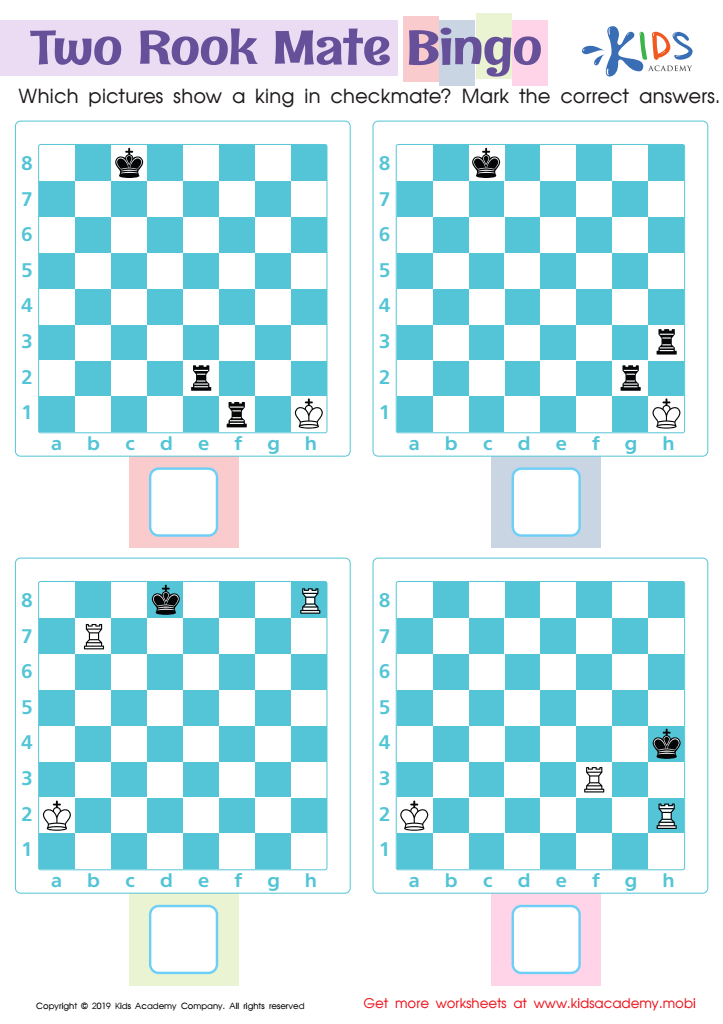
Two Rook Bingo Worksheet
 Assign to My Students
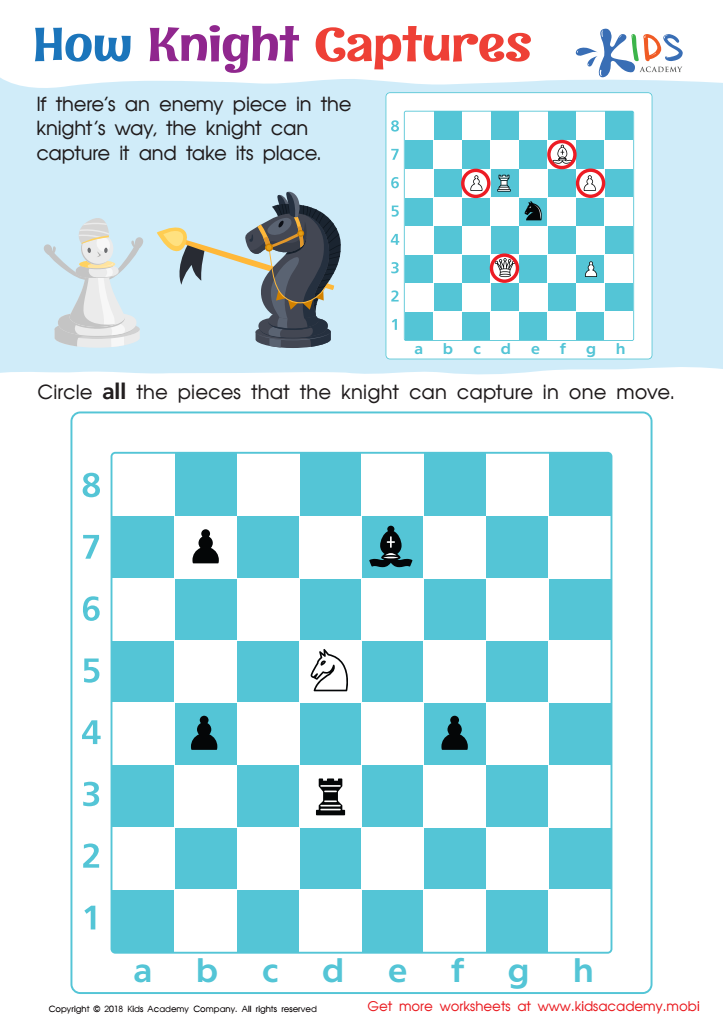
How Knight Captures Worksheet
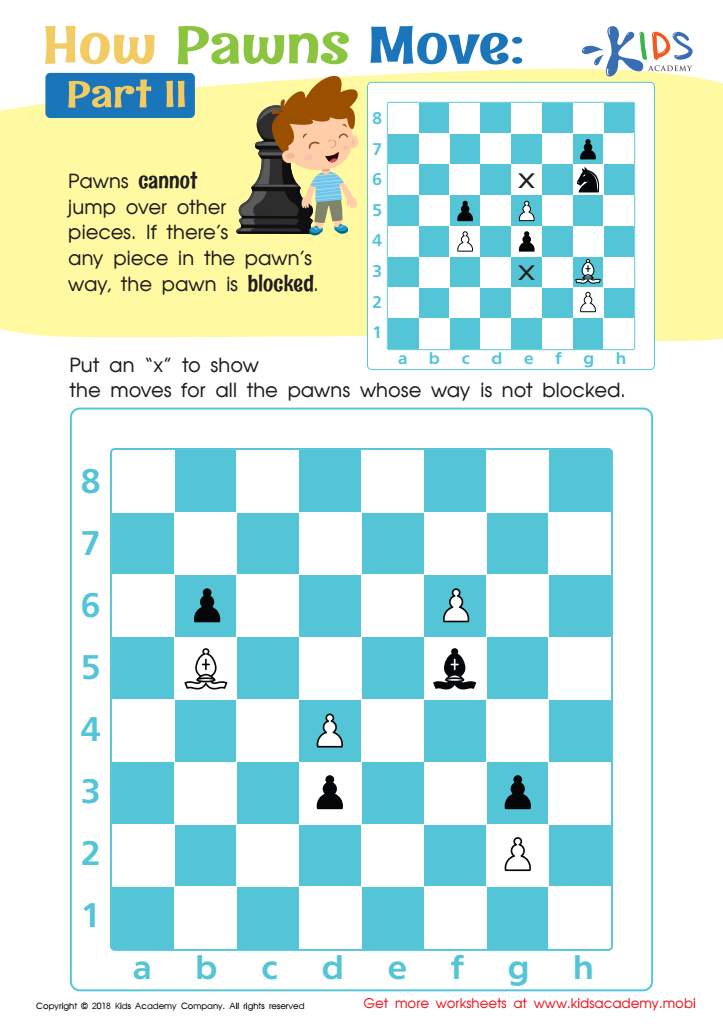
How Pawns Move: Part II Worksheet
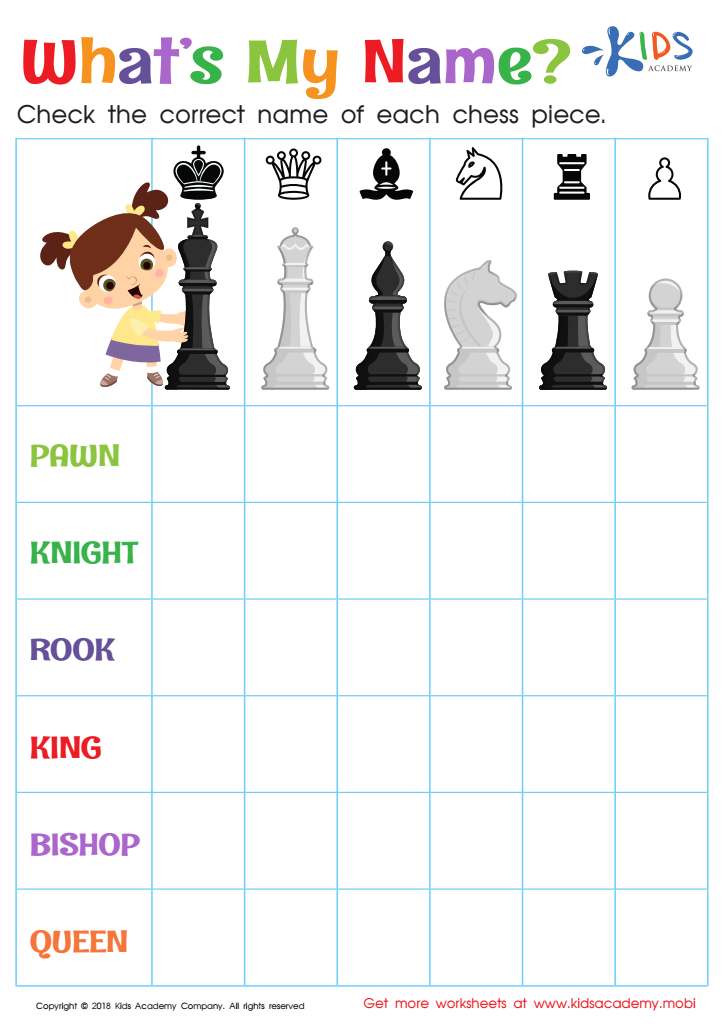
What's My Name? Worksheet
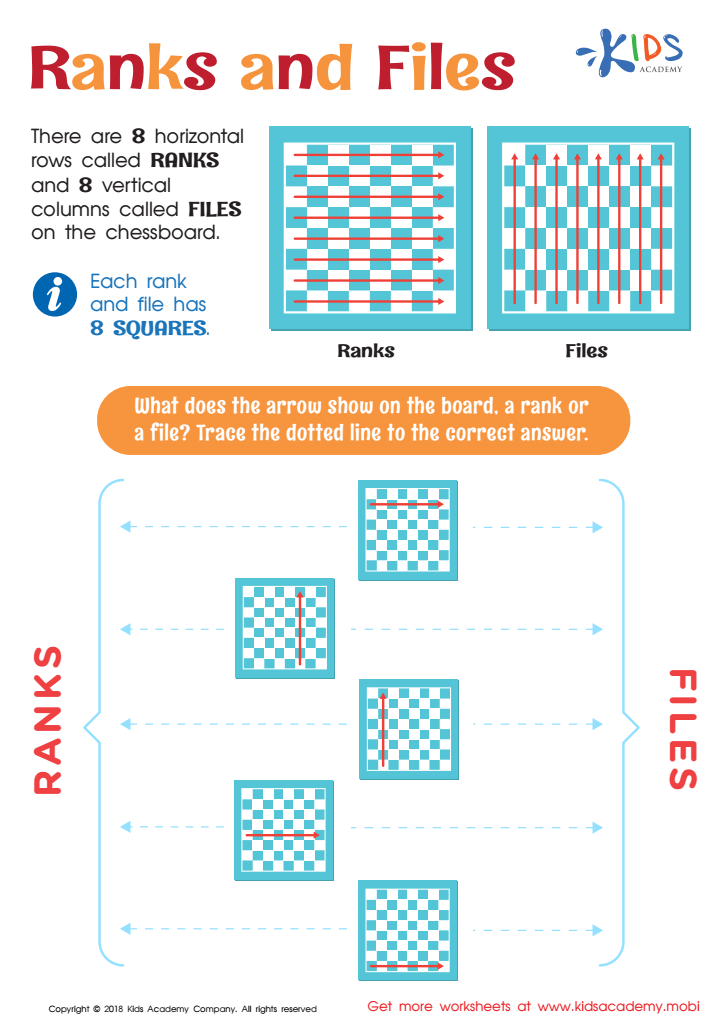
Ranks and Files Worksheet
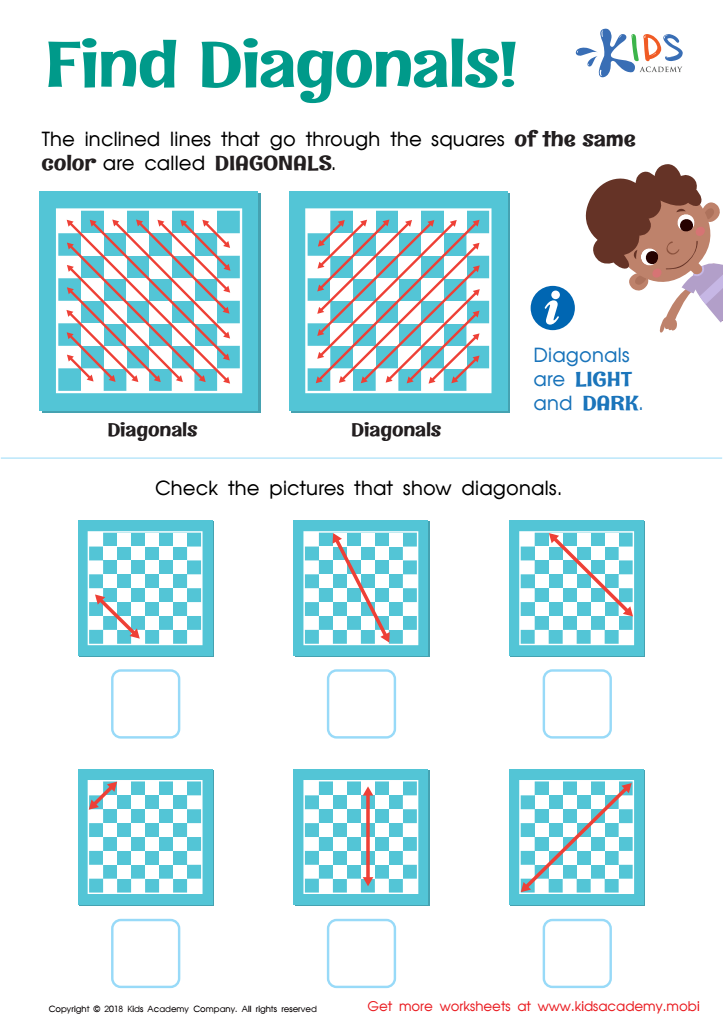
Find Diagonals Worksheet
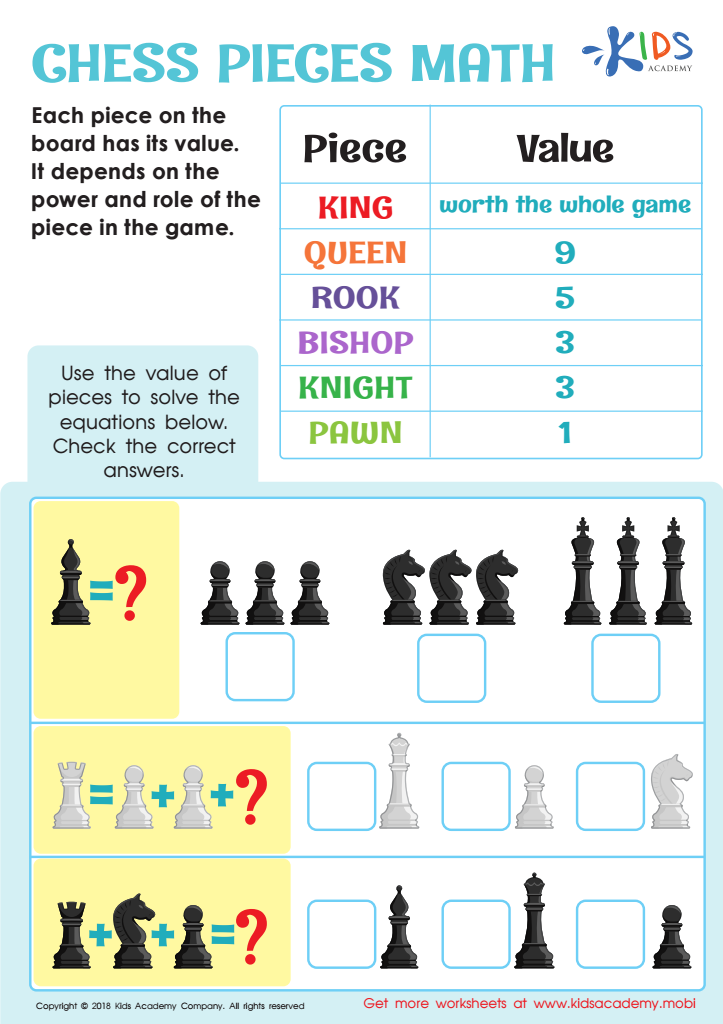
Chess Pieces Math Worksheet
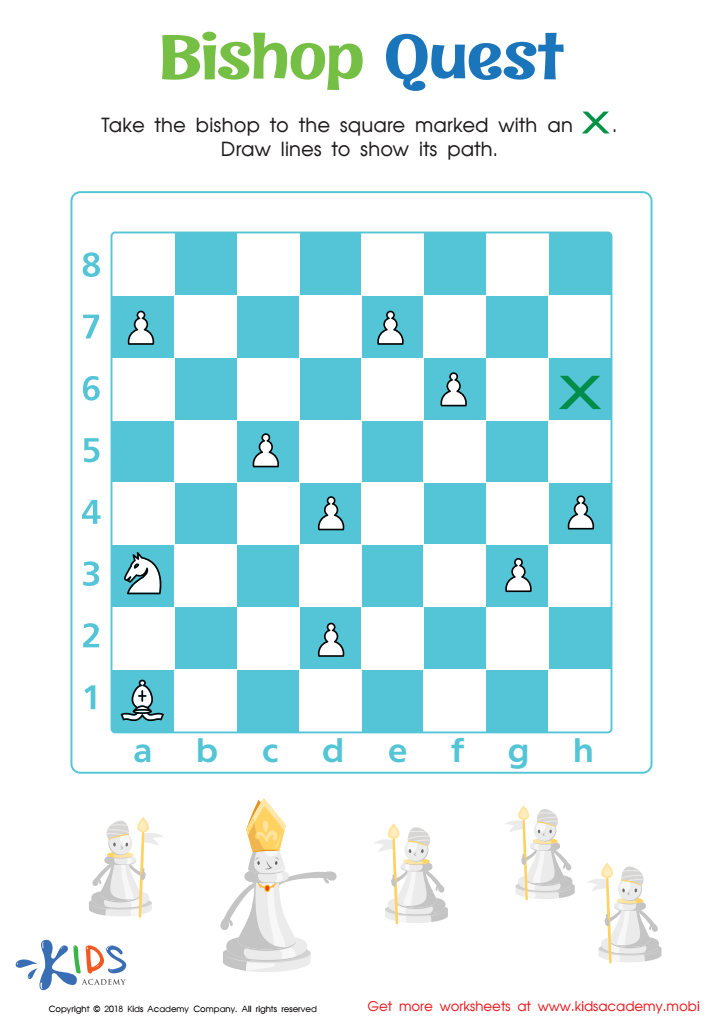
Bishop Quest Worksheet
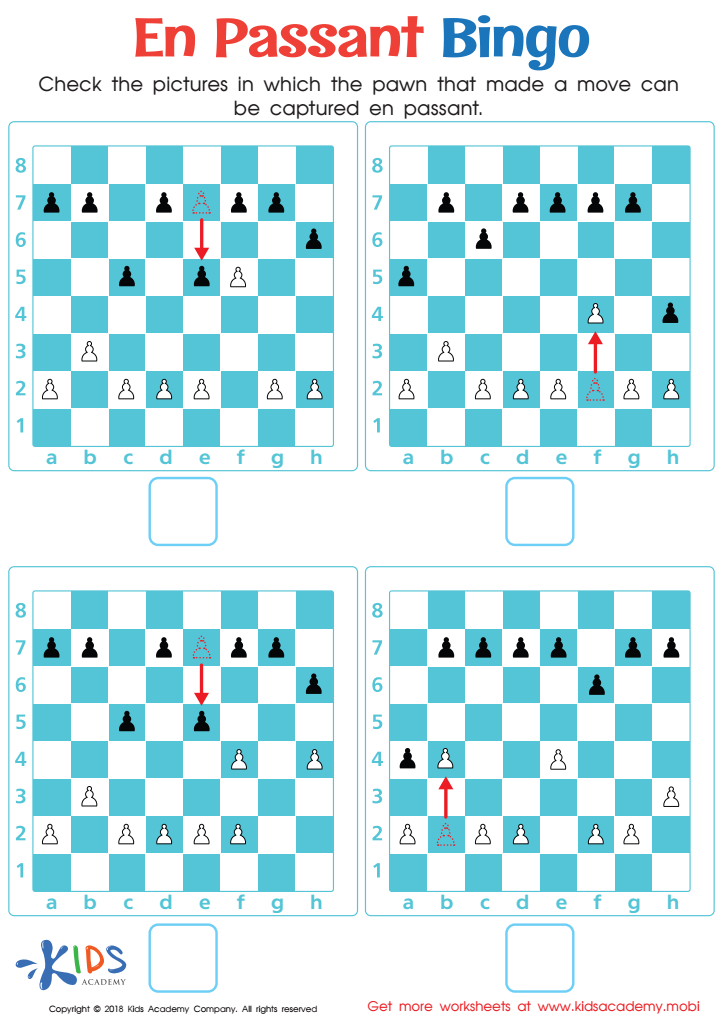
En Passant Bingo Worksheet
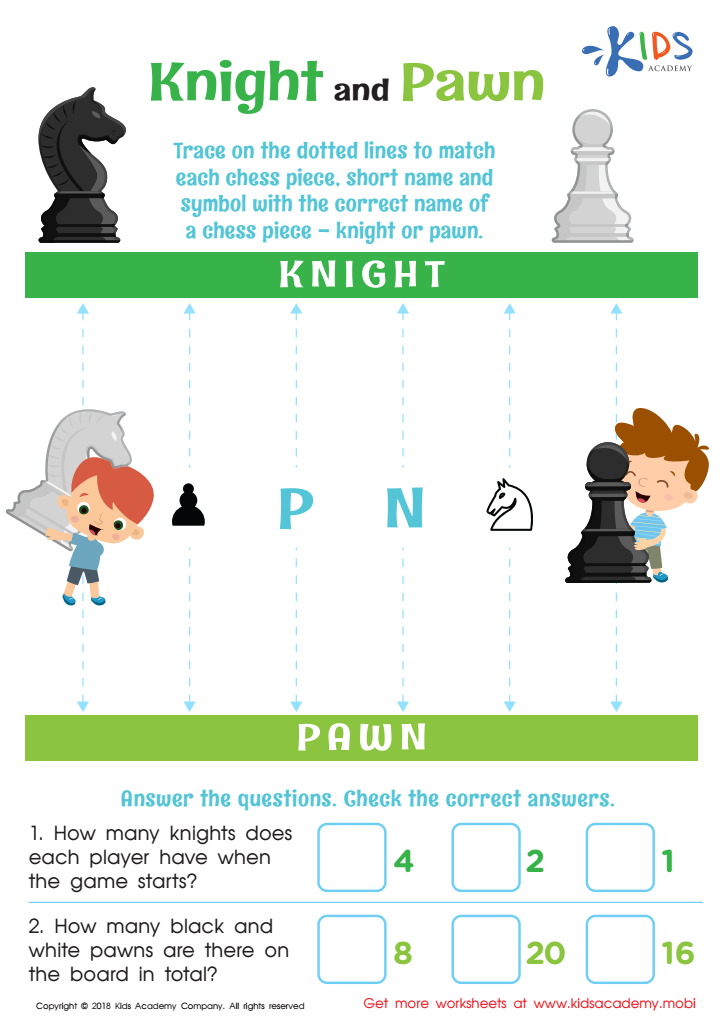
Knight and Pawn Worksheet
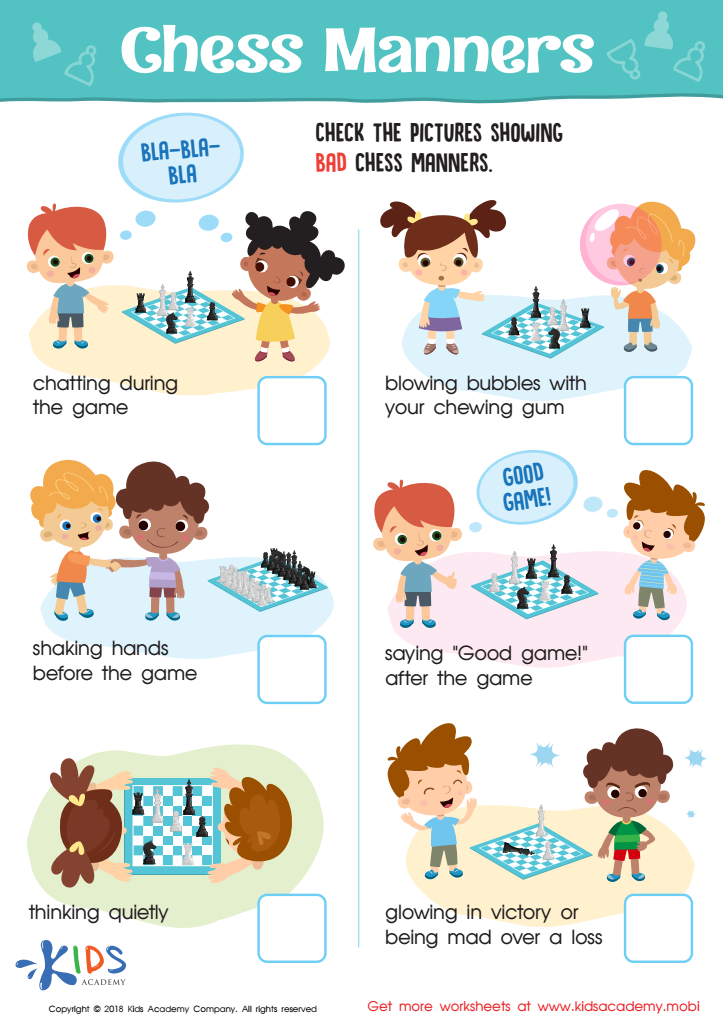
Chess Manners Worksheet
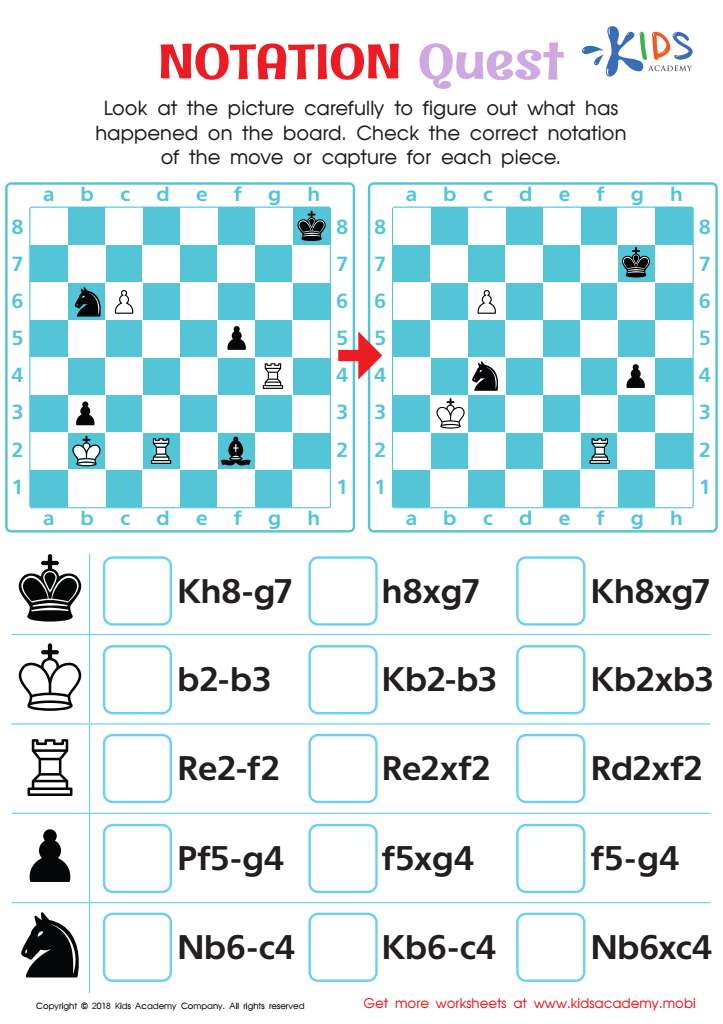
Notation Quest Worksheet
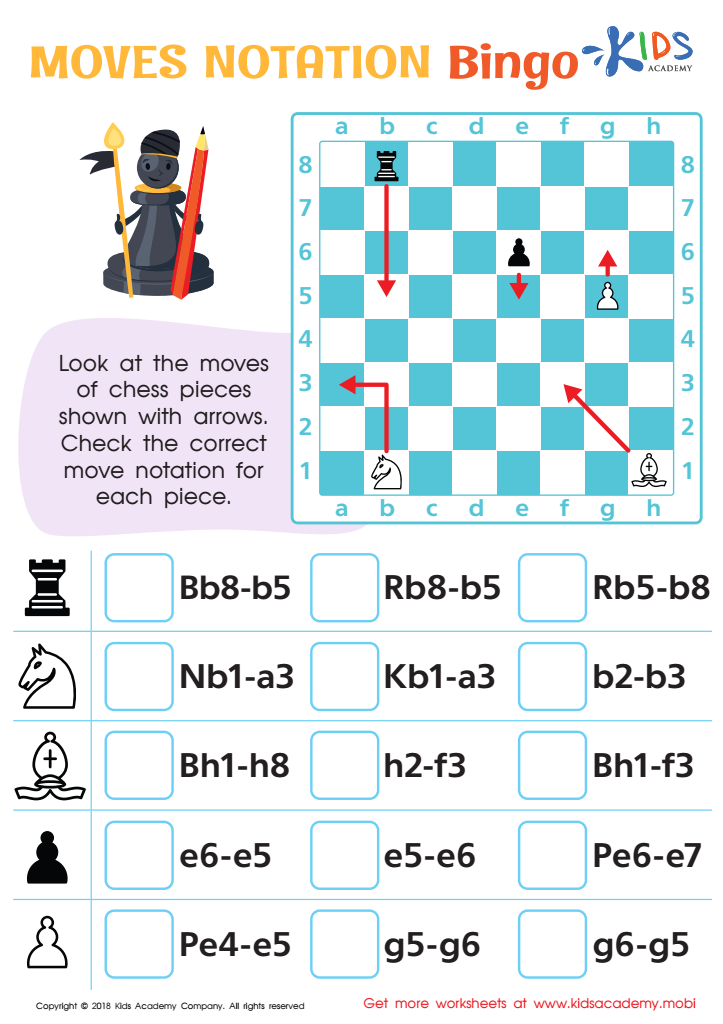
Moves Notation Bingo Worksheet
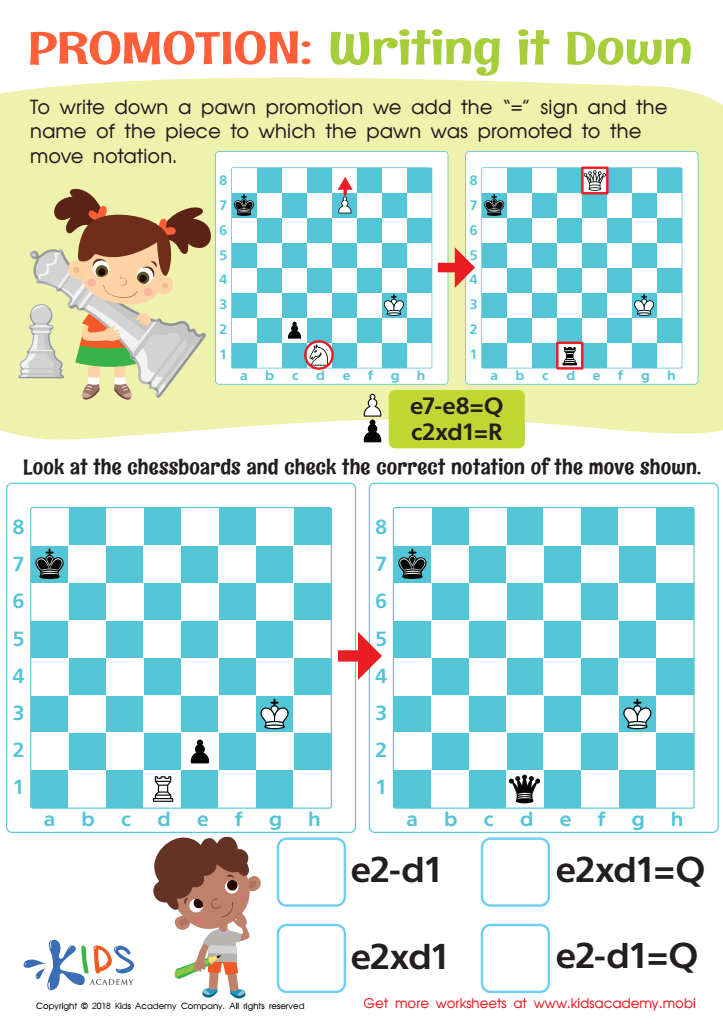
Writing it Down Worksheet
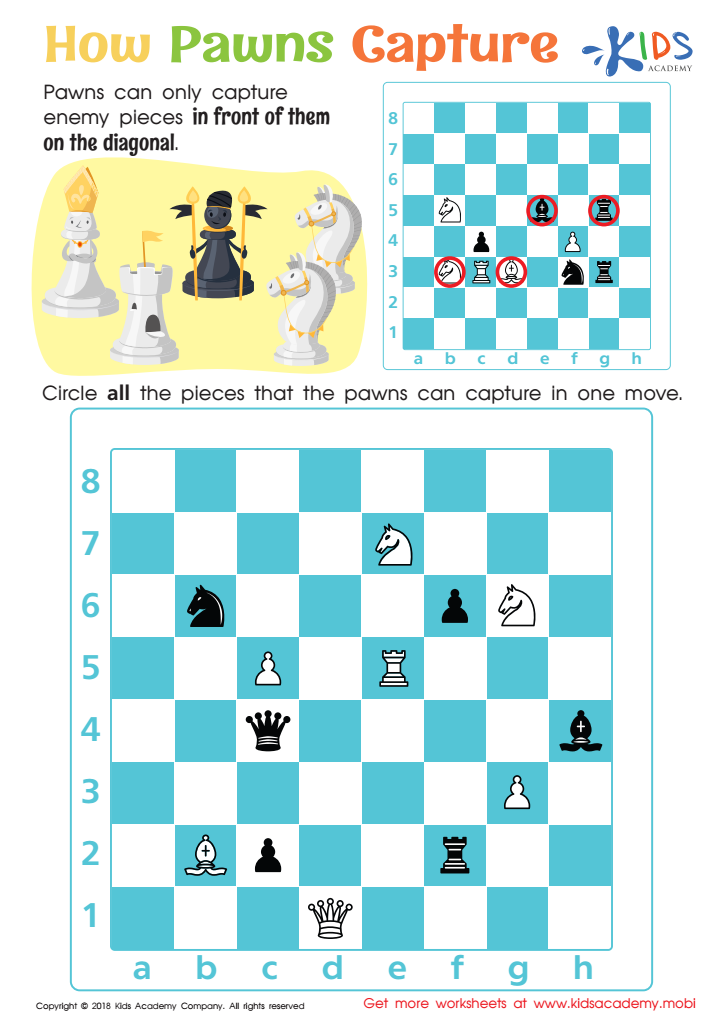
How Pawns Capture Worksheet
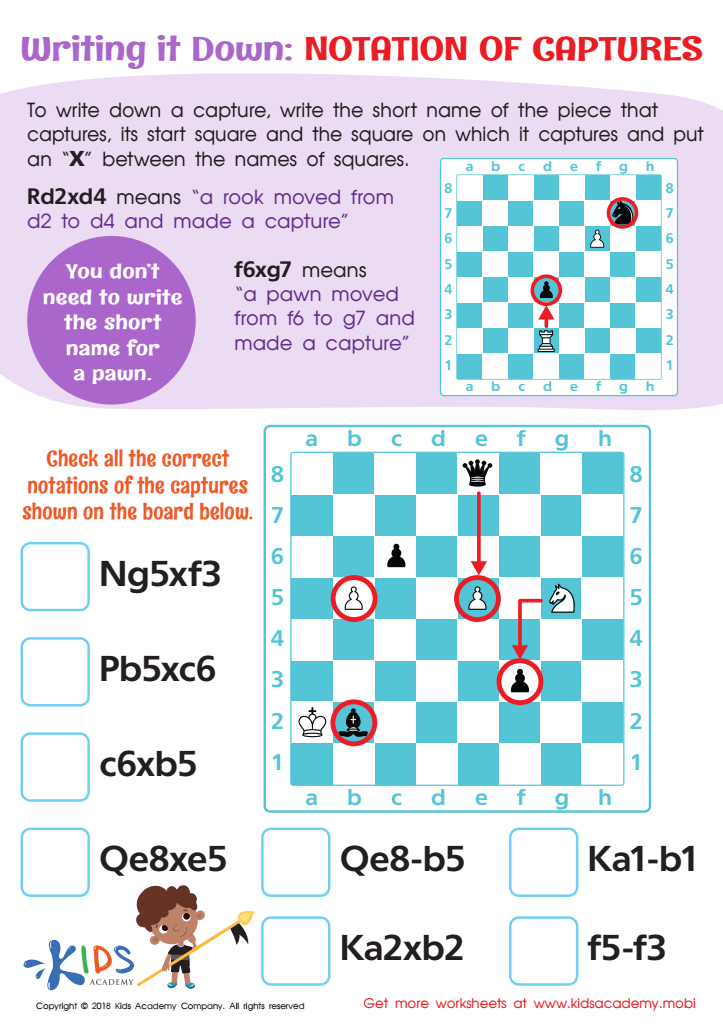
Notation of Captures Writing it Down Worksheet
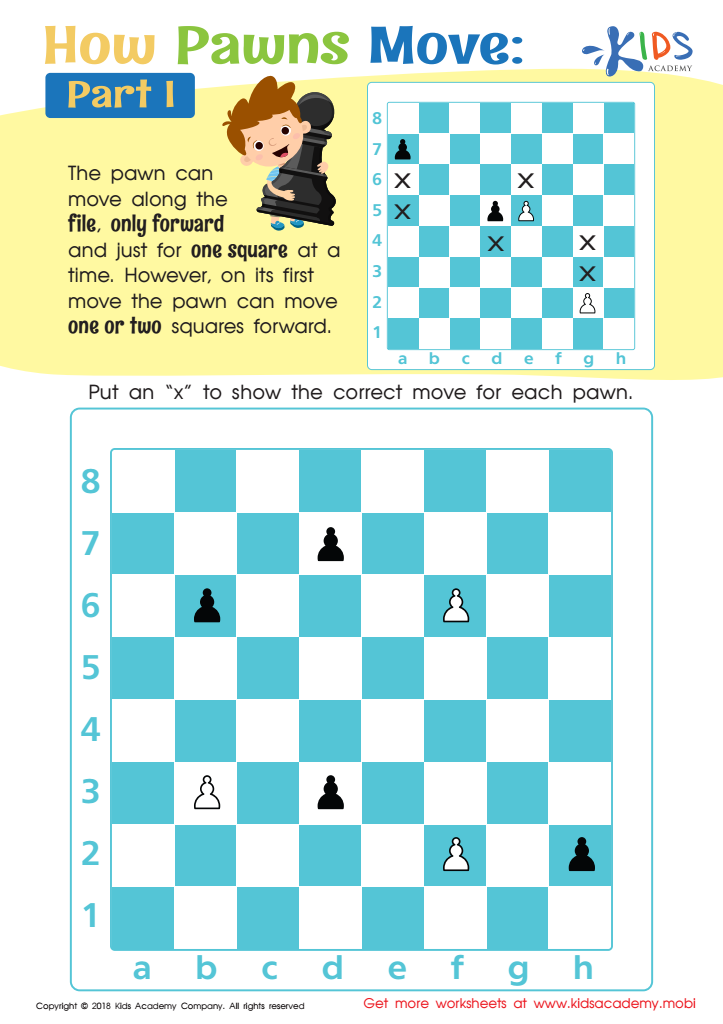
How Pawns Move: Part I Worksheet
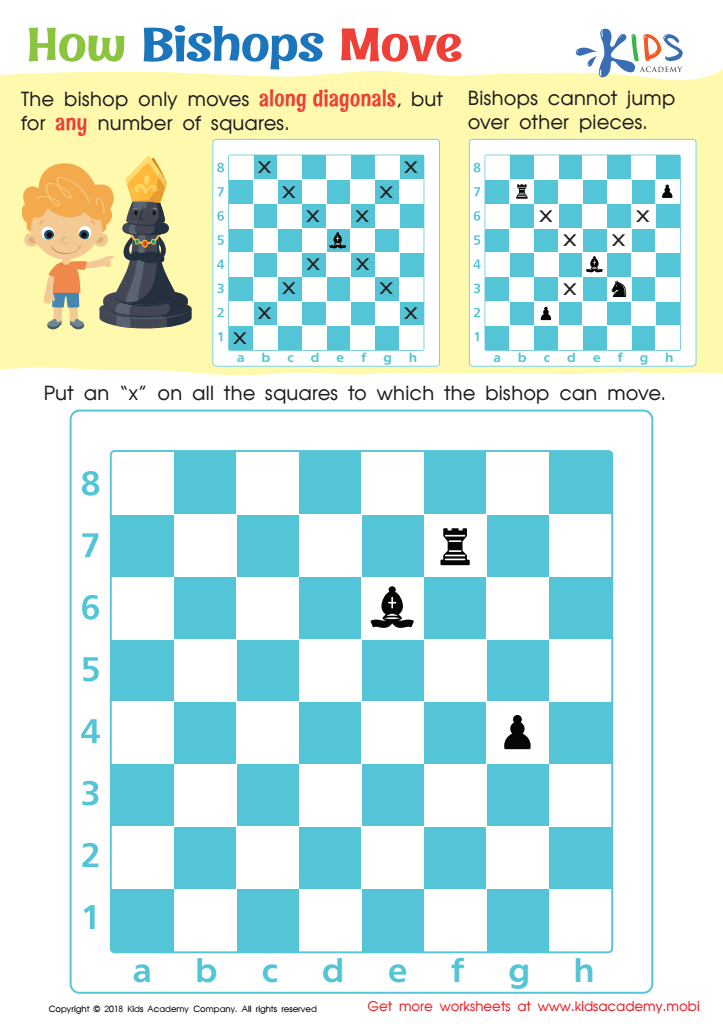
How Bishops Move Worksheet
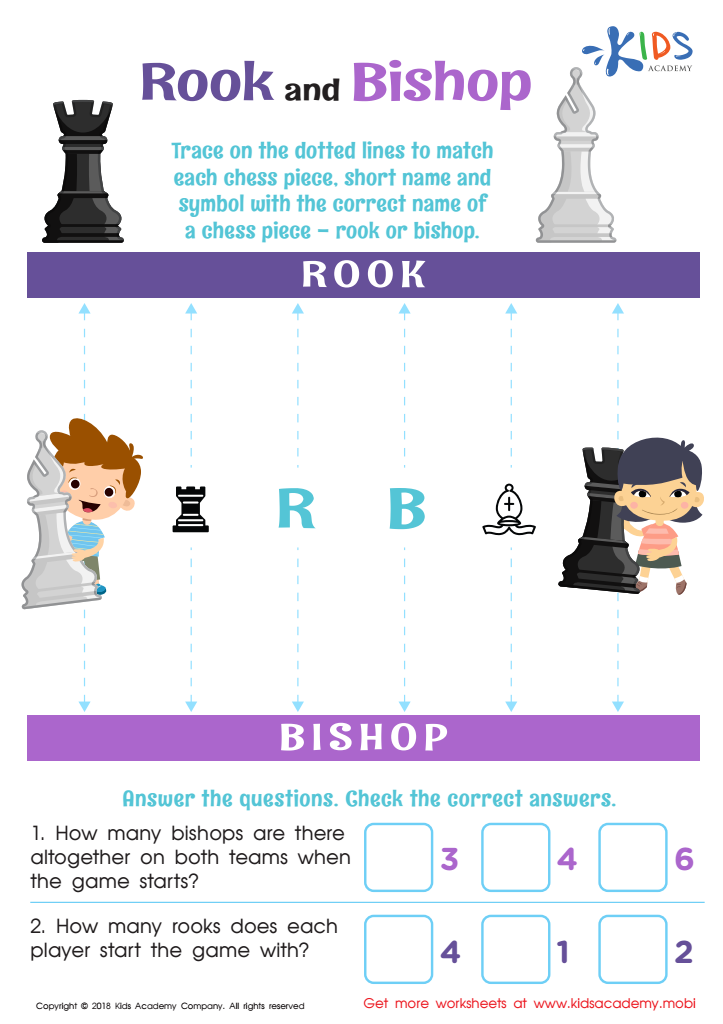
Rook and Bishop Worksheet
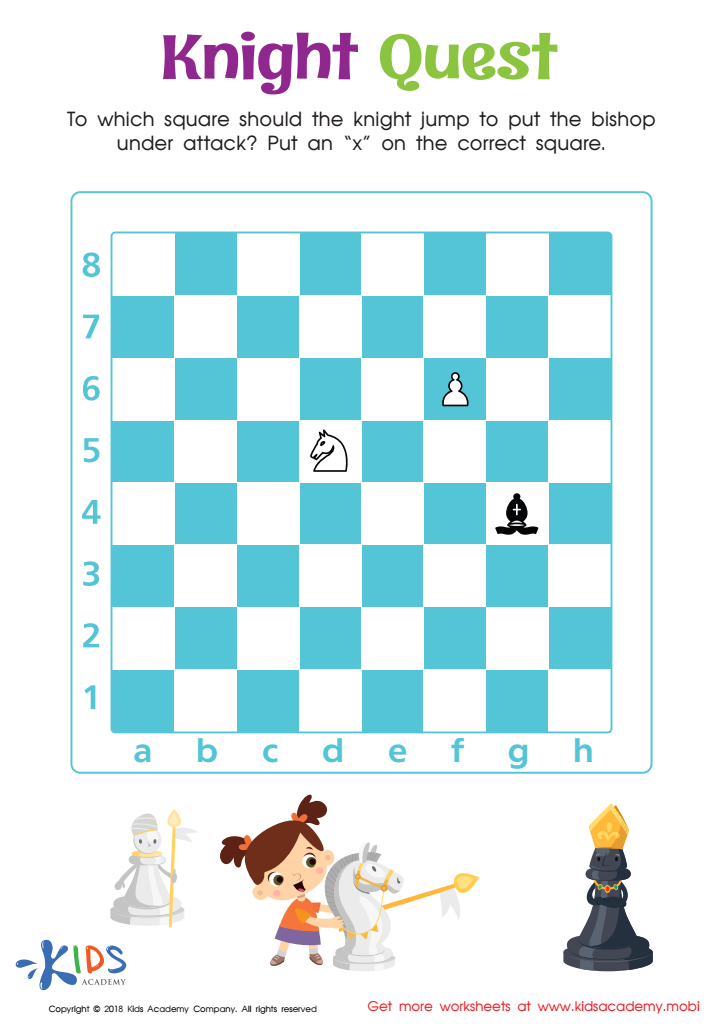
Knight Quest Worksheet
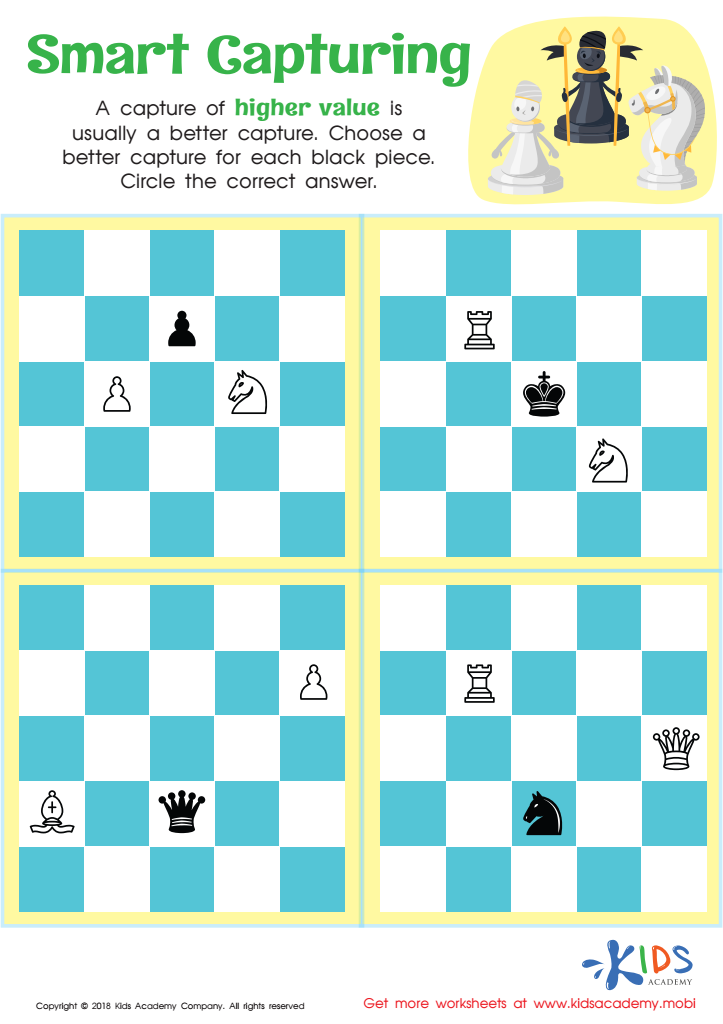
Smart Capturing Worksheet
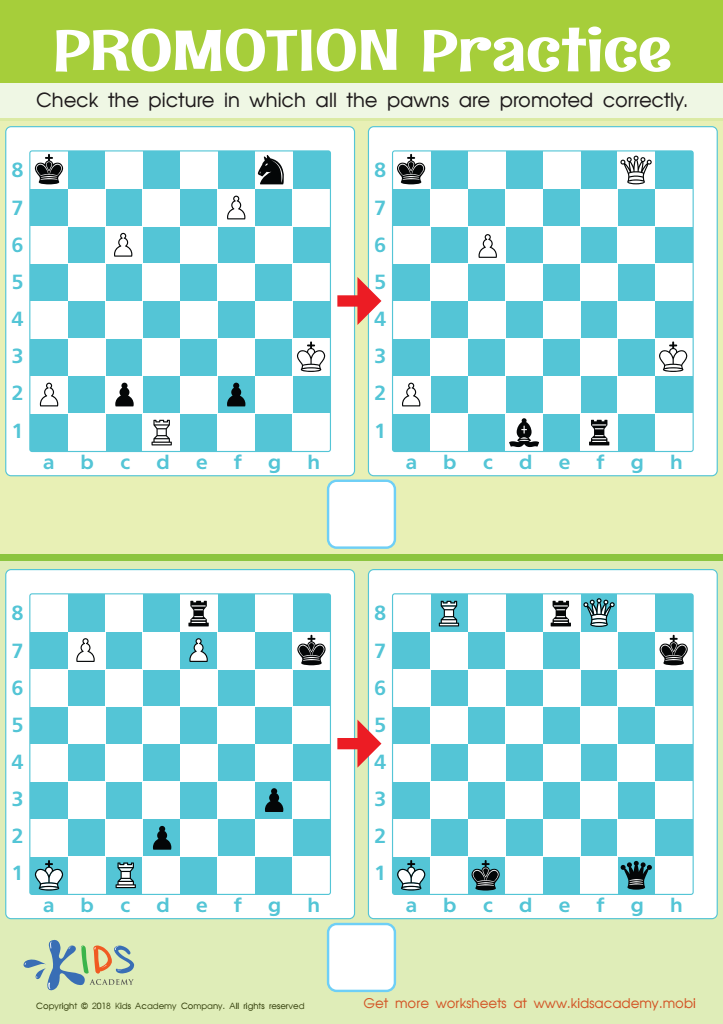
Promotion Practice Worksheet
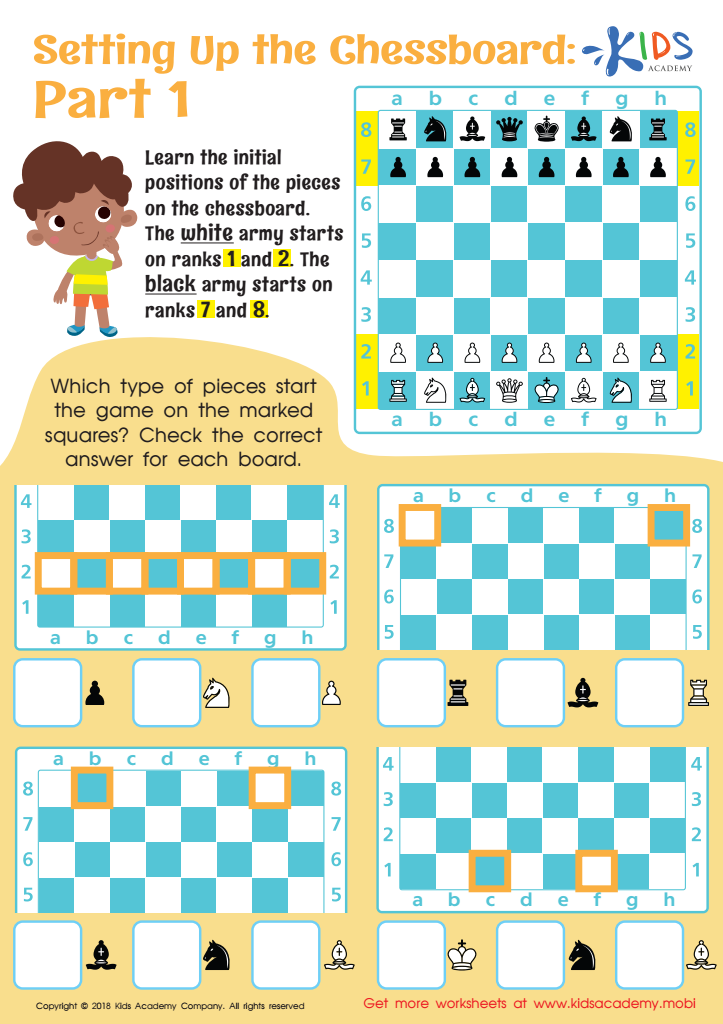
Setting up the Chessboard: Part 1 Worksheet





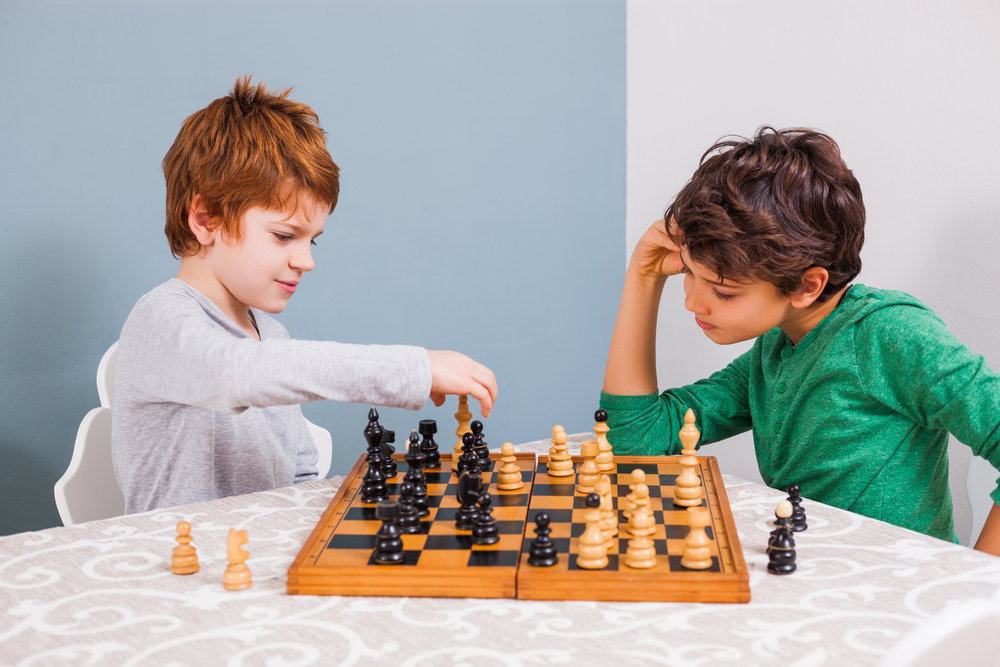
Parents and teachers should care about introducing Normal Chess to children ages 7-8 due to its myriad developmental benefits. Chess is not just a game; it is a powerful educational tool that fosters critical thinking, problem-solving, and strategic planning skills. At this age, children are naturally curious and eager to learn, making it an ideal time to introduce the complexities of chess.
Playing chess enhances cognitive abilities, including memory and concentration, as students must remember pieces, rules, and strategies while anticipating their opponent's moves. It also promotes patience and discipline, teaching children to think ahead and remain focused on their long-term goals. Additionally, chess encourages social interaction and sportsmanship, providing an opportunity for kids to learn how to win graciously and accept defeat with dignity.
Participating in chess can build self-esteem and confidence as children master the game, and learn to appreciate their progress. Furthermore, in today's digital world, chess presents a constructive alternative to screen time, allowing children to engage in a tactile, intellectual experience. By supporting chess education, parents and teachers can help cultivate a generation of critical thinkers and strategic problem solvers.