Normal Alphabet Worksheets for Ages 7-9 - Page 6
145 filtered results
-
From - To
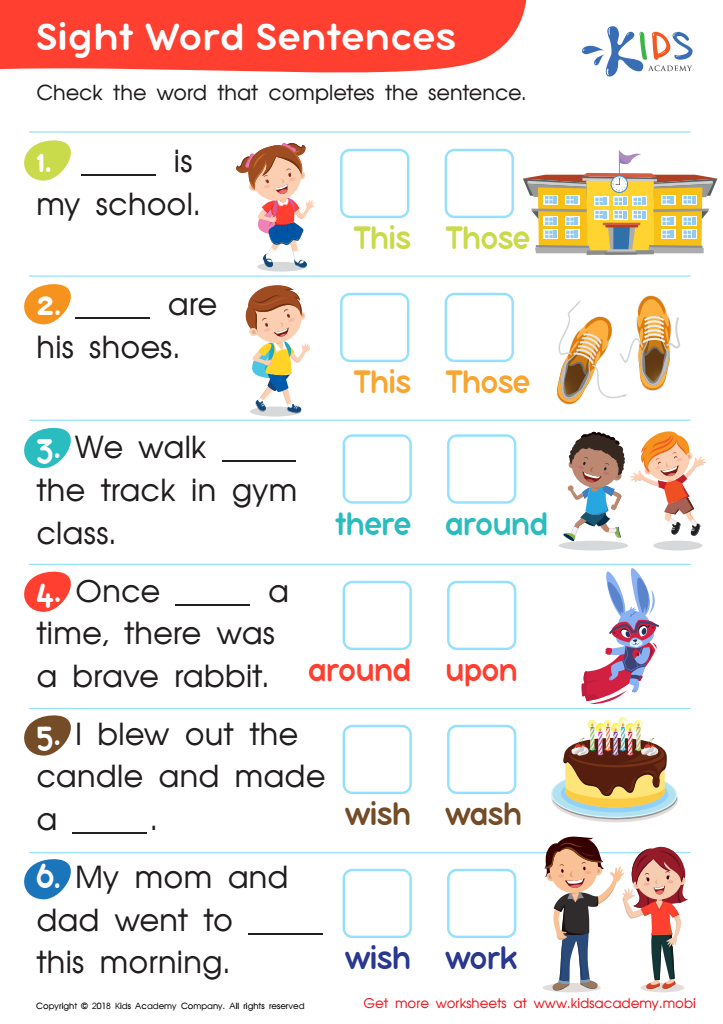
Sight Word Sentences Worksheet
 Assign to My Students
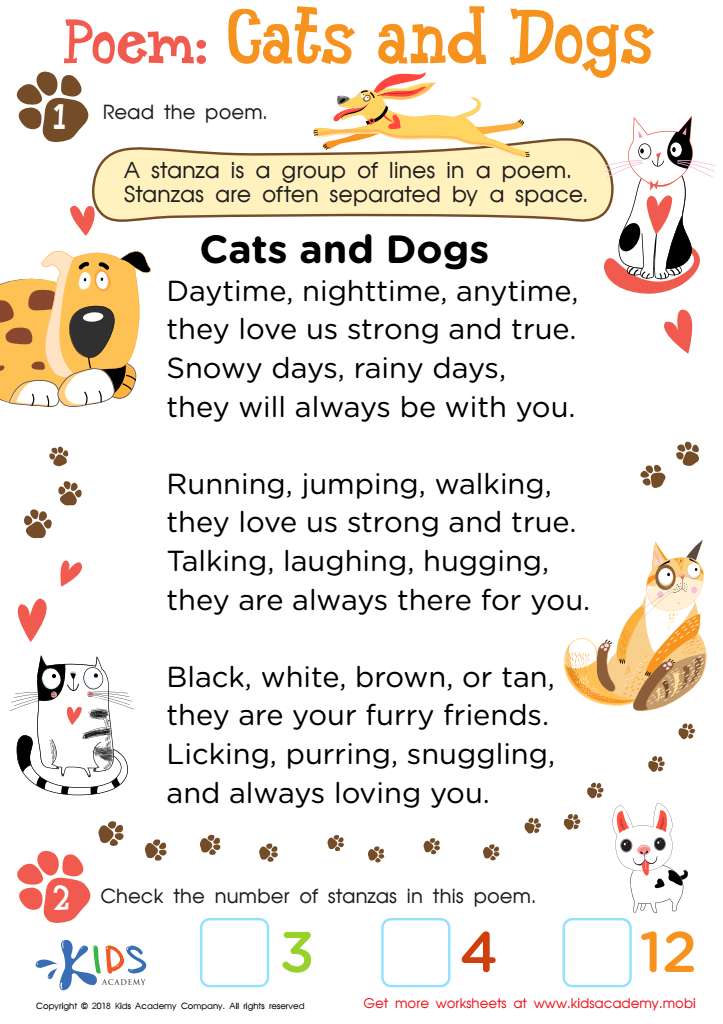
Poem: Cats and Dogs Worksheet
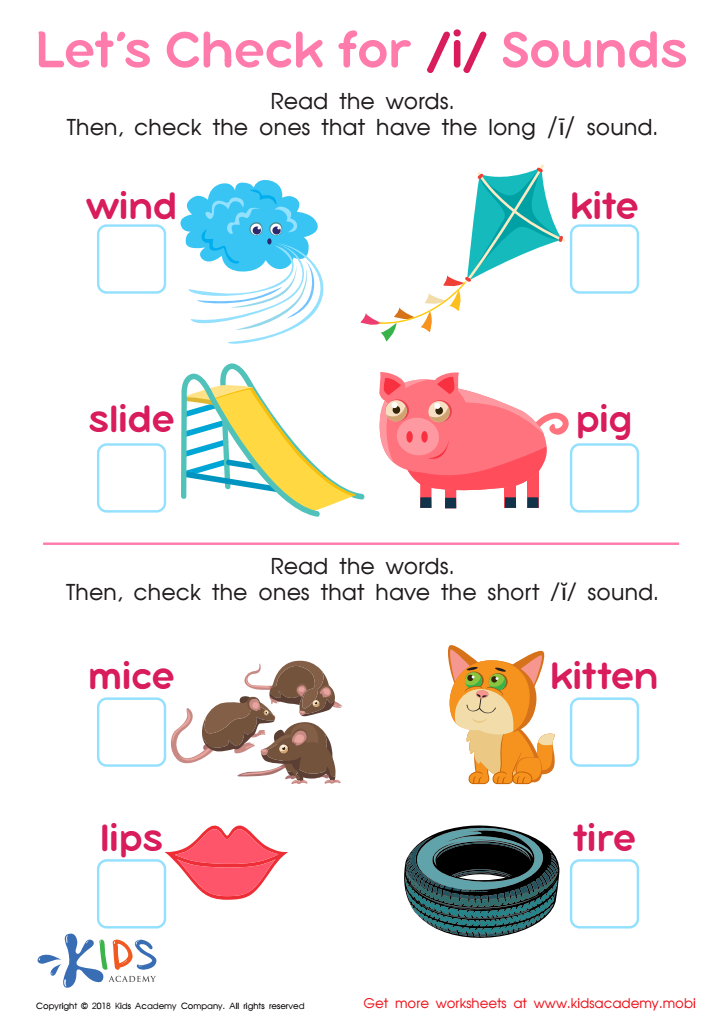
Let's Check for «i» Sounds Worksheet
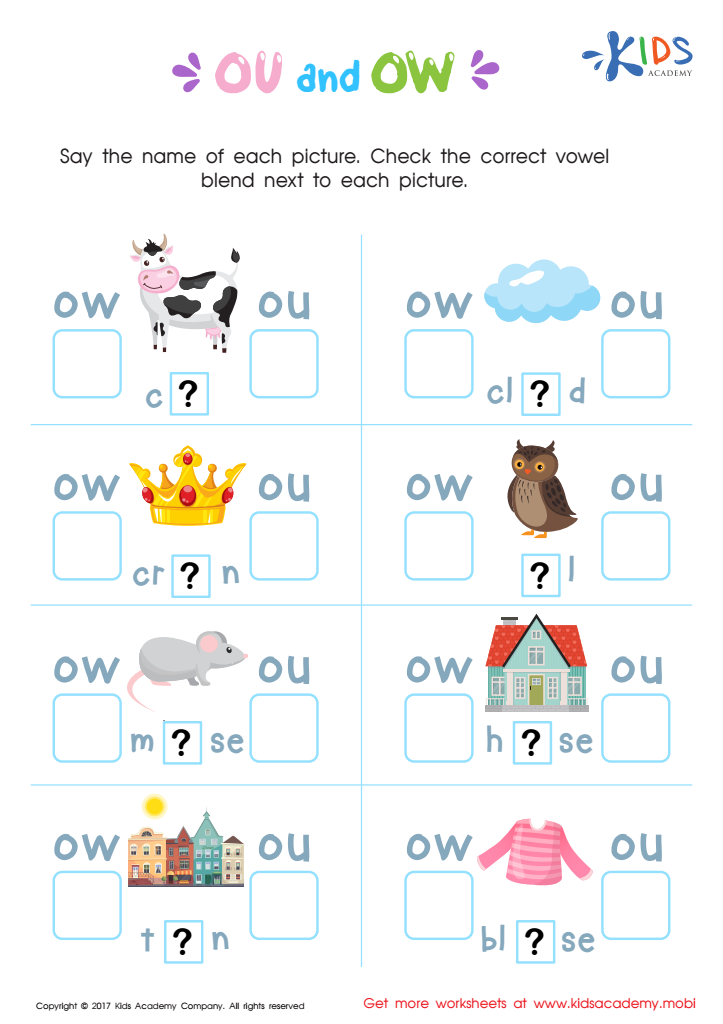
OU and OW Words Worksheet
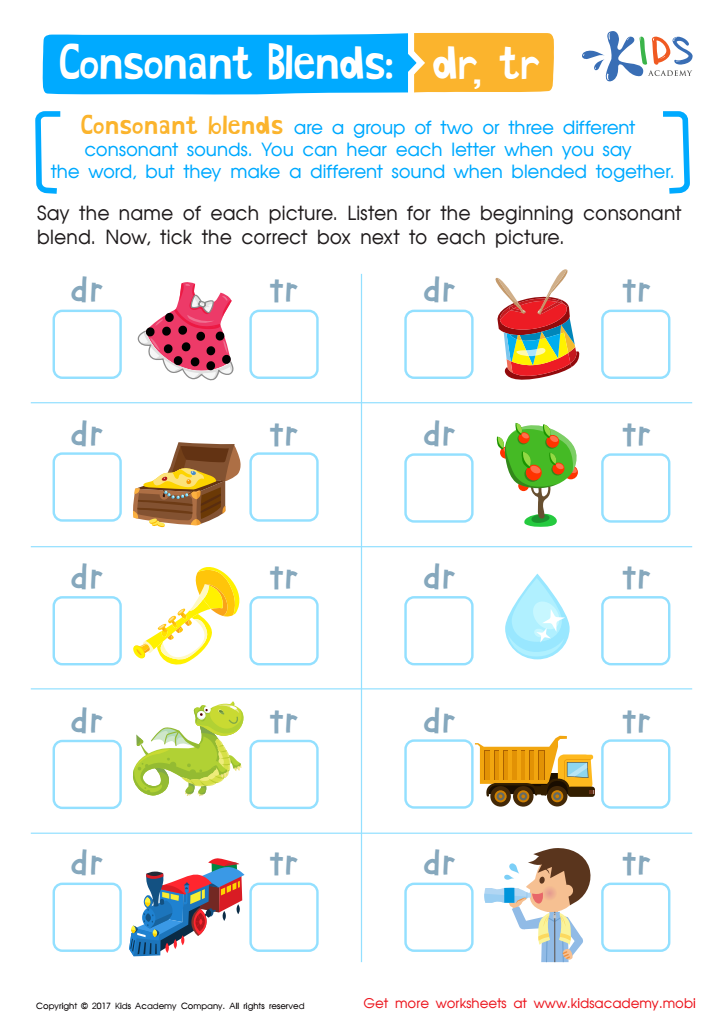
Consonant Blends: "Dr" and "Tr" Printable

Letter F Tracing Page
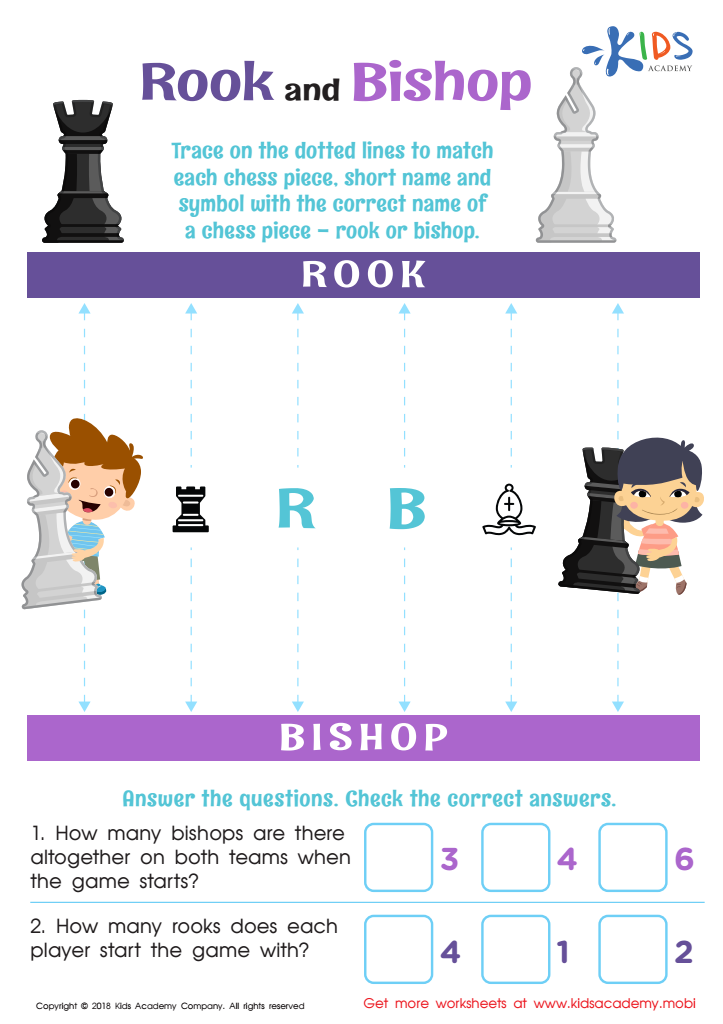
Rook and Bishop Worksheet
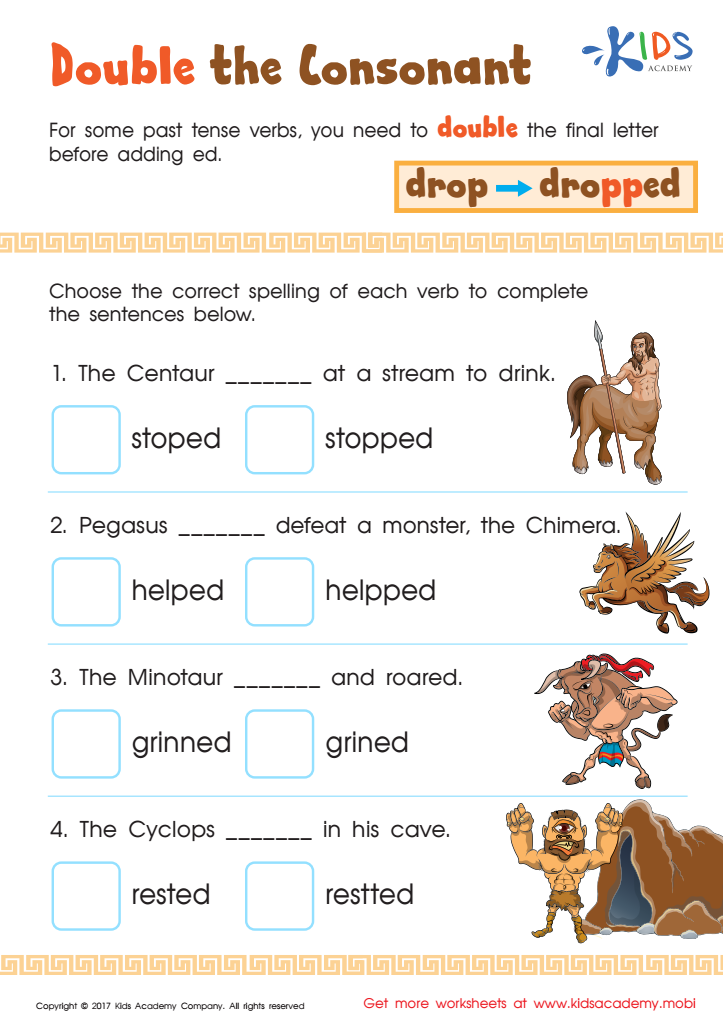
Double Consonant Spelling Worksheet
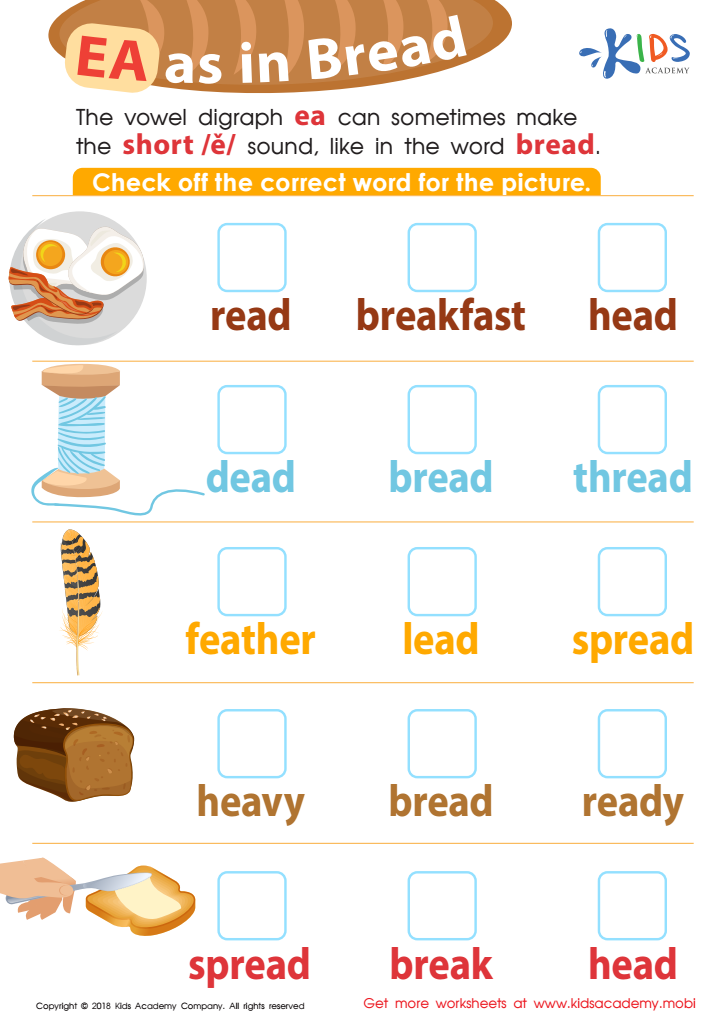
Reading: EA as in Bread Worksheet
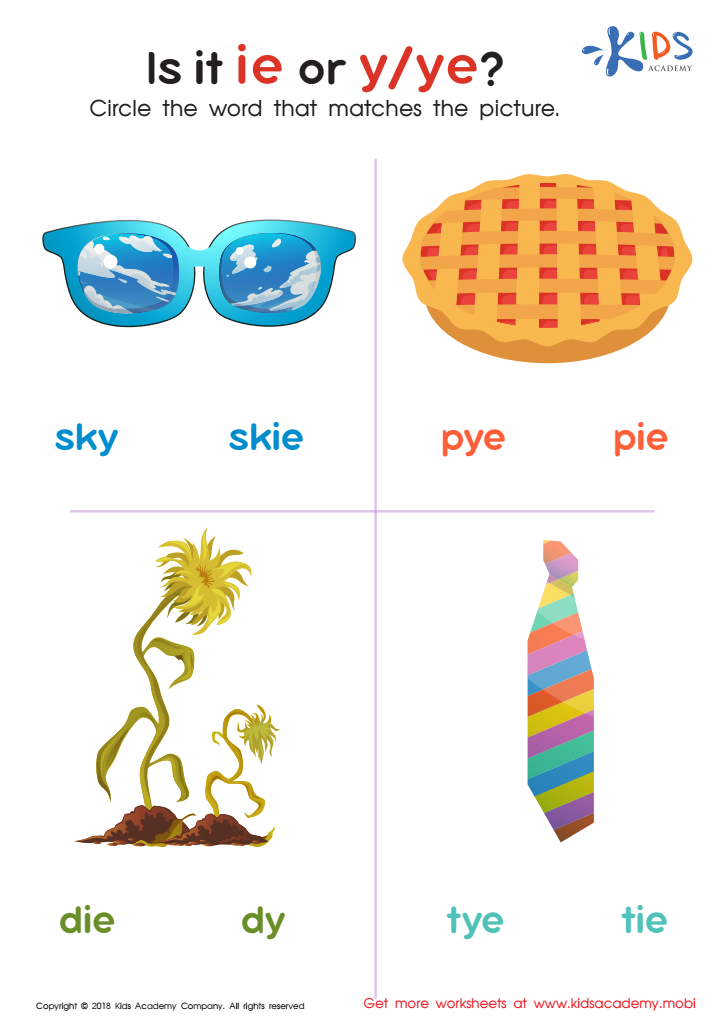
Is It IE or Y/Ye? Worksheet
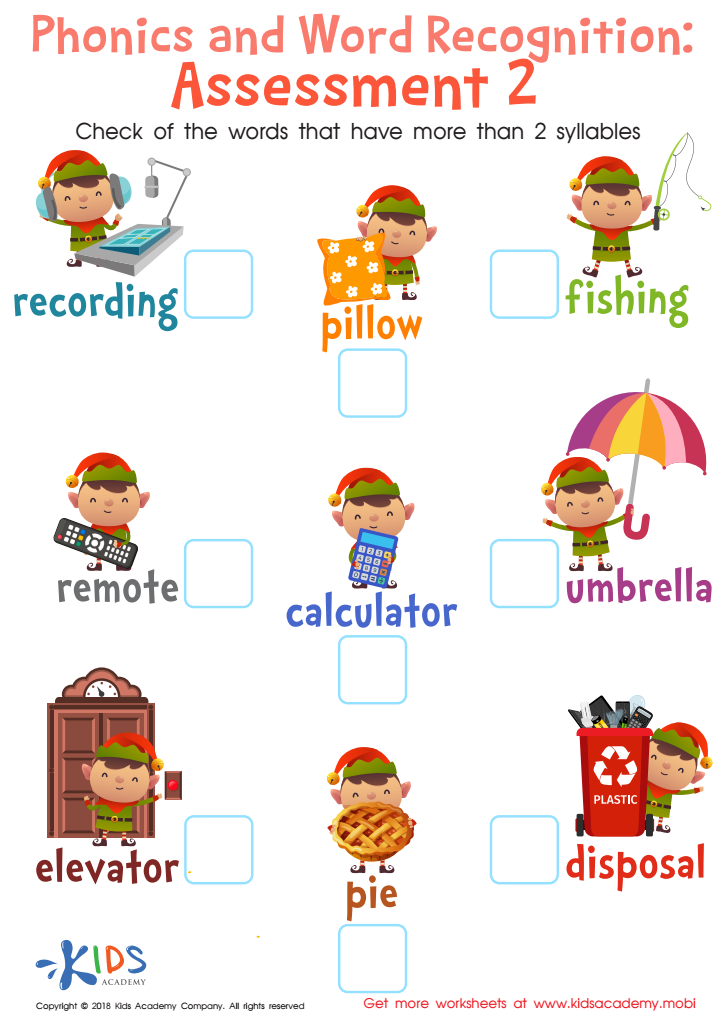
Phonics and Word Recognition: Assessment 2 Worksheet
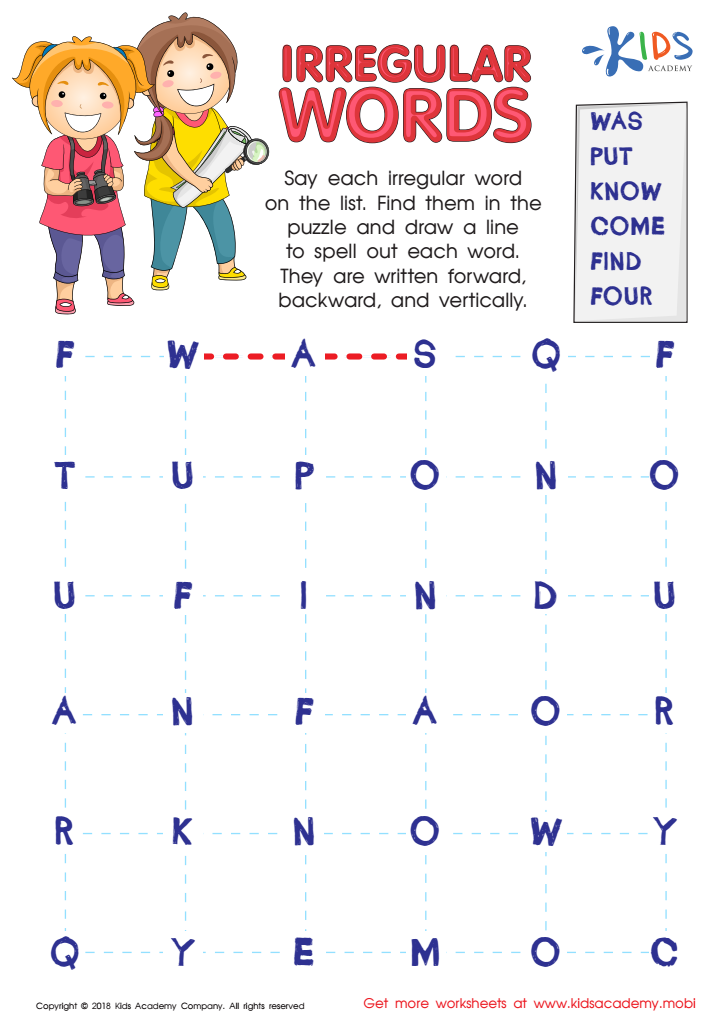
Irregular Words Worksheet
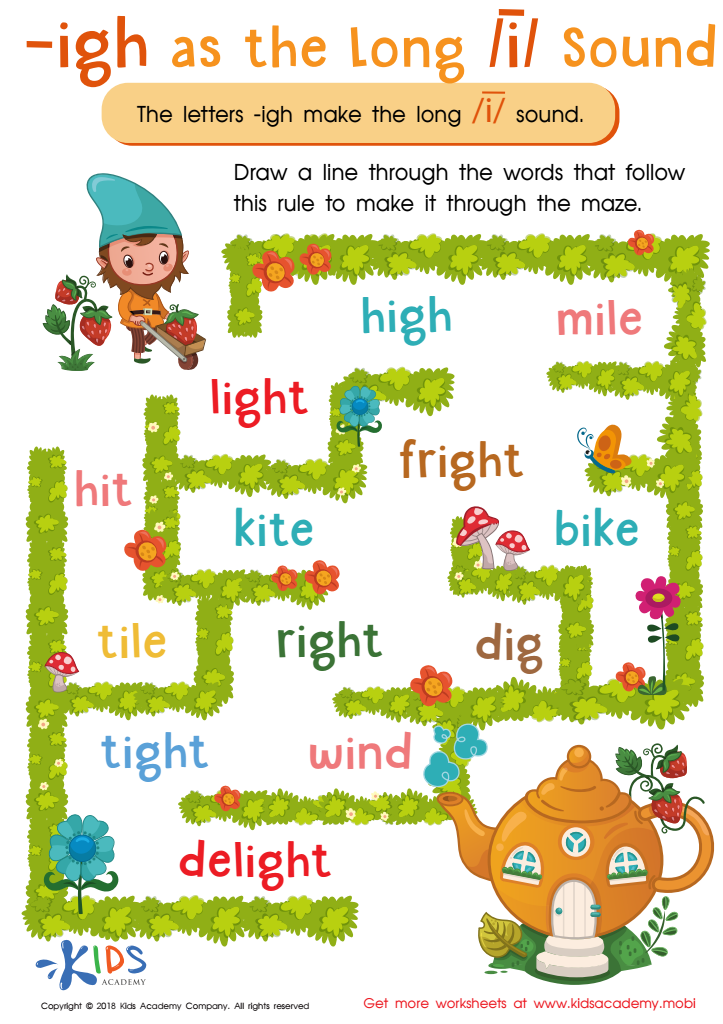
Reading: IGH as Long I Worksheet
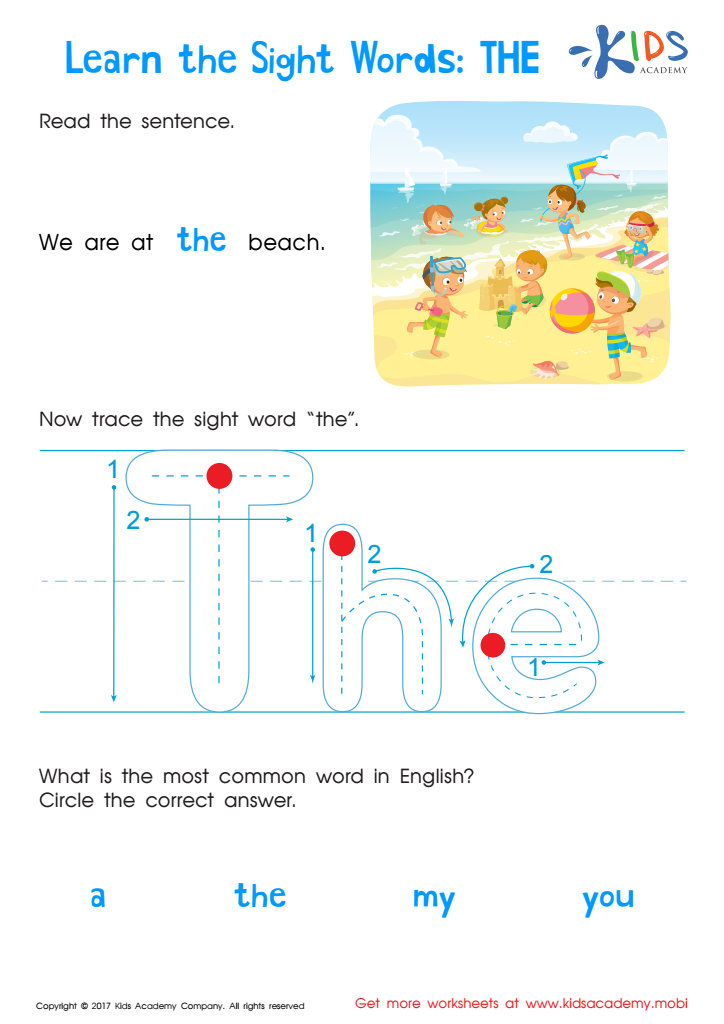
Sight Words: The Worksheet
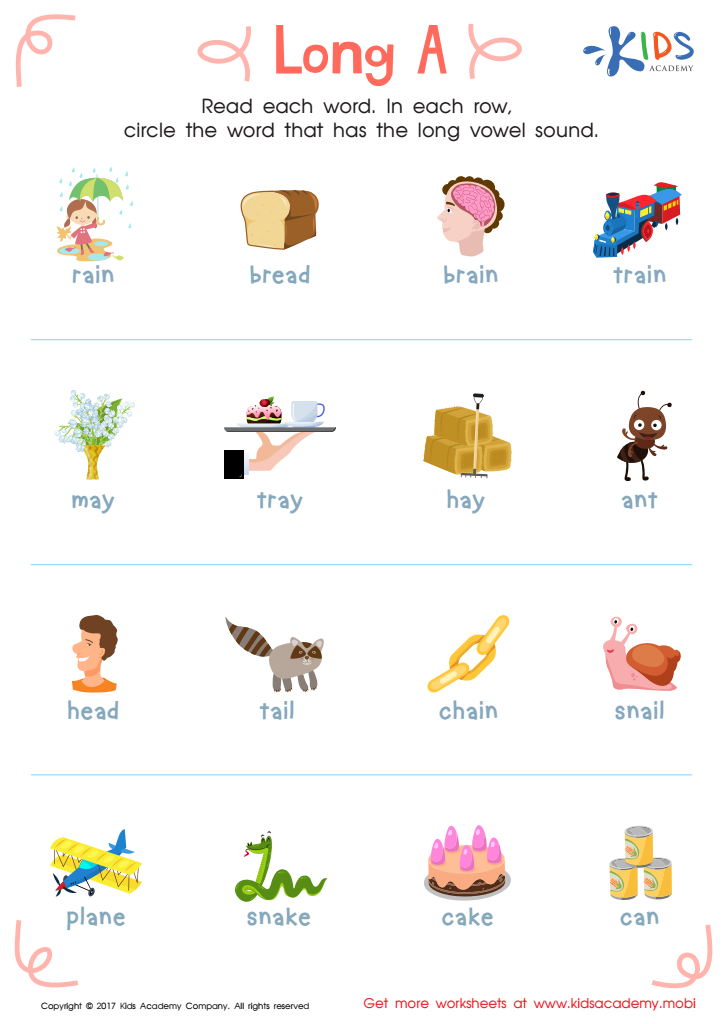
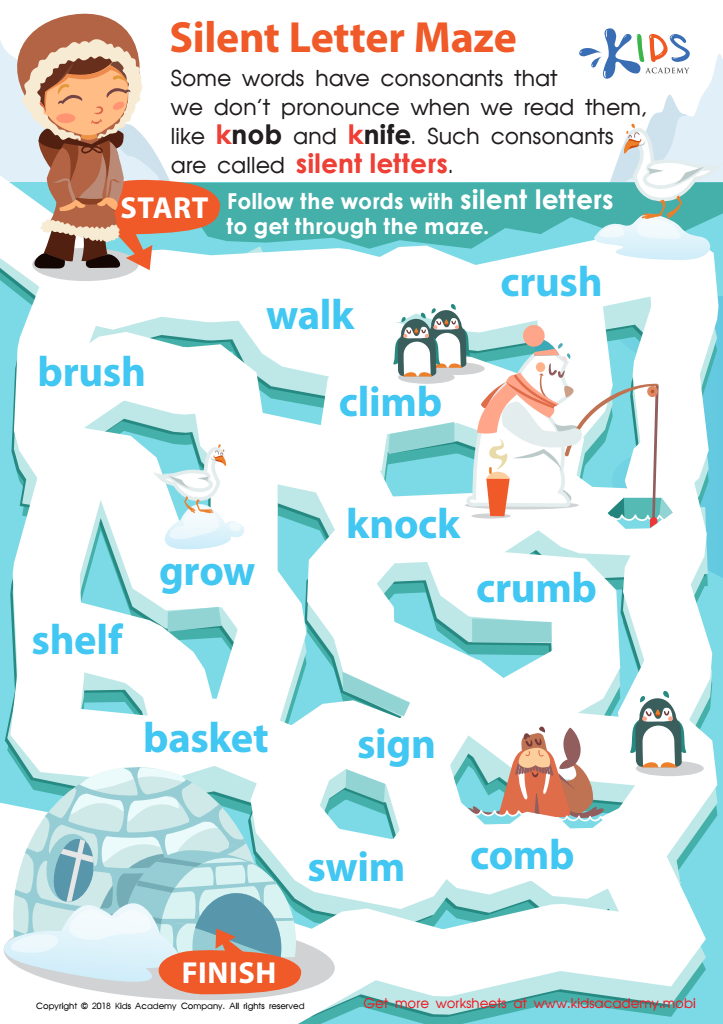
Silent Letter Maze Worksheet
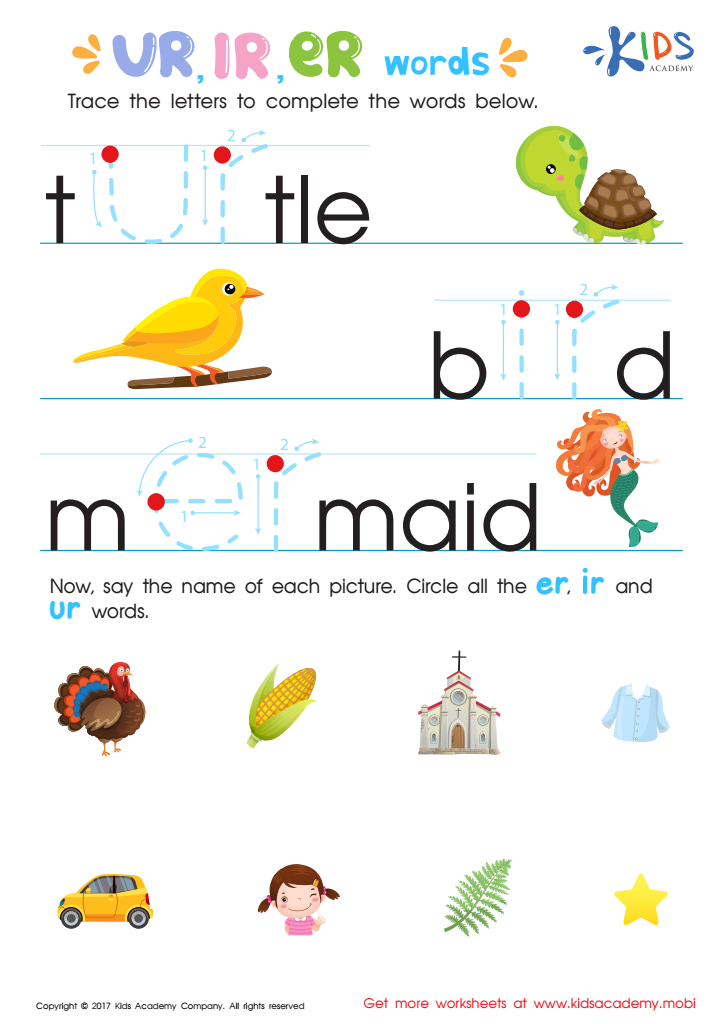
IR UR ER Words Worksheet
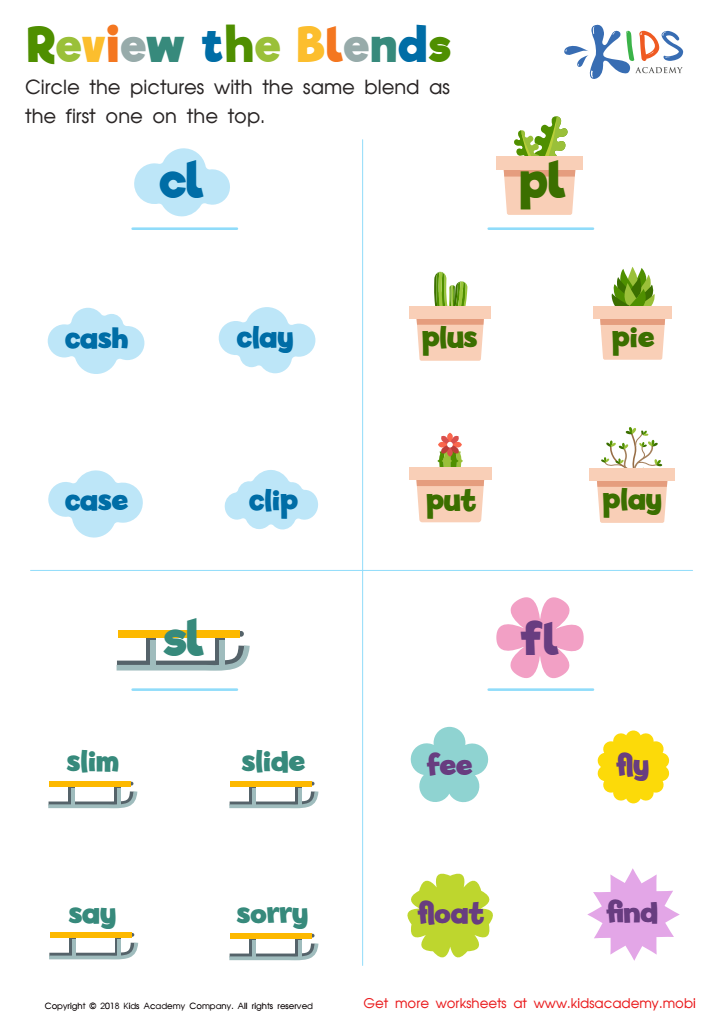
Review the Blends Worksheet
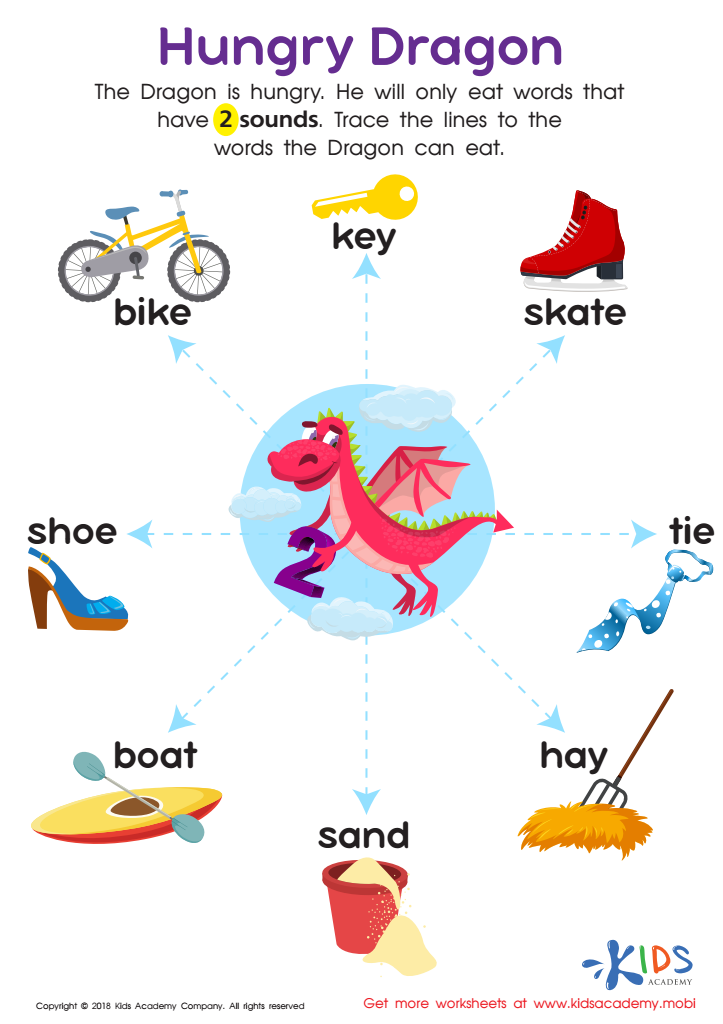
Hungry Dragon Worksheet
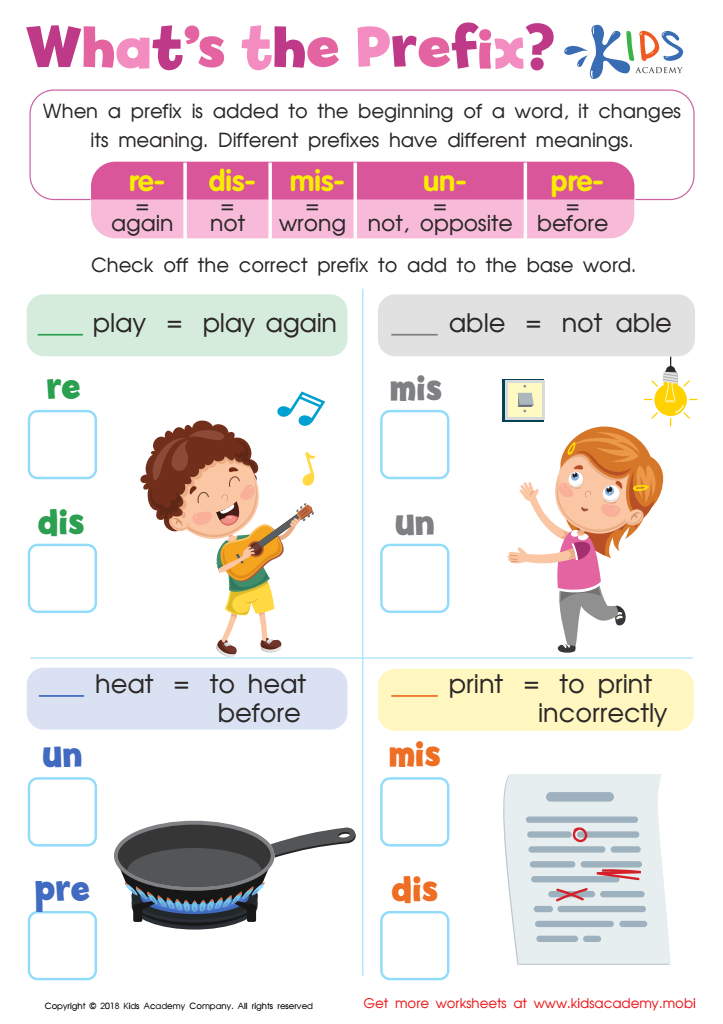
Reading: What Is the Prefix Worksheet
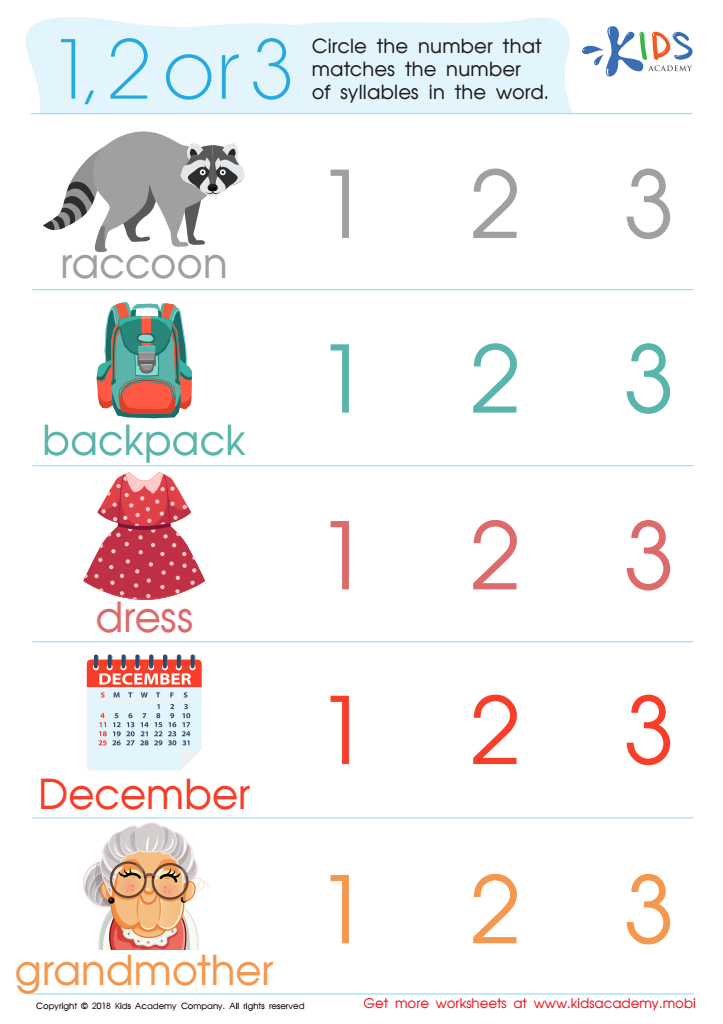
1, 2 or 3? Worksheet
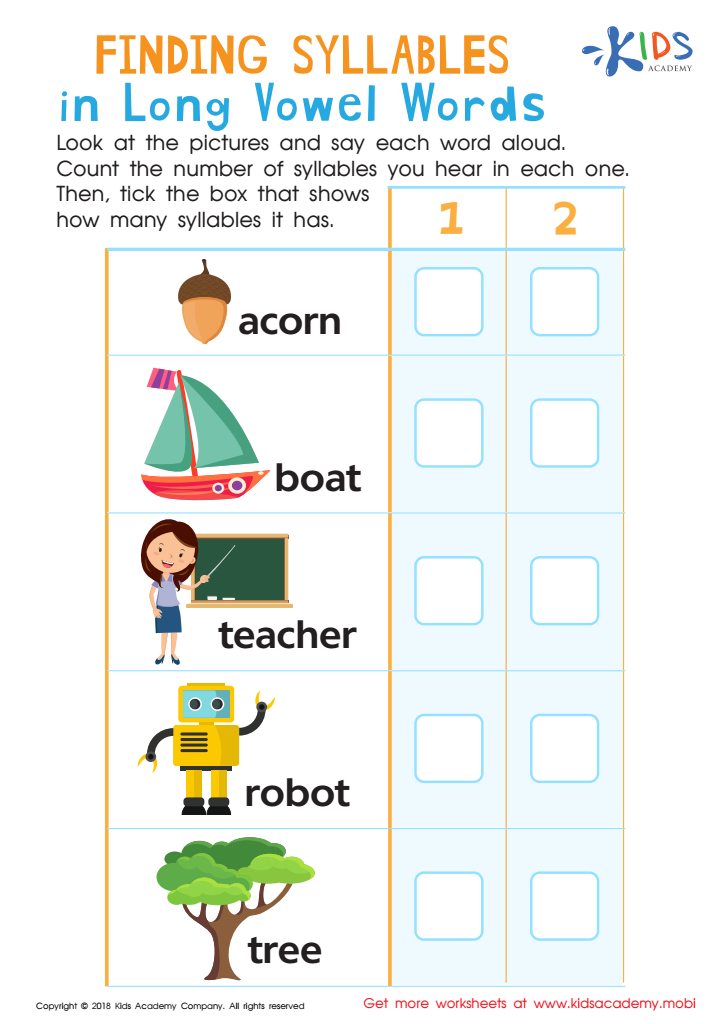
Finding Syllables in Long Vowel Words Worksheet
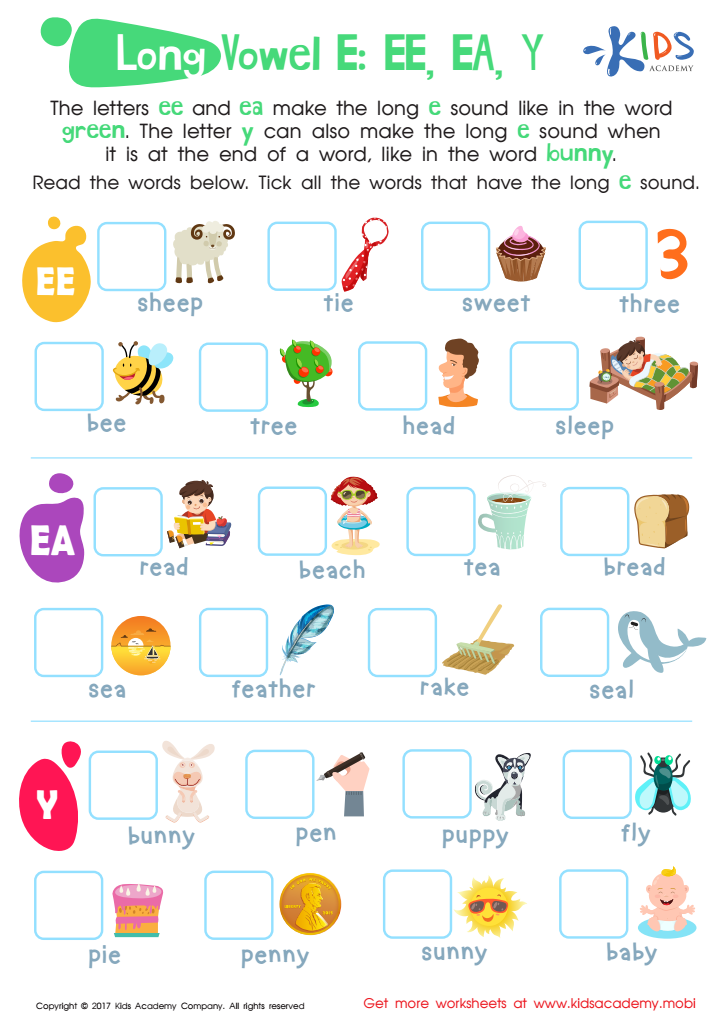
Long Vowel E Printable

Letter D Tracing Page








Parents and teachers should prioritize the Normal Alphabet for Ages 7-9 as it forms a critical foundation for children's literacy and communication skills. At this age, children are transitioning from learning to read to reading to learn, making mastery of the alphabet essential. Recognizing letters and understanding their corresponding sounds is vital for decoding words and fostering fluency—skills crucial for academic success across subjects.
Engagement with the Normal Alphabet sparks curiosity in children's learning environment. Mastery of the alphabet promotes vocabulary development, enhances spelling abilities, and aids in effective writing skills. As children practice letter recognition and pronunciation, they also develop phonemic awareness, which leads to improved reading comprehension.
Moreover, understanding the Normal Alphabet helps children navigate social interactions and express themselves clearly in both written and verbal forms. Encouraging children to explore the alphabet through creative activities—such as drawing, singing, and games—makes the learning process enjoyable and effective.
Ultimately, a strong grasp of the Normal Alphabet sets the stage for lifelong learning and communication success. Therefore, it is essential for parents and teachers to foster a supportive environment that emphasizes the importance of the alphabet at this pivotal age.







