Normal Comparing Numbers Worksheets for Ages 7-9 - Page 2
29 filtered results
-
From - To
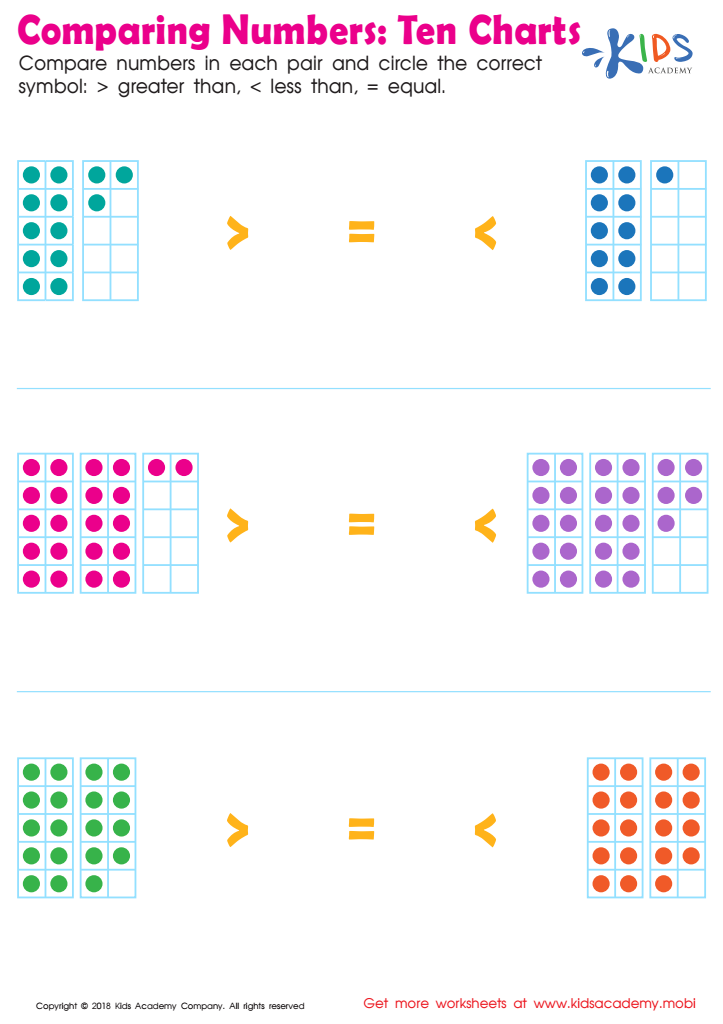
Ten Charts Worksheet
 Assign to My Students
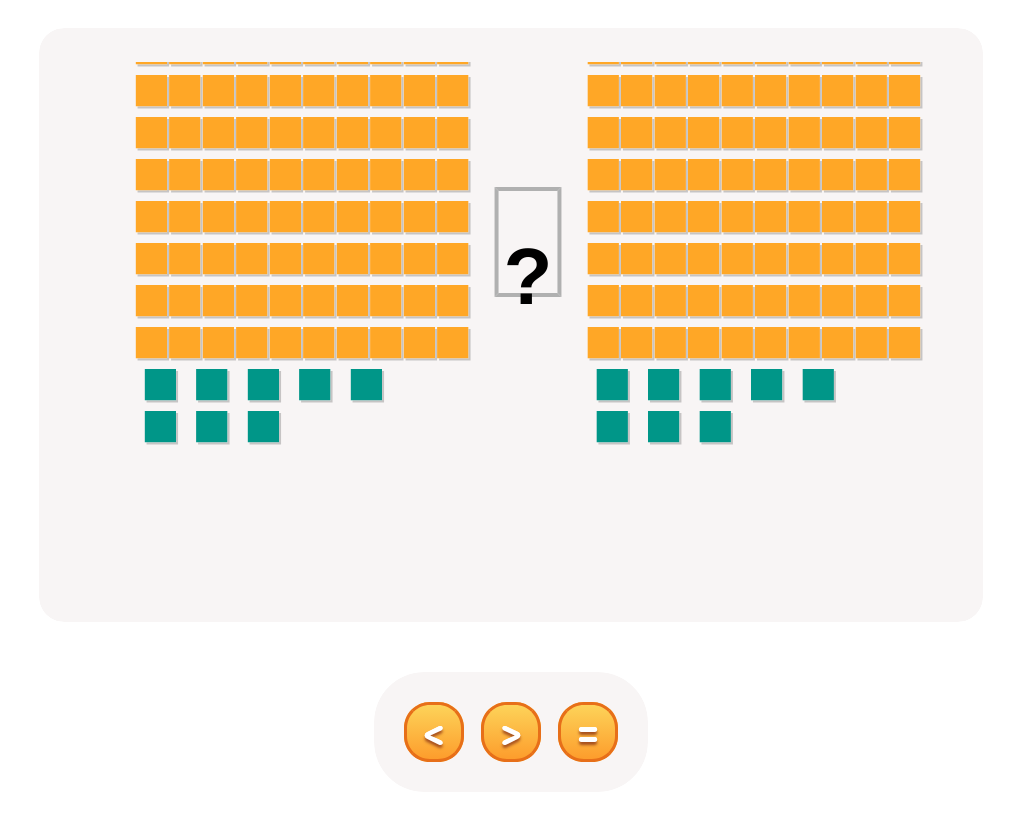

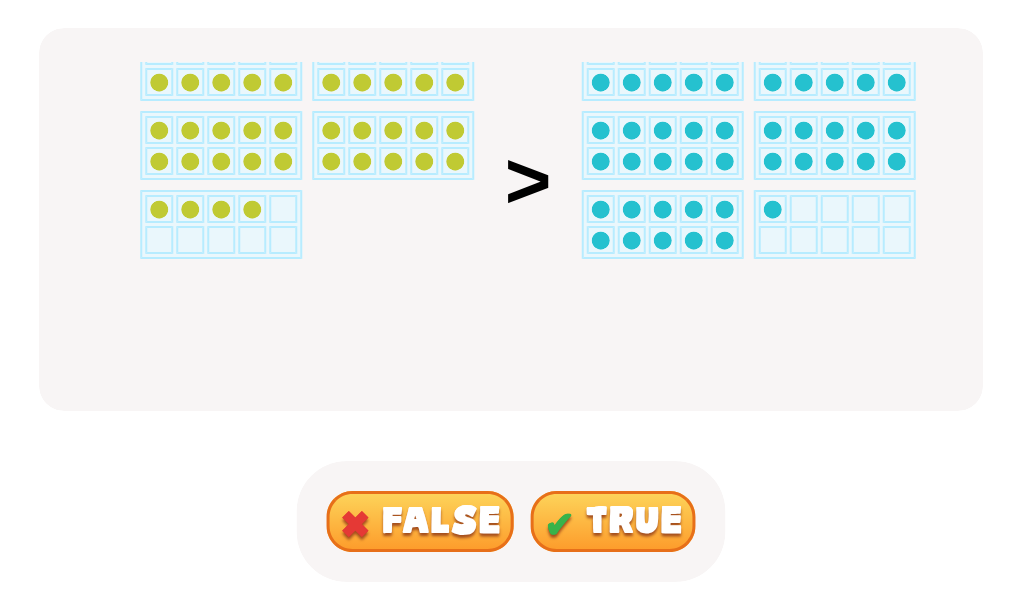
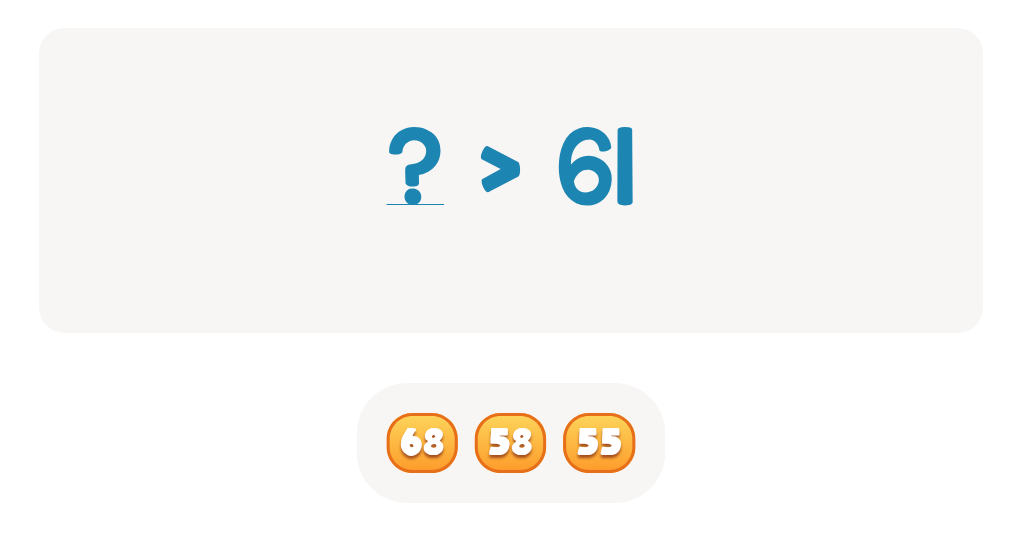
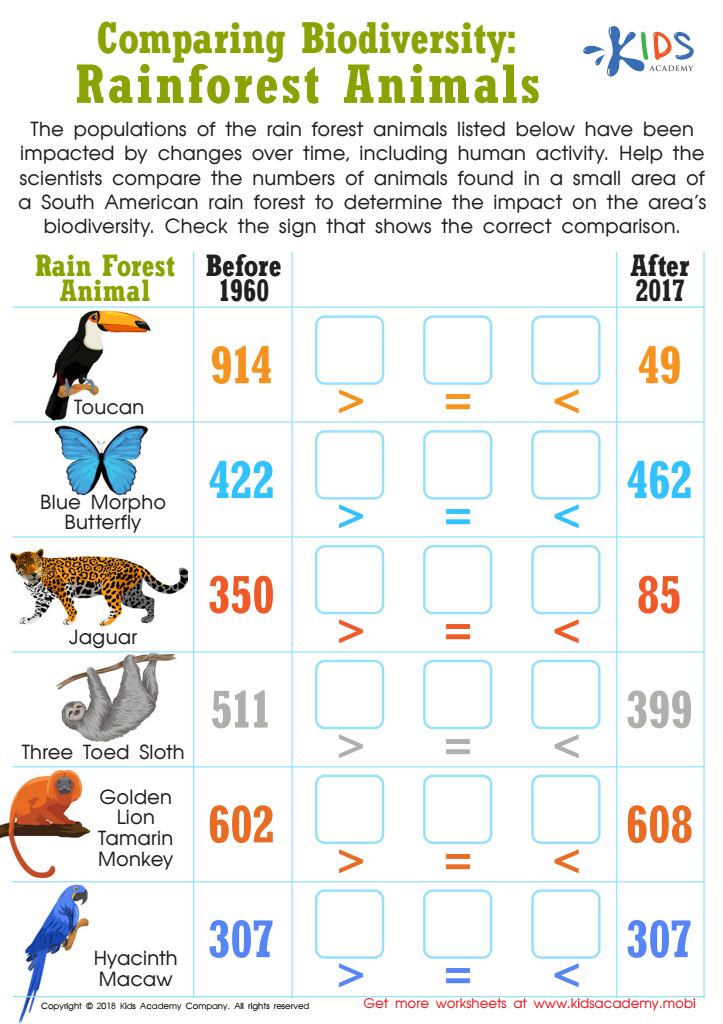
Comparing Biodiversity: Rainforest Animals Worksheet
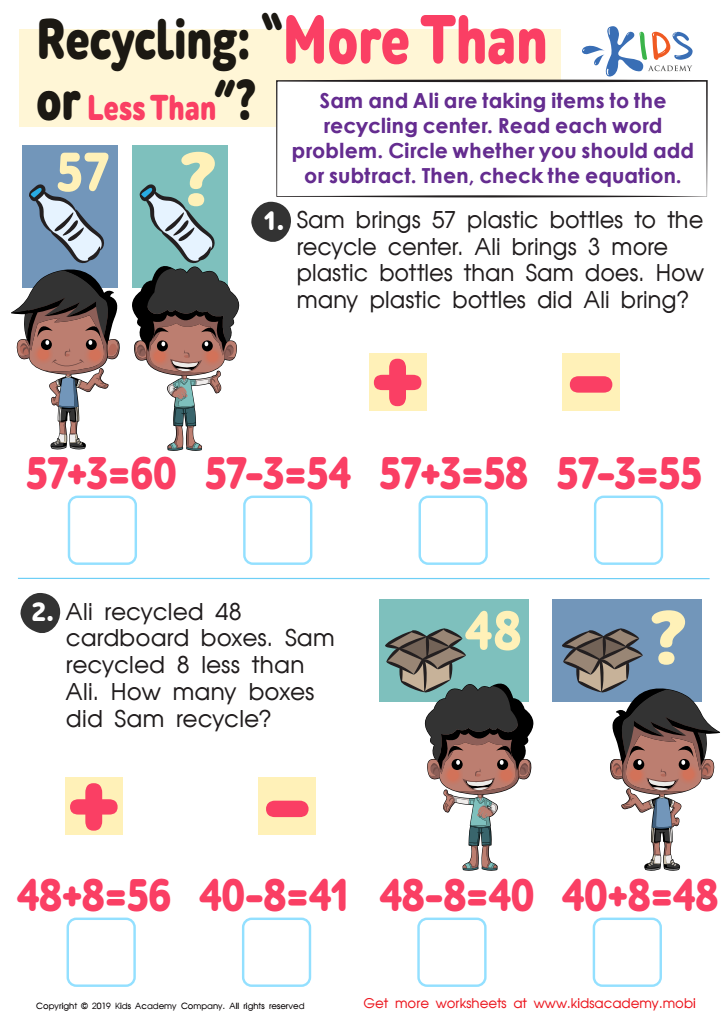
Recycling - More or Less Worksheet
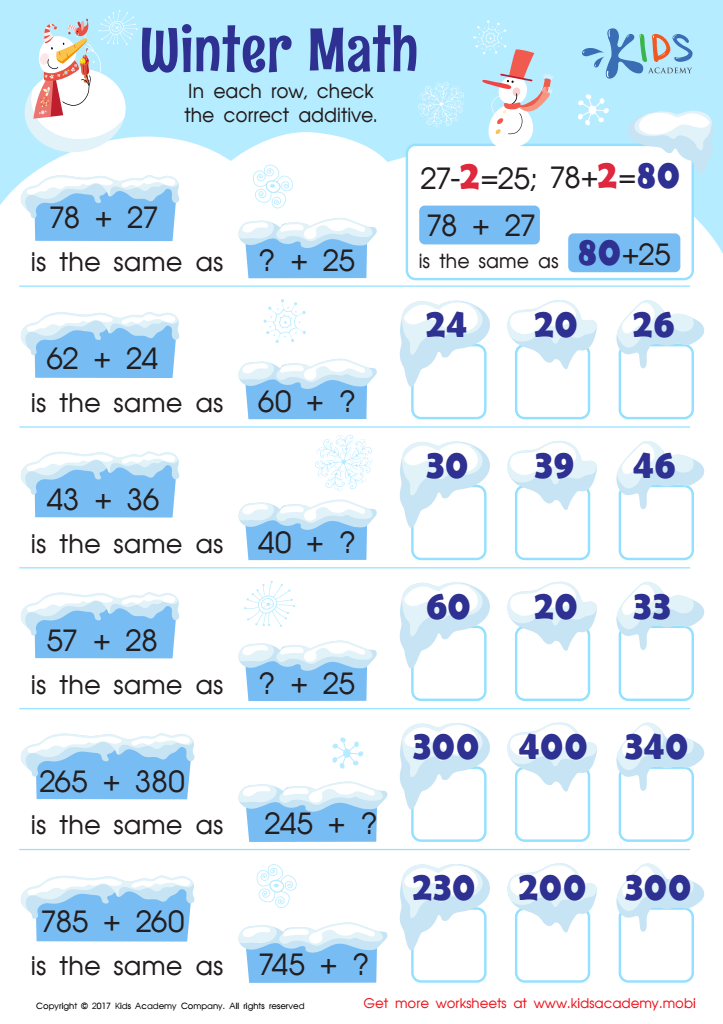
Free Addition Worksheet
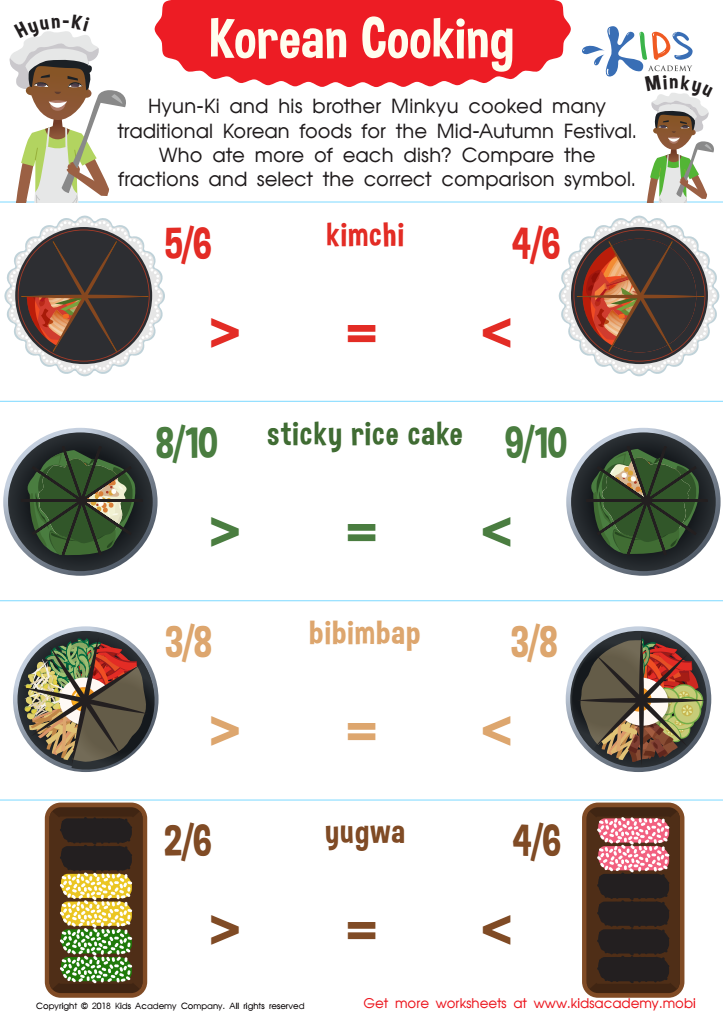
Korean Cooking Worksheet








Parents and teachers should care about "Normal Comparing Numbers" for children ages 7-9 because this foundational concept is essential for developing mathematical reasoning and critical thinking skills. At this age, children are transitioning from basic number recognition to understanding relationships between numbers, which is crucial for their overall mathematical development.
Learning to compare numbers nurtures essential skills such as estimation, number sense, and comparative reasoning. These abilities lay the groundwork for more complex mathematical operations, including addition, subtraction, and later, multiplication and division. By mastering comparison, children learn to interpret their findings in practical contexts, which fosters critical problem-solving capabilities.
Moreover, understanding how to compare numbers can boost a child’s confidence in mathematics. When they get comfortable with identifying larger and smaller numbers, they find it easier to tackle tricky concepts later on. Financial literacy, such as budgeting and spending, also relies heavily on comparison skills, making this knowledge applicable in real life.
Ultimately, by supporting children in mastering normal comparing numbers, parents and teachers help cultivate competent and confident learners who will carry these abilities well beyond elementary school into their everyday life and future educational endeavors.