Normal Science Worksheets for Ages 7-9 - Page 11
254 filtered results
-
From - To
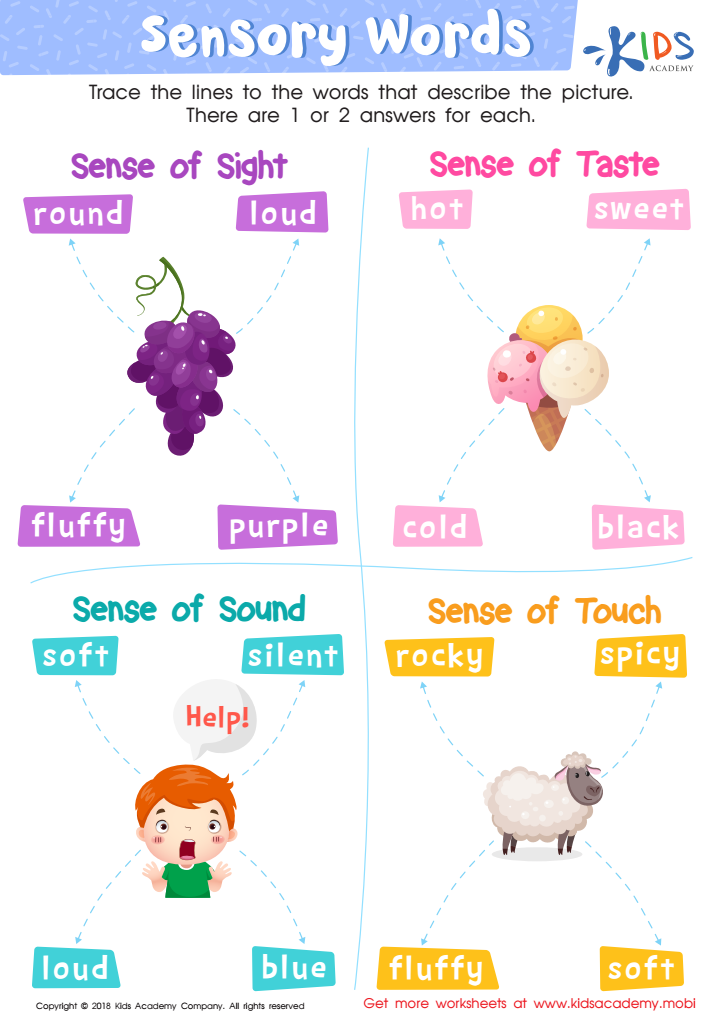
Sensory Words Worksheet
 Assign to My Students
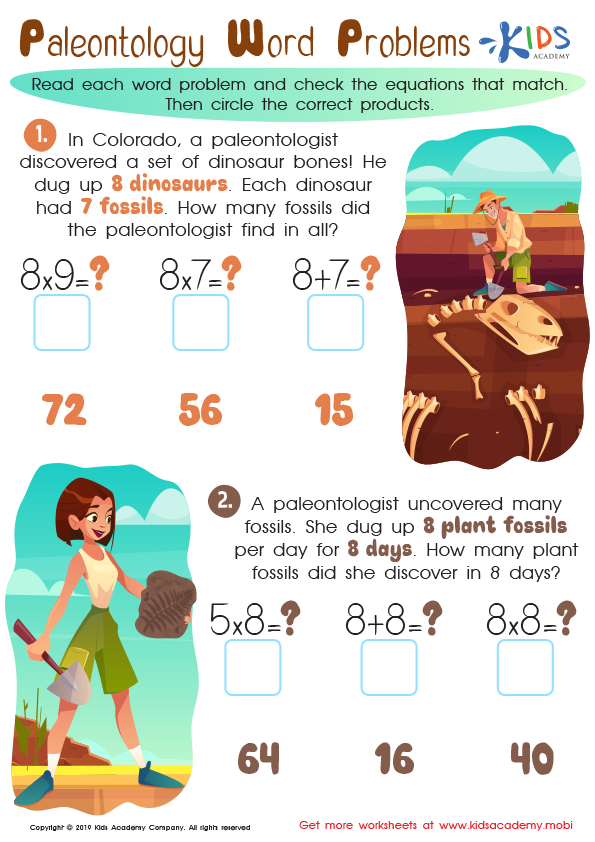
Archeology Word Problems Worksheet
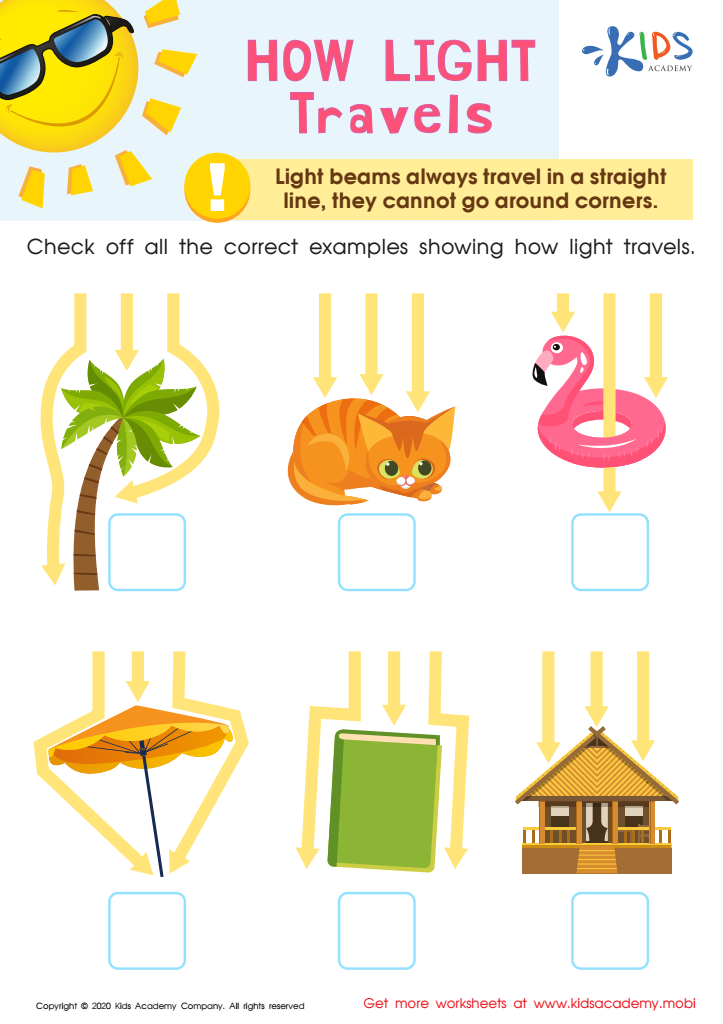
How Light Travels Worksheet
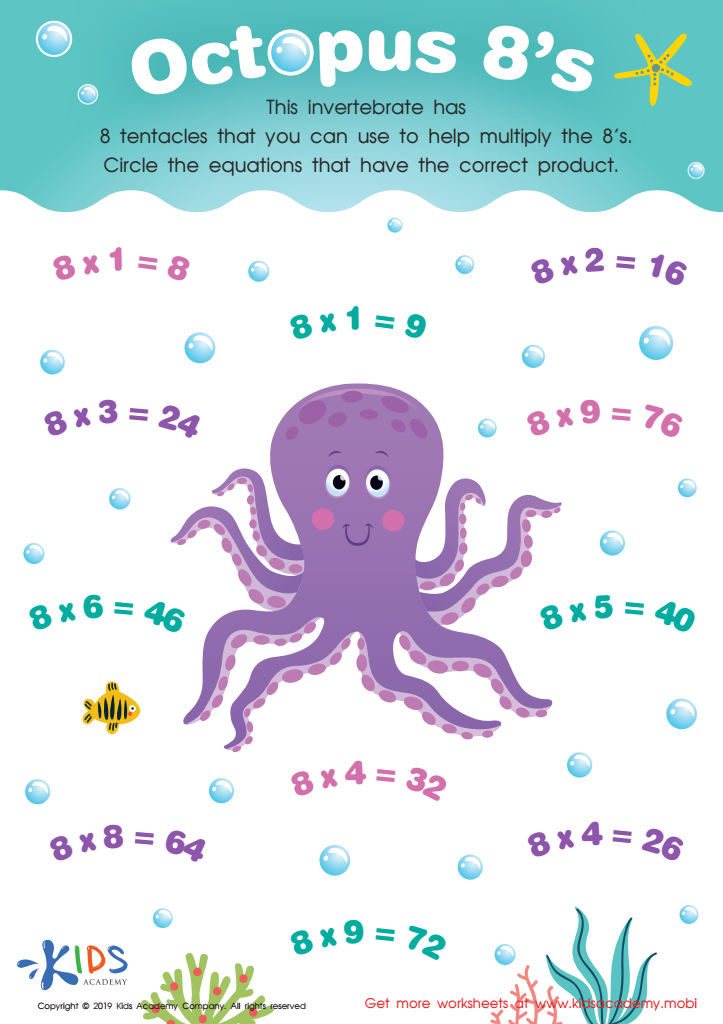
Octopus 8’s Worksheet
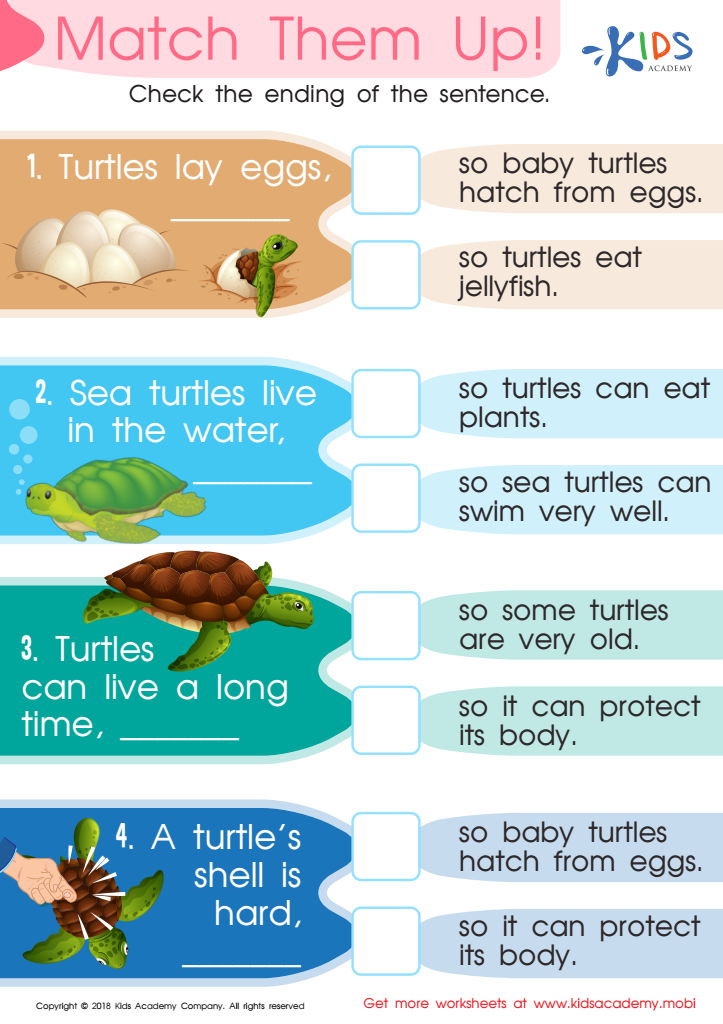
Match Them Up Worksheet
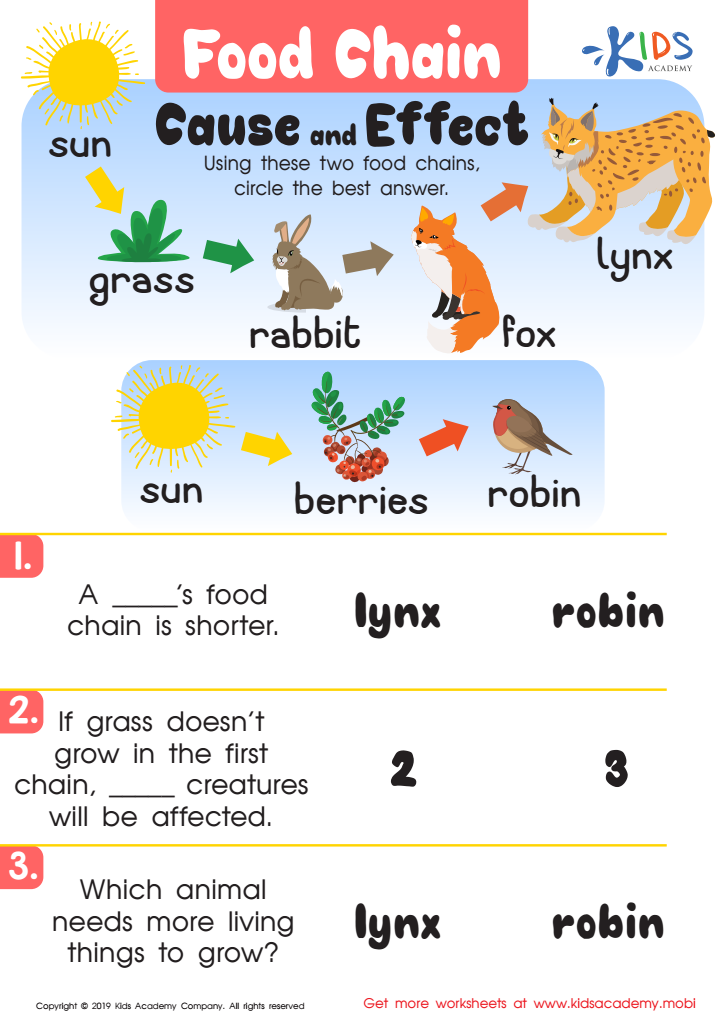
Food Chain Cause Worksheet
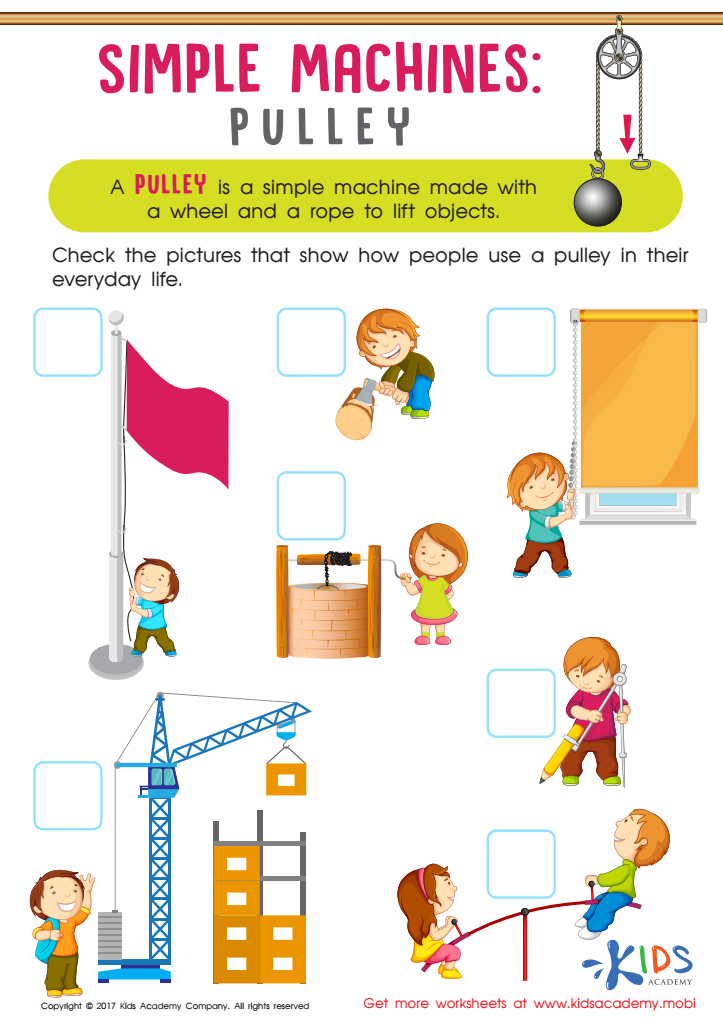
Simple Machines Pulley Worksheet
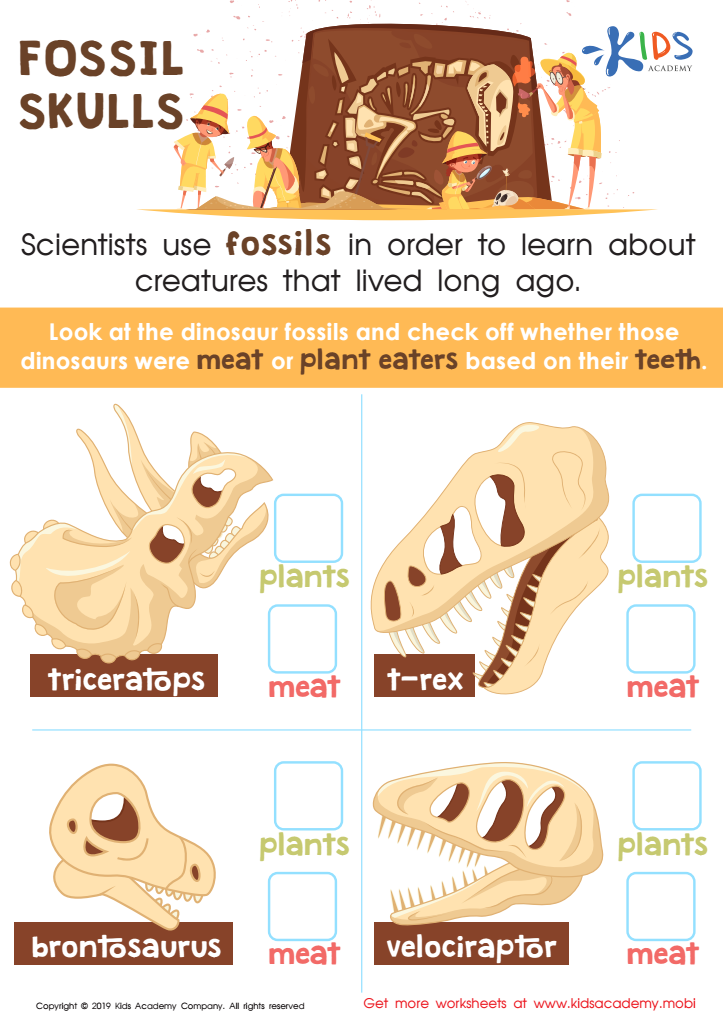
Fossil Skulls Worksheet
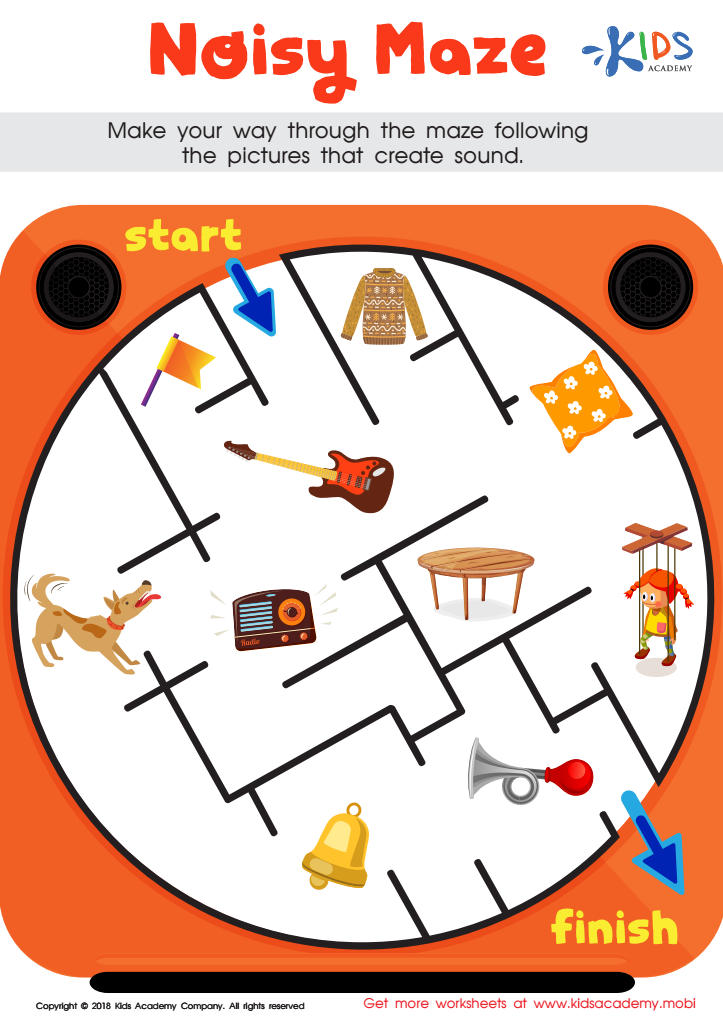
Noisy Maze Worksheet
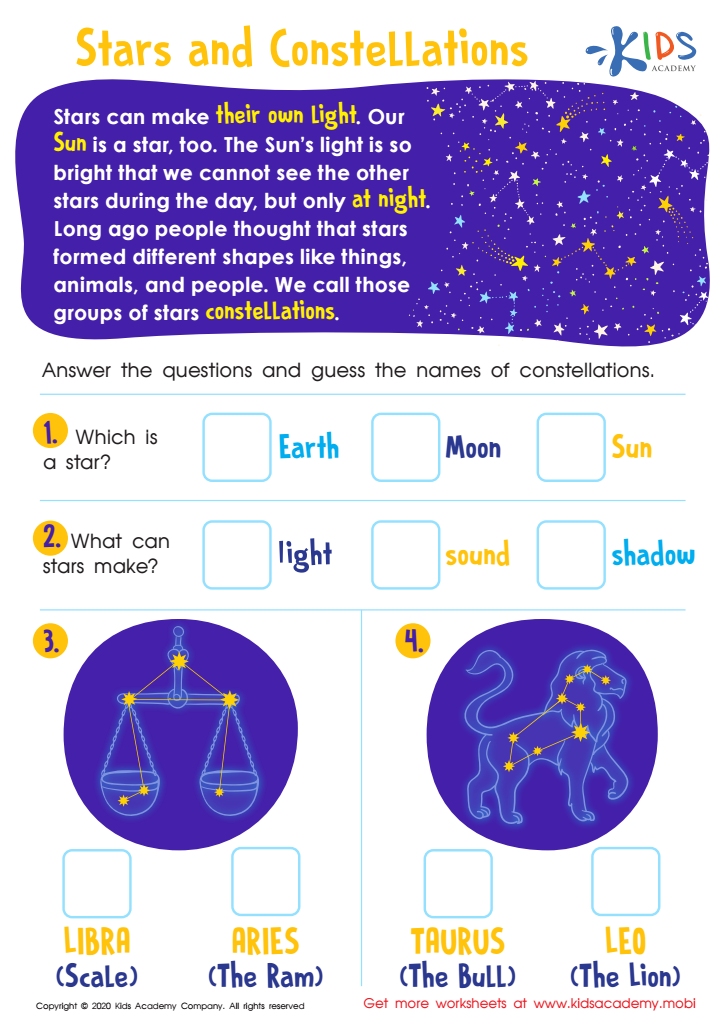
Stars and Constellations Worksheet
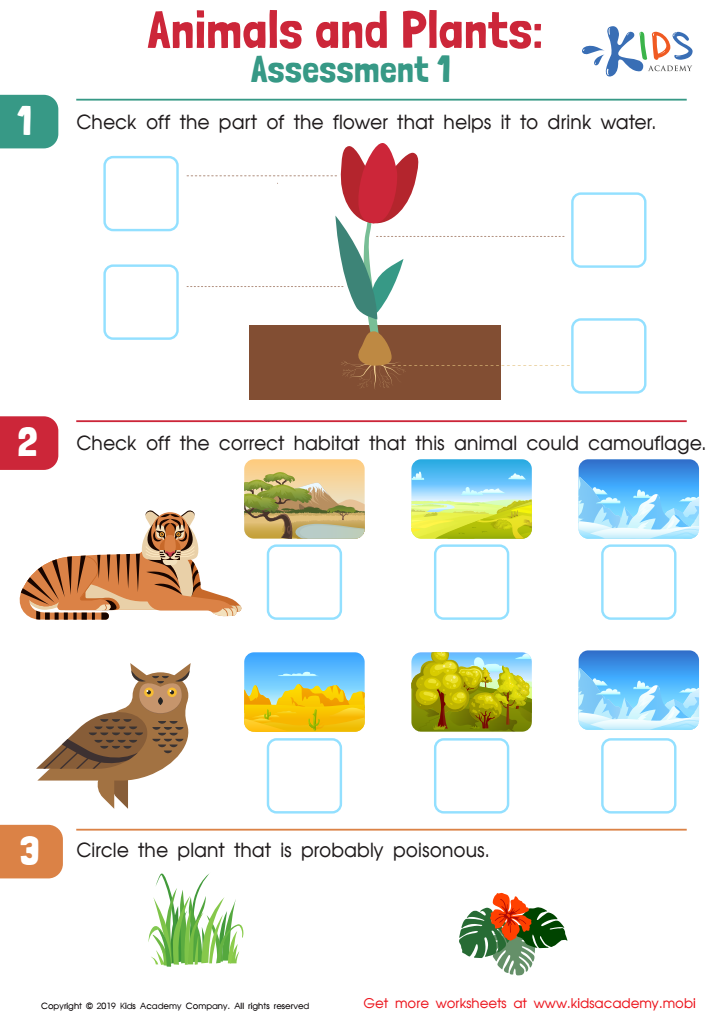
Animals and Plants: Assessment 1 Worksheet
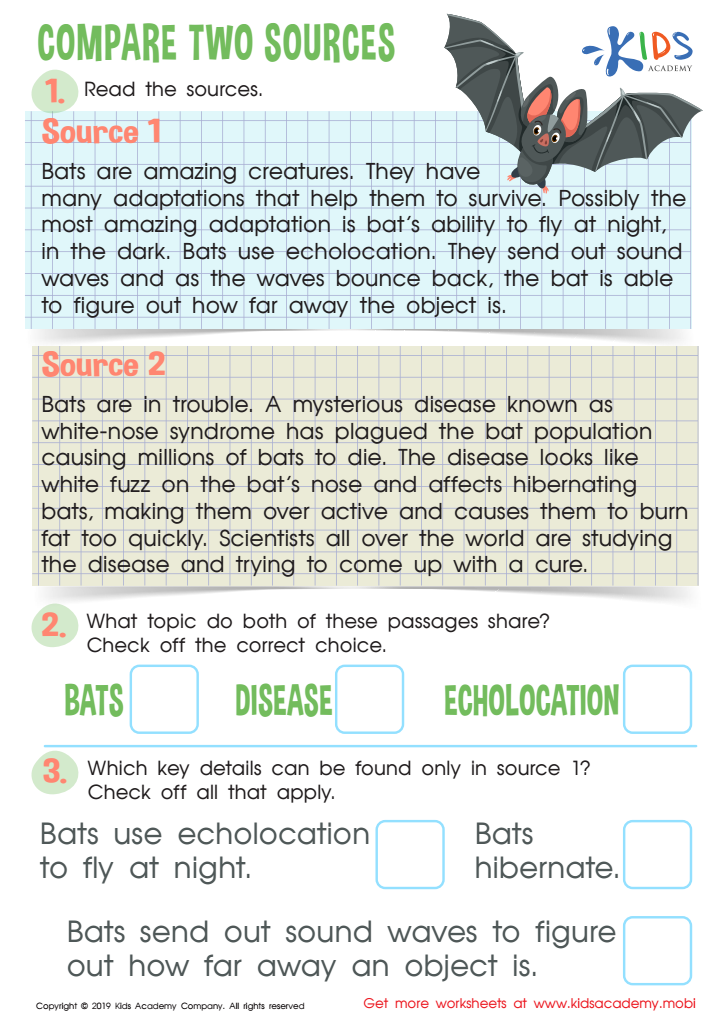
Compare Two Sources Worksheet
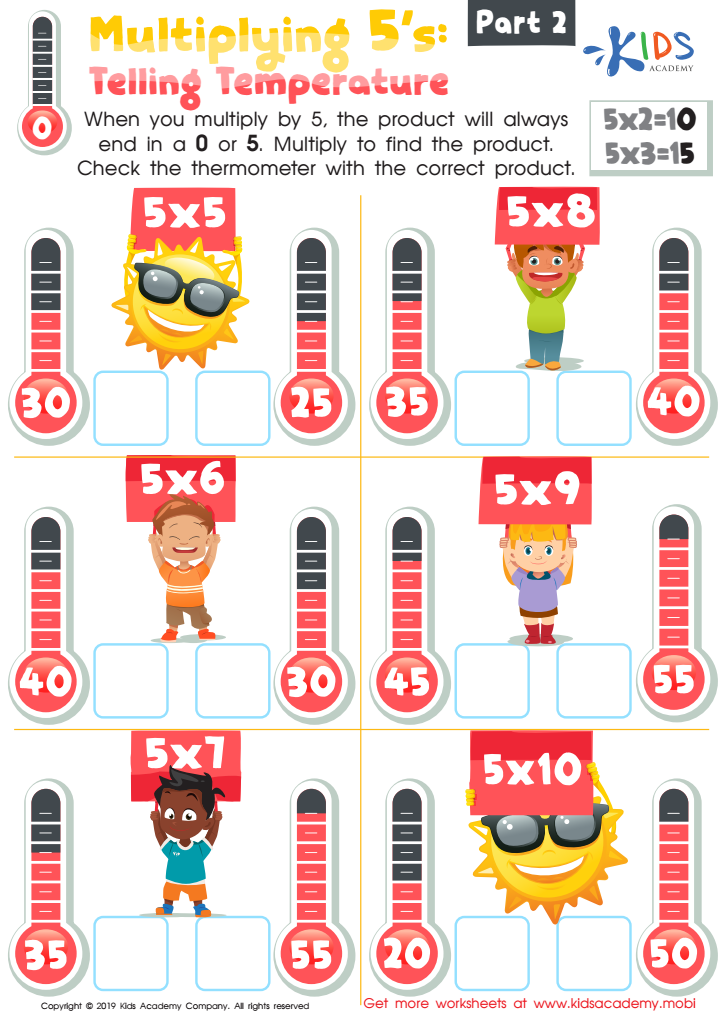
Multiplying 5’s: Telling Temperature Part 2 Worksheet
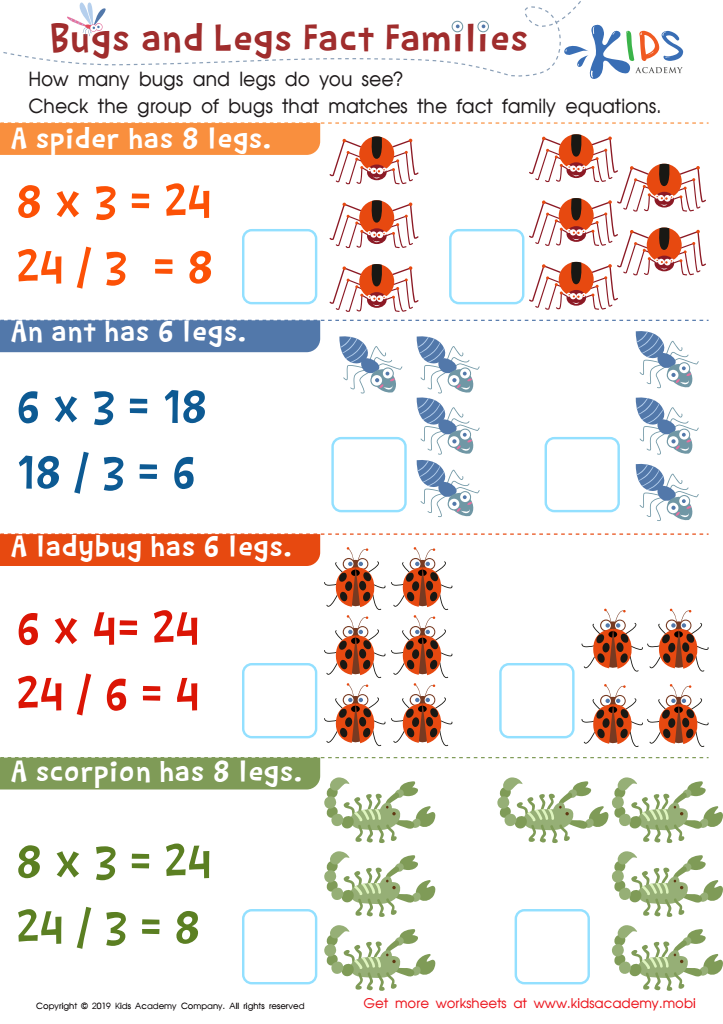
Bugs and Legs Fact Families Worksheet








Normal Science, as described by philosopher Thomas Kuhn, refers to the established knowledge and accepted theories within a discipline that guide research and understanding. For children aged 7-9, engaging with Normal Science is crucial for several reasons. First, it lays a solid foundation in scientific literacy at a formative age. Understanding basic scientific concepts helps children develop critical thinking and reasoning skills as they learn to observe, experiment, and make sense of the world around them.
Moreover, familiarity with Normal Science fosters curiosity and encourages exploration. At this age, children are naturally inquisitive, and introducing them to established scientific knowledge can empower them to ask questions and seek answers, promoting lifelong learning. Integrating Normal Science into their education also allows students to grasp essential quick-fix principles by relating real-world experiences to what they learn in class, thus fostering a deep understanding of various scientific phenomena.
Additionally, science education nurtures problem-solving abilities; these are essential skills that students will use across various subjects and in future endeavors. For parents and teachers alike, encouraging engagement with Normal Science is vital for shaping confident, informed individuals who value curiosity and inquiry, ultimately fostering a generation that appreciates the importance of science in everyday life.







