Normal History Worksheets for Ages 7-9 - Page 3
56 filtered results
-
From - To
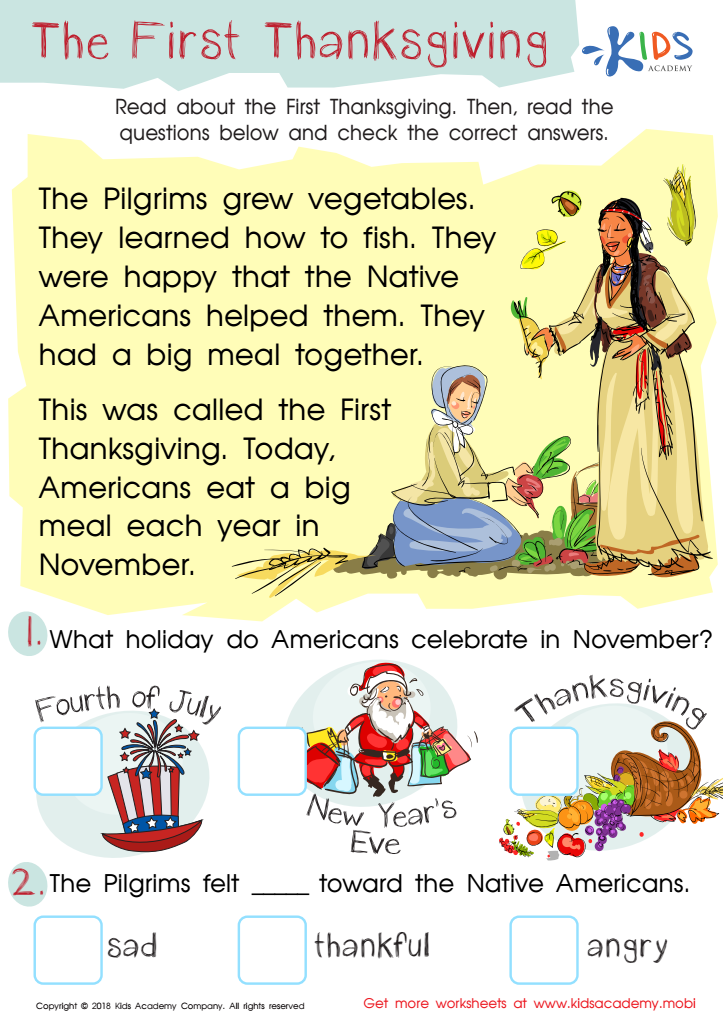
Assessment: First Thanksgiving Worksheet
 Assign to My Students
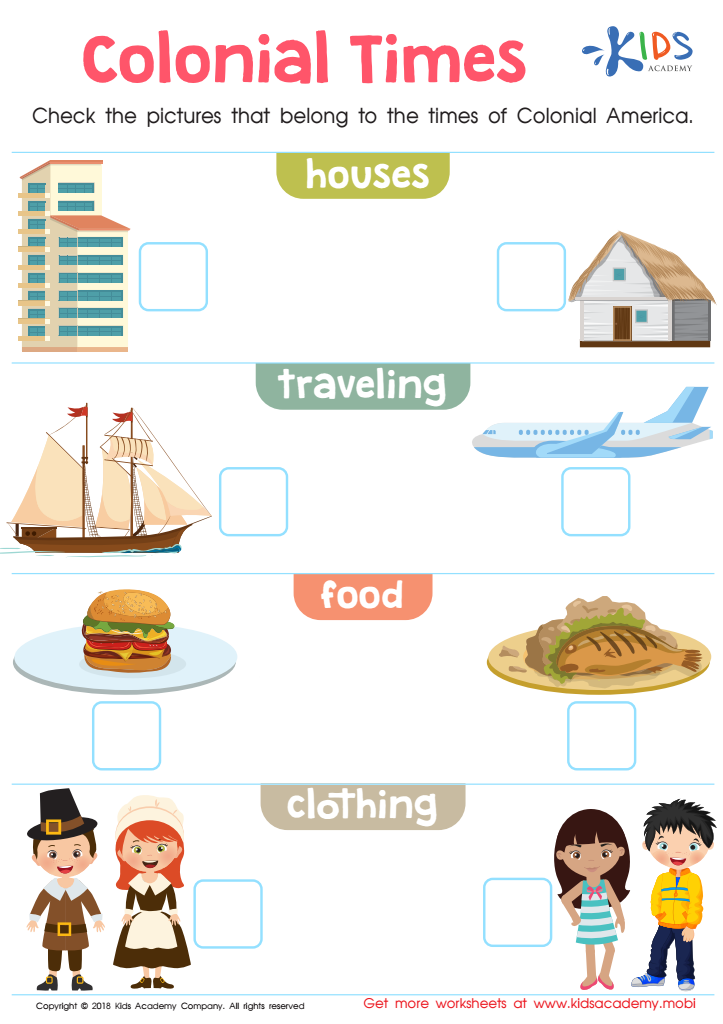
Colonial Times Worksheet
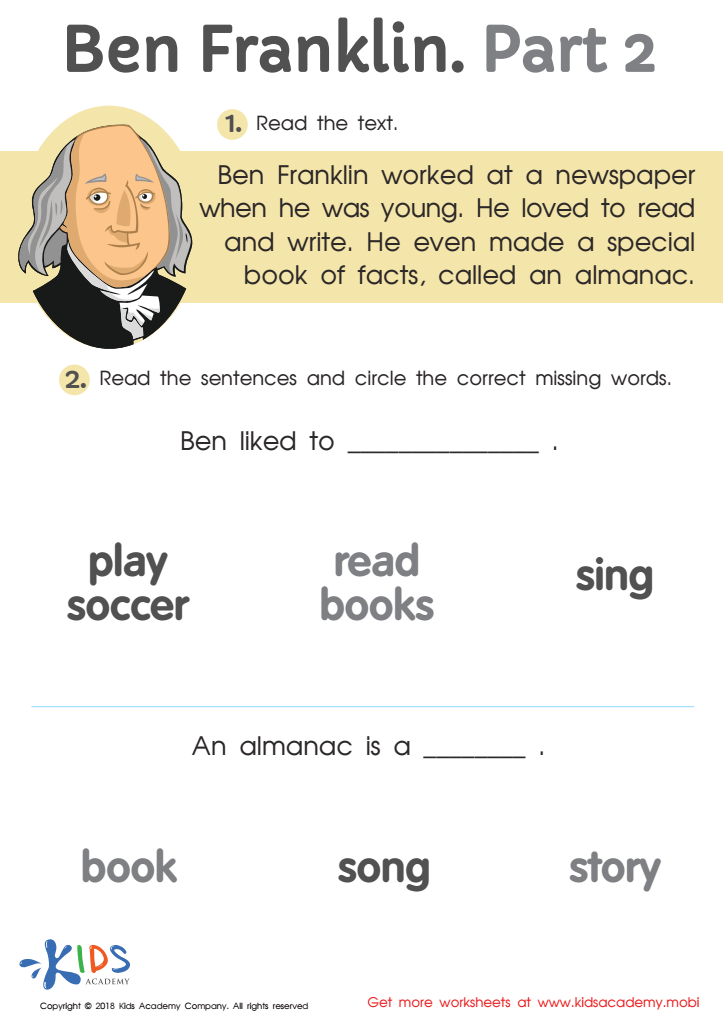
Ben Franklin Part 2 Worksheet
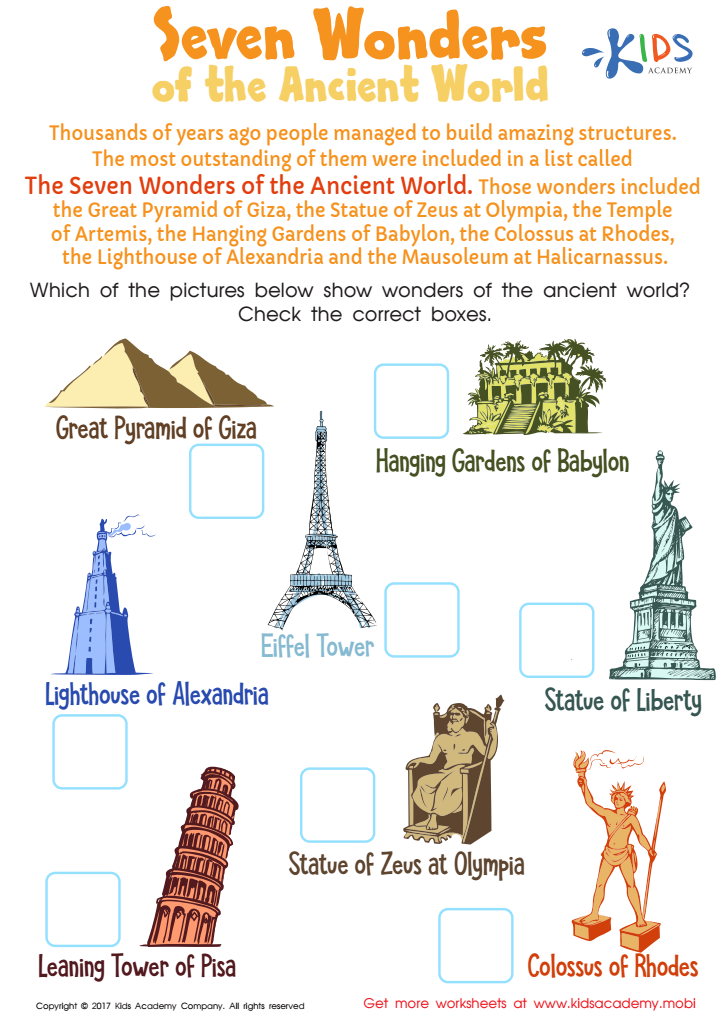
Seven Wonders of the Ancient World Worksheet
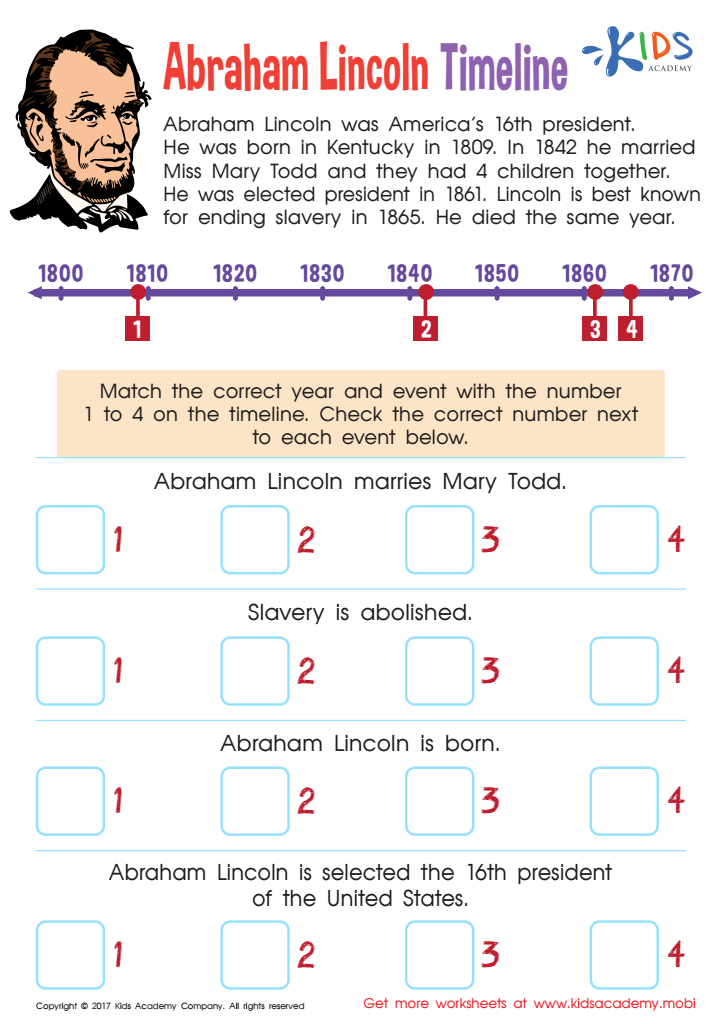
Abraham Lincoln Timeline Worksheet
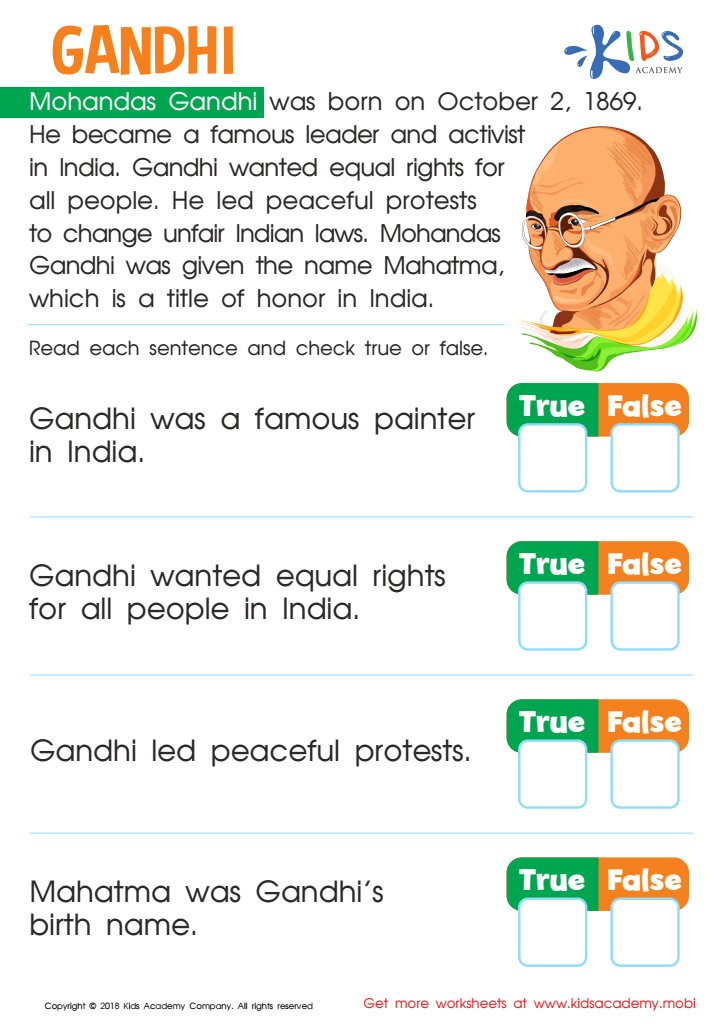
Gandhi Worksheet
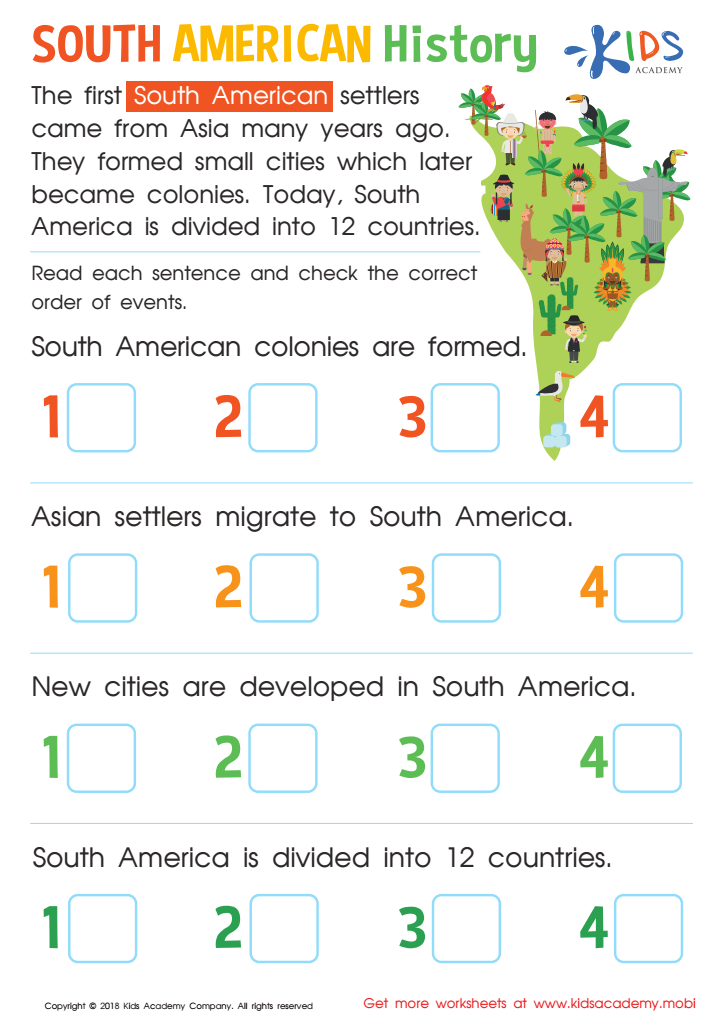
South American History Worksheet
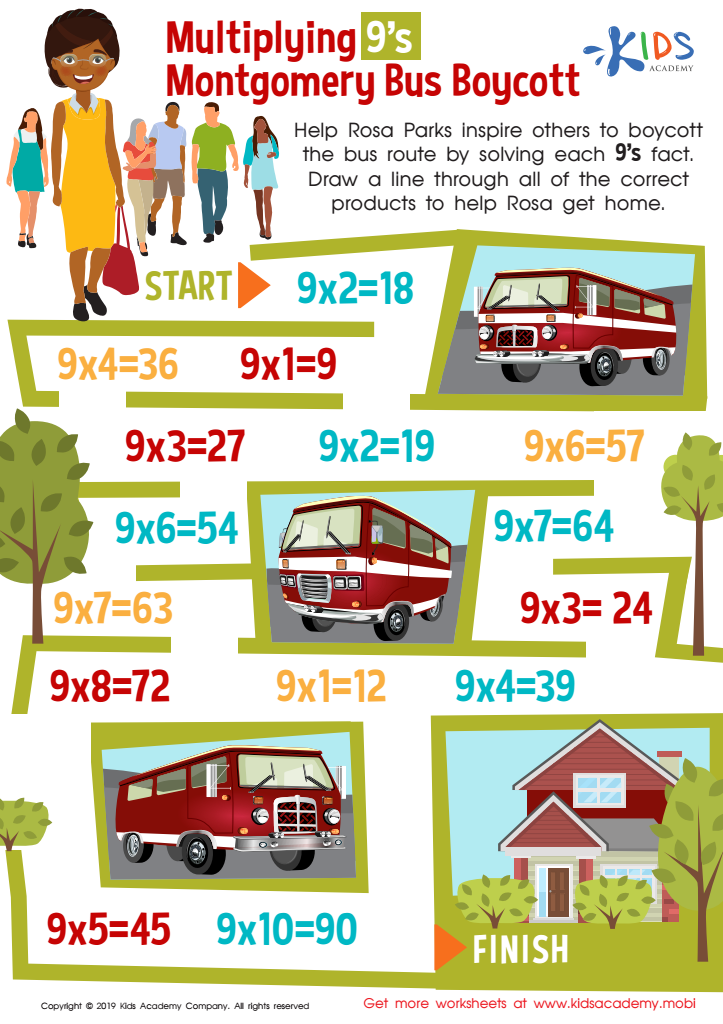
Multiplying 9’s Montgomery Bus Boycott Worksheet








Understanding history is crucial, even for children ages 7-9, as it forms the bedrock of their learning and development. Parents and teachers should recognize that teaching history helps young minds appreciate the world around them and their place in it. Learning about past events, cultures, and influential people nurtures empathy and respect for diversity. It broadens a child's perspective, fostering critical thinking and analytical skills that are vital for their academic and personal growth.
Moreover, history provides children with a sense of identity, grounding them in human experiences over time and aiding in the development of their own values and beliefs. It sparks curiosity and imagination, engaging their minds with stories of bravery, innovation, and resilience. This can motivate children to draw connections between past and present, enhancing their understanding of current events and societal developments.
Teachers and parents investing in a well-rounded education that includes history lay the foundation for a more informed, considerate, and critically thinking generation. Additionally, it prepares children for future educational endeavors, as history intersects with many other subjects, including literature, science, and art. Thus, fostering an appreciation for history in early childhood is not just about learning dates and facts but cultivating a holistic, insightful worldview.