Understand addition as adding to, and understand subtraction as taking from.worksheets With Answers - Page 2
44 filtered results
-
From - To
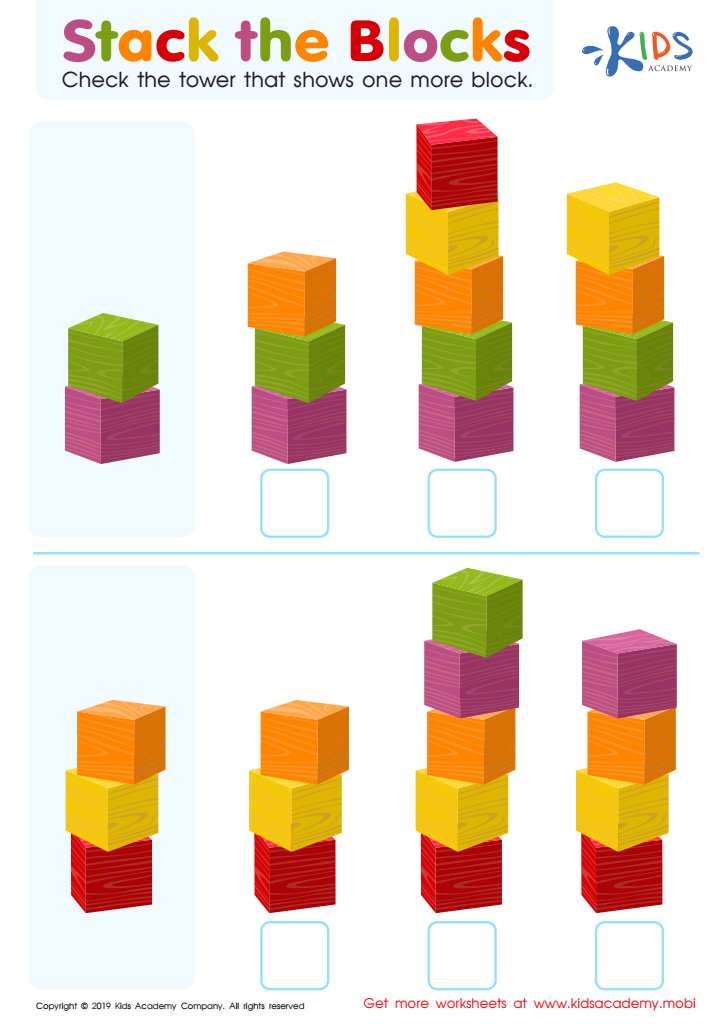
Stack the Blocks Worksheet
 Assign to My Students
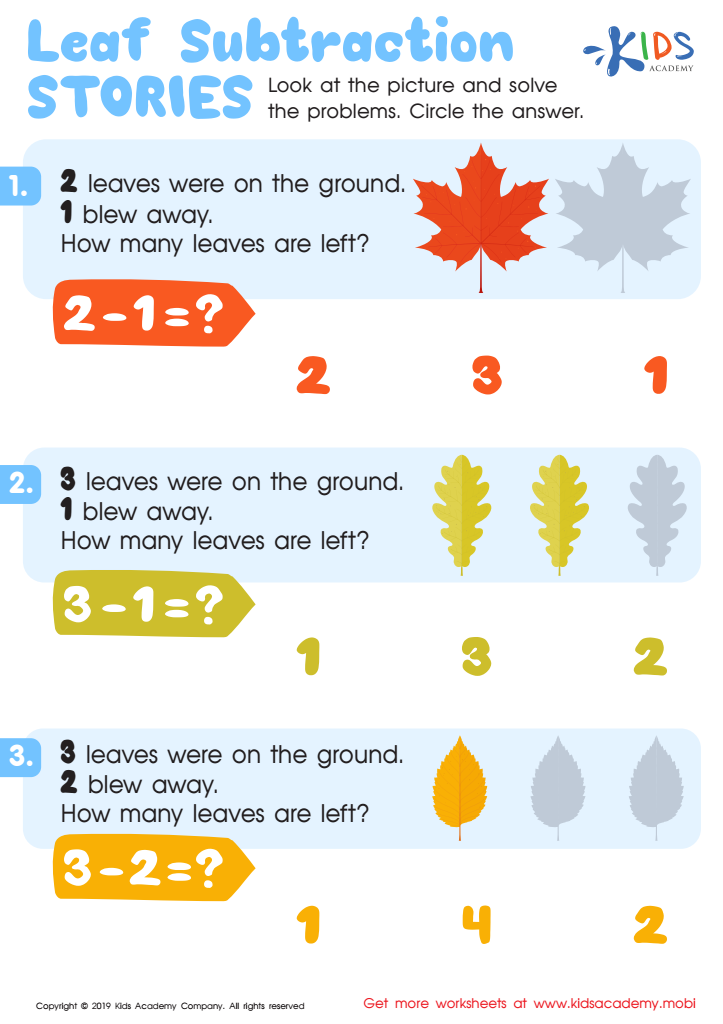
Leaf Subtraction Stories Worksheet
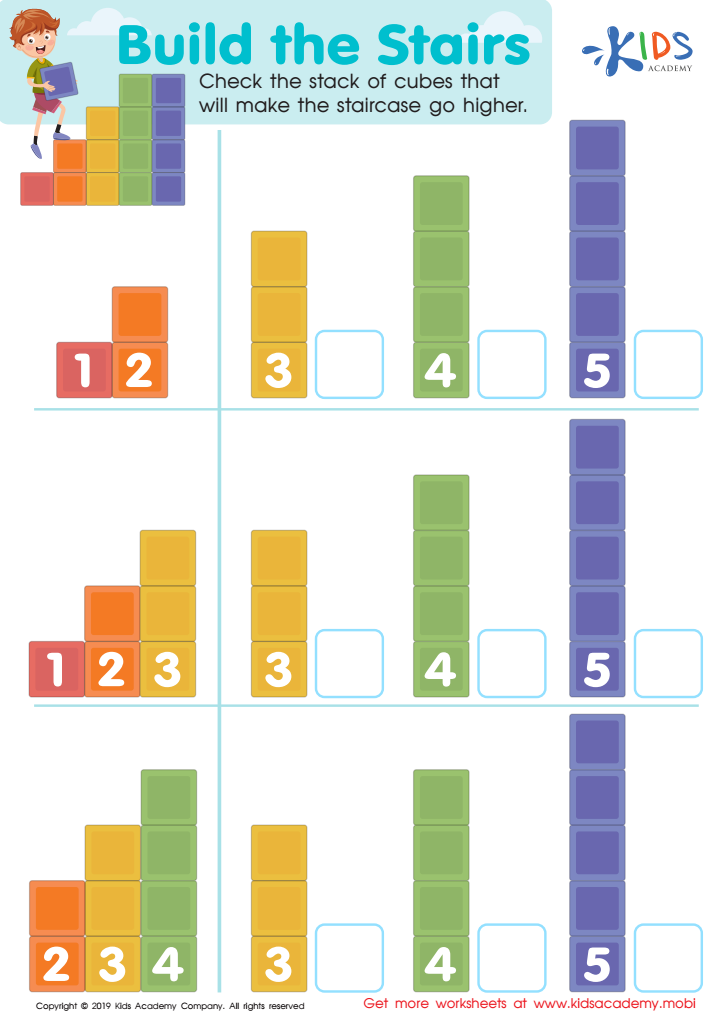
Build the Stairs Worksheet
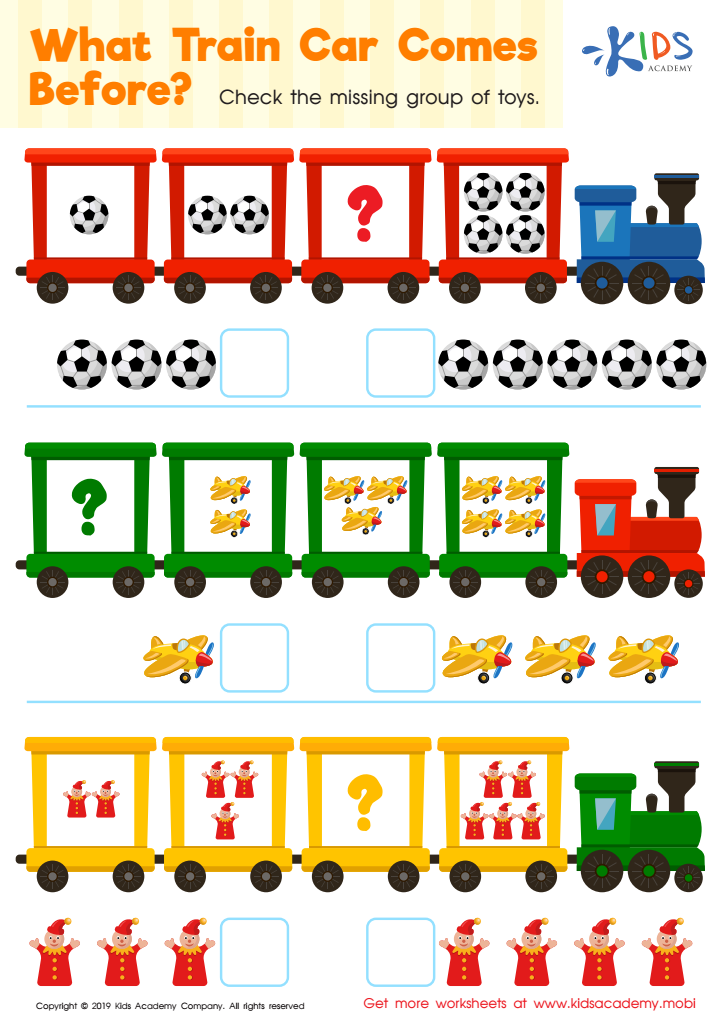
What Train Car Comes Before? Worksheet
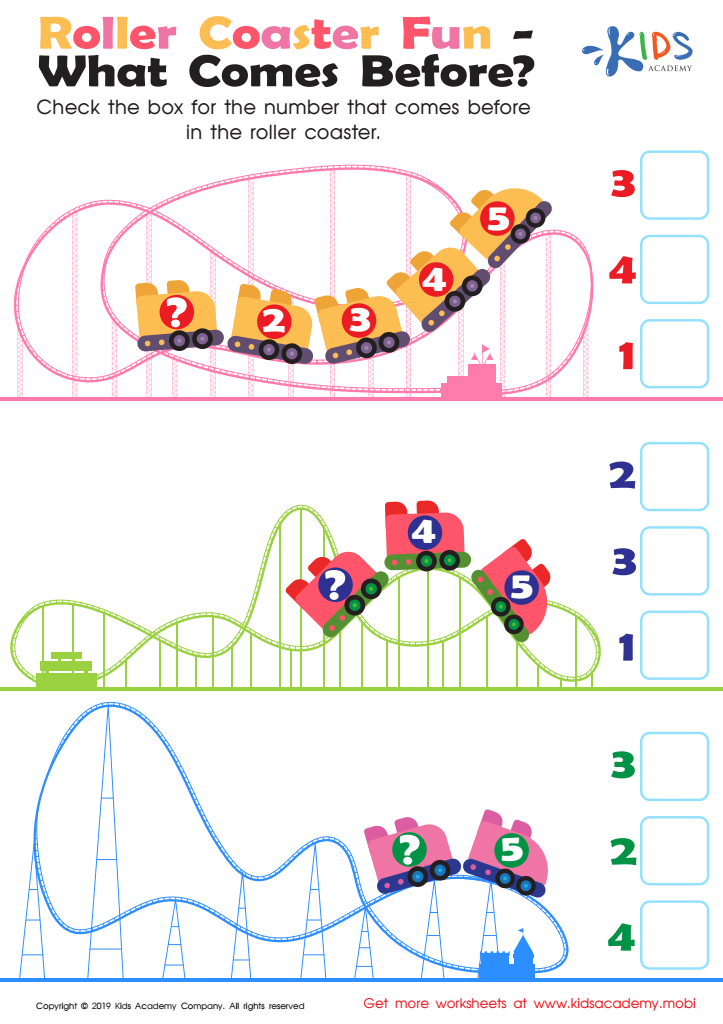
Roller Coaster Fun Worksheet
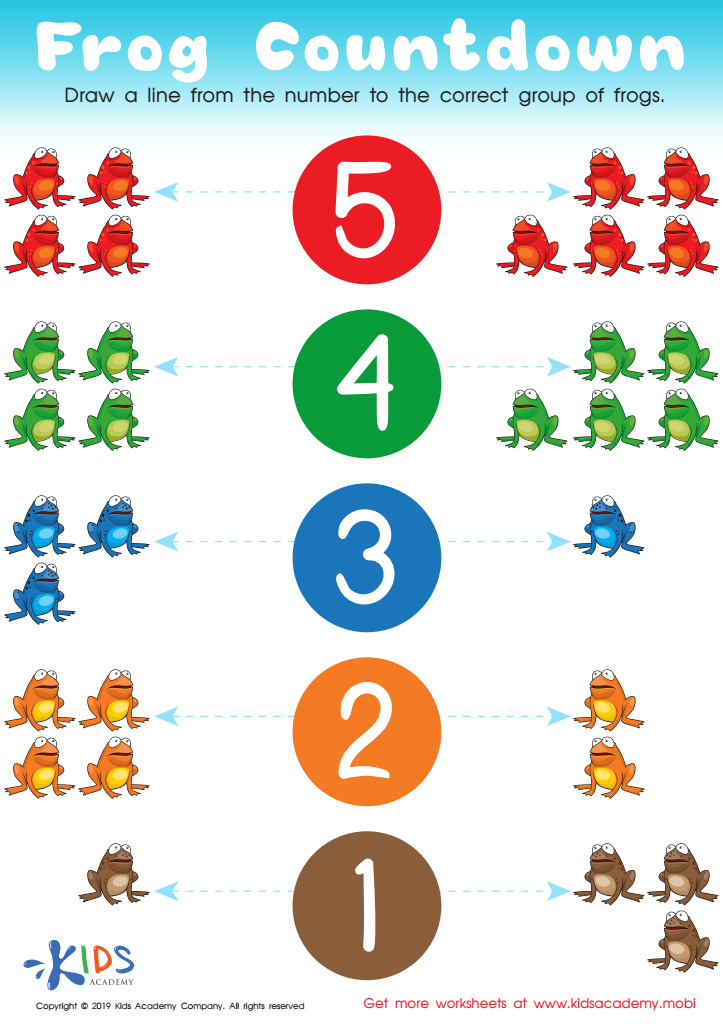
Frog Countdown Worksheet
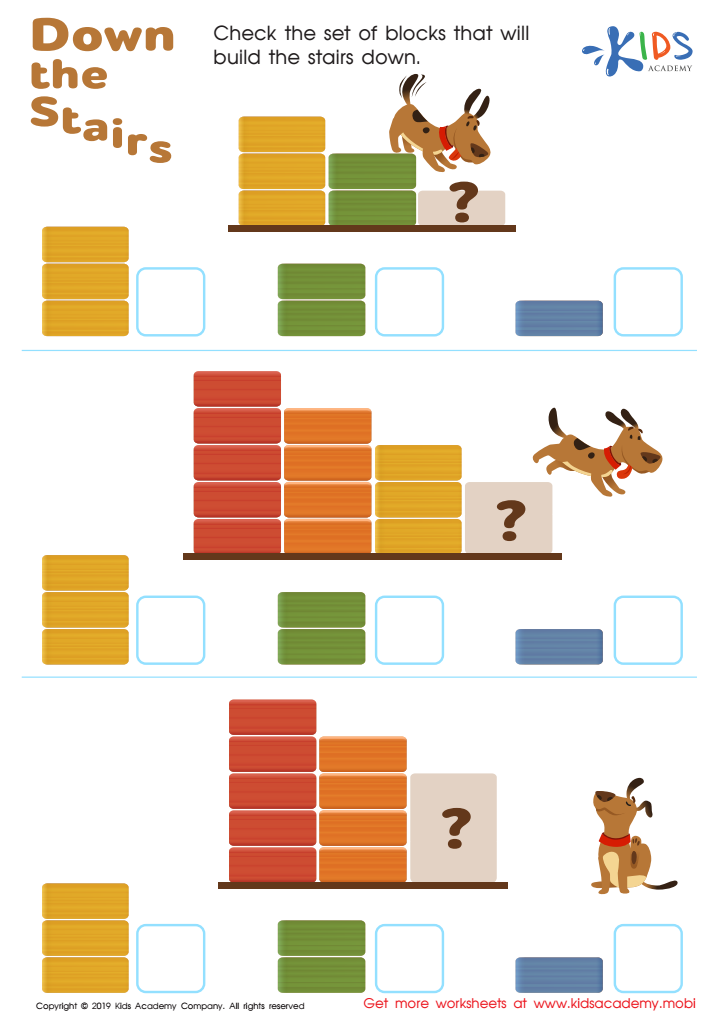
Down the Stairs Worksheet
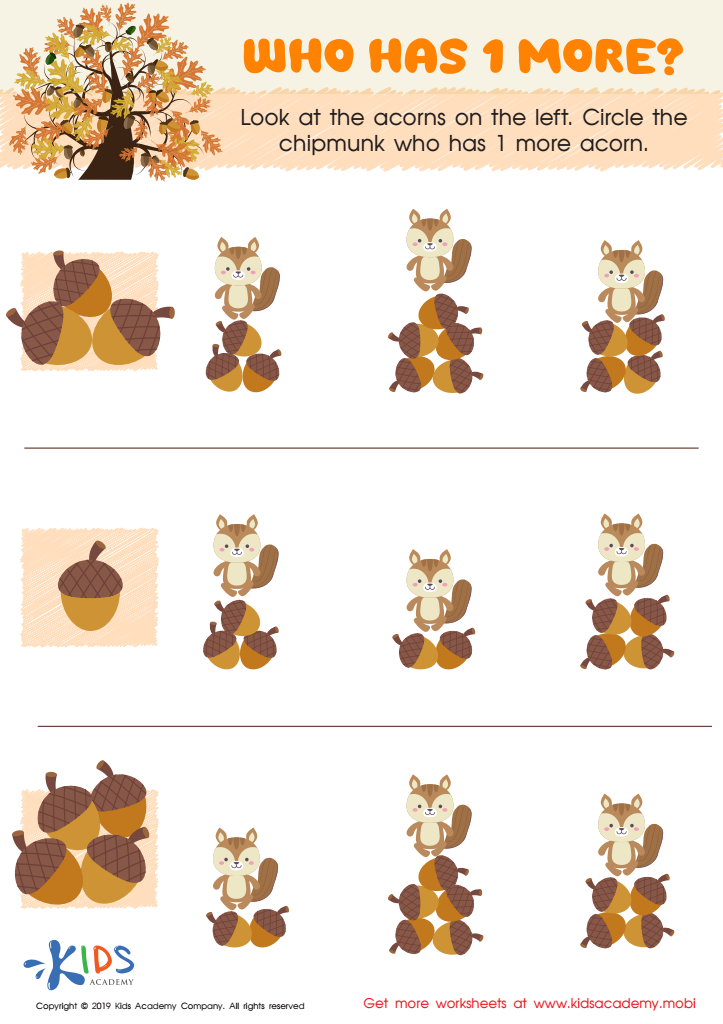
Who Has 1 More? Worksheet
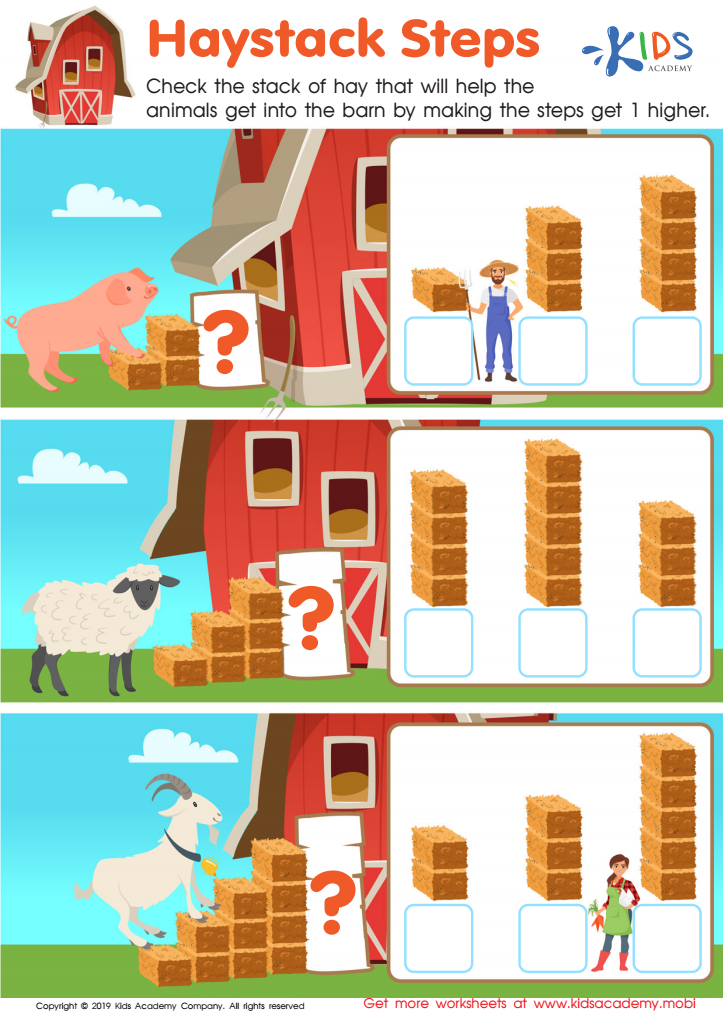
Haystack Steps Worksheet
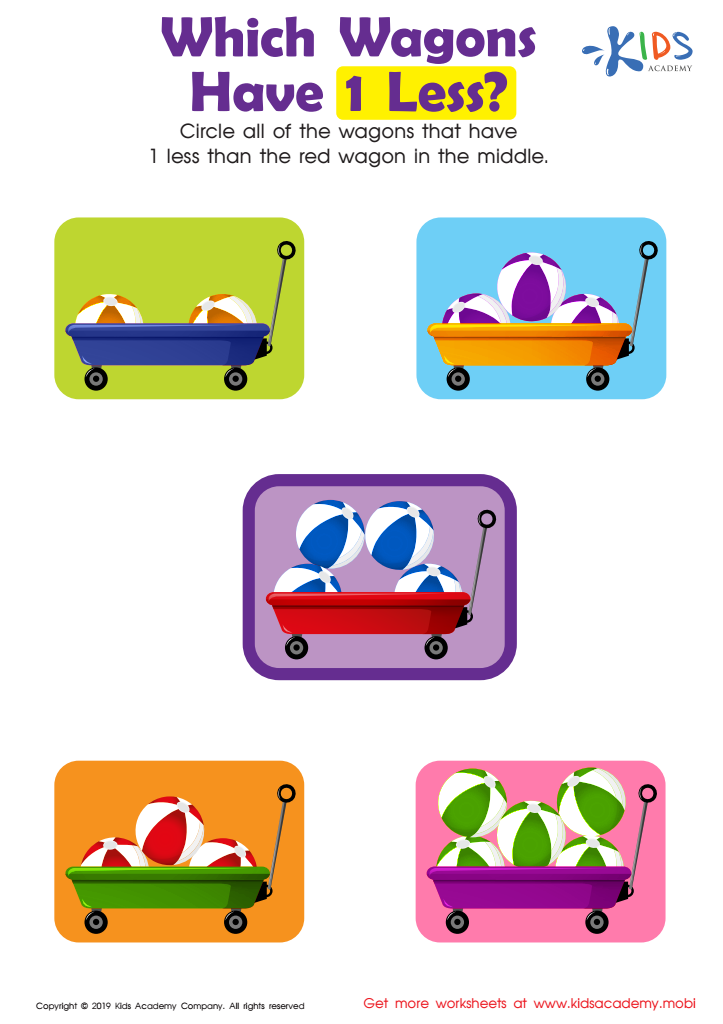
Which Wagons Have 1 Less? Worksheet
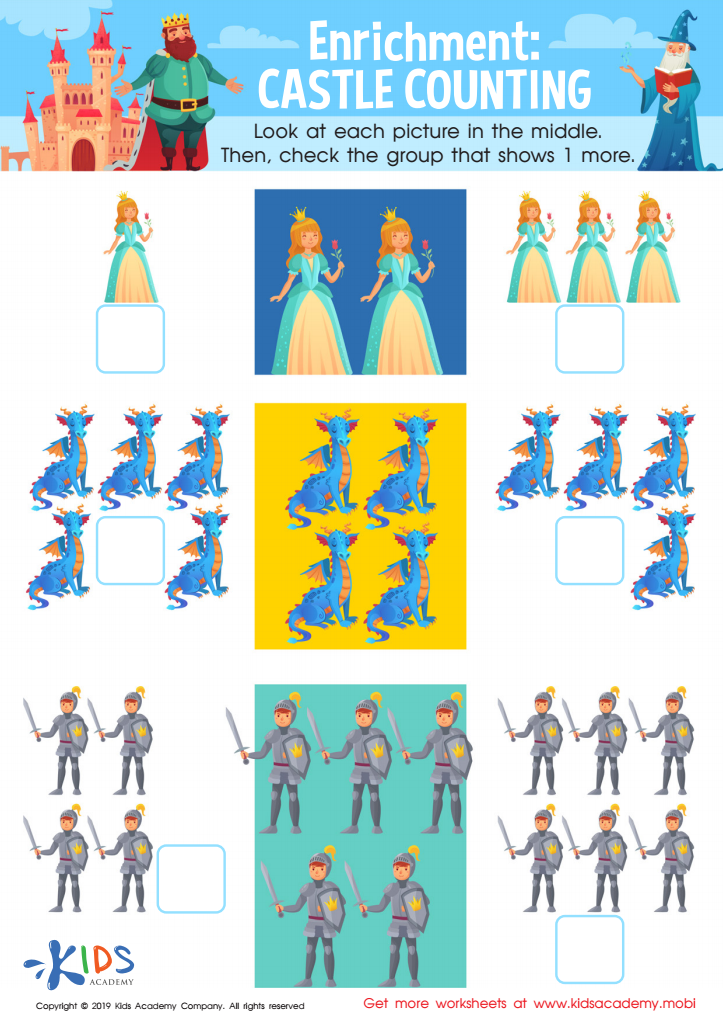
Enrichment: Castle Counting Worksheet
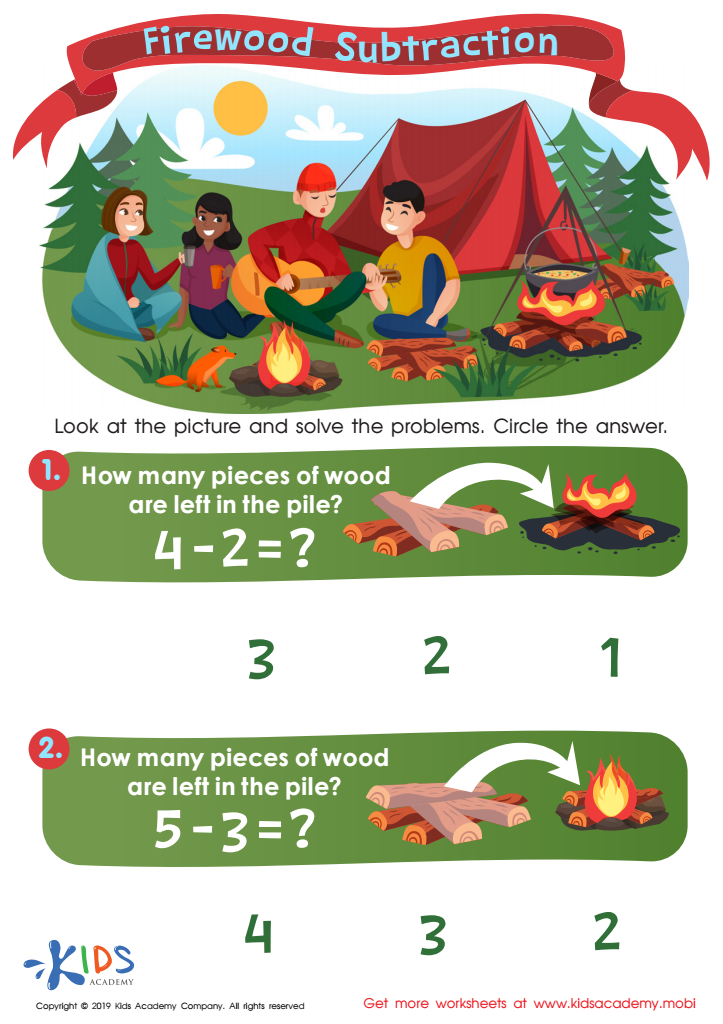
Firewood Subtraction Worksheet
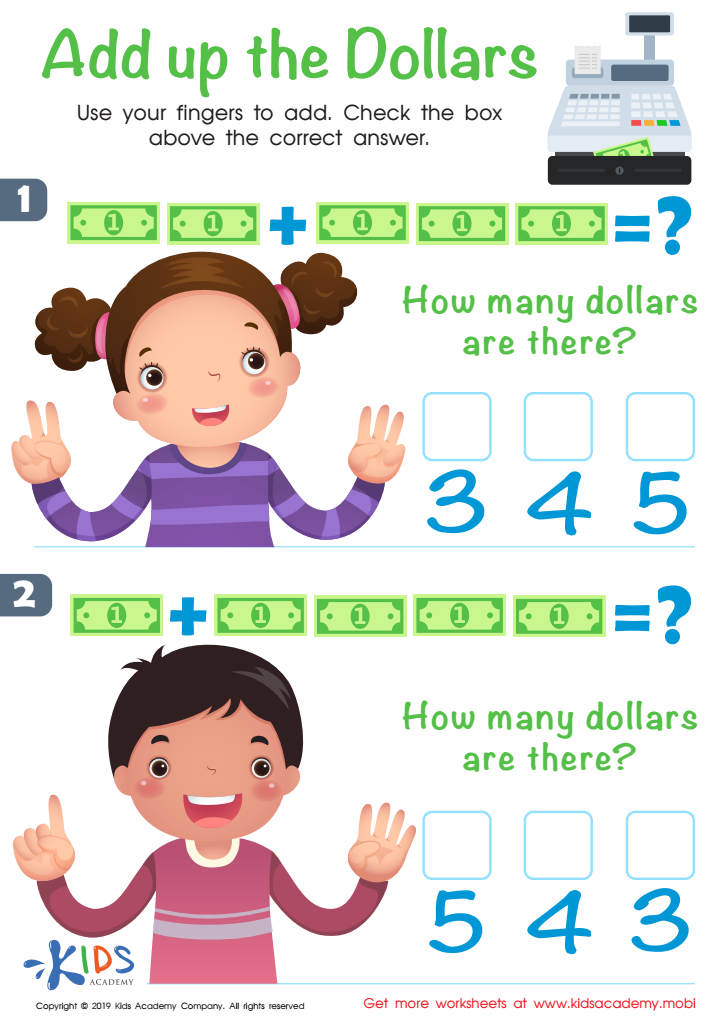
Add up the Dollars Worksheet
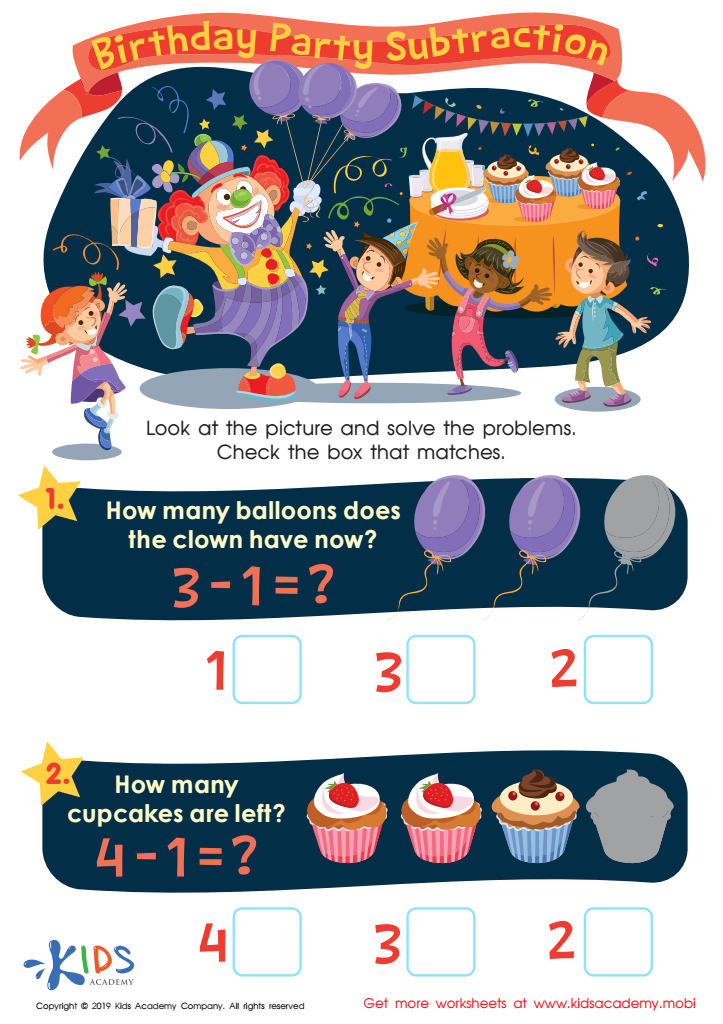
Birthday Party Subtraction Worksheet
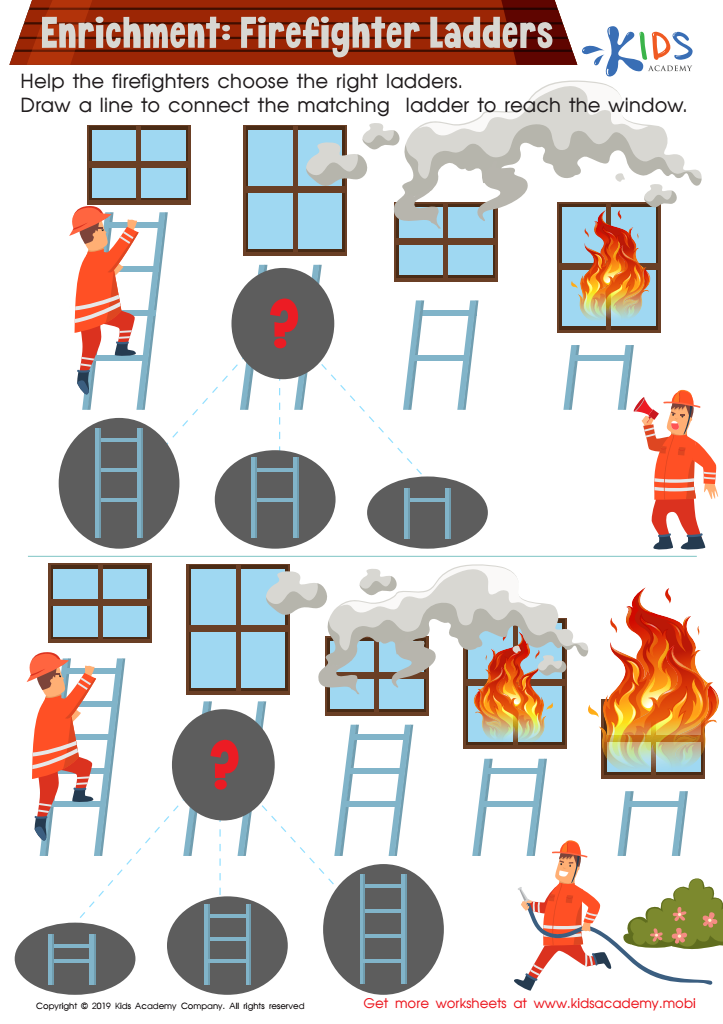
Enrichment: Firefighter Ladders Worksheet
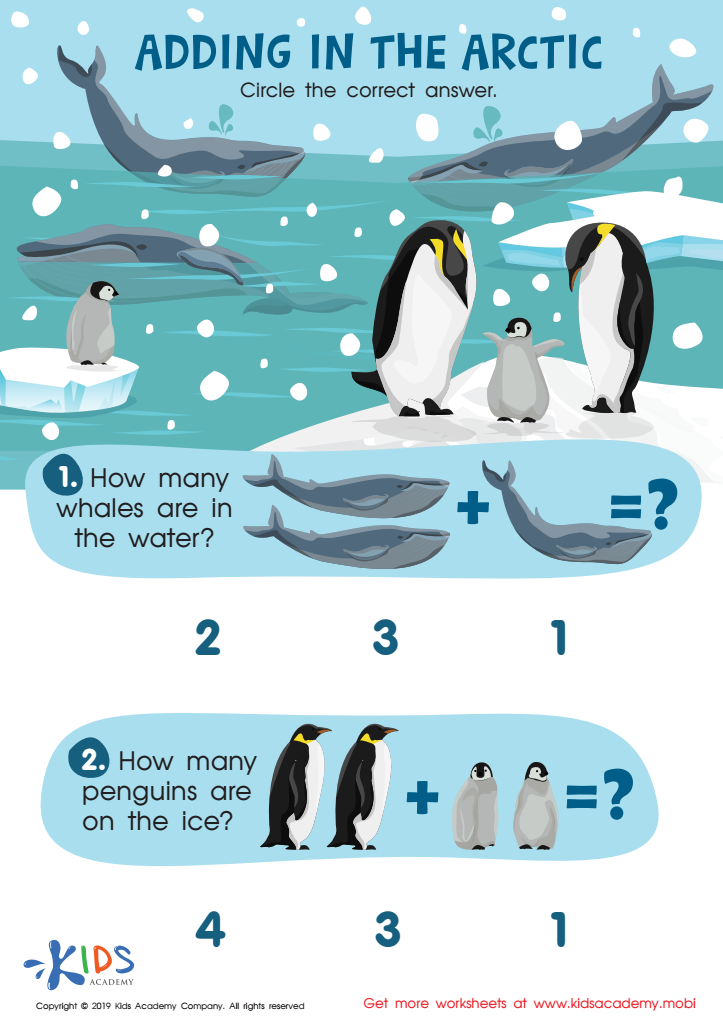
Adding in the Arctic Worksheet
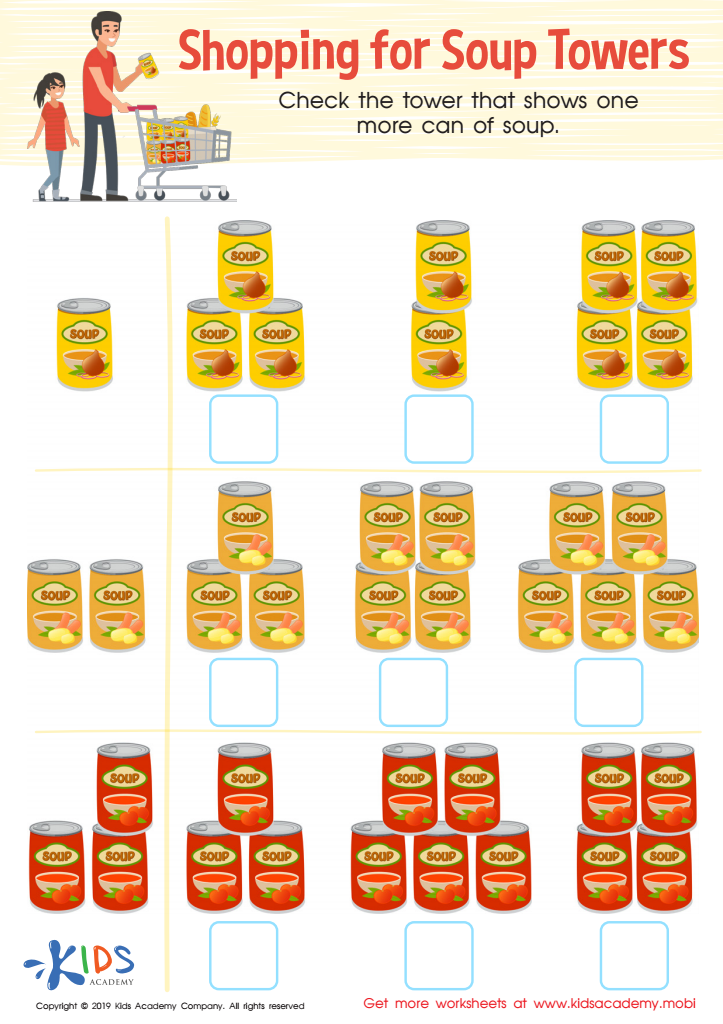
Soup Towers Worksheet
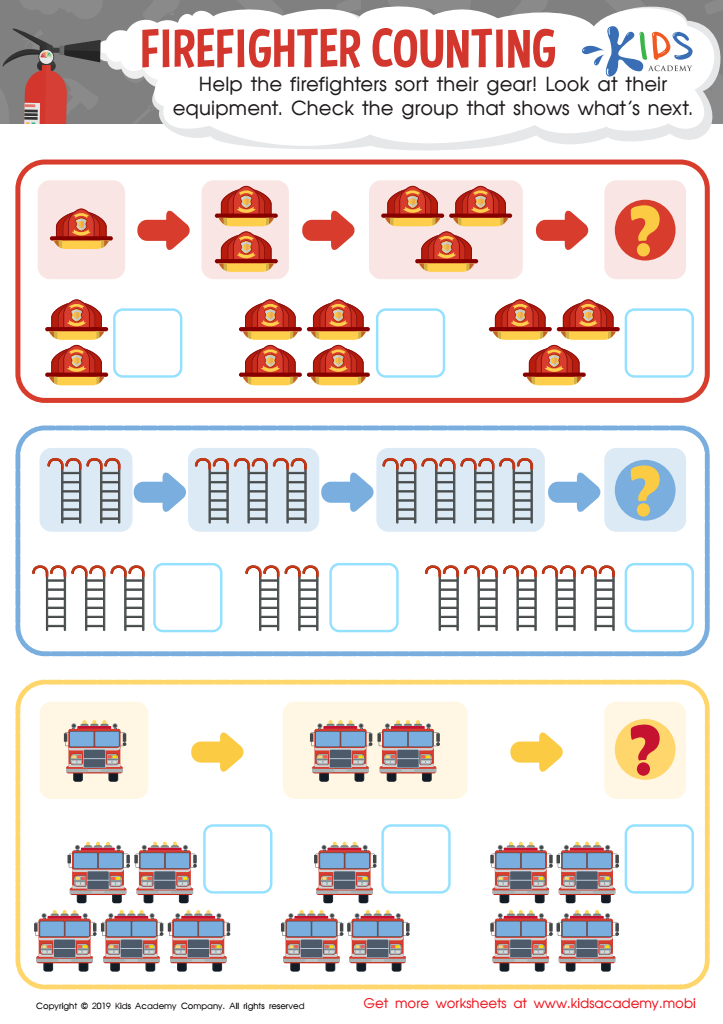
Firefighter Counting Worksheet
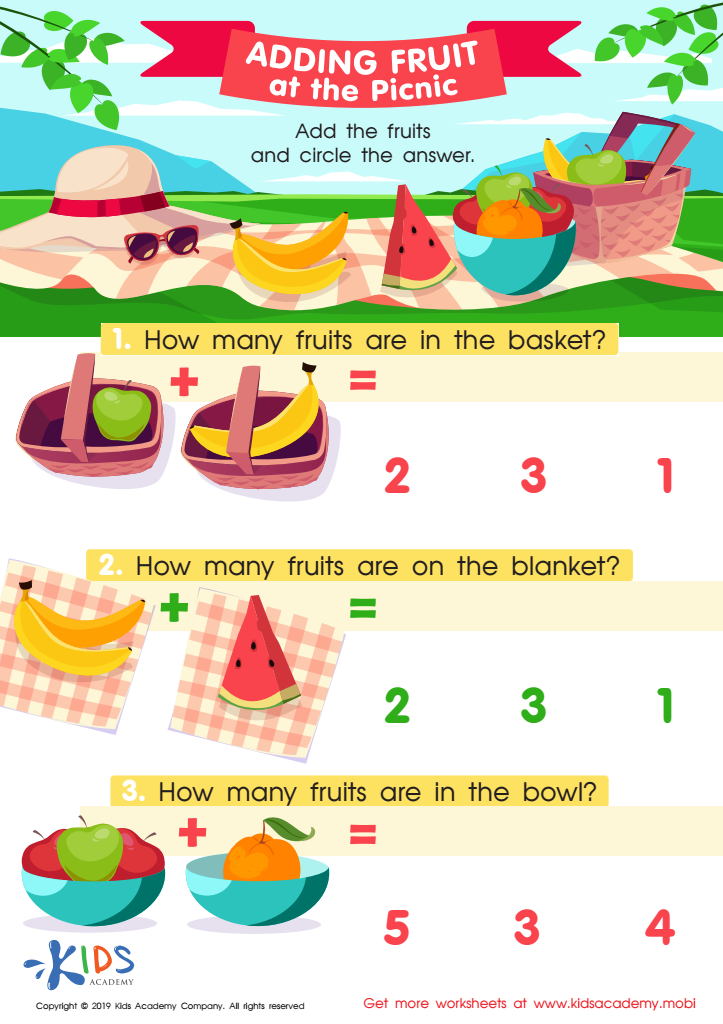
Adding Fruit at the Picnic Worksheet
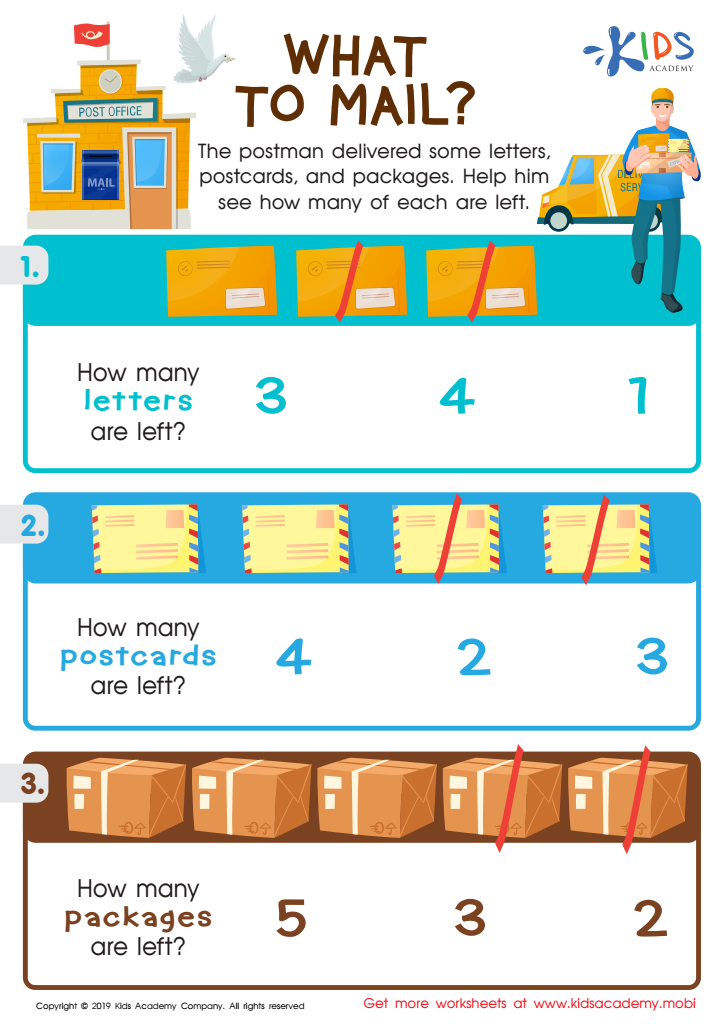
What to Mail? Worksheet








Understanding addition as "adding to" and subtraction as "taking from" is crucial for children's mathematical development. This foundational concept shapes how students approach problem-solving and grasp more complex arithmetic and mathematical principles later. When children see addition as bringing quantities together—like adding blocks to a pile—they gain clarity on how numbers function in real-life contexts, making math more tangible and relatable.
By framing subtraction as "taking from," children learn the concept of quantity decreasing, enhancing their understanding of the world around them—such as losing items or sharing equally. This perspective builds their ability to visualize and manipulate numbers, which is essential for advancing to more complex operations such as multiplication and division.
Moreover, grasping these concepts fosters critical thinking and enhances children's self-confidence in math. When teachers and parents encourage children to understand math in practical, relatable terms, it demystifies the subject, reduces anxiety, and promotes a positive attitude toward learning.
Ultimately, these foundational understandings lay the groundwork for all future math learning, empowering students to tackle challenges and think analytically. It enables parents and teachers to support children's education effectively, ensuring they are prepared for academic success.