Filters

794 filtered results

Clear all filters
Favorites
With answer key
Interactive

794 filtered results

Difficulty Level

Grade


Check out this FREE Grade 2 Number and Operations in Base Ten Trial Lesson!

One-Syllable Long and Short Vowel Words

Favorites
With answer key
Interactive
  • Number and Operations in Base Ten
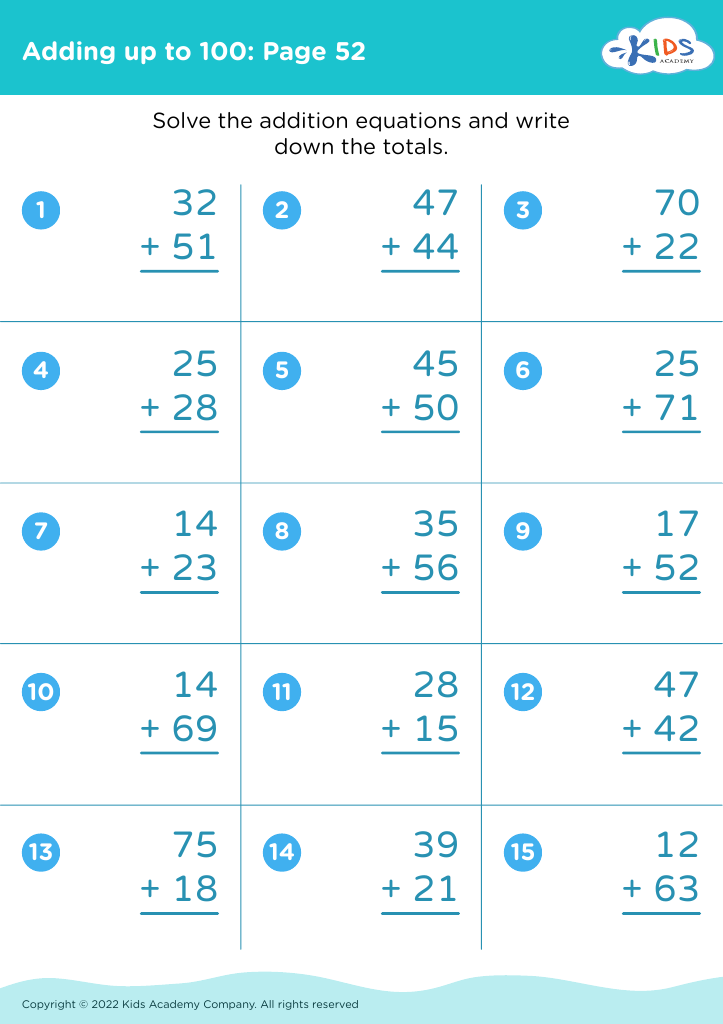
Adding up to 100: Page 52

Adding up to 100: Page 52

Adding up to 100: Page 52
Worksheet
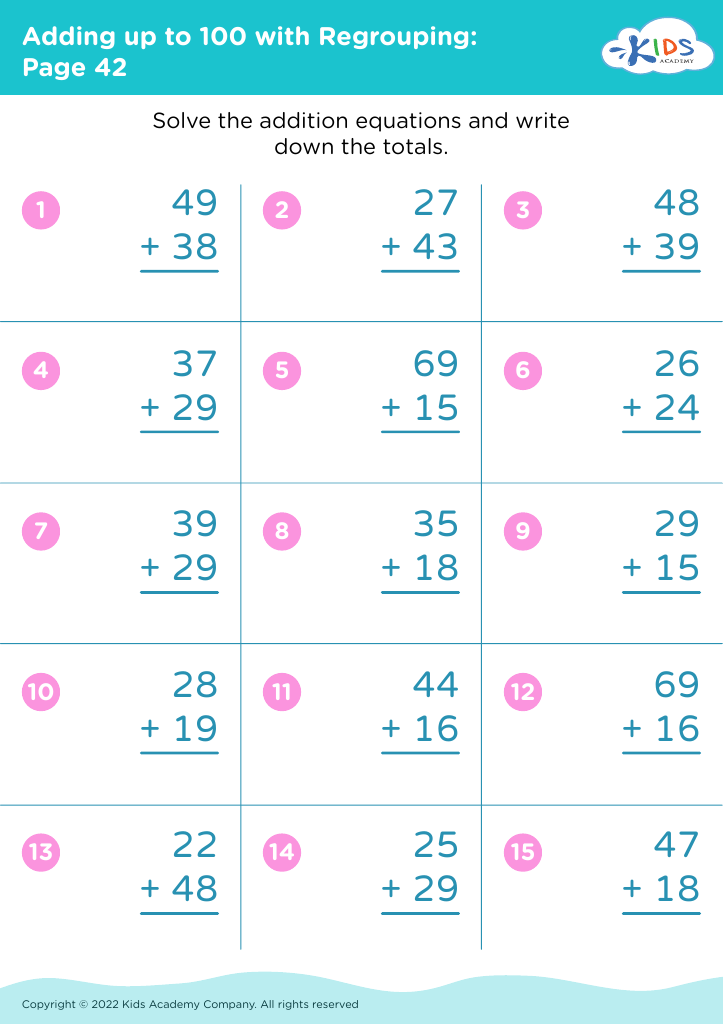
Adding up to 100 with Regrouping: Page 42
Worksheet
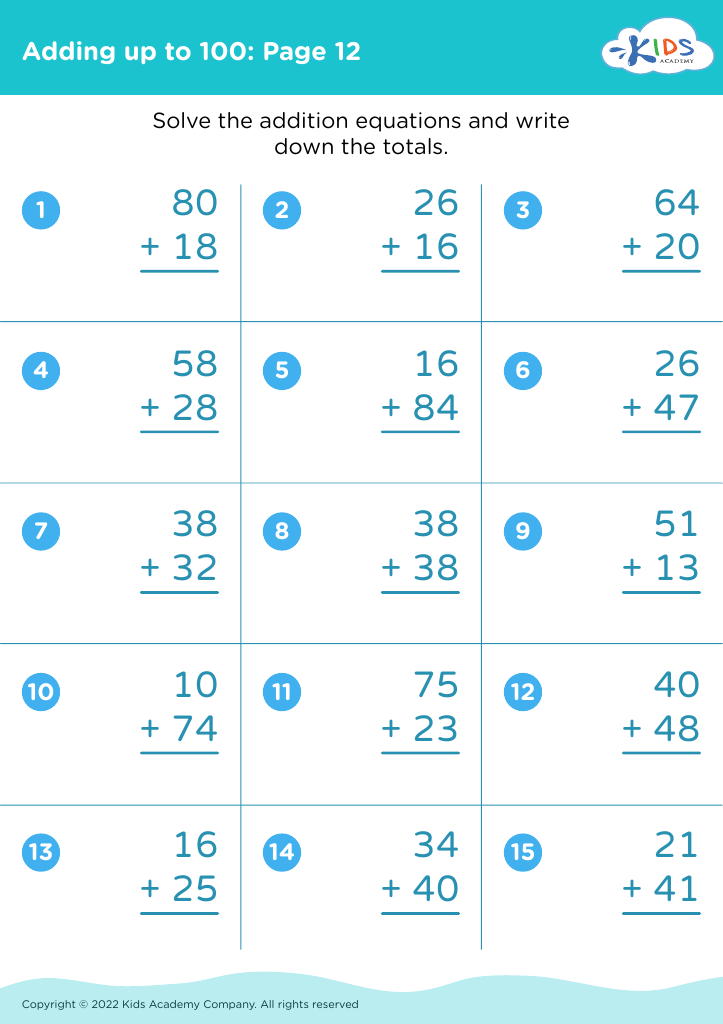
Adding up to 100: Page 12

Adding up to 100: Page 12

Adding up to 100: Page 12
Worksheet
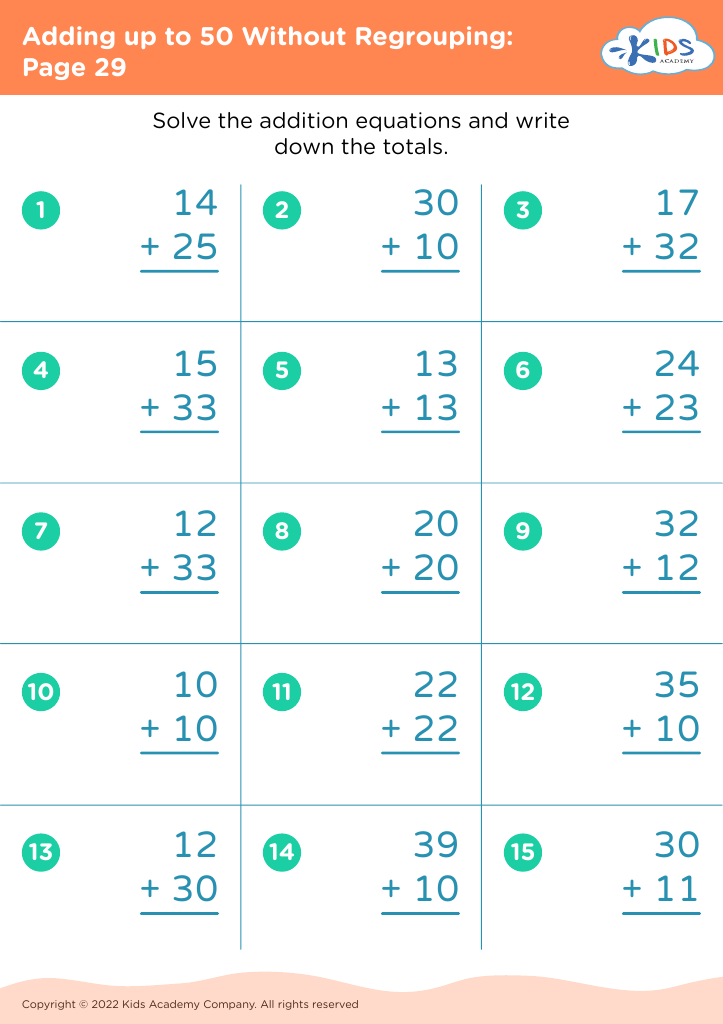
Adding up to 50 Without Regrouping: Page 29
Worksheet
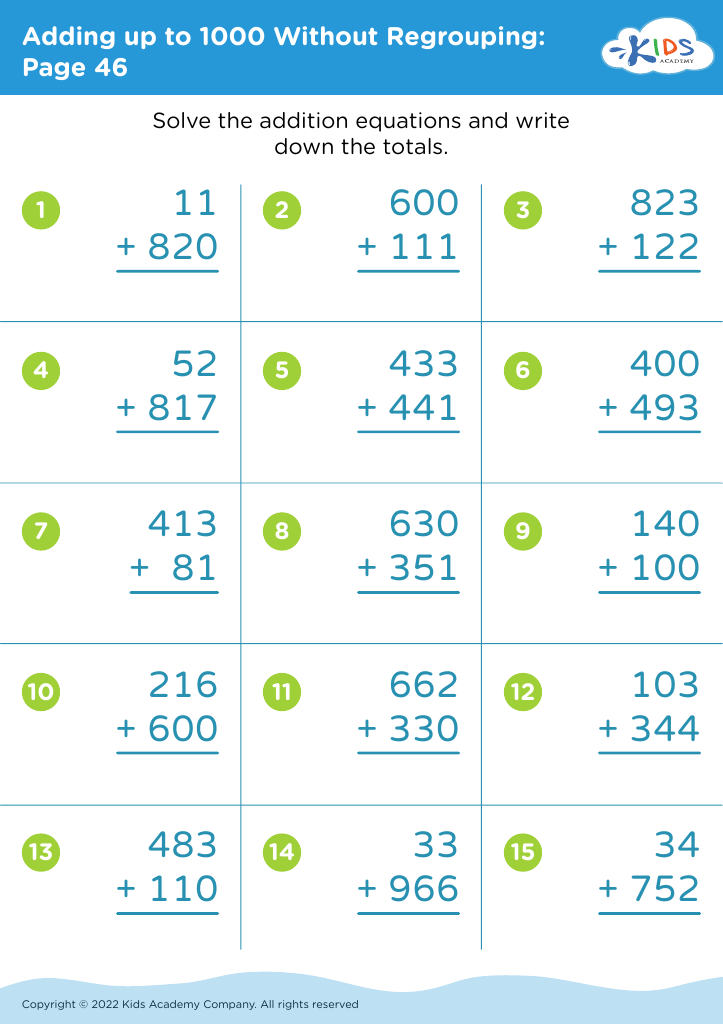
Adding up to 1000 Without Regrouping: Page 46
Worksheet
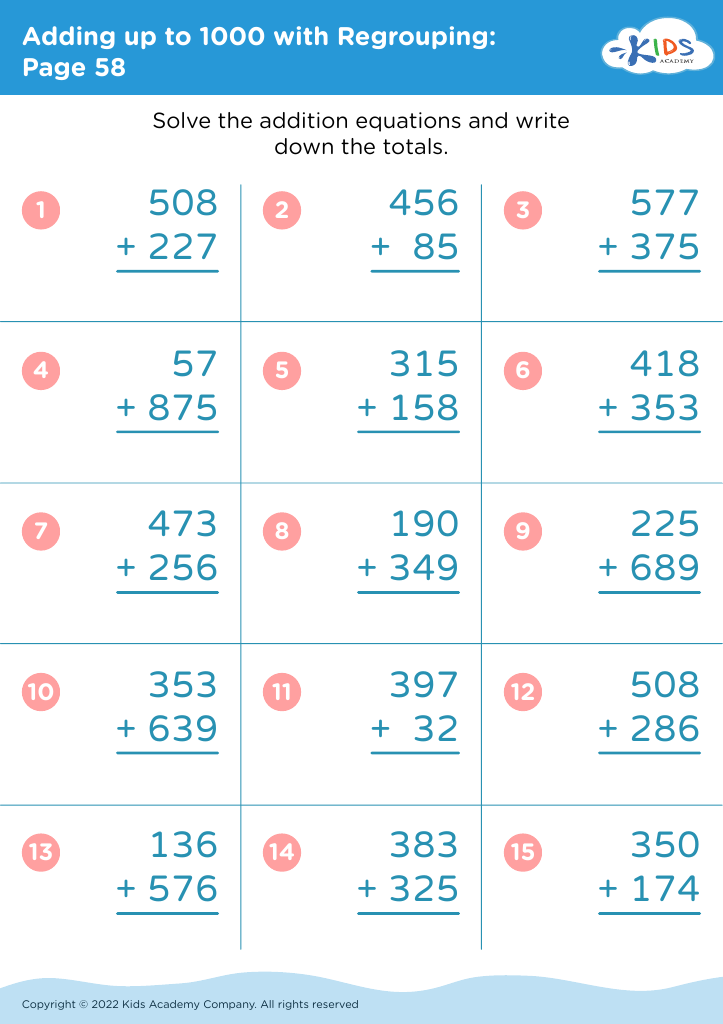
Adding up to 1000 with Regrouping: Page 58
Worksheet
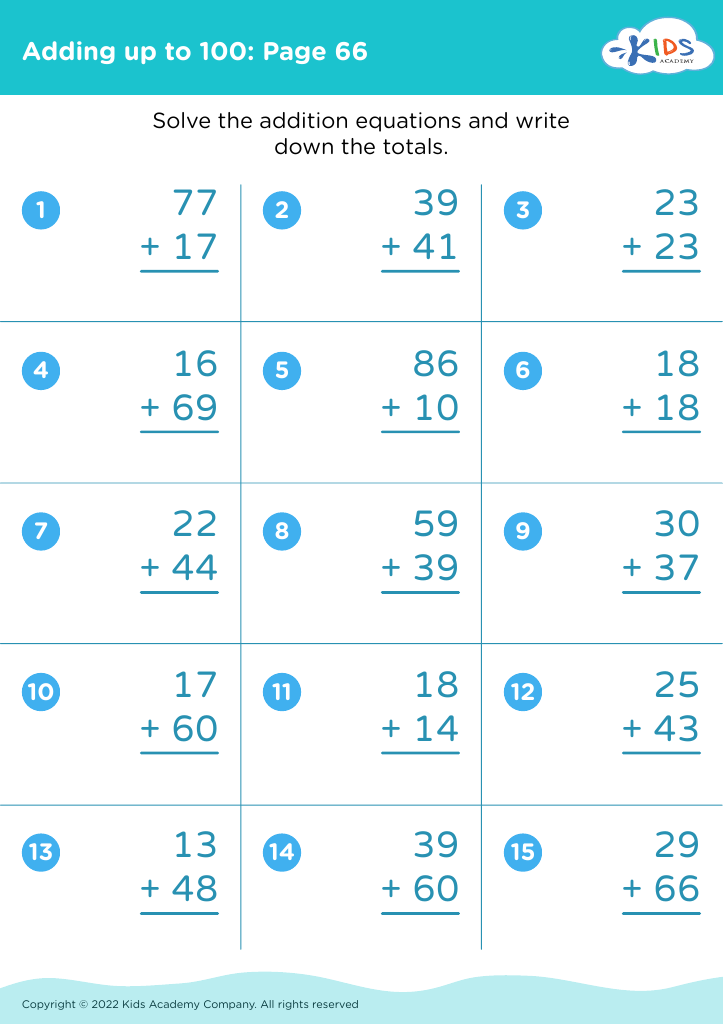
Adding up to 100: Page 66

Adding up to 100: Page 66

Adding up to 100: Page 66
Worksheet
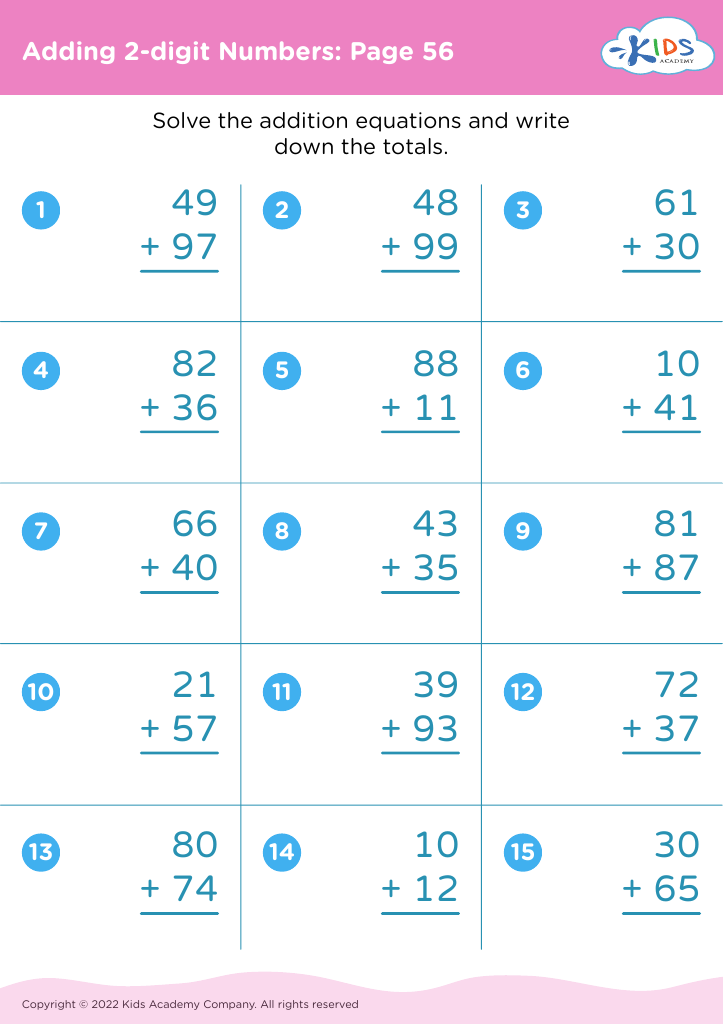
Adding 2-digit Numbers: Page 56

Adding 2-digit Numbers: Page 56

Adding 2-digit Numbers: Page 56
Worksheet
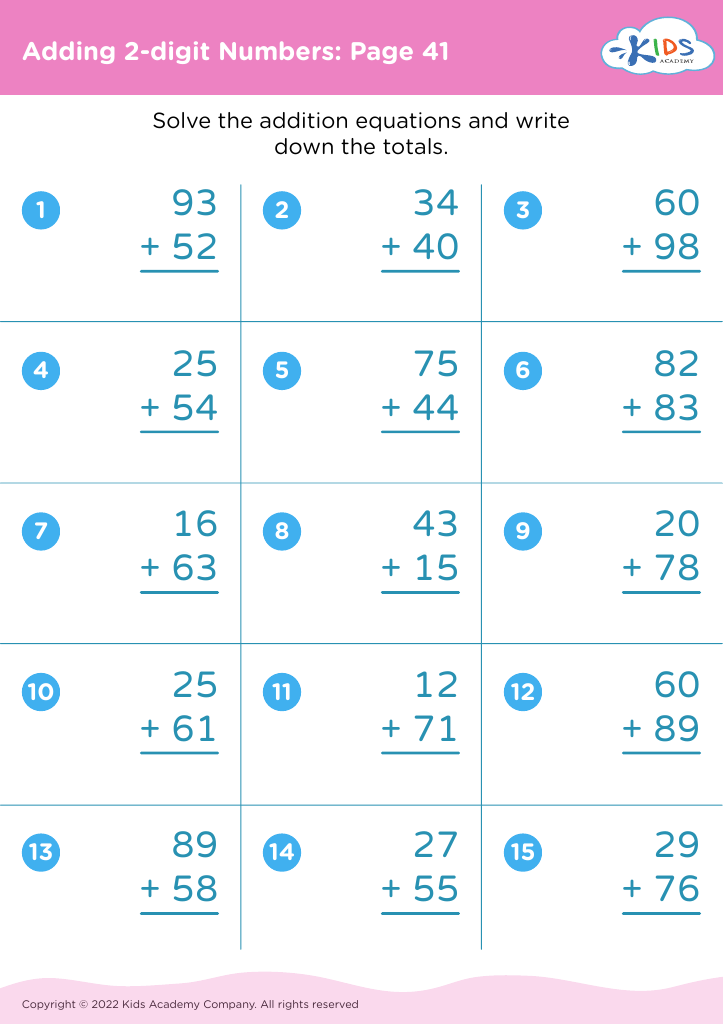
Adding 2-digit Numbers: Page 41

Adding 2-digit Numbers: Page 41

Adding 2-digit Numbers: Page 41
Worksheet
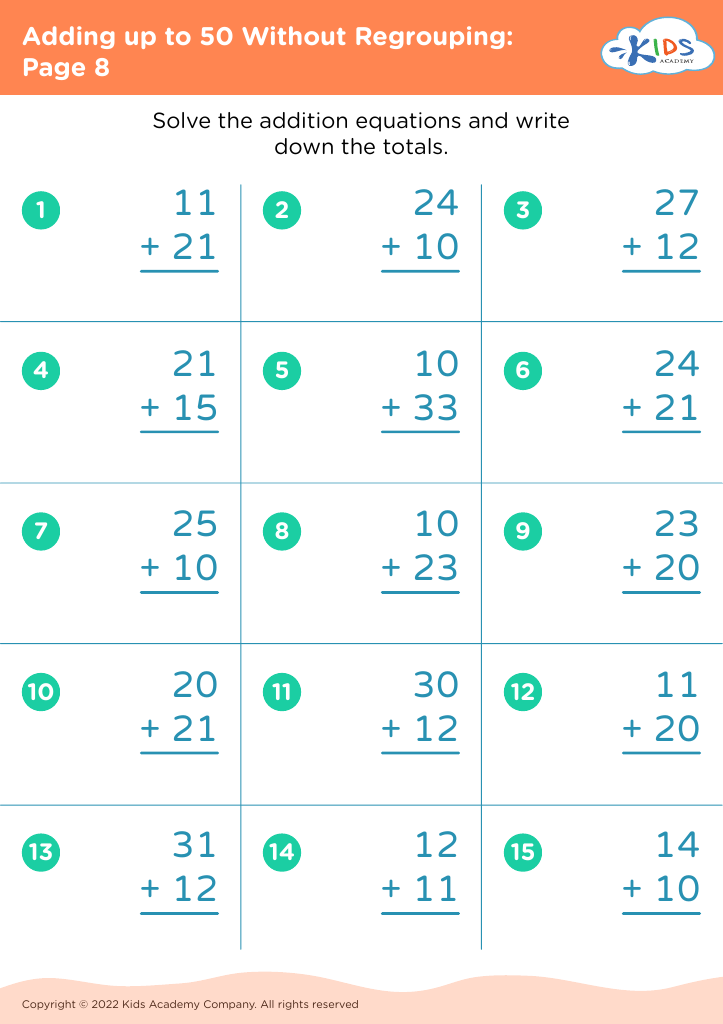
Adding up to 50 Without Regrouping: Page 8
Worksheet
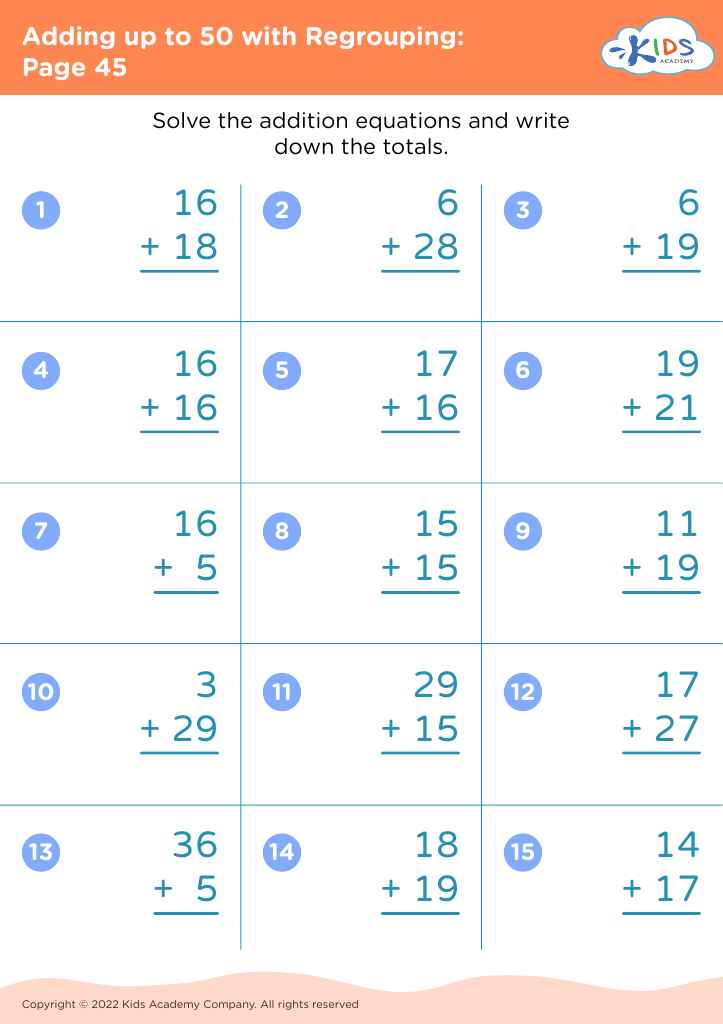
Adding up to 50 with Regrouping: Page 45
Worksheet
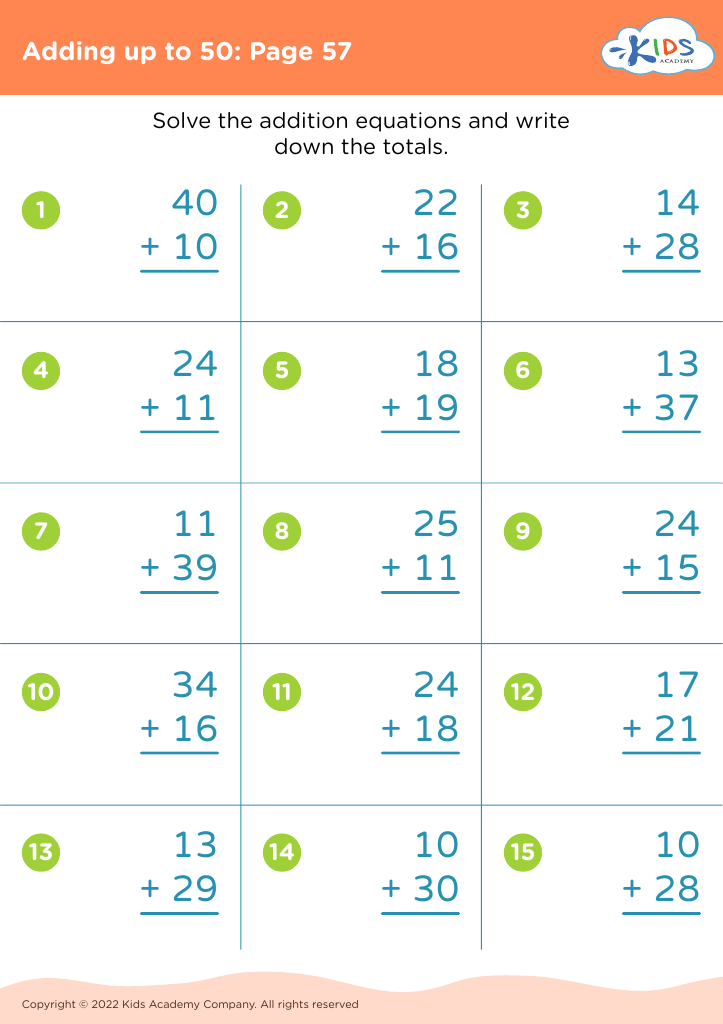
Adding up to 50: Page 57

Adding up to 50: Page 57

Adding up to 50: Page 57
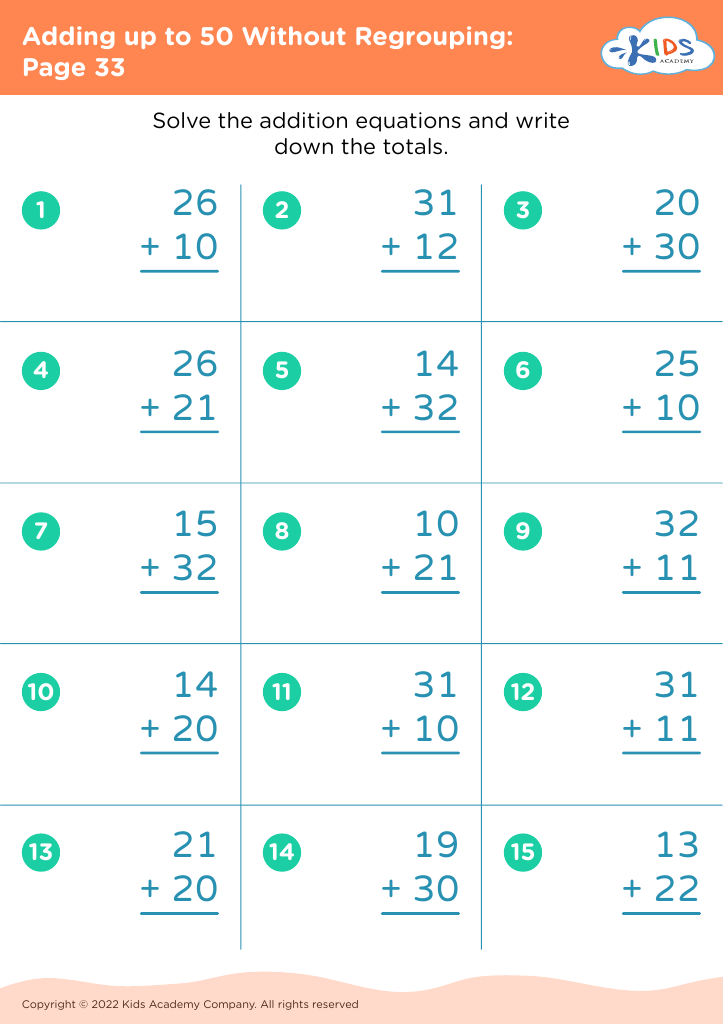
Worksheet
Adding up to 50 Without Regrouping: Page 33
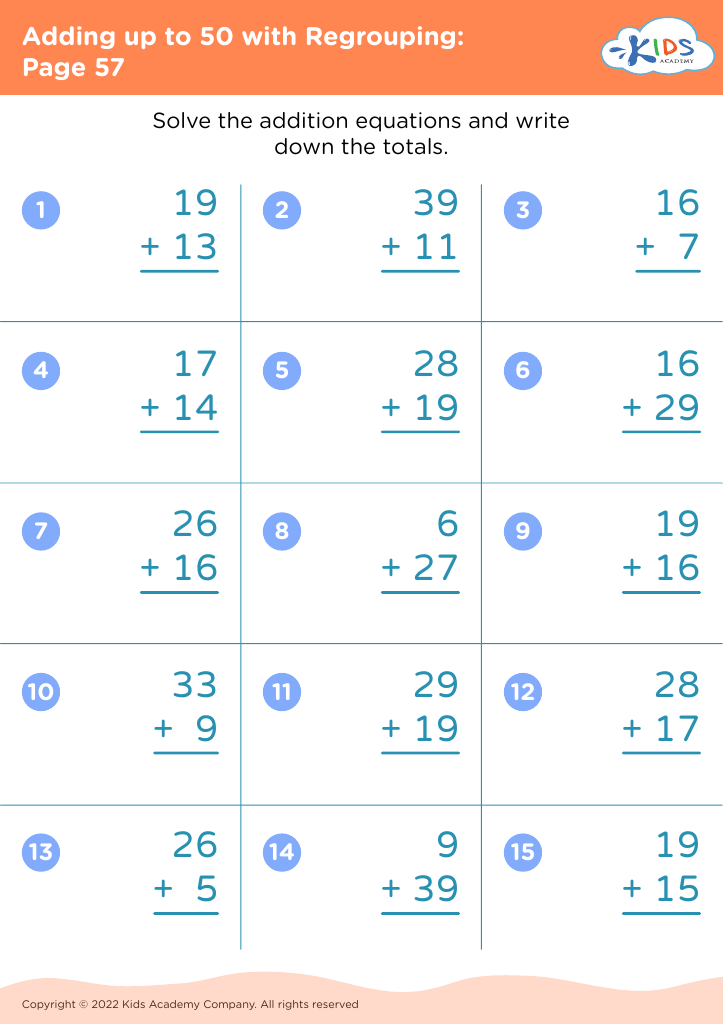
Worksheet
Adding up to 50 with Regrouping: Page 57
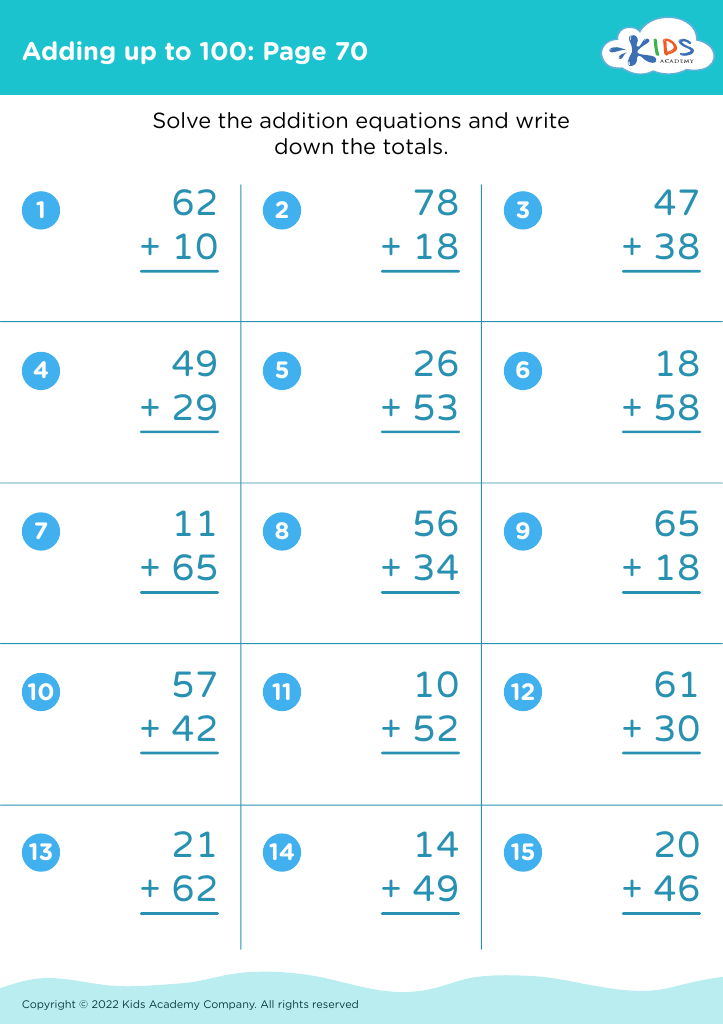
Worksheet
Adding up to 100: Page 70

Adding up to 100: Page 70

Adding up to 100: Page 70
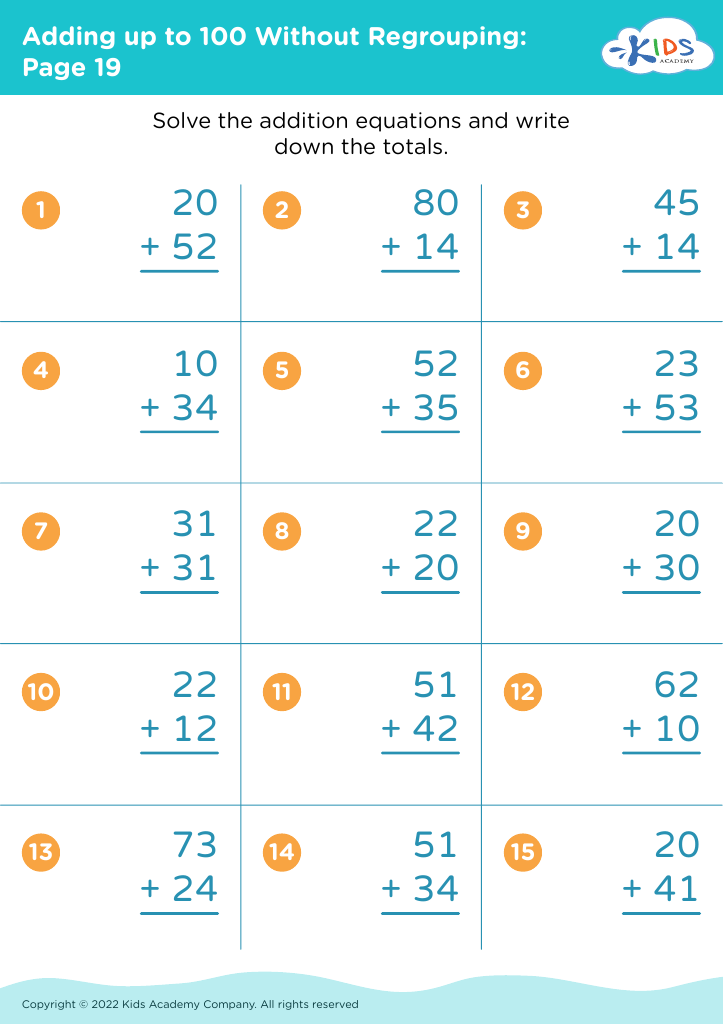
Worksheet
Adding up to 100 Without Regrouping: Page 19
Worksheet
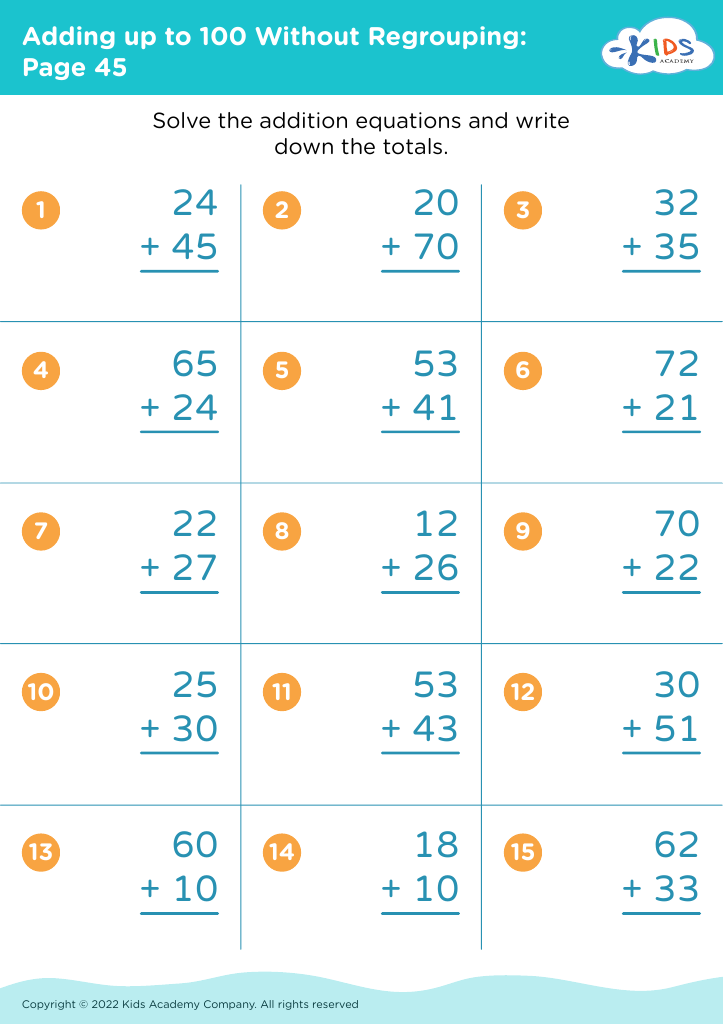
Adding up to 100 Without Regrouping: Page 45
Worksheet
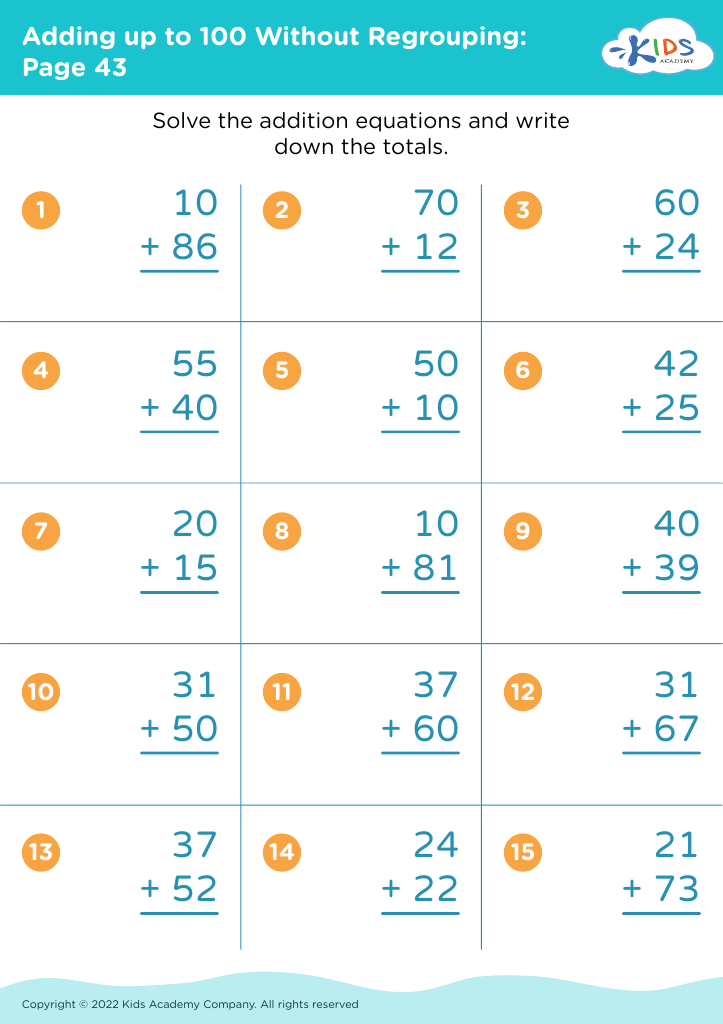
Adding up to 100 Without Regrouping: Page 43
Worksheet
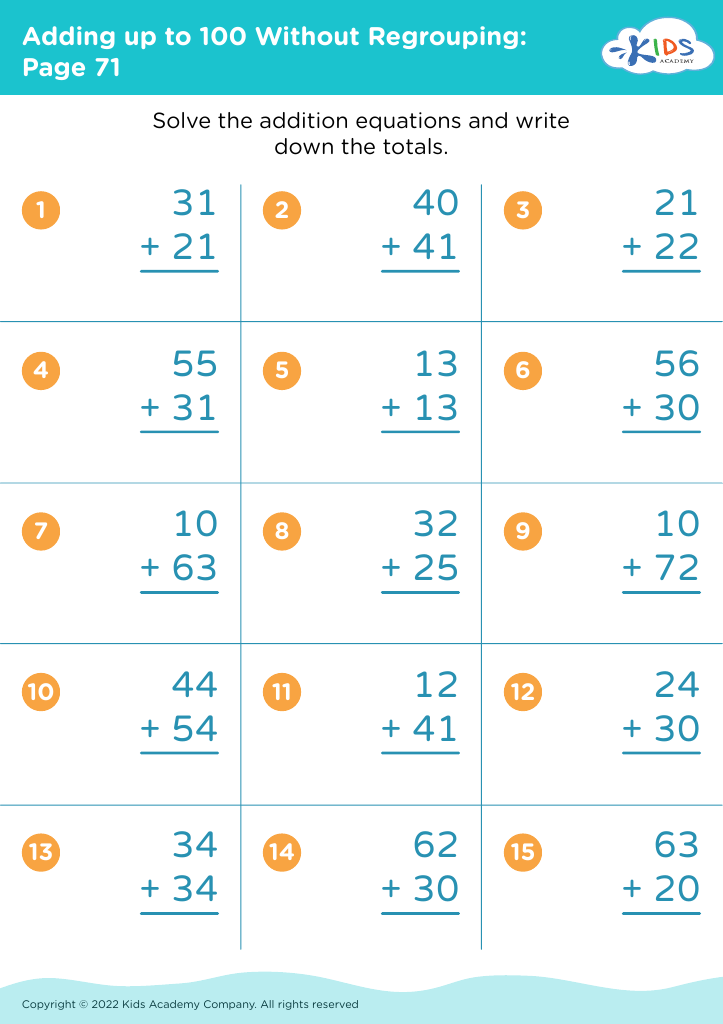
Adding up to 100 Without Regrouping: Page 71
Worksheet
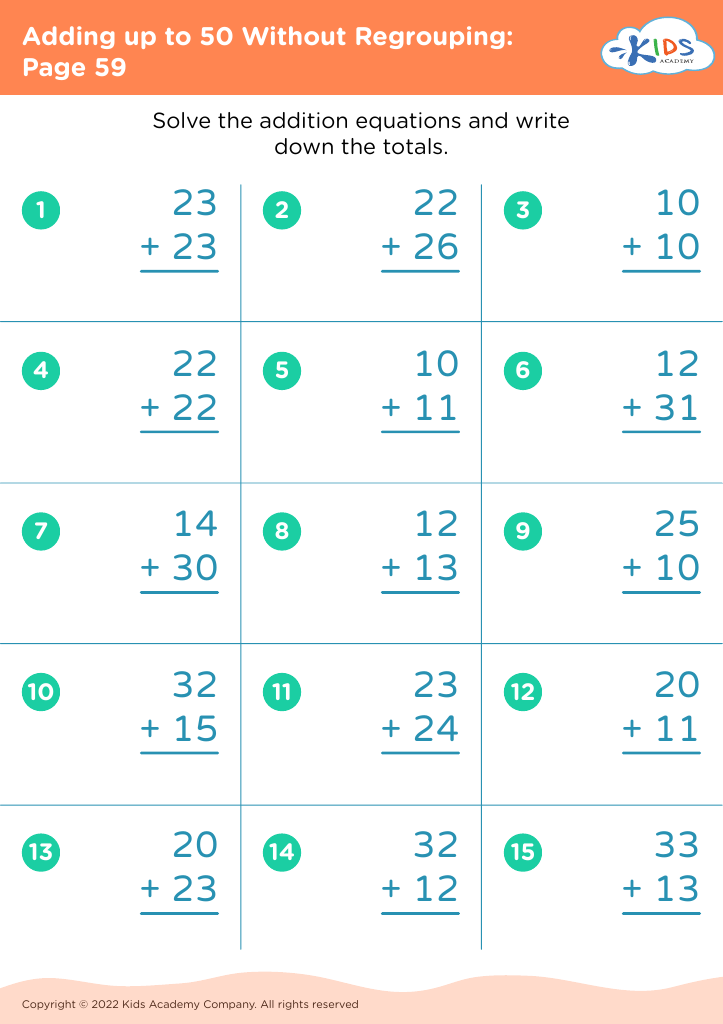
Adding up to 50 Without Regrouping: Page 59
Worksheet
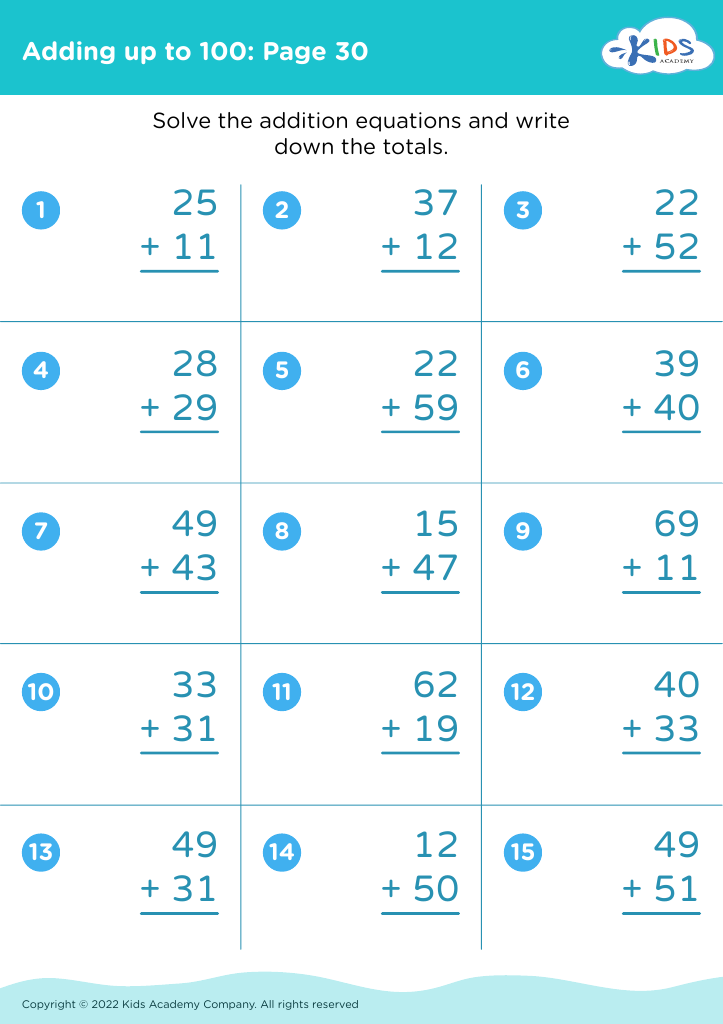
Adding up to 100: Page 30

Adding up to 100: Page 30

Adding up to 100: Page 30
Worksheet
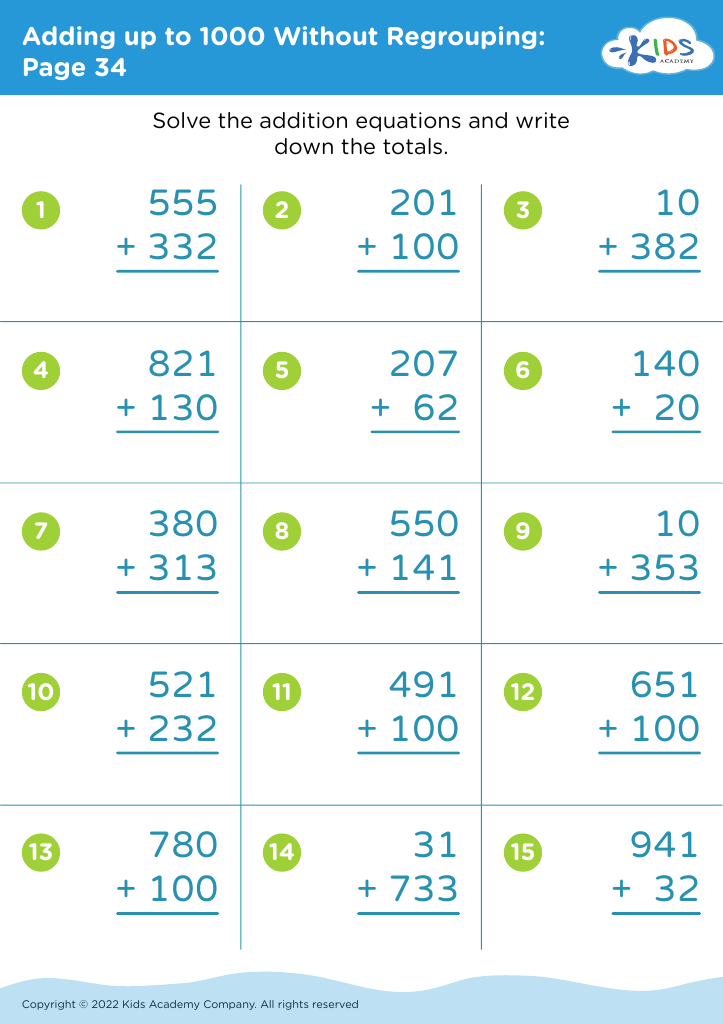
Adding up to 1000 Without Regrouping: Page 34
Worksheet
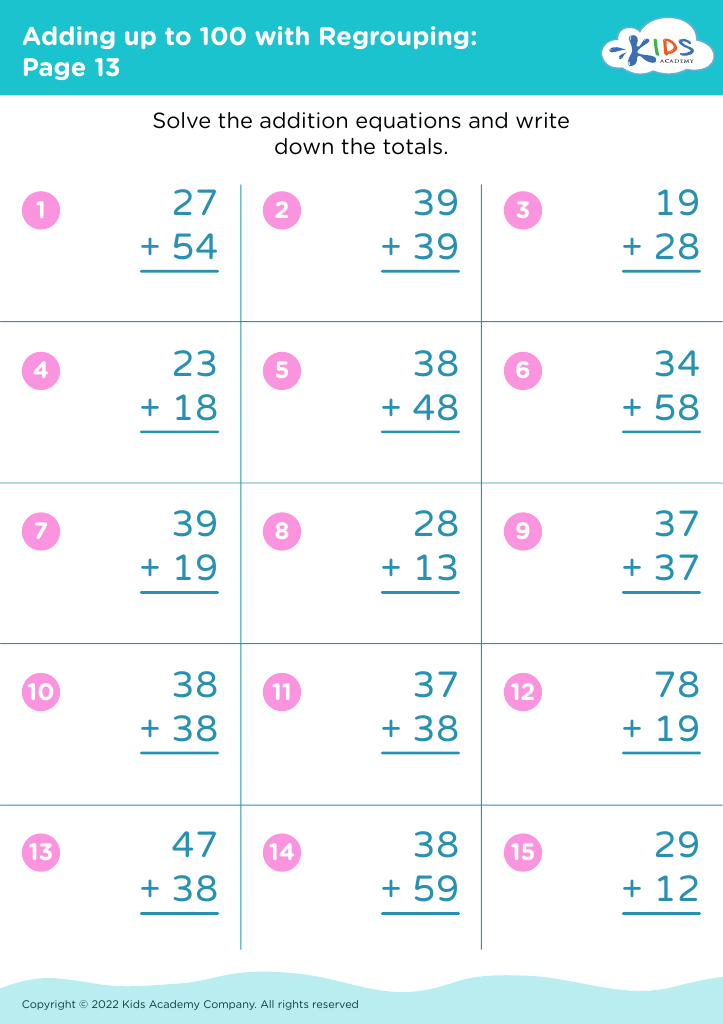
Adding up to 100 with Regrouping: Page 13
Worksheet
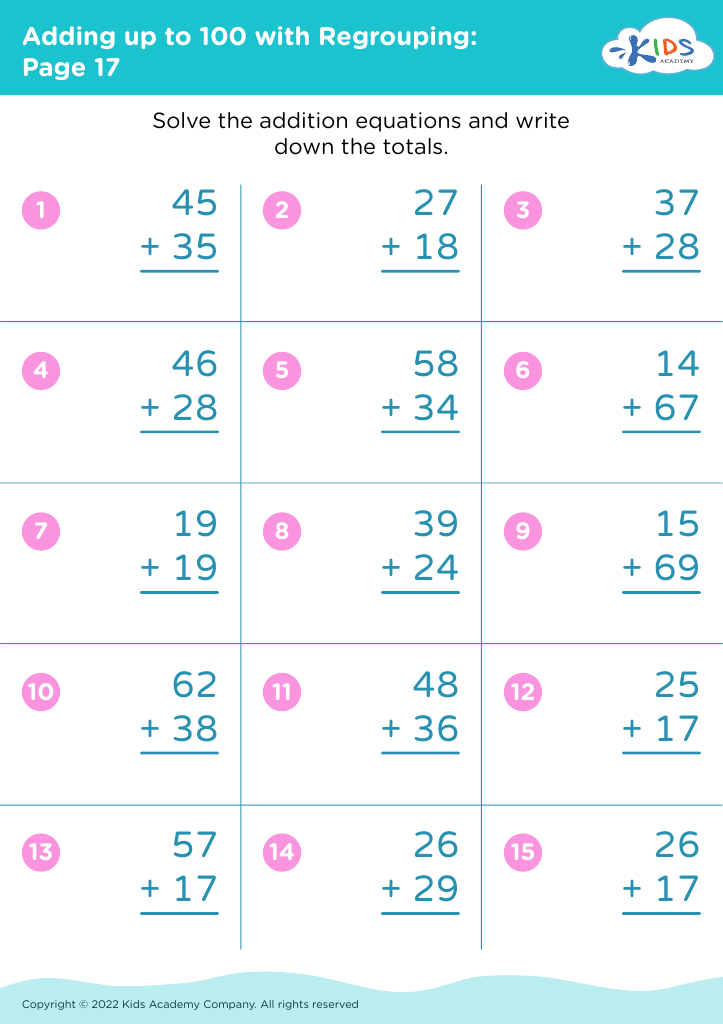
Adding up to 100 with Regrouping: Page 17
Worksheet


Parents and teachers should care about Number and Operations in Base Ten for Grade 2 because it forms a crucial foundation for a child’s mathematical understanding and future success. At this age, students begin to deepen their understanding of place value, extending their knowledge from simple counting to recognizing that numbers are composed of tens and ones. Mastery of this concept helps children grasp more complex mathematical operations such as addition and subtraction, and sets the stage for multiplication and division in later grades.

Additionally, understanding base ten promotes critical thinking and problem-solving skills. It encourages students to reason about numbers, enabling them to make connections between mathematical concepts and real-world applications. This knowledge is essential for tackling everyday tasks such as budgeting or measuring.

Moreover, when parents and teachers engage and support children in learning number operations, they foster a positive attitude towards mathematics, helping to build confidence. Engaging students in fun and educational activities centered around base ten can stimulate their interest and enhance retention of these essential skills. As children learn to manipulate numbers effectively, they become more autonomous in their mathematical journey, laying the groundwork for academic and life success.