Color recognition Easy Worksheets for Ages 3-5 - Page 2
30 filtered results
-
From - To
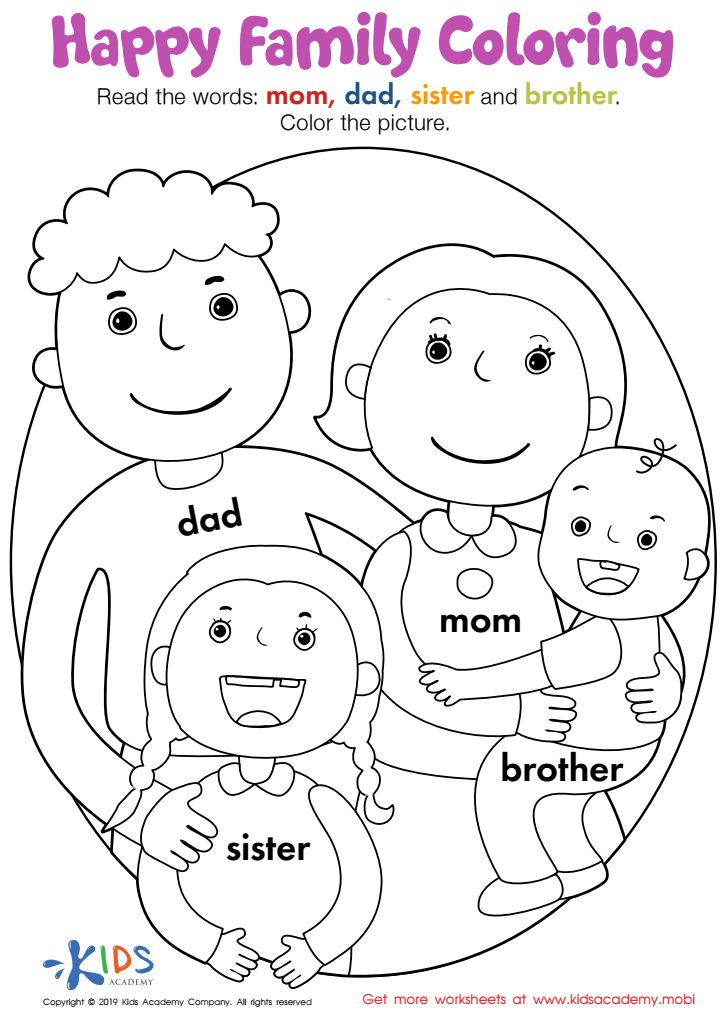
Happy Family Coloring Worksheet
 Assign to My Students
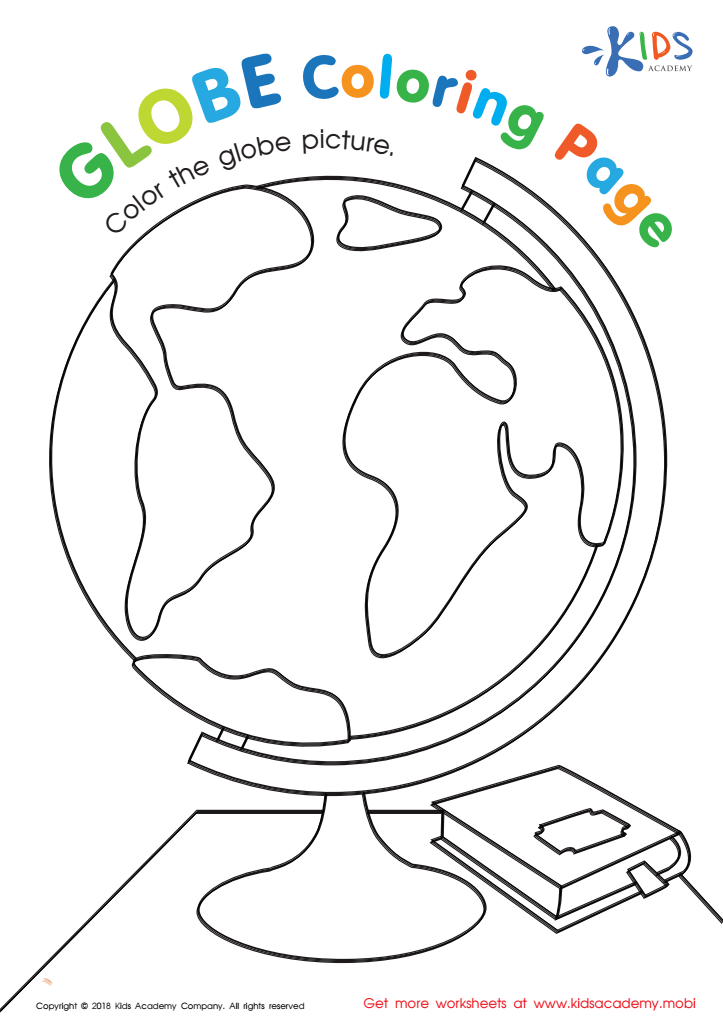
Globe Coloring Page Worksheet
Assign to My Students
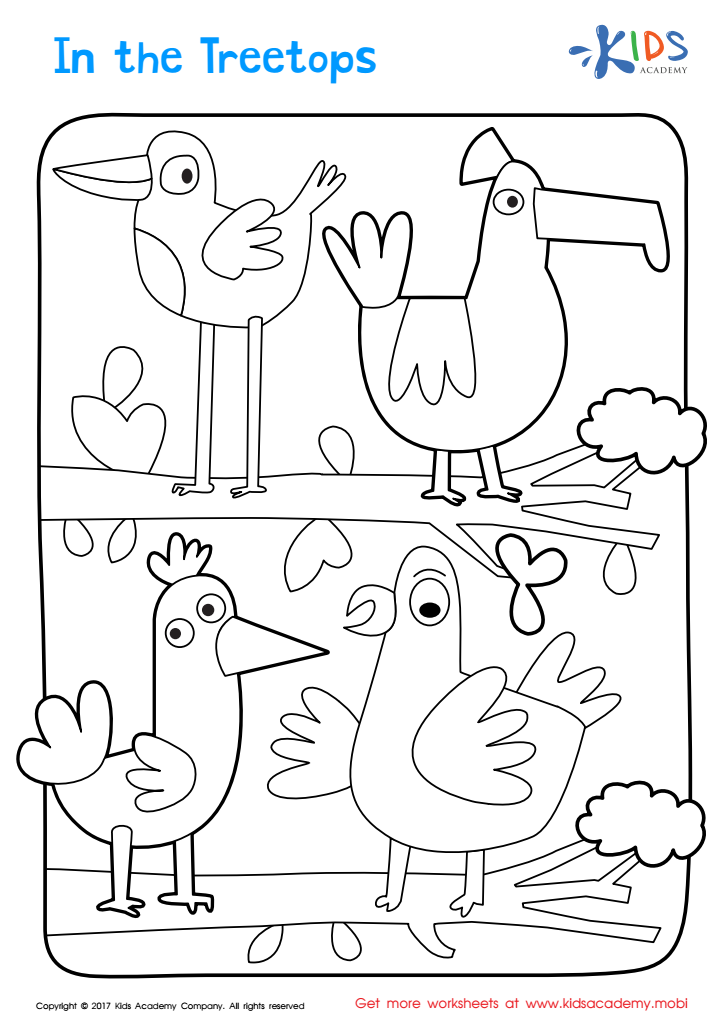
In the Treetops Coloring Page
Assign to My Students
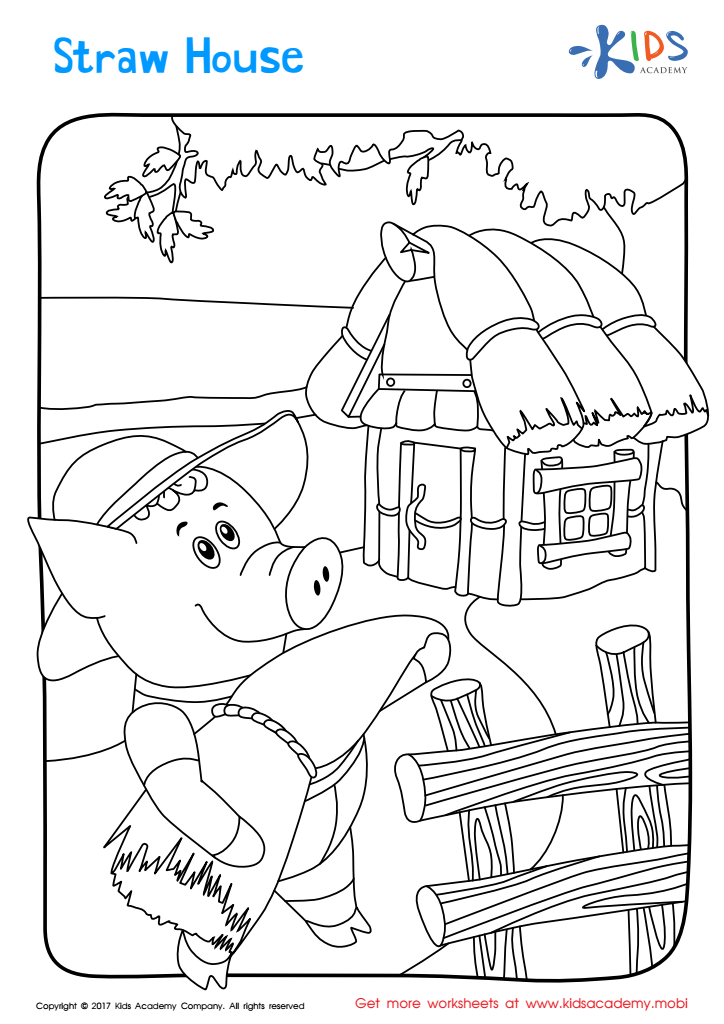
Straw House Printable Coloring Page
Assign to My Students
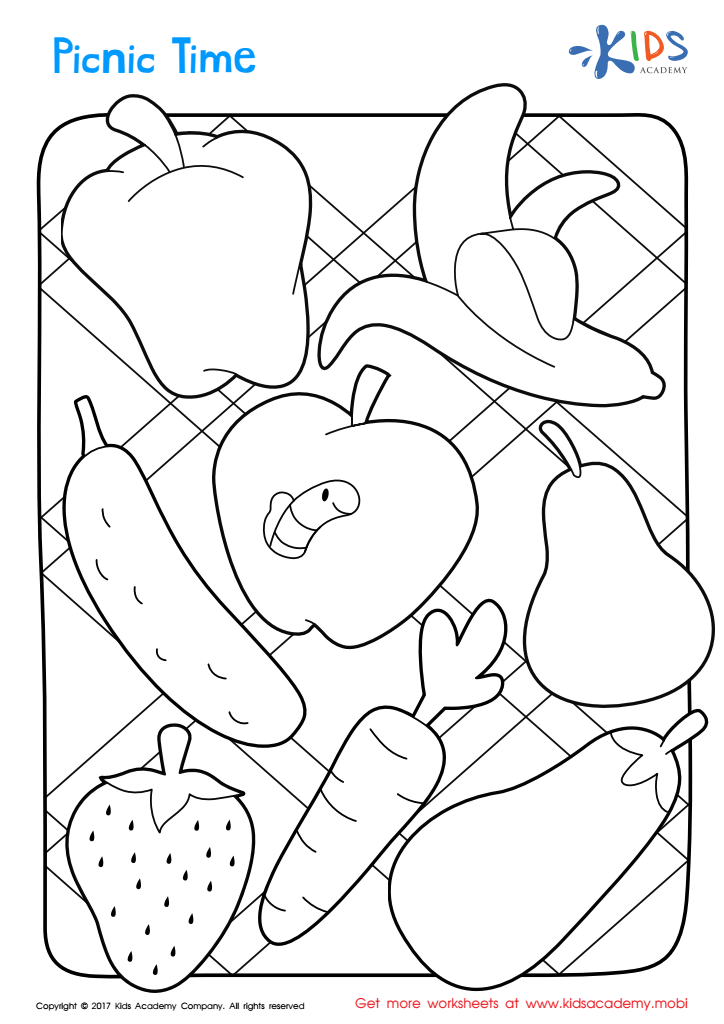
Picnic Time Coloring Page
Assign to My Students







Color recognition is a fundamental skill that plays a crucial role in early childhood development. For children aged 3 to 5, mastering colors enhances cognitive development and supports learning in various domains. Understanding colors helps young learners identify and categorize objects, boosting their ability to make connections between new information and their existing knowledge.
Moreover, color recognition aids in language development. As children learn to distinguish and name colors, they expand their vocabulary, which is essential for effective communication and social interactions. This cognitive leap fosters creative expression through art and imaginative play, as children learn to express themselves using colors in new ways.
From a practical perspective, recognizing colors also supports daily life skills. Children who can identify colors will be better equipped to organize items, follow directions, and engage in fun activities like sorting or matching games, which are foundational for future academic skills.
For parents and teachers, promoting color recognition activities at home or in the classroom can create a dynamic learning environment. Fun games, songs, and interactive experiences can make learning enjoyable, encouraging a love for exploration and knowledge in young children. Ultimately, early mastery of colors sets the stage for continued learning and development in various areas.








