Fine Motor Skills Easy Worksheets for Ages 3-5 - Page 3
66 filtered results
-
From - To
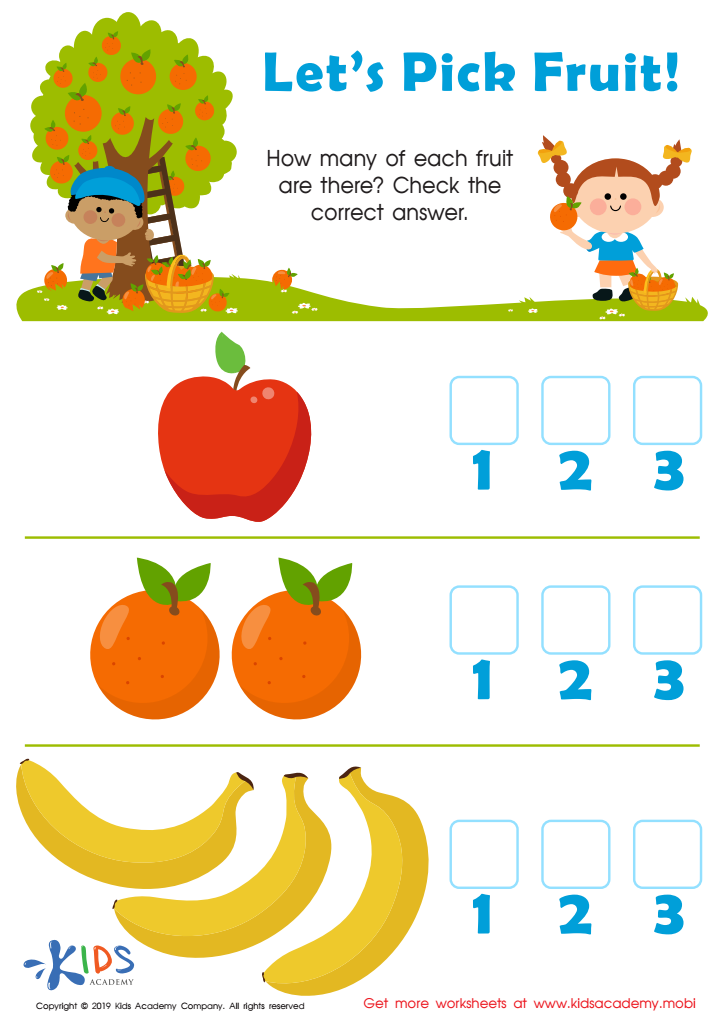
Let's Pick Fruit Worksheet
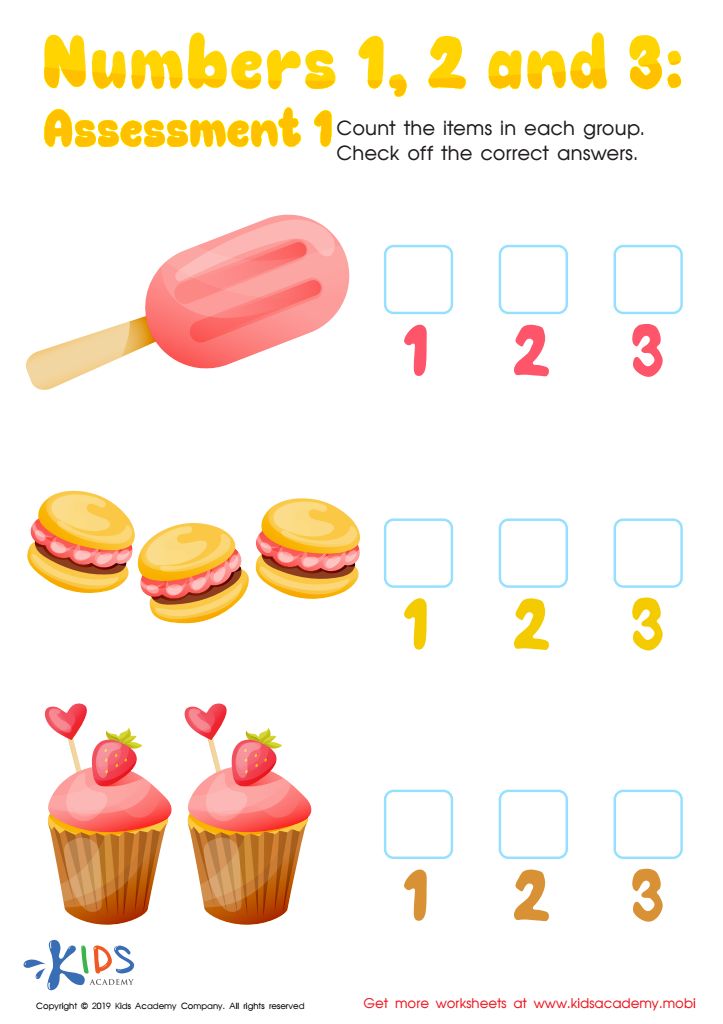
Numbers 1, 2 and 3: Assessment 1 Worksheet
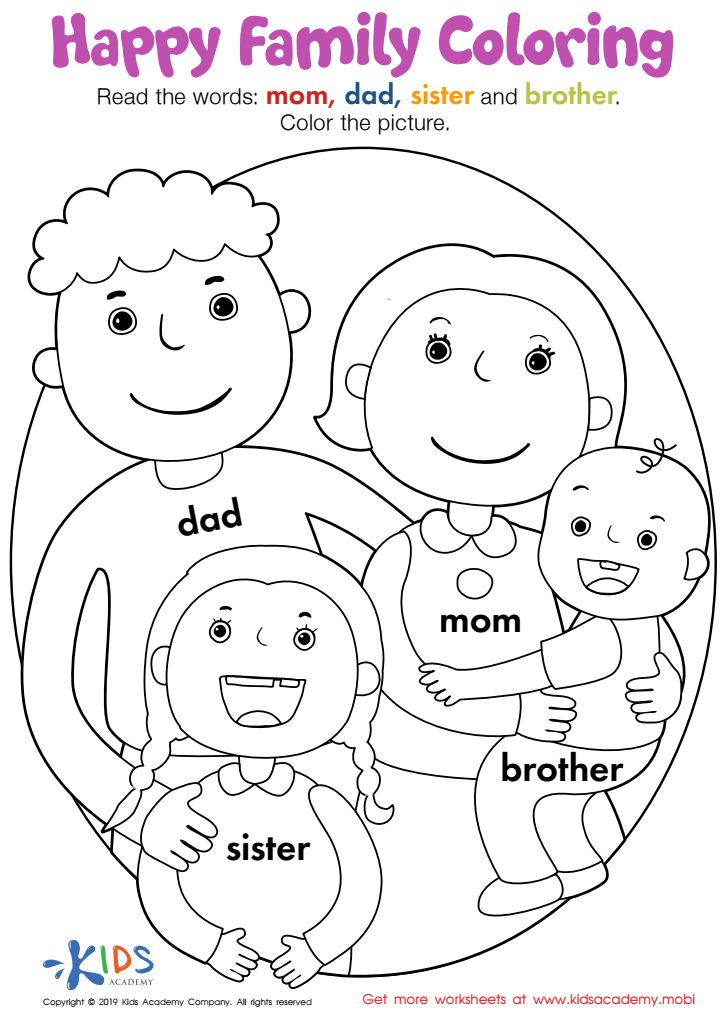
Happy Family Coloring Worksheet
 Assign to My Students

Globe Coloring Page Worksheet
Assign to My Students
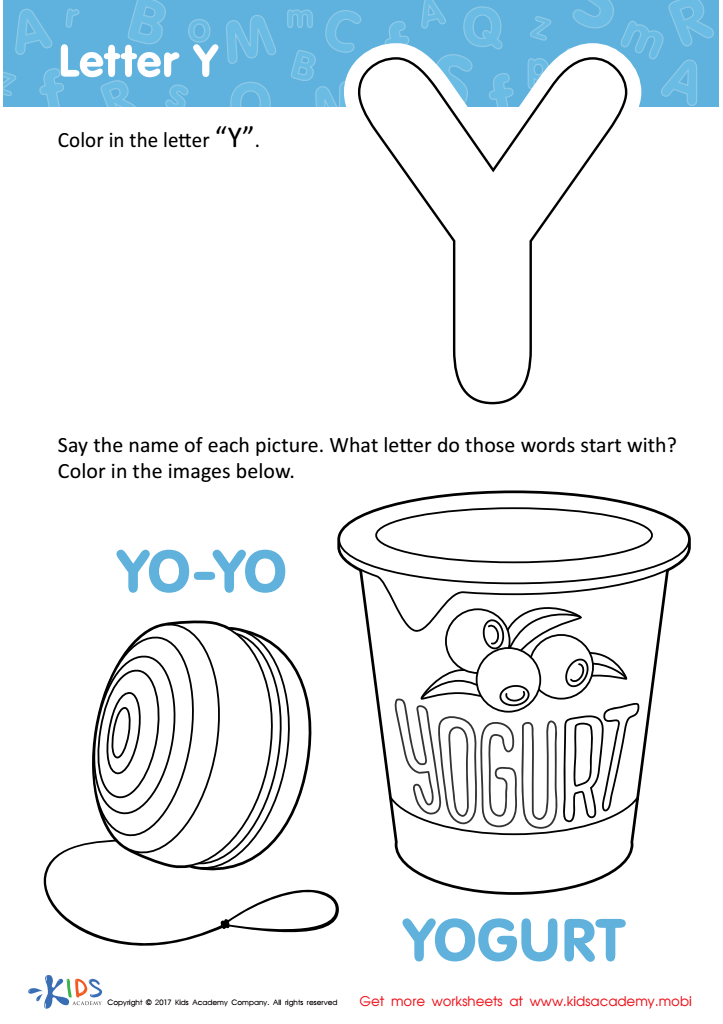
Letter Y Coloring Sheet
Assign to My Students
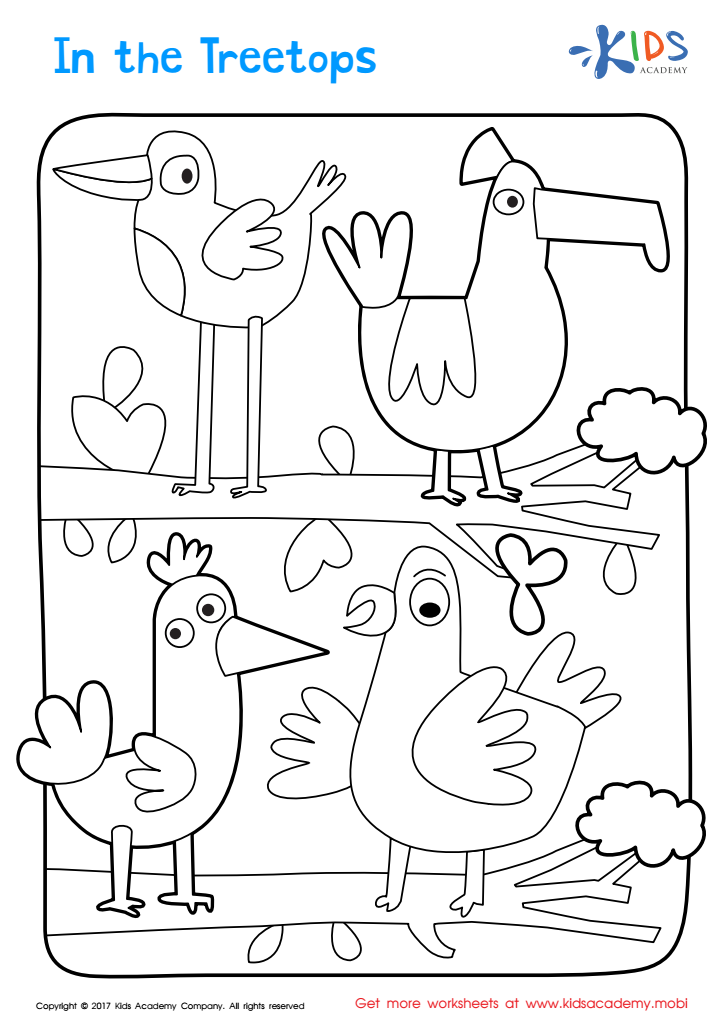
In the Treetops Coloring Page
Assign to My Students
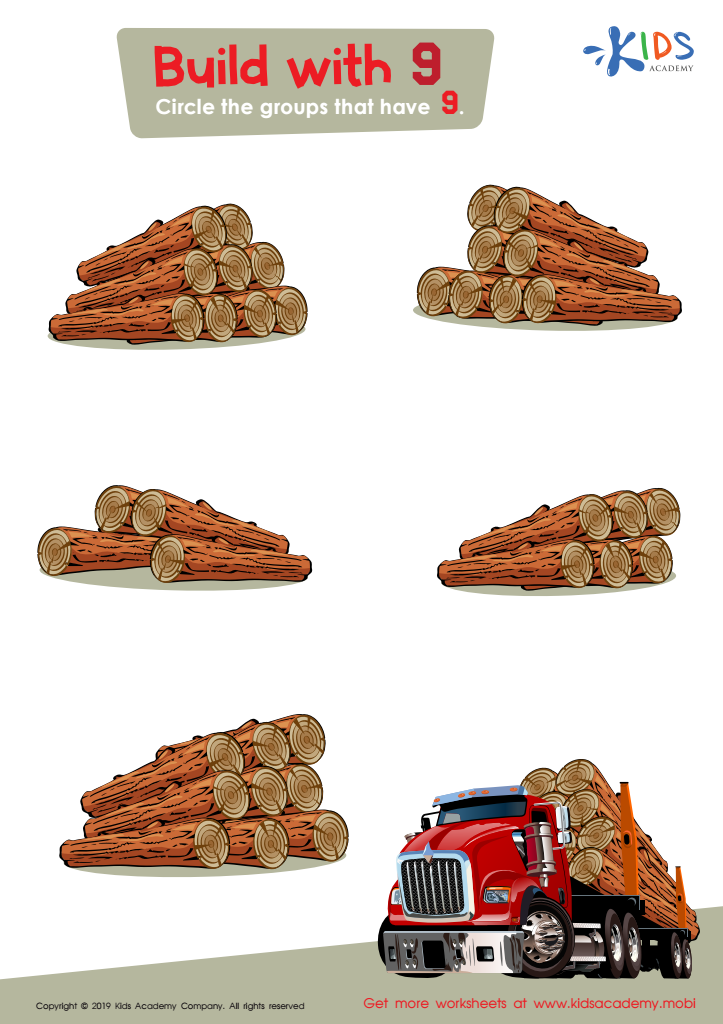
Build with 9 Worksheet
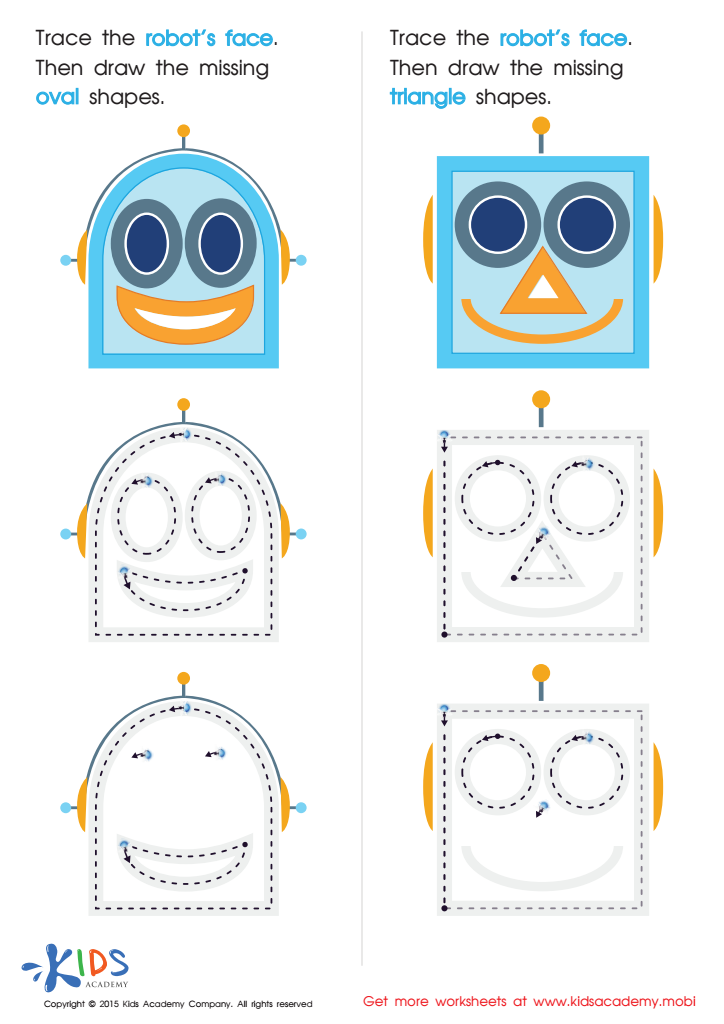
Drawing Ovals And Triangles with Fun Printable
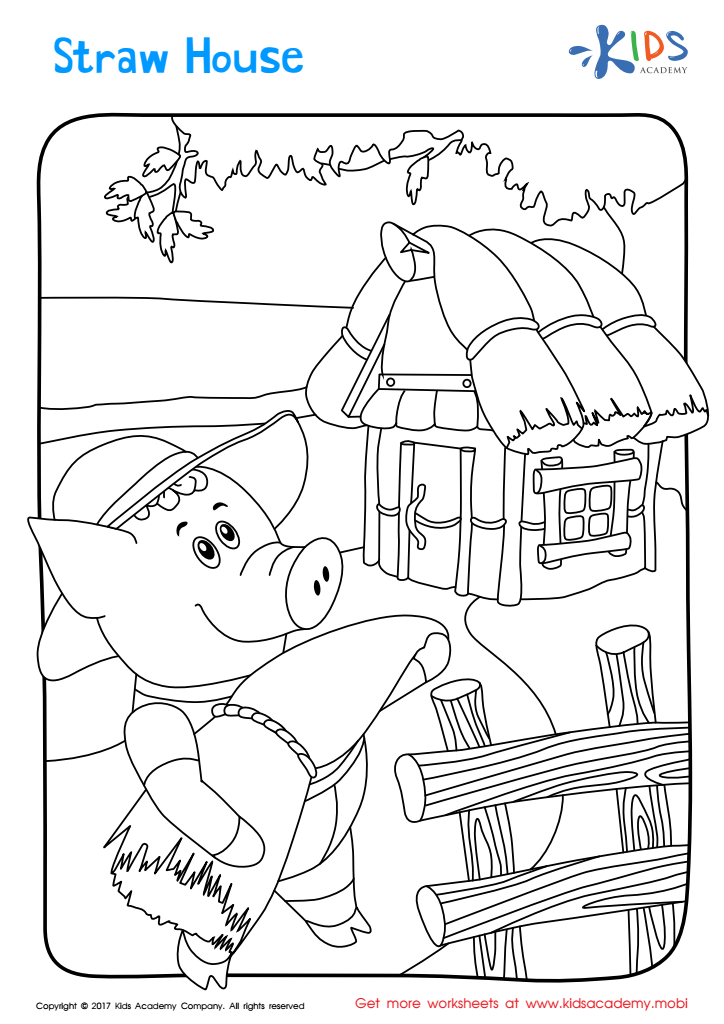
Straw House Printable Coloring Page
Assign to My Students
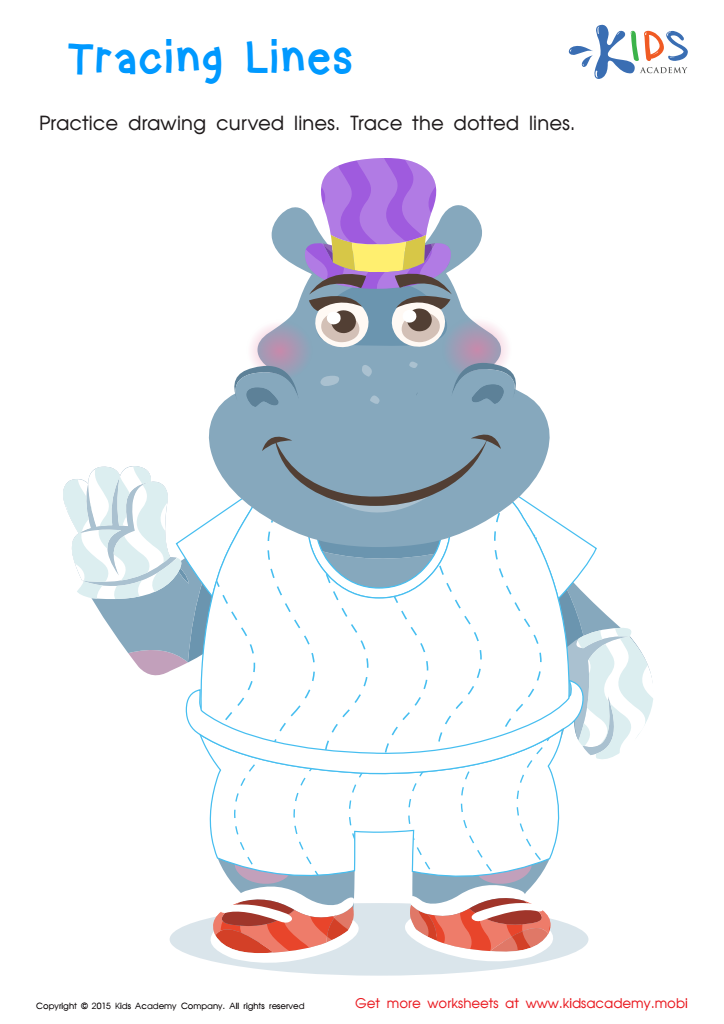
Tracing Lines Worksheet
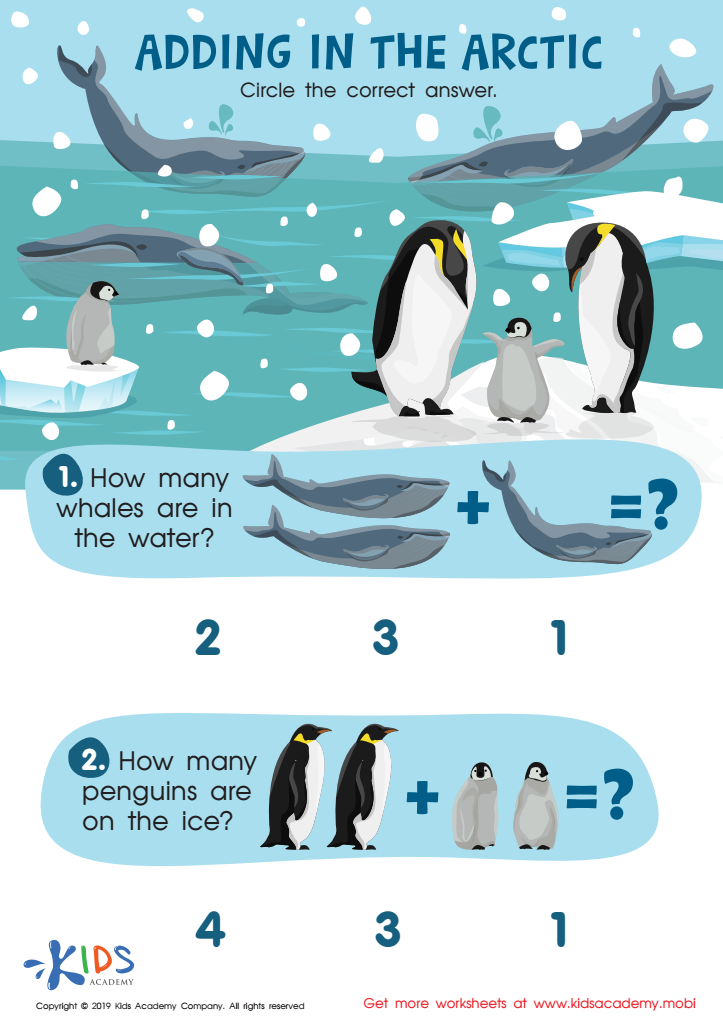
Adding in the Arctic Worksheet
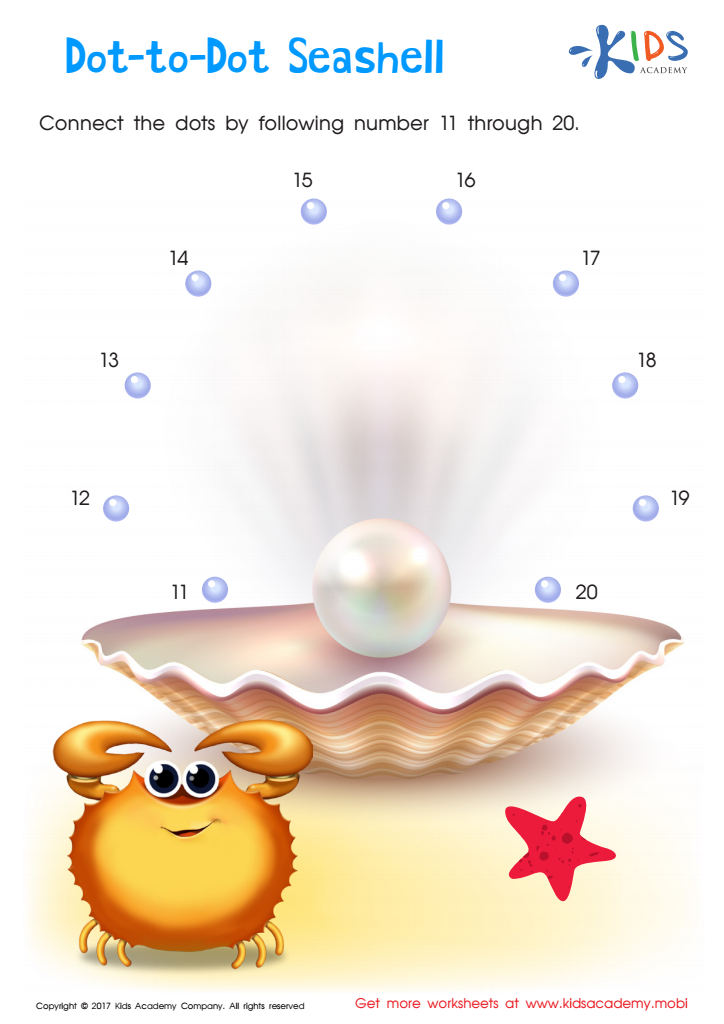
Ordering 11–20: Dot–to–dot Seashell Printable
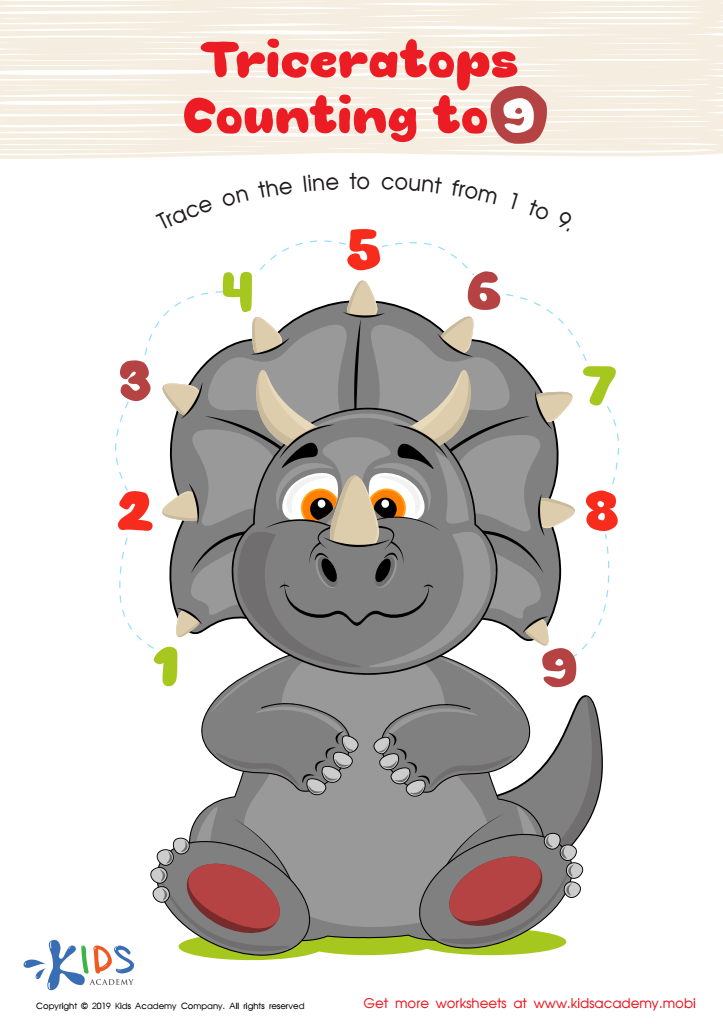
Triceratops Counting to 9 Worksheet

Counting on the City Skyline: Dot-to-Dot Worksheet
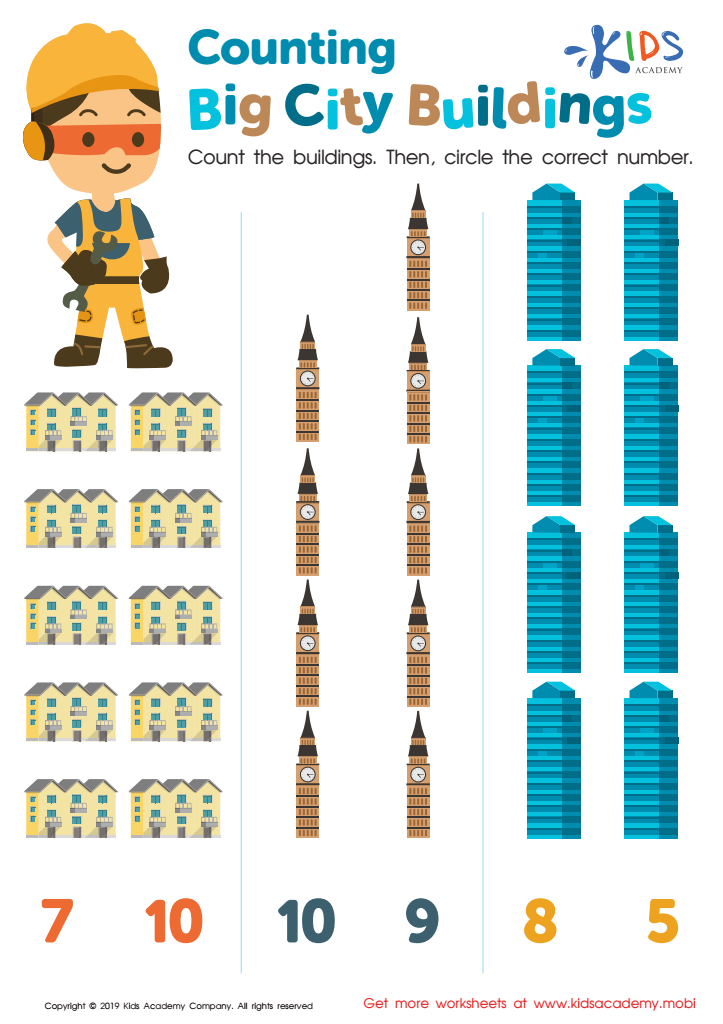
Counting Big City Buildings Worksheet

Night Sky Numbers Worksheet








Fine motor skills refer to the coordination of small muscles, particularly in the hands and fingers, with the eyes. These skills are crucial for ages 3-5 because they form the foundation for essential tasks that children will need as they grow, such as writing, dressing, and even playing. Improved fine motor skills enable children to manipulate small objects, hold pencils or crayons properly, button or zip clothing, and develop hand-eye coordination, all necessary for their independence and development.
Parents and teachers should care about fine motor skills because they directly impact a child's ability to perform in school and daily life. Activities like cutting with scissors, drawing, or assembling building blocks help children increase their dexterity and control, setting the groundwork for more complex tasks. Moreover, practicing these skills supports cognitive development, enhancing the child’s focus and problem-solving abilities.
Neglecting fine motor development can lead to frustration and difficulties in academic and social situations. It’s easier to address and nurture these skills during early childhood when neurological development is at its peak. Engaging children in playful, hands-on activities such as puzzles, arts and crafts, and building games fosters these skills effortlessly, promoting both physical and mental growth in a happy, stress-free manner.








