Easy Comparing Numbers Worksheets for Ages 3-7
5 filtered results
Difficulty Level
Grade
Age
-
From - To
Subject
Activity
Standards
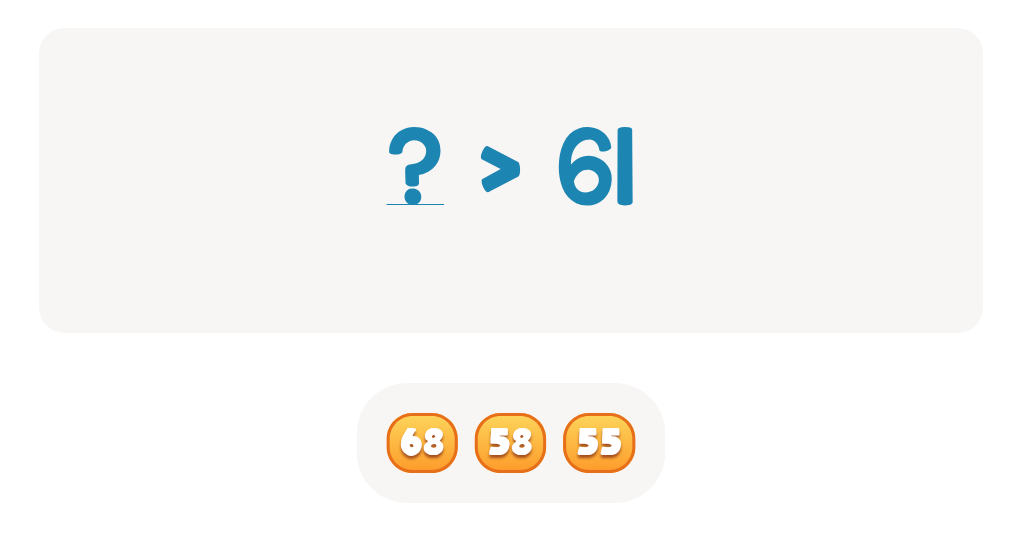
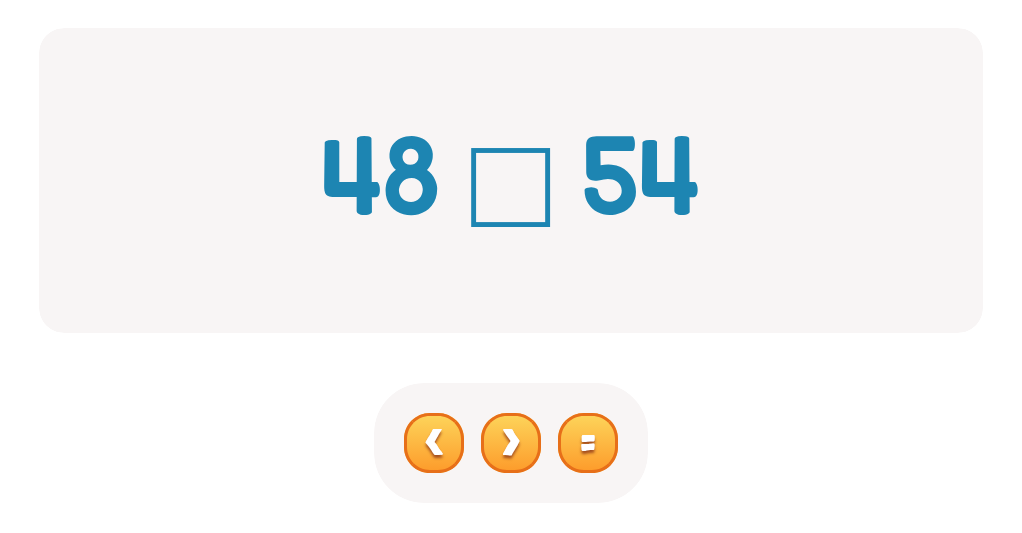
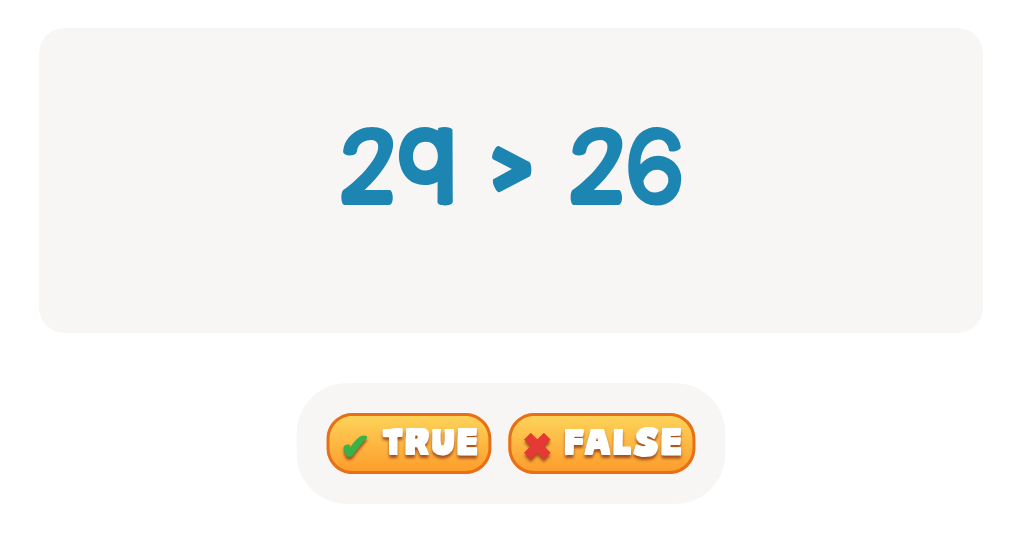
Discover engaging and educational "Easy Comparing Numbers Worksheets for Ages 3-7" at Kid’s Academy. Designed for young learners, our printable worksheets help children develop essential math skills while having fun. These beginner-friendly activities focus on comparing numbers, enabling kids to easily differentiate between greater, lesser, or equal values through vivid illustrations and interactive tasks. Perfect for classroom or home learning, our worksheets cater to children ages 3-7 and foster a solid mathematical foundation. Visit Kid’s Academy to boost your child’s confidence and excitement in math through our expertly crafted resources!
Favorites
With answer key
Interactive
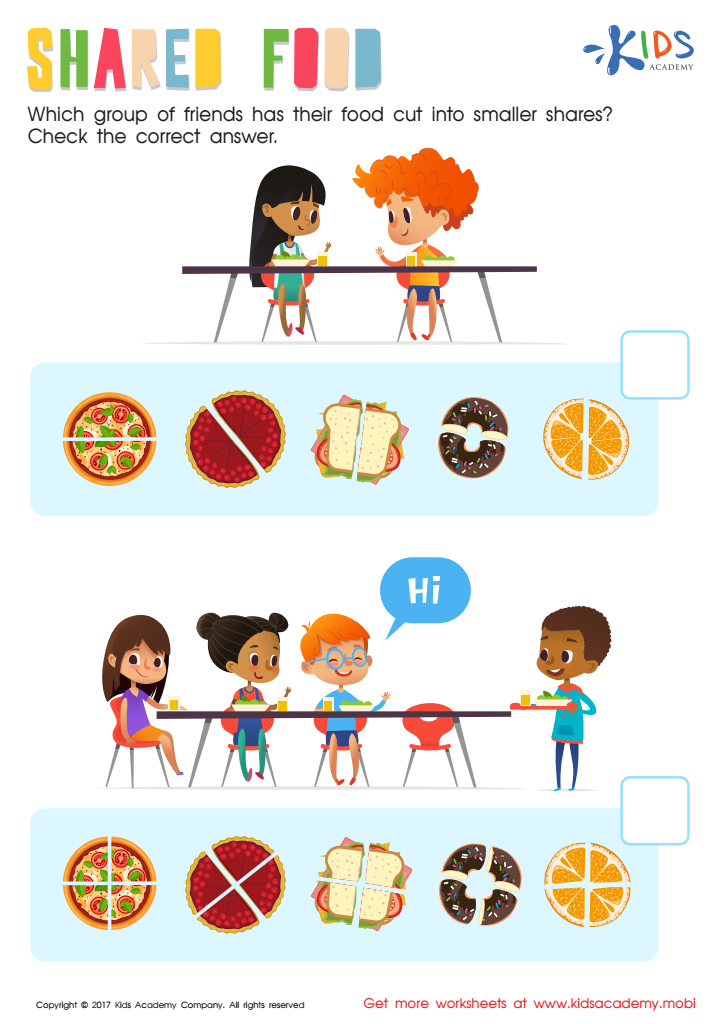
Shared Food Worksheet
In this worksheet, kids learn about sharing and cutting shapes into equal parts. There are two groups of friends: one with two, the other with four. Ask your child which group has their food cut into smaller shares, and help them find the right answer.
 Assign to My Students
Shared Food Worksheet
Worksheet

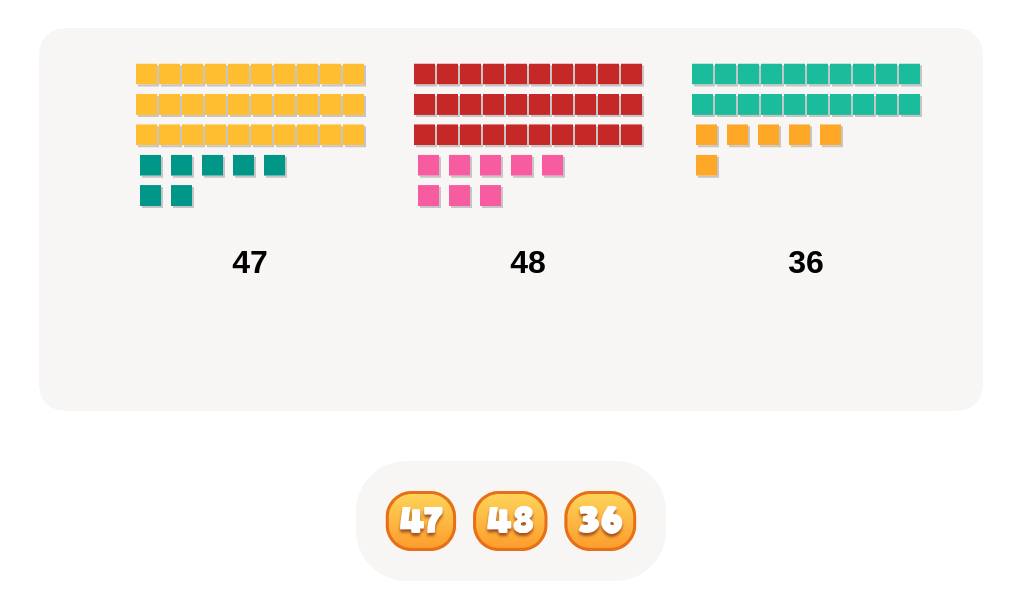
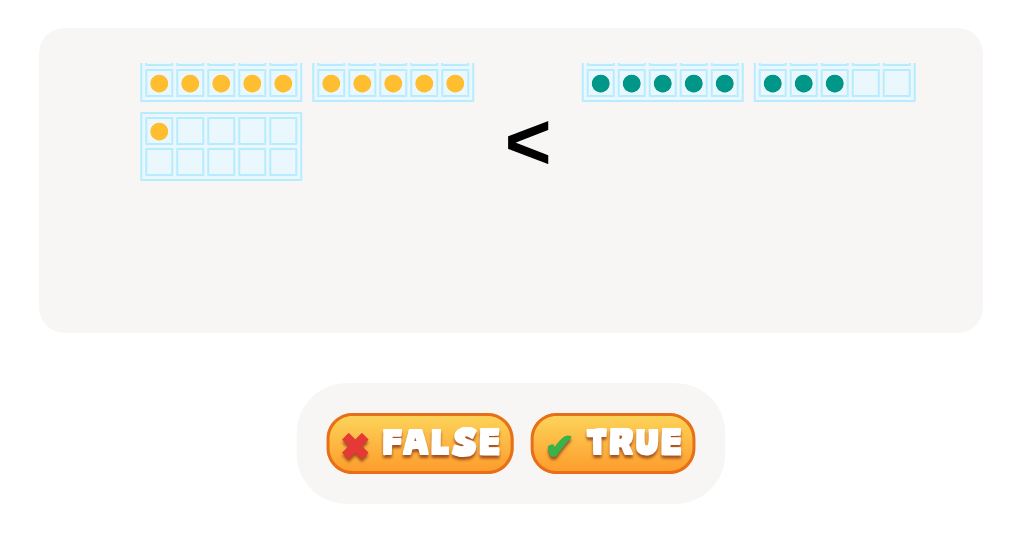
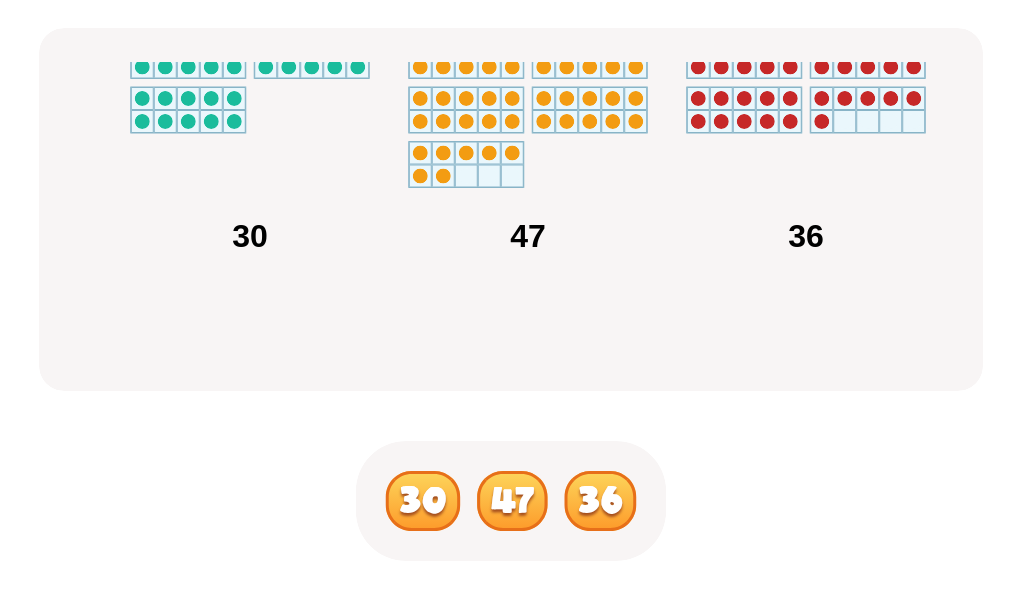
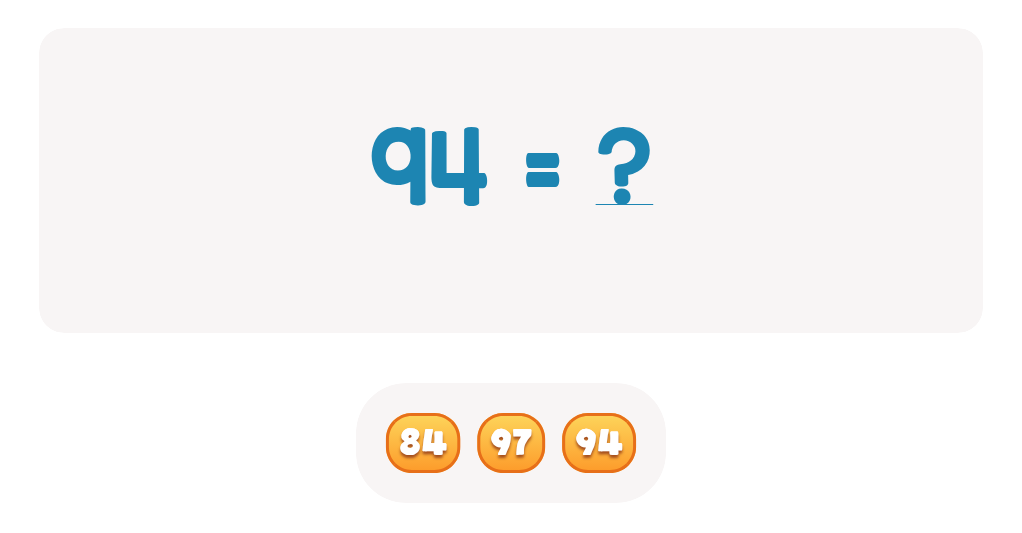
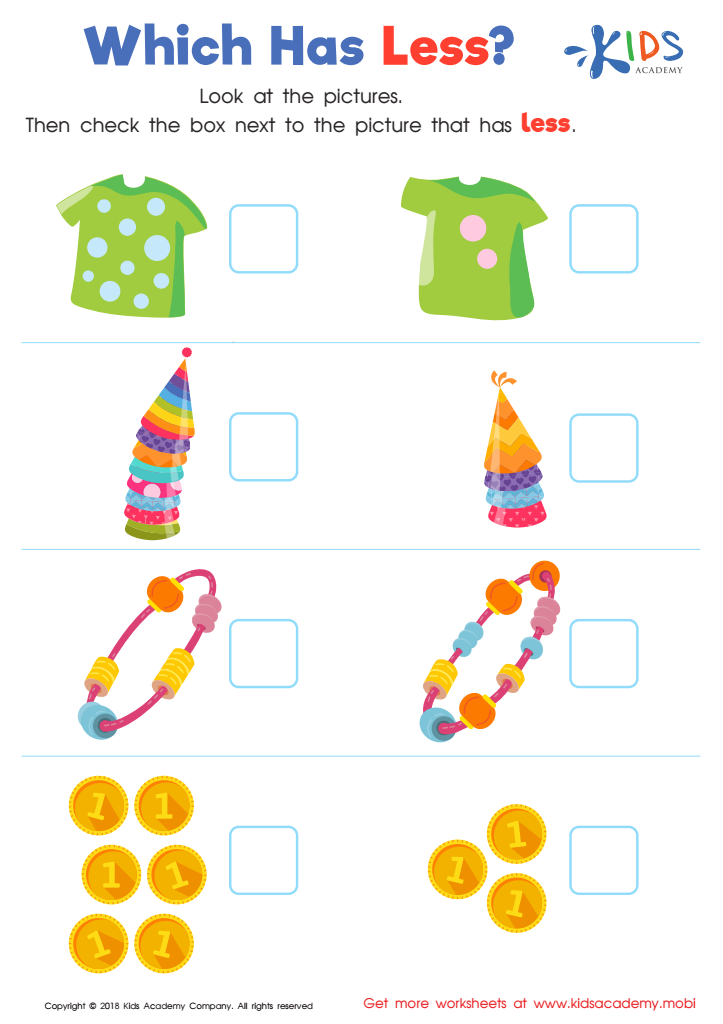
Which Has Less? Worksheet
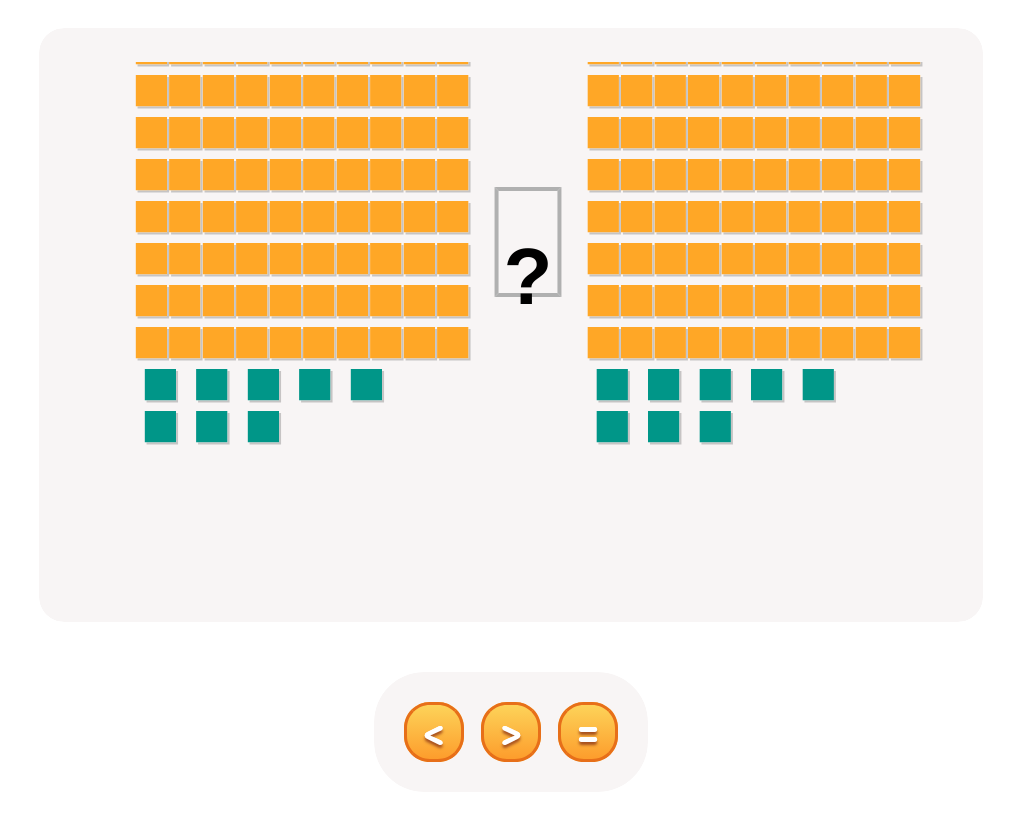
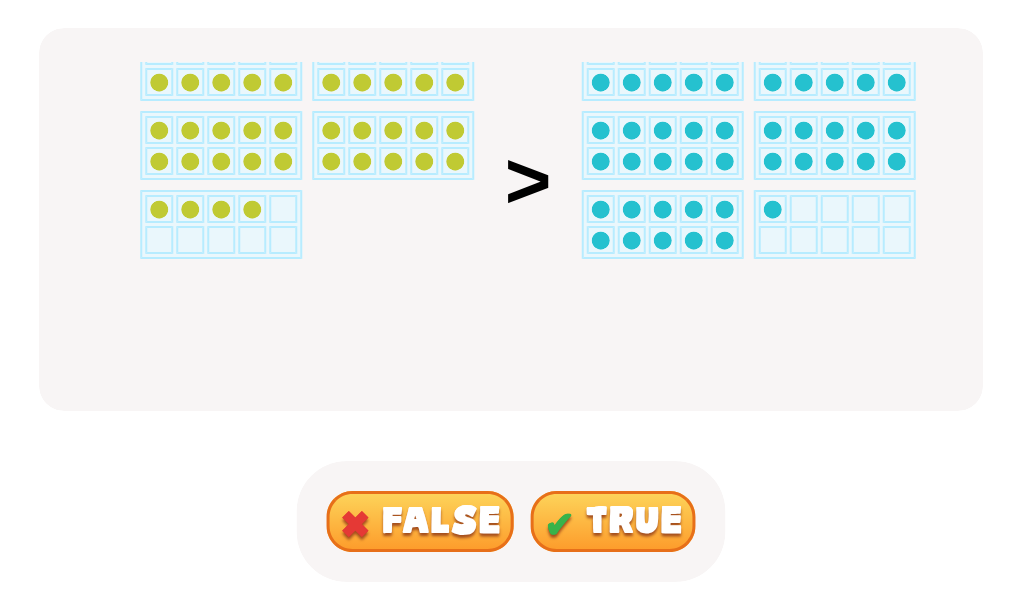
Kids can develop their number sense by comparing and contrasting objects to identify which has less. This worksheet helps them practice: it's bright and colorful, featuring familiar objects and pictures to count, strengthening basic counting skills. It's the perfect warm-up for comparing and contrasting larger numbers.
Which Has Less? Worksheet
Worksheet
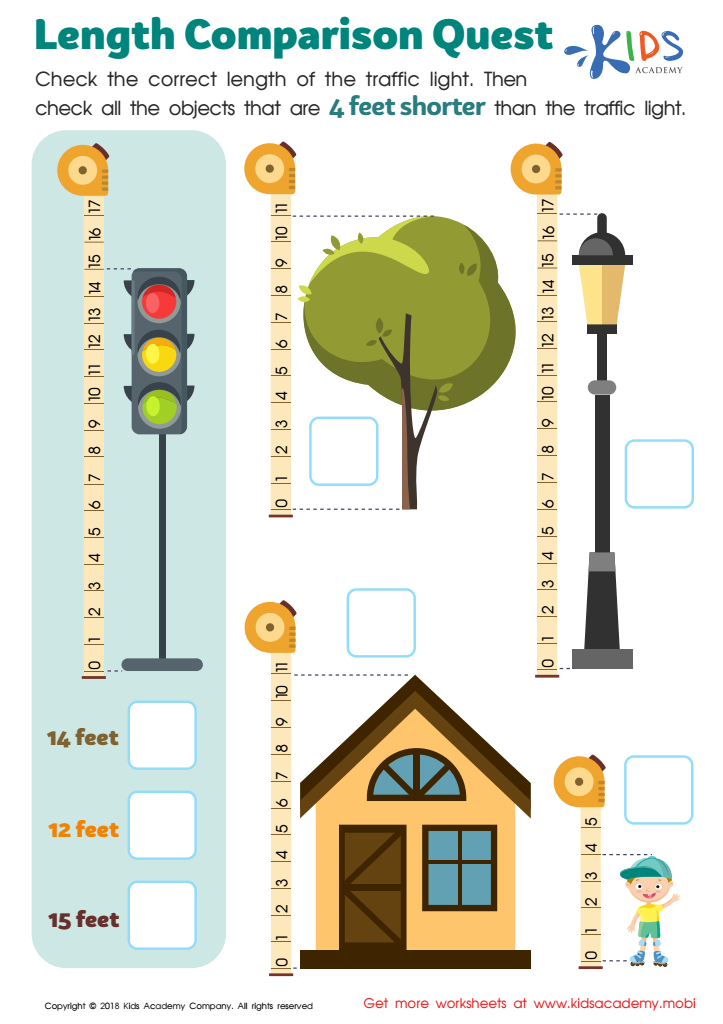
Length Comparison Quest Worksheet
Knowing measurement tools and how to use them is just the start. To be proficient, your kid must be able to accurately compare objects and their lengths. With the 'Length Comparison Quest' worksheet, they will check the correct length of the traffic light in the picture and then compare other objects to it, marking those that measure 4 feet shorter.
Length Comparison Quest Worksheet
Worksheet
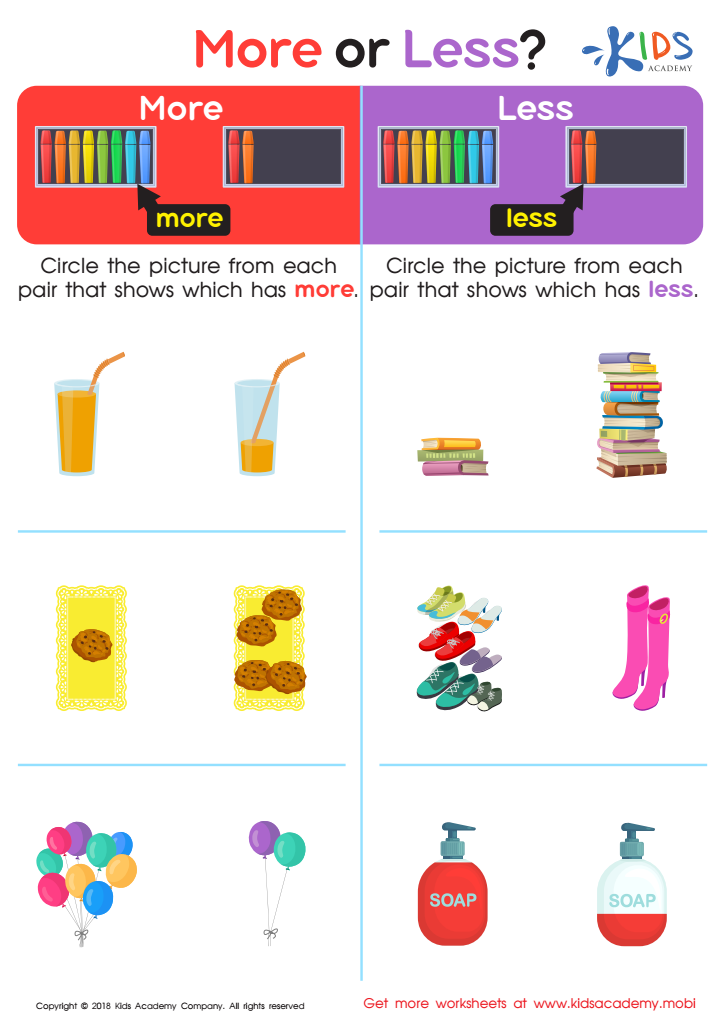
More or Less? Worksheet
Understanding "more or less" can be hard for kids. This PDF uses colorful images to help them learn. By matching the right picture pairs, children can gain a better understanding and strengthen their comparison skills for more complex tasks.
More or Less? Worksheet
Worksheet
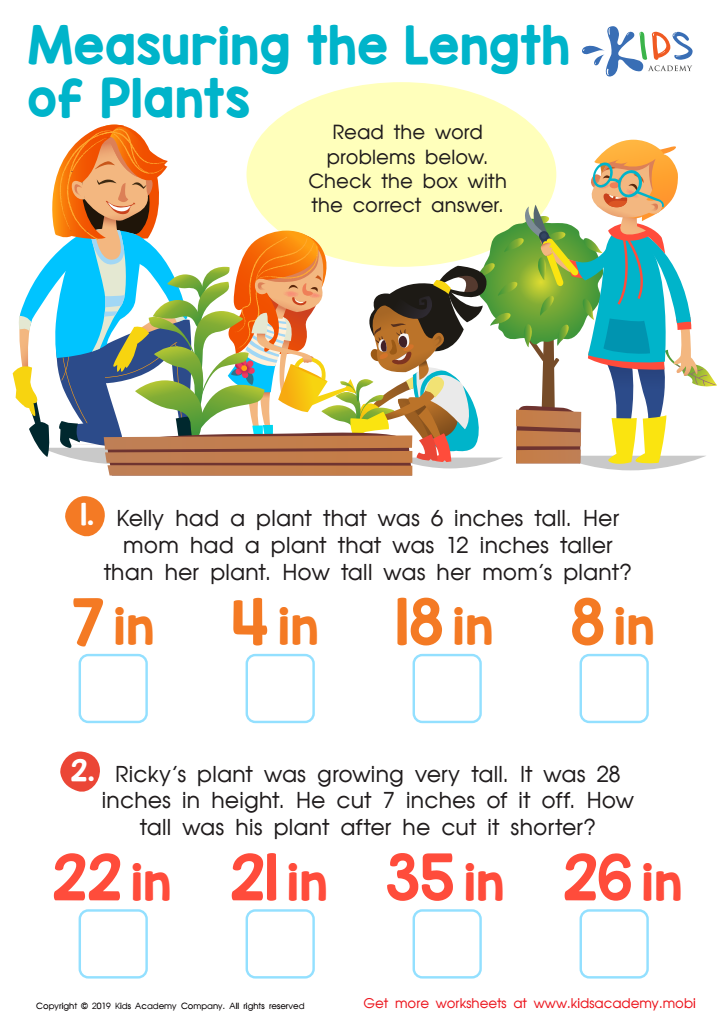
Measuring the Length of Plants Worksheet
Help your kids practice their math skills with this worksheet. Read the word problems in the picture and help them check the correct box. Word problems are equations written in sentence form, so they must be interpreted and understood to be solved correctly.
Measuring the Length of Plants Worksheet
Worksheet
Join Kids Academy for Free
Who is primarily going to use this learning content?







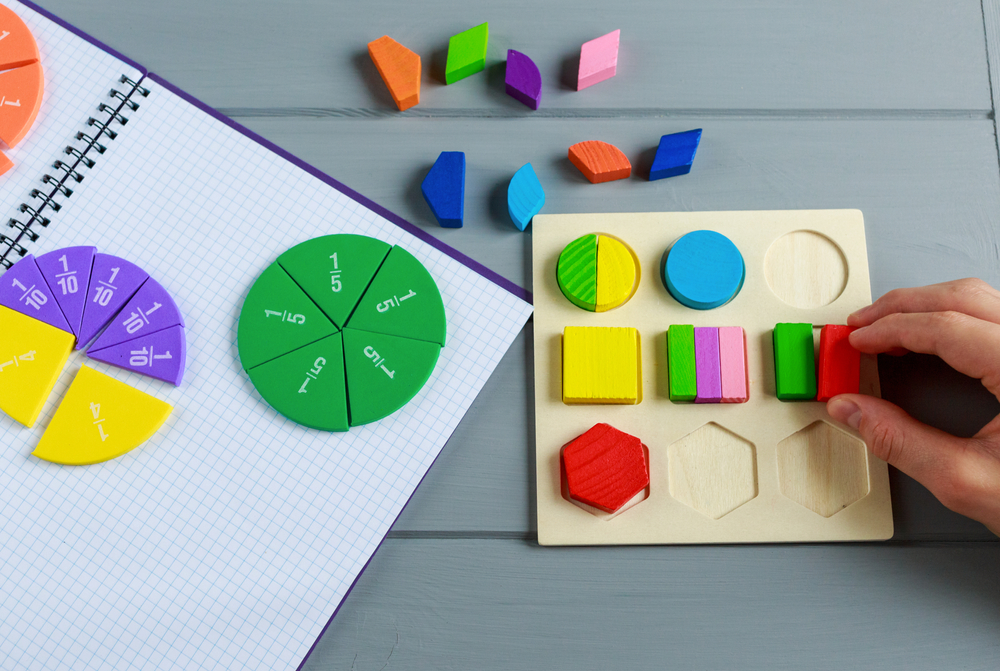
Introducing the concept of Easy Comparing Numbers to children ages 3-7 plays a pivotal role in their early mathematical development. At this formative stage, kids are naturally curious and their cognitive skills are rapidly developing. Parents and teachers should care about teaching this concept as it lays the groundwork for more complex mathematical reasoning later on.
Understanding how to compare numbers helps children grasp the logical order of numbers and comprehend fundamental ideas of greater than, less than, and equal to. These are critical thinking skills that will be employed in various aspects of daily life and future learning. By engaging in activities that promote comparing numbers, such as counting objects and identifying differences in quantity, children improve their numerical sense and develop critical problem-solving abilities.
Moreover, early exposure to comparing numbers builds confidence—a key driver of academic success and positive attitudes towards learning. Simple, hands-on activities can turn abstract concepts into tangible experiences that are both fun and educational. Teachers and parents can use interactive tools like number charts, physical objects, or digital apps, ensuring that learning is both accessible and enjoyable for young children.
Investing time in teaching this foundational skill will pay off as children advance through school, making it easier for them to tackle more complex mathematical problems with ease and confidence.