Comprehension skills Easy Worksheets for Ages 3-8
5 filtered results
-
From - To
Unlock your child's potential with our Comprehension Skills Easy Worksheets, specifically designed for ages 3-8. Our engaging activities foster early reading and cognitive skills, transforming learning into an enjoyable experience. Each worksheet is curated to enhance understanding through interactive tasks and colorful illustrations. Perfect for home or classroom use, these worksheets aim to build a strong foundation in comprehension, critical thinking, and vocabulary. By incorporating fun and educational themes, we ensure children remain motivated and curious. Equip your young learners with essential skills that pave the way for academic success. Explore how joyful and effective learning can be!
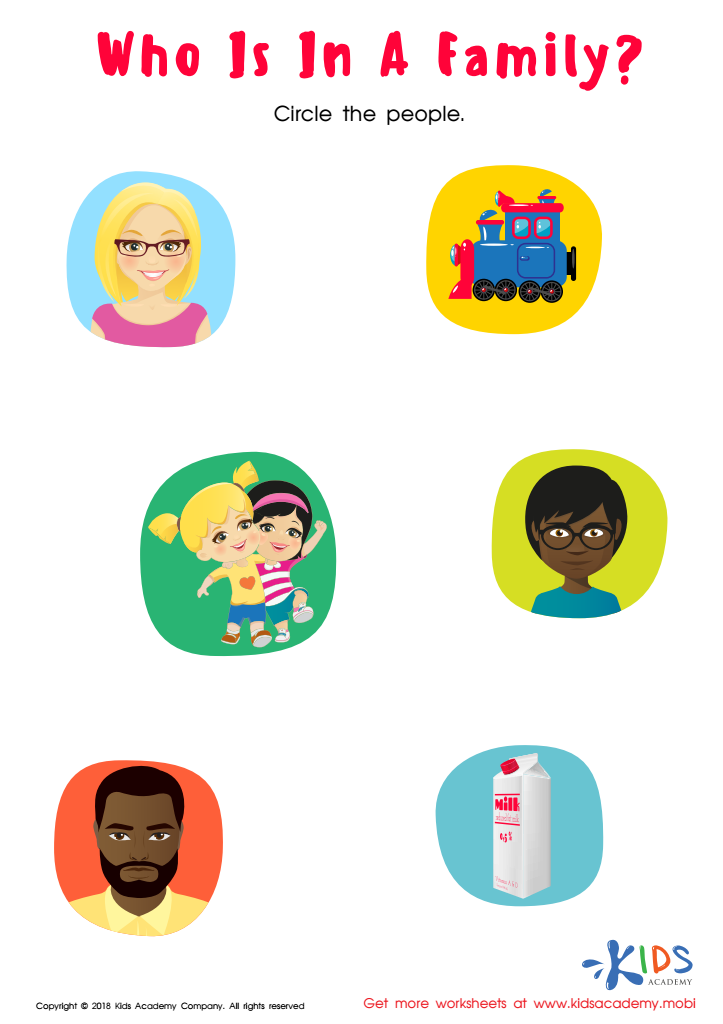
Who Is in a Family? Worksheet
 Assign to My Students
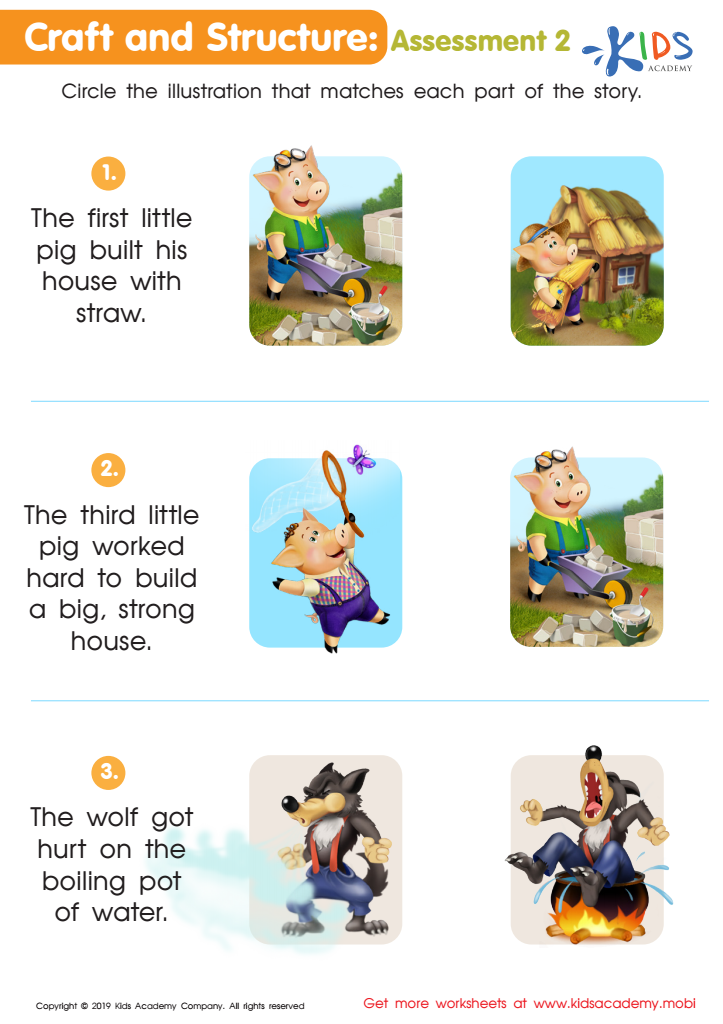
Craft and Structure: Assessment 2 Worksheet 2
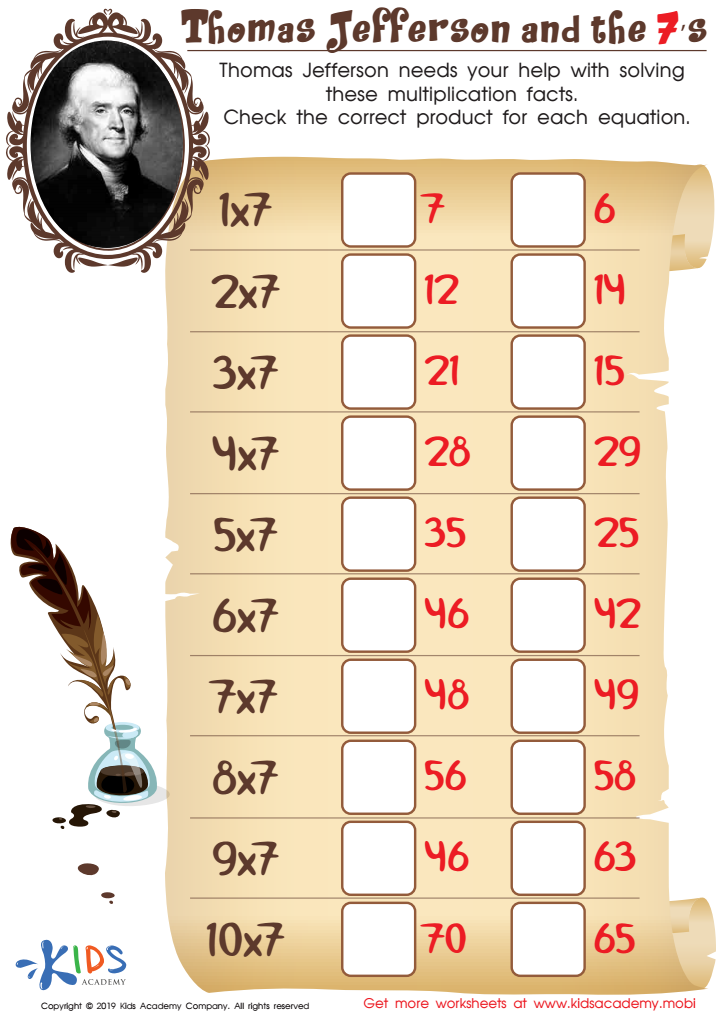
Thomas Jefferson and the 7’s Worksheet
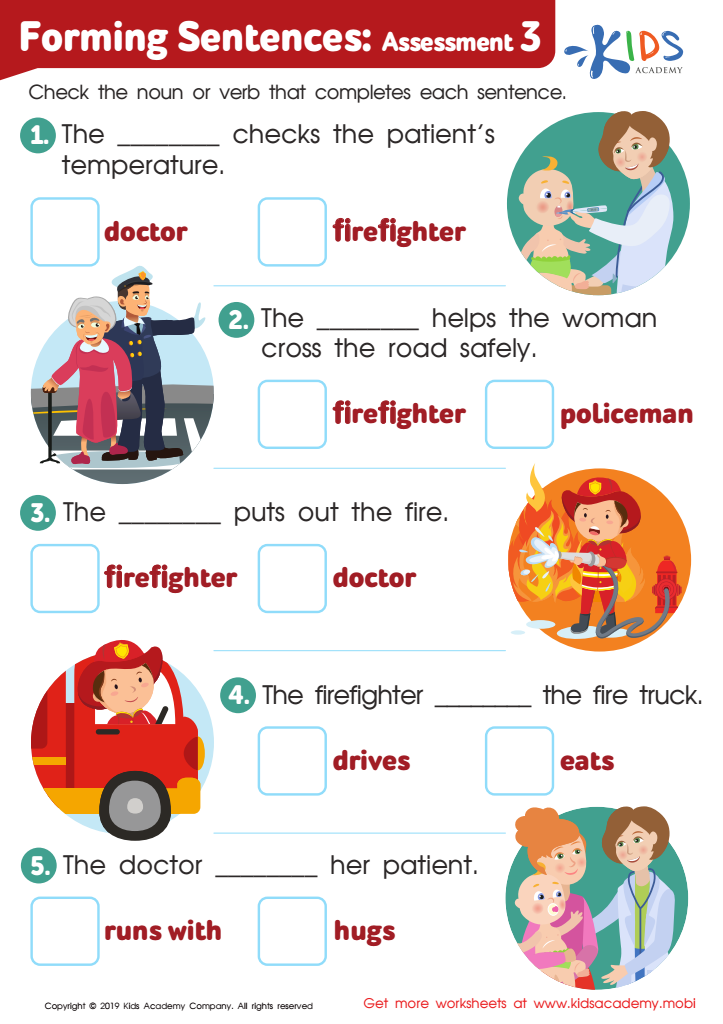
Forming Sentences: Assessment 3 Worksheet
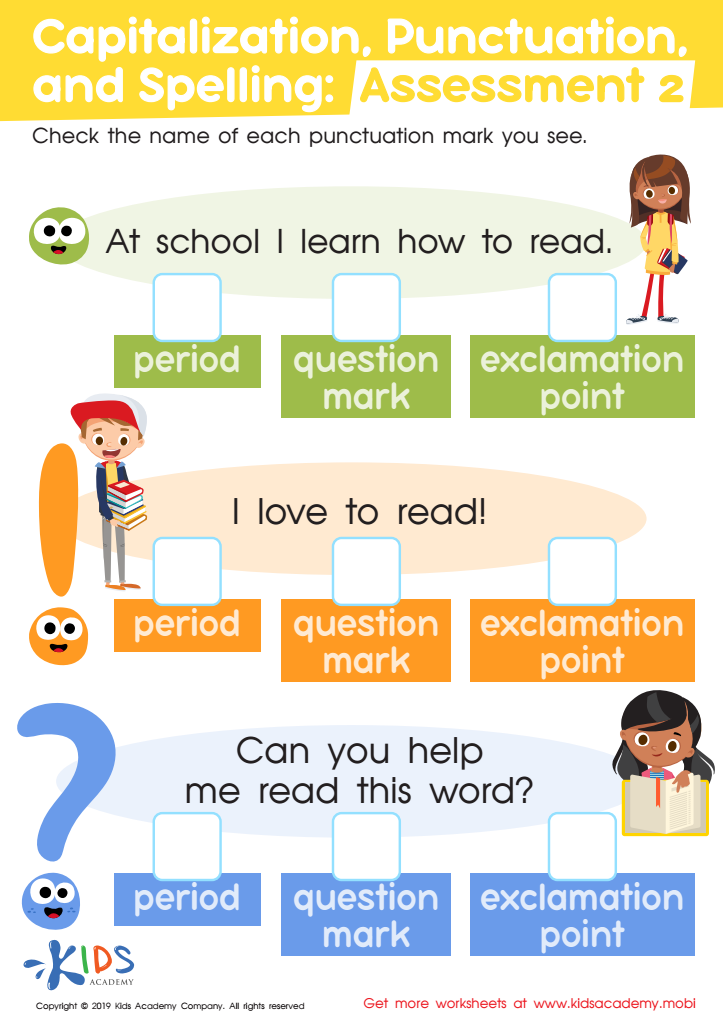
Capitalization. Punctuation. Spelling: Assessment 2 Worksheet








Comprehension skills are the foundation of learning and essential for children ages 3-8. When parents and teachers prioritize these skills, they ensure that children can understand and interpret the world around them, fostering both academic and personal growth.
For young learners, strong comprehension skills allow them to grasp new concepts, follow instructions, and engage with stories. This not only improves their literacy, including reading and writing skills, but also their cognitive abilities, such as memory and critical thinking. It's important to engage them with a variety of stimuli—books, conversations, and games—that challenge their thinking and understanding in an age-appropriate way.
Furthermore, good comprehension skills enhance a child's ability to communicate effectively. Children learn to express themselves clearly and understand others in social interactions, which boosts their confidence and social development. This is particularly crucial during the early years when foundational habits and attitudes towards learning are formed.
Parents and teachers should care about comprehension skills because they set the stage for future academic success and lifelong learning. A child who can comprehend well is more likely to enjoy learning, ask questions, and pursue knowledge with curiosity and confidence. By fostering these skills early, adults can help children build a strong, capable, and well-rounded foundation for the future.








