Data interpretation Easy Worksheets for Ages 3-8
11 filtered results
-
From - To
Discover our engaging "Data Interpretation Easy Worksheets" tailored for children aged 3-8! These worksheets foster essential skills in analyzing simple data through fun and interactive activities. Designed to build critical thinking, children will learn to interpret basic charts, graphs, and pictograms, honing their ability to compare and organize information. Each worksheet is crafted to suit varying skill levels, ensuring that every child can confidently tackle data interpretation tasks. Perfect for parents and educators, our resources make learning enjoyable and insightful. Download and explore our vibrant collection today to enrich your child's learning experience and spark their curiosity in understanding data!
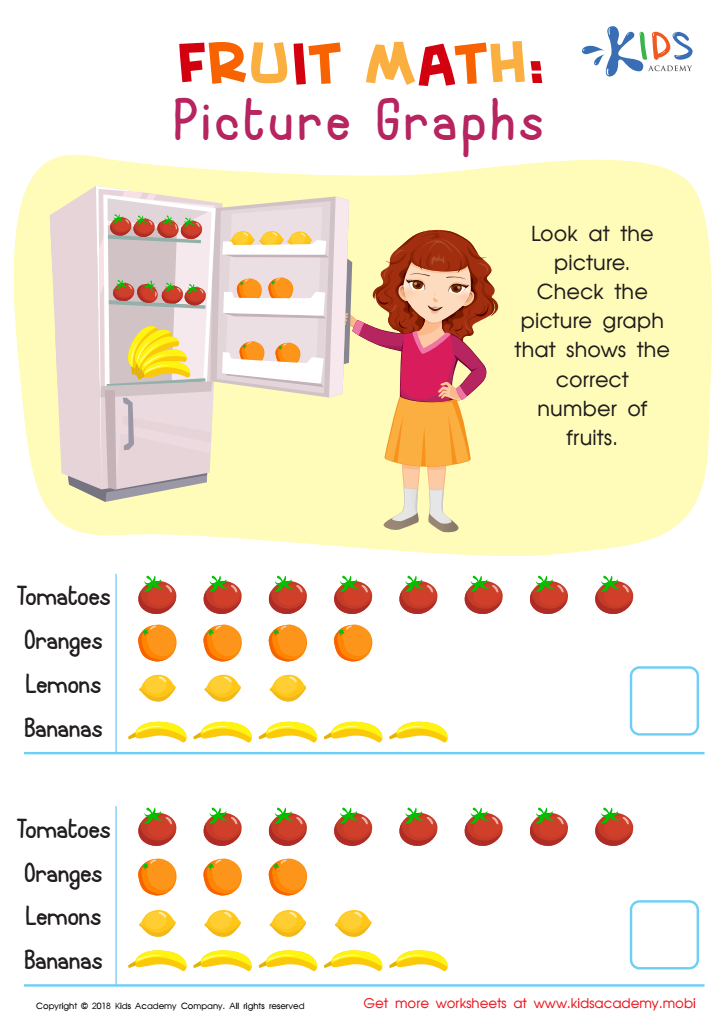
Fruit Math: Picture Graphs Worksheet
 Assign to My Students
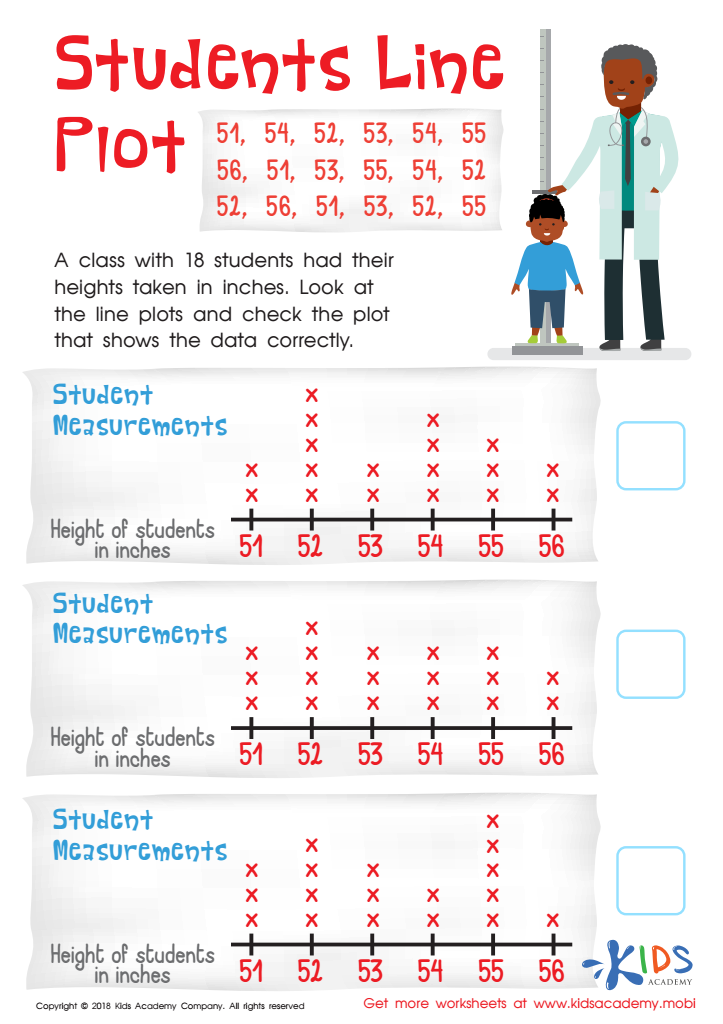
Students Line Plot Worksheet
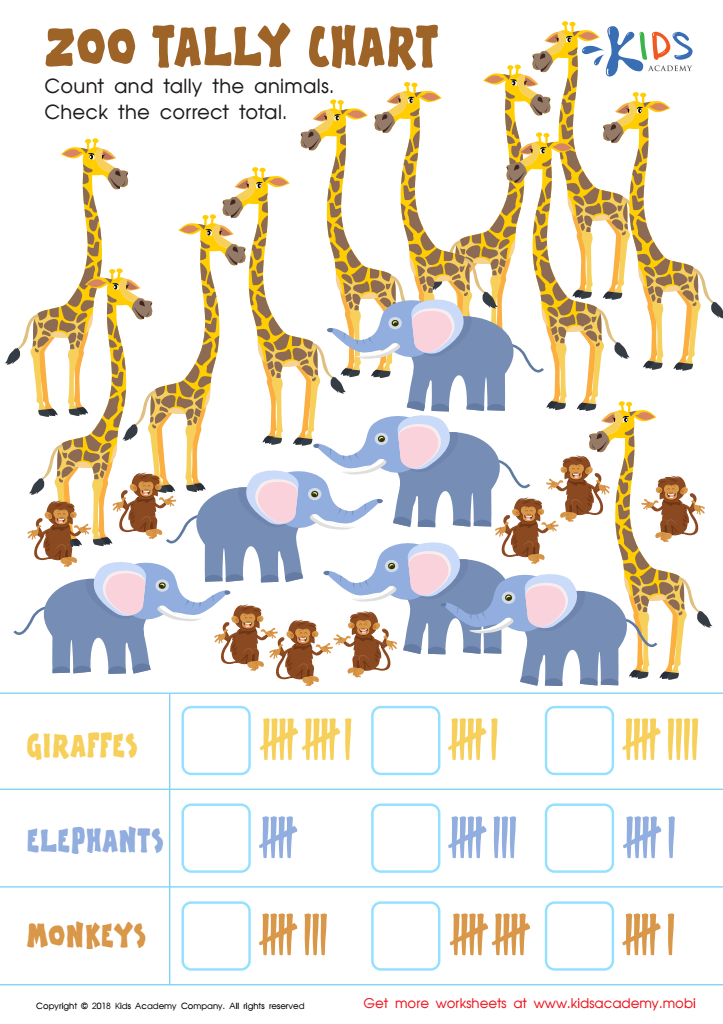
Zoo Tally Chart Worksheet
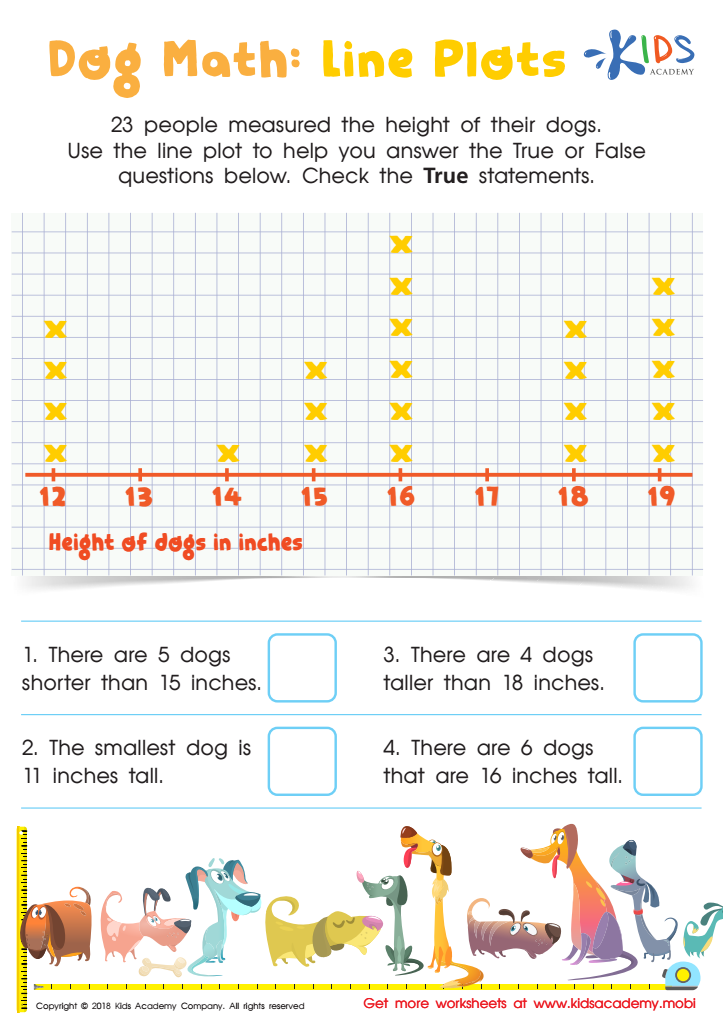
Dog Math: Line Plots Worksheet
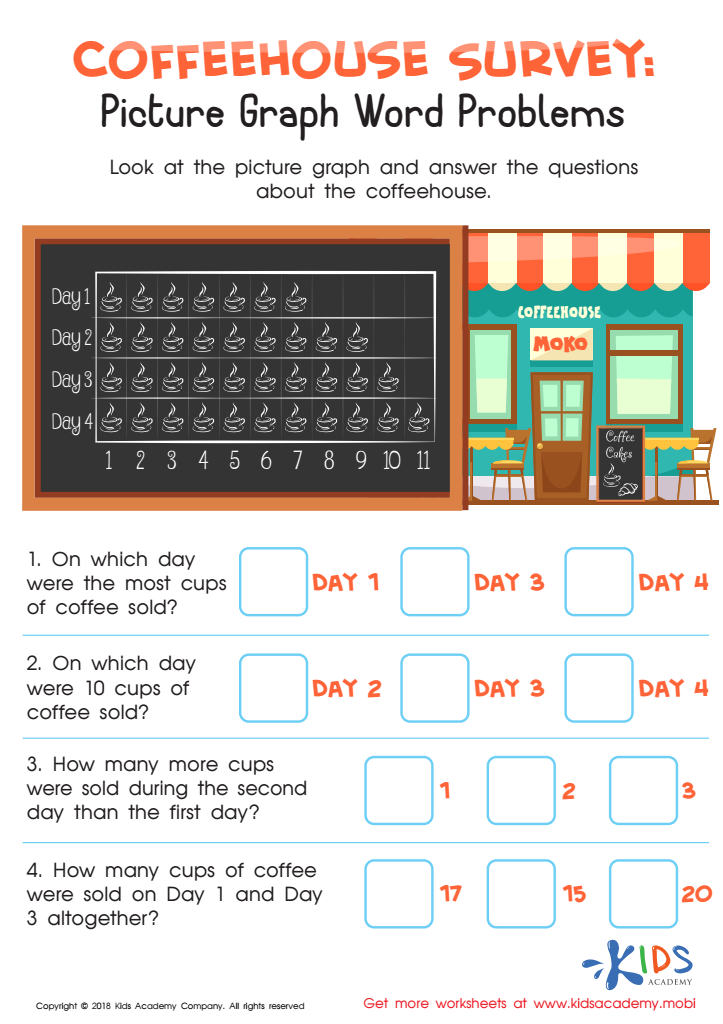
Coffeehouse Survey: Picture Graph Word Problems Worksheet
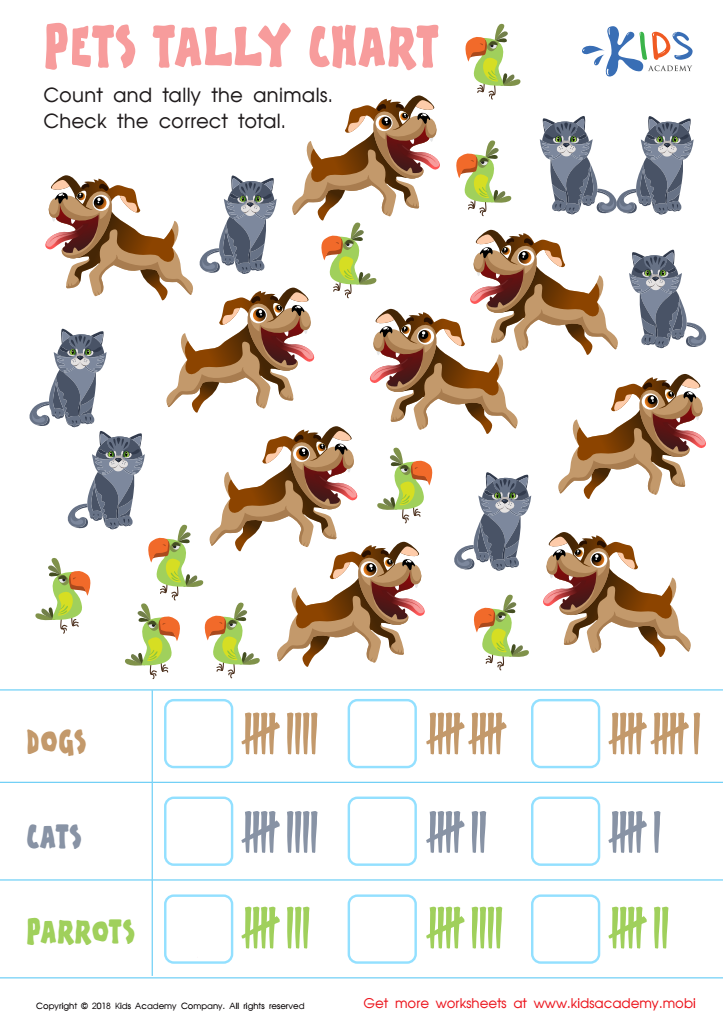
Pets Tally Chart Worksheet
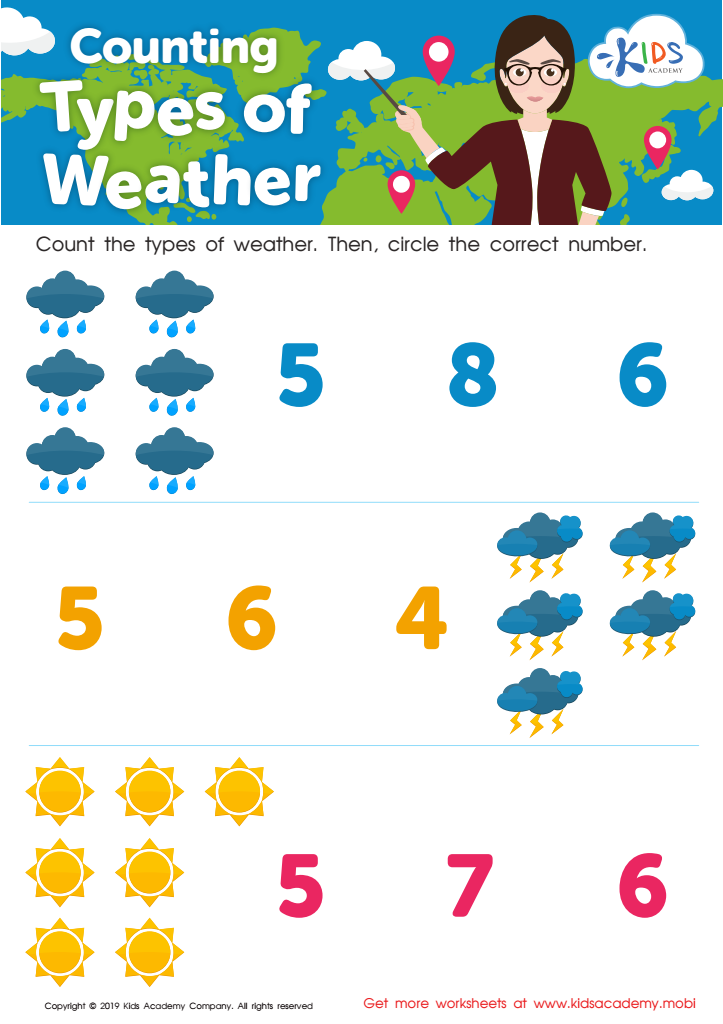
Counting Types of Weather Worksheet

Aircraft Carrier Picture Graphs Worksheet
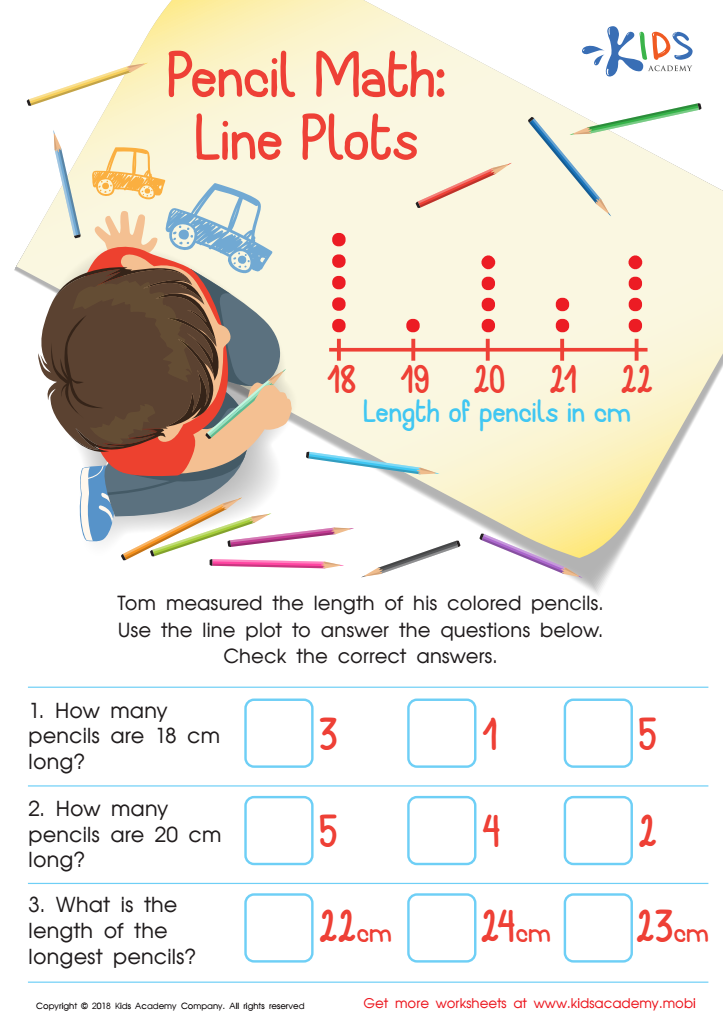
Pencil Math: Line Plots Worksheet
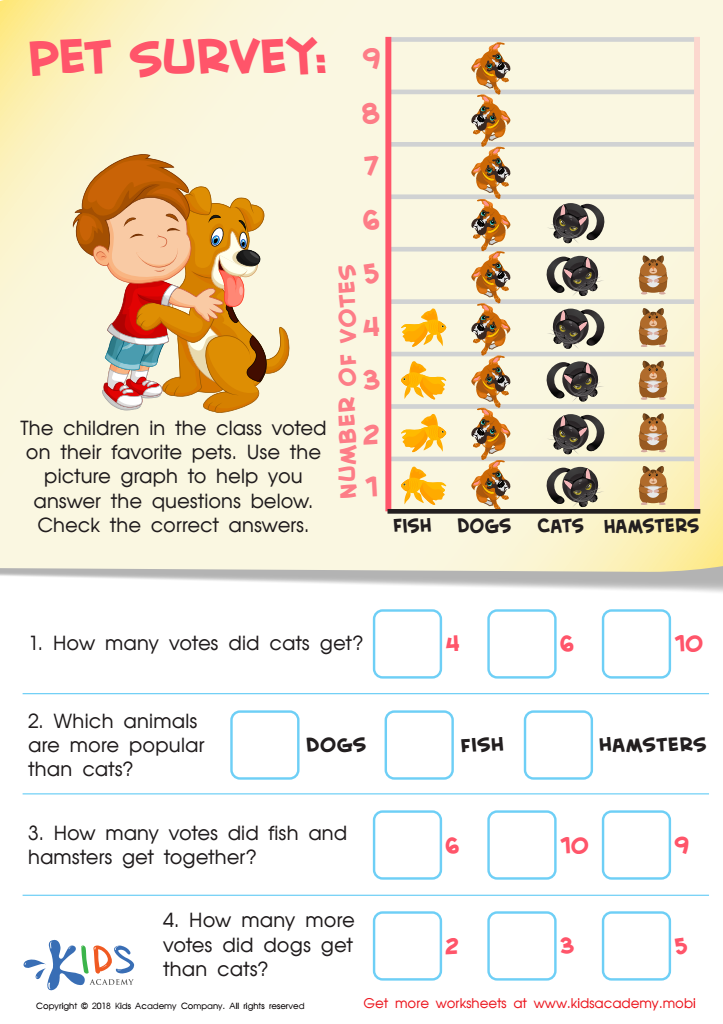
Pet Survey Worksheet
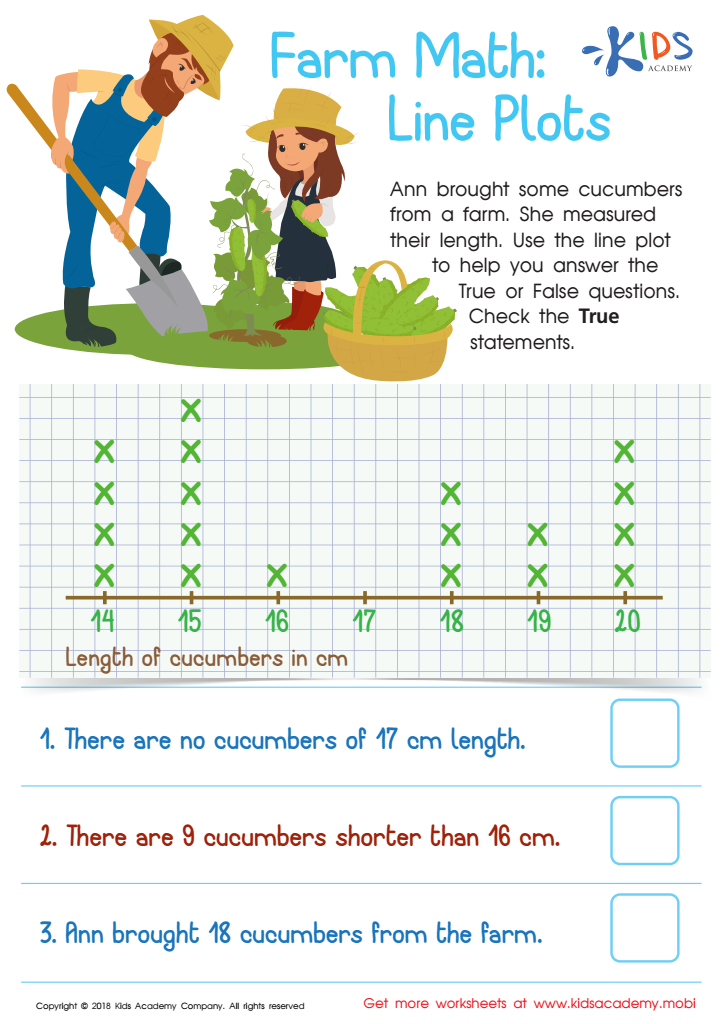
Farm Math: Line Plots Worksheet





.jpg)


Data interpretation is important for young children aged 3-8 because it lays the foundation for critical thinking and decision-making skills. As parents and teachers, understanding how to interpret data helps guide children in exploring their environment, making sense of the information around them.
For example, when children categorize their toys, track how many times they play with different games, or note their favorite fruits, they are essentially gathering and interpreting data. This process boosts their analytical skills and encourages curiosity. Using illustrations, charts, or simple graphs, adults can make data relatable and engaging, sparking conversations about patterns, comparisons, and results.
Moreover, familiarity with data interpretation nurtures early math skills, essential for academic success later on. It also instills an appreciation for facts and the importance of evidence-based conclusions. Learning to recognize and analyze information simply prepares children for future lessons in science, math, and technology.
Finally, when parents and teachers demonstrate an interest in data activities, they promote a positive environment for learning, showing that making sense of the world is both fun and valuable. Encouraging such skills at an early age cultivates inquisitive minds that are better equipped for future educational challenges.








