Handwriting practice Easy Worksheets for Ages 3-8
11 filtered results
-
From - To
Transform your child's handwriting journey with our engaging and easy handwriting practice worksheets tailored for ages 3-8. Designed to foster fine motor skills, letter formation, and penmanship, our resources make learning fun and effective. Kids Academy offers a variety of free, printable worksheets that cater to early learners, providing a solid foundation in writing. Encourage your child's confidence and skill with activities that include tracing, letter recognition, and simple word writing. Perfect for supplementing classroom education or enhancing home-based learning, our handwriting practice worksheets set young learners on a path to writing success.
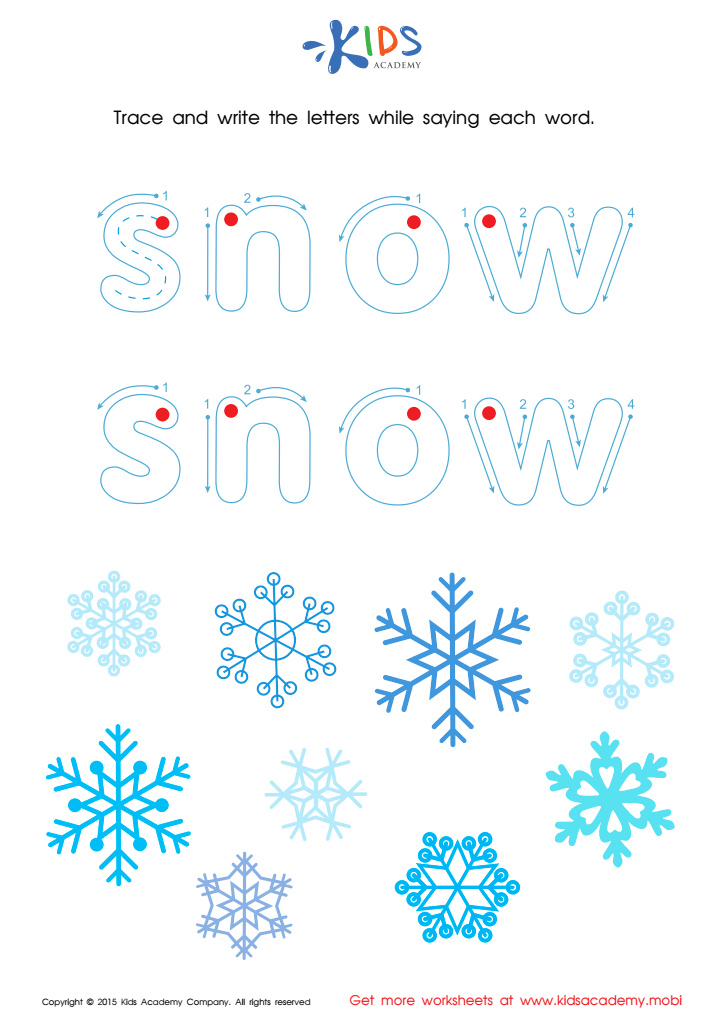
Snowflake Tracing Winter Words Worksheet
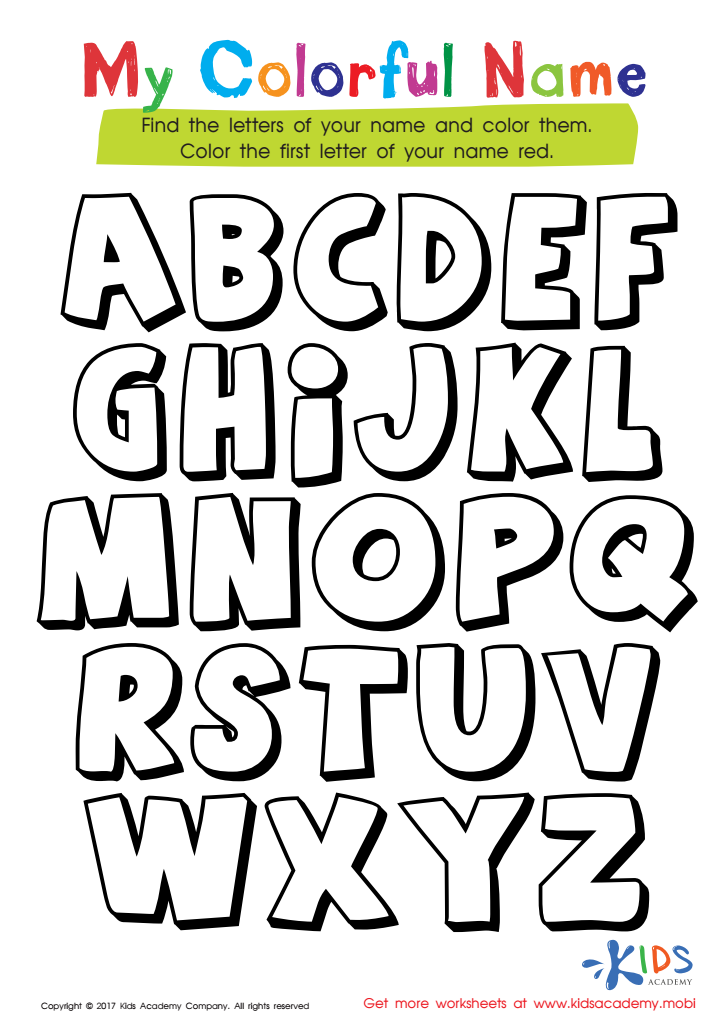
My Colorful Name Worksheet
 Assign to My Students
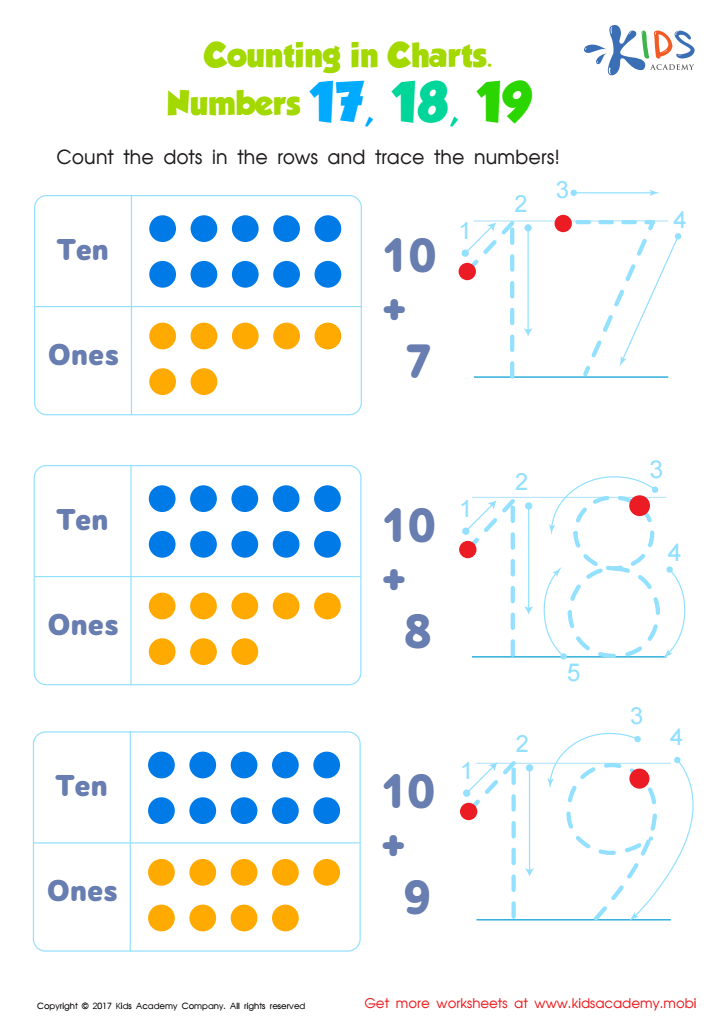
Kindergarten Number Tracing: Counting in Charts Worksheet
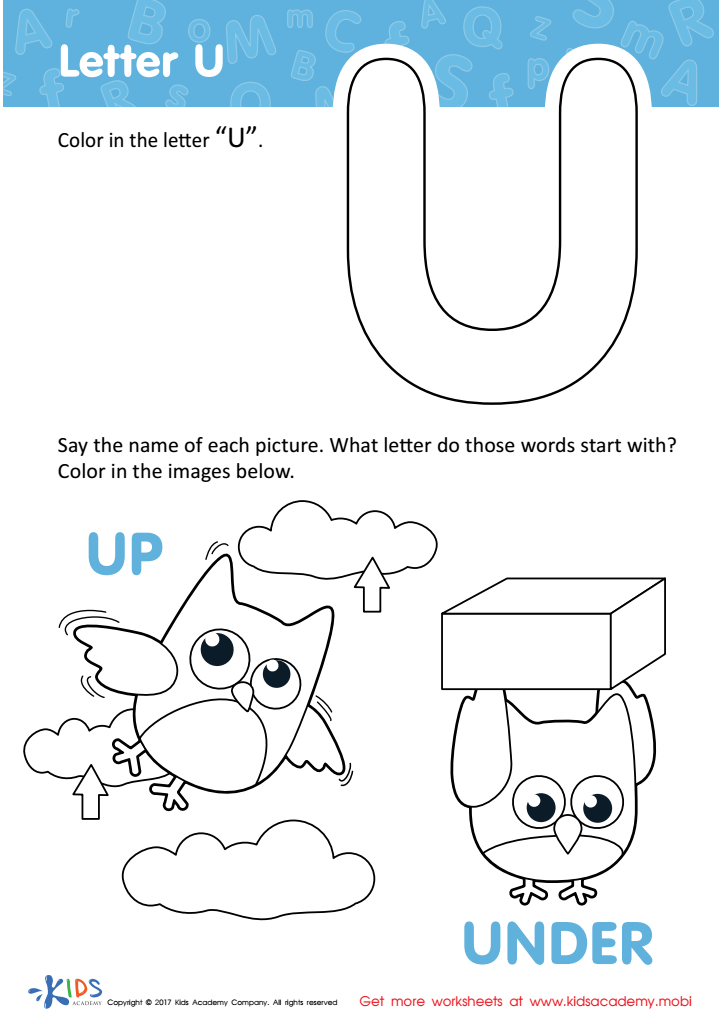
Letter U Coloring Sheet
Assign to My Students
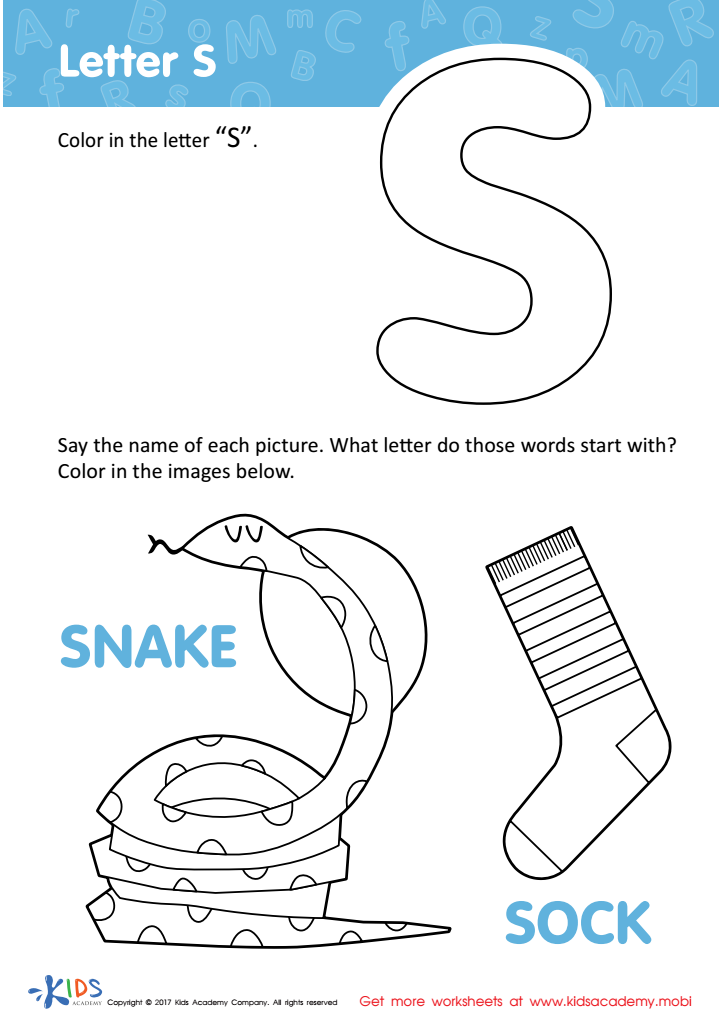
Letter S Coloring Sheet
Assign to My Students
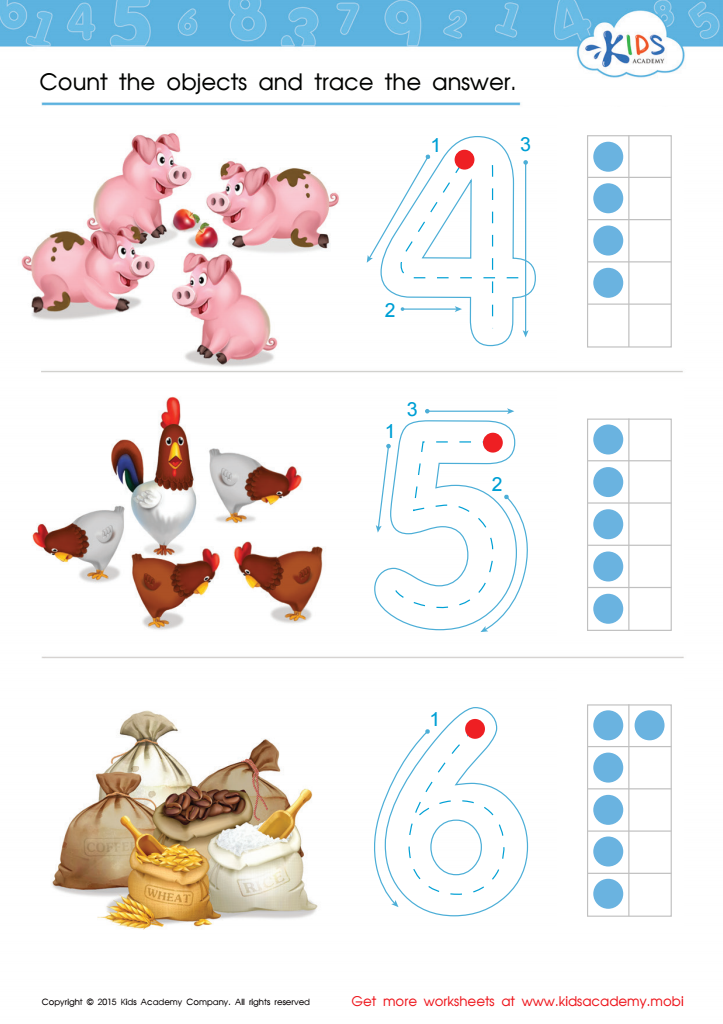
Count and Trace 4 – 6 Worksheet
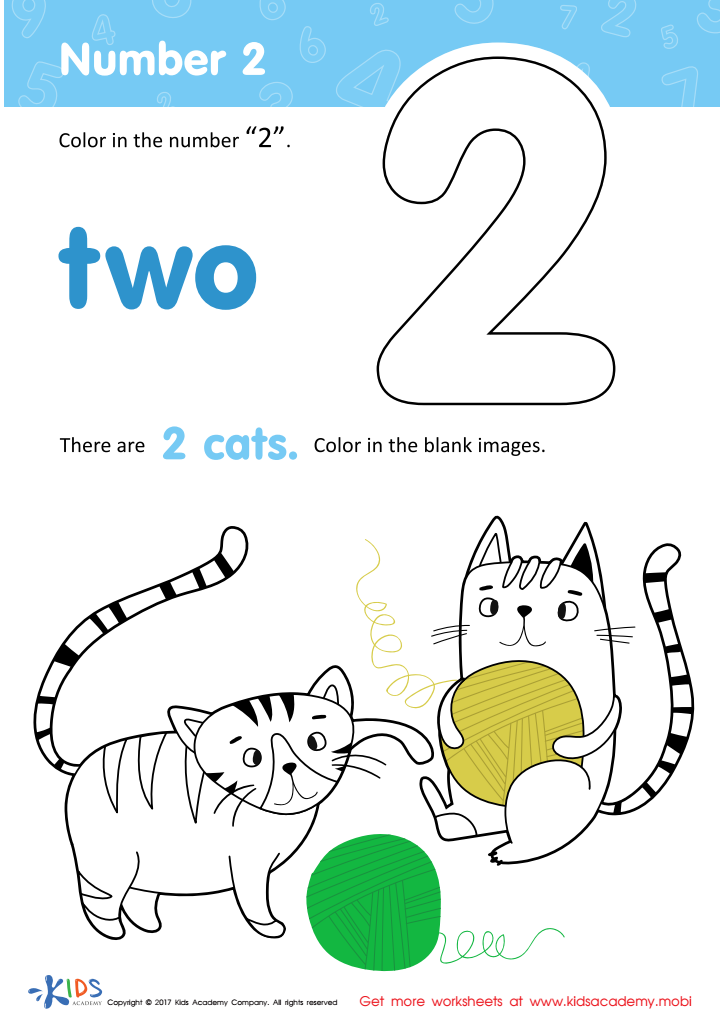
Number 2 Printable
Assign to My Students
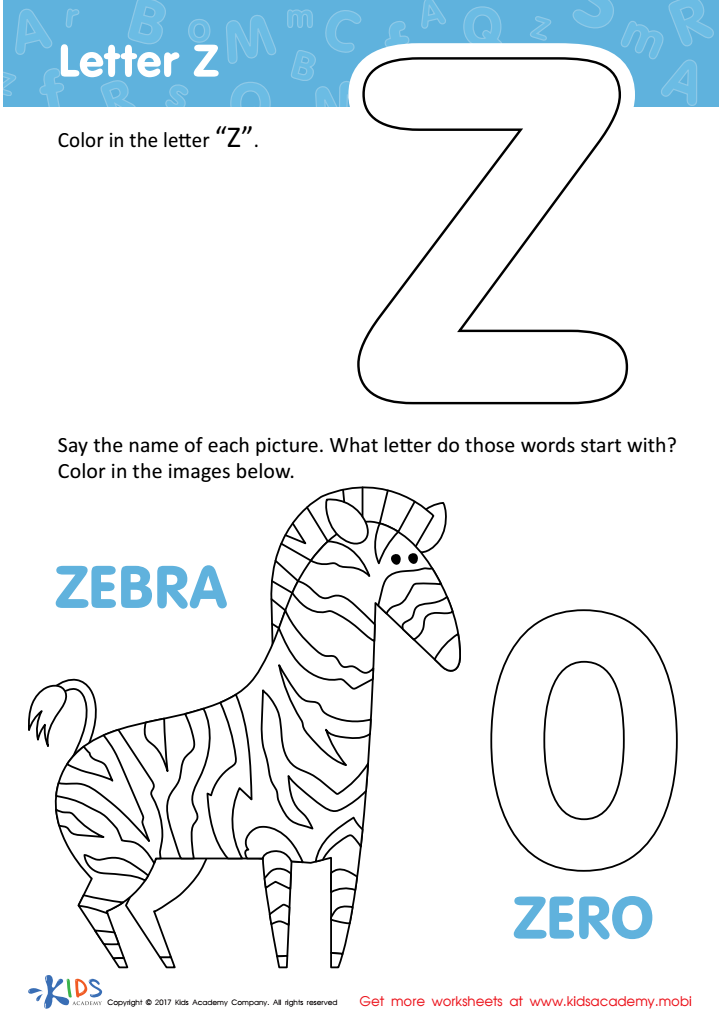
Letter Z Coloring Sheet
Assign to My Students
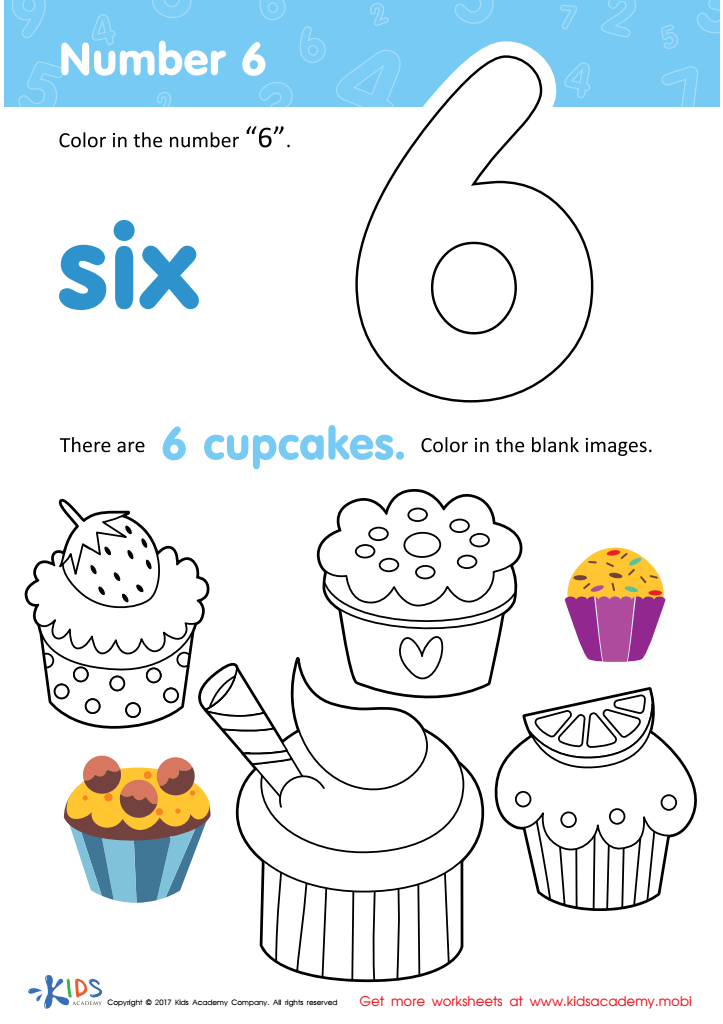
Number 6 Worksheet
Assign to My Students
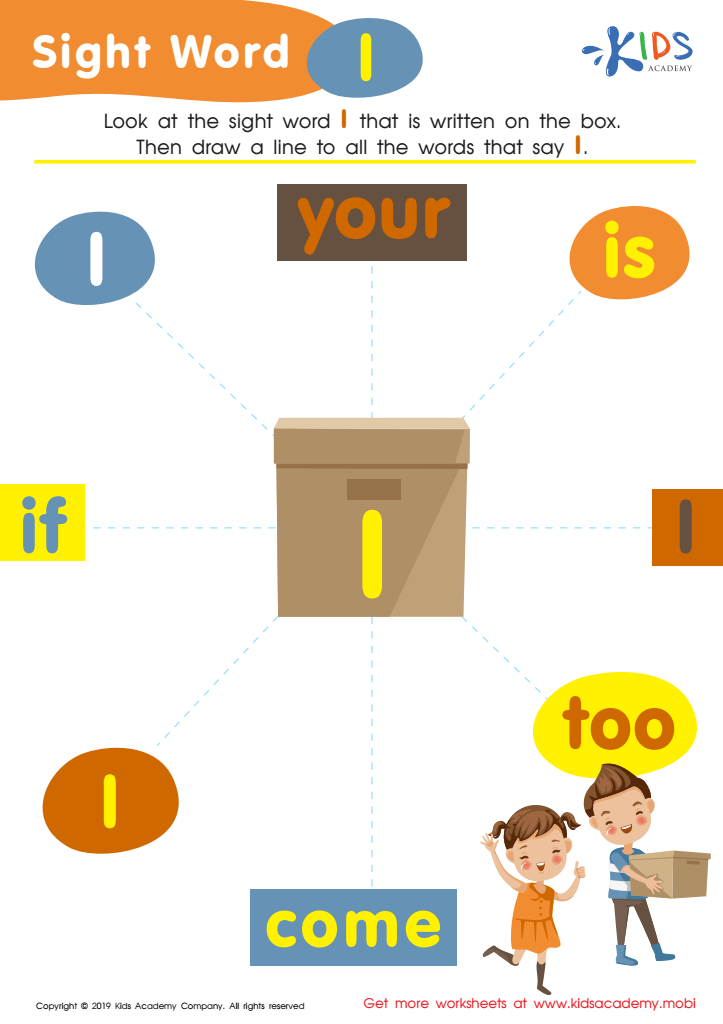
Sight Word I Worksheet
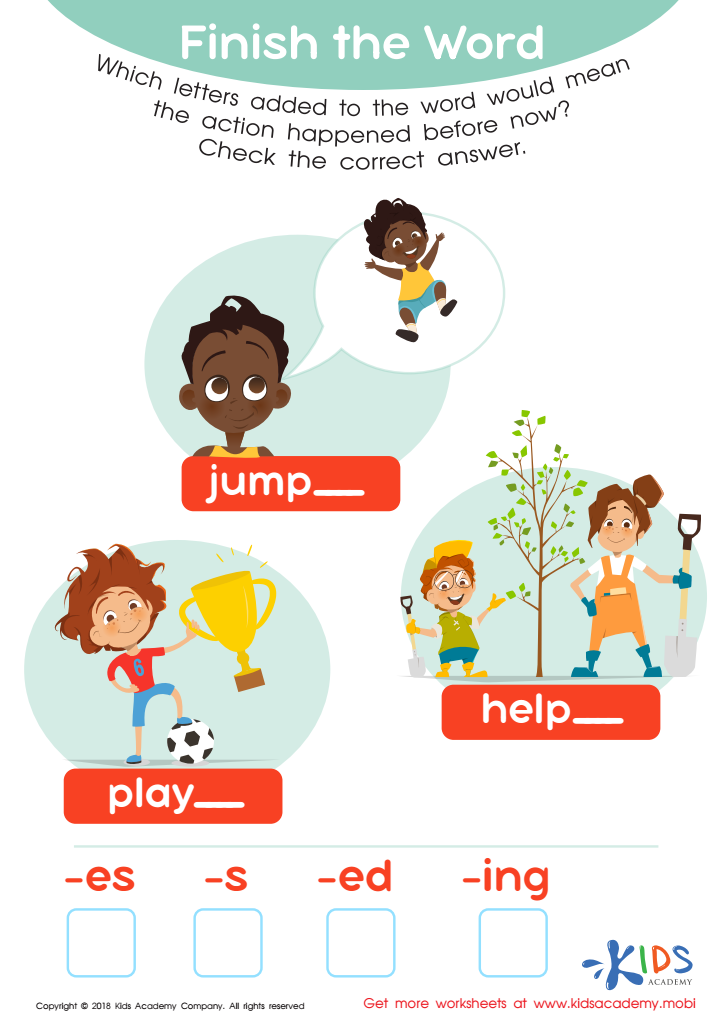
Finish the Word Worksheet



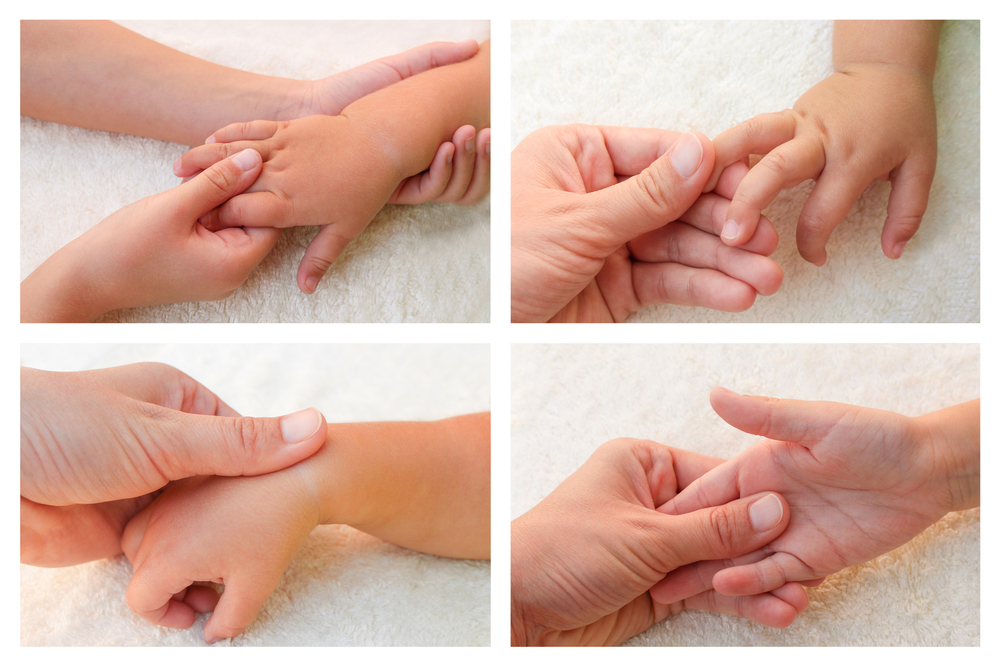




Handwriting practice is crucial for children aged 3-8 because it lays the foundation for essential cognitive, fine motor, and academic skills. At this early stage, children's brains are highly malleable, making it the perfect time to cultivate skills that will serve them for a lifetime. Practicing handwriting helps improve hand-eye coordination, dexterity, and finger strength, all of which are vital for various tasks both in and out of the classroom.
Additionally, handwriting practice aids in letter recognition and literacy development. Writing letters repeatedly helps children to familiarize themselves with the shapes and sounds of each letter, thereby enhancing their reading skills. For children who are just beginning to write, forming letters correctly from the start prevents the development of bad habits that may be harder to correct later.
Moreover, handwriting practice fosters attention to detail and patience. It teaches kids to take their time and focus on the quality of their work, which is an important aspect of learning that translates to other subjects. As children grow older, good handwriting can make their schoolwork more legible and their note-taking more efficient, which has positive implications for their overall academic performance.
Overall, an early emphasis on handwriting practice benefits young learners by supporting their physical, cognitive, and educational development, preparing them for future academic and life successes.








