Multiplication practice Easy Science Worksheets for Ages 3-8
5 filtered results
-
From - To
Discover our engaging "Multiplication Practice Easy Science Worksheets" tailored for ages 3-8 at Kids Academy! These worksheets blend fun and learning, using vibrant illustrations to introduce multiplication concepts. Foster a love for math with interactive exercises specifically designed for young learners. Our printable resources help build foundational skills and boost confidence. Perfect for classroom or at-home practice, each worksheet ensures your child enjoys the journey of mastering multiplication through easy-to-follow activities. Ignite curiosity and develop essential math abilities with Kids Academy’s expertly crafted multiplication worksheets. Start your child’s educational adventure today!
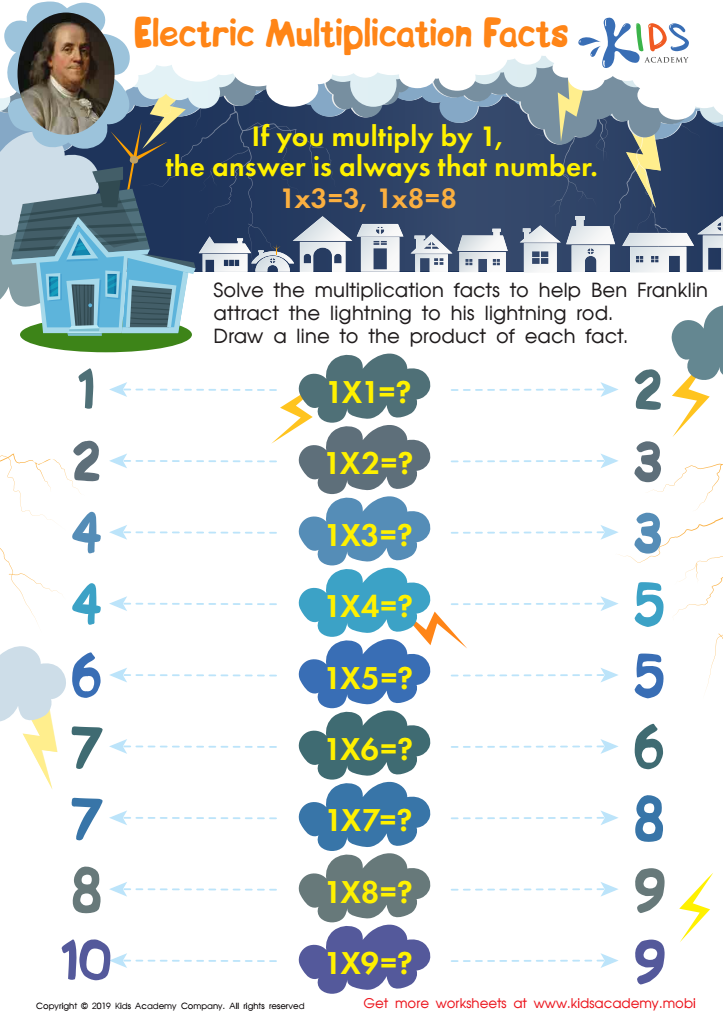
Electric Multiplication Facts Worksheet
 Assign to My Students
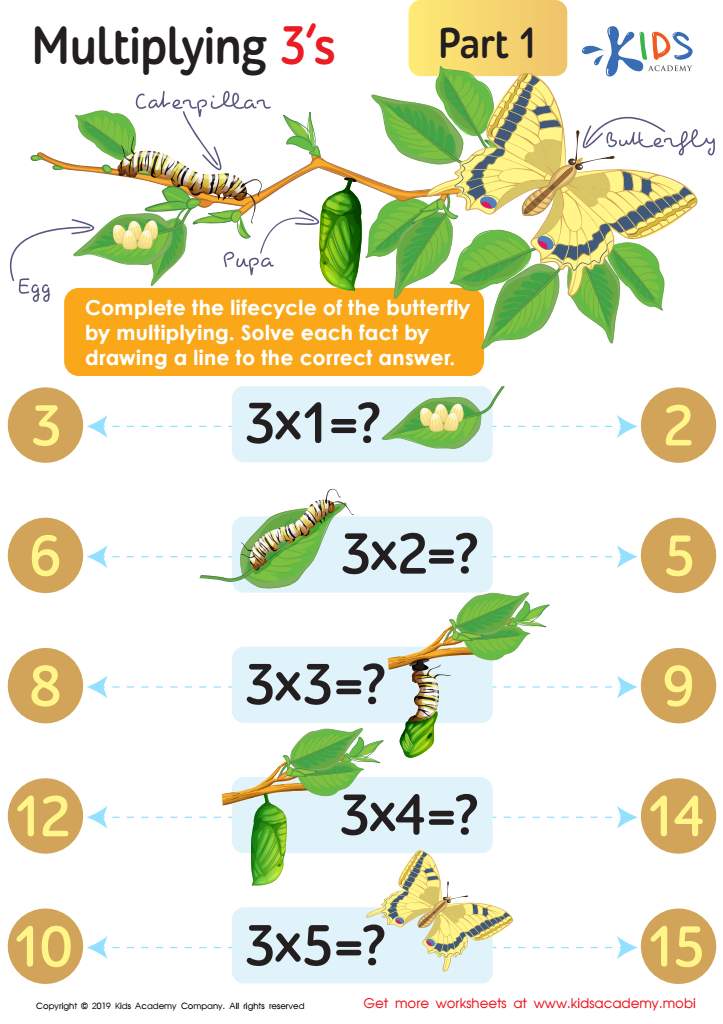
Multiplying 3’s Part 1 Worksheet
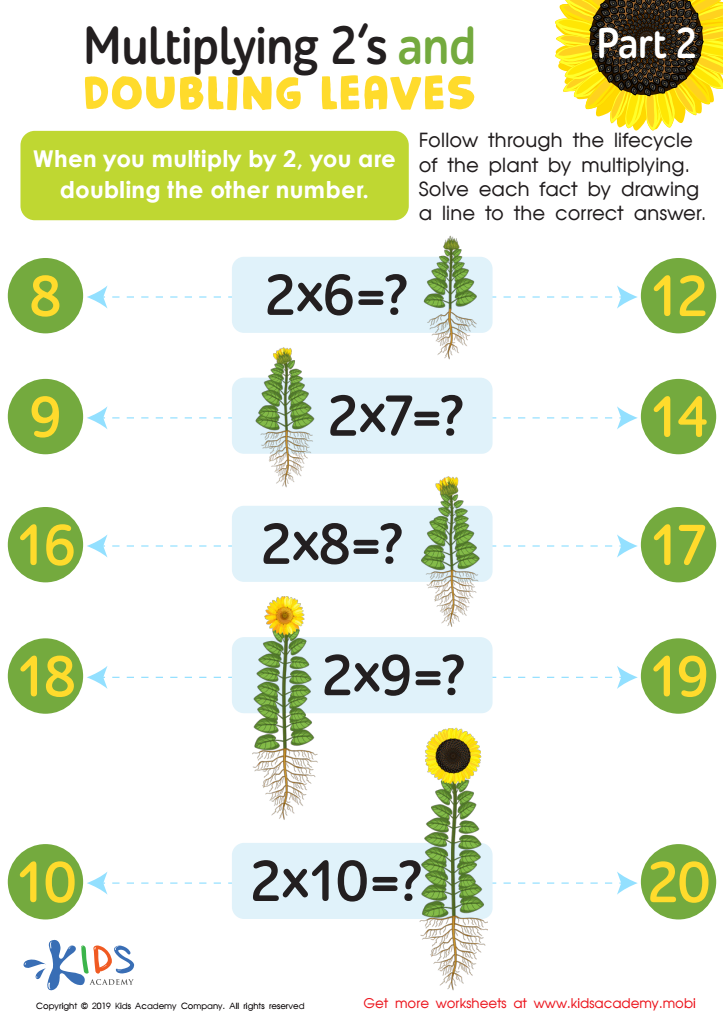
Multiplying 2’s and Doubling Leaves Part 2 Worksheet
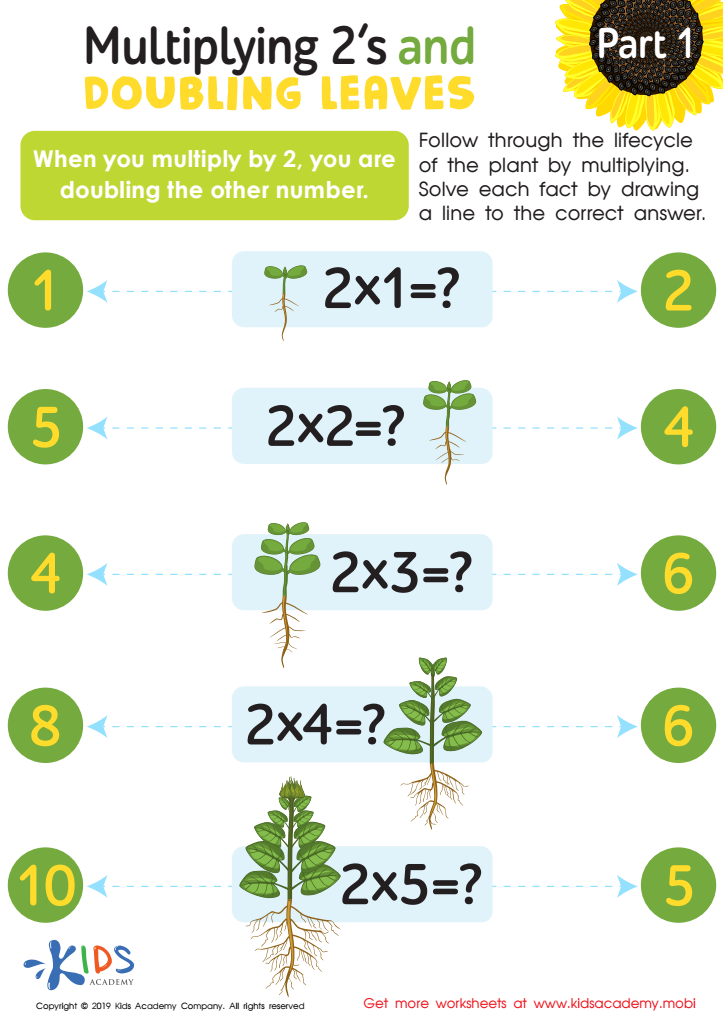
Multiplying 2’s and Doubling Leaves Part 1 Worksheet
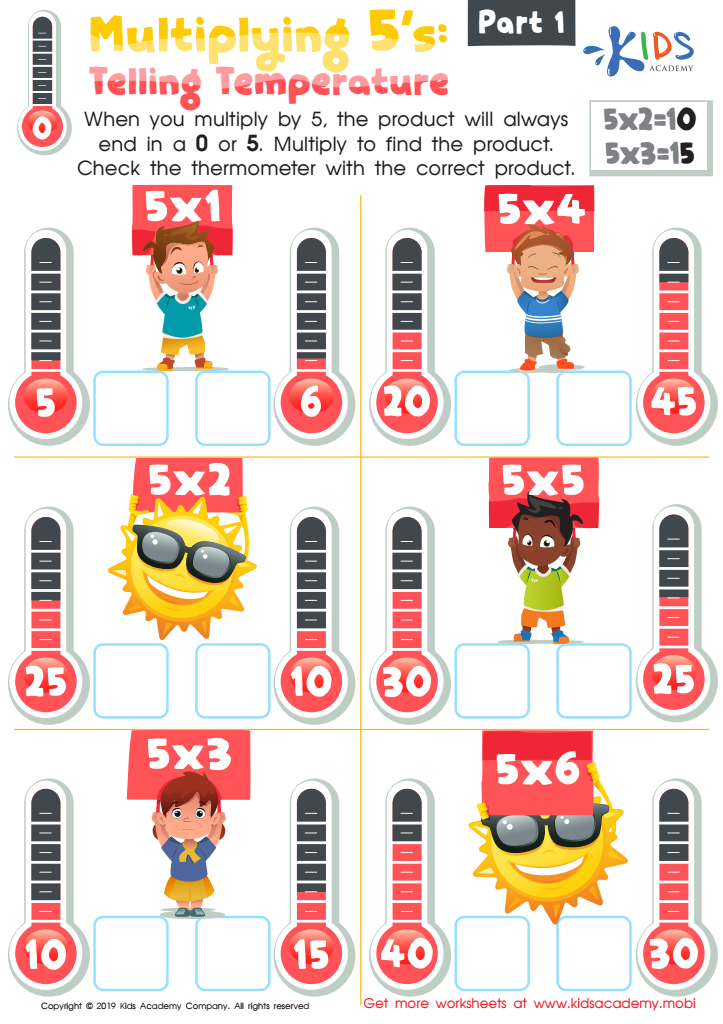
Multiplying 5’s: Telling Temperature Worksheet






Introducing multiplication practice to children aged 3-8 may seem advanced, but it's crucial in laying a strong mathematical foundation. At this young developmental stage, children are incredibly receptive and learn quickly. Familiarizing them with the concepts of multiplication, even in a simple or playful way, can ignite a curiosity for numbers and how they work. Early practice enhances cognitive abilities, particularly problem-solving and critical thinking skills.
Moreover, multiplication is a cornerstone of broader mathematical understanding. Proficiency in basic operations like multiplication boosts confidence, equipping children to tackle more challenging math concepts in later years, such as division, fractions, and algebra. Additionally, integrating science into these lessons fosters an intuitive grasp of how math applies to the world around us, enhancing early scientific literacy.
Starting young also means that kids have more time to develop a comfortable and confident relationship with math. It makes math less intimidating and more approachable. Through engaging activities, games, and real-life examples, multiplication can be presented as fun and relevant rather than merely academic.
By nurturing these skills early on, parents and teachers play a pivotal role in ensuring children grow up with a positive, empowered attitude toward math and science, paving the way for academic and future career success.