Comprehension skills Easy Worksheets for Ages 3-9
5 filtered results
-
From - To
Boost your child’s reading comprehension with our engaging and easy worksheets designed for ages 3-9. These printables from Kids Academy are perfect for young learners, offering fun and interactive ways to grasp key comprehension skills. Each worksheet is crafted to build understanding, encourage critical thinking, and improve literacy. Topics range from basic story elements to more complex analytical questions, ensuring a smooth progression through developmental stages. Download and print these resources to support your child’s reading journey and instill a lifelong love of learning. Perfect for home or classroom use!
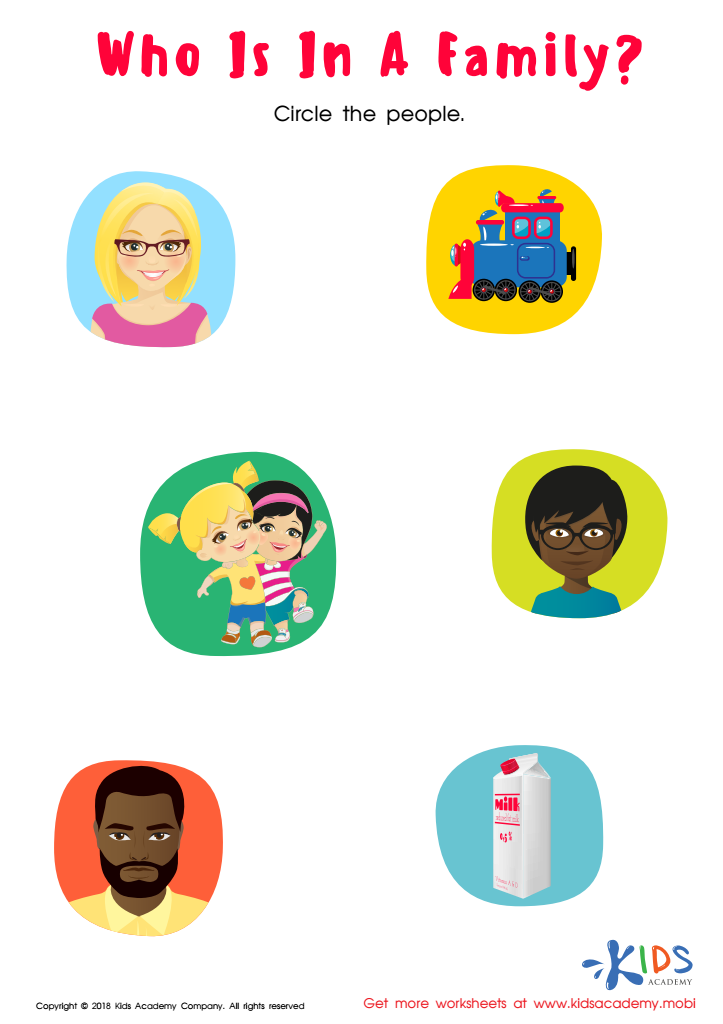
Who Is in a Family? Worksheet
 Assign to My Students
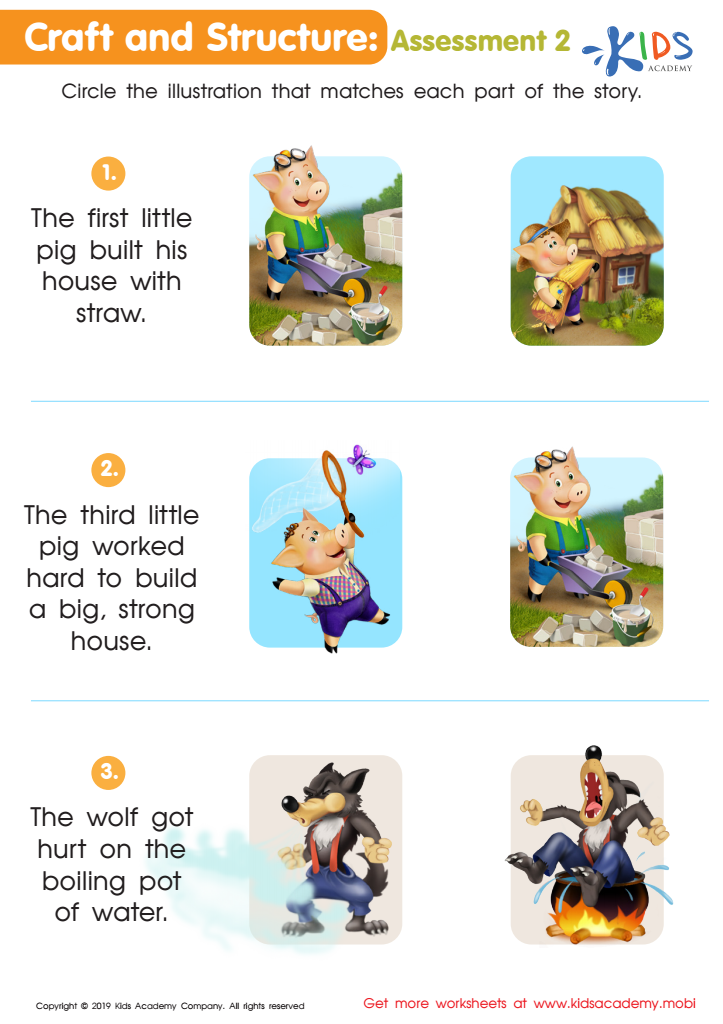
Craft and Structure: Assessment 2 Worksheet 2
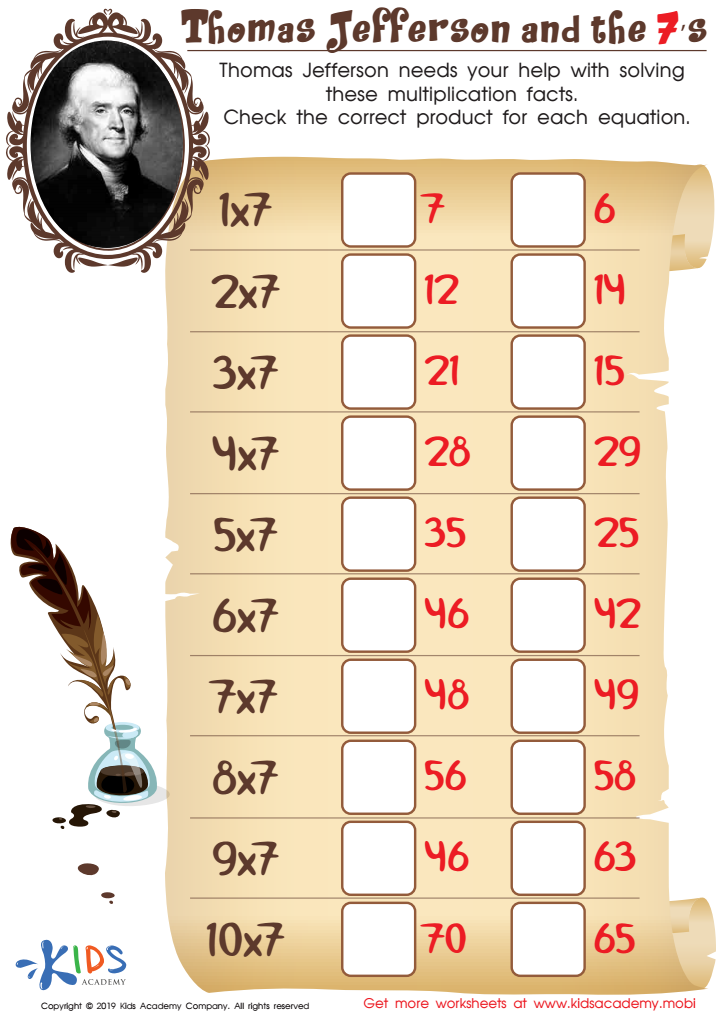
Thomas Jefferson and the 7’s Worksheet
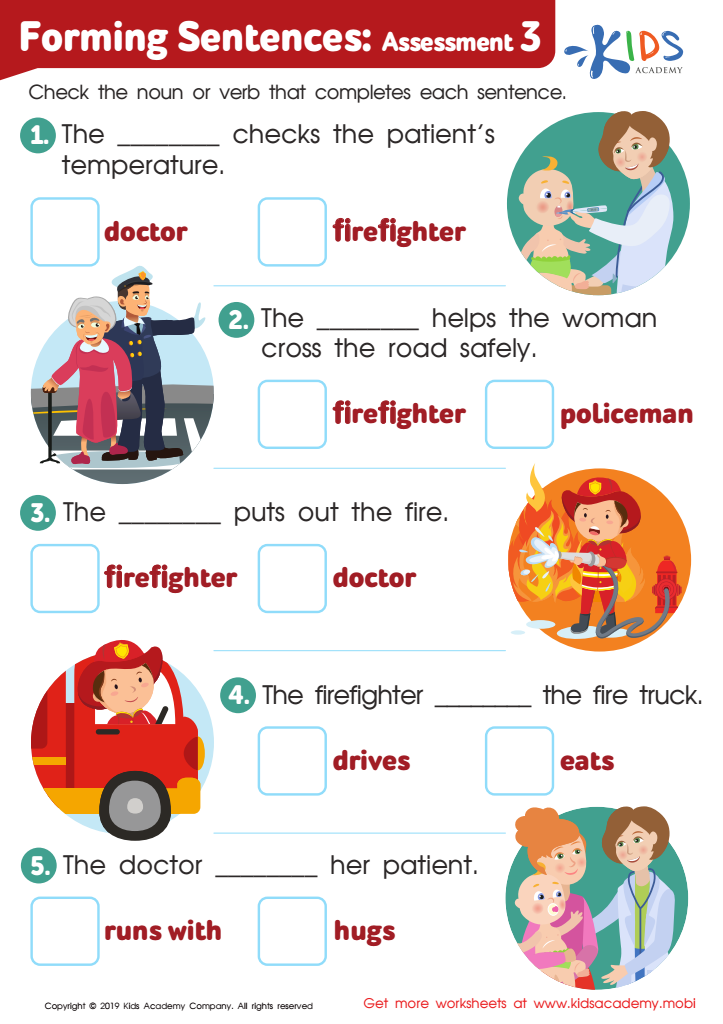
Forming Sentences: Assessment 3 Worksheet
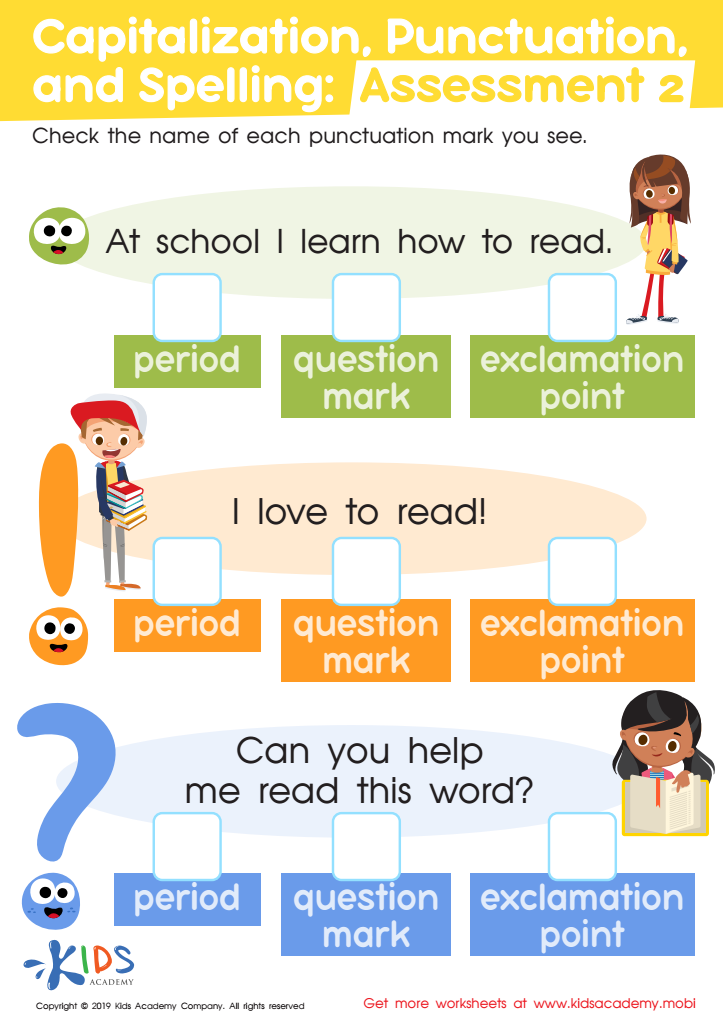
Capitalization. Punctuation. Spelling: Assessment 2 Worksheet








Comprehension skills are fundamental for children aged 3-9 as they form the bedrock for all future learning and cognitive development. During these formative years, children learn to understand and interpret information, a skill that is critical for academic success and everyday decision-making. For parents and teachers, prioritizing comprehension skills means equipping children with the ability to grasp stories, follow directions, and make sense of the world around them.
At this age, children are naturally curious and sponge-like in their ability to absorb new information. Developing comprehension skills helps them to better understand the stories they read, enhancing their imagination and emotional development. It lays the groundwork for strong reading and writing abilities, which are crucial for all subjects in school. Moreover, good comprehension skills foster effective communication and social interactions, enabling children to ask questions, follow conversations, and express their ideas clearly.
For teachers, incorporating comprehension activities in the curriculum can make learning more engaging and effective, facilitating a deeper understanding of other subjects like math, science, and social studies. Parents can also support these skills at home through reading together and discussing stories, thus fostering a love for learning and setting their child up for lifelong success.








