Fine Motor Skills Easy Worksheets for Ages 3-9 - Page 4
82 filtered results
-
From - To
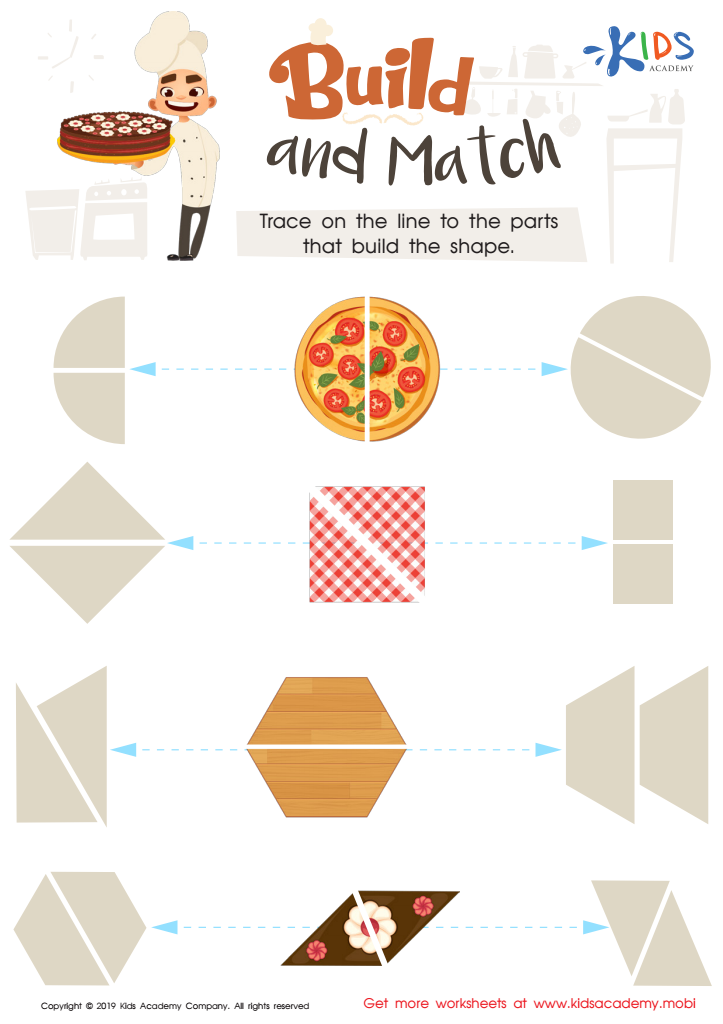
Build and Match Worksheet
 Assign to My Students
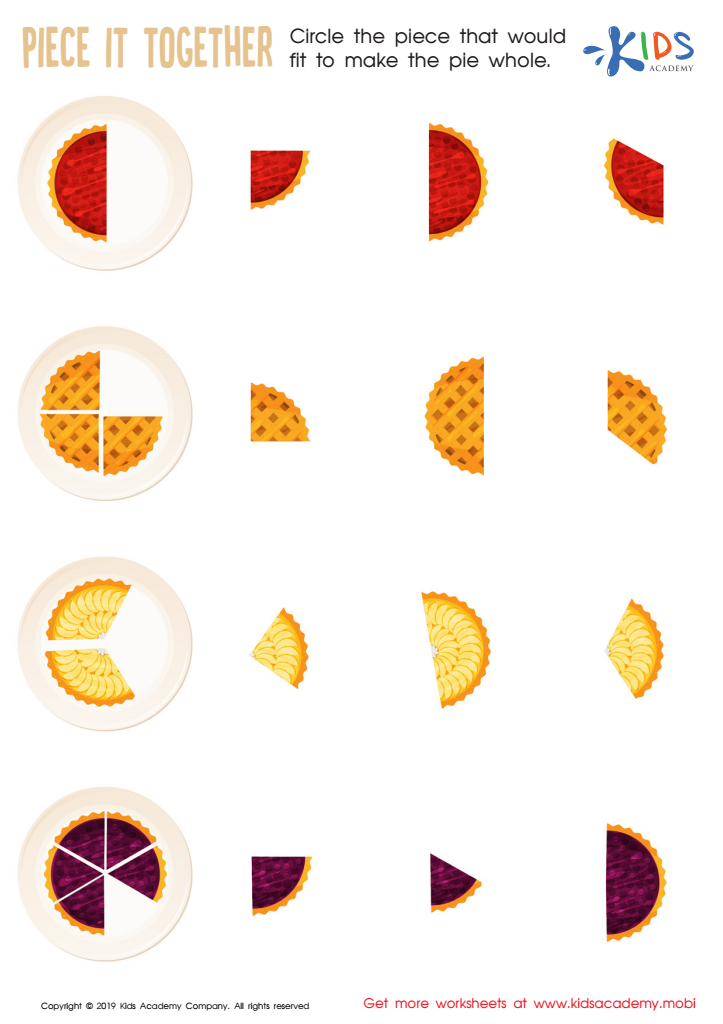
Piece it together Worksheet
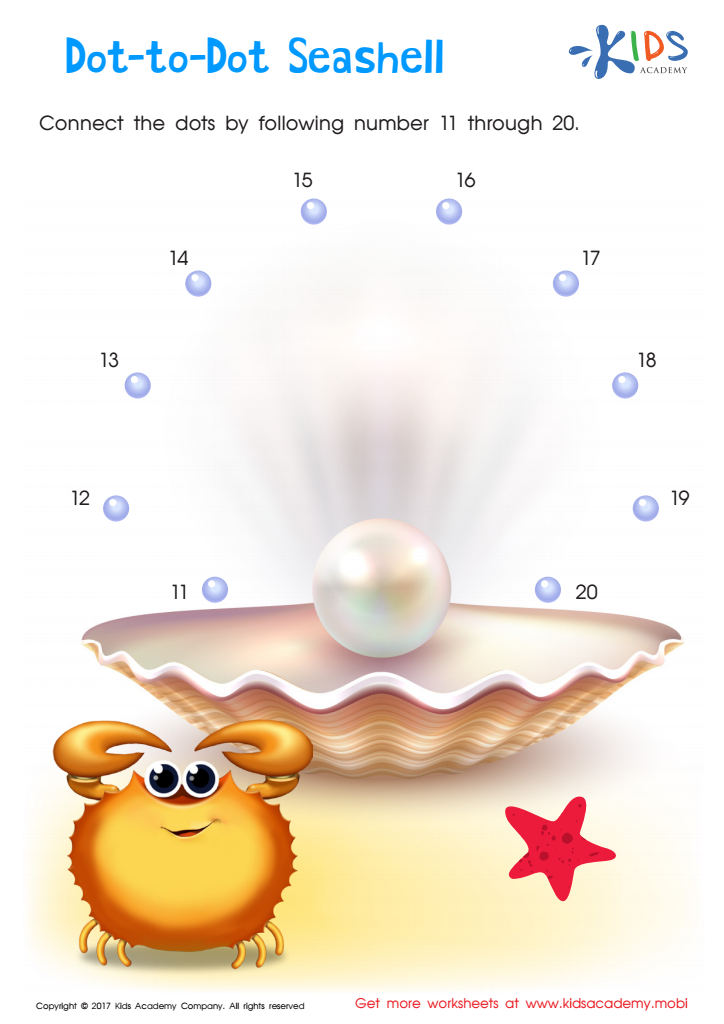
Ordering 11–20: Dot–to–dot Seashell Printable
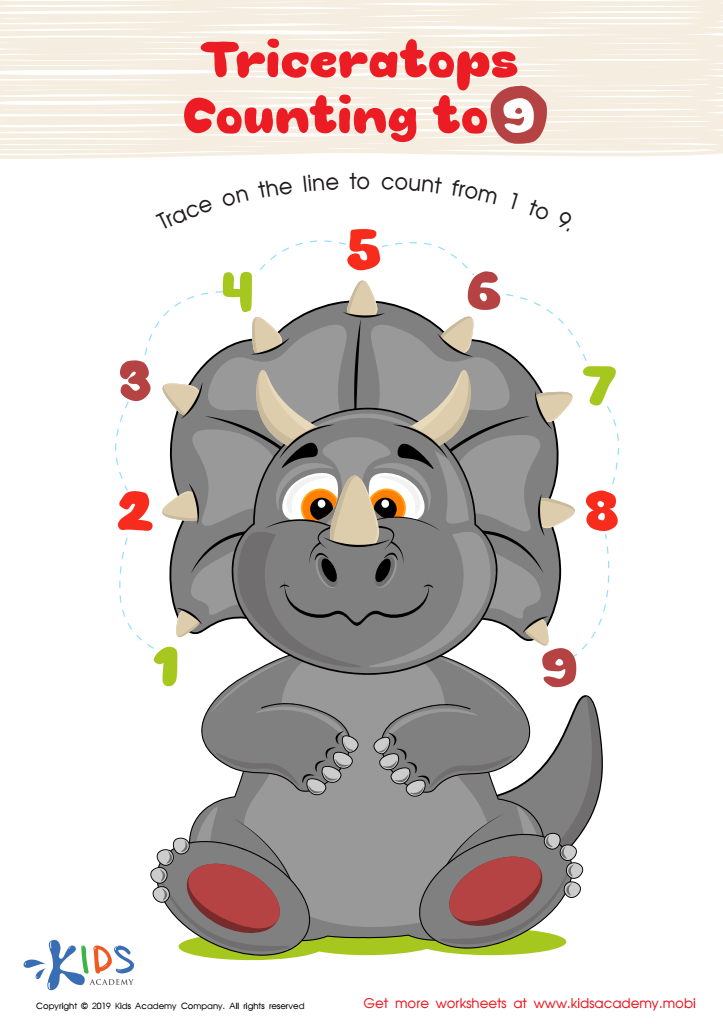
Triceratops Counting to 9 Worksheet

Counting on the City Skyline: Dot-to-Dot Worksheet
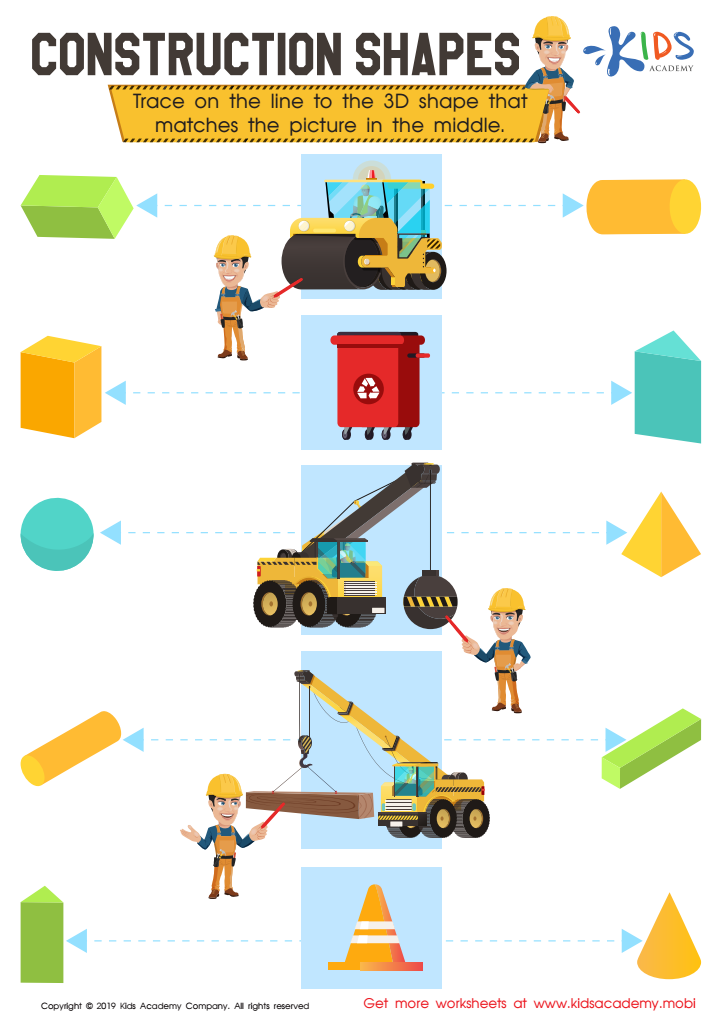
Construction Shapes Worksheet
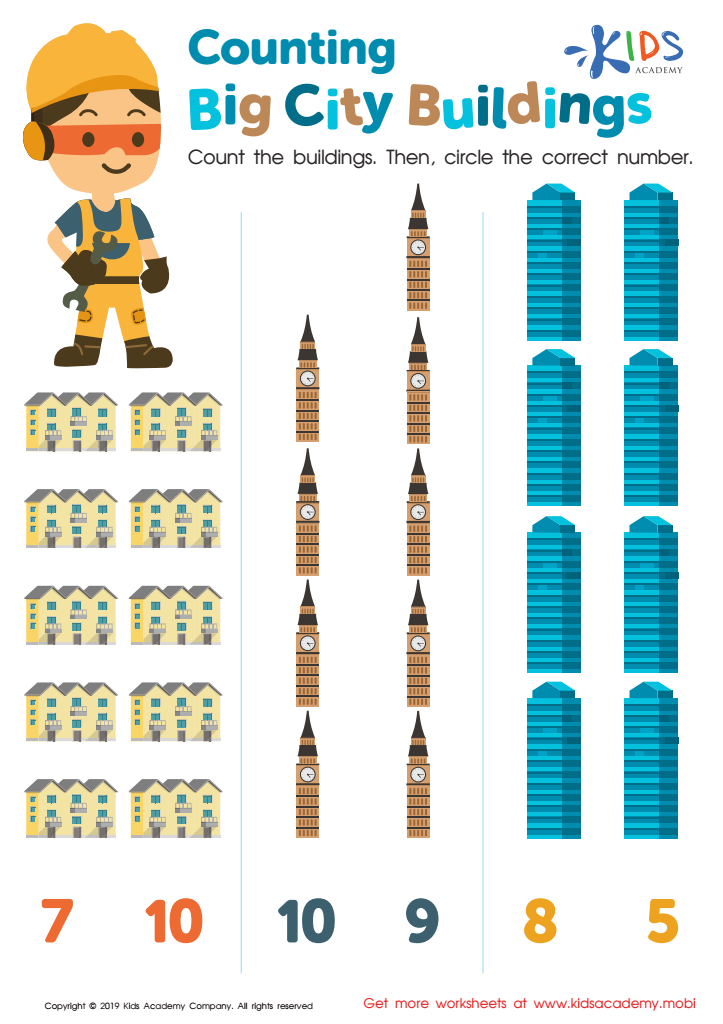
Counting Big City Buildings Worksheet

Night Sky Numbers Worksheet









Fine motor skills, essential for everyday tasks, are crucial for children's development from ages 3-9. These skills involve the coordination of small muscles in the hands, fingers, and wrists, enabling children to perform tasks like writing, buttoning clothing, and using utensils. Parents and teachers should care about these skills because they are foundational for academic success and independence.
Strong fine motor skills enhance children's ability to engage in handwriting, art projects, and even basic classroom activities, promoting their confidence and encouraging a love for learning. Moreover, improved fine motor control can lead to better concentration, problem-solving abilities, and overall cognitive development.
Additionally, nurturing fine motor skills can foster social interactions as children participate in group activities that require sharing and cooperation. Activities like cutting, drawing, and building with blocks can also be enjoyable, leading to quality bonding time between parents and their children.
In summary, focusing on fine motor skills in early childhood not only equips children with vital life skills but also supports their emotional and social growth, creating a well-rounded foundation for their future development.








