Fine Motor Skills Easy Math Worksheets for Ages 3-9
44 filtered results
-
From - To
Welcome to our Fine Motor Skills Easy Math Worksheets for ages 3-9! Designed to engage young learners, these printable worksheets seamlessly combine essential math concepts with fun fine motor skill activities. Perfect for preschool and early elementary students, these worksheets promote hand-eye coordination and dexterity while reinforcing counting, number recognition, and basic addition and subtraction. Each activity is crafted to foster creativity and make learning enjoyable, encouraging children to explore and enhance their skills. Discover a variety of colorful, interactive worksheets that cater to different learning levels, ensuring that each child can thrive in their educational journey. Start exploring today!

Number 10 Printable
 Assign to My Students
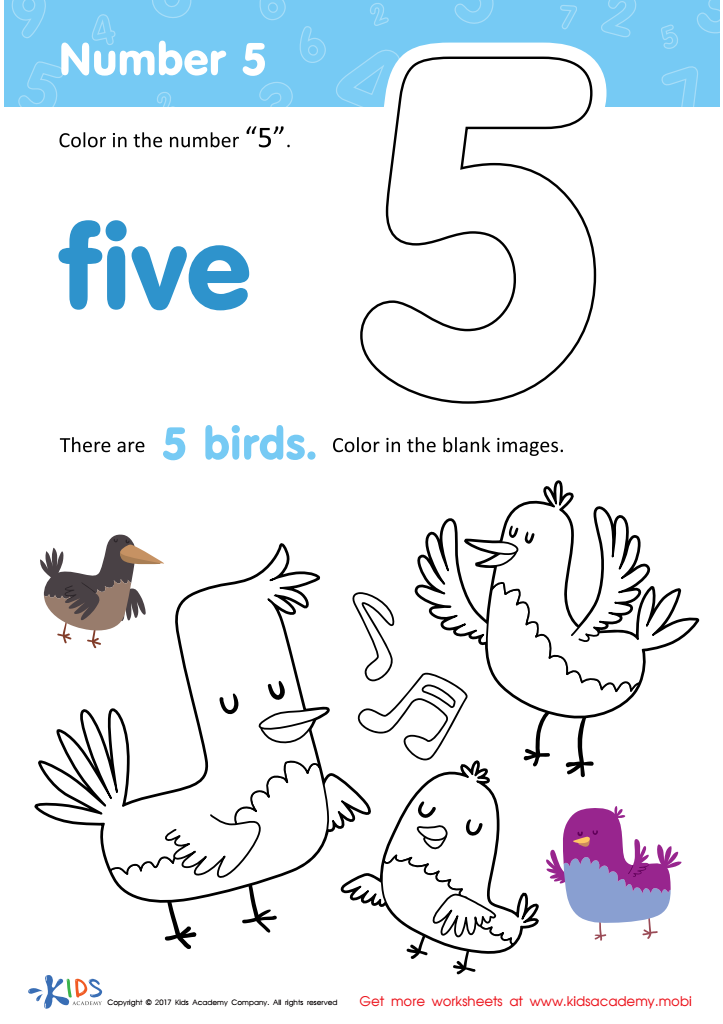
Number 5 Printable
Assign to My Students
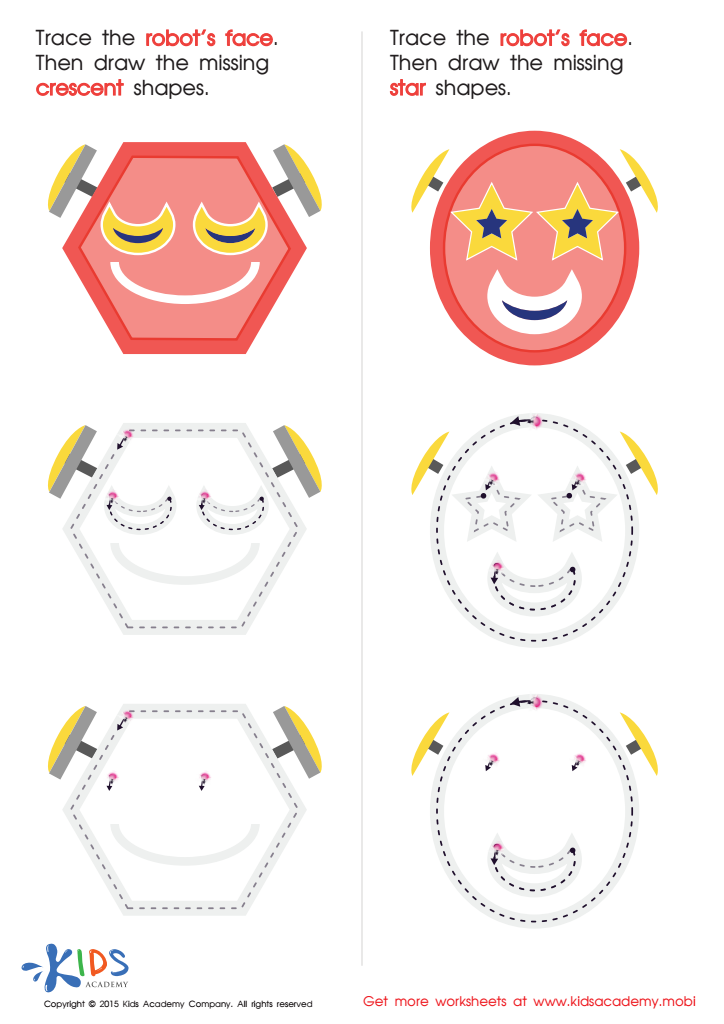
Composing a Robot's Face of Crescents And Stars Worksheet
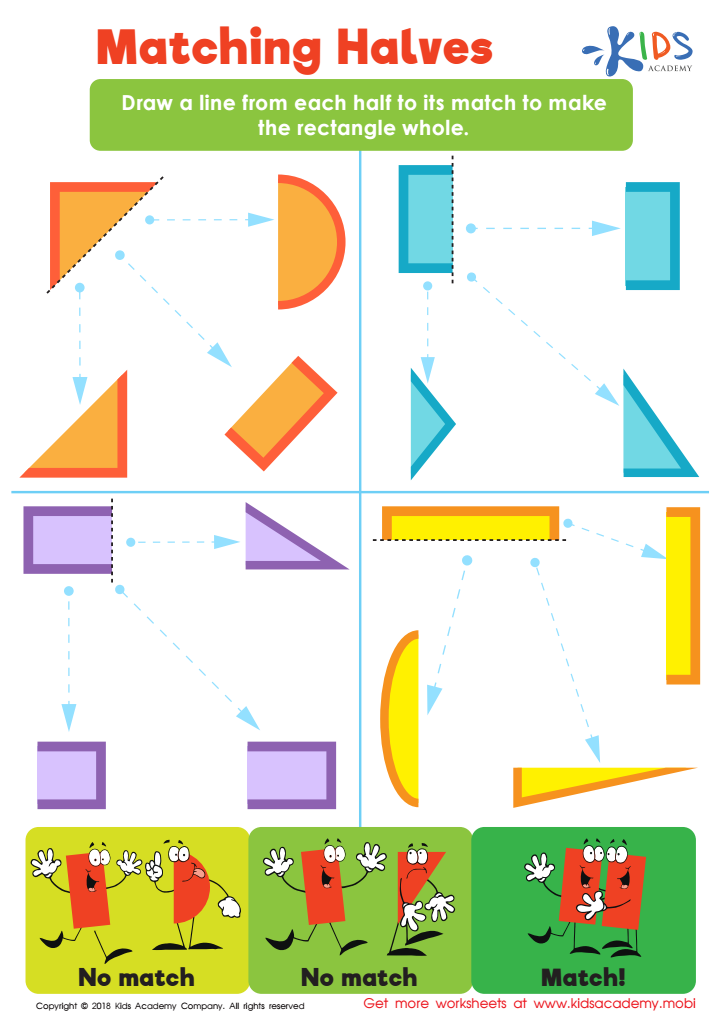
Matching Halves Worksheet
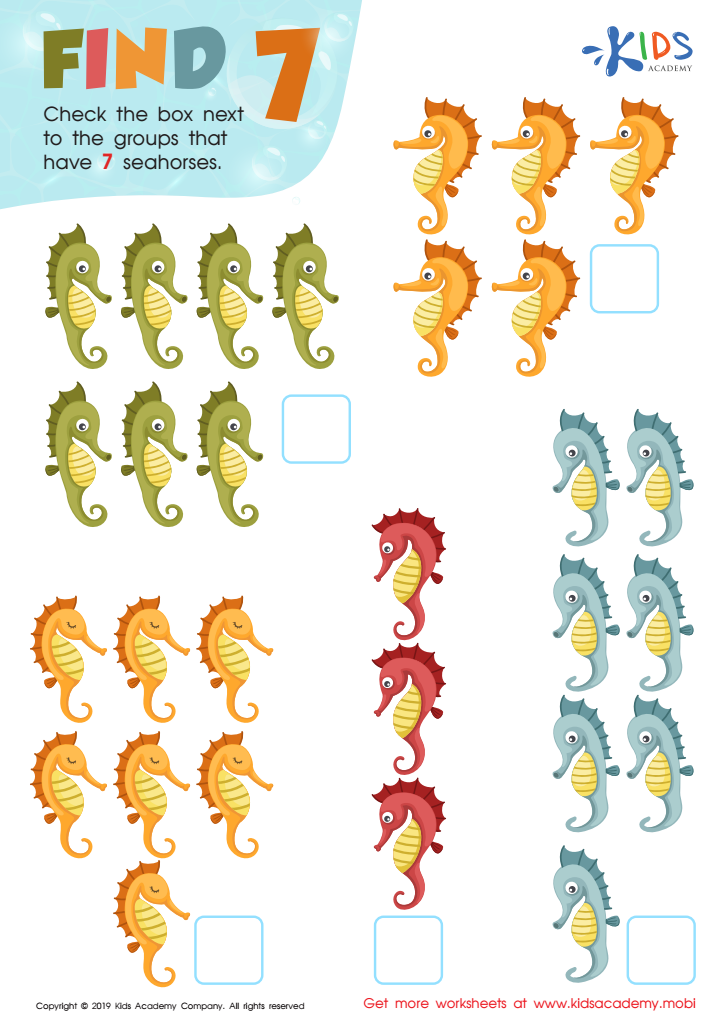
Find 7 Worksheet
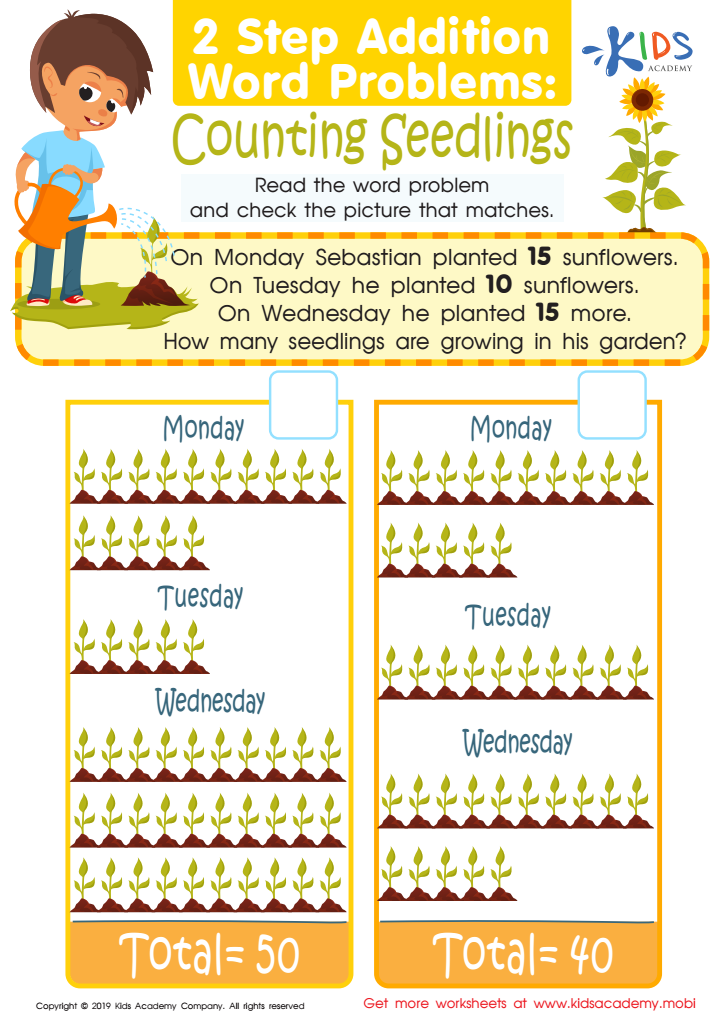
Counting Seedlings Worksheet
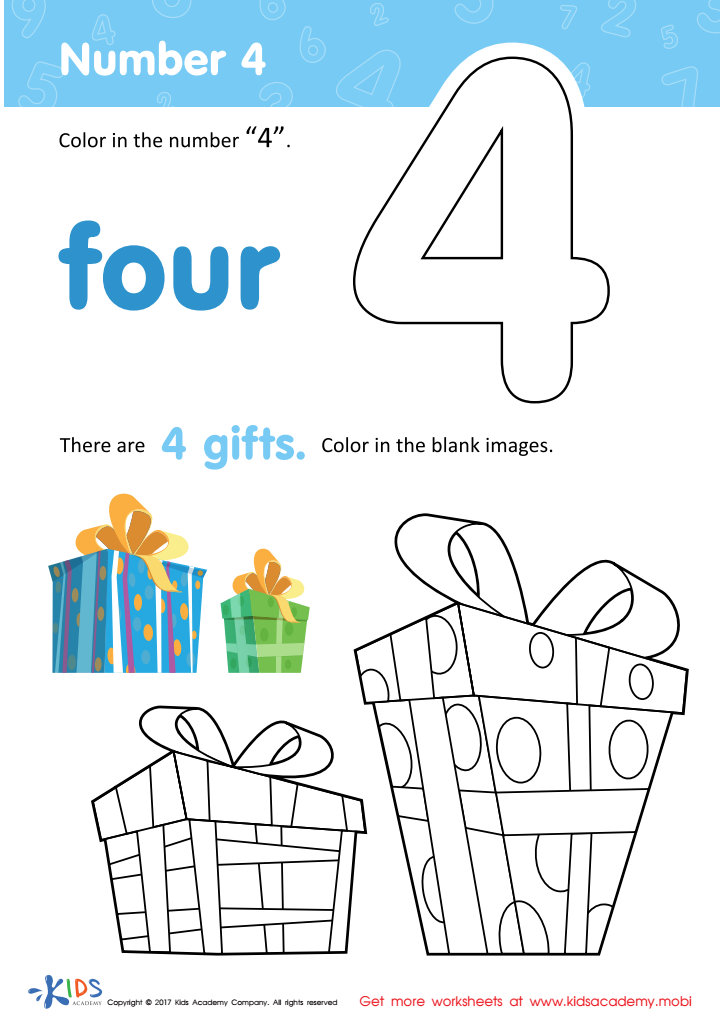
Number 4 Printable
Assign to My Students
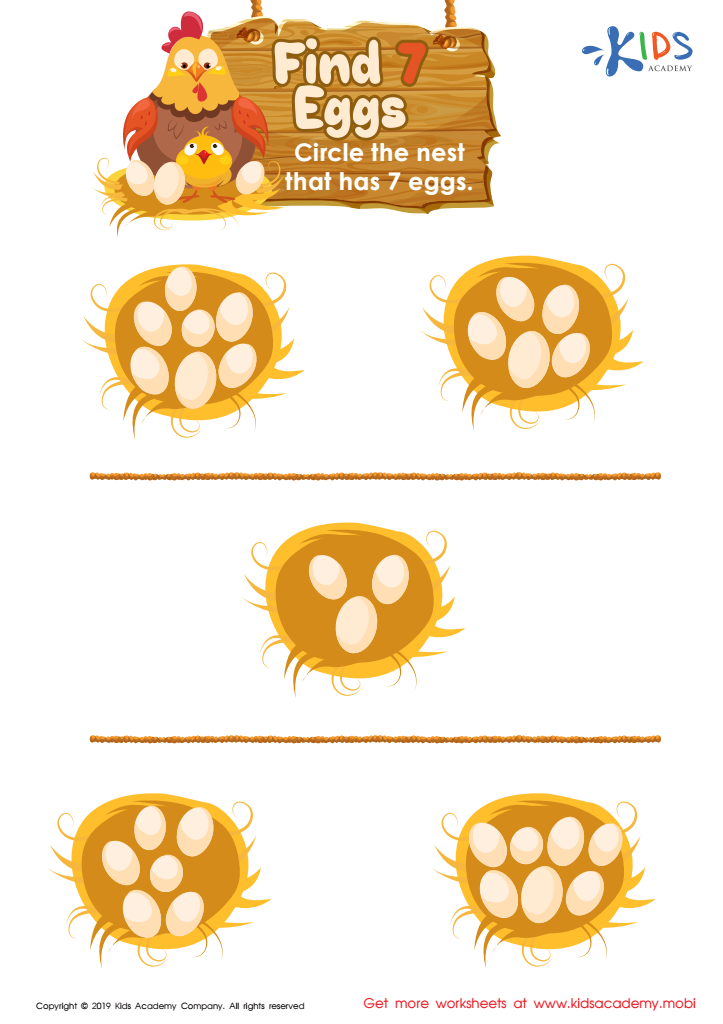
Find 7 Eggs Worksheet
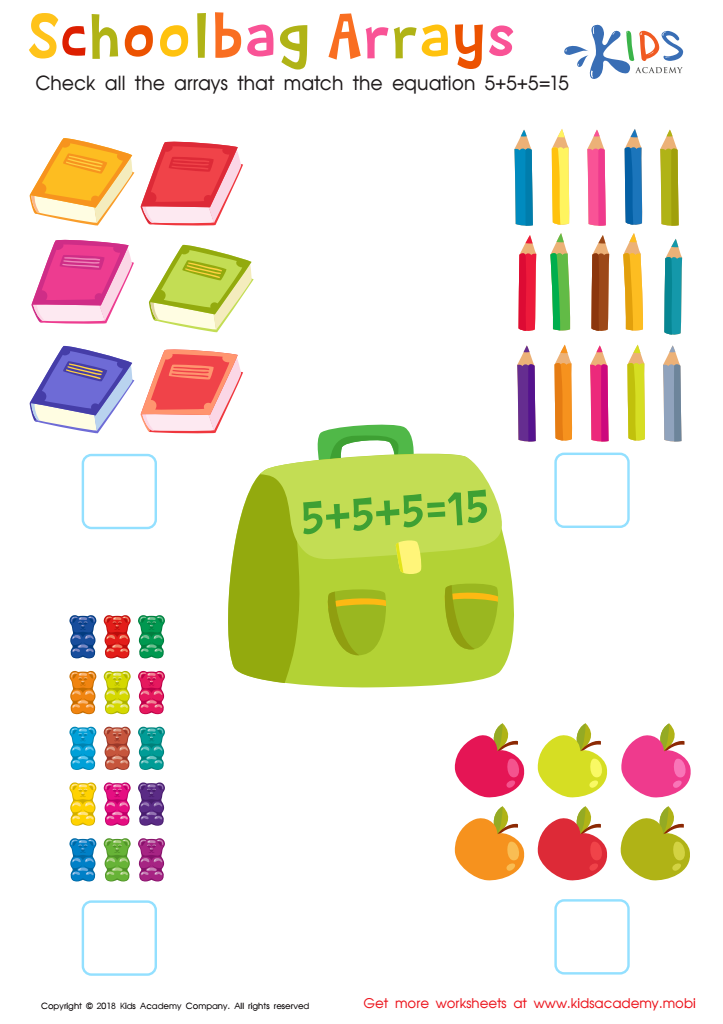
Schoolbag Arrays Worksheet
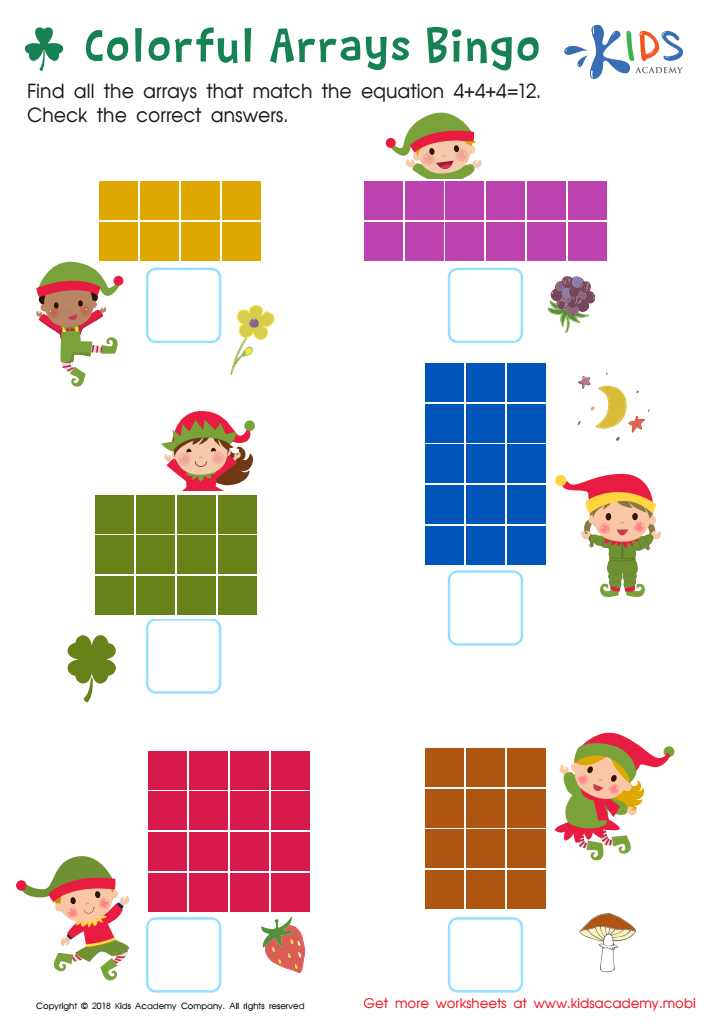
Colorful Arrays Bingo Worksheet
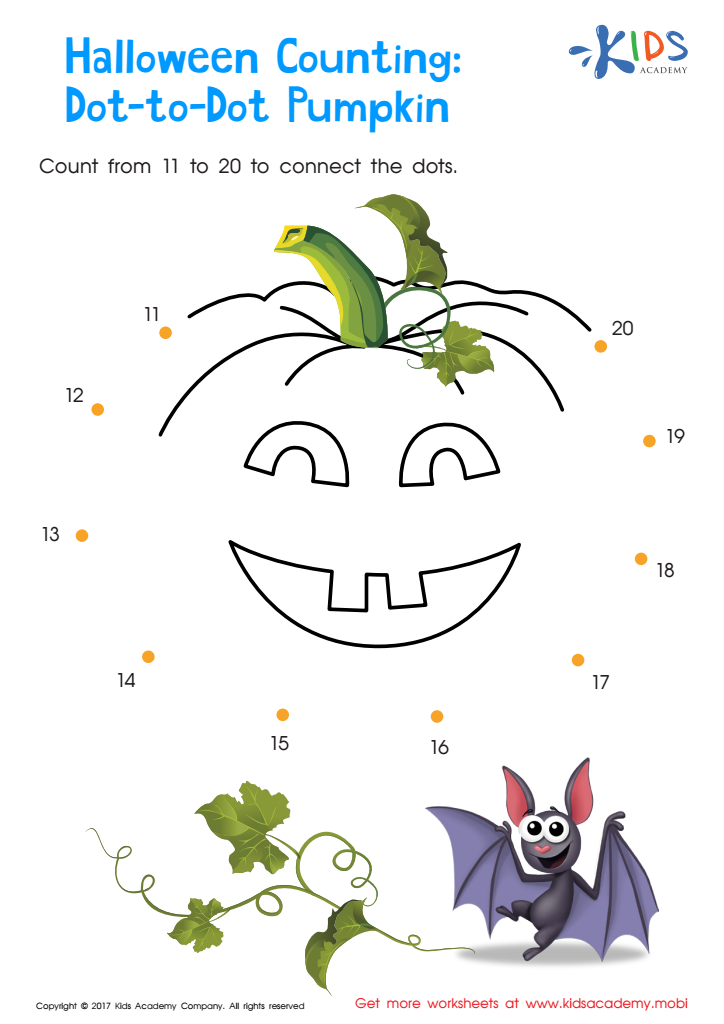
Ordering 11–20: Halloween Counting Worksheet
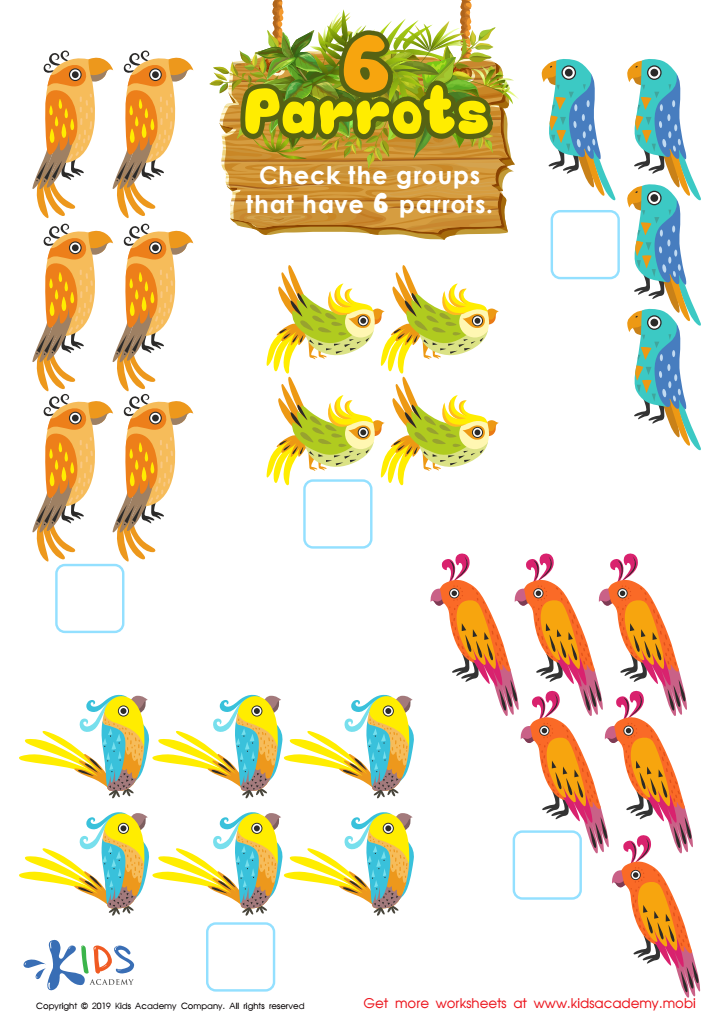
6 Parrots Worksheet
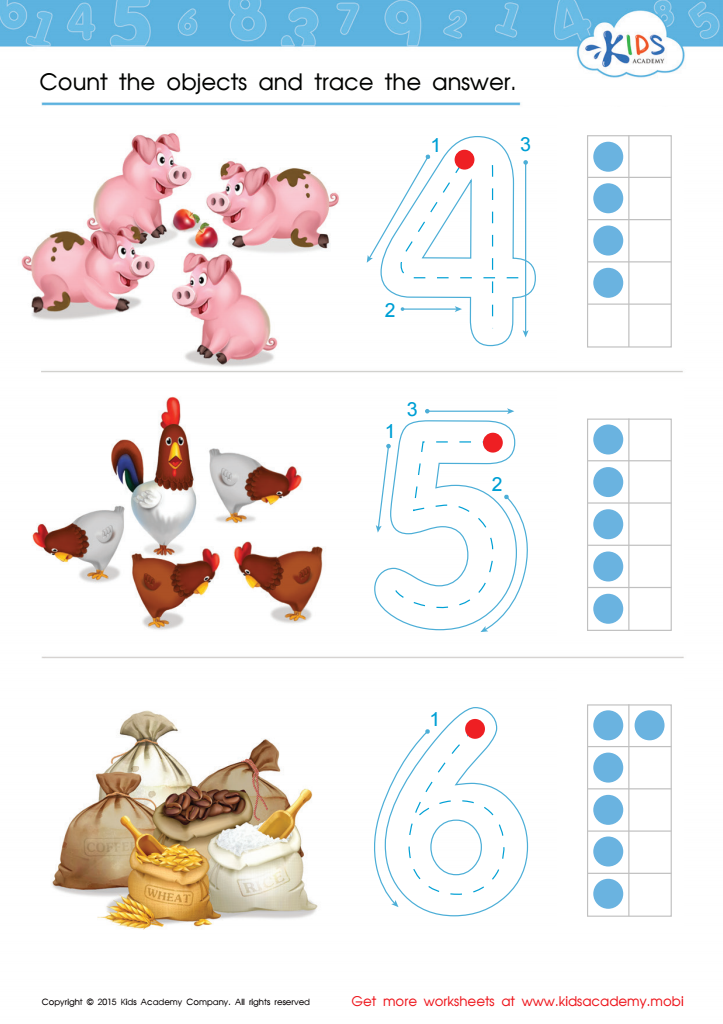
Count and Trace 4 – 6 Worksheet
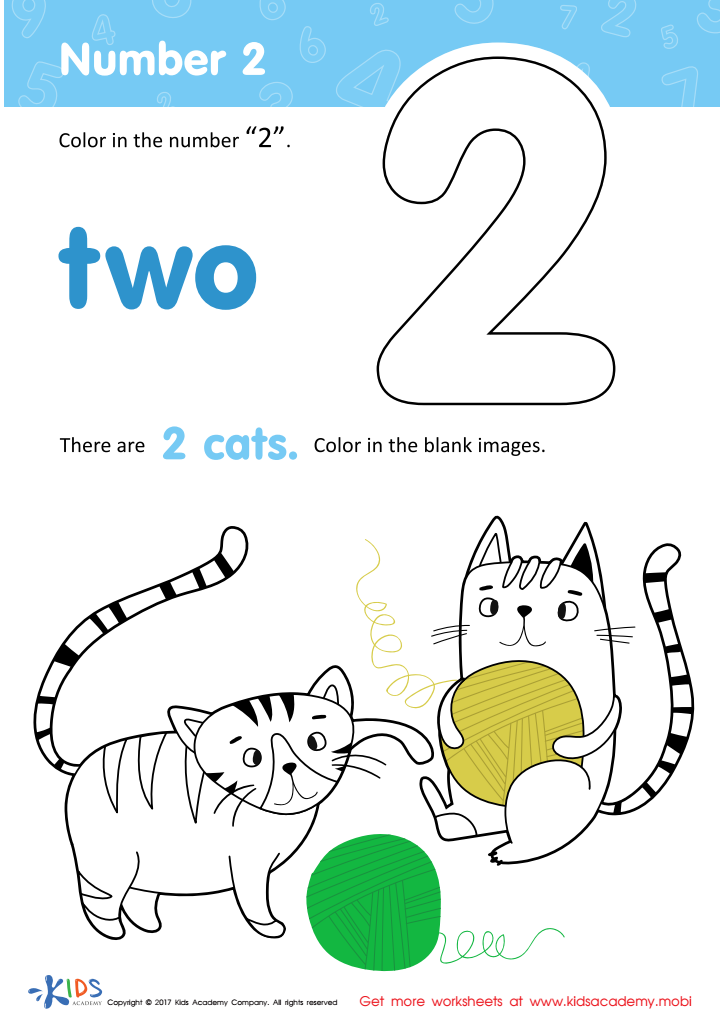
Number 2 Printable
Assign to My Students
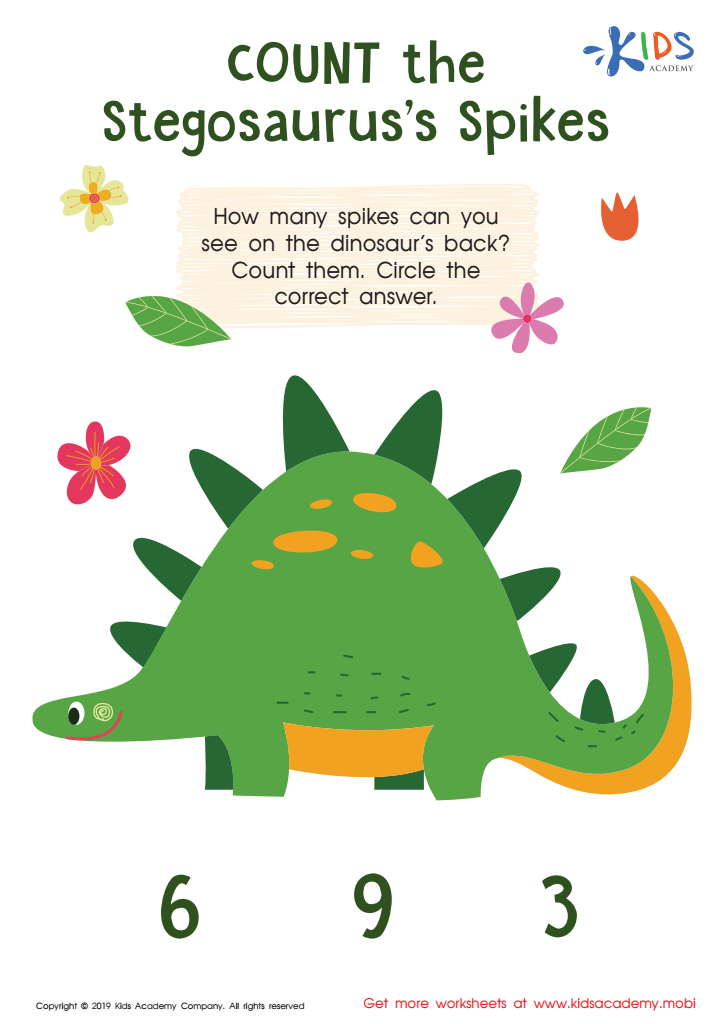
Count the Stegosaurus's Spikes Worksheet
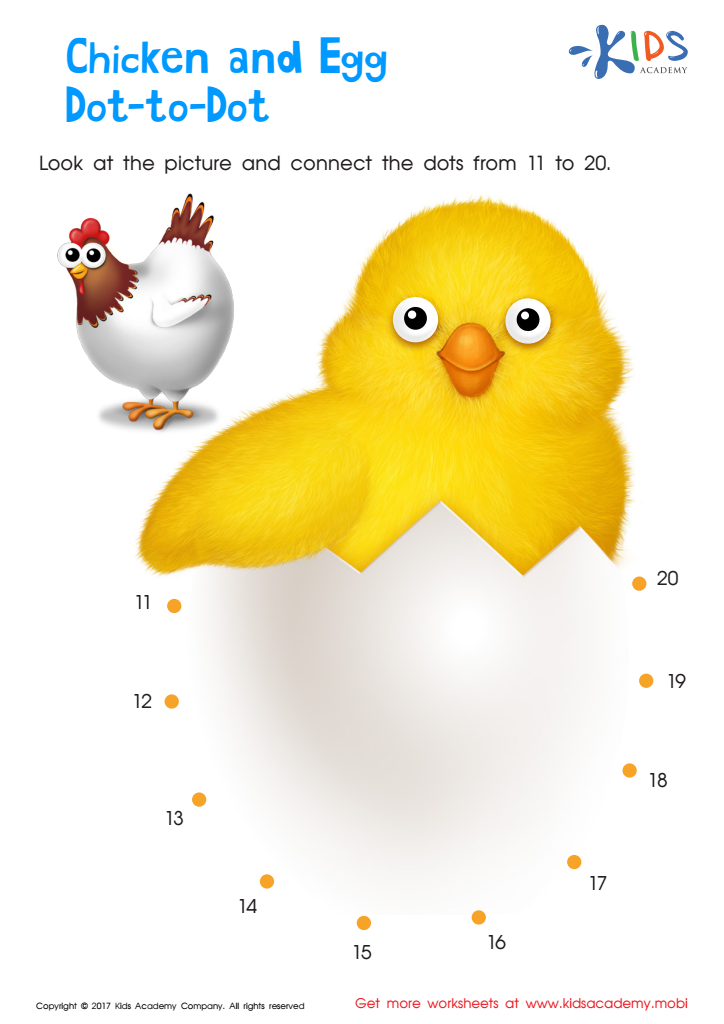
Ordering 11–20: Chicken & Egg Dot–to–dot Worksheet
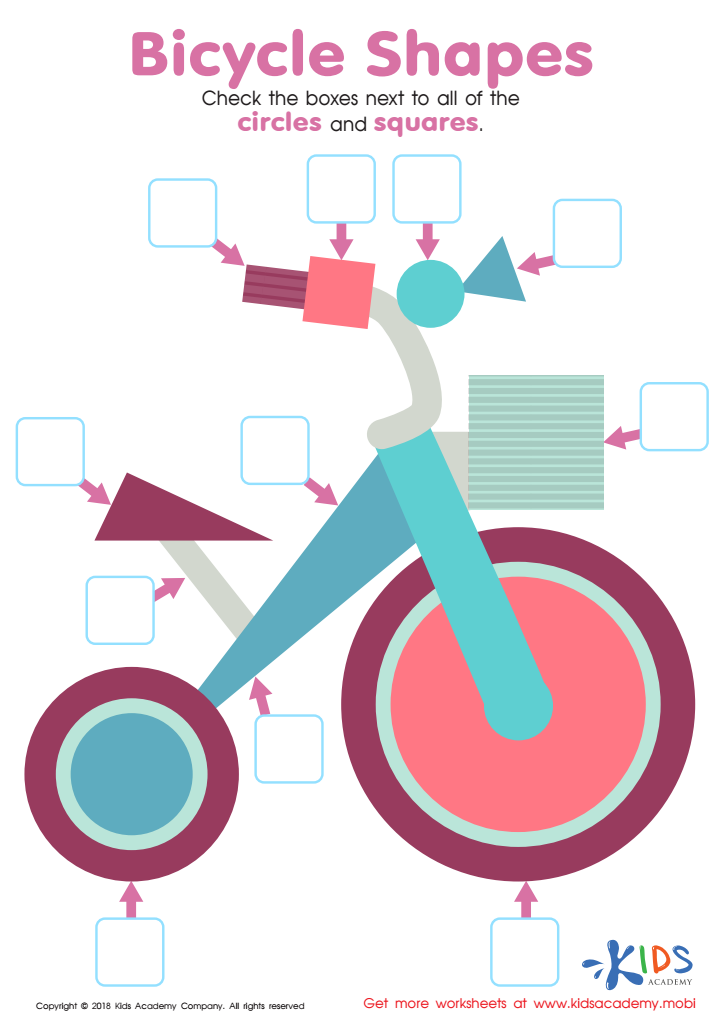
Bicycle Shapes Worksheet
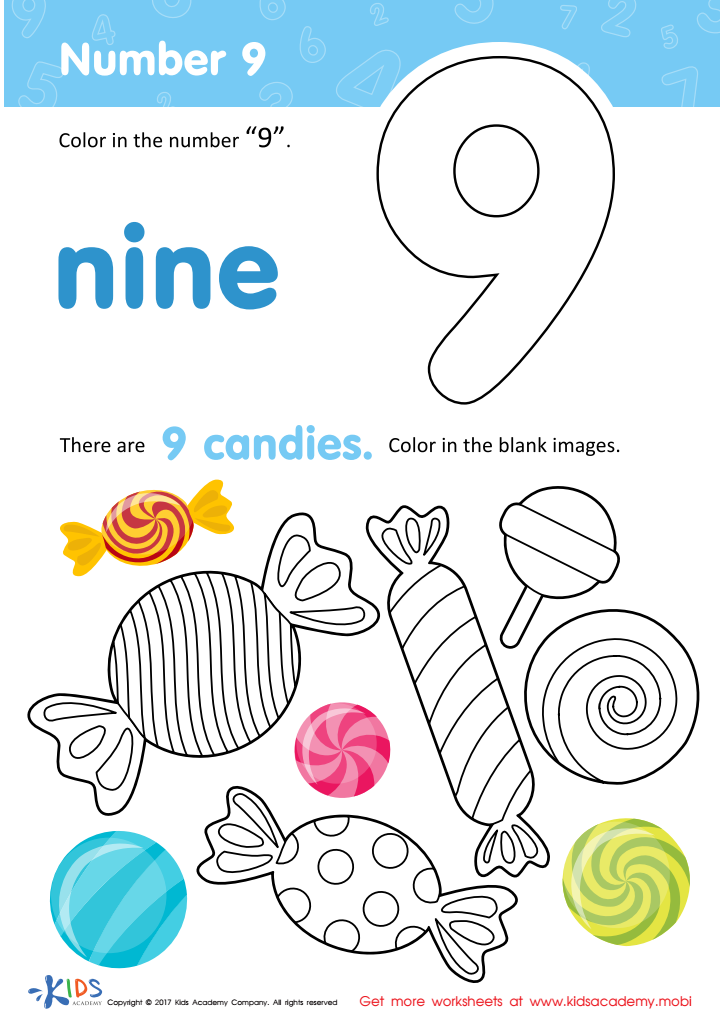
Number 9 Printable
Assign to My Students
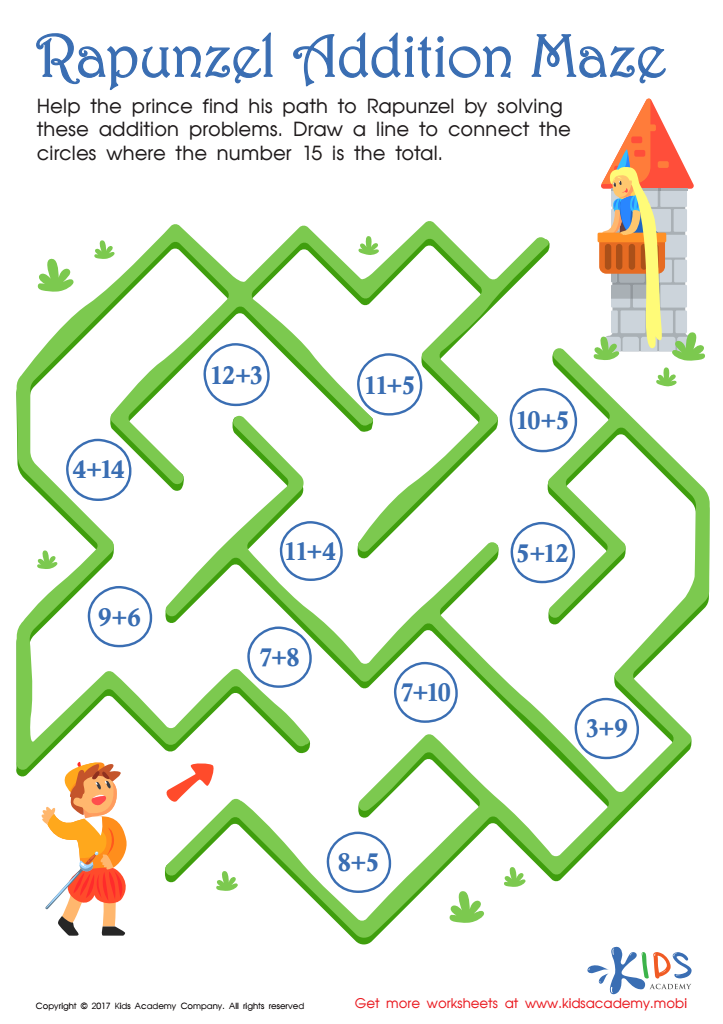
Rapunzel Addition Maze Worksheet
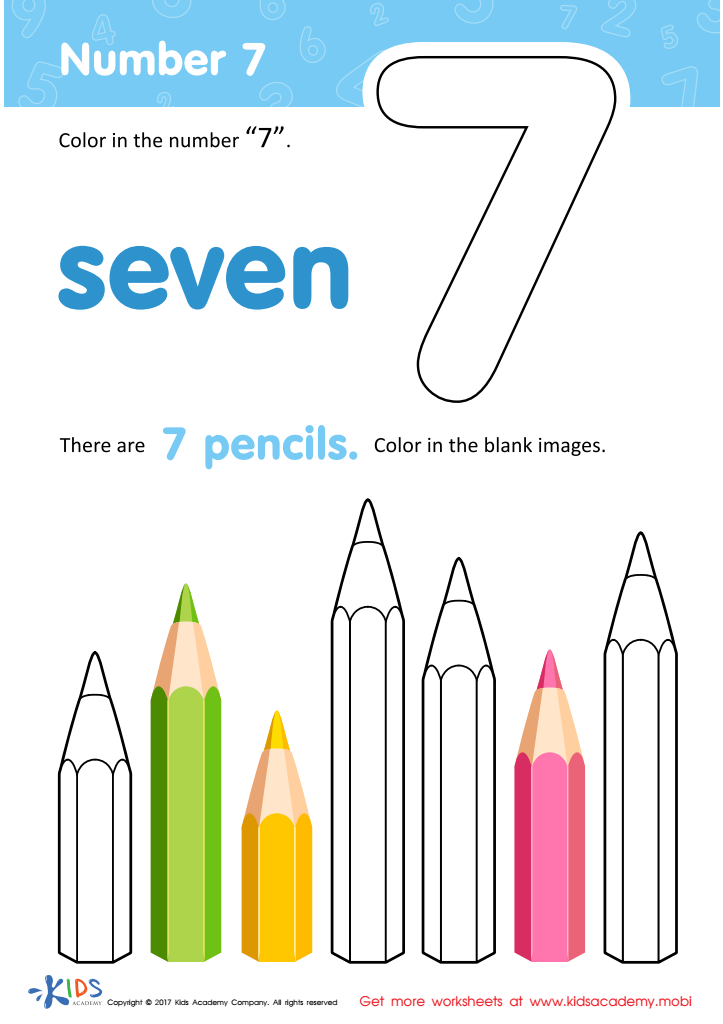
Number 7 Worksheet
Assign to My Students
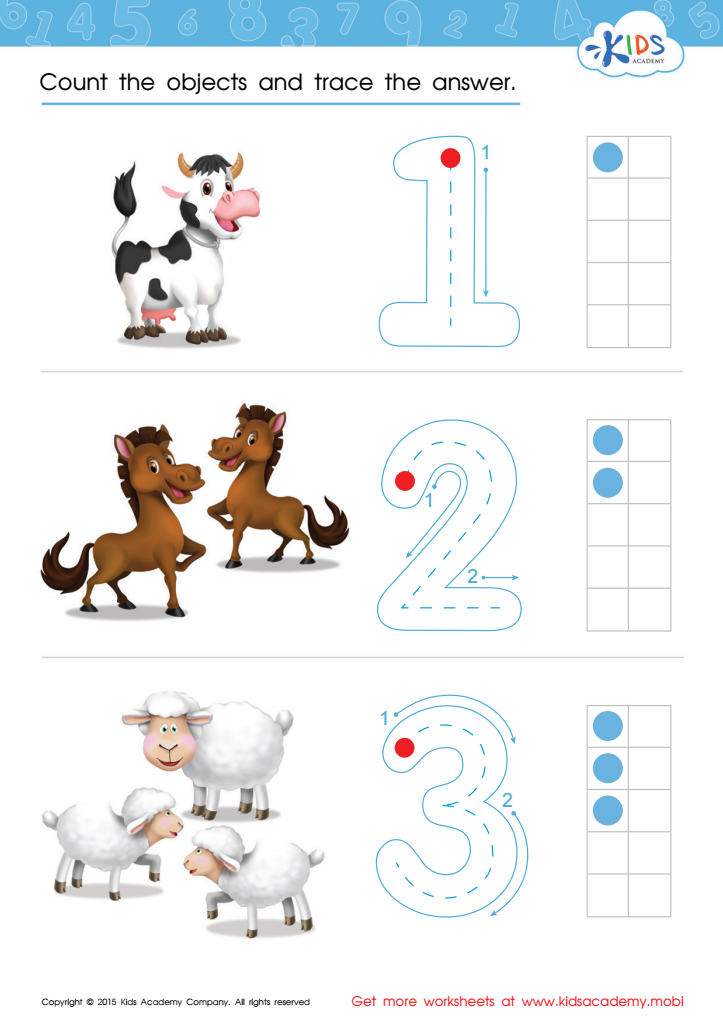
Count and Trace 1 – 3 Worksheet
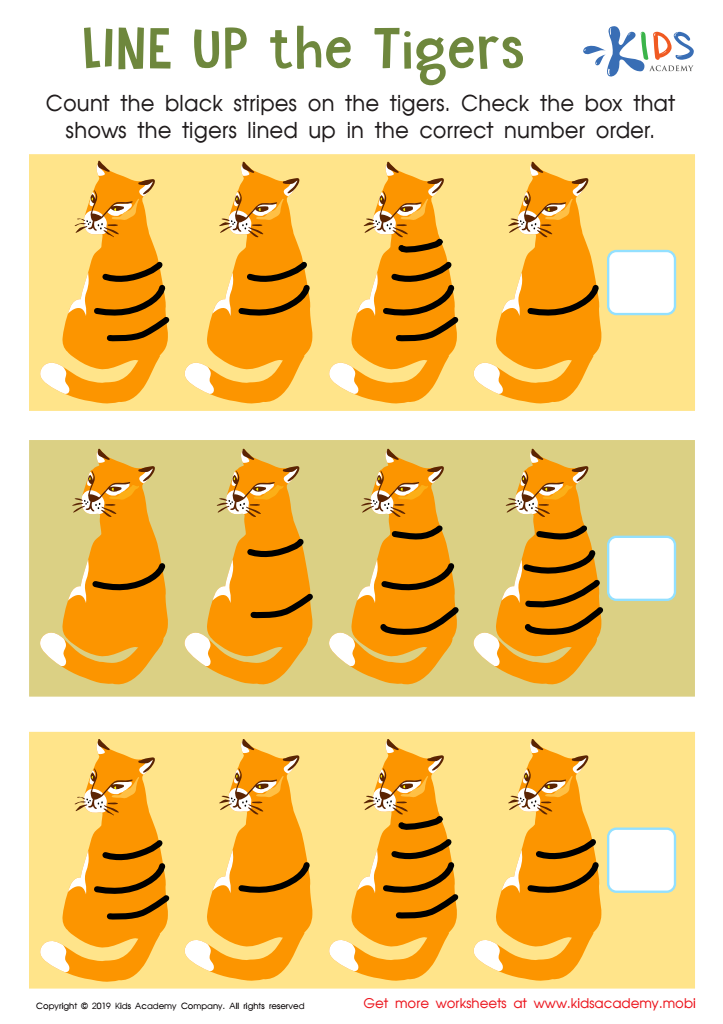
Line up the Tigers Worksheet
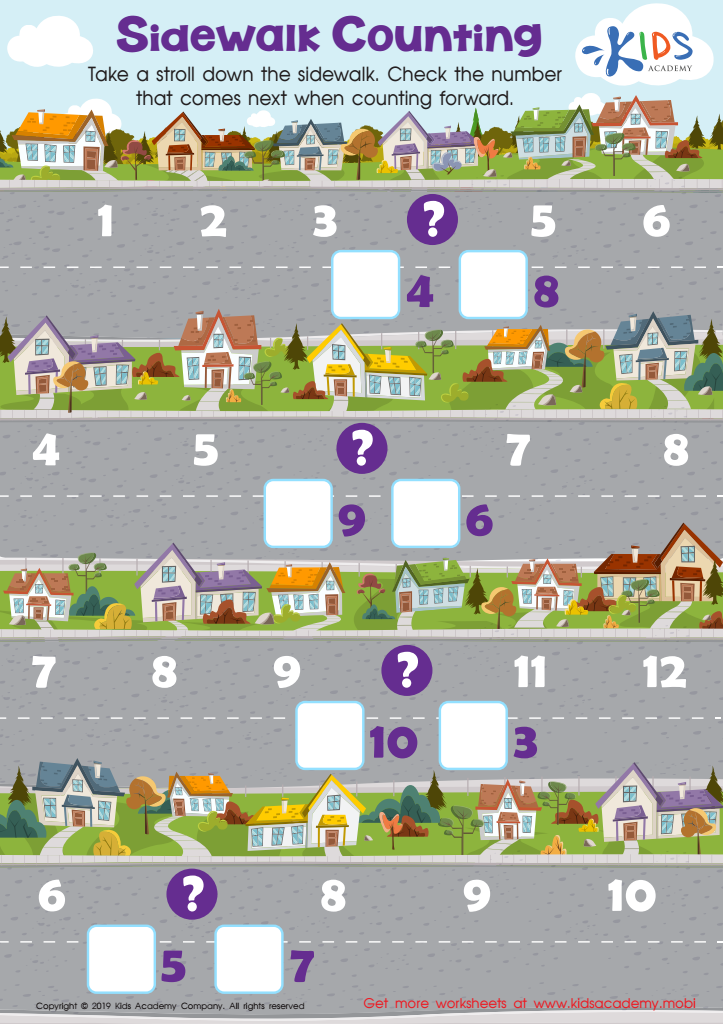
Sidewalk Counting Worksheet
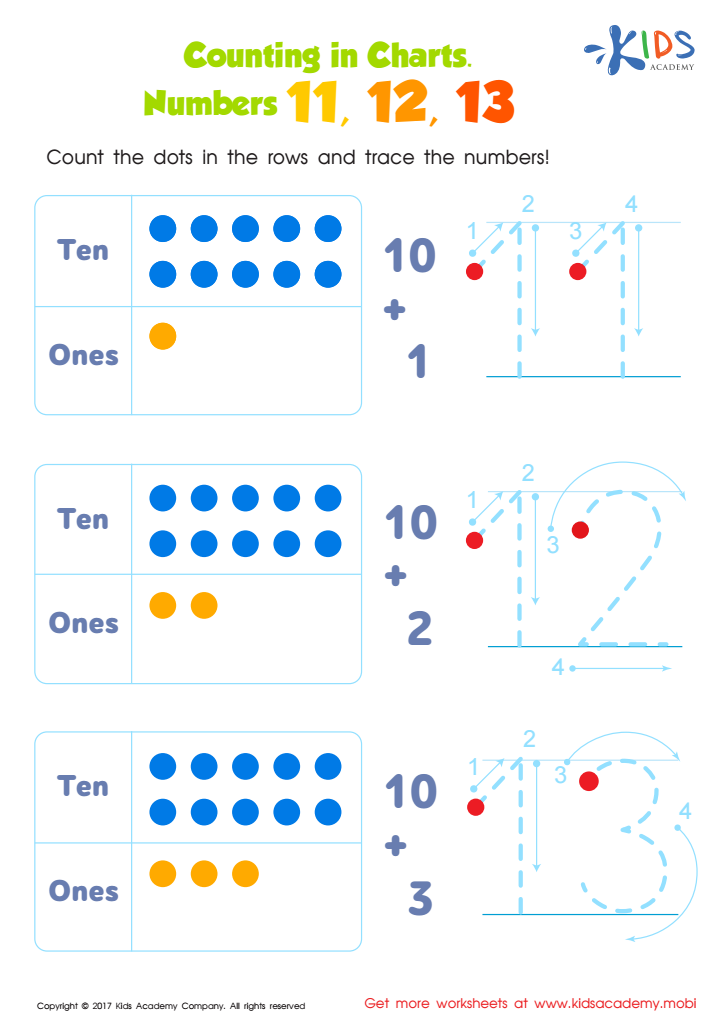
Number Tracing Worksheet For Kindergarten








Fine motor skills are essential for children aged 3-9, as they lay the foundation for academic success and everyday tasks. These skills involve the coordination of small muscles in the hands and fingers, enabling kids to perform a variety of functions like writing, drawing, and manipulating objects. When children engage in activities that develop fine motor skills, they simultaneously enhance their ability to grasp basic math concepts.
Easy math activities, like threading beads, sorting shapes, or using scissors, promote fine motor skills while teaching fundamental math principles. By incorporating these strategies, parents and teachers can create a multi-dimensional learning experience where children gain essential skills in an enjoyable way. The use of fine motor activities fosters hand-eye coordination and encourages critical thinking, as children learn to make connections between physical actions and mathematical ideas.
Moreover, strong fine motor skills help boost a child's confidence in their academic abilities. When children can successfully complete tasks that require these skills, they develop a sense of achievement that can translate to other areas, including math. Consequently, nurturing fine motor skills not only prepares children for future learning but also supports their overall cognitive and social development, making it a priority for educators and parents alike.








