Problem-Solving Skills Easy Worksheets for Ages 4-6 - Page 2
46 filtered results
-
From - To
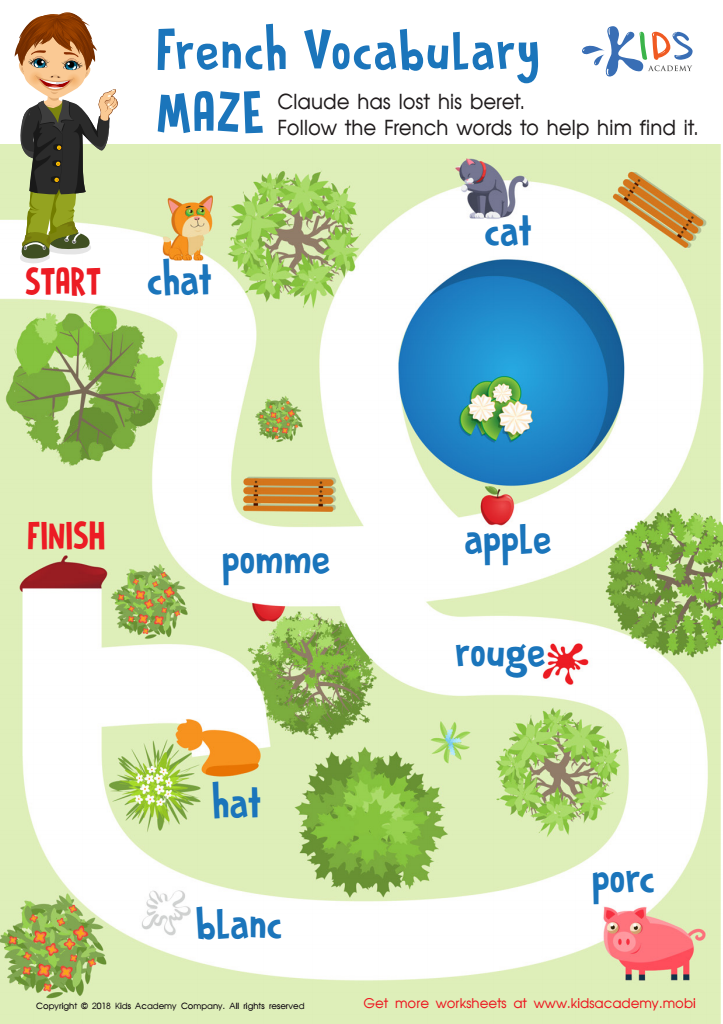
French Vocabulary Maze Worksheet
 Assign to My Students
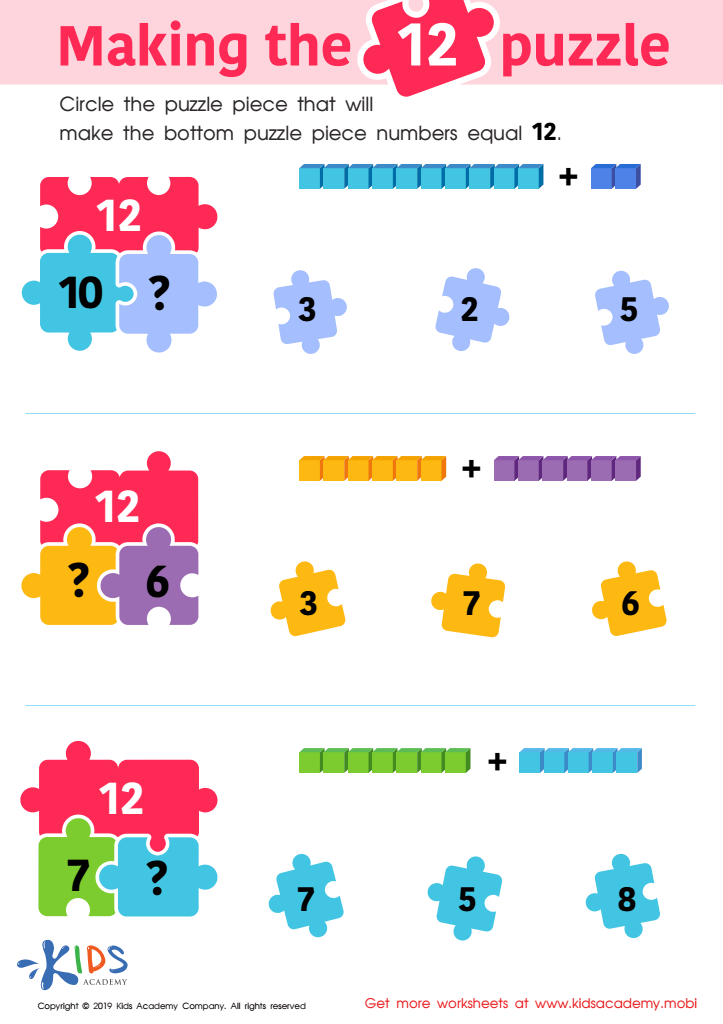
Making the 12 Puzzle Worksheet
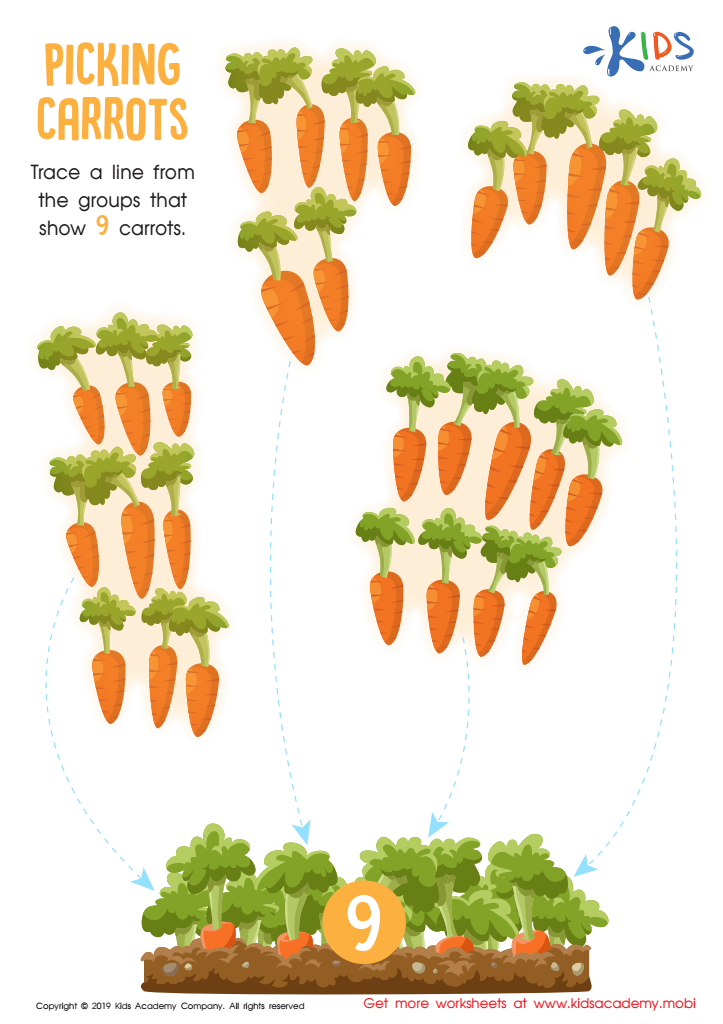
Picking Carrots Worksheet
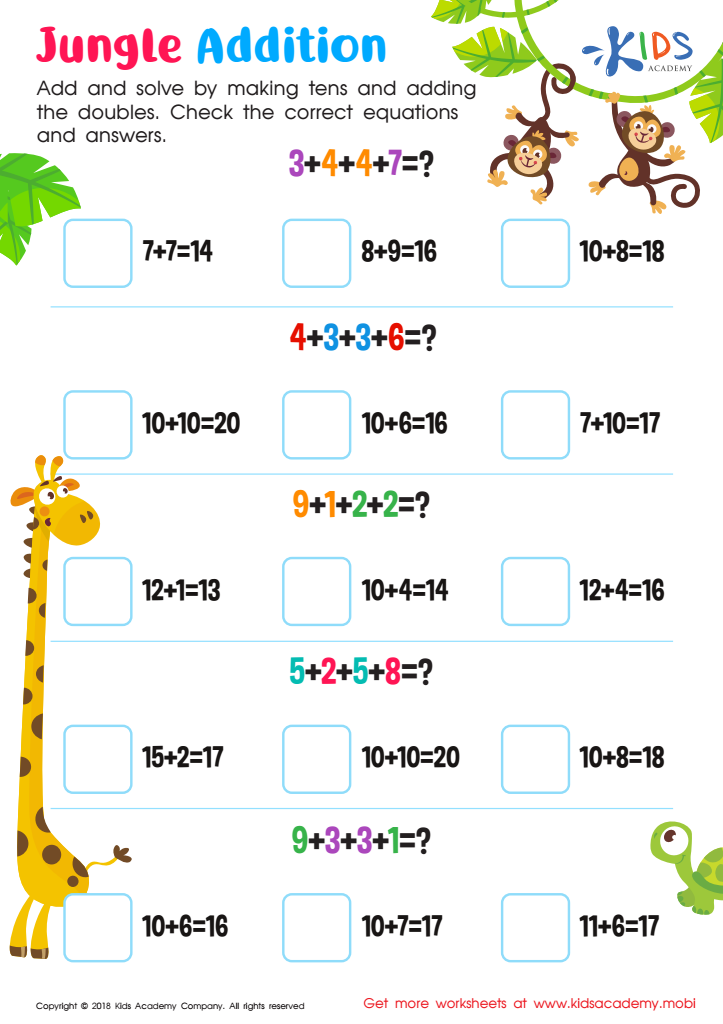
Jungle Addition Worksheet
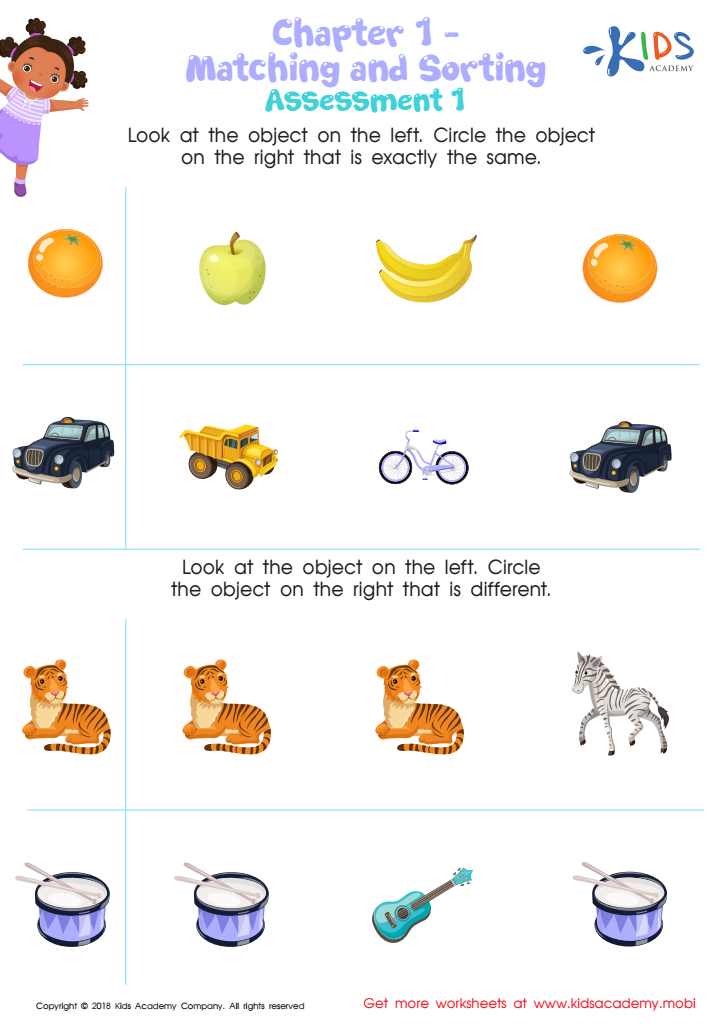
Matching and Sorting for Preschool: Assessment 1 Worksheet
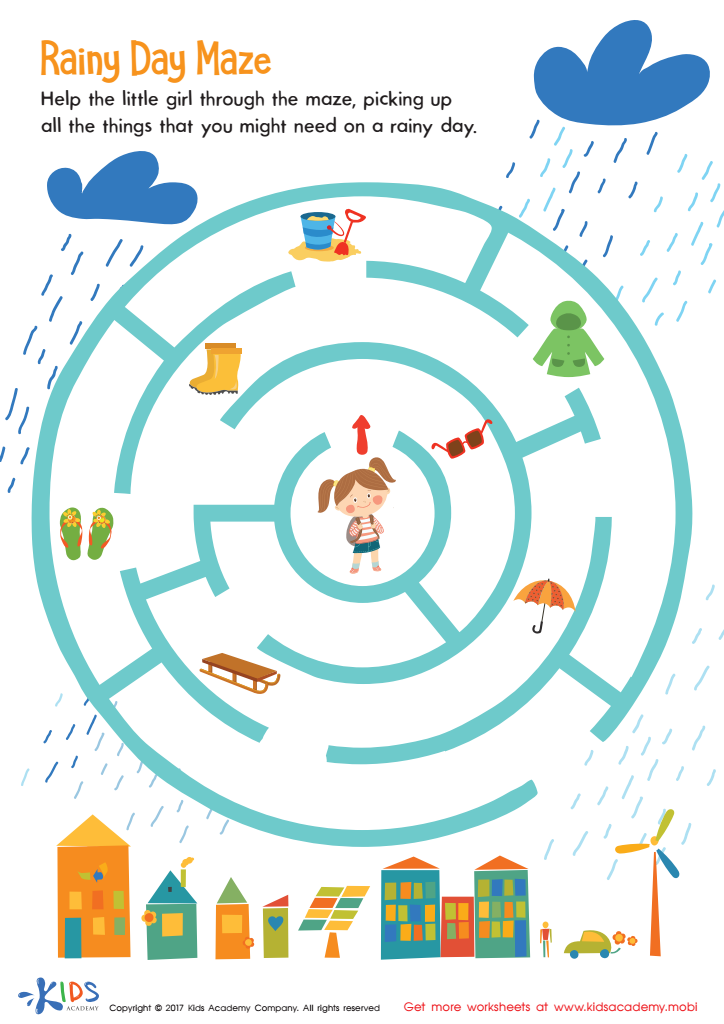
Rainy Day Maze Worksheet
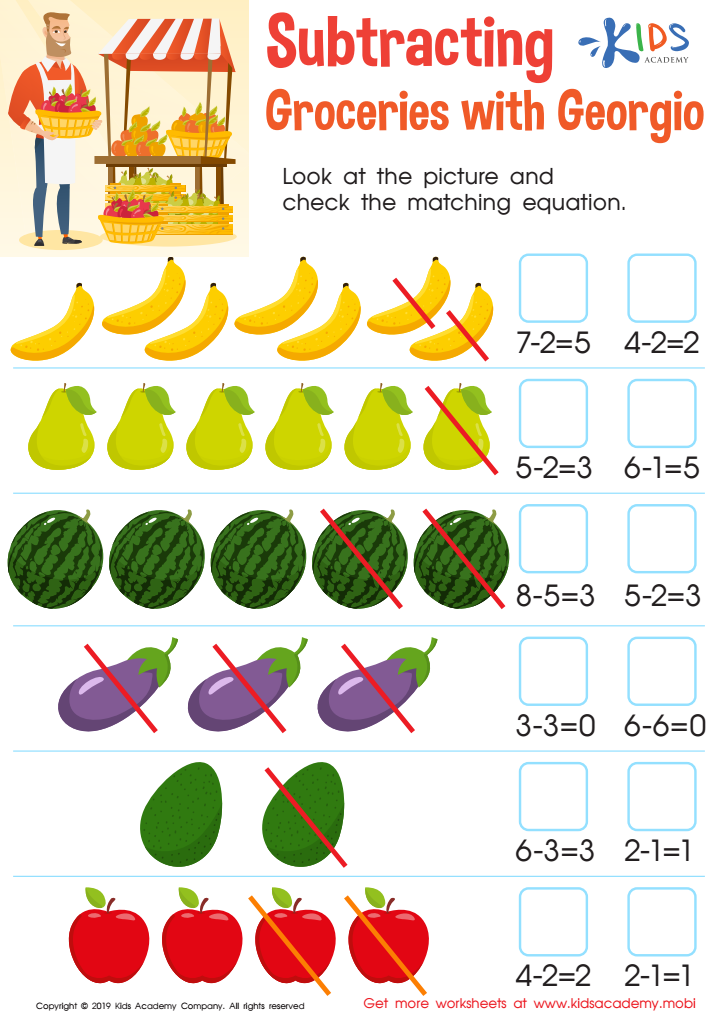
Subtracting: Groceries with Georgio Worksheet
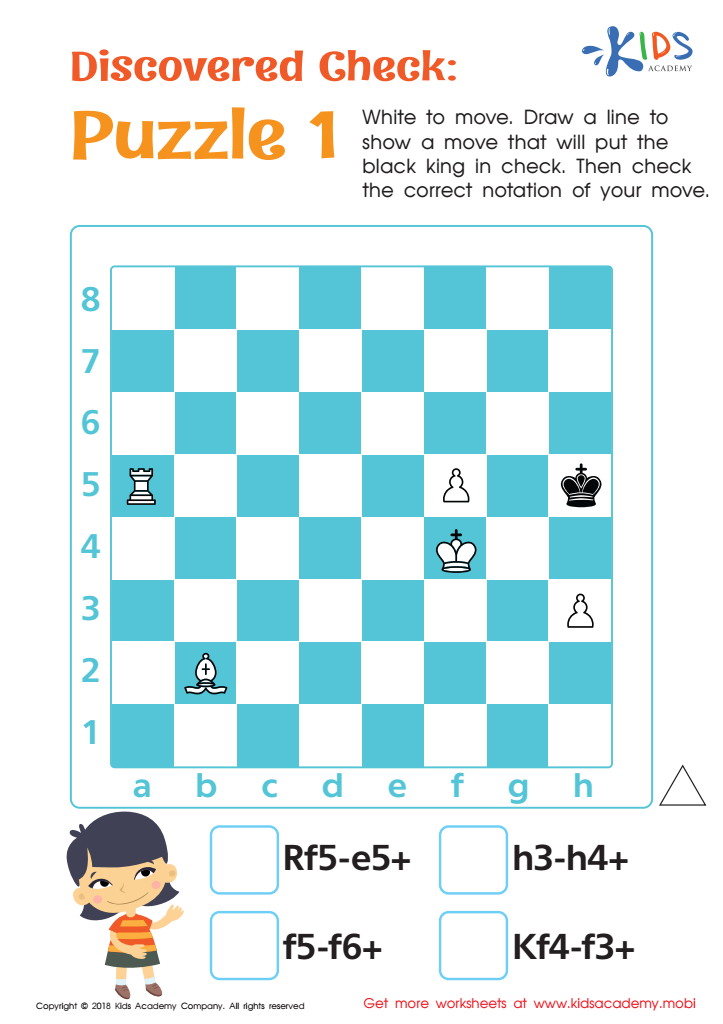
Discovered Check: Puzzle 1 Worksheet
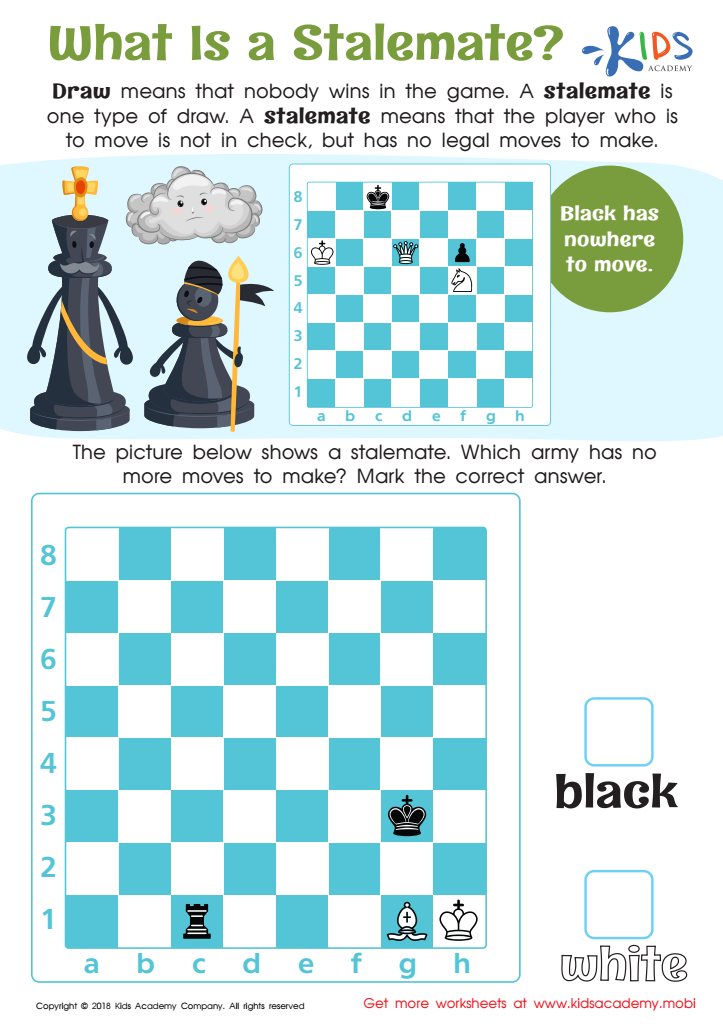
What Is a Stalemate? Worksheet
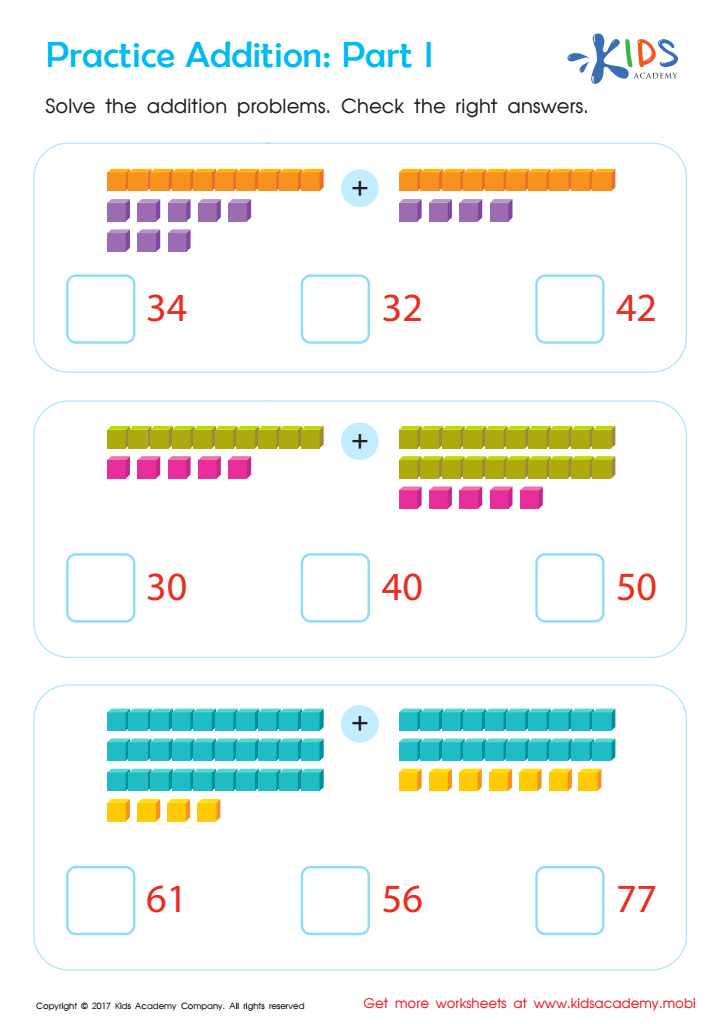
Practice Addition: Part 1 Worksheet
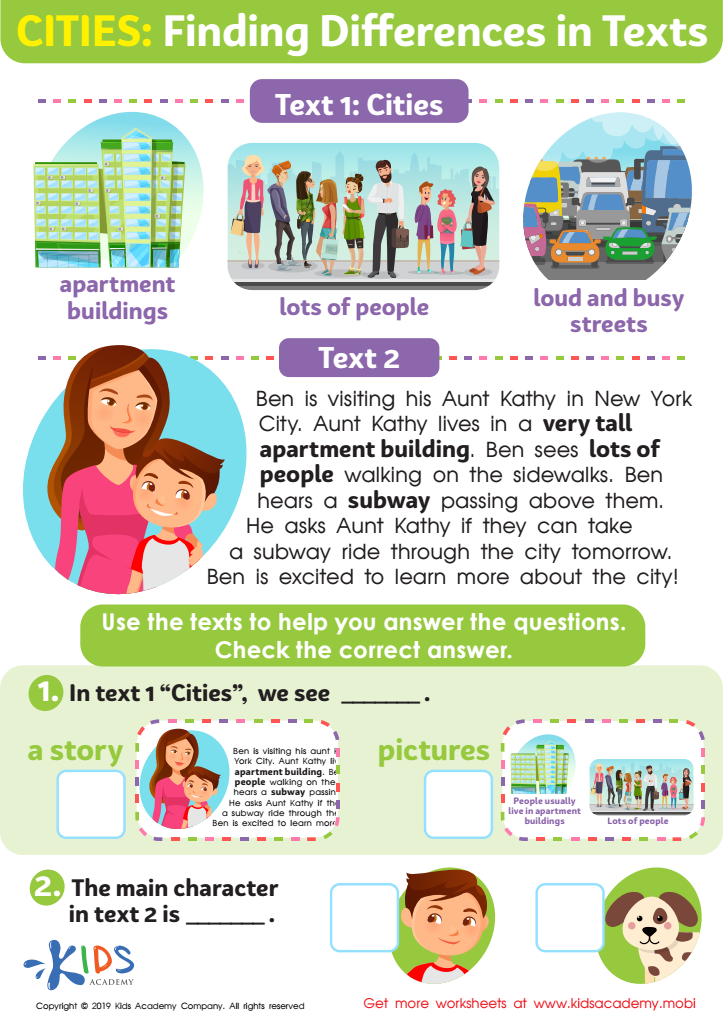
Cities: Finding Differences Worksheet
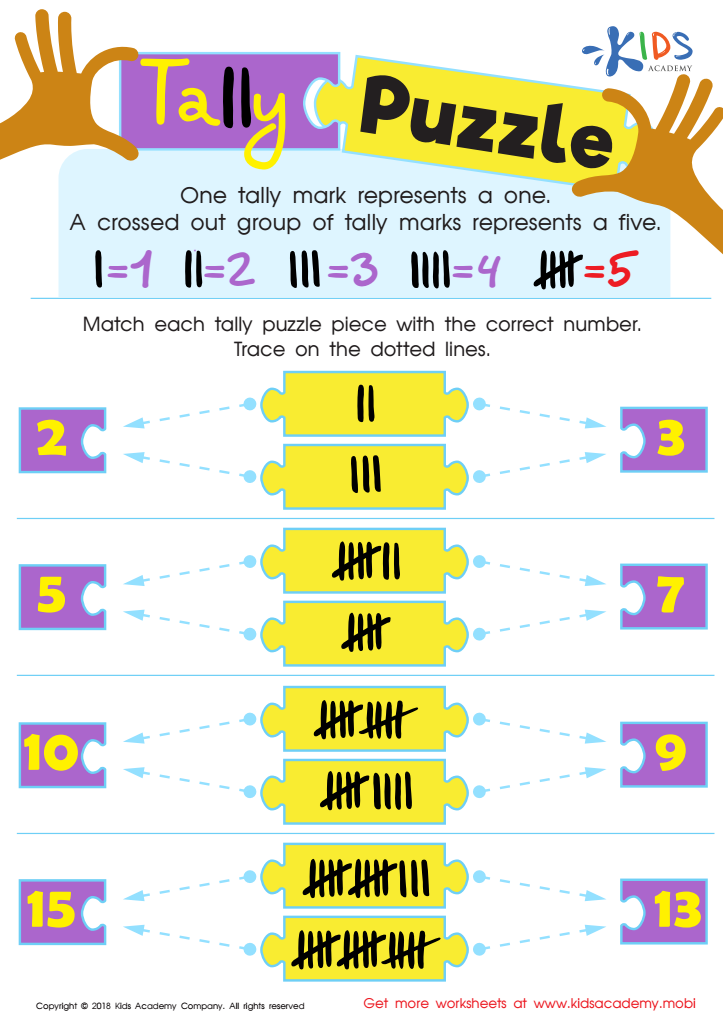
Tally Puzzle Worksheet
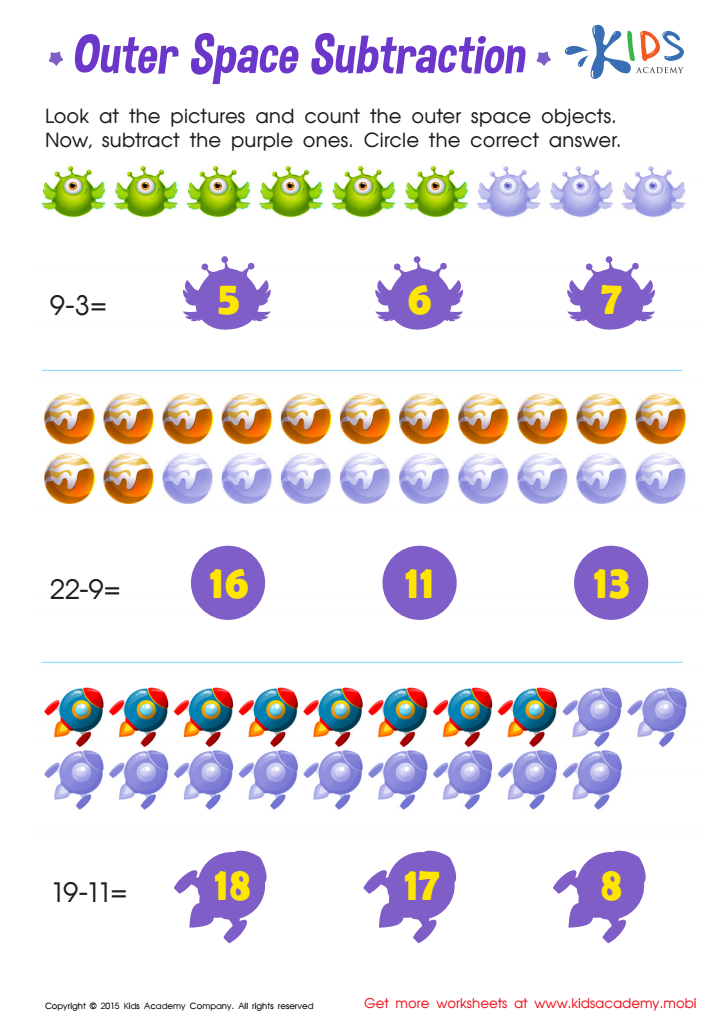
Outer Space Substraction Worksheet
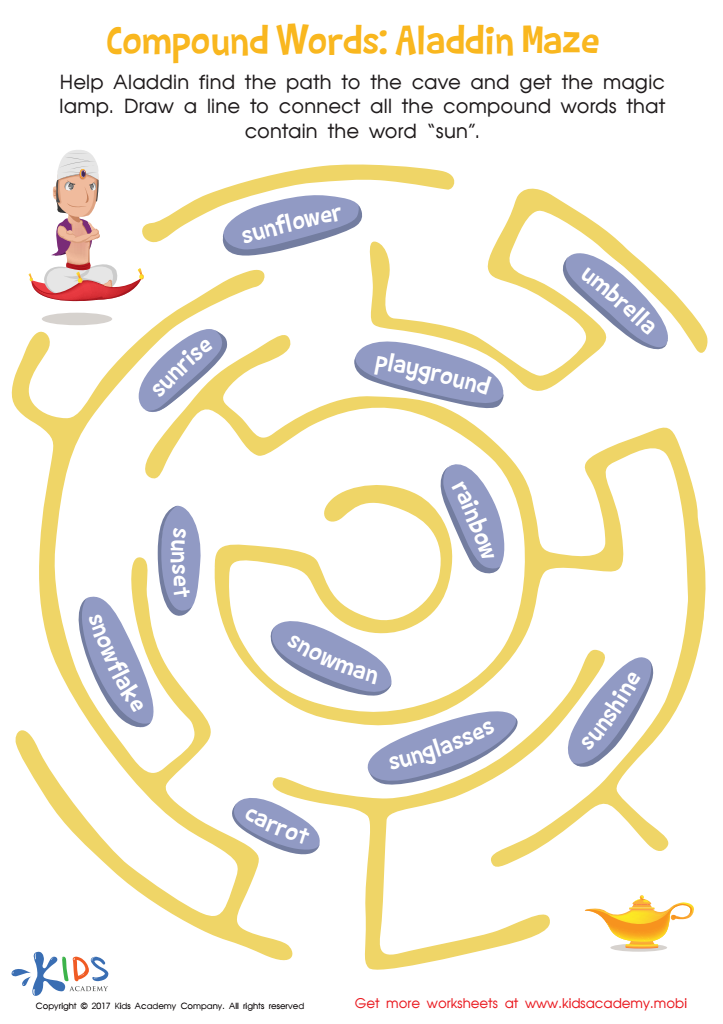
Compound Aladdin Maze Word Structure Worksheet

Haystack Steps Worksheet
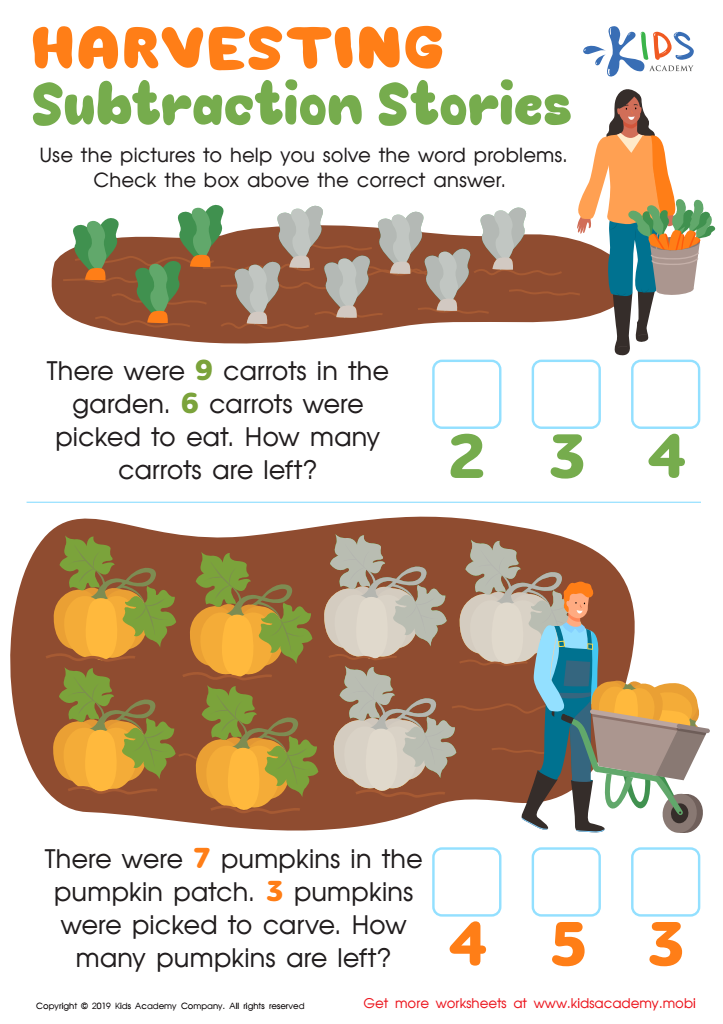
Harvesting Subtraction Stories Worksheet
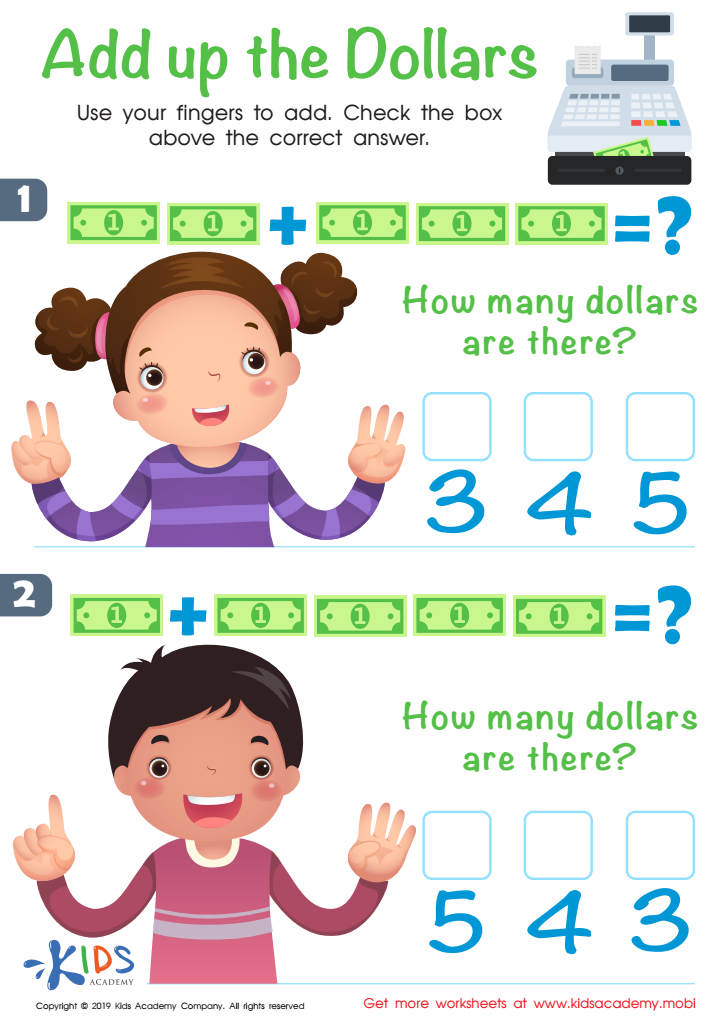
Add up the Dollars Worksheet
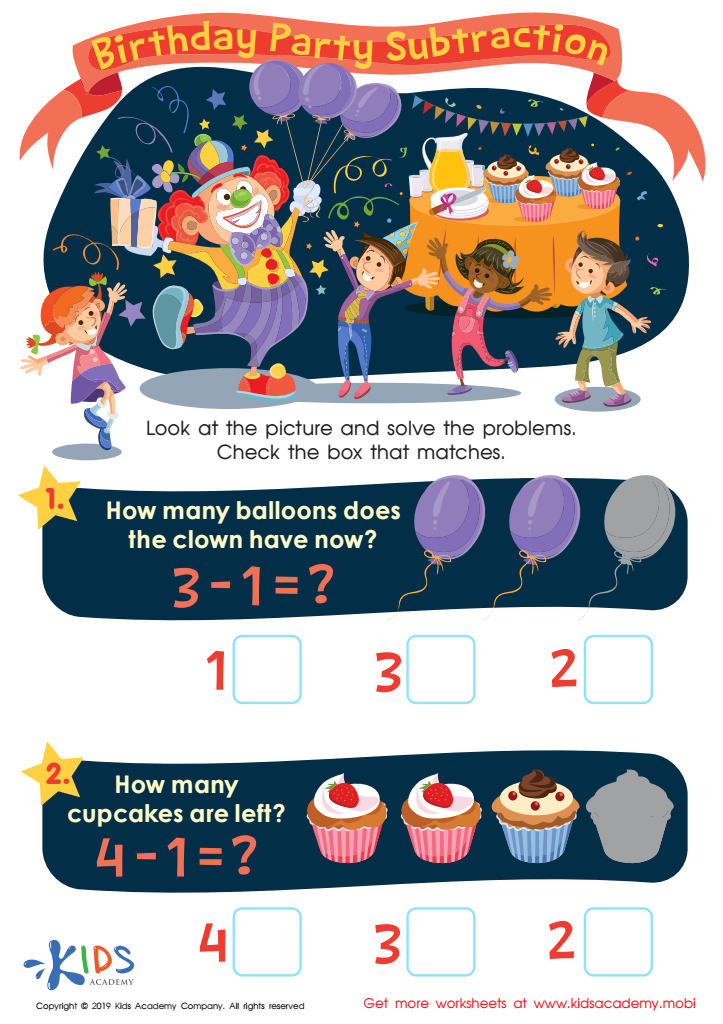
Birthday Party Subtraction Worksheet
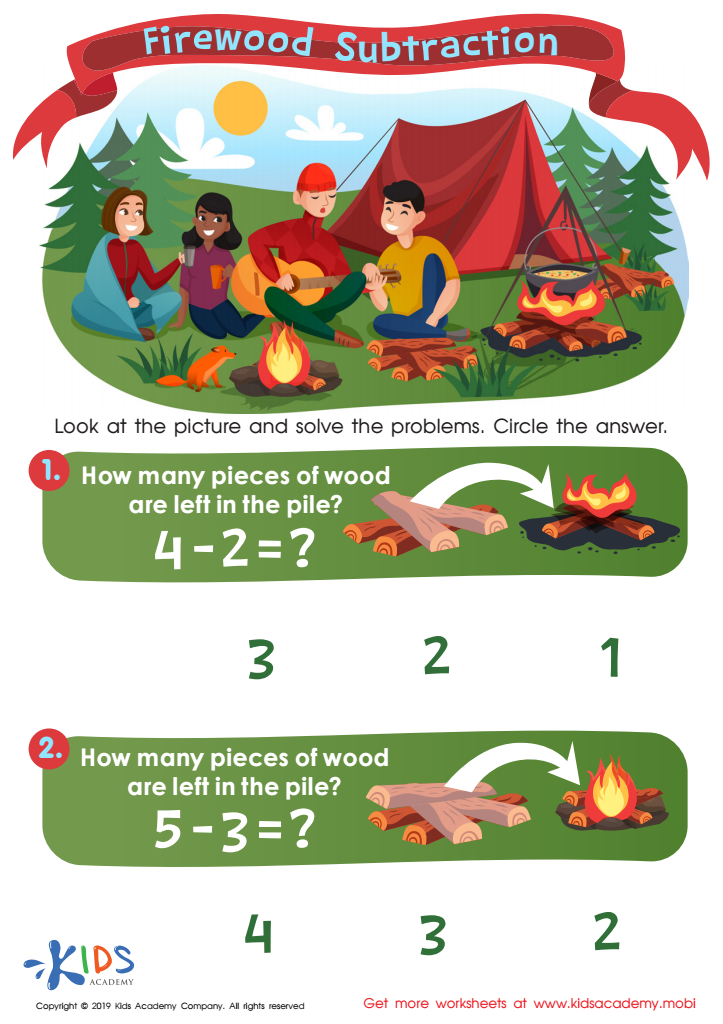
Firewood Subtraction Worksheet
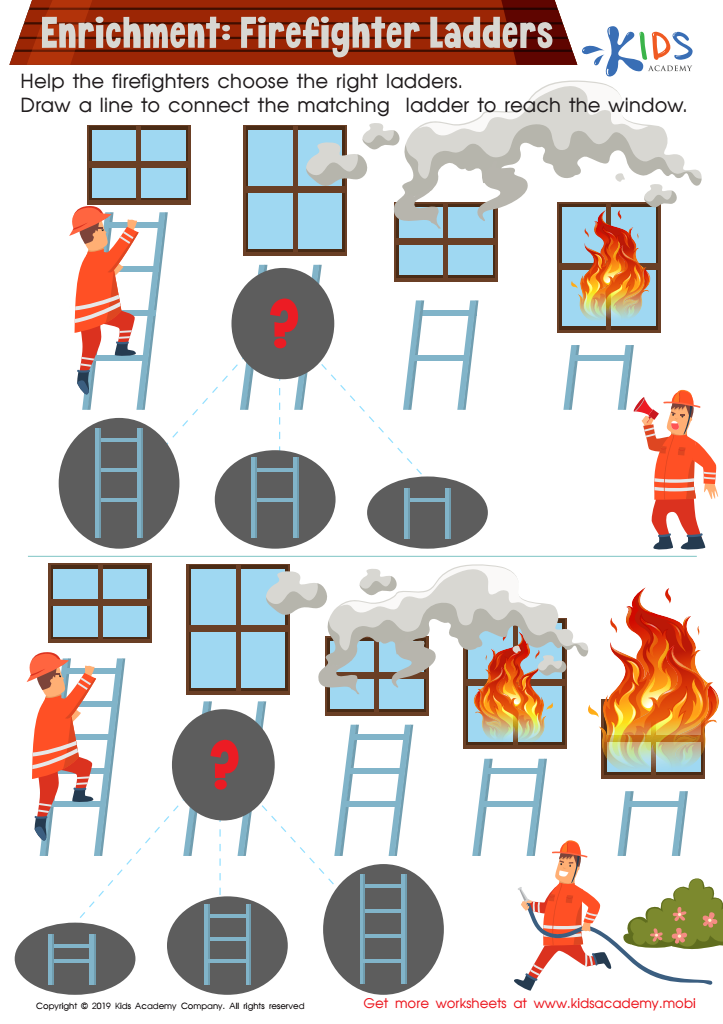
Enrichment: Firefighter Ladders Worksheet
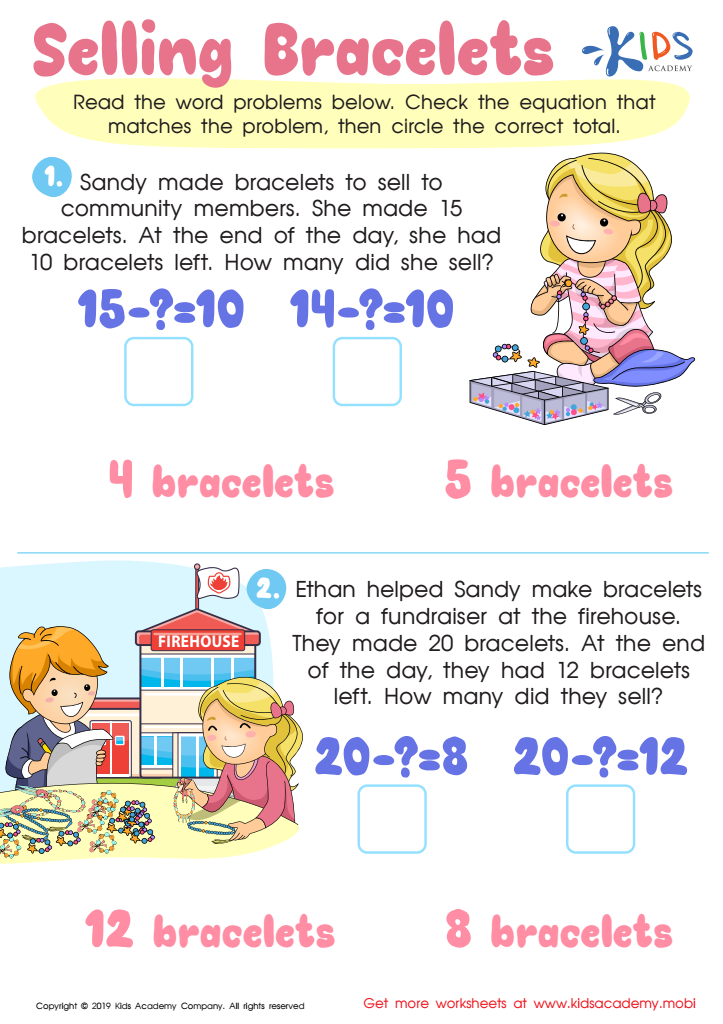
Selling the Bracelets Worksheet
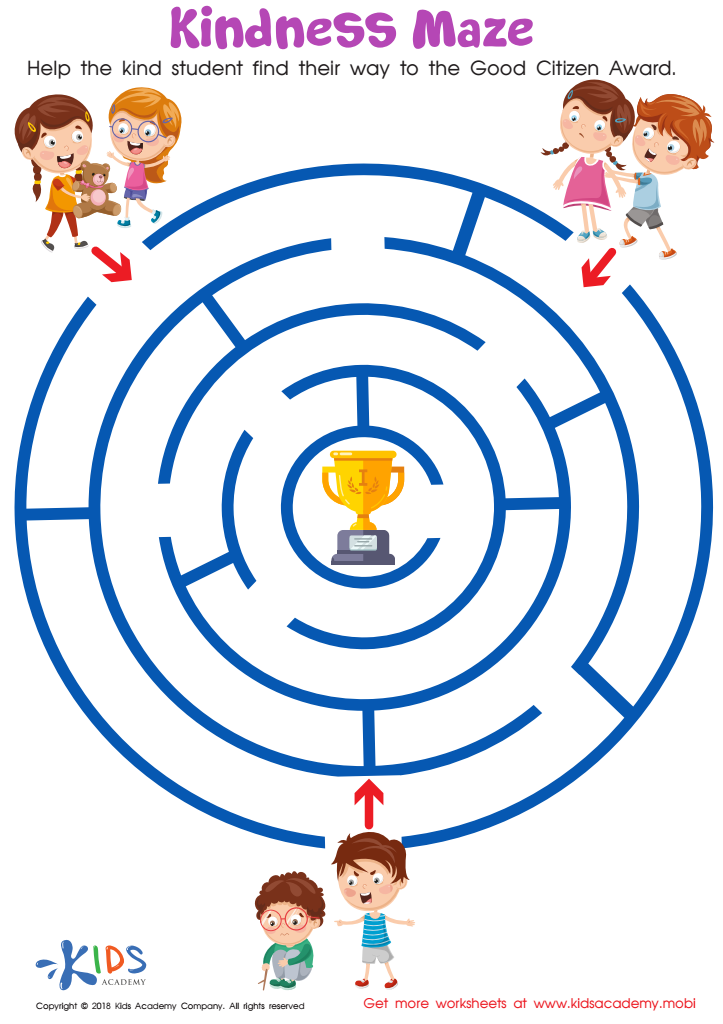
Kindness Maze Worksheet


.jpg)




Problem-solving skills are crucial for children aged 4-6, as they lay the foundation for future learning and development. At this age, children are naturally curious and eager to explore. Encouraging problem-solving helps them harness that curiosity, allowing them to think critically and develop cognitive skills. When parents and teachers foster problem-solving abilities, they empower children to approach challenges with confidence.
Additionally, problem-solving enhances social skills. As children work together to find solutions, they learn to communicate, share ideas, and collaborate with peers. This interaction builds emotional intelligence, such as empathy and patience, which are essential for healthy relationships.
Moreover, problem-solving skills instill a growth mindset in young learners. When they encounter obstacles, they learn to view challenges as opportunities for growth rather than setbacks. This resilience is vital for lifelong learning, as it enables kids to adapt to new situations and overcome difficulties.
Incorporating problem-solving activities into everyday routines or playful learning experiences not only makes learning enjoyable but also equips children with tools that will serve them well throughout their lives. Thus, parents and teachers should prioritize fostering these essential skills to support children's overall development.








