
Fine Motor Skills Easy Worksheets for Ages 4-7
81 filtered results
Difficulty Level
Grade
Age
-
From - To
Subject
Activity
Standards
Enhance your child's fine motor skills with our specially designed easy worksheets for ages 4-7. Perfect for young learners, these engaging activities help develop crucial hand-eye coordination and dexterity through fun and interactive exercises. From tracing and cutting to drawing and assembling, each worksheet is crafted to make learning enjoyable and effective. Our collection not only boosts fine motor abilities but also lays a strong foundation for future academic success. Ideal for both parents and teachers, these resources provide an excellent way to support your child’s early development in a playful and educational setting.
Favorites
With answer key
Interactive
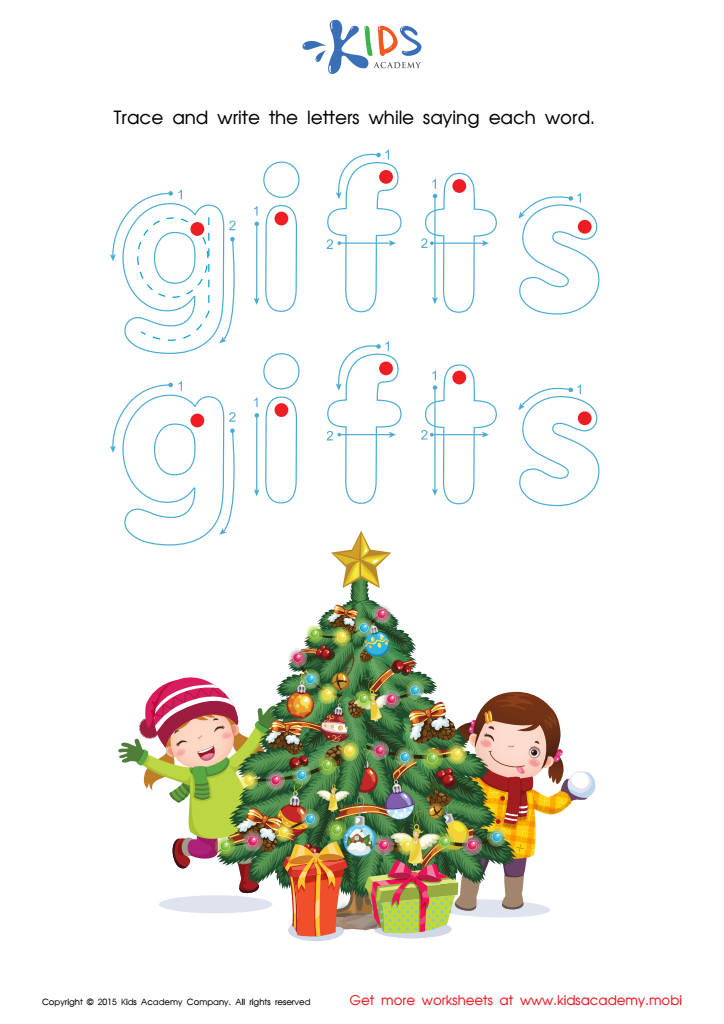
Christmas Tree Tracing Winter Words Worksheet
Print it and let your child trace the word and follow the arrows. Red dots mark the starting points. Have a blast!
Christmas Tree Tracing Winter Words Worksheet
Worksheet
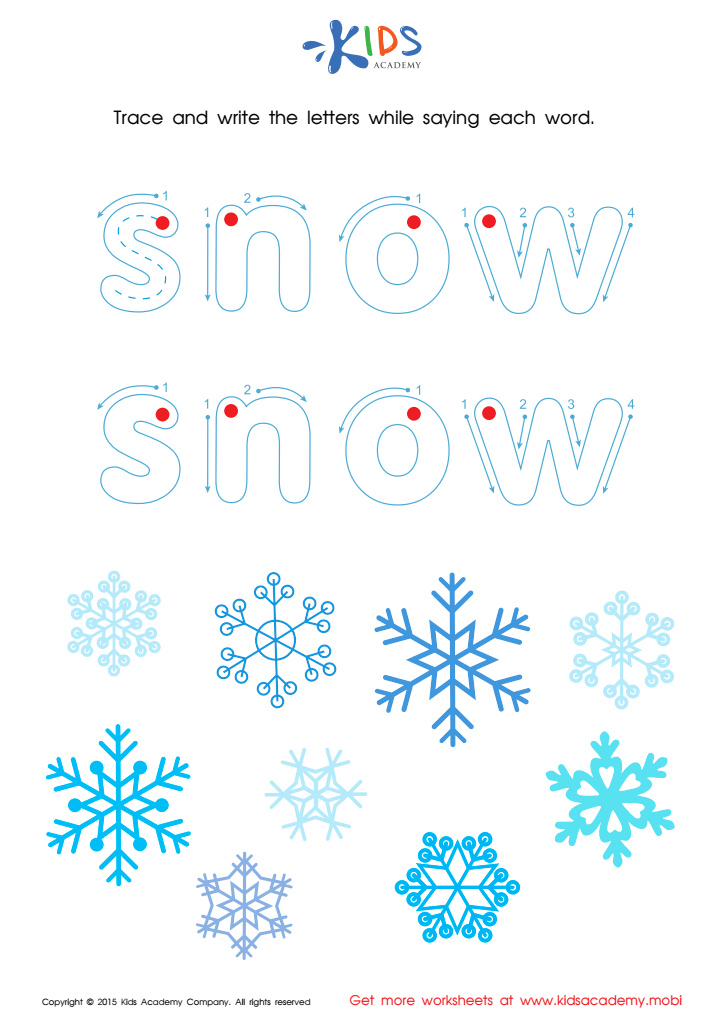
Snowflake Tracing Winter Words Worksheet
Get creative and have fun with our Snowflake handwriting worksheet! Trace the sight word, starting at the big red dots, and follow the arrows. It's a great way to help your little learner develop fine motor skills, work on spelling, and get ready for Christmas! More handwriting printables available on Kids Academy.
Snowflake Tracing Winter Words Worksheet
Worksheet
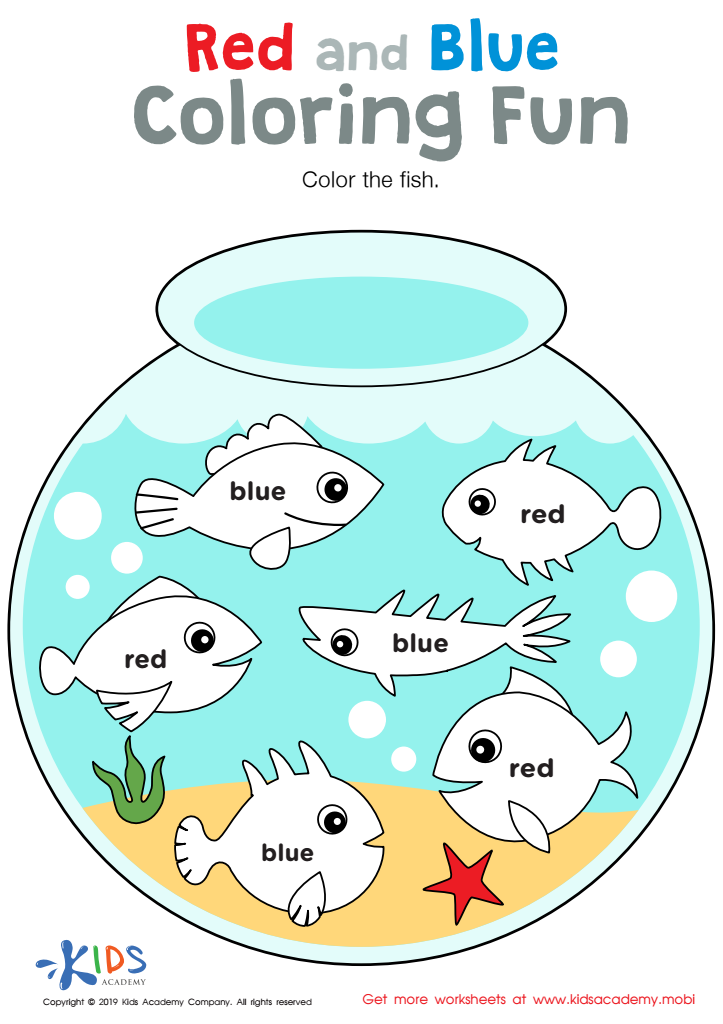
Red and Blue Coloring Fun Worksheet
Kids know colors like red and blue. But can they read these words? Give them practice with this fun fish bowl coloring sheet. They'll look at the fish, then color them the corresponding hue. Home or classroom, they'll be sure to get a kick out of learning colors in this creative way!
Download (PDF)
 Assign to My Students
Assign to My Students
Red and Blue Coloring Fun Worksheet
Worksheet
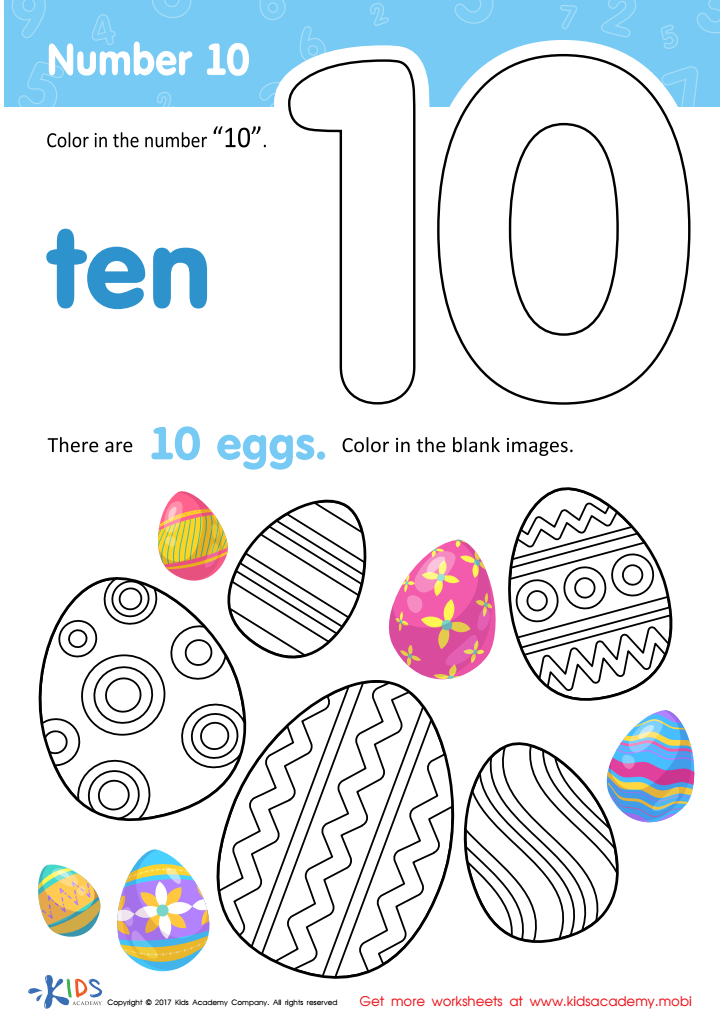
Number 10 Printable
Easter eggs are a great way to combine creativity and learning! Help your child explore the number 10 with our fun coloring page. The intricate designs will spark their imagination and fuel their artistic side, while they practice important numeracy basics. Get creative with eggs and enjoy the fun, no matter the time of year!
Download (PDF)
Assign to My Students
Assign to My Students
Number 10 Printable
Worksheet
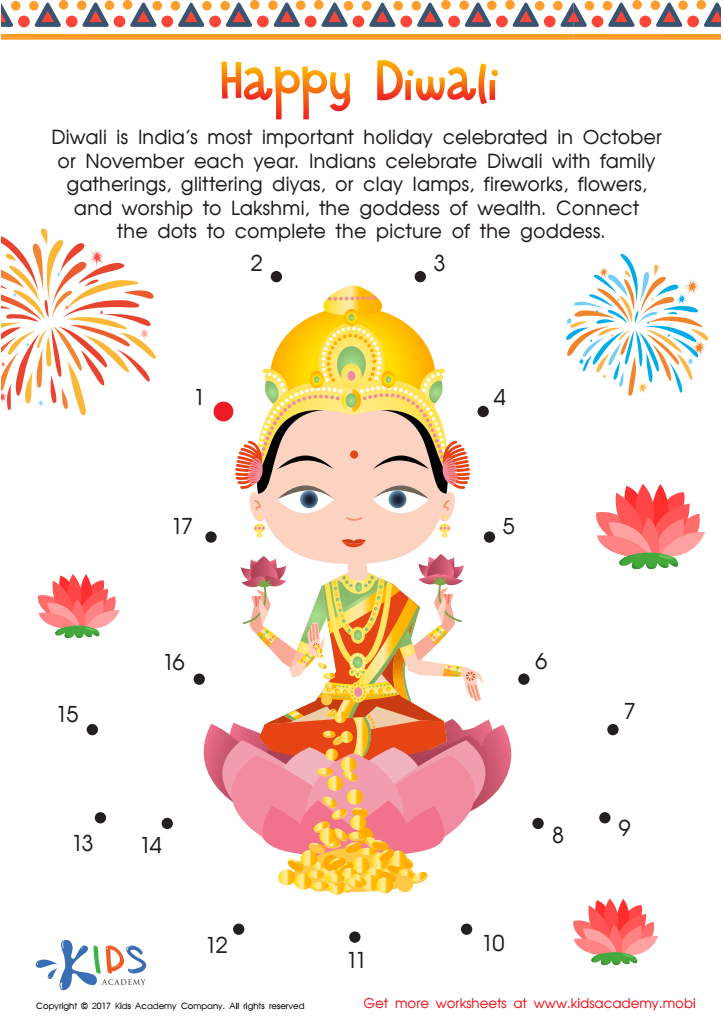
Happy Diwali Printable
Explore India this Diwali! Learn about India's most significant holiday, Diwali, with this fun-filled printable activity for kids. Your child can gain an appreciation for Indian culture with this Diwali dot to dot worksheet.
Happy Diwali Printable
Worksheet
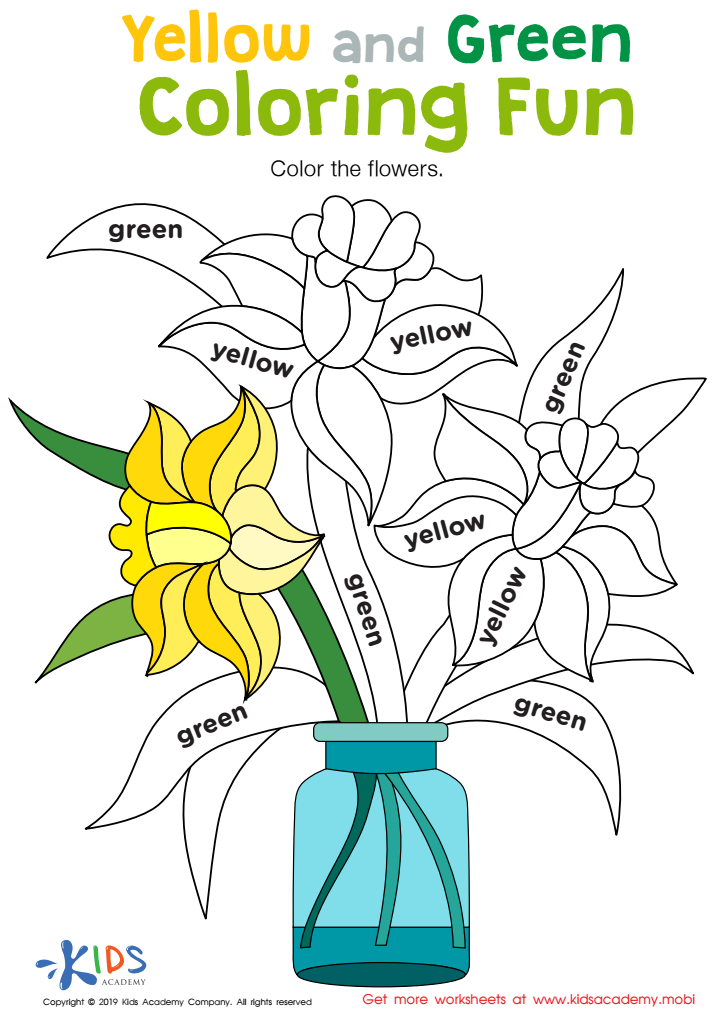
Yellow and Green Coloring Fun Worksheet
Sight words like "yellow" and "green" are easy to teach and fun for kids to learn. This free downloadable worksheet has kids read the color words and color the flower with yellow and green. A great activity for learning to read color words!
Download (PDF)
Assign to My Students
Assign to My Students
Yellow and Green Coloring Fun Worksheet
Worksheet
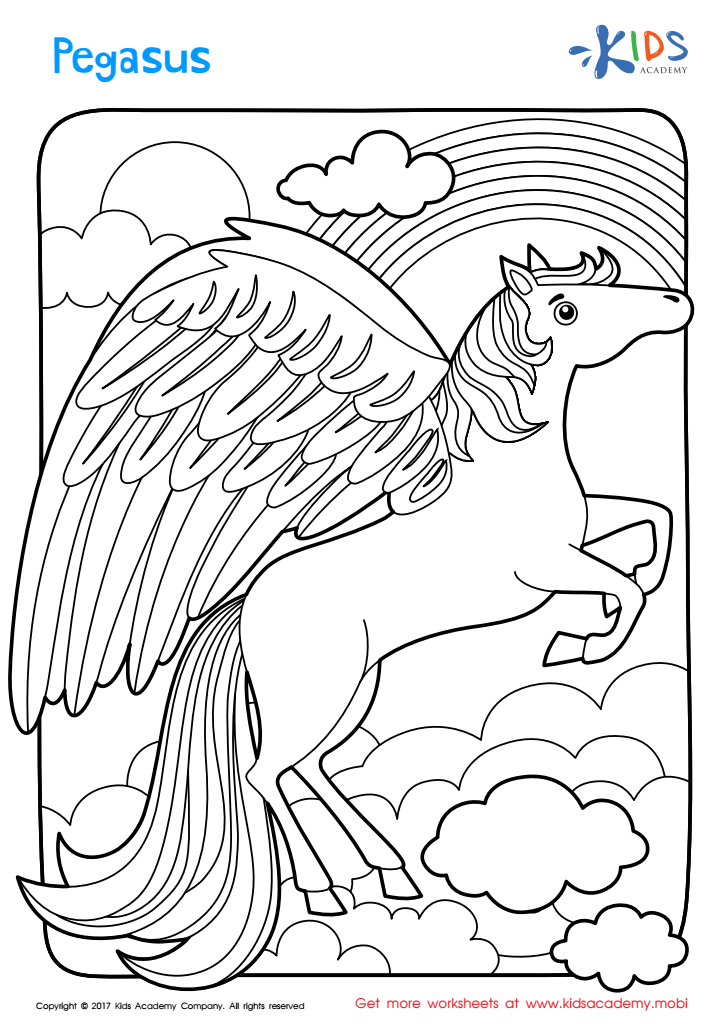
Pegasus Printable
Learn about ancient Greek mythology with your child! Print our Pegasus coloring page to bring the myths to life. Encourage your child to read the stories and let his/her imagination soar. This activity will make the tales of the gods come alive!
Download (PDF)
Assign to My Students
Assign to My Students
Pegasus Printable
Worksheet
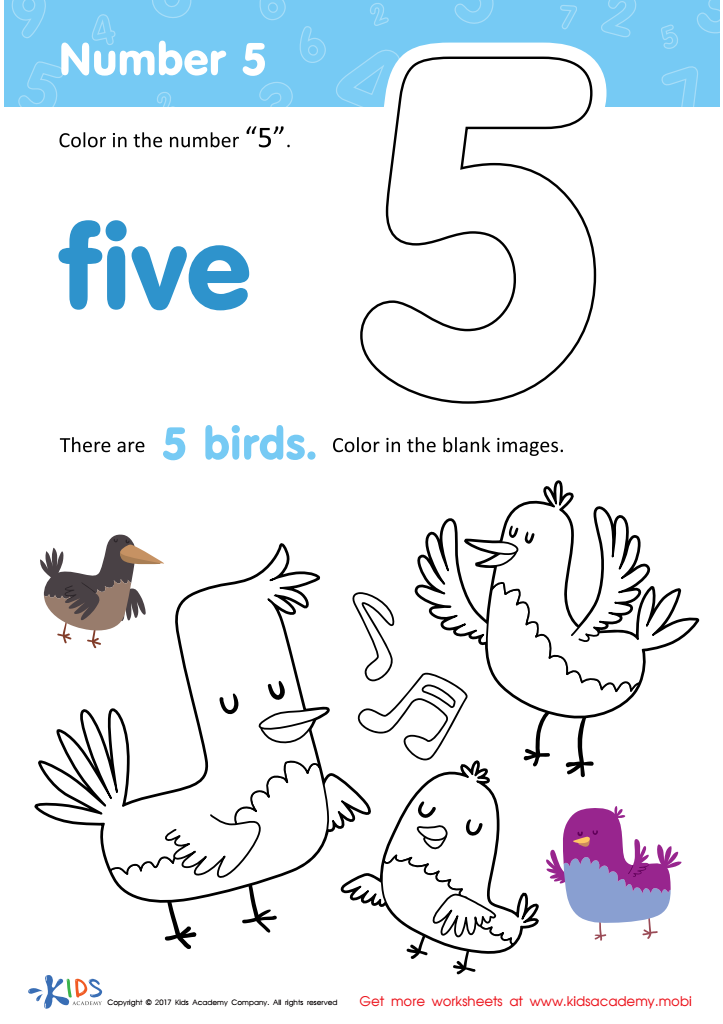
Number 5 Printable
Let your child have fun with this number 5 coloring page! They'll adore coloring the birds and music notes, while learning to recognize the number 5. Enjoy listening to the birds sing their beautiful songs!
Download (PDF)
Assign to My Students
Assign to My Students
Number 5 Printable
Worksheet
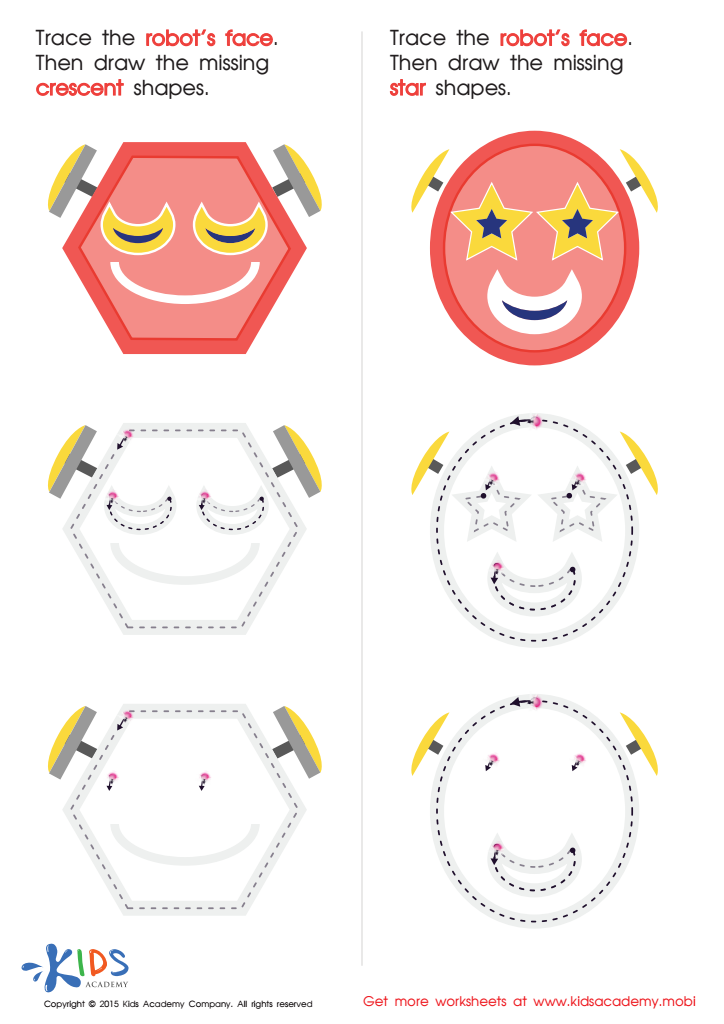
Composing a Robot's Face of Crescents And Stars Worksheet
Get free math geometry worksheets at Kids Academy! Help your child learn by practicing together - trace the robot's face and draw the missing crescent and star shapes. Be sure to remember their names! Have fun and learn with shapes for kids.
Composing a Robot's Face of Crescents And Stars Worksheet
Worksheet
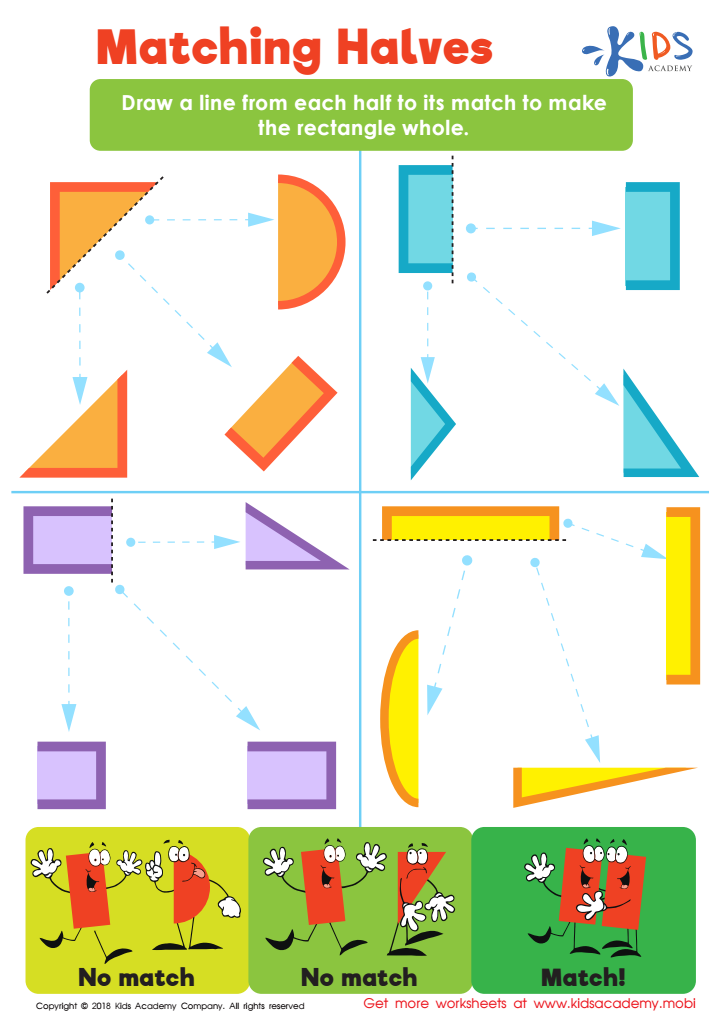
Matching Halves Worksheet
See how your child fares in matching two halves to form a complete rectangle. Provide them with four options, and ask them to draw a line connecting the two correct halves. Put their shape knowledge to the test with this simple worksheet!
Matching Halves Worksheet
Worksheet
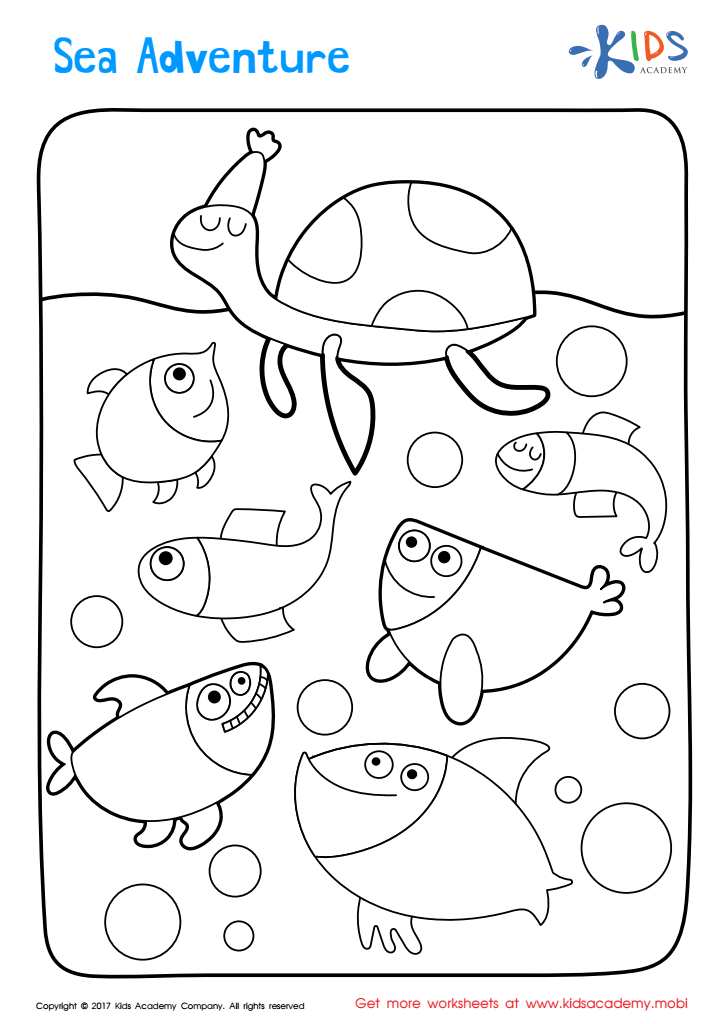
Sea Adventure Coloring Page
Explore the sea with a turtle and color the Sea Adventure printable! Let the turtle lead the way and let the fish watch and follow as kids unleash their creative side and pick the best colors. Have fun!
Download (PDF)
Assign to My Students
Assign to My Students
Sea Adventure Coloring Page
Worksheet
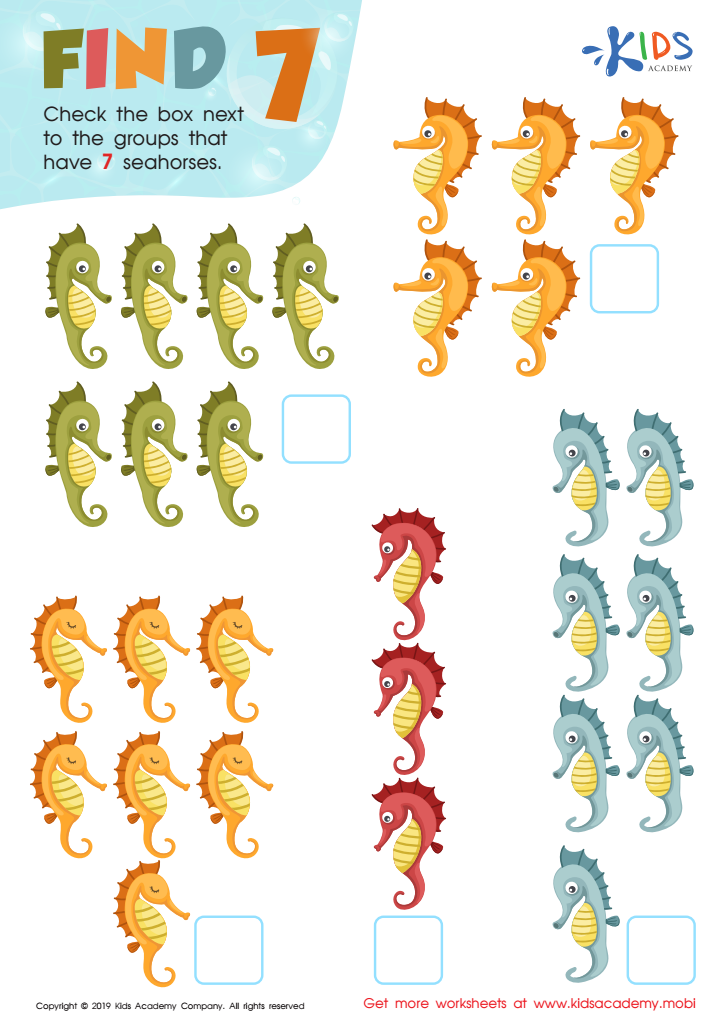
Find 7 Worksheet
Counting seahorses in groups of 7 is fun and educational with this free worksheet. Kids practice counting, one-to-one number representation, and check off the correct answers, all while admiring the brightly colored seahorses. A great way to make learning enjoyable!
Find 7 Worksheet
Worksheet
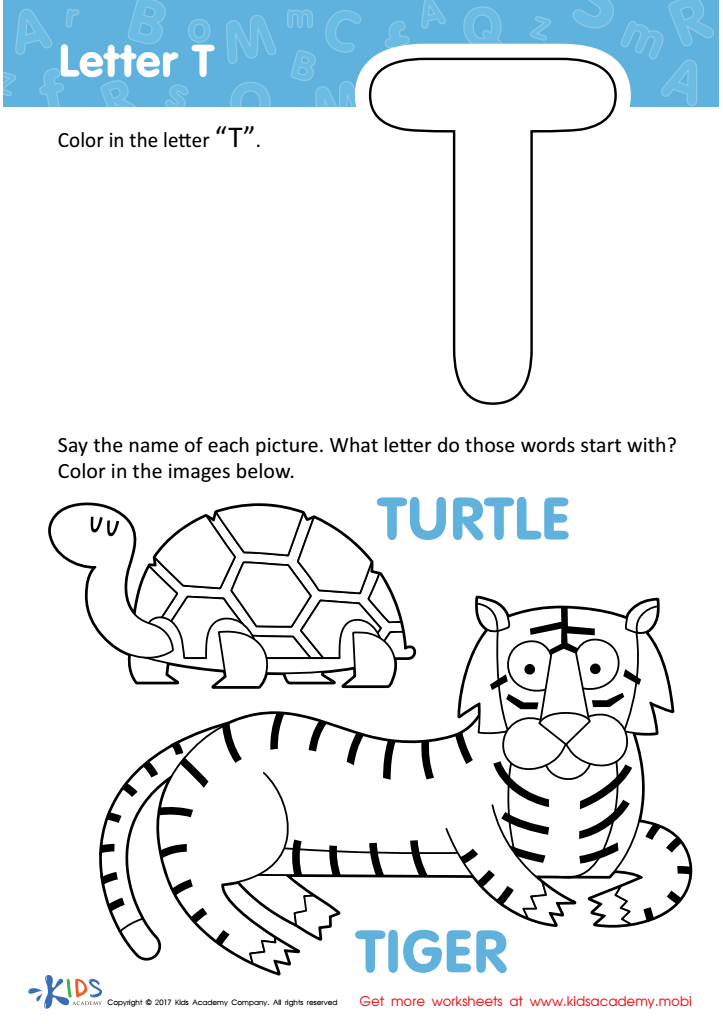
Letter T Coloring Sheet
Introduce your child to the letter "T" and its animals – turtles and tigers! With this coloring page, you can stimulate your child's imagination and creativity, while helping them recognize the letter "T". Have fun with your child and get coloring!
Download (PDF)
Assign to My Students
Assign to My Students
Letter T Coloring Sheet
Worksheet
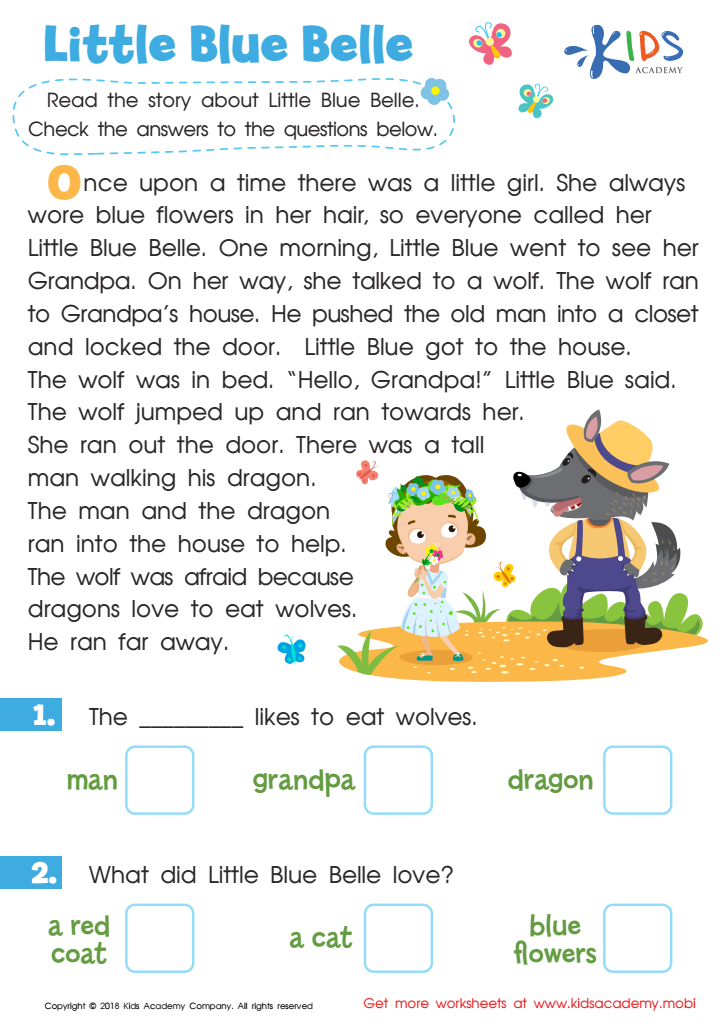
Little Blue Belle Worksheet
Check comprehension of fiction read in class by asking questions. Some students may struggle, so provide extra practice with a reading worksheet. Students read a story and answer questions at the bottom. A handy resource for reading classrooms!
Little Blue Belle Worksheet
Worksheet
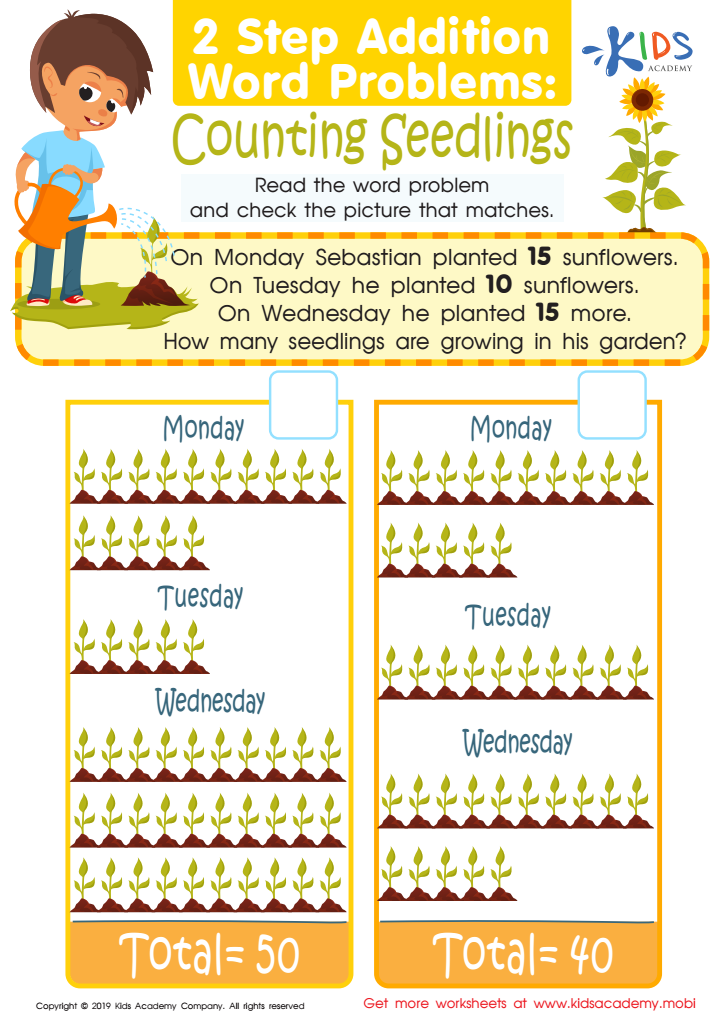
Counting Seedlings Worksheet
Understanding math word problems is key. Multiple steps can prove challenging - this free worksheet provides one-to-one picture representation to help kids solve multi-step addition word problems. Strengthen addition skills by choosing the matching picture to the answer.
Counting Seedlings Worksheet
Worksheet
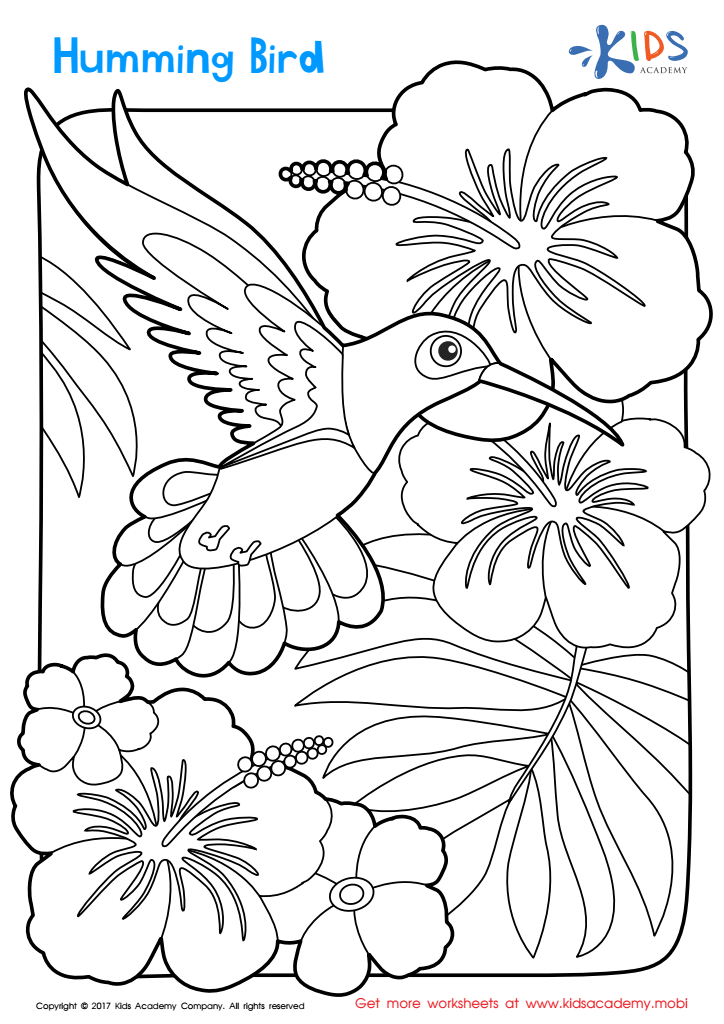
Humming Bird Worksheet
Encourage your child to explore nature with this lovely hummingbird coloring page! Use pictures to learn about the bird and extend the experience with a hummingbird feeder. See the beautiful creature in your own backyard!
Download (PDF)
Assign to My Students
Assign to My Students
Humming Bird Worksheet
Worksheet
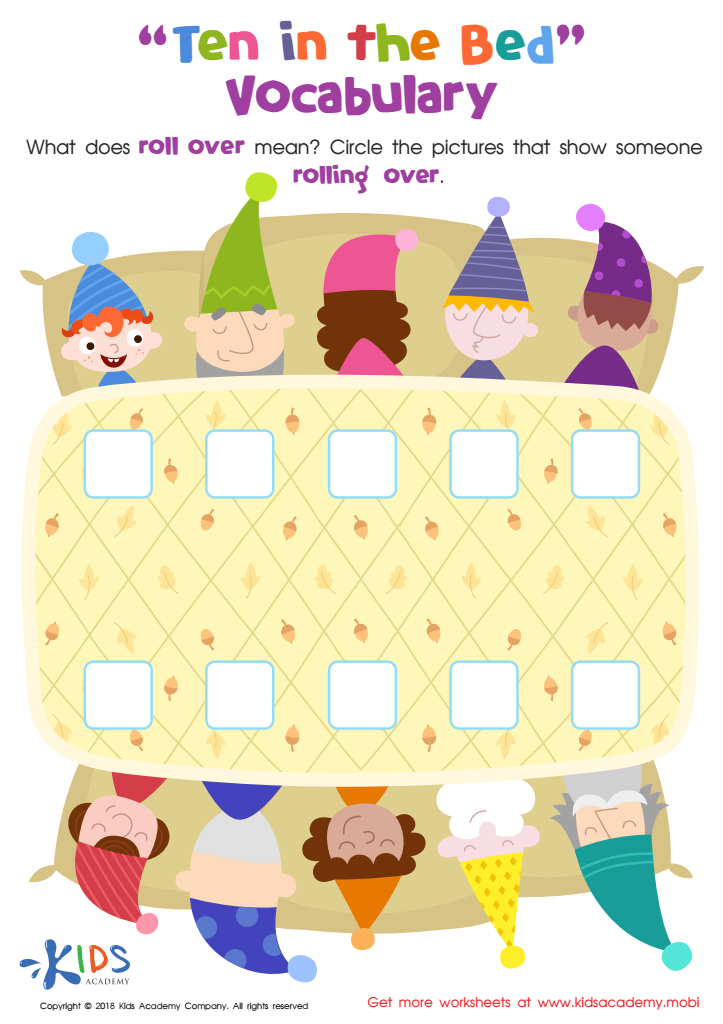
Ten in the Bed: Vocabulary Worksheet
It's essential for emerging readers to be proficient in positional and directional words. This worksheet uses cheerful faces to help students identify who has "rolled over". Knowing these words is an essential part of reading and writing for pre-K and Kindergarteners. It also helps them to follow directions and use precise language.
Ten in the Bed: Vocabulary Worksheet
Worksheet
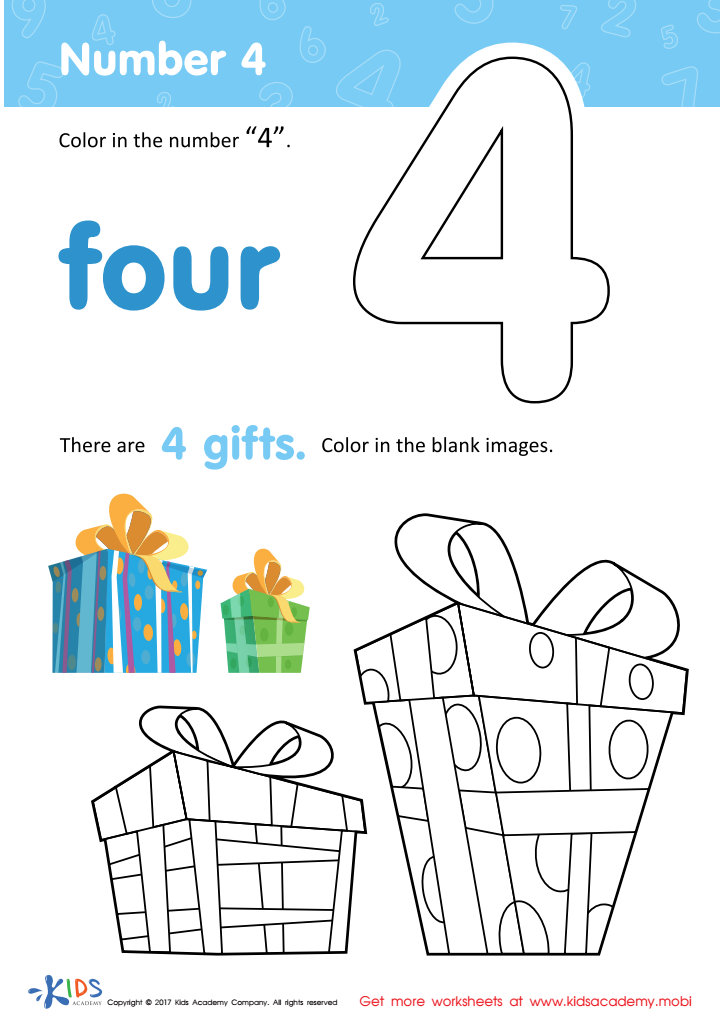
Number 4 Printable
Kids love gifts! Give your child a learning opportunity with this number 4 coloring page. As they design their own wrapping paper, they'll learn to read and recognize the number four. An exciting way to have fun and learn at the same time!
Download (PDF)
Assign to My Students
Assign to My Students
Number 4 Printable
Worksheet
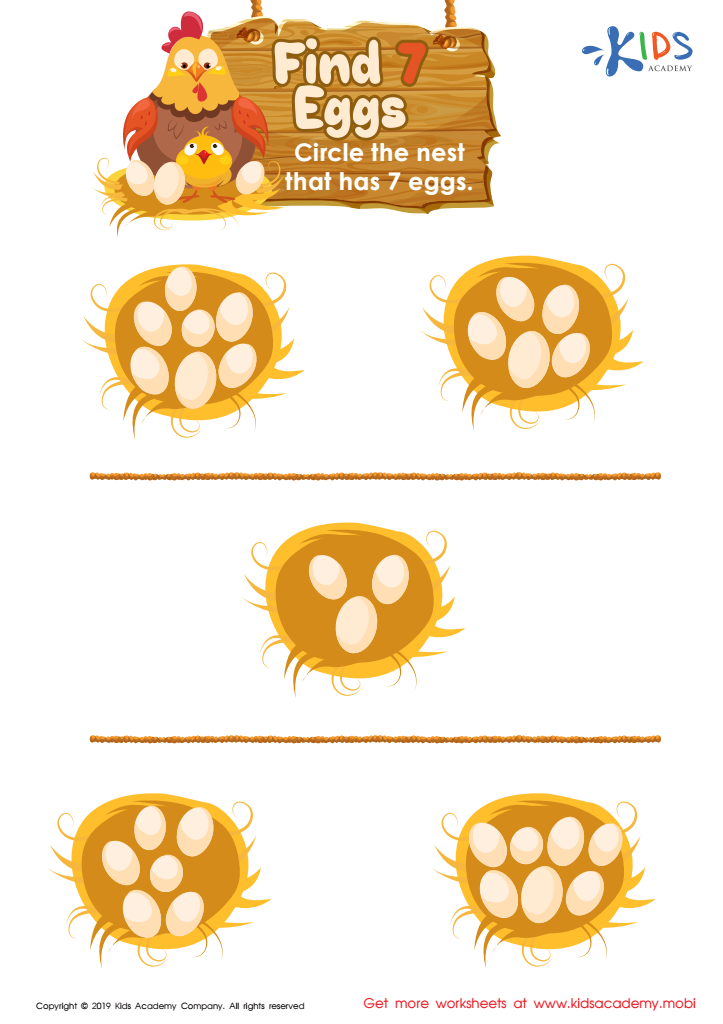
Find 7 Eggs Worksheet
Mama chicken needs help counting her eggs! Have your child use one-to-one number representation to count and circle the nests that have seven eggs with this free and fun worksheet. Picture representation is a great way to start building math skills. Download this PDF and make math time fast and enjoyable!
Find 7 Eggs Worksheet
Worksheet
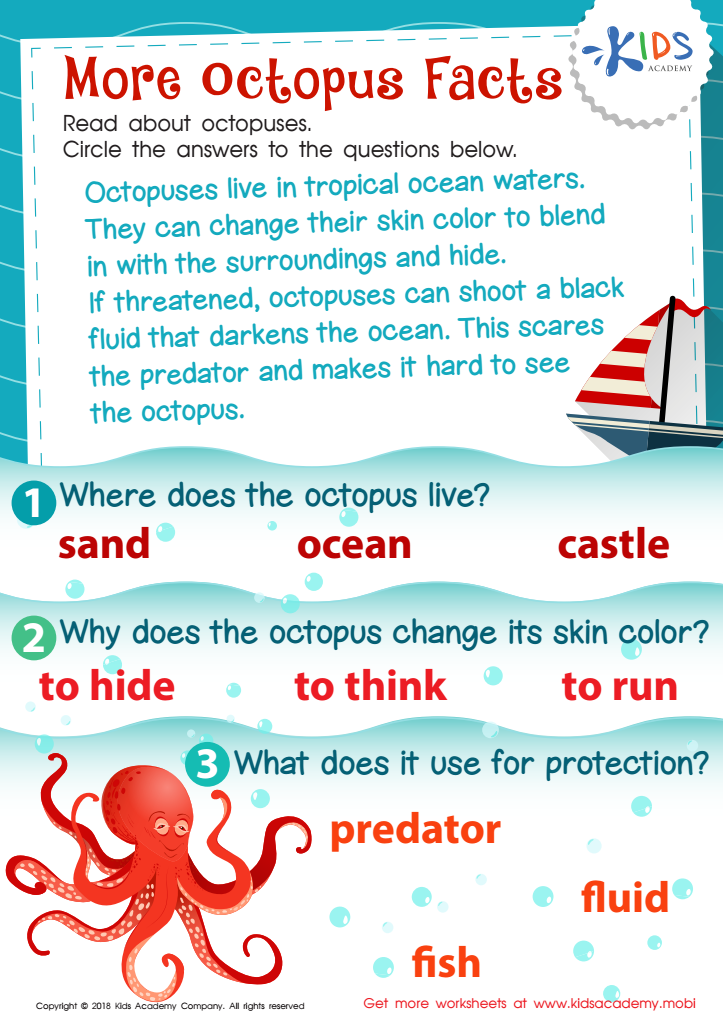
More Octopus Facts Worksheet
This worksheet will help your kids learn about the Octopus. Read the text carefully and have kids read with you. Now, ask them questions based on it and help them answer them by circling the right choices. Teaching your kids facts about animals will help them in the long run.
More Octopus Facts Worksheet
Worksheet
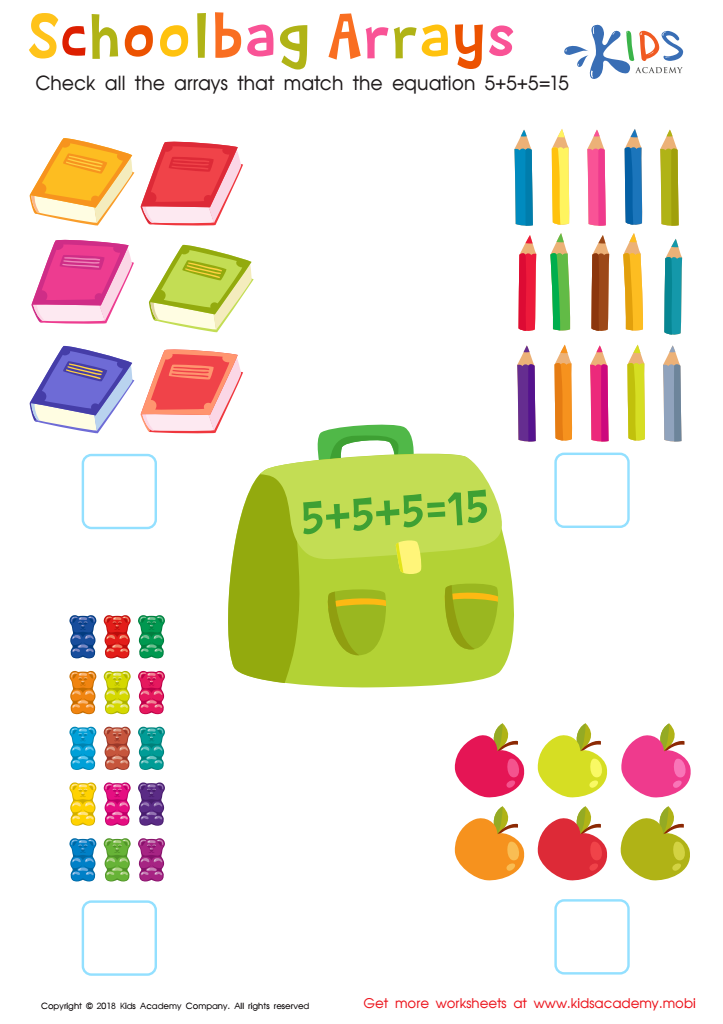
Schoolbag Arrays Worksheet
Help your child spot the correct arrays in this worksheet: having them count the items in each and check the boxes for the ones with 15 objects. Ask them to differentiate between rows and columns and explain which ones match the equation 5+5+5=15.
Schoolbag Arrays Worksheet
Worksheet
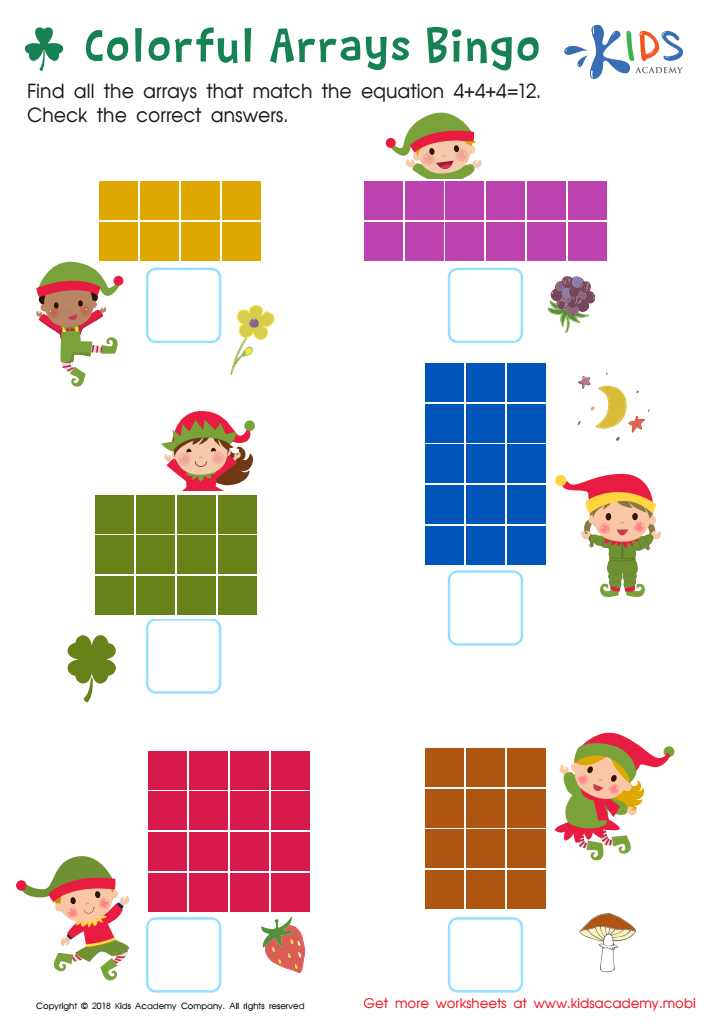
Colorful Arrays Bingo Worksheet
This worksheet stimulates thinking about arrays and how to represent them. Instruct students to count the 6 arrays and find which ones sum up to 12. Ask them to check the answers for accuracy.
Colorful Arrays Bingo Worksheet
Worksheet
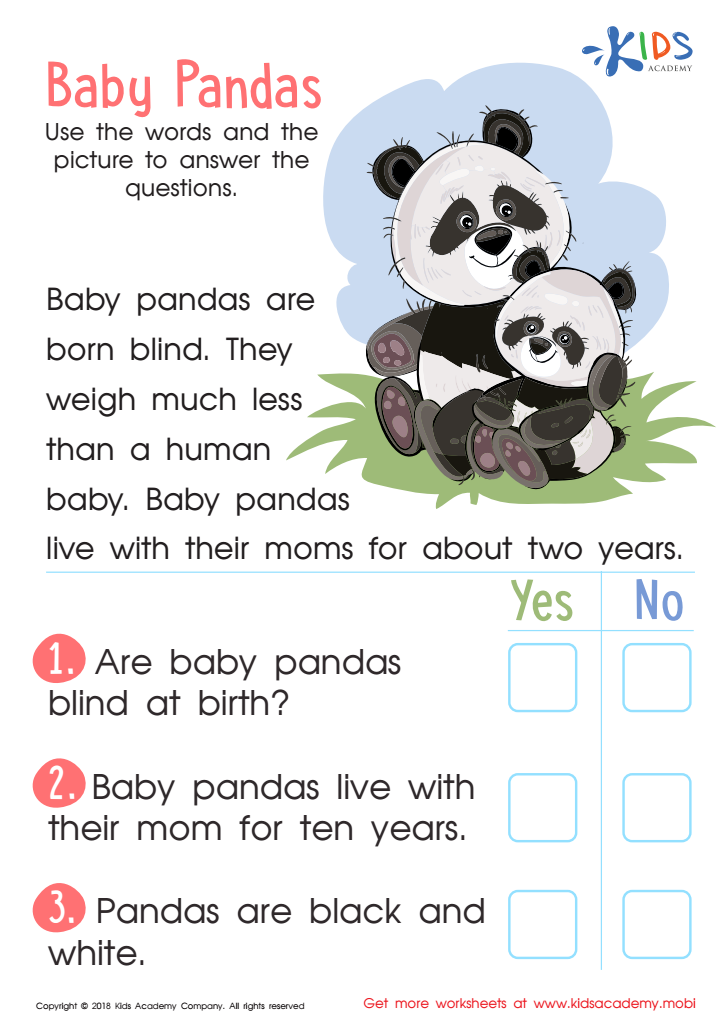
Baby Pandas Worksheet
Kids can't usually see pandas in person, but they can learn more about them with this fun worksheet! It includes a passage and picture, plus questions at the end to check kids' reading comprehension. Just ask them to read the text, check the "yes" and "no" boxes, and enjoy the fascinating facts about baby pandas!
Baby Pandas Worksheet
Worksheet
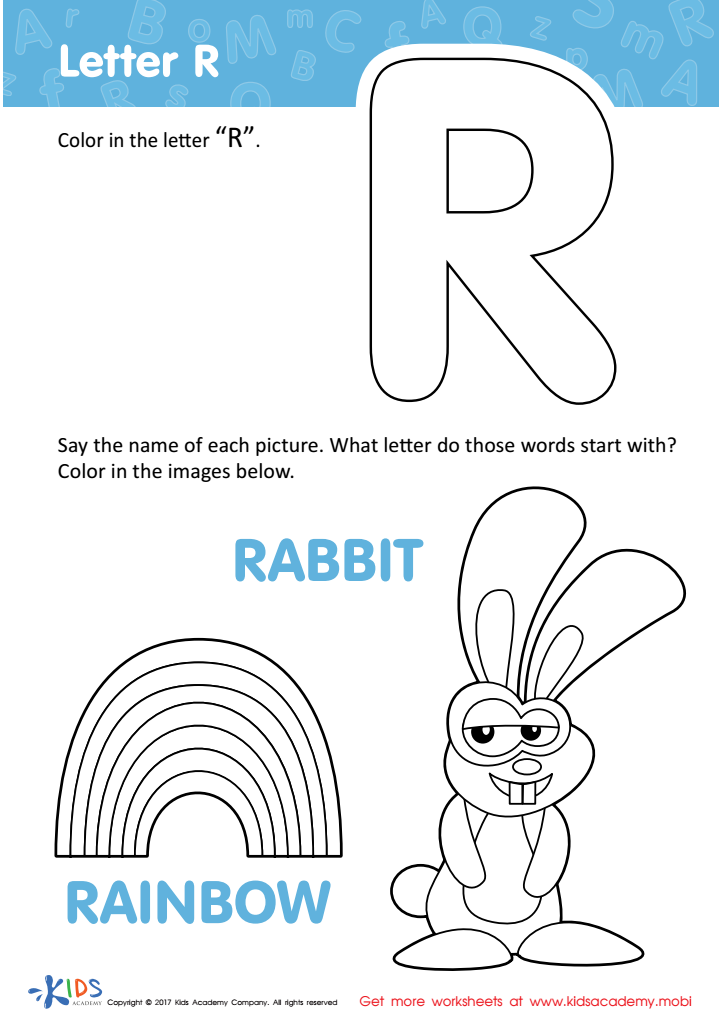
Letter R Coloring Sheet
Let your child explore the rainbow with this fun letter "R" coloring page! They can learn to recognize the letter and make connections to words, all while having fun! Make alphabet learning enjoyable with joyful coloring pages.
Download (PDF)
Assign to My Students
Assign to My Students
Letter R Coloring Sheet
Worksheet
Join Kids Academy for Free
Who is primarily going to use this learning content?






Parents and teachers should care about fine motor skills for children aged 4-7 as these skills are essential for everyday activities and future academic success. Fine motor skills involve the coordination of small muscles in the hands and fingers, which are crucial for tasks such as writing, buttoning clothes, and using utensils. When children can perform these activities effectively, they develop a sense of independence and confidence.
At this age, fine motor skills also lay the foundation for more complex tasks, such as drawing, which enhances creativity, and holding a pencil correctly, which is vital for learning how to write. Strong fine motor skills can improve hand-eye coordination, which is important not just for writing but for other school-related activities, including using a computer mouse and participating in art and craft projects.
Moreover, the development of fine motor skills can impact cognitive development. Engaging in tasks that require precise hand movements can improve attention to detail and problem-solving abilities. Consequently, supporting fine motor skill development can lead to better academic performance and a smoother transition to more demanding school tasks.
In summary, fostering fine motor skills in children aged 4-7 provides them with the necessary tools to excel both academically and in everyday life, promoting overall development and self-sufficiency.








