Problem-Solving Skills Easy Worksheets for Ages 4-7 - Page 3
55 filtered results
-
From - To
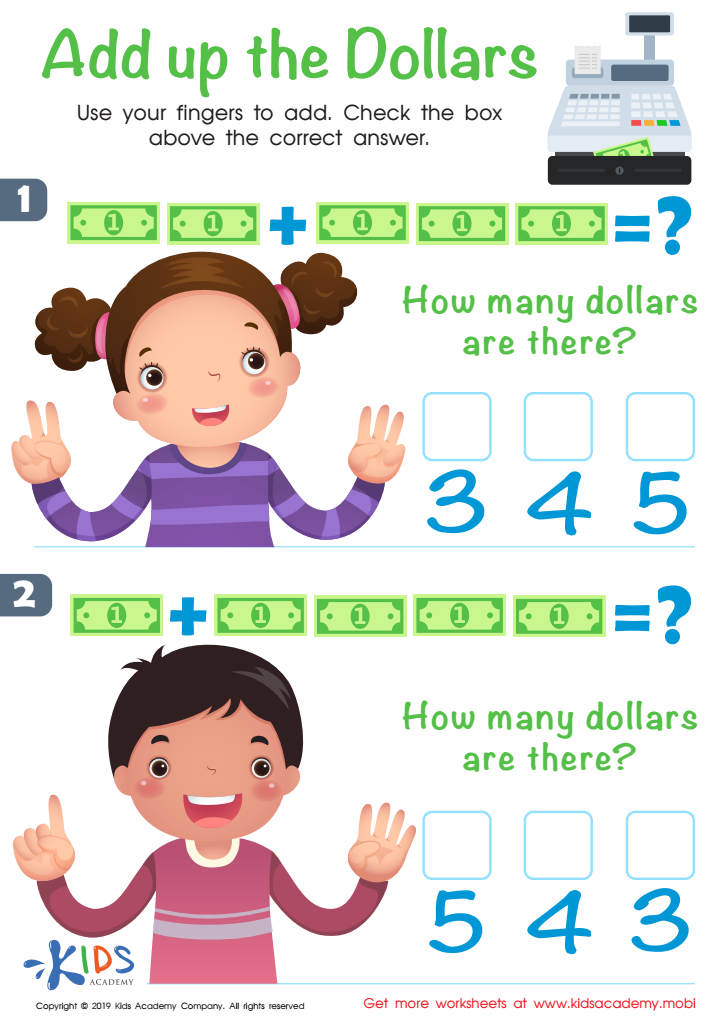
Add up the Dollars Worksheet
 Assign to My Students
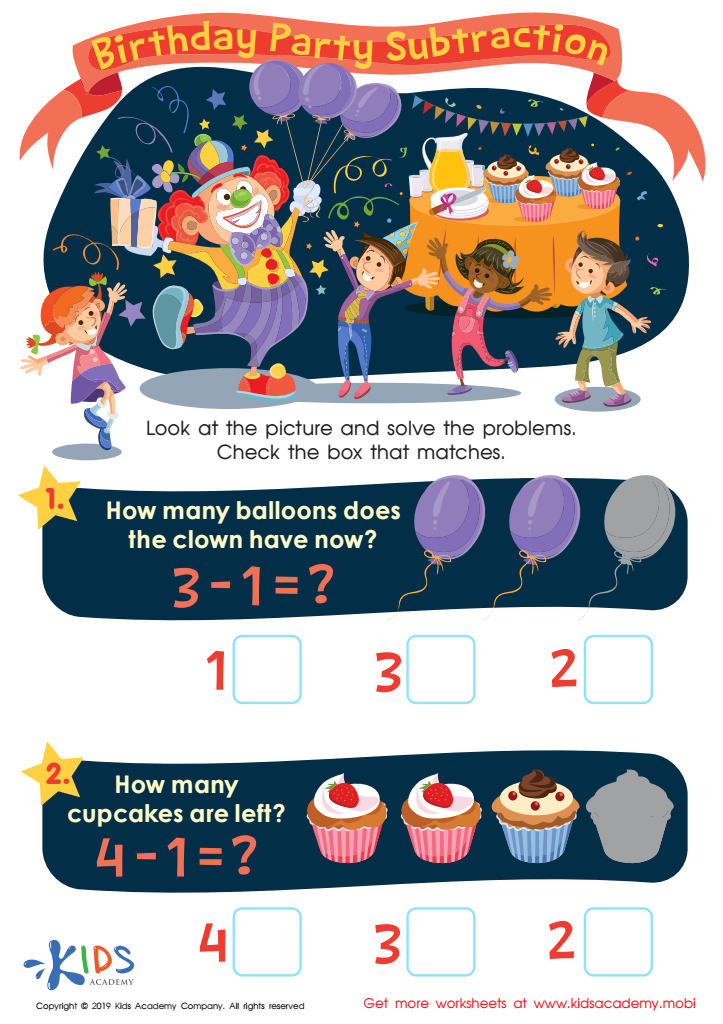
Birthday Party Subtraction Worksheet
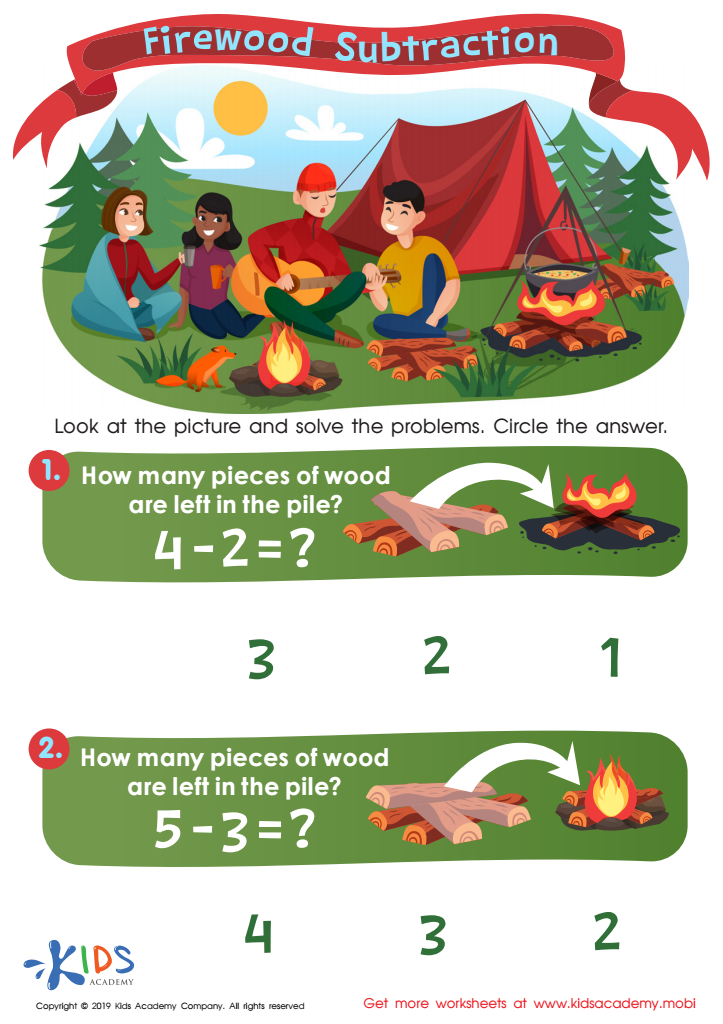
Firewood Subtraction Worksheet
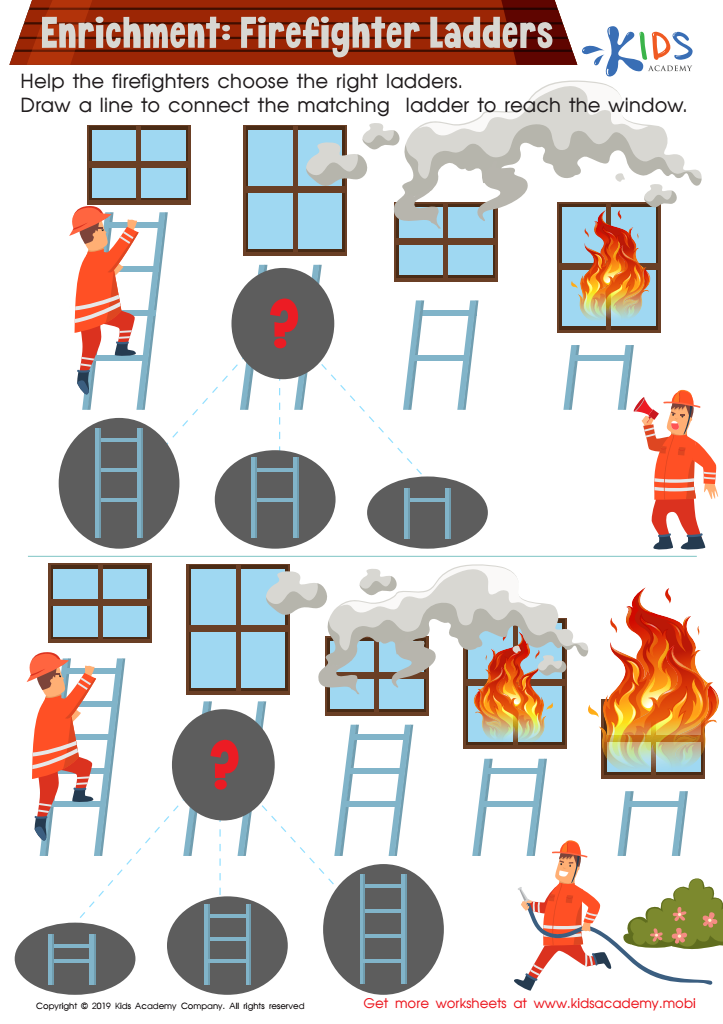
Enrichment: Firefighter Ladders Worksheet
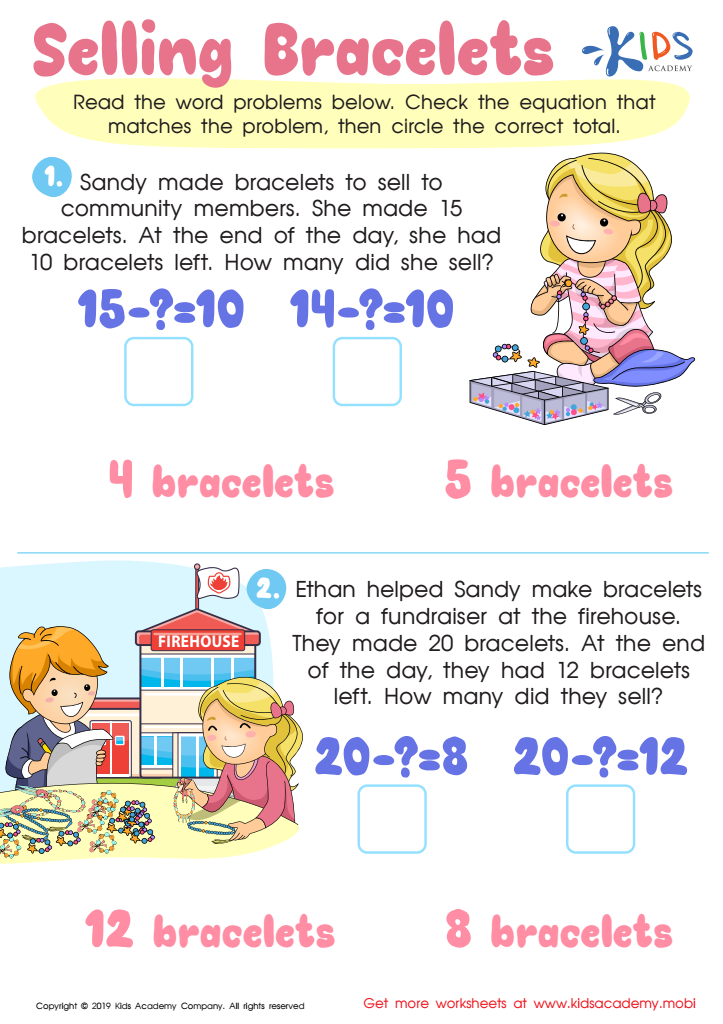
Selling the Bracelets Worksheet
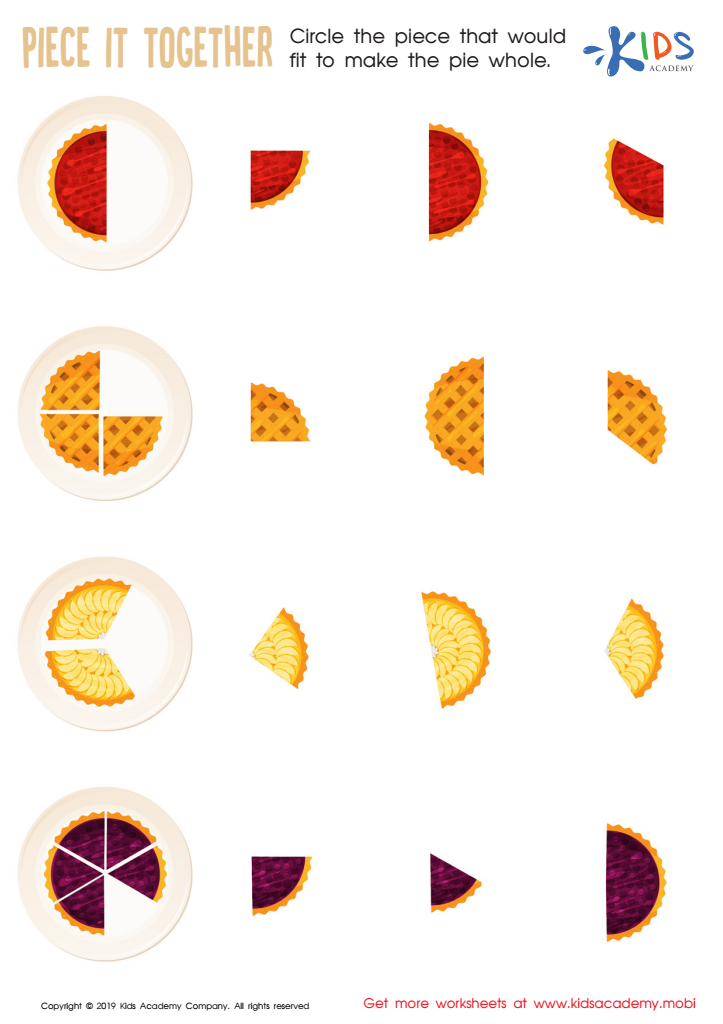
Piece it together Worksheet
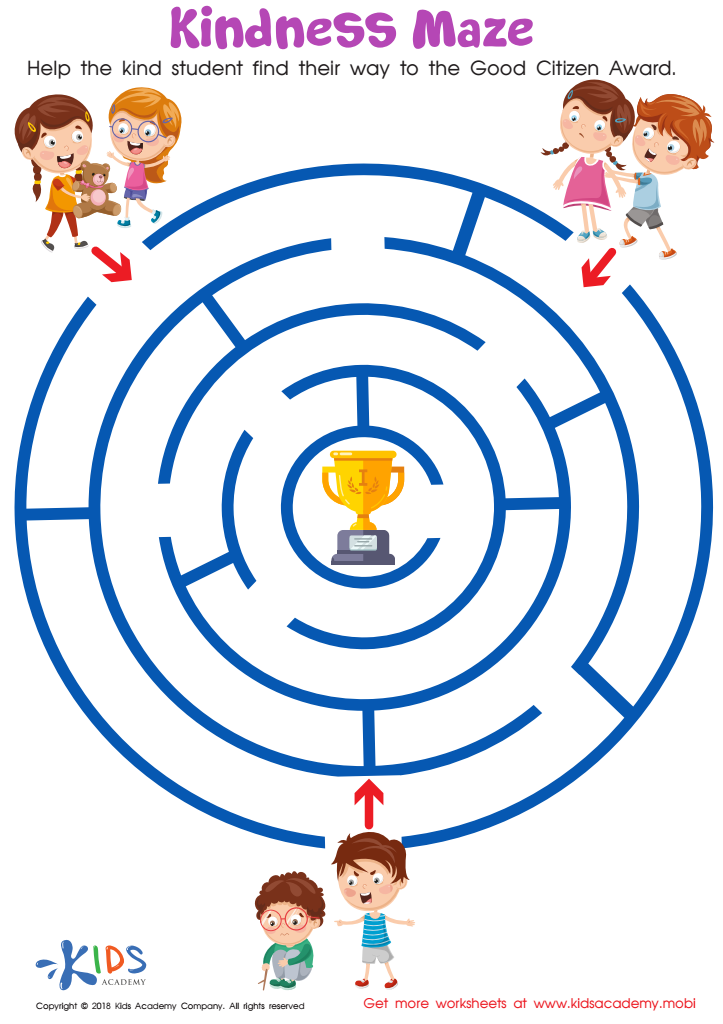
Kindness Maze Worksheet








Problem-solving skills are essential for young children aged 4-7 because they form the foundation for more complex cognitive abilities that are necessary for their academic and life success. At early ages, children naturally encounter various challenges, from simple puzzles to conflicts with peers. Learning to navigate and resolve these challenges fosters critical thinking, creativity, and resilience.
For parents and teachers, nurturing problem-solving skills helps children become independent thinkers who can approach problems methodically, considering different solutions and foreseeing potential outcomes. This intrinsic skill-set not only aids in academic pursuits but also encourages positive social interactions, as children learn to communicate effectively and negotiate differences.
Introducing problem-solving at an early age helps build confidence and encourages a growth mindset. Children who perceive problems as opportunities for learning are more likely to persist in the face of difficulties rather than becoming discouraged. Skillful problem-solving also translates to better emotional regulation as children learn to calm themselves and think clearly under pressure.
In summary, focusing on problem-solving skills for children aged 4-7 equips them with essential tools to understand and interact with the world around them. This ultimately sets a strong foundation for lifelong learning, adaptability, and emotional well-being, making it a worthy focus for both parents and educators.








