Problem-Solving Skills Easy Worksheets for Ages 4-8 - Page 2
61 filtered results
-
From - To
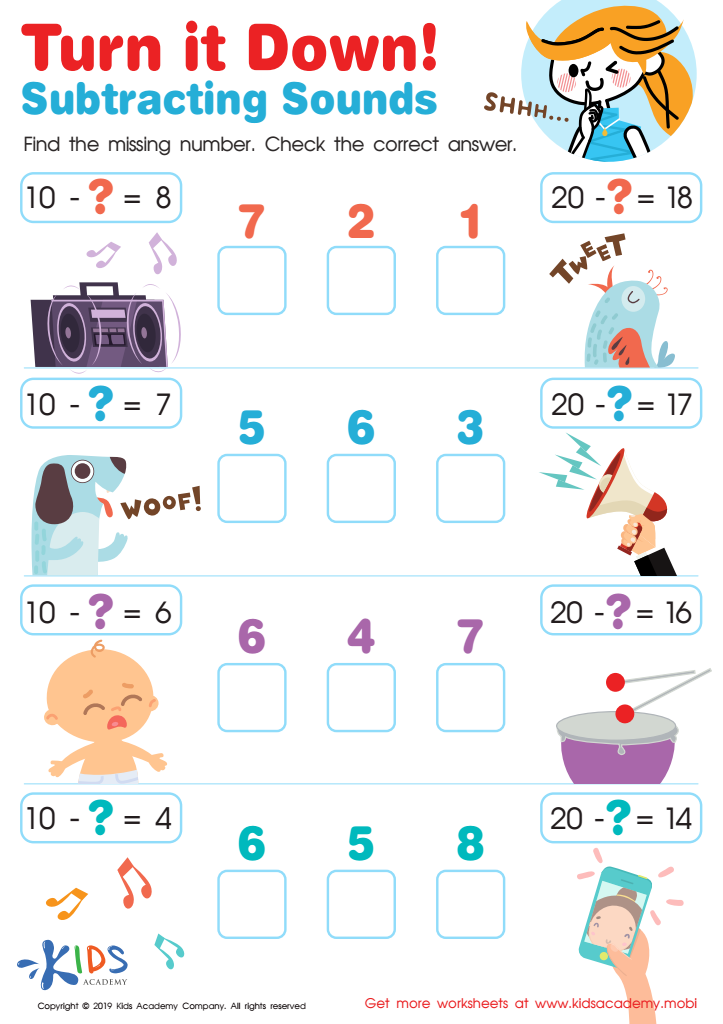
Turn It down! Subtracting Sounds Worksheet
 Assign to My Students
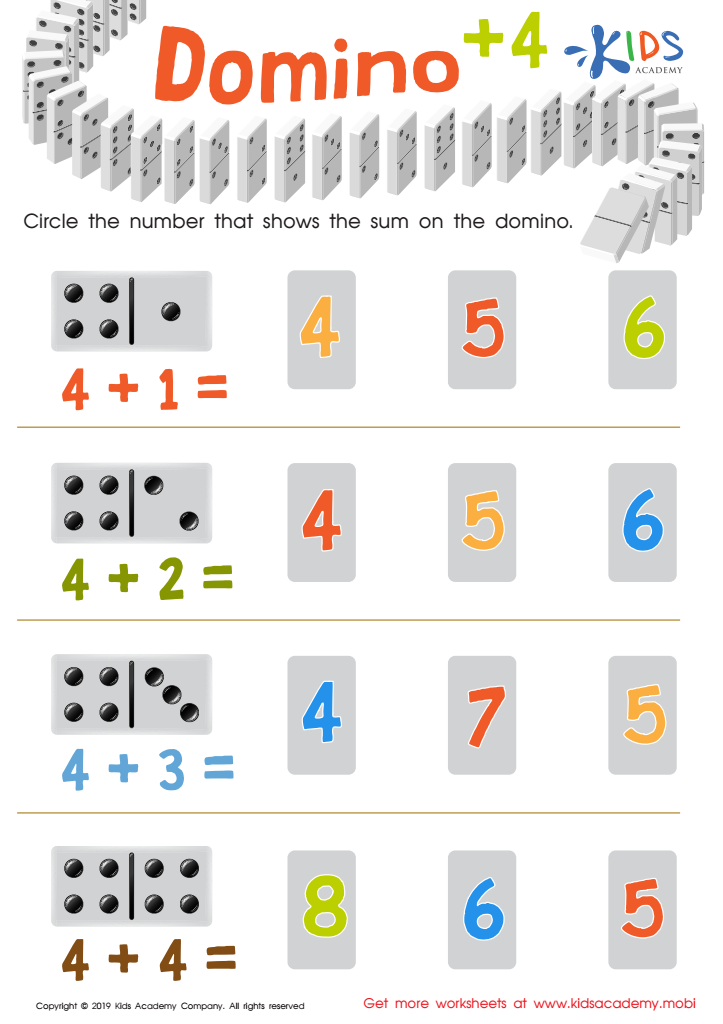
Domino +4 Worksheet
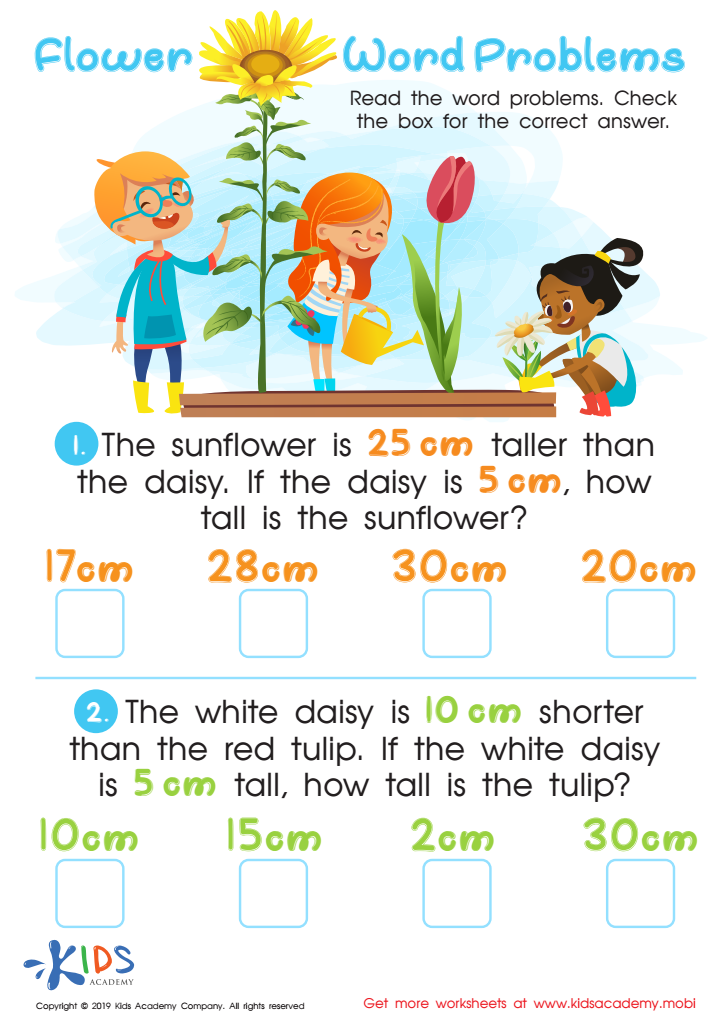
Flower Word Problems Worksheet

Quadrilateral Maze Worksheet

Find the Missing Side Worksheet

Discovered Check: Puzzle 2 Worksheet
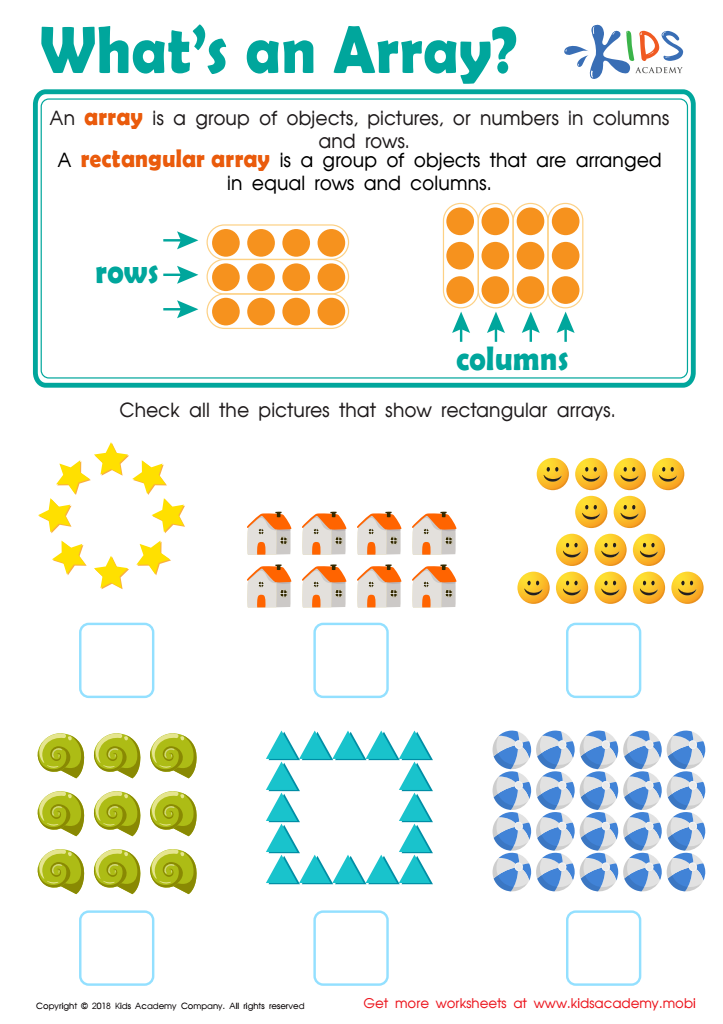
What's an Array? Worksheet
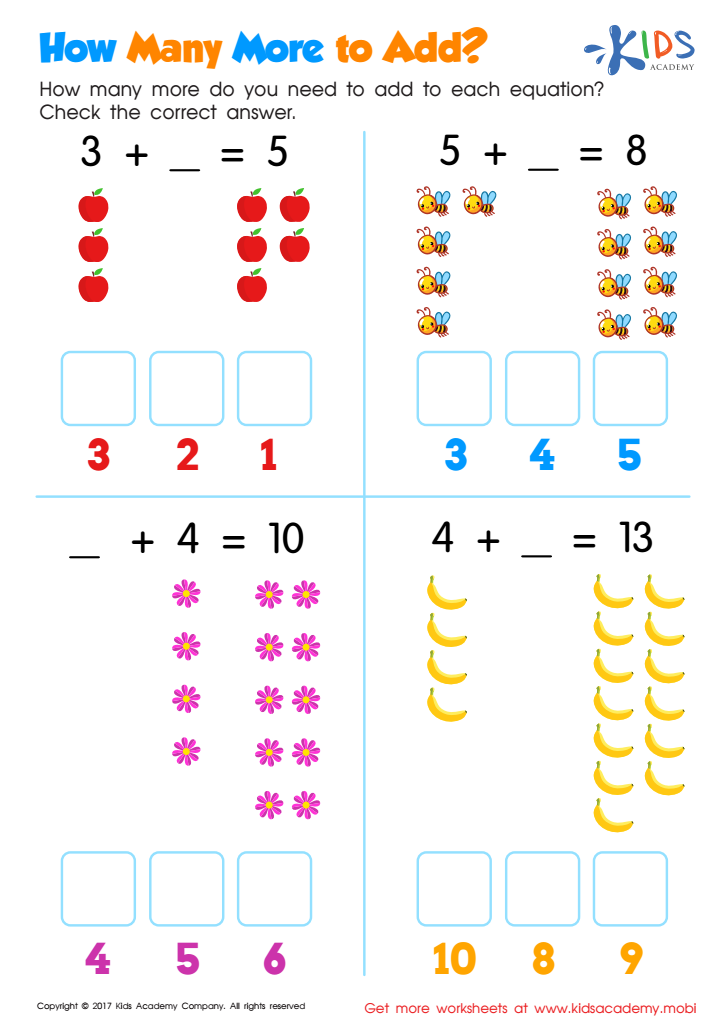
How Many More to Add Worksheet
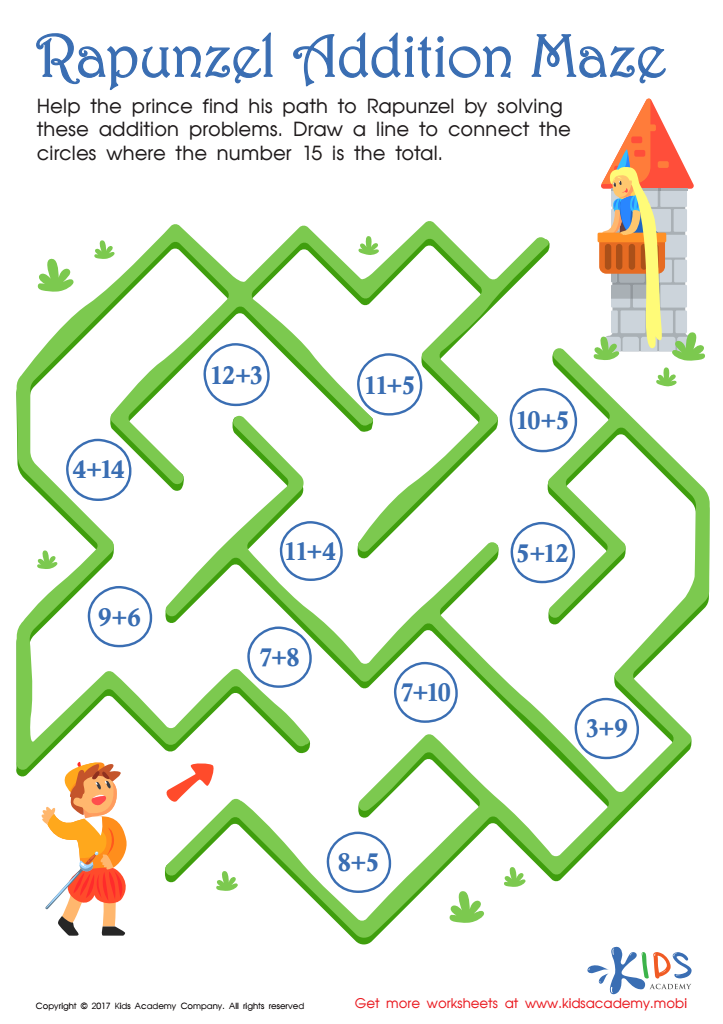
Rapunzel Addition Maze Worksheet
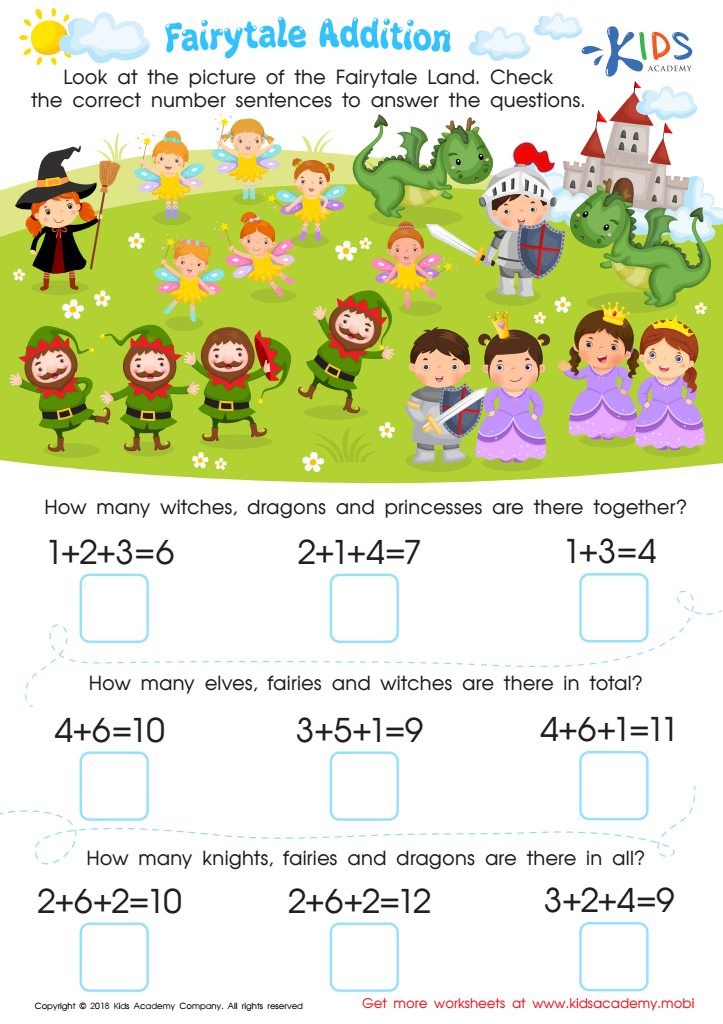
Fairytale Addition Worksheet
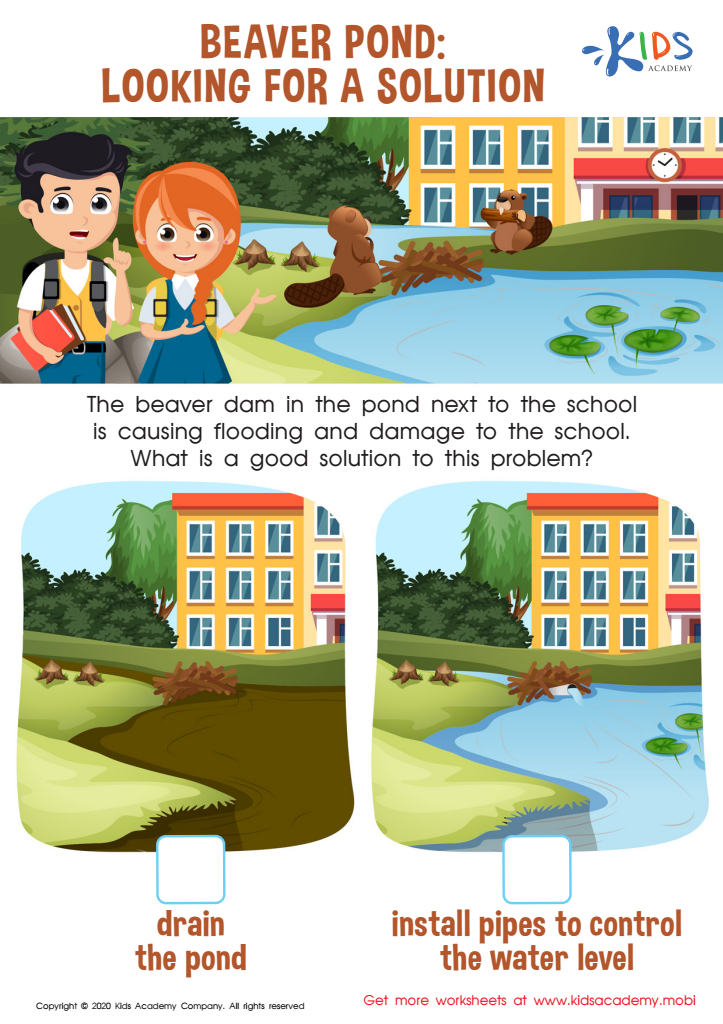
Beaver Pond: Looking for a Solution Worksheet
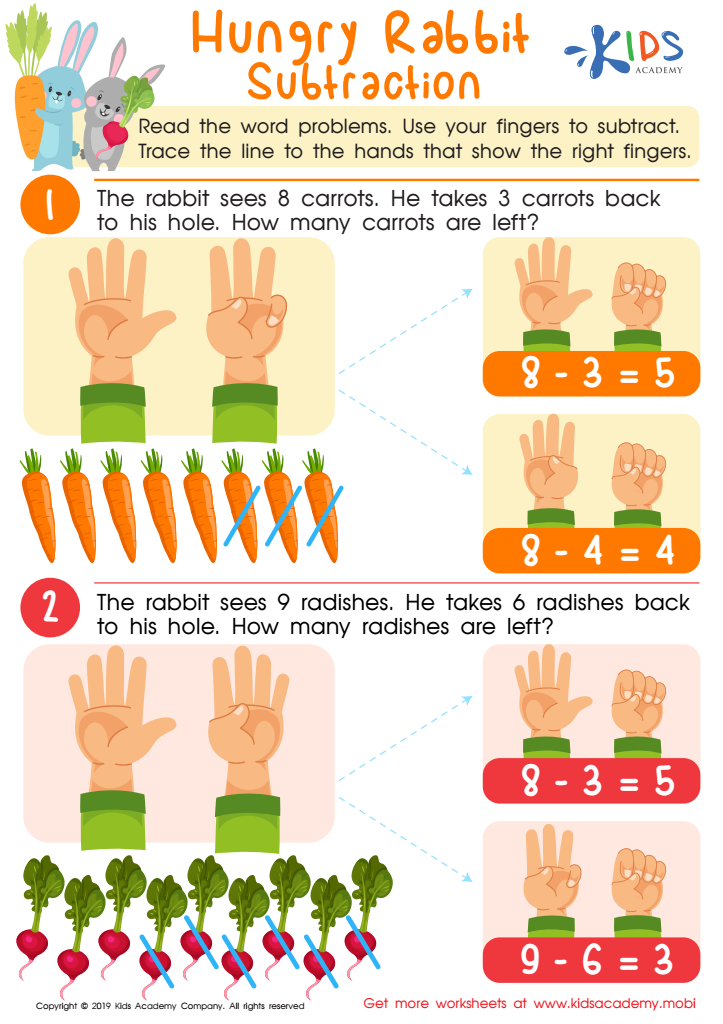
Hungry Rabbit Subtraction Worksheet
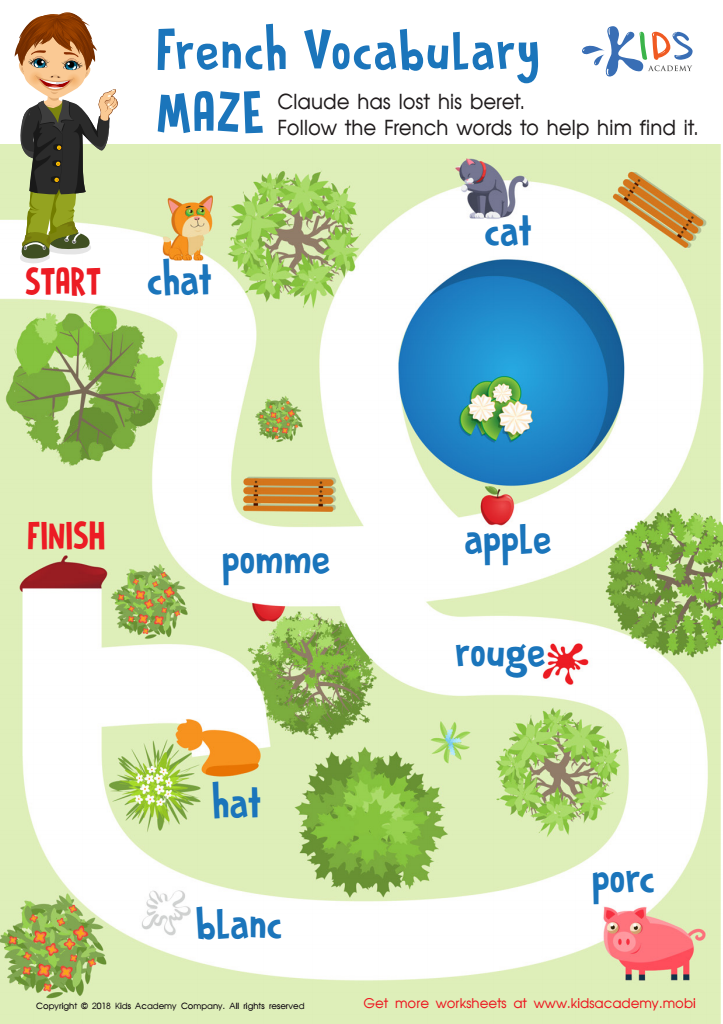
French Vocabulary Maze Worksheet
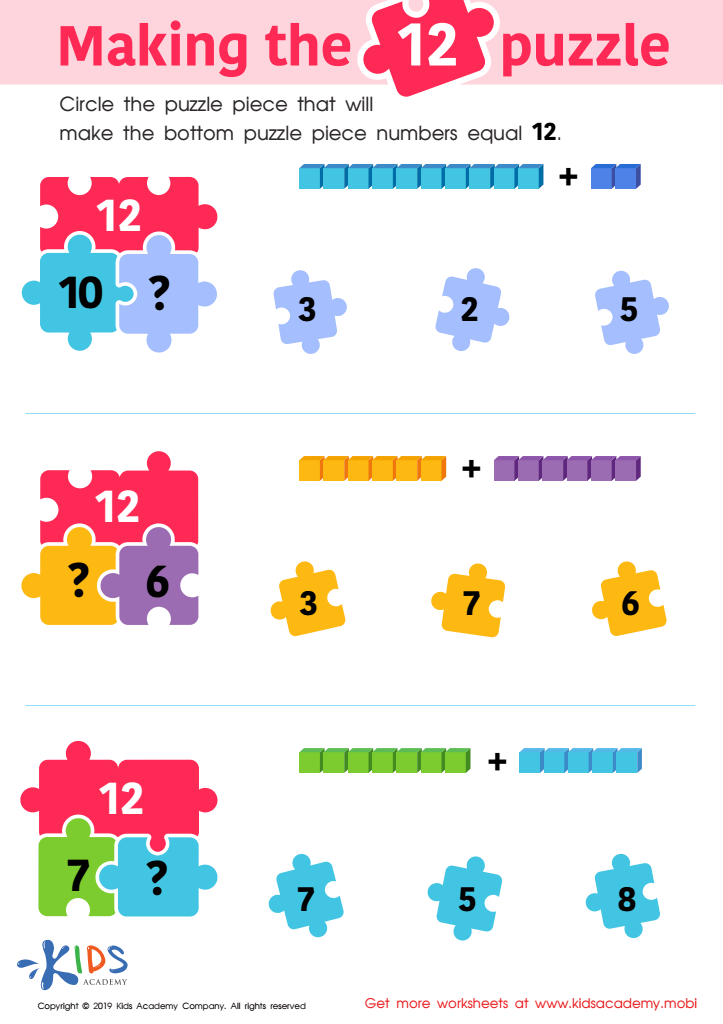
Making the 12 Puzzle Worksheet

Picking Carrots Worksheet
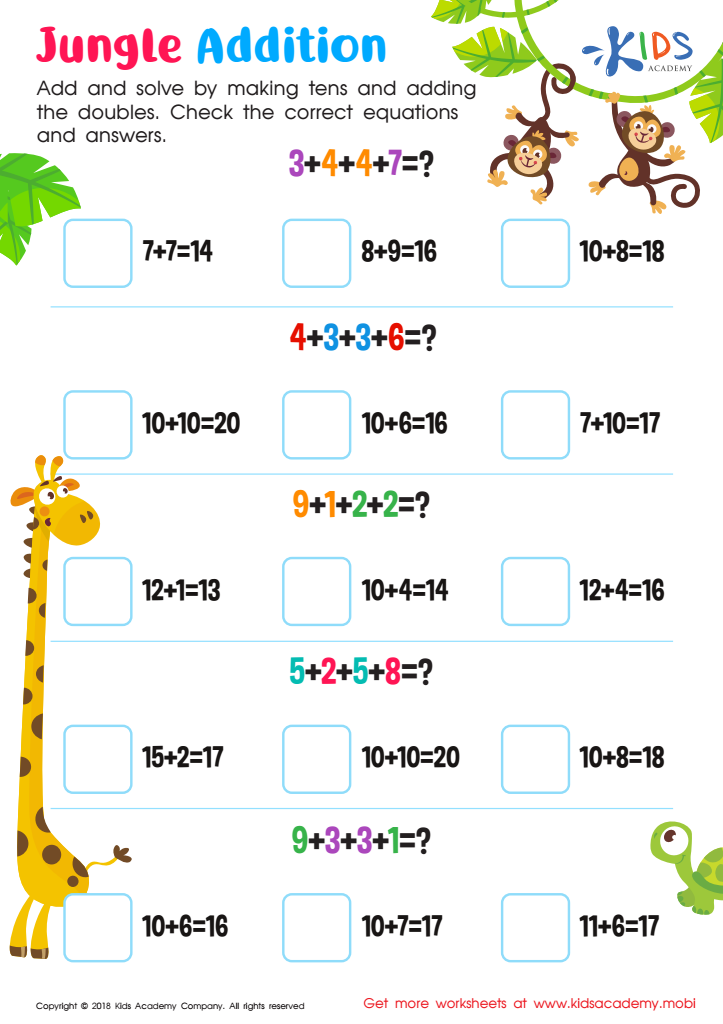
Jungle Addition Worksheet
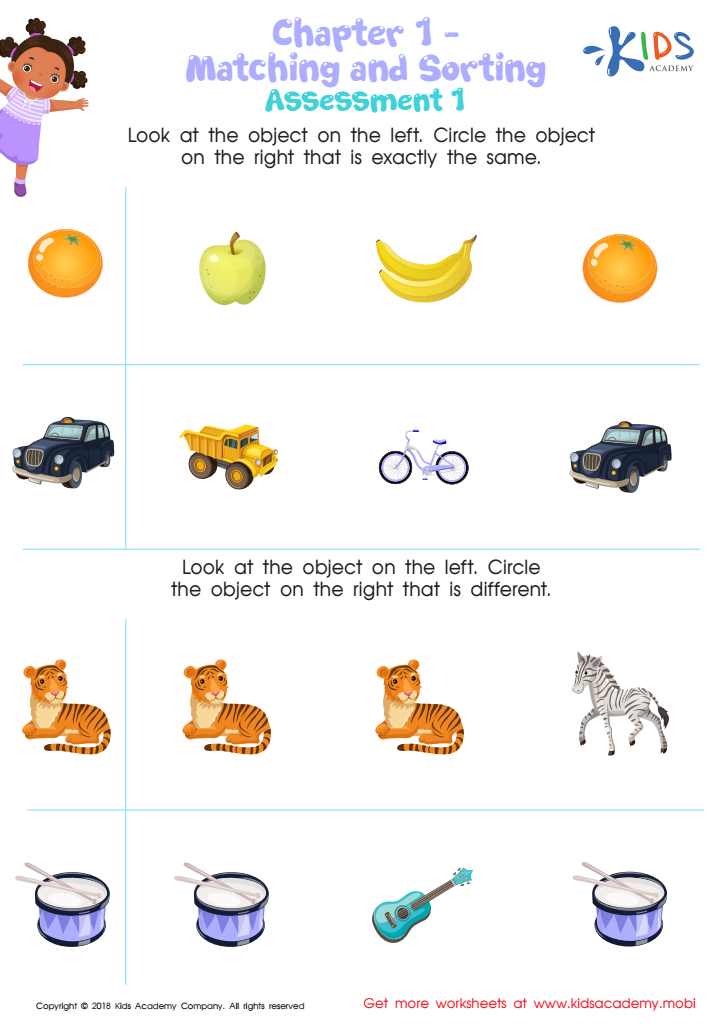
Matching and Sorting for Preschool: Assessment 1 Worksheet
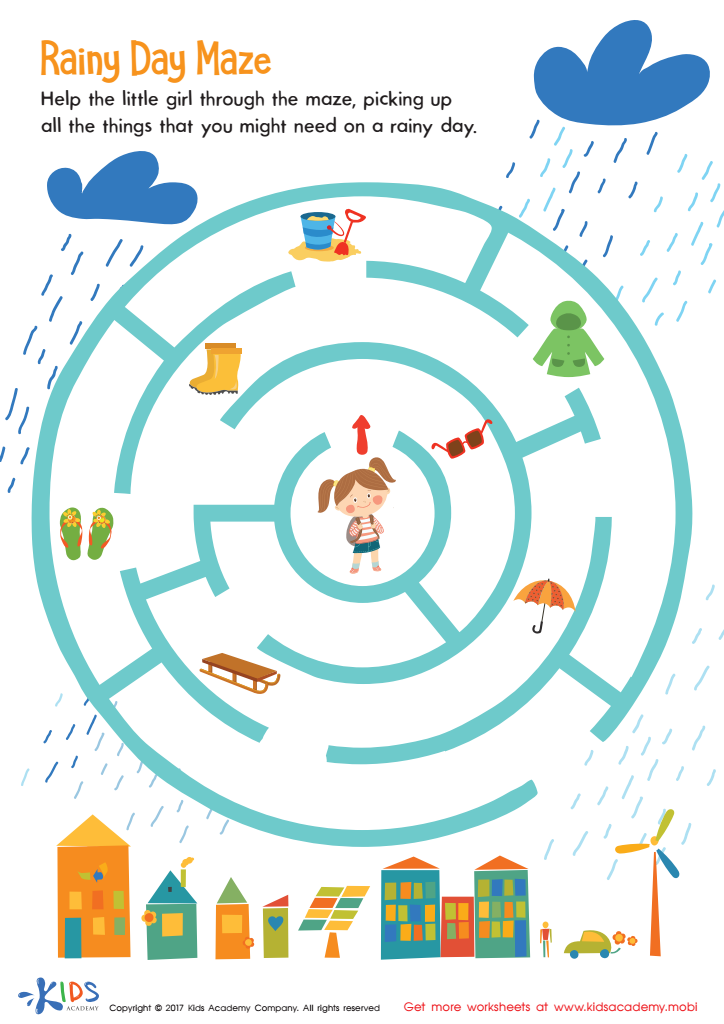
Rainy Day Maze Worksheet

Subtracting: Groceries with Georgio Worksheet
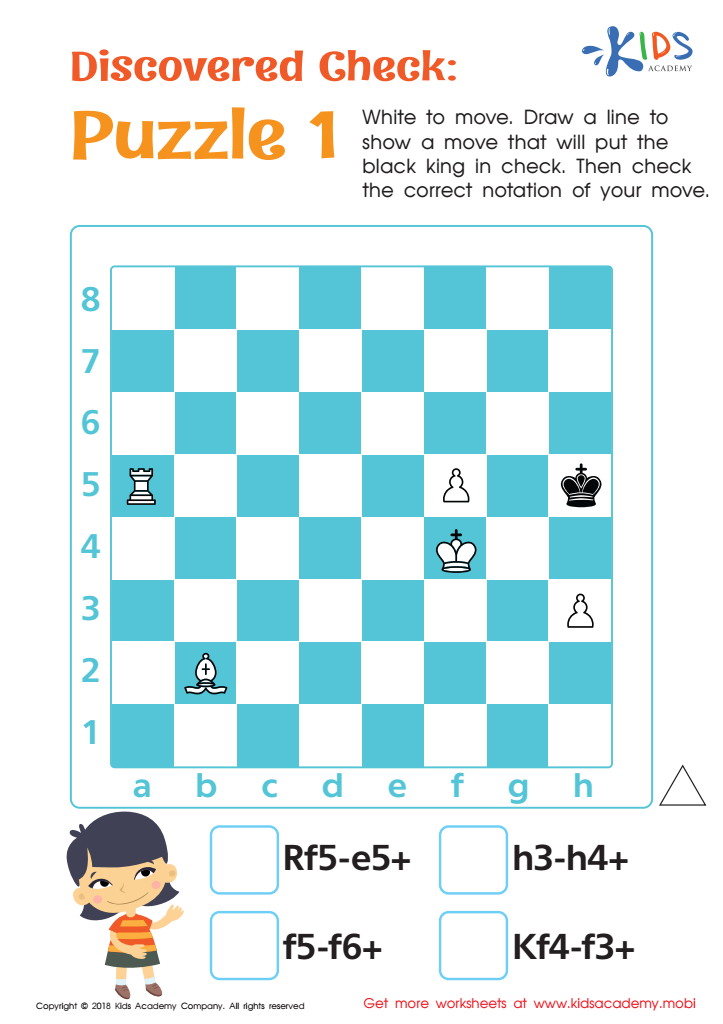
Discovered Check: Puzzle 1 Worksheet
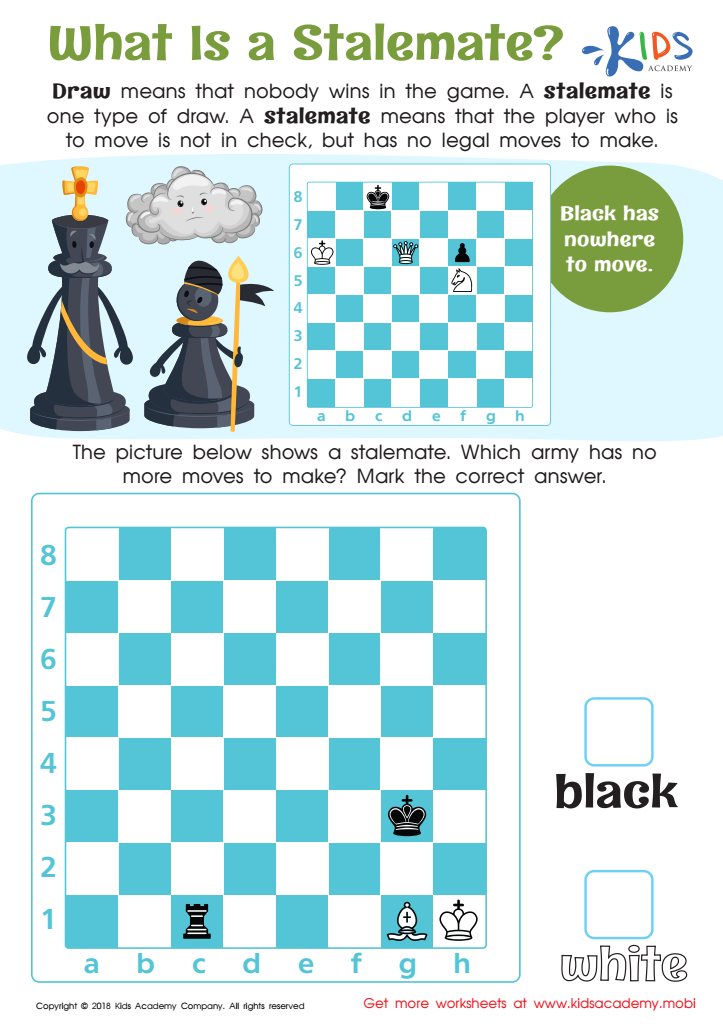
What Is a Stalemate? Worksheet
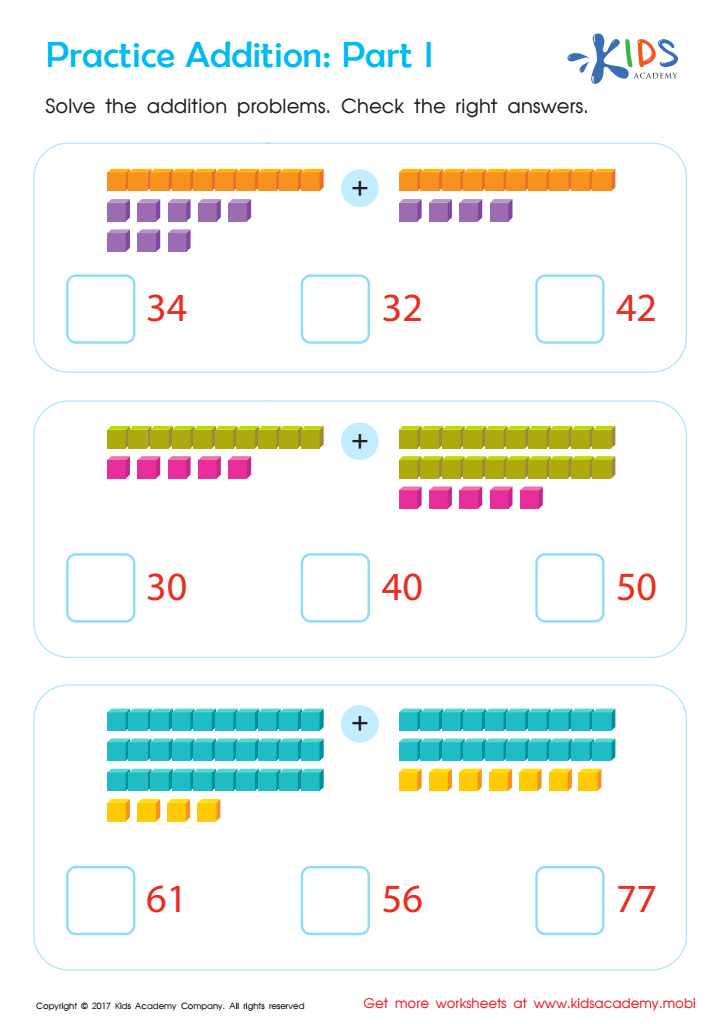
Practice Addition: Part 1 Worksheet
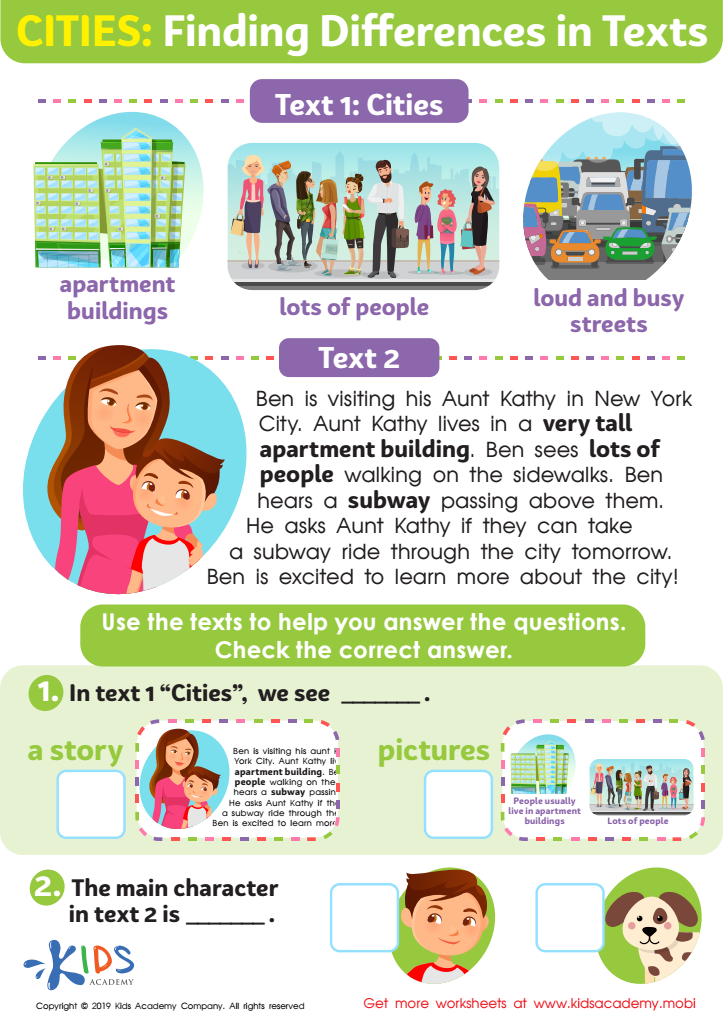
Cities: Finding Differences Worksheet
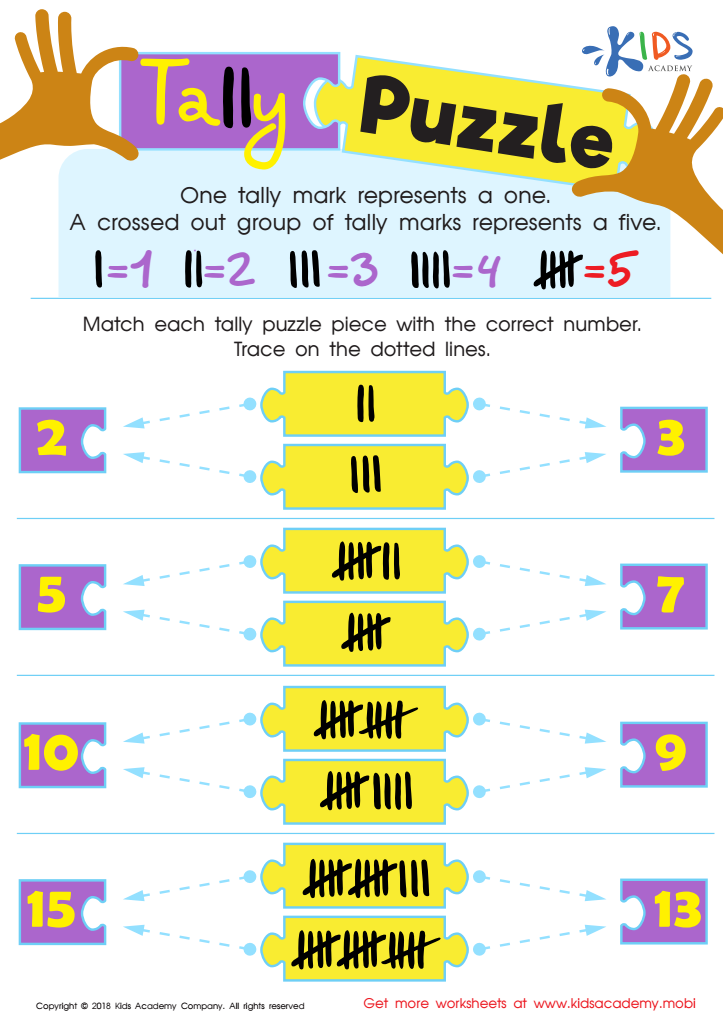
Tally Puzzle Worksheet








Problem-solving skills are essential for children aged 4-8, laying the groundwork for critical thinking and life skills. At this formative age, children encounter various challenges, from resolving conflicts with peers to figuring out how to complete a difficult puzzle. By encouraging problem-solving skills, parents and teachers can help children develop a growth mindset, where they learn to view challenges as opportunities for learning rather than as obstacles.
Enhancing these skills promotes independence and resilience. Children who can effectively solve problems are more likely to tackle new challenges with confidence and creativity. They learn to analyze situations, consider options, and evaluate outcomes, fostering cognitive development that is crucial for their academic success and everyday life.
Engaging in problem solving also strengthens social skills. When children work through conflicts or cooperate on group activities, they learn about empathy, communication, and teamwork. This not only improves their interactions with peers but also cultivates a supportive and inclusive environment.
Ultimately, by focusing on cultivating problem-solving skills, adults are investing in a child’s future, preparing them for both academic success and real-world challenges. These skills contribute to lifelong learning and adaptability, essential traits in an ever-changing world.








