Easy Geometry Worksheets for Ages 4-8 - Page 2
54 filtered results
-
From - To
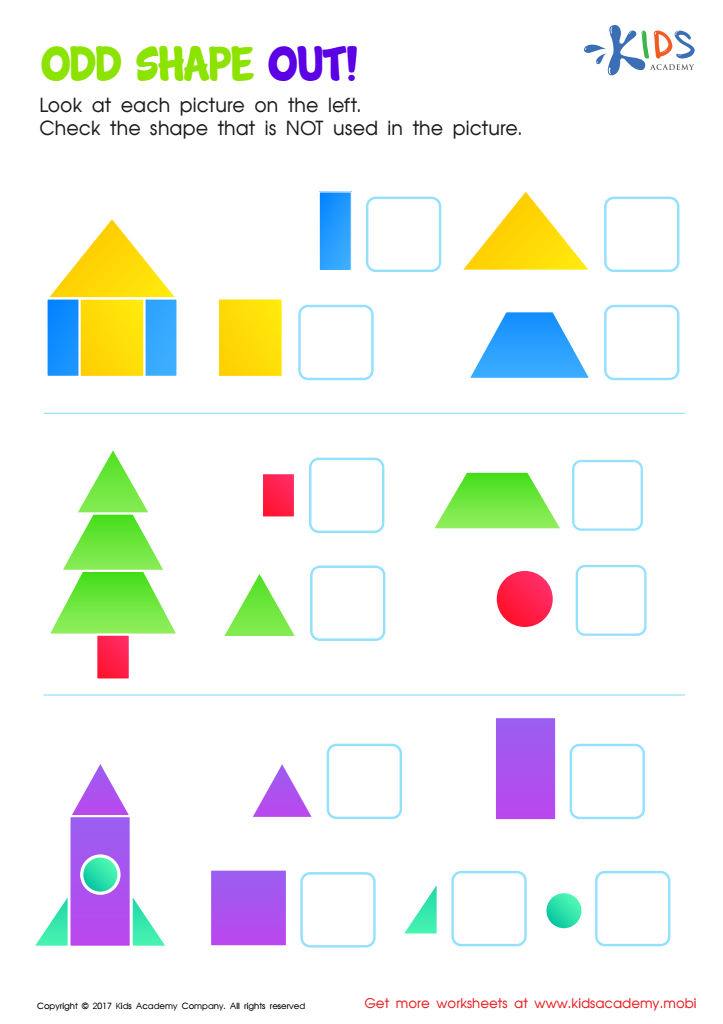
Odd Shape Out Worksheet for Grade 1











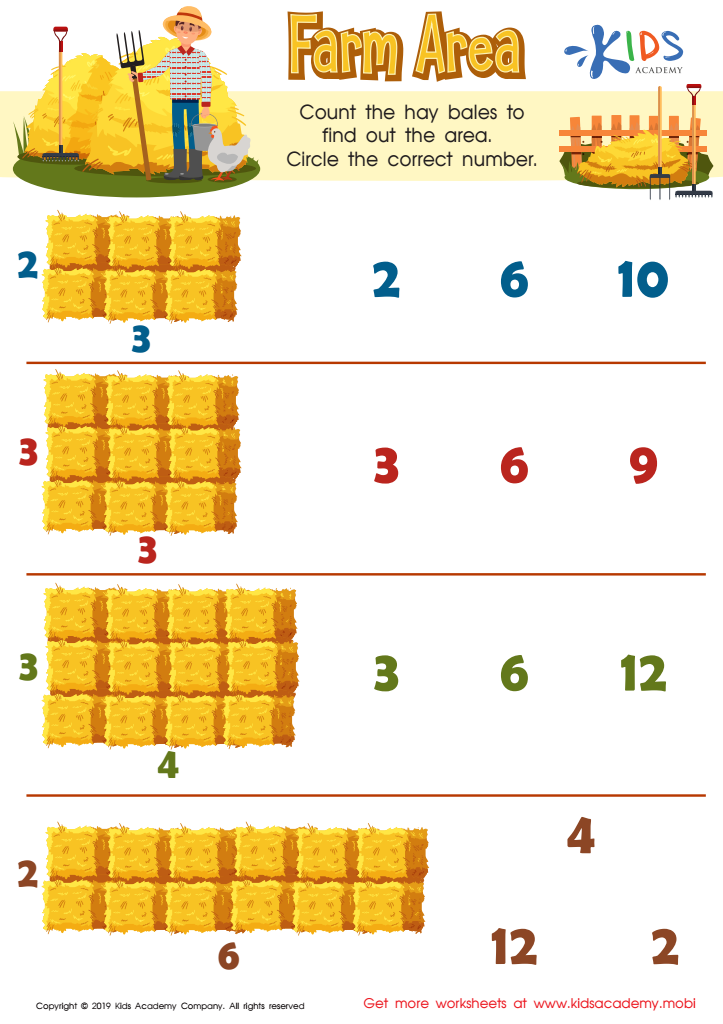
Farm Area Worksheet
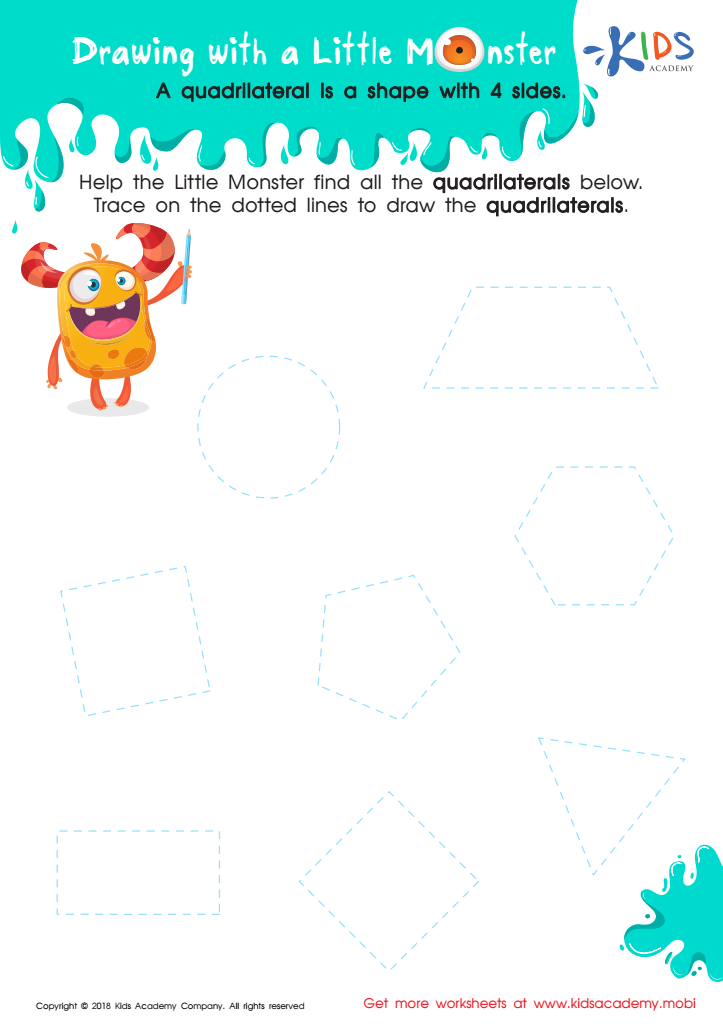
Drawing with a Little Monster Worksheet
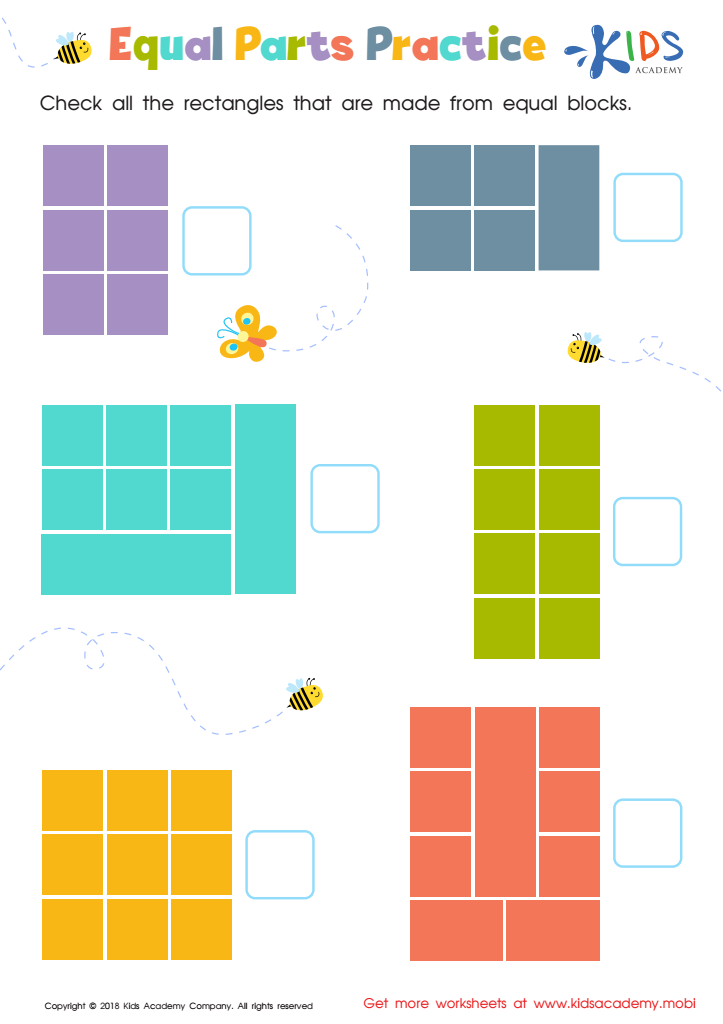
Equal Parts Practice Worksheet
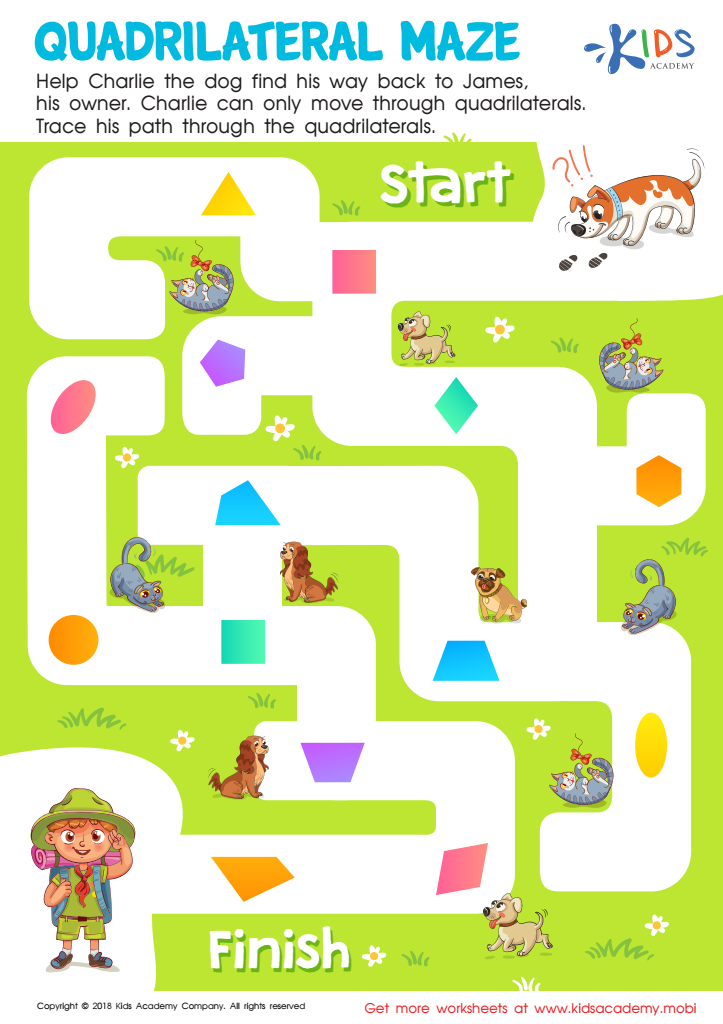
Quadrilateral Maze Worksheet
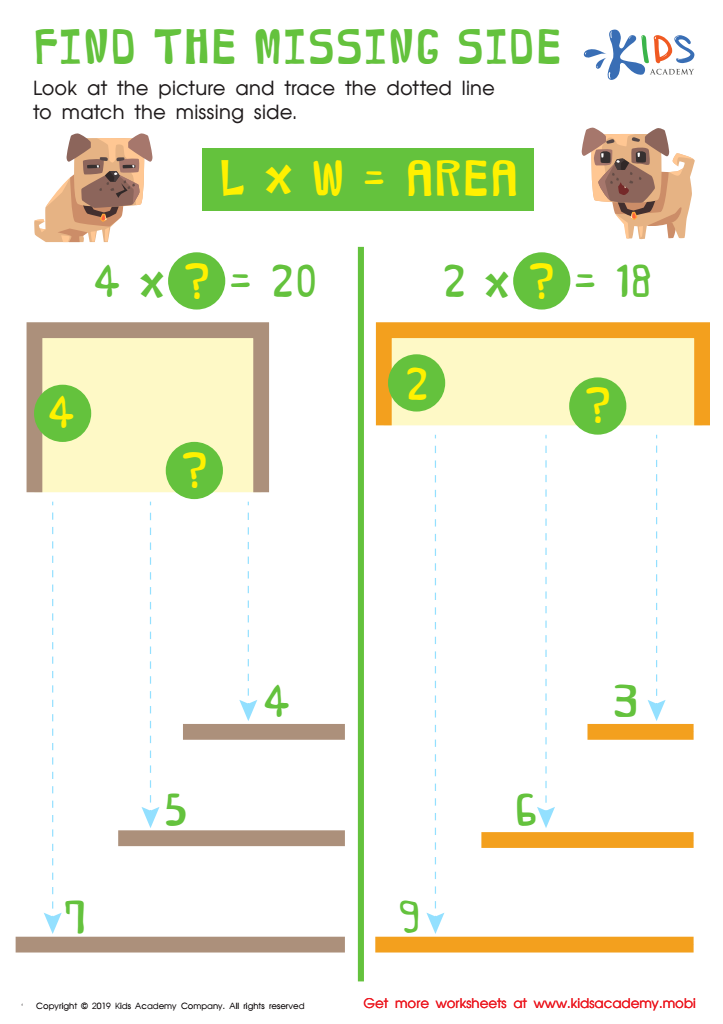
Find the Missing Side Worksheet
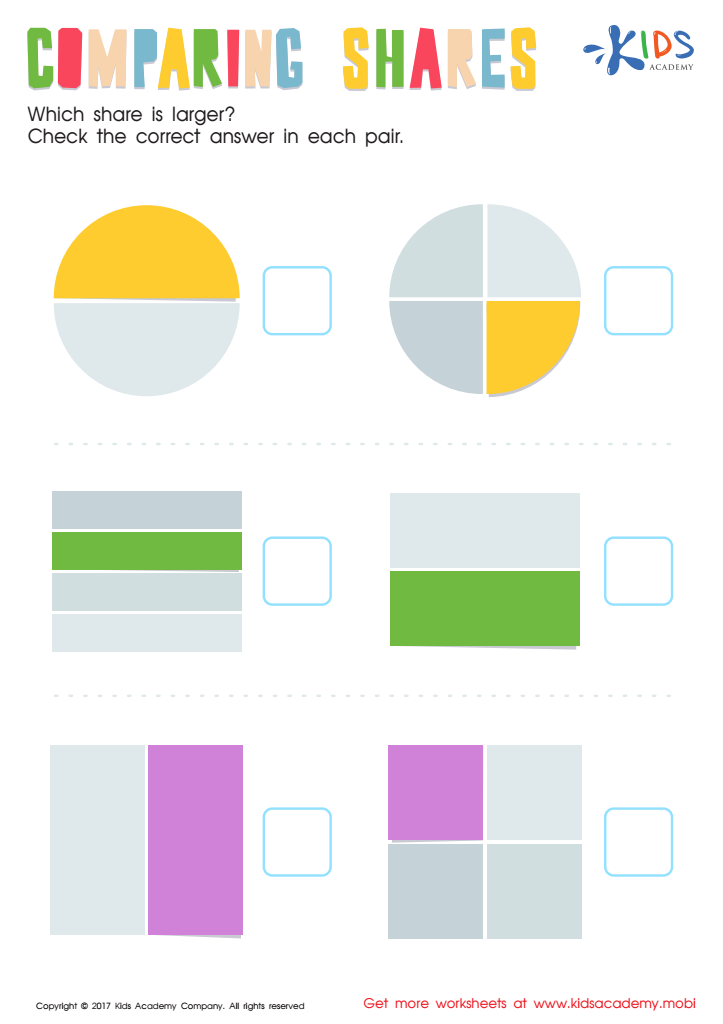
Comparing Shares Worksheet
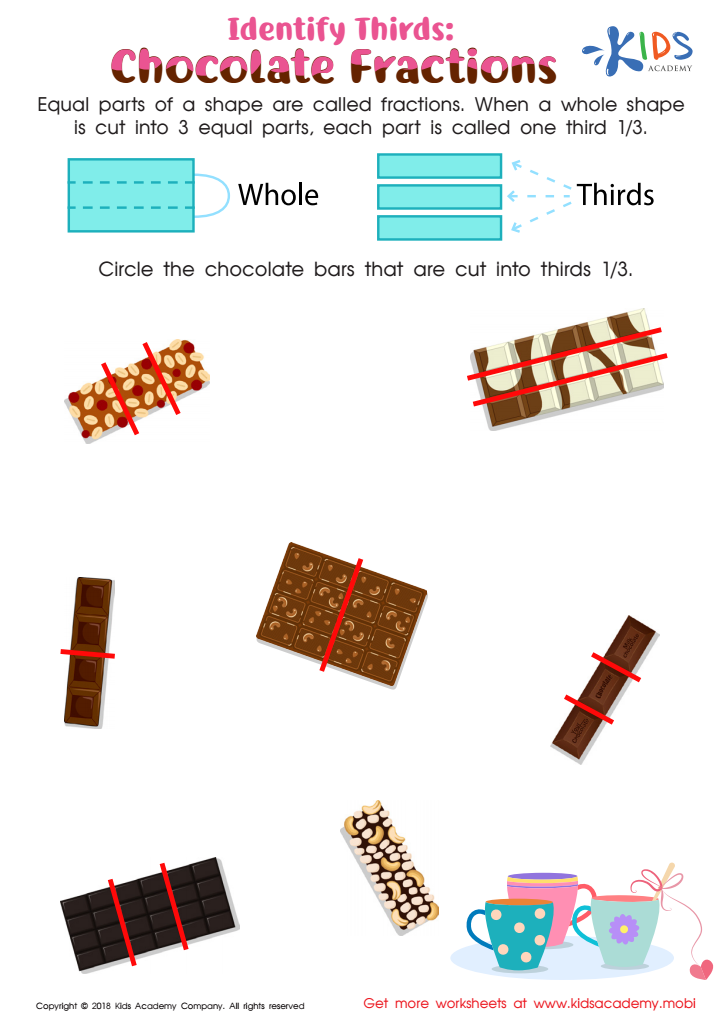
Identify Thirds: Chocolate Fractions Worksheet
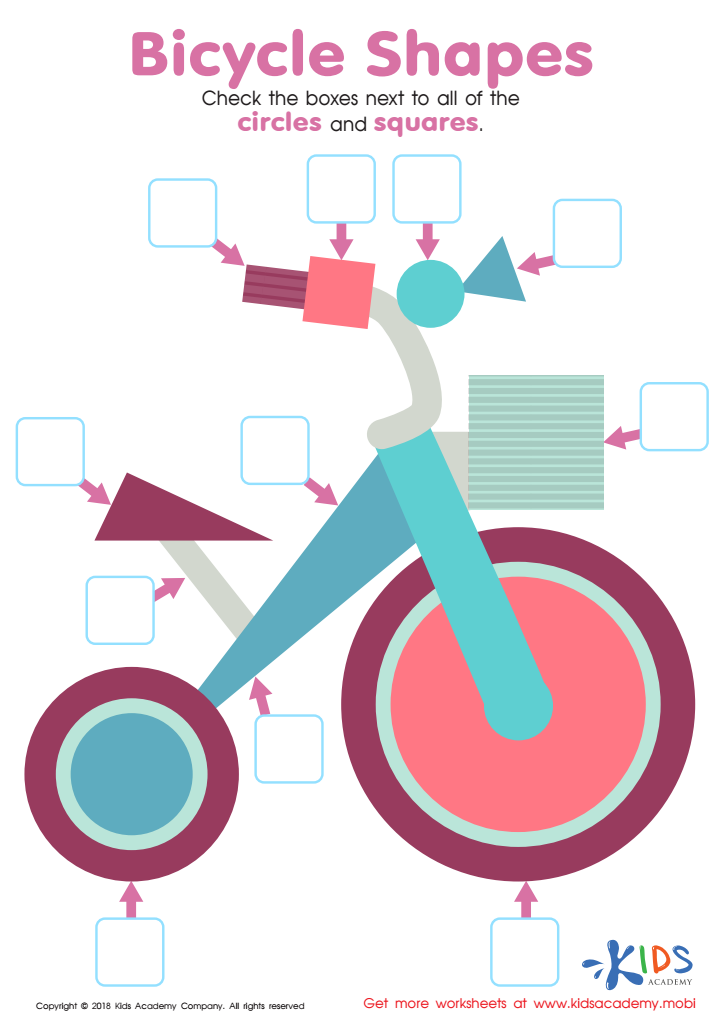
Bicycle Shapes Worksheet
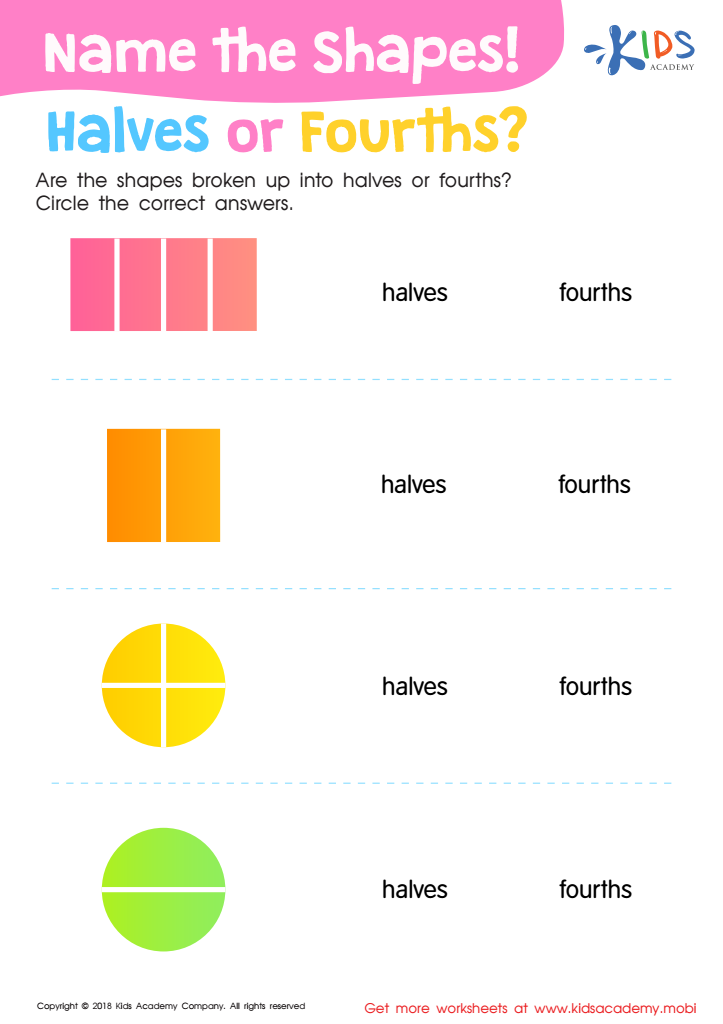
Name the Shapes Halves or Fourths? Worksheet
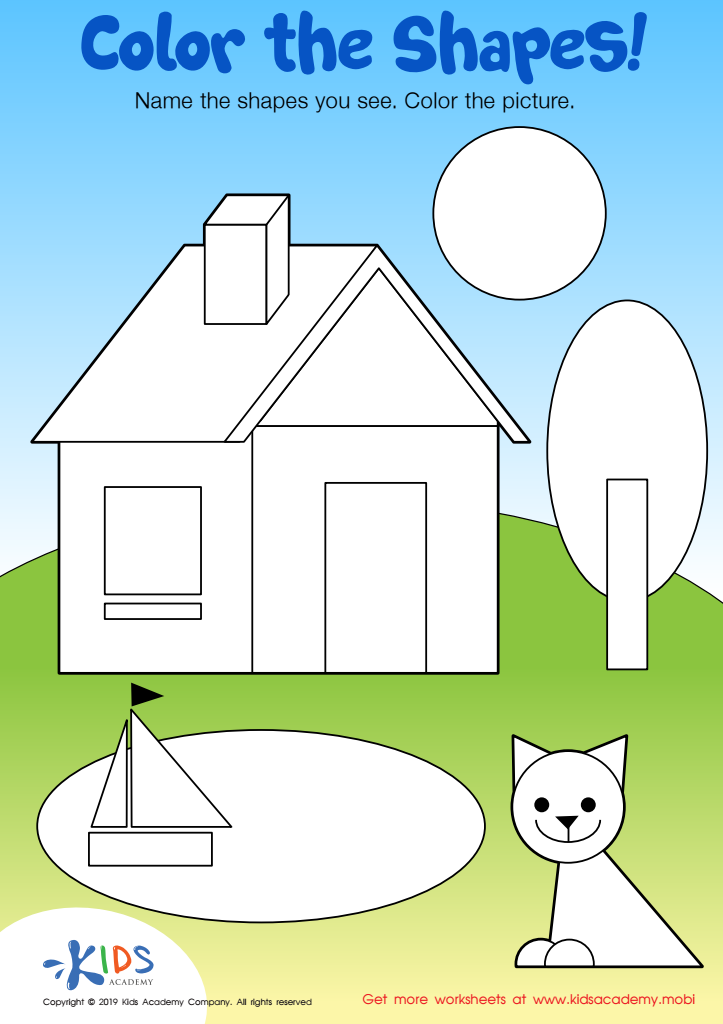
Color the Shapes Worksheet
 Assign to My Students
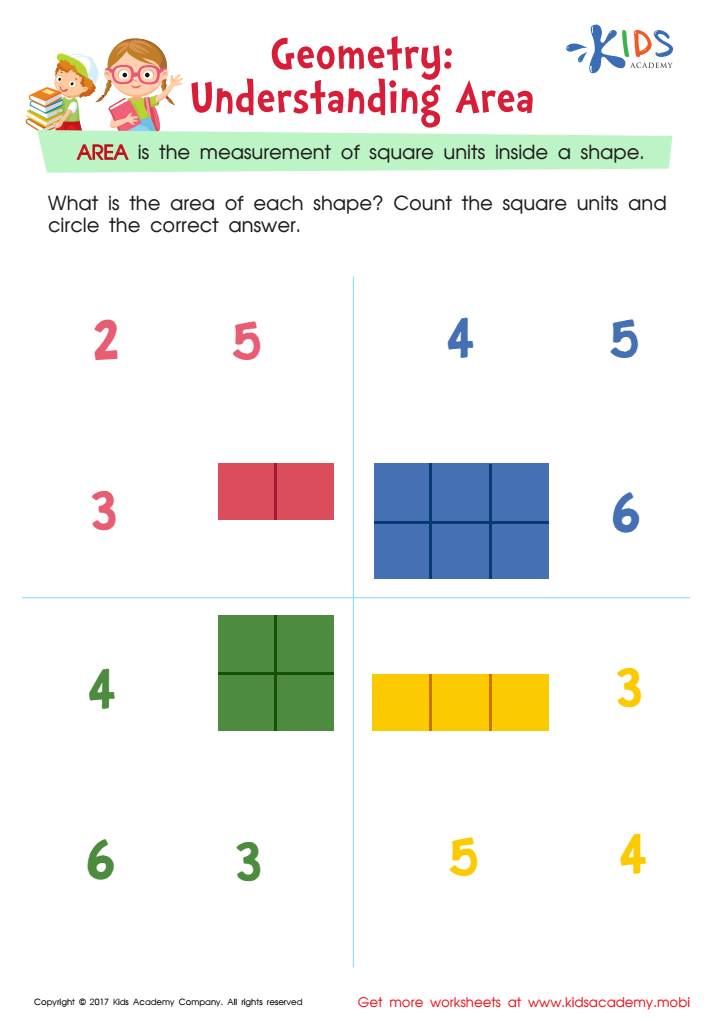
Understanding Area Worksheet
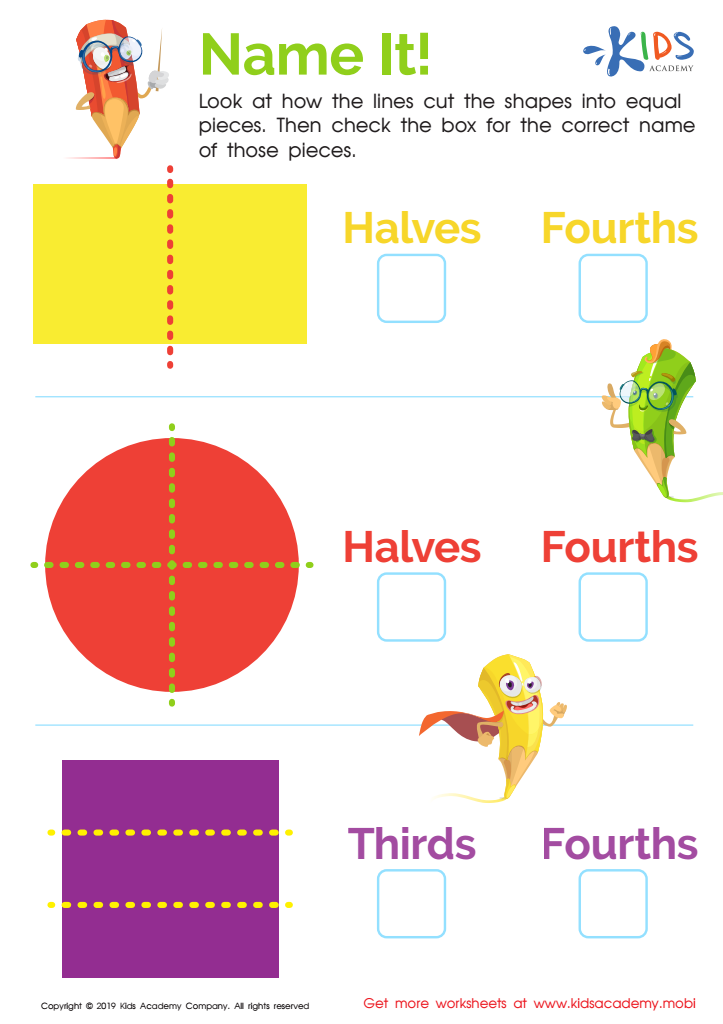
Name It! Worksheet
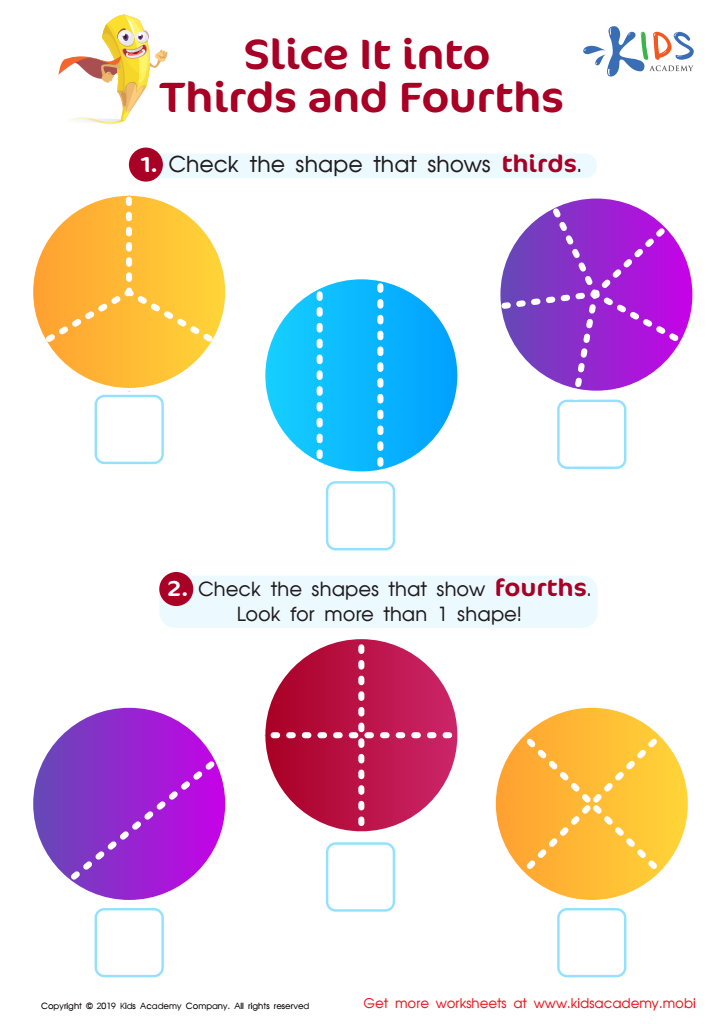
Slice in Thirds Fourths Worksheet
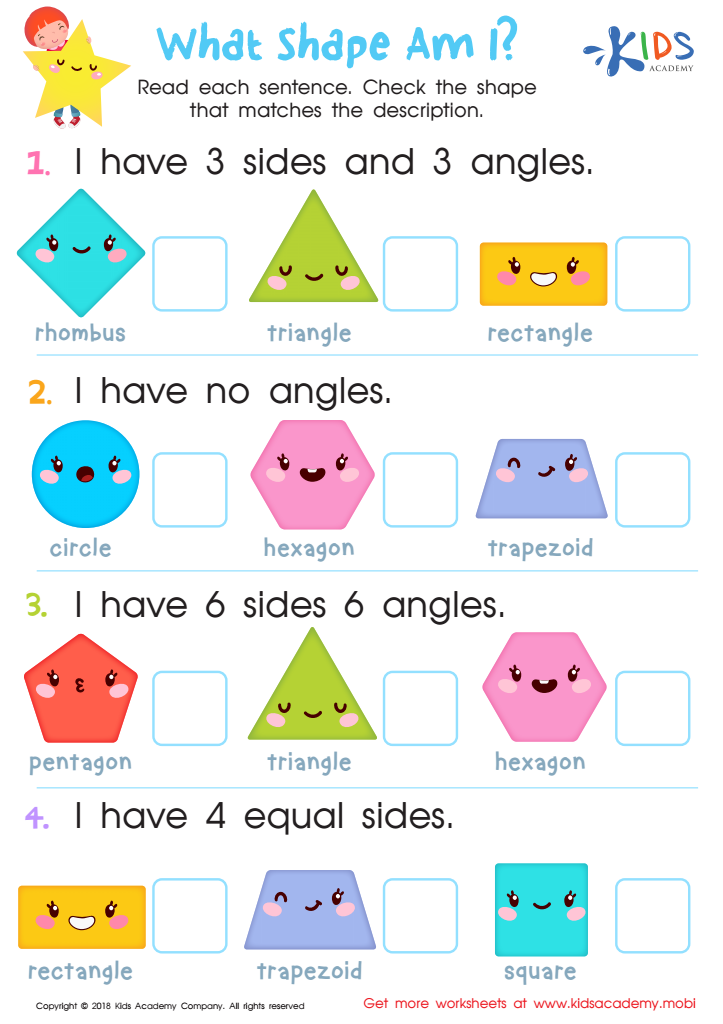
What Shape Am I? Worksheet
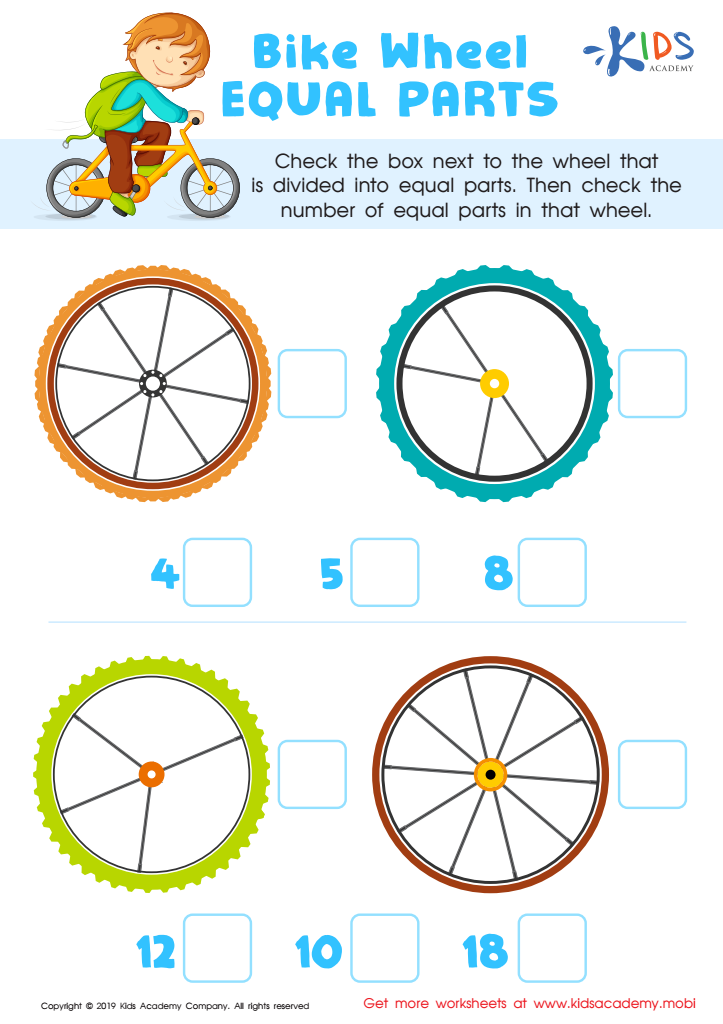
Bike Wheel Equal Parts Worksheet
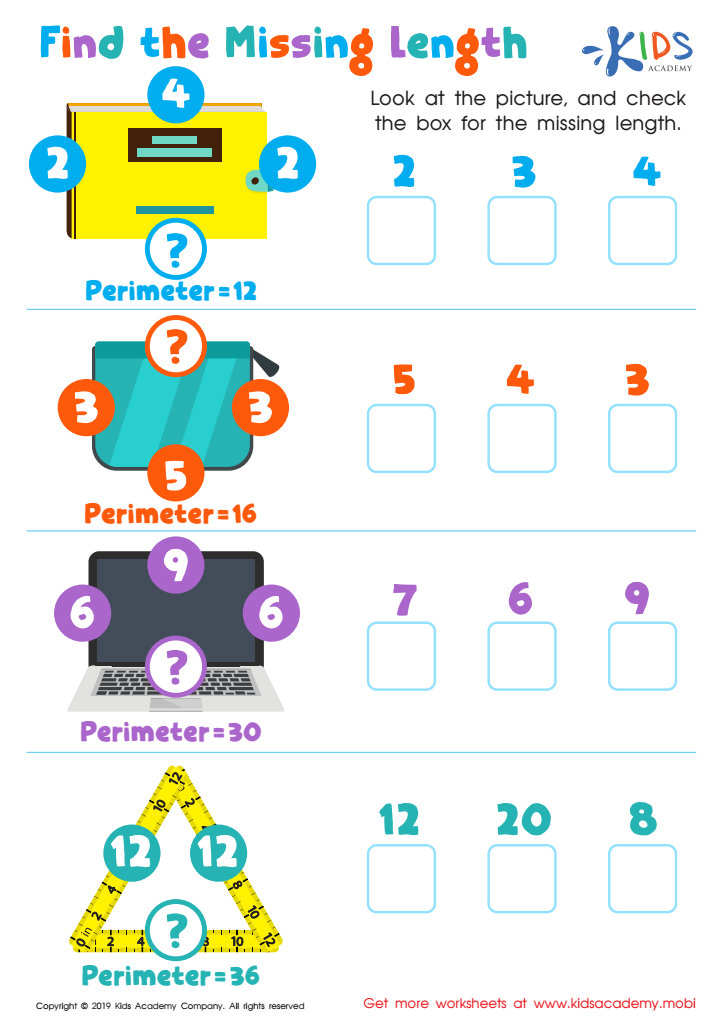
Find the Missing Length Worksheet
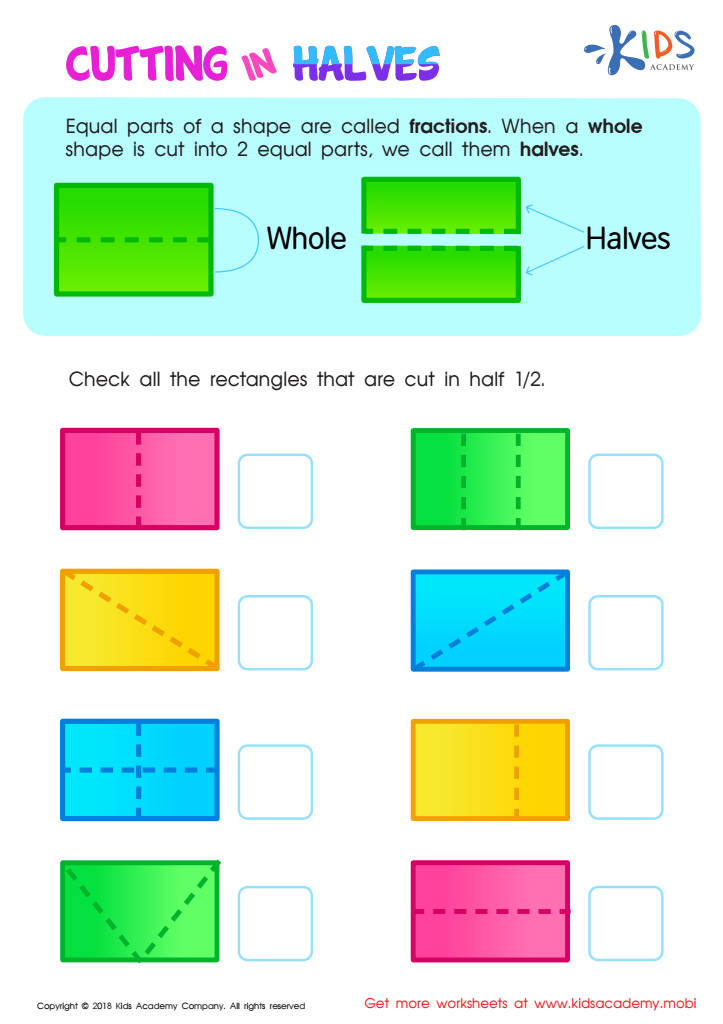
Cutting in Halves Worksheet
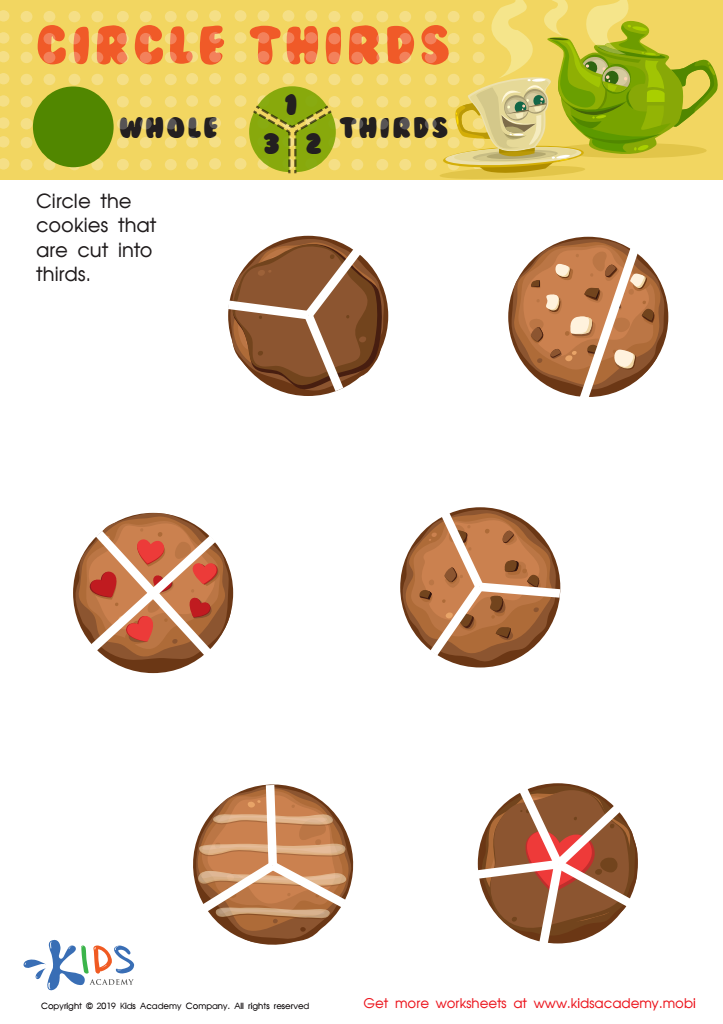
Circle Thirds Worksheet
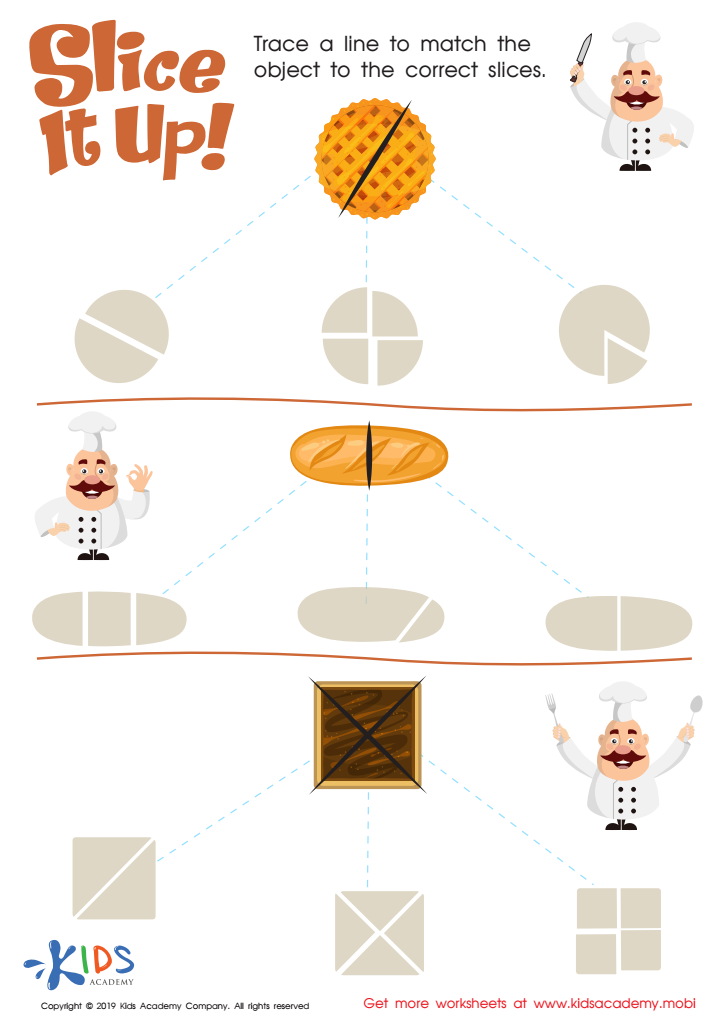
Slice It Up Worksheet
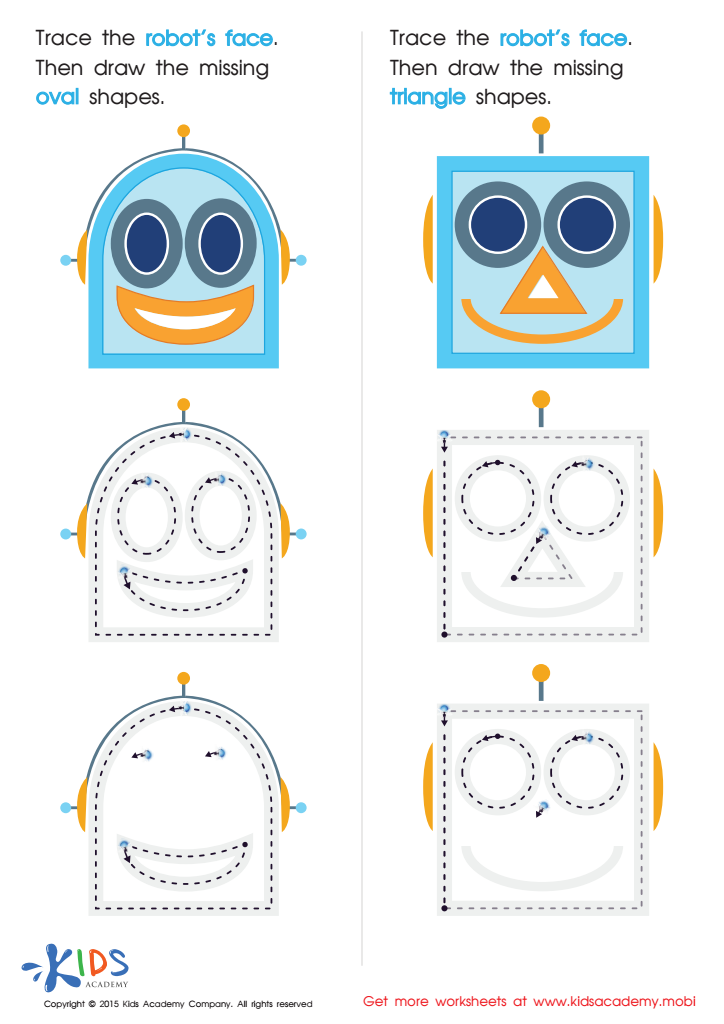
Drawing Ovals And Triangles with Fun Printable
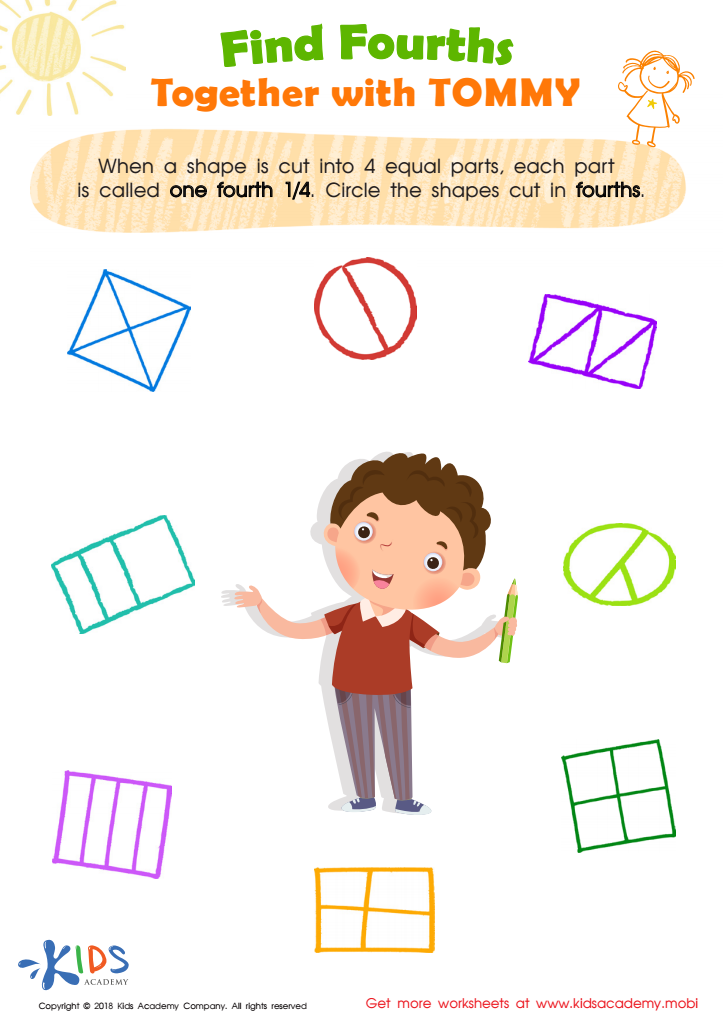
Find Fourths Together with Tommy Worksheet
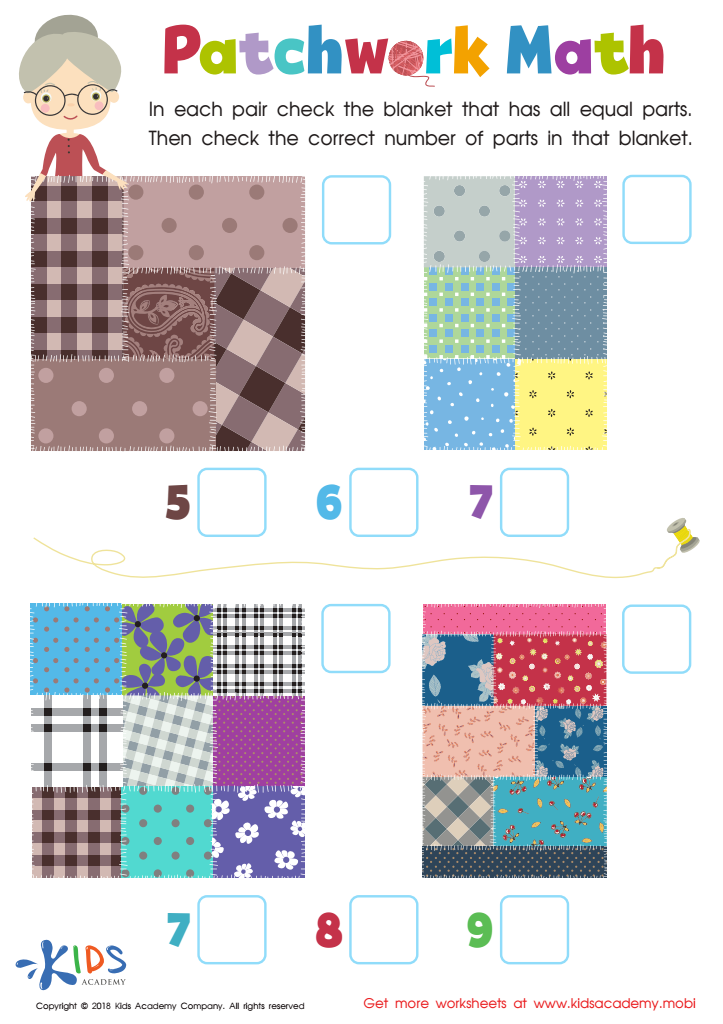
Patchwork Math Worksheet
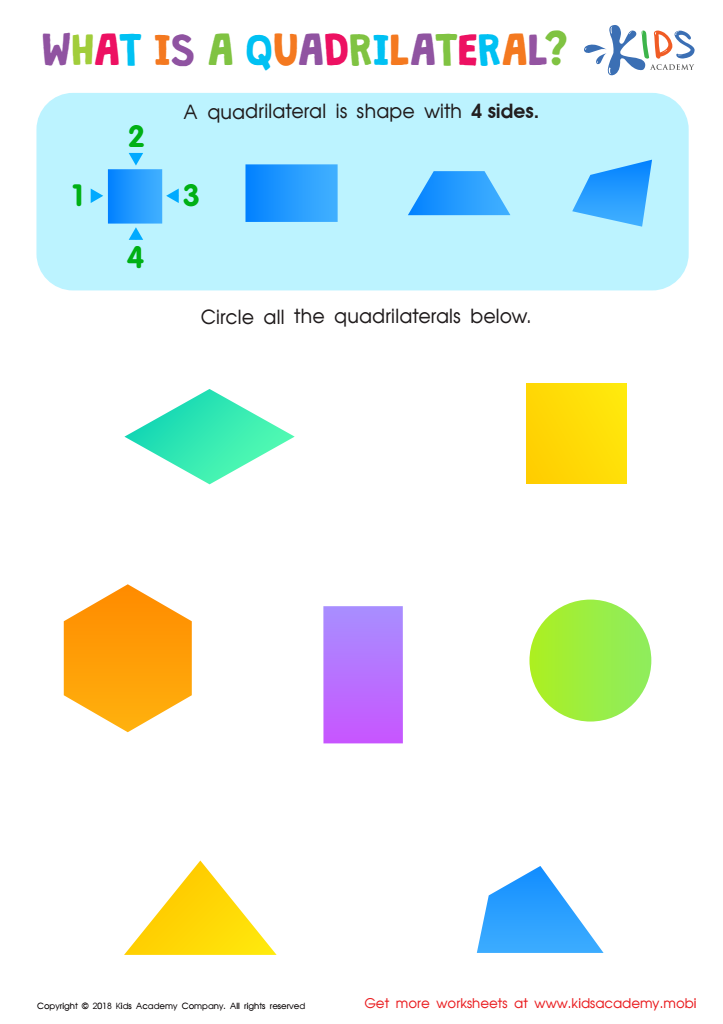
What Is a Quadrilateral? Worksheet








Comprehending foundational geometry at an early age has profound implications for a child's cognitive development and future academic success. Easy Geometry for children aged 4-8 equips young minds with essential problem-solving skills, spatial awareness, and critical thinking abilities. These foundational skills are vital, not only for future mathematical success but also for understanding the world around them.
Easy Geometry at this age introduces children to basic shapes, patterns, and positions through engaging, hands-on activities. These fun and interactive methods help children better grasp abstract concepts by relating them to tangible experiences. When children recognize shapes and patterns, they are essentially beginning to classify and organize information, a key skill in all areas of learning.
Moreover, early geometry strengthens visual and motor skills. Activities like drawing shapes, identifying patterns, or navigating puzzles enhance hand-eye coordination and fine motor proficiency. Engaging with geometric concepts early also exposes children to structured thinking, helping to build a solid mathematical foundation that will benefit them in higher grades.
For parents and teachers, fostering an early interest in geometry ensures that children view math as accessible and enjoyable. By making these early experiences positive and productive, we lay the groundwork for lifelong confidence and curiosity in mathematics and other logical disciplines.








