Fine Motor Skills Easy Worksheets for 4-Year-Olds - Page 3
66 filtered results
-
From - To
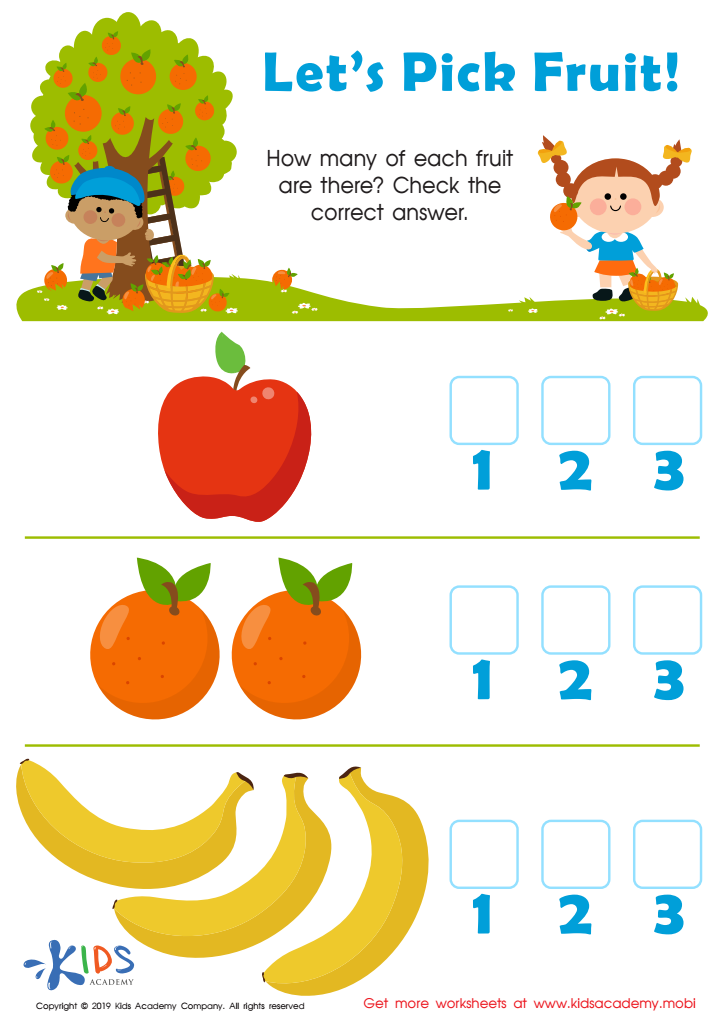
Let's Pick Fruit Worksheet
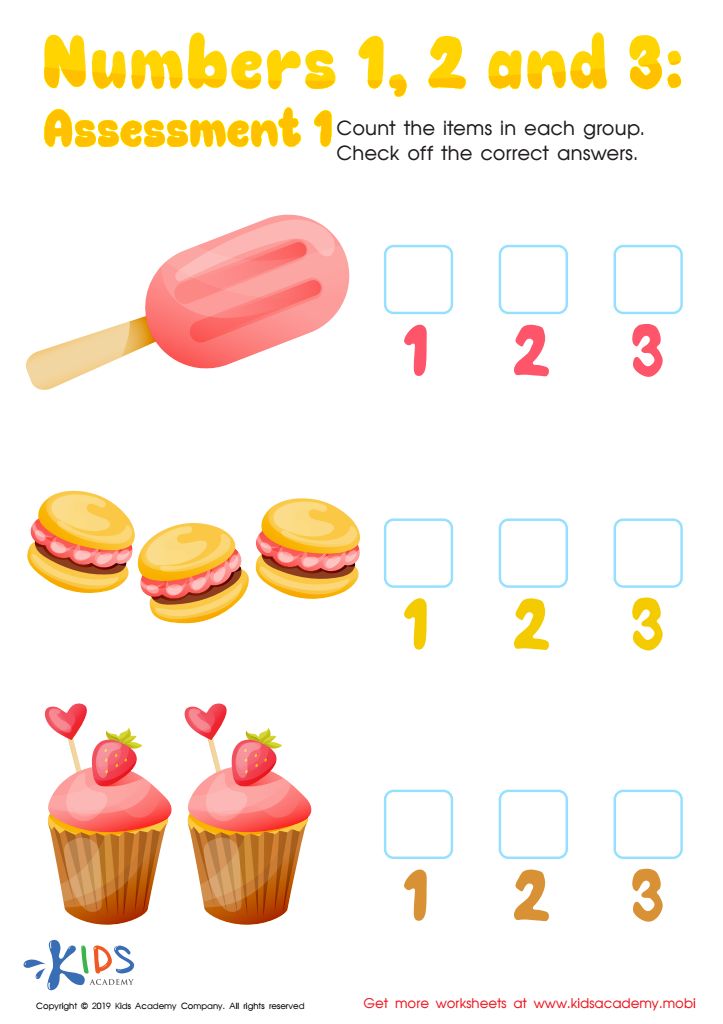
Numbers 1, 2 and 3: Assessment 1 Worksheet
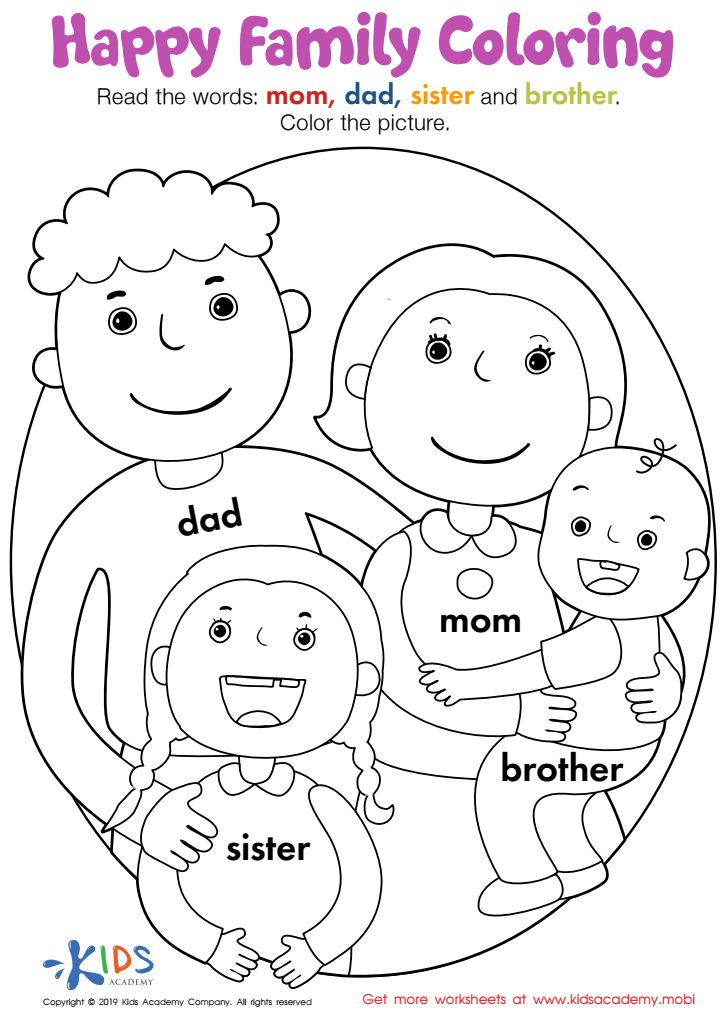
Happy Family Coloring Worksheet
 Assign to My Students

Globe Coloring Page Worksheet
Assign to My Students
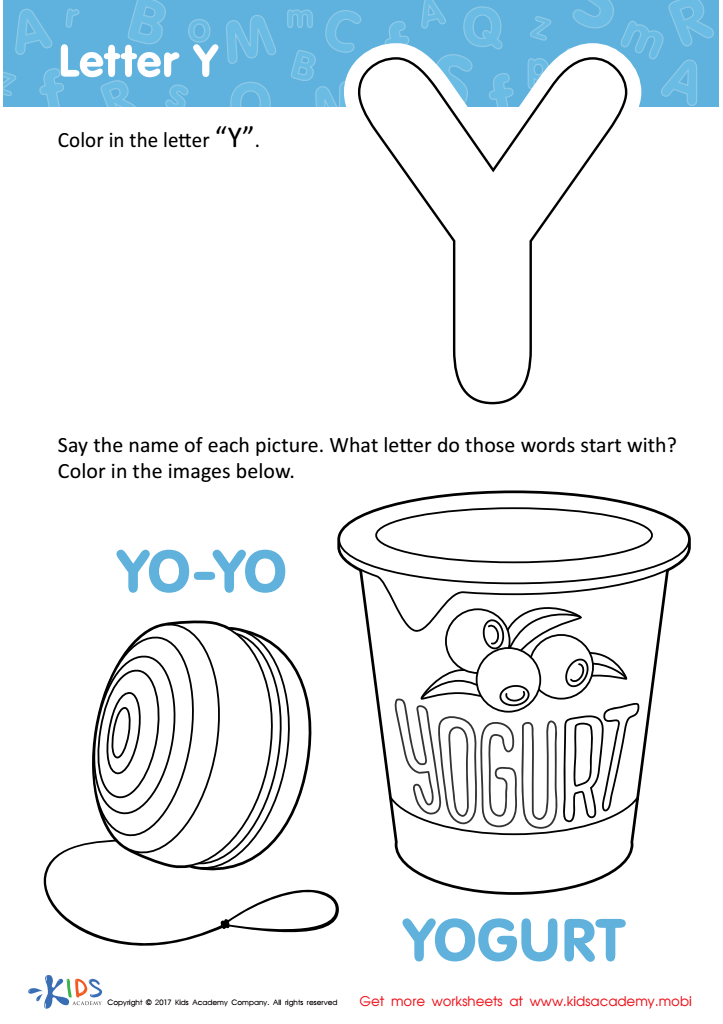
Letter Y Coloring Sheet
Assign to My Students
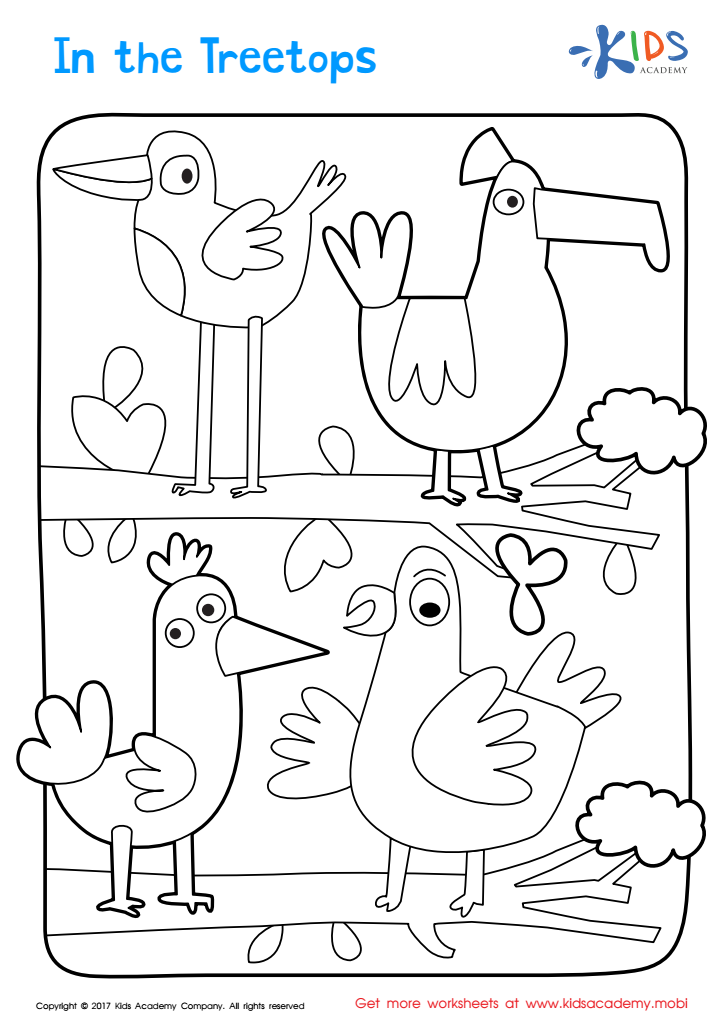
In the Treetops Coloring Page
Assign to My Students
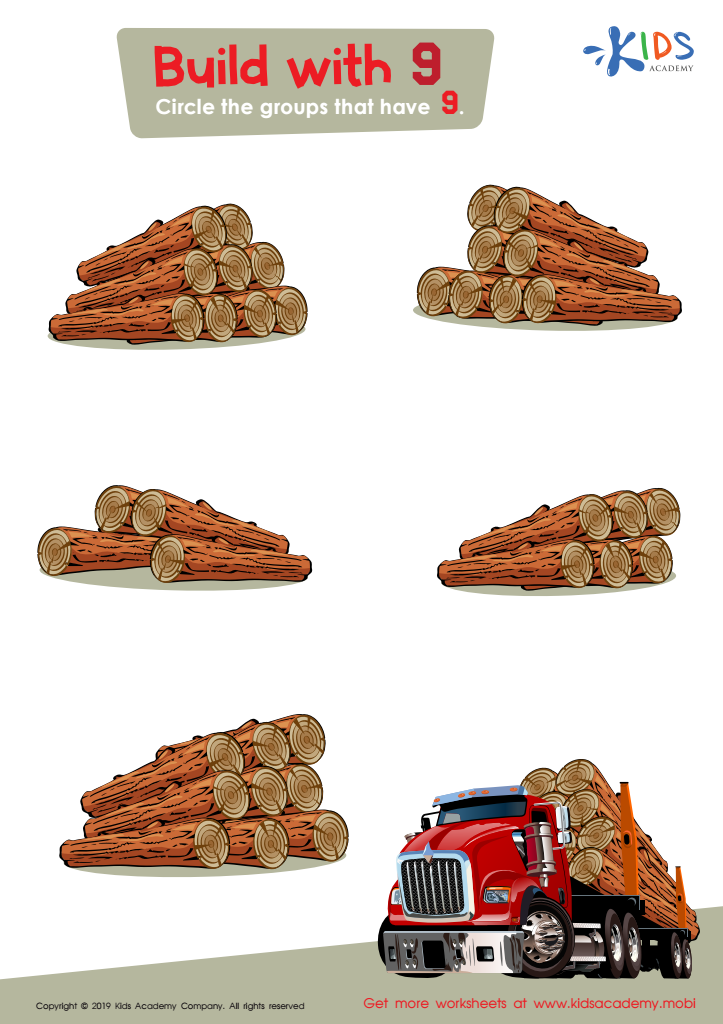
Build with 9 Worksheet
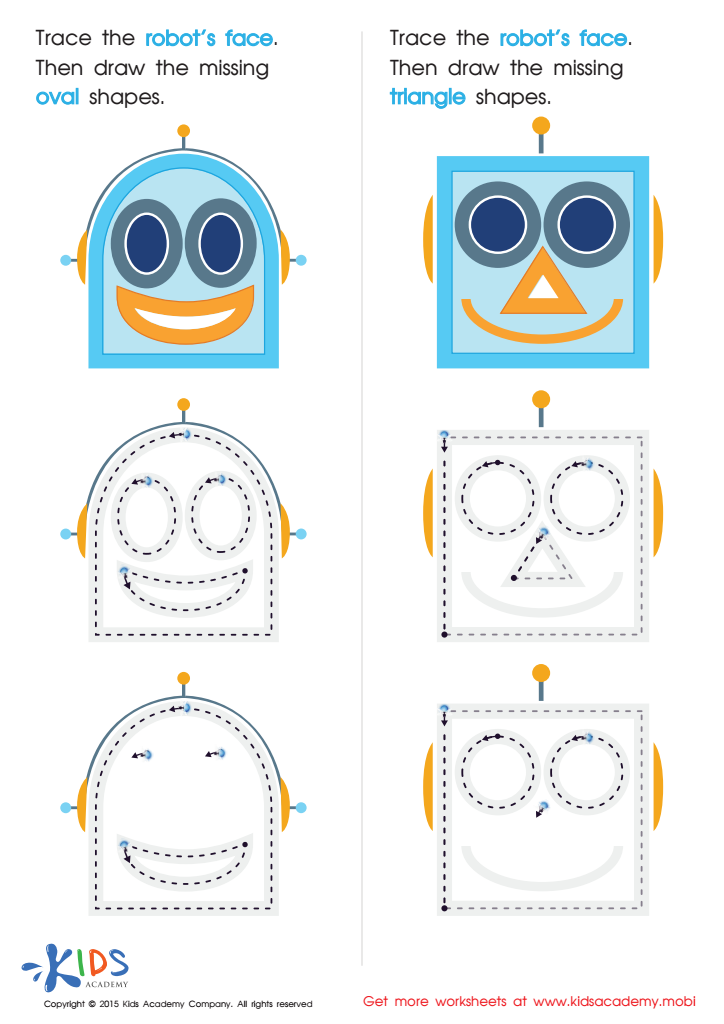
Drawing Ovals And Triangles with Fun Printable
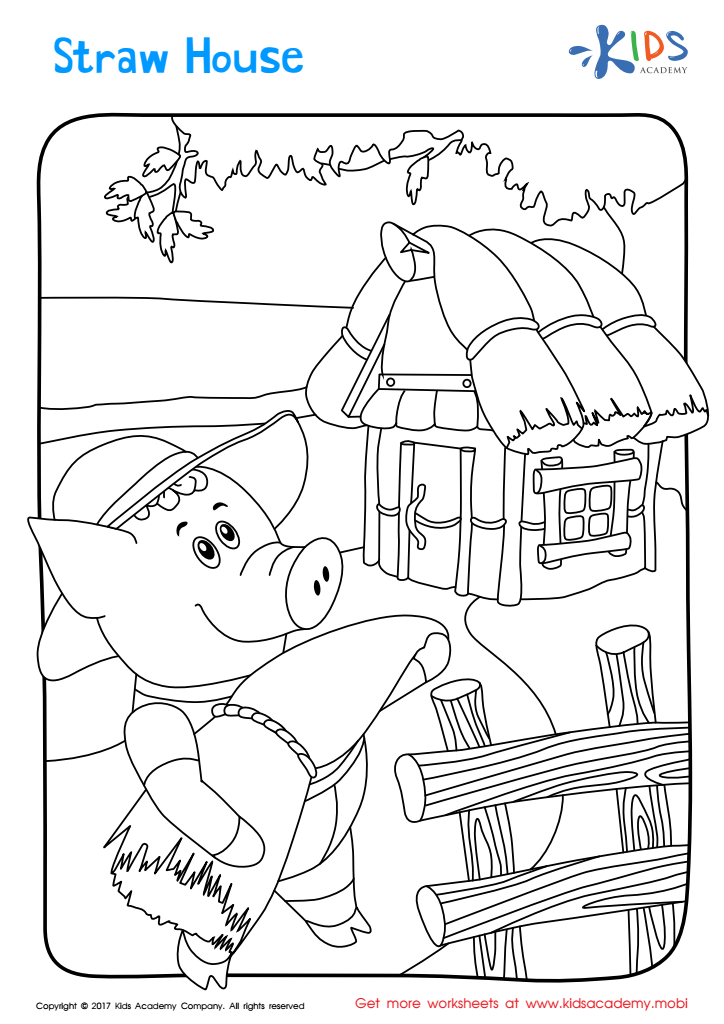
Straw House Printable Coloring Page
Assign to My Students
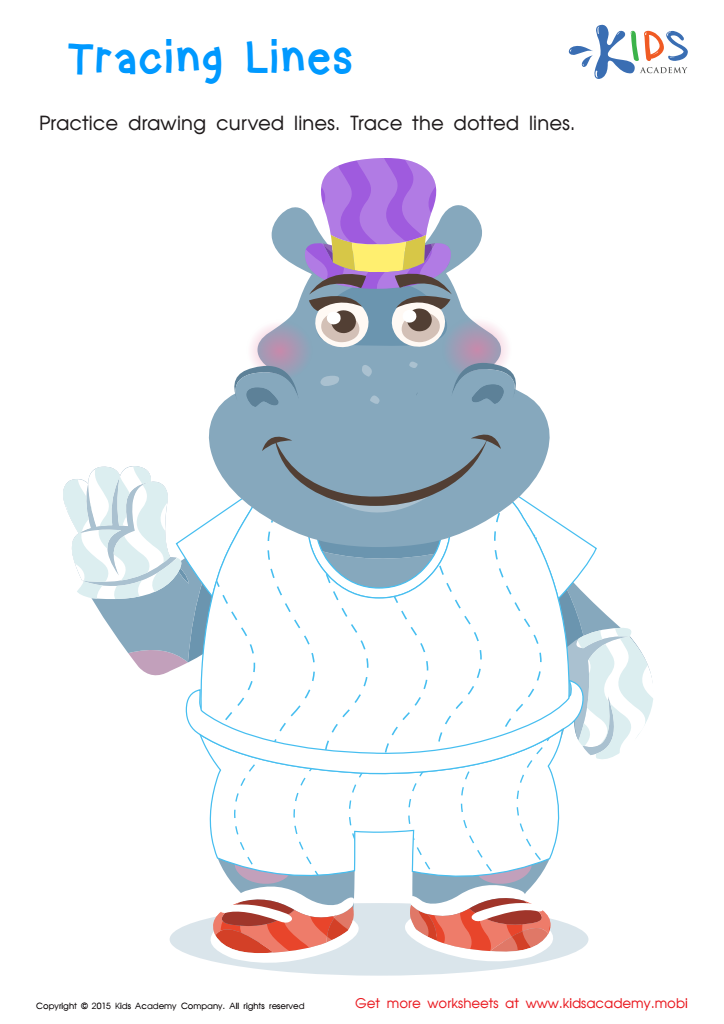
Tracing Lines Worksheet
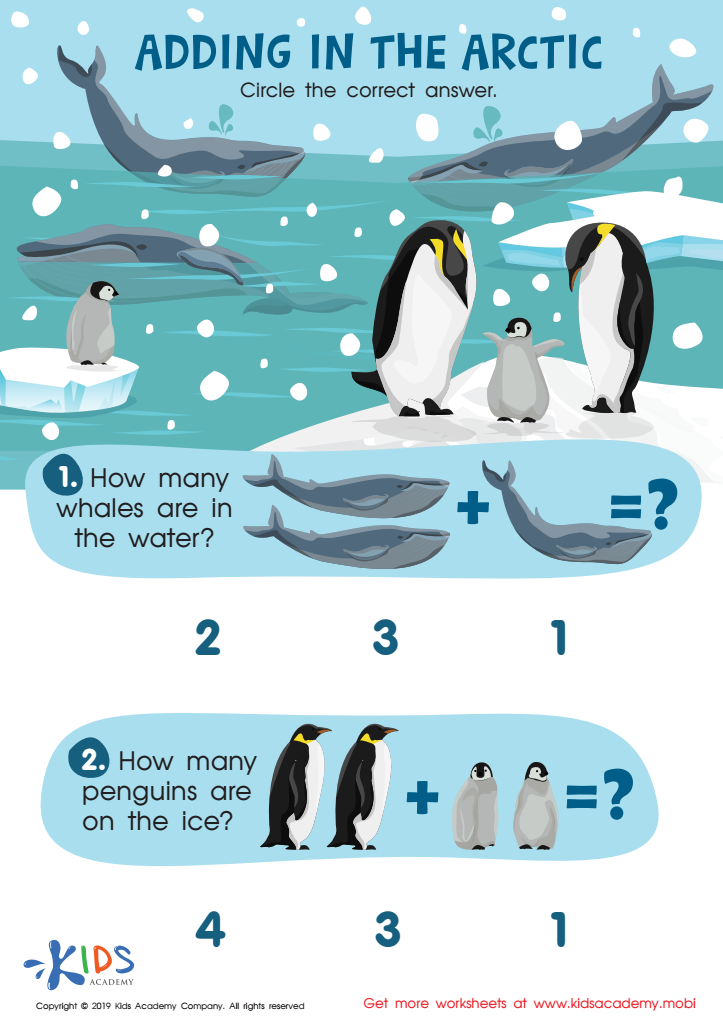
Adding in the Arctic Worksheet
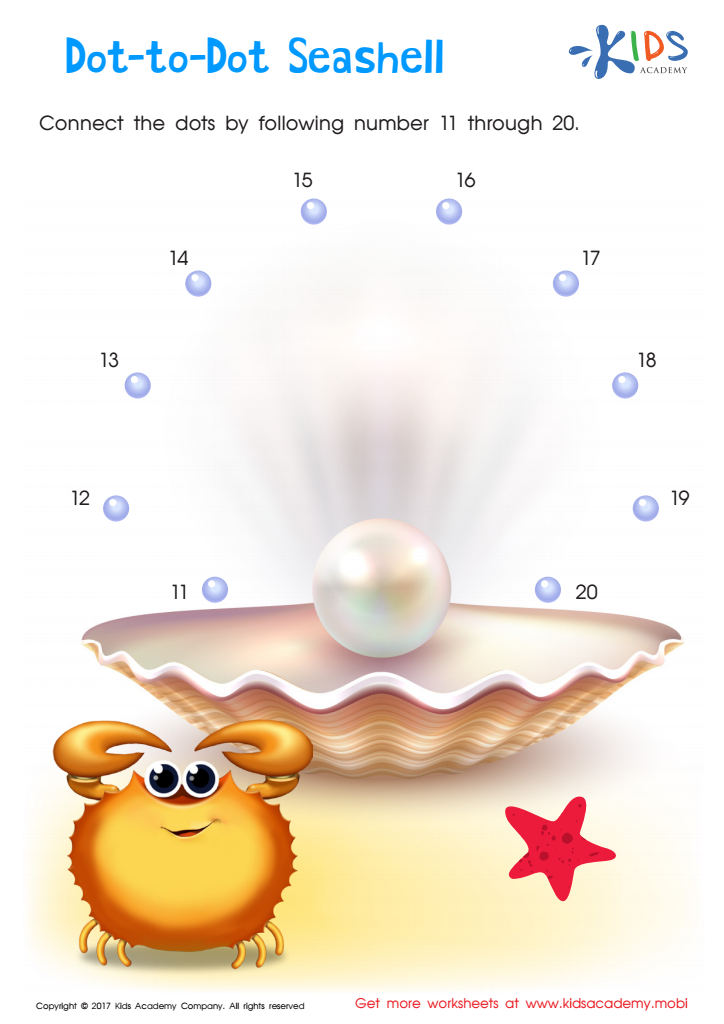
Ordering 11–20: Dot–to–dot Seashell Printable
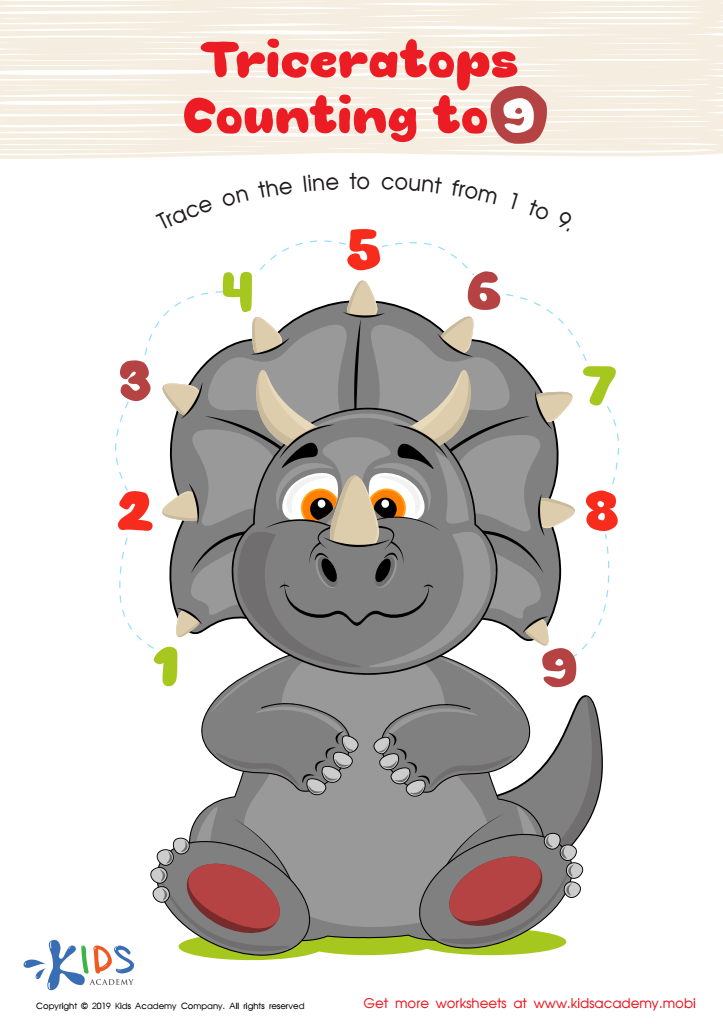
Triceratops Counting to 9 Worksheet
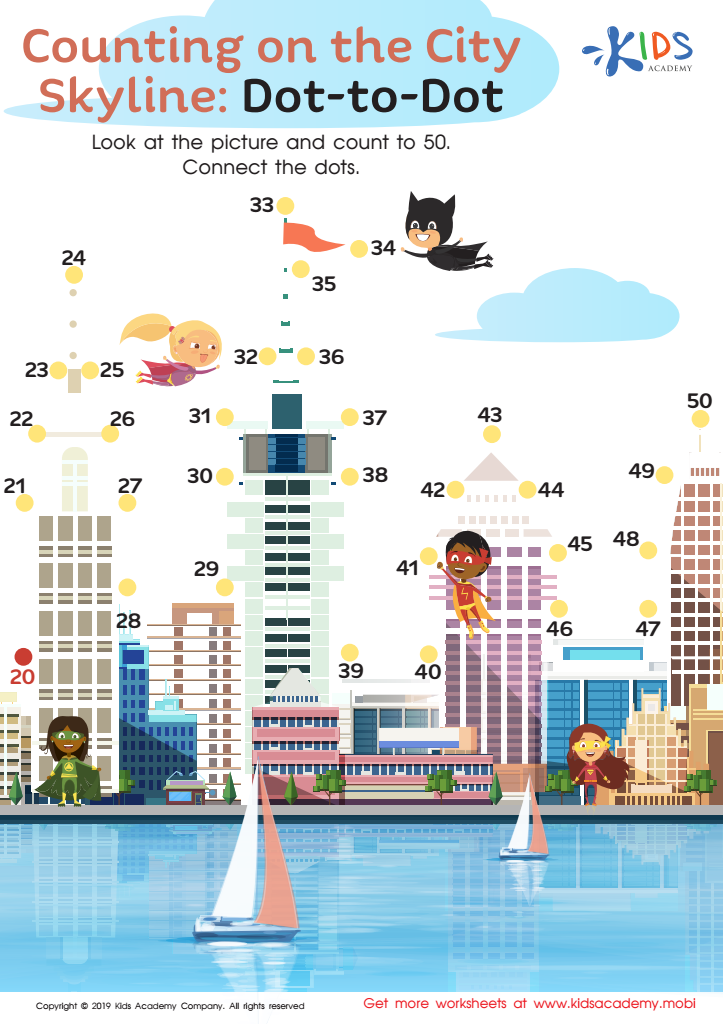
Counting on the City Skyline: Dot-to-Dot Worksheet
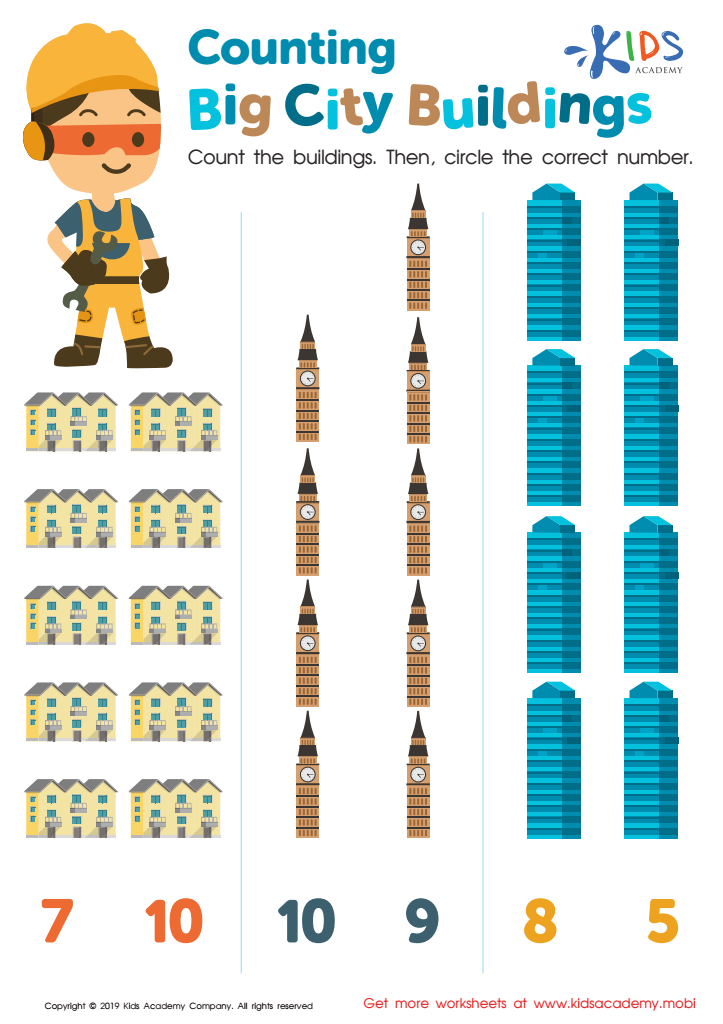
Counting Big City Buildings Worksheet

Night Sky Numbers Worksheet
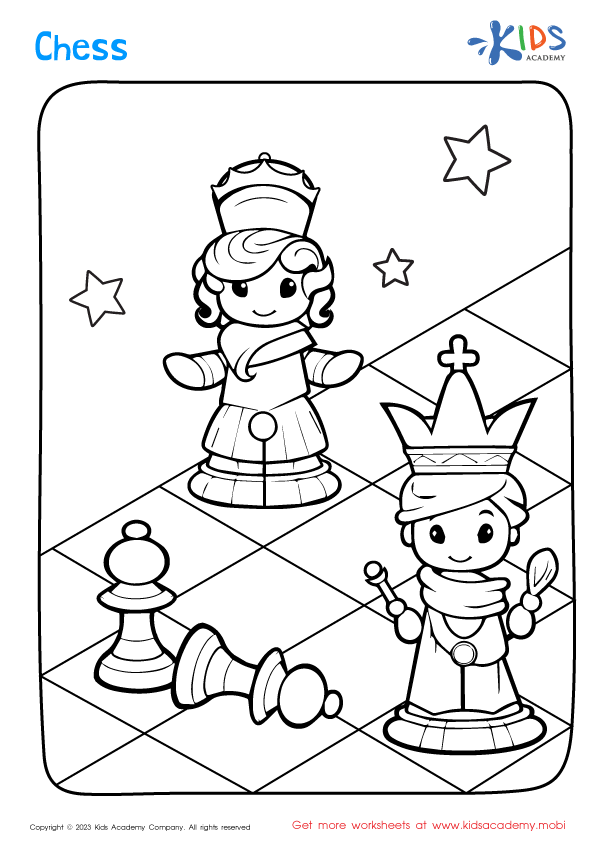
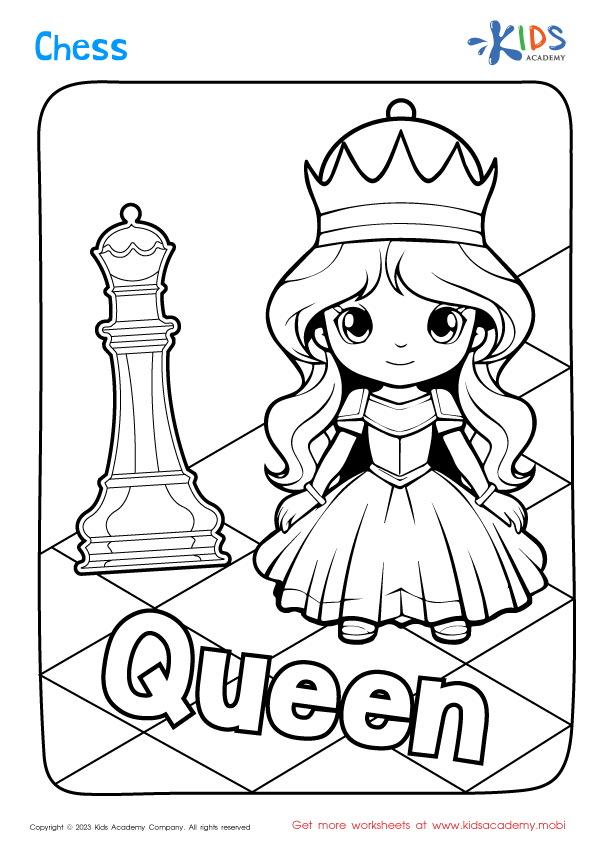



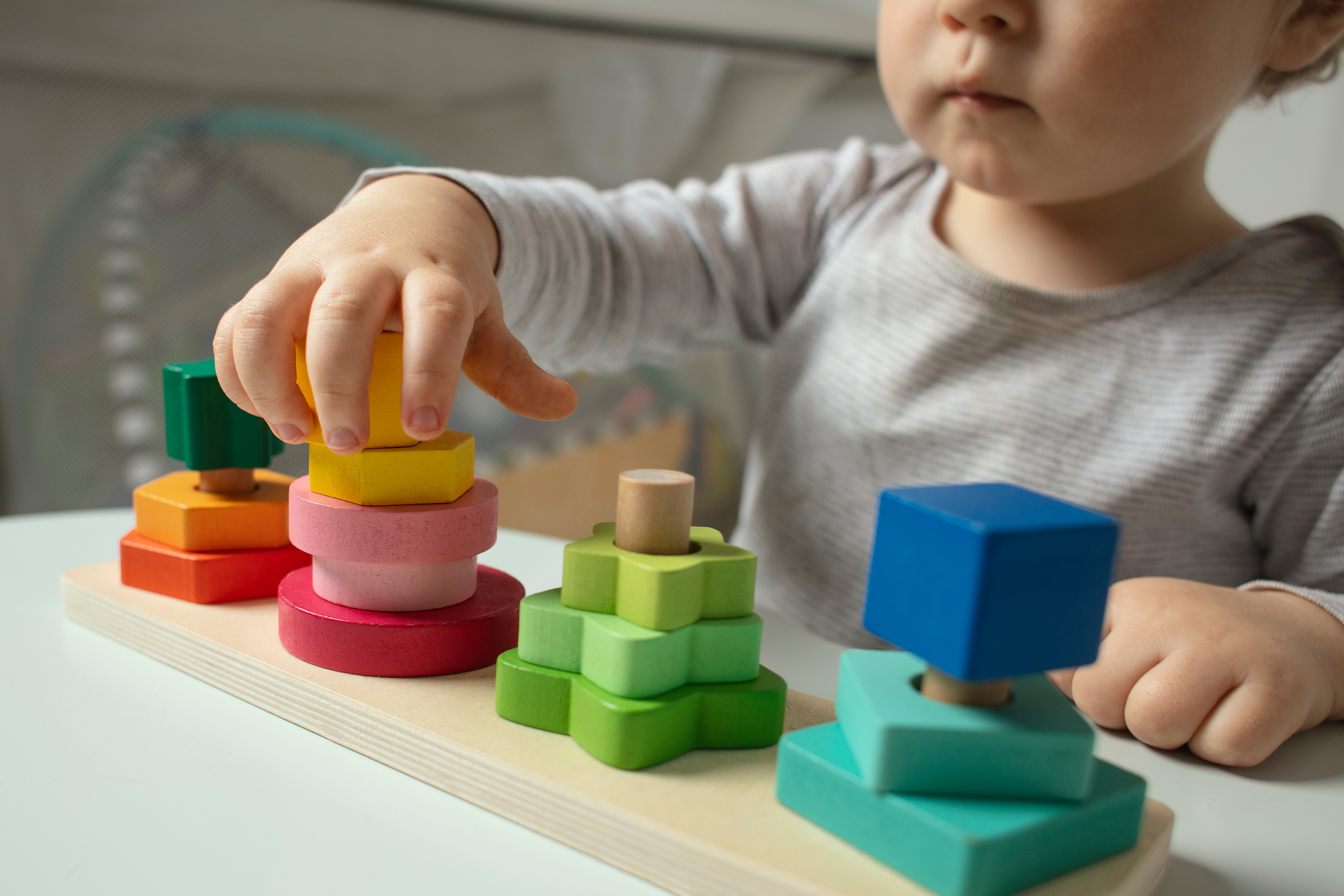



Fine motor skills are essential for young children's overall development, particularly for four-year-olds. These skills involve the small muscles in their hands and fingers, crucial for tasks like writing, cutting with scissors, and grasping small objects. Parents and teachers should care about fine motor skills because they lay the foundation for academic success and daily activities.
At this age, children are developing their ability to manipulate objects, which directly impacts their confidence and independence. Activities that promote fine motor skills, such as drawing, stringing beads, or playing with playdough, not only enhance hand-eye coordination but also foster creativity and problem-solving abilities.
Additionally, fine motor skills correlate with cognitive development. Skills learned through these activities help improve concentration and focus, crucial in a learning environment. As children become more adept at using their hands, they gain the control needed to transition to more complex tasks, such as writing their names or solving puzzles.
Encouraging fine motor activities nurtures not just physical proficiency but also social skills, as children often engage in collaborative play. By emphasizing fine motor skills, parents and teachers set the stage for children's long-term growth and a positive learning experience.








