Easy Animals Worksheets for Ages 5-7
15 filtered results
-
From - To
Welcome to our "Easy Animals Worksheets for Ages 5-7" page! Discover a fun and engaging collection of printable worksheets designed to excite young learners about the animal kingdom. These age-appropriate activities include coloring pages, simple puzzles, and basic facts about various animals. Perfect for enhancing fine motor skills and fostering a love for science, our easy-to-use worksheets make learning enjoyable for your little ones. Whether for classroom use or at-home practice, these resources are crafted to stimulate curiosity and creativity. Browse our selection today and watch your child’s interest in the natural world grow!
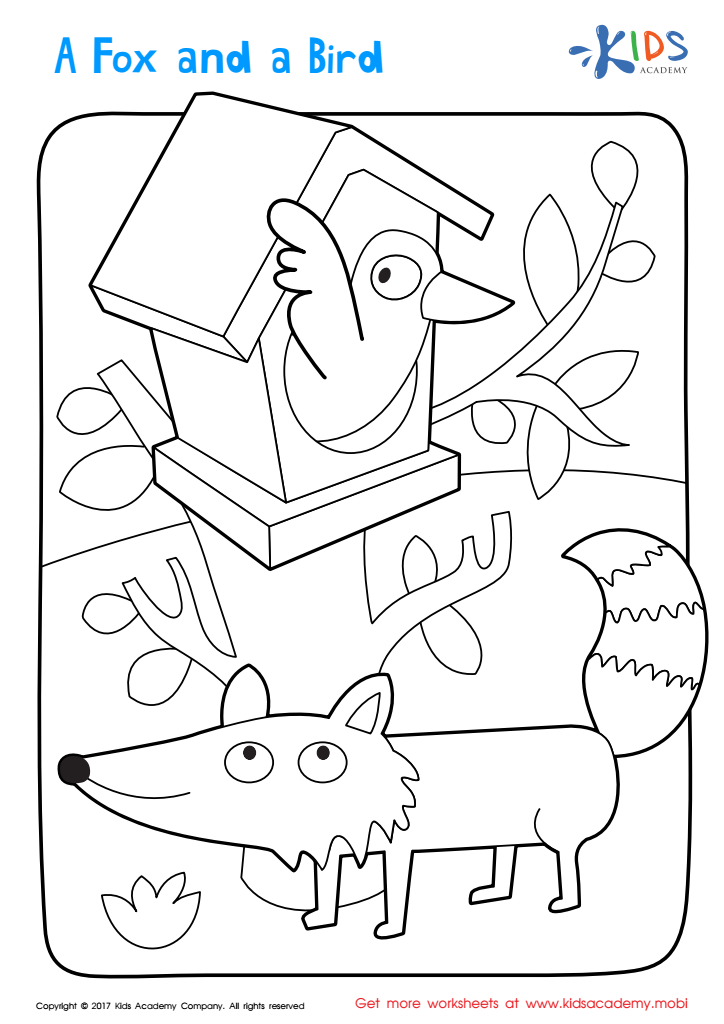
A Fox and Bird Coloring Page
 Assign to My Students
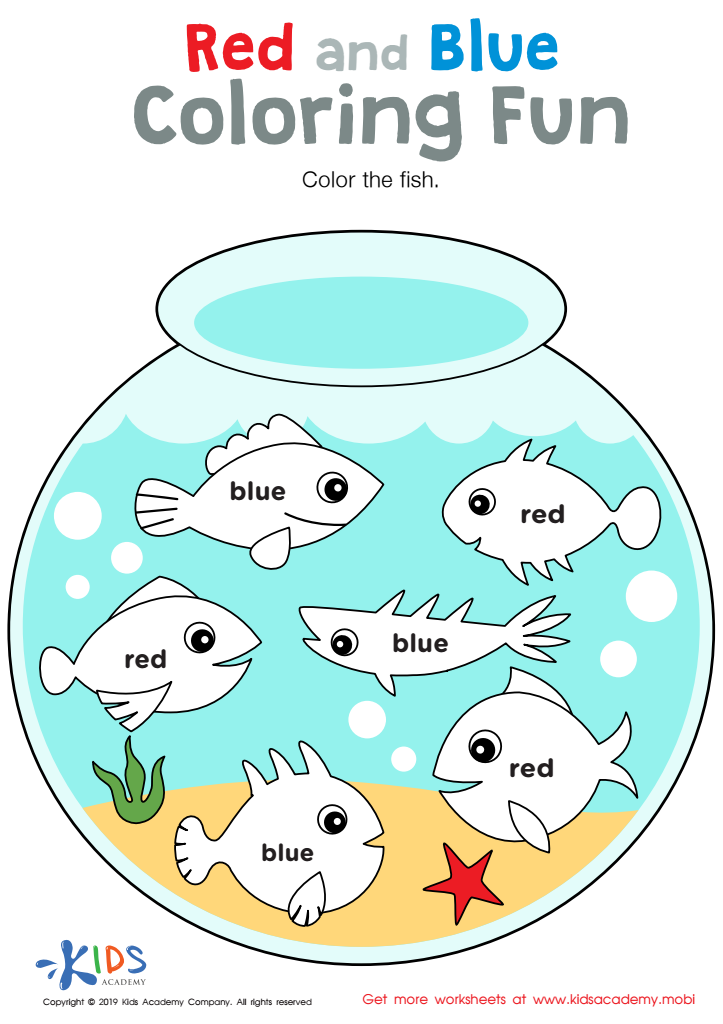
Red and Blue Coloring Fun Worksheet
Assign to My Students
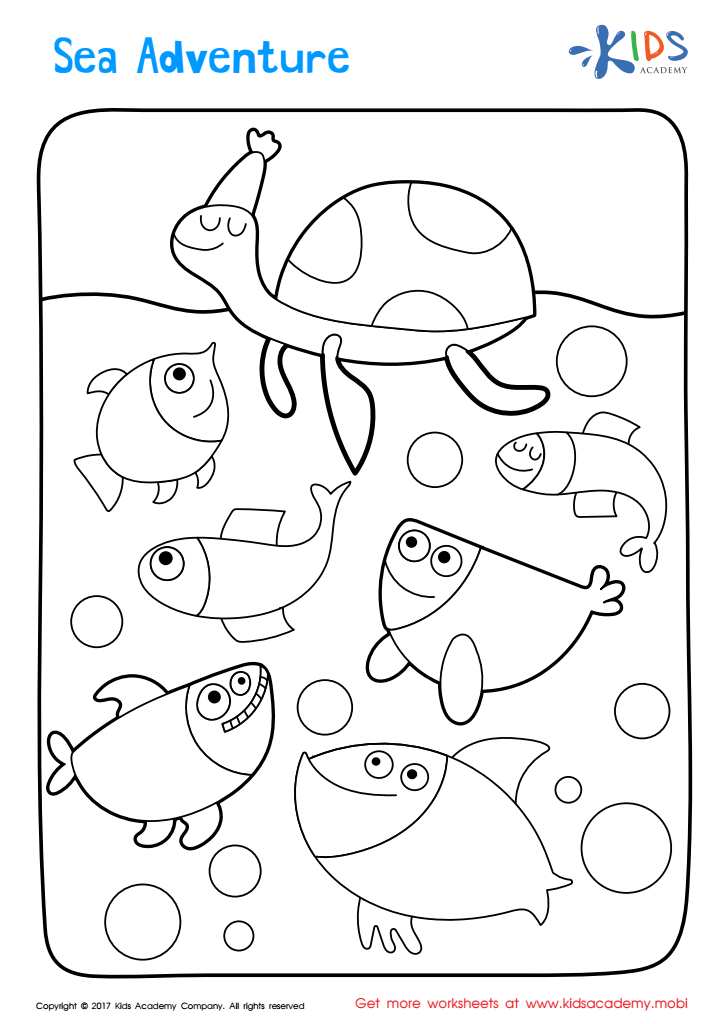
Sea Adventure Coloring Page
Assign to My Students
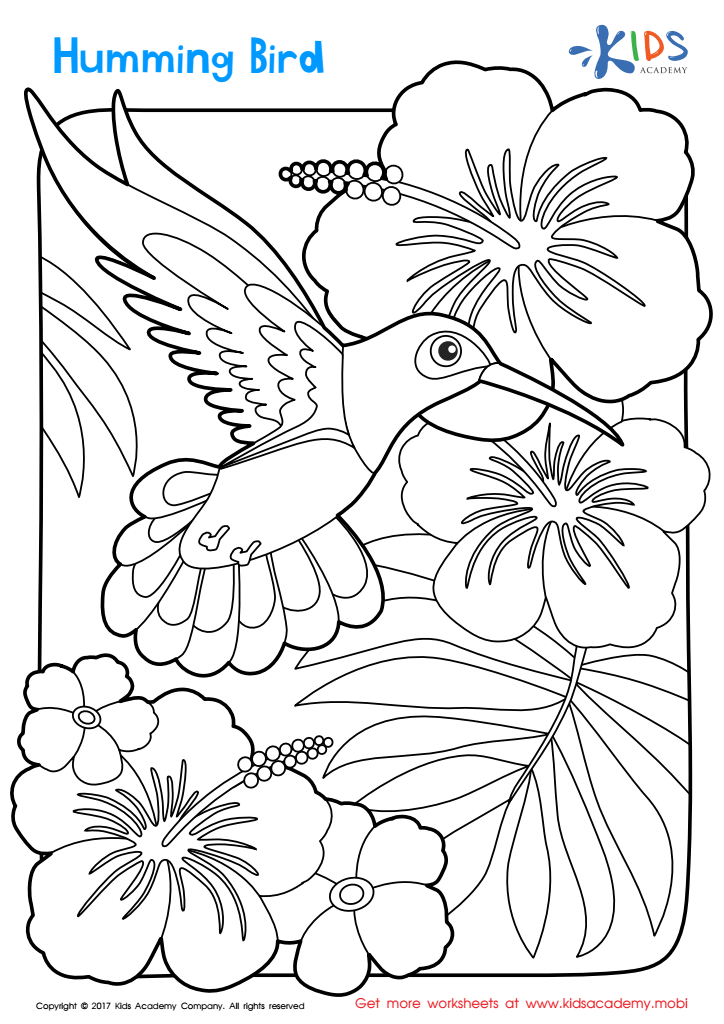
Humming Bird Worksheet
Assign to My Students
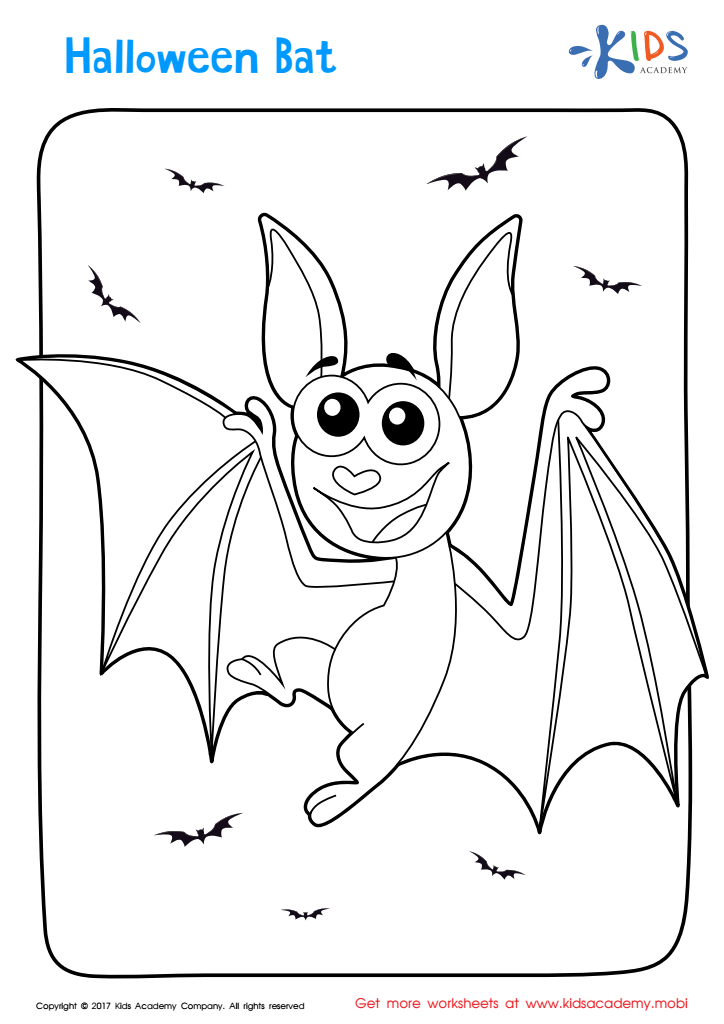
Halloween: A Bat Printable
Assign to My Students
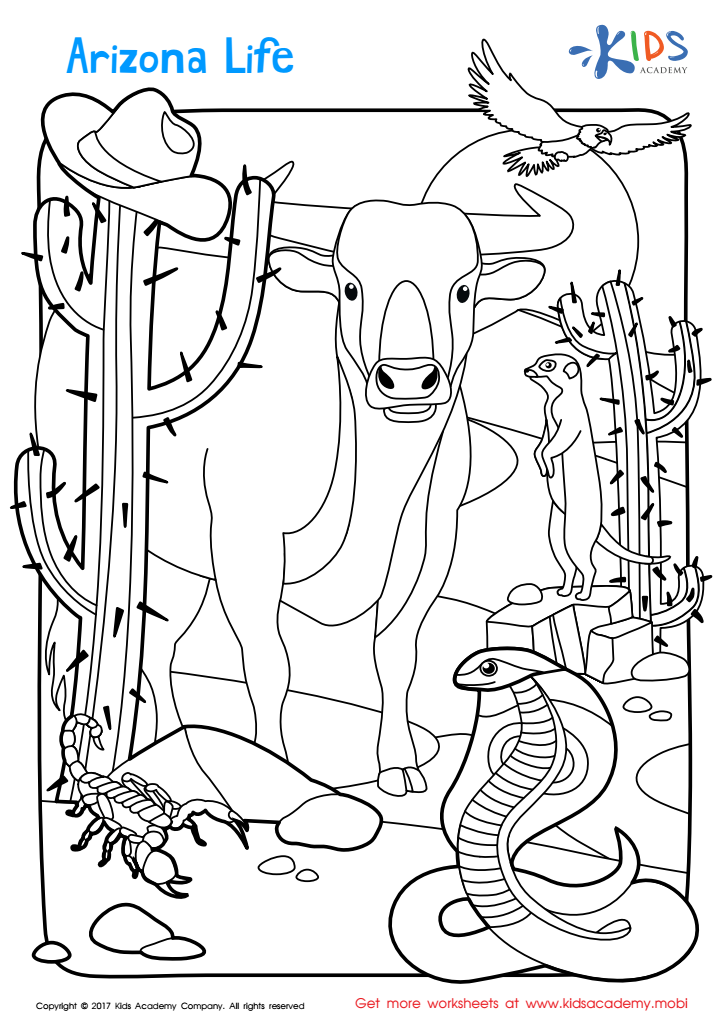
Arizona Coloring Page Worksheet
Assign to My Students
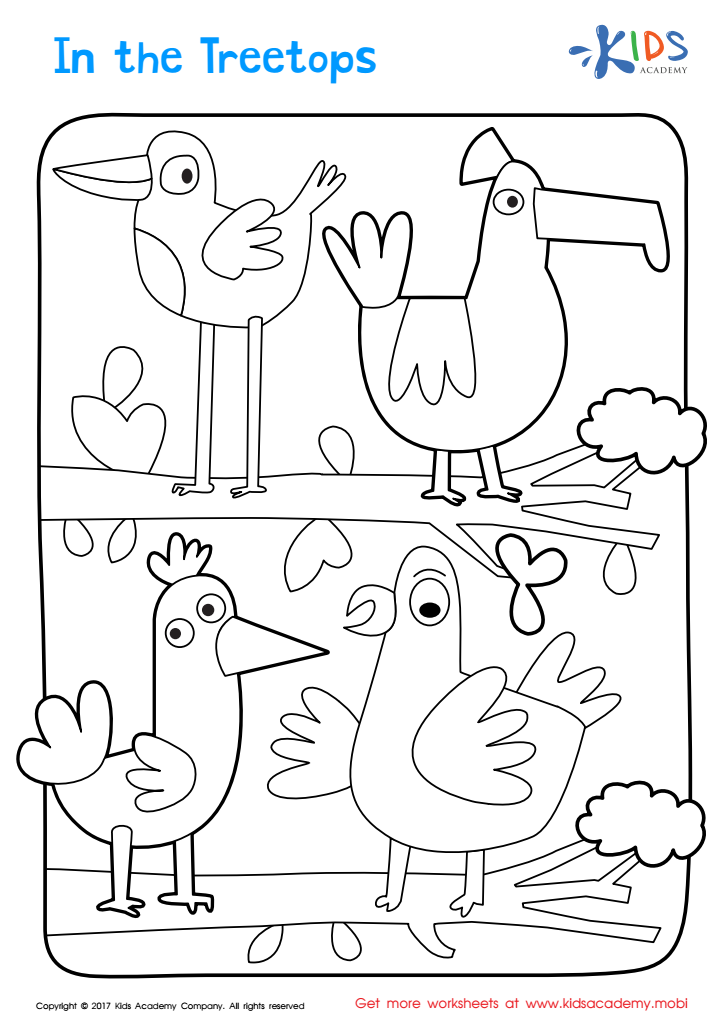
In the Treetops Coloring Page
Assign to My Students
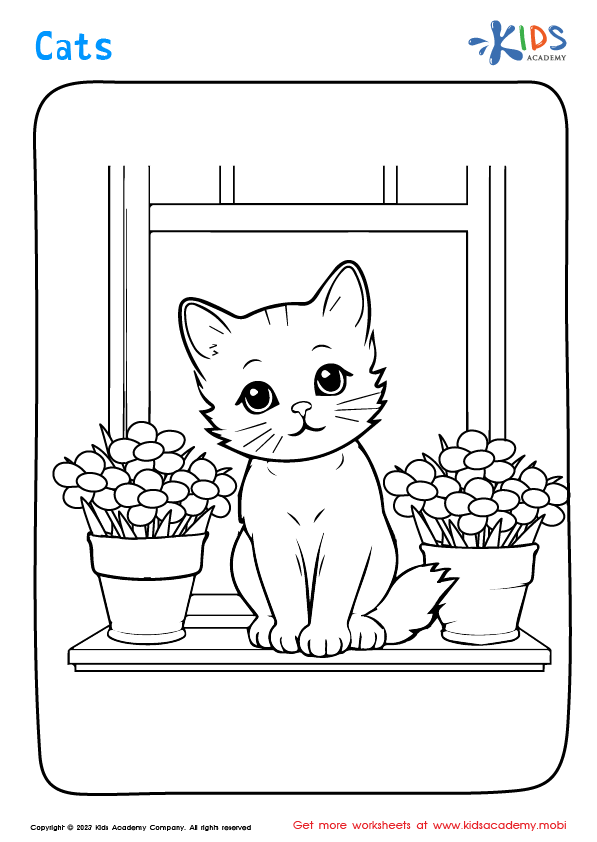
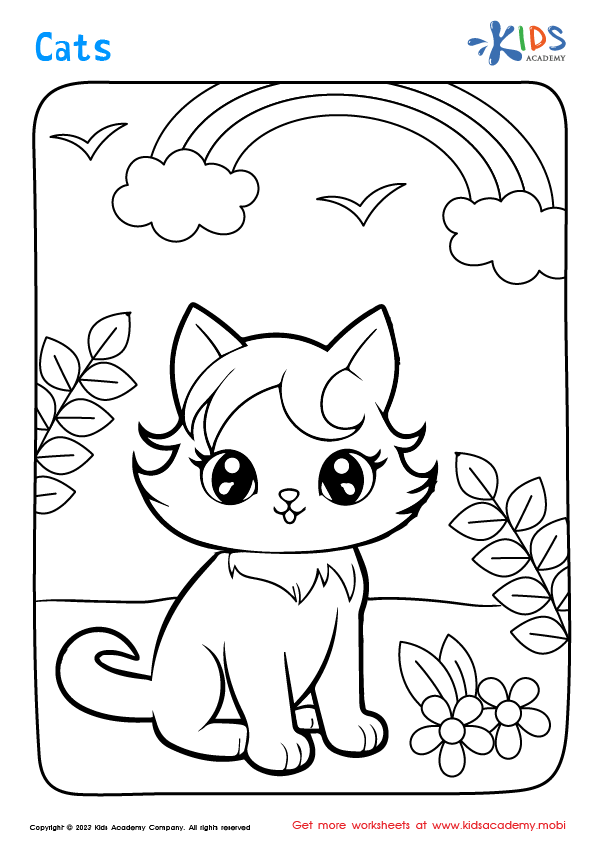
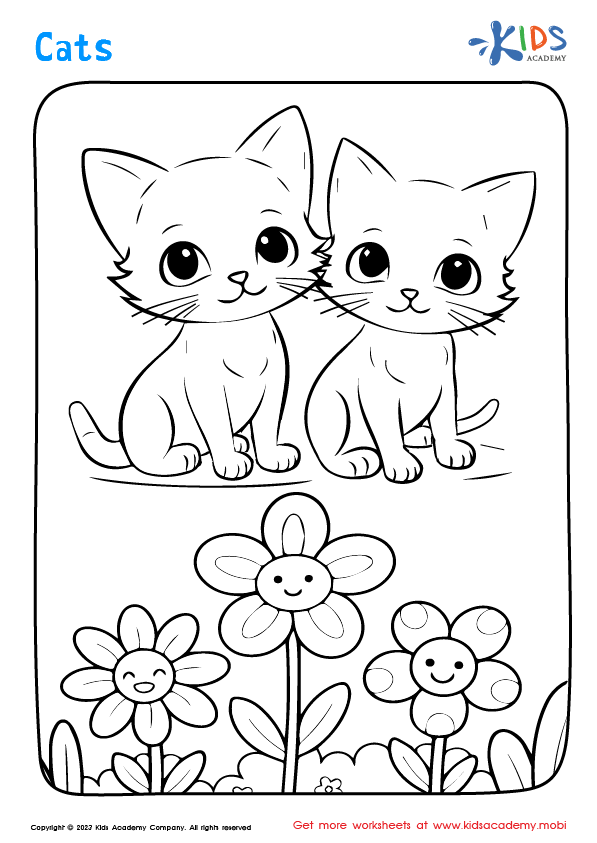
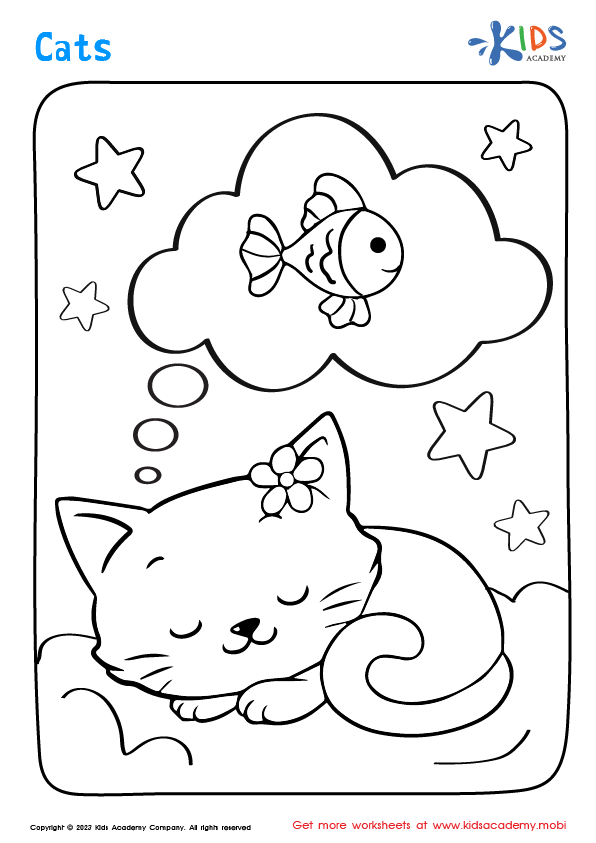
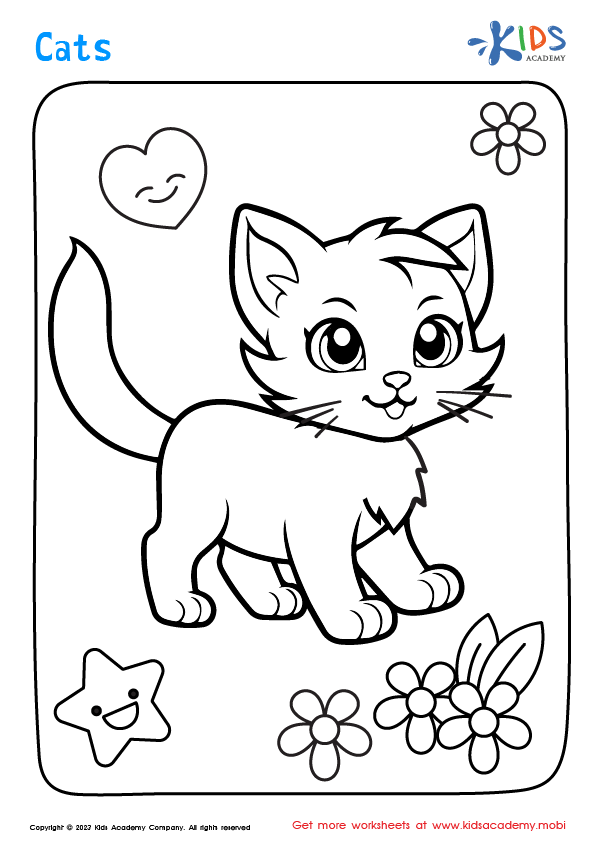
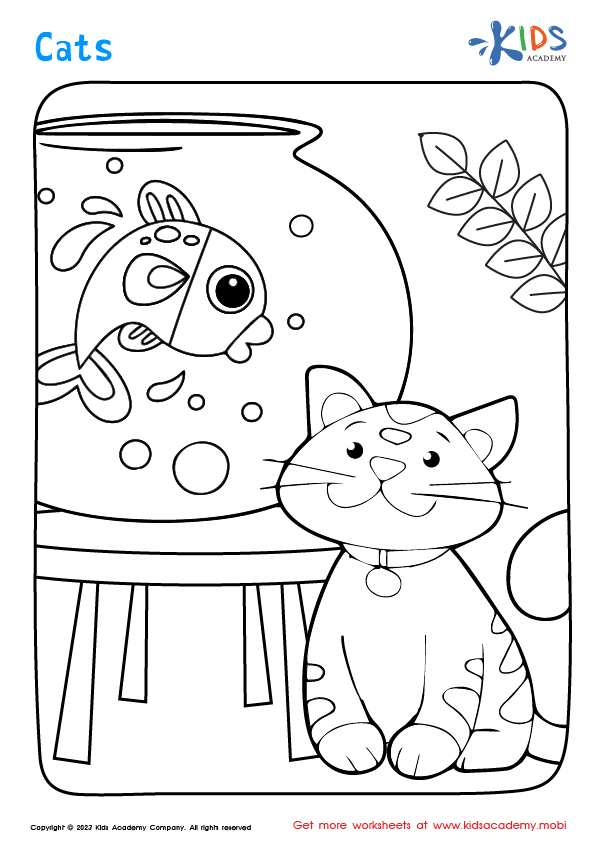
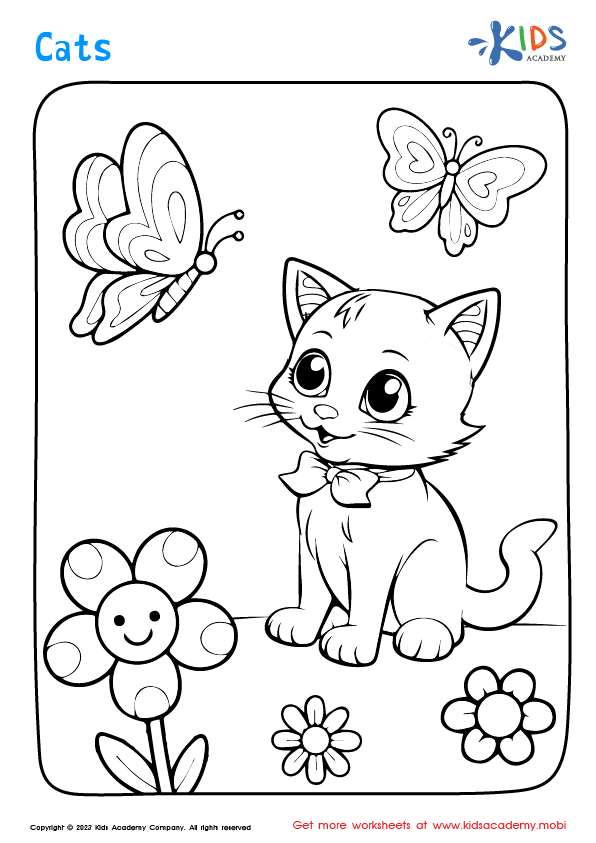
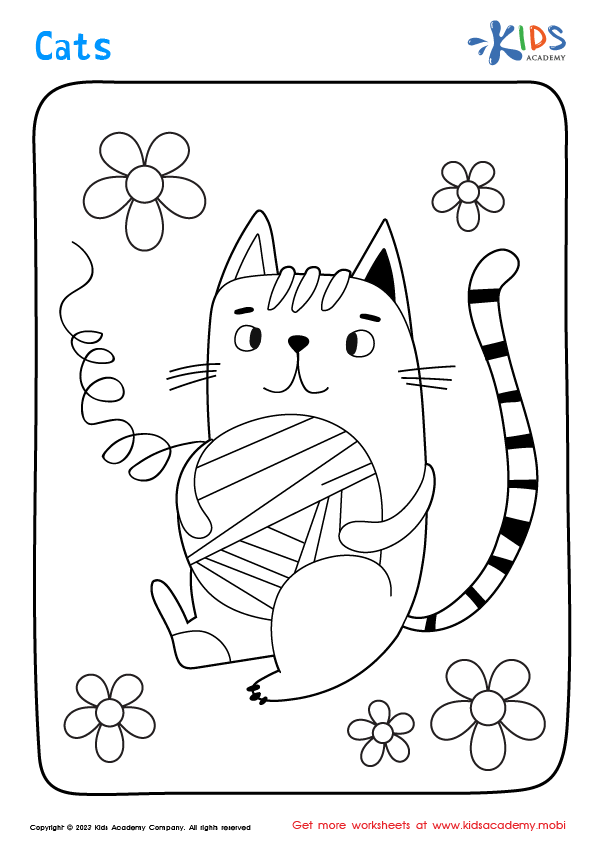








Parents and teachers should care about Easy Animals for Ages 5-7 because it's an engaging and educational cornerstone for young children's development. First, early exposure to animals fosters empathy and a sense of responsibility. Learning about different species, their habitats, and behaviors helps kids appreciate and respect living creatures at a crucial stage of their moral development.
Furthermore, studying animals can boost cognitive skills. Interesting stories and facts about animals capture children's attention, stimulate curiosity, and encourage observational learning, which enhances their cognitive flexibility and critical thinking abilities.
Adding to its cognitive benefits, Easy Animals integrates seamlessly into core educational subjects. Young readers encounter new vocabulary, simple sentence structures, and descriptive language, strengthening their reading and comprehension skills. Simultaneously, basic concepts in science become accessible through discussions about ecosystems, adaptation, and life cycles.
Social and emotional growth is also influenced, as common interests in animals encourage collaborative learning and discussions among peers. This shared interest can form a basis for cooperative play and develop social skills effectively and age-appropriately.
In summary, Easy Animals for Ages 5-7 not only enriches cognitive, social, and emotional development but also implants a lasting interest and respect for the natural world that young children will carry forward into their later years.