Comprehension skills Easy Worksheets for Ages 5-7
4 filtered results
-
From - To
Boost young minds with our "Comprehension Skills Easy Worksheets for Ages 5-7". Perfectly designed to enhance reading and understanding capabilities, these engaging worksheets encourage early learners to practice important comprehension strategies. They cover various themes and activities such as identifying the main idea, recalling facts, and answering simple questions. With colorful illustrations and fun exercises, kids stay interested and gain confidence in their reading skills. Ideal for both classroom use and at-home practice, our printable materials cater to different learning styles, helping every child excel in their reading journey. Transform learning into an enjoyable adventure today!
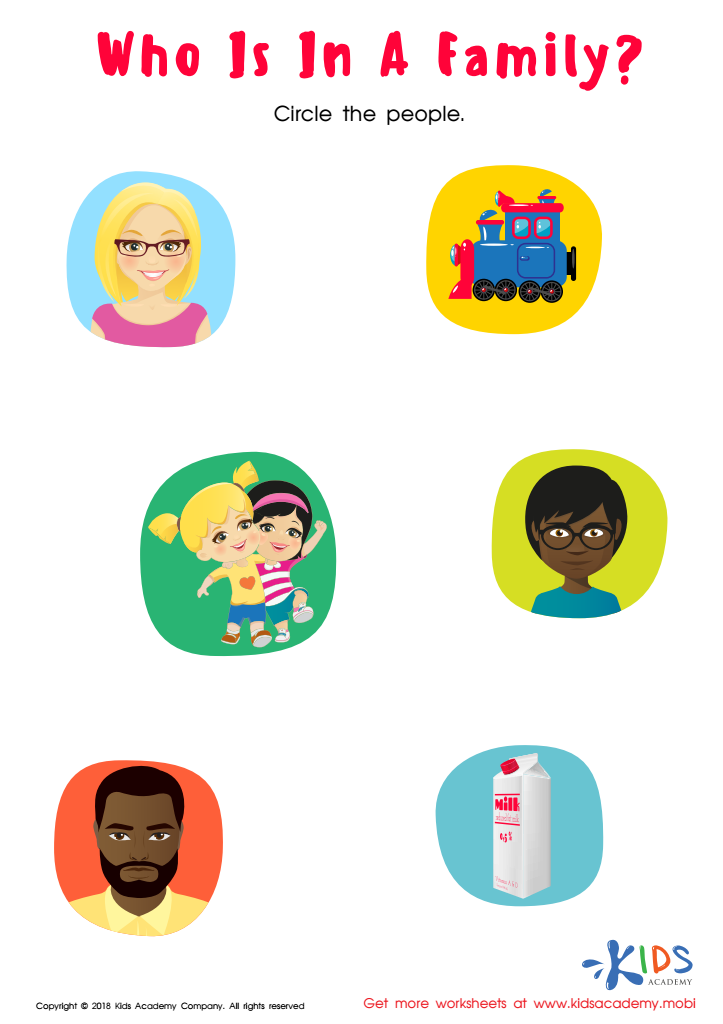
Who Is in a Family? Worksheet
 Assign to My Students
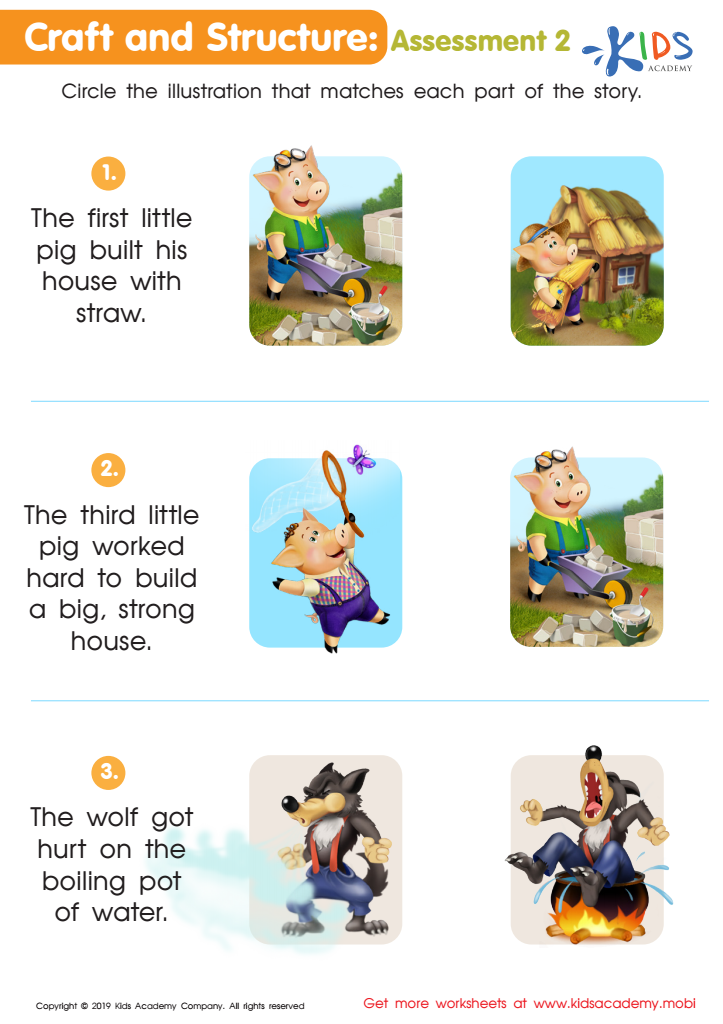
Craft and Structure: Assessment 2 Worksheet 2
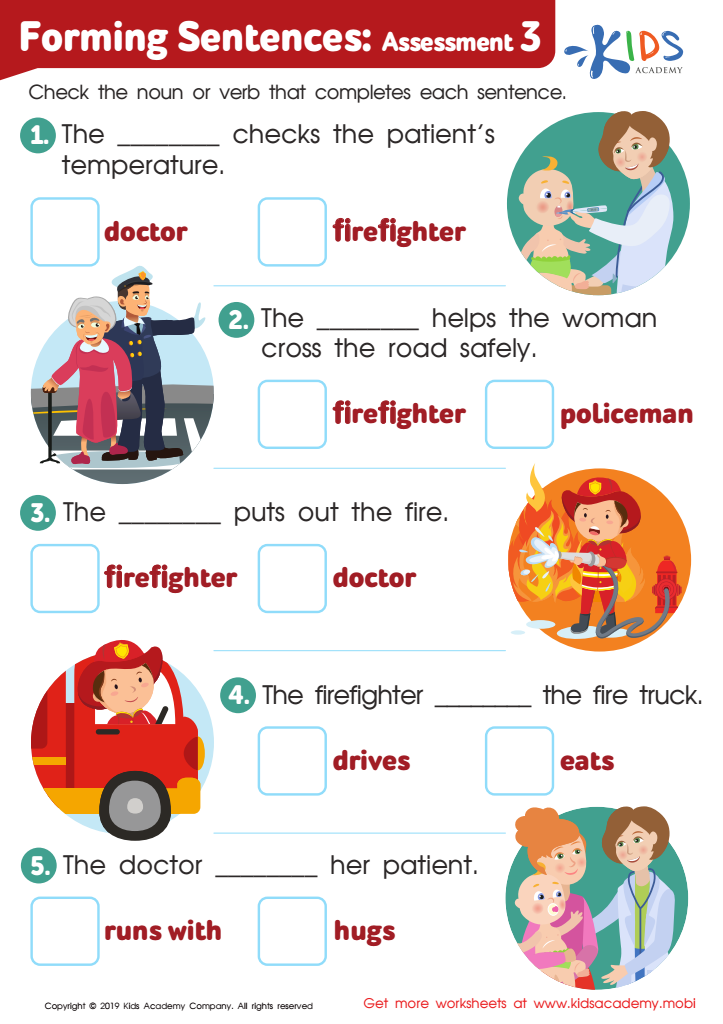
Forming Sentences: Assessment 3 Worksheet
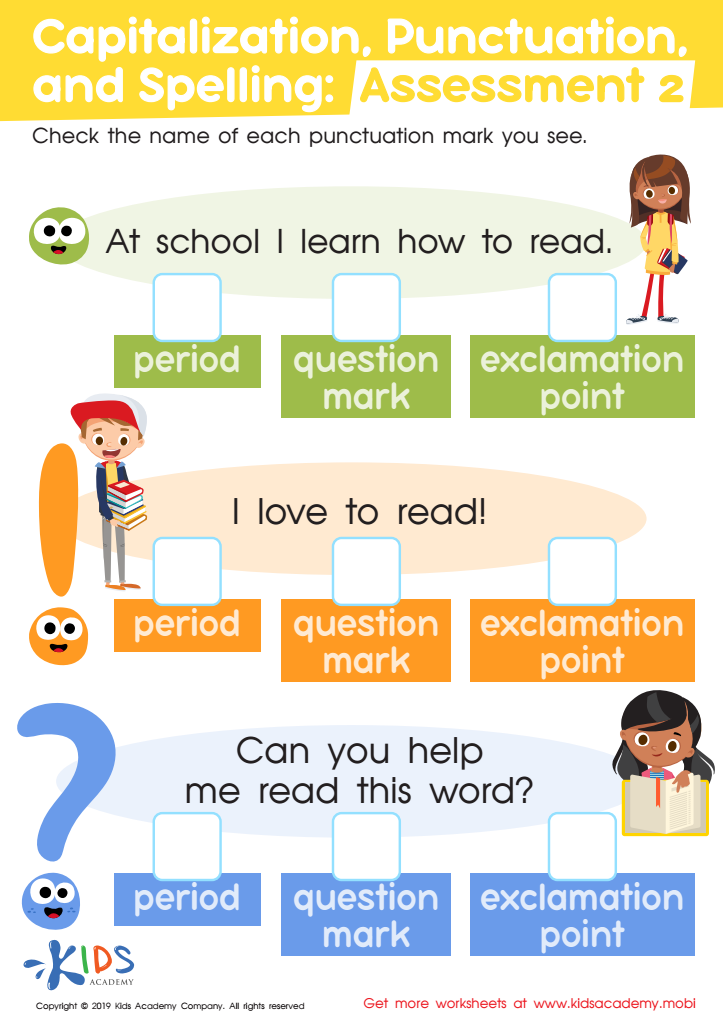
Capitalization. Punctuation. Spelling: Assessment 2 Worksheet








Comprehension skills for ages 5-7 are fundamental to a child's early education and overall cognitive development. At this young age, children are like sponges, absorbing information rapidly, and comprehension skills help them make sense of what they read, hear, and experience.
Firstly, fostering comprehension skills helps children understand the basics of reading. It's not enough to just recognize words; they need to grasp the meaning behind them. This understanding lays the groundwork for future academic success across all subjects, as strong reading comprehension is essential for learning math concepts, understanding science explanations, and following social studies narratives.
Secondly, good comprehension promotes better communication. When children understand stories and content clearly, they can express their thoughts, ideas, and feelings more effectively. This ability enhances their social skills, aiding them in building friendships and collaborating with peers.
Thirdly, comprehension skills stimulate critical thinking. When young learners interpret texts or experiences, they start comparing, analyzing, and predicting outcomes, all of which are crucial for problem-solving.
Teachers and parents should thus place great emphasis on nurturing these skills early on, through reading activities, engaging conversations, and interactive storytelling. By doing so, they help pave the way for a child's good academic performance and enriched personal growth, which extends well beyond the classroom.








